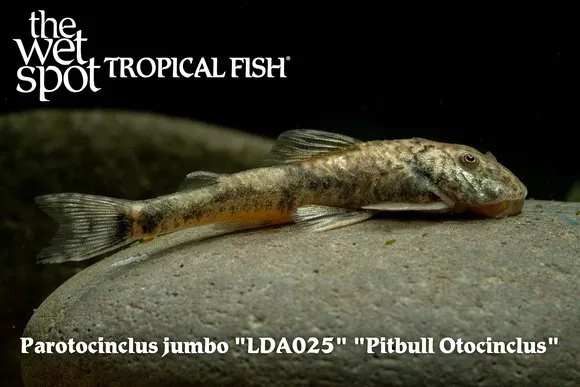
Pit bull otocinclus
Parotocinclus jumbo
Also known as LDA25, Jumbo oto, Goby oto
FreshwaterFish
Care at a glance
- Temperature
- 72–81°F
- 22–27°C
- pH
- 6.0–7.5
- Adult size
- 2.4 in
- 6 cm
- Minimum tank
- 20 gal
- 75 L
- Temperament
- Peaceful
- Social behavior
- Social
- Swim level
- Bottom
- Diet
- Herbivore
- Difficulty
- Medium
- Breeding
- Egg layer · Medium
- Rarity
- Rare
- Family
- Loricariidae
- Origin
- Coastal northeastern Brazil
Overview
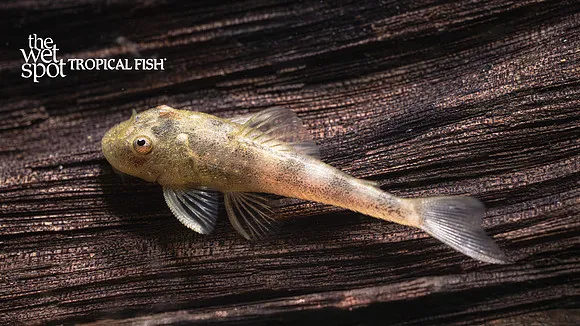
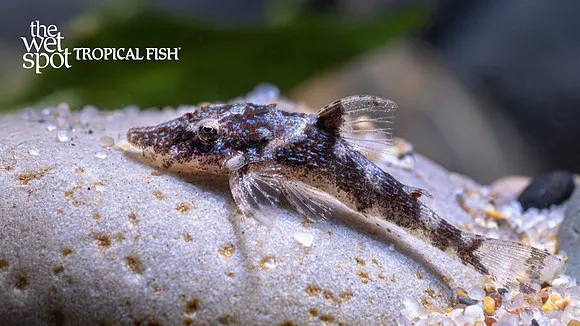
The pit bull otocinclus is a stocky little grazing catfish. It works the bottom and lower surfaces, rolling sand and rasping soft algae and biofilm from stones and wood. It is best with a little experience.
Did you know
Both names of the pit bull otocinclus promise trouble it never delivers. It is a peaceful vegetarian barely the length of a paperclip. It owes its fierce nickname only to a broad, blunt, bulldog-like head.
Caring for the pit bull otocinclus
Give pit bull otocinclus at least 20 gal (75 L) for a group, set up with sand, smooth stones and some driftwood. Add some plants for extra grazing surface.
Keep the water mild, at 72 to 81°F (22 to 27°C), with a pH of 6.0 to 7.5. It should be clean, well oxygenated and gently moving. Clarity and oxygen matter more than exact chemistry.
Its diet is largely vegetarian. Keep the tank mature enough to grow a film for it to graze, and add algae wafers, spirulina tablets and blanched vegetables.
The pit bull otocinclus is social and fine alone, though a small shoal of five or six suits it better. It is fully peaceful and community safe, so choose calm tank mates of similar temper.
Breeding is of moderate difficulty. It is an egg layer, and clean, cool, well-oxygenated water with plenty of grazing gives the fry the best chance.
Good to know
The pit bull otocinclus, Parotocinclus jumbo, is a dwarf catfish in the family Loricariidae. The species name jumbo is a small joke. It is one of the largest members of a genus of otherwise tiny fish, not a large fish in any real sense. It carries the trade code LDA25.
In the wild
The pit bull otocinclus lives in clear coastal streams of northeastern Brazil. These bright streams have sandy bottoms scattered with rock, and their water is slow, clean and well oxygenated.
Weekly picks
Tank mates
The pit bull otocinclus is a peaceful, social species that keeps to the bottom. These picks share a community profile with it, are safe together in both directions, and overlap on water type, temperature and pH.
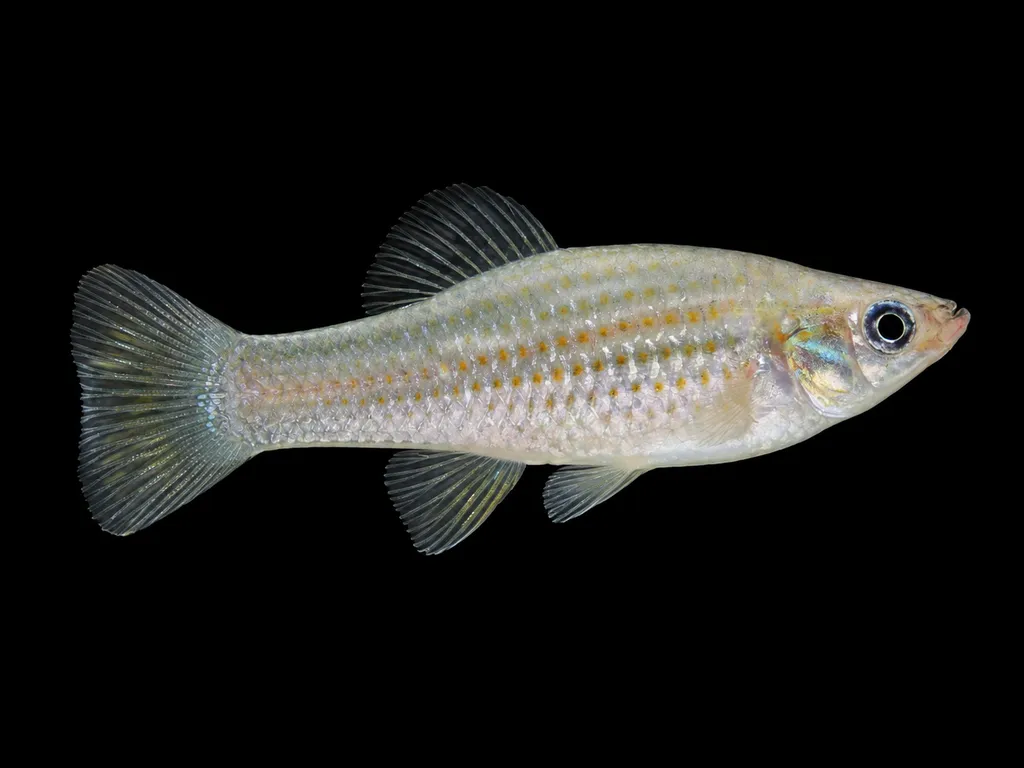
Amazon molly
Poecilia formosa
Freshwater3.5 in (9 cm) · 20 gal (75 L)68–82°F (20–28°C)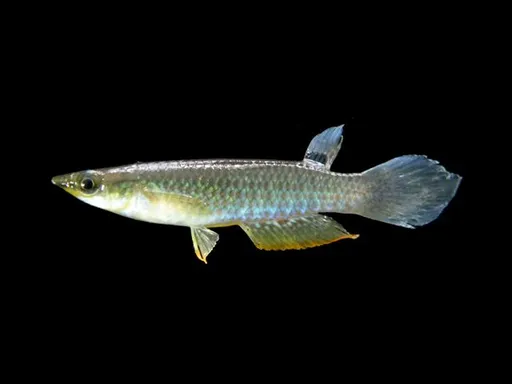
Blue panchax
Aplocheilus panchax
Freshwater3.5 in (9 cm) · 20 gal (75 L)72–82°F (22–28°C)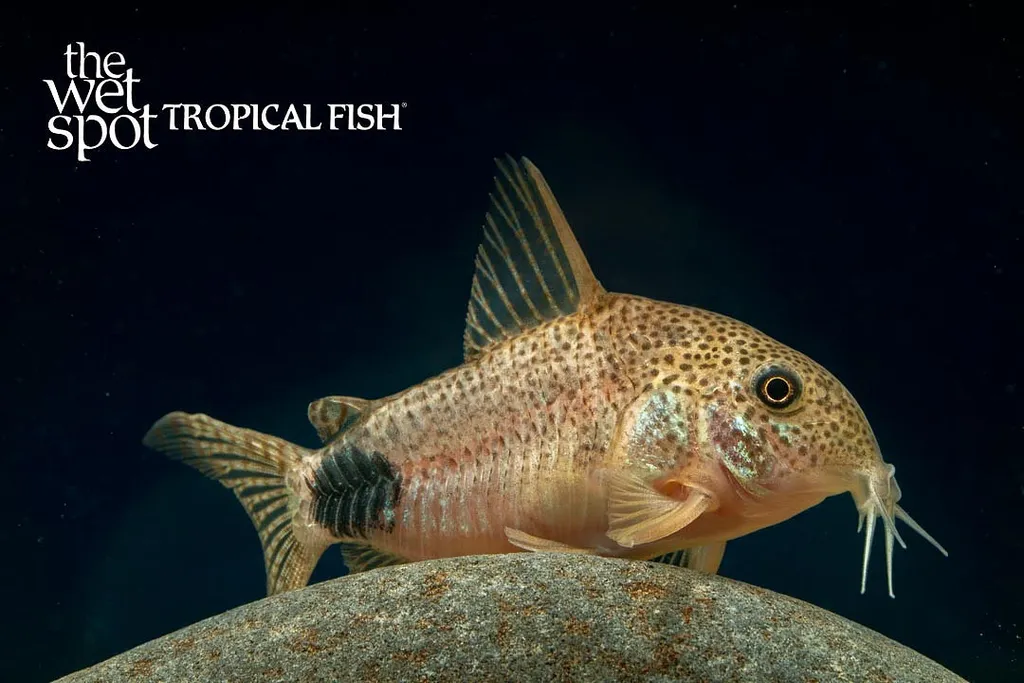
Tailspot cory
Hoplisoma caudimaculatum
Freshwater2 in (5 cm) · 20 gal (75 L)68–81°F (20–27°C)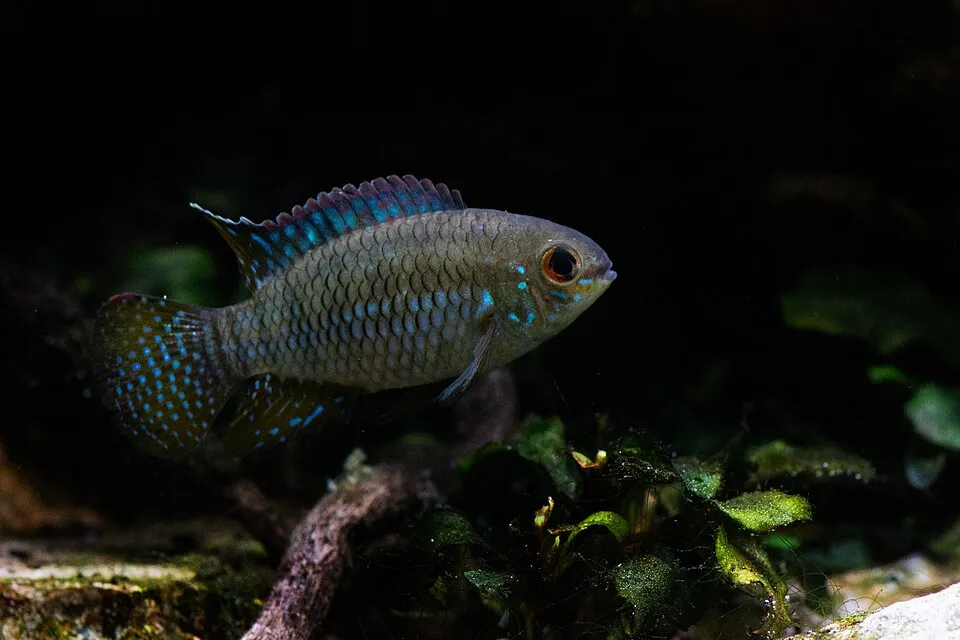
Dwarf flag cichlid
Laetacara curviceps
Freshwater2.2 in (5.5 cm) · 20 gal (75 L)68–82°F (20–28°C)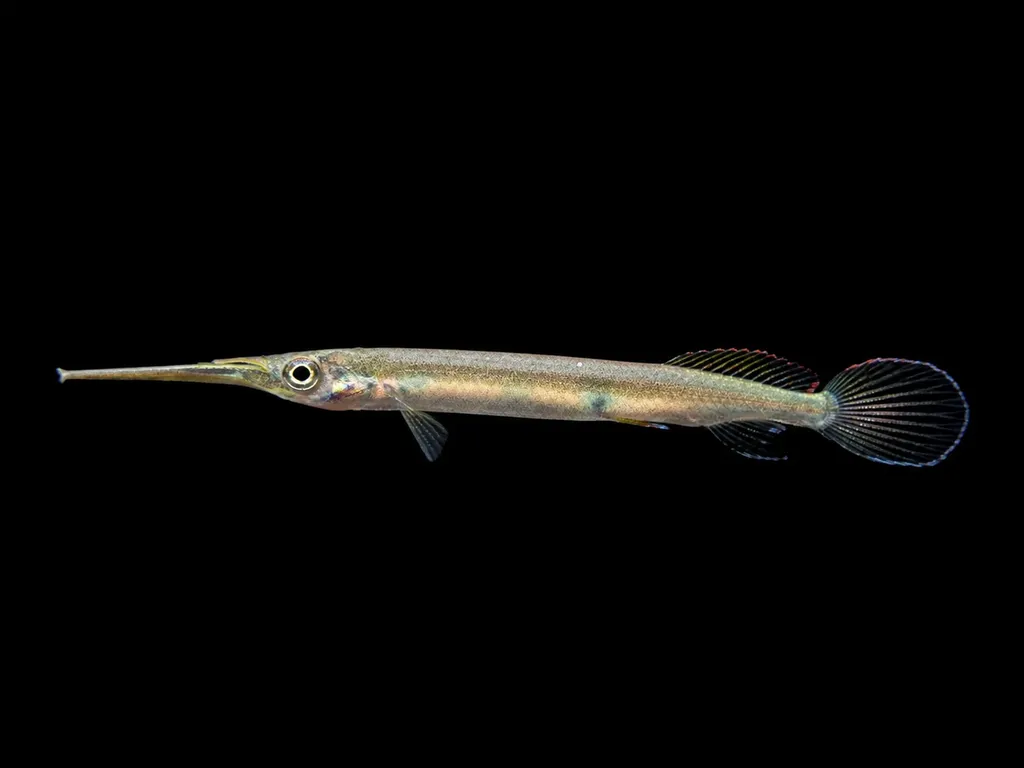
Kuekenthal's halfbeak
Hemirhamphodon kuekenthali
Freshwater3.3 in (8.5 cm) · 20 gal (75 L)73–81°F (23–27°C)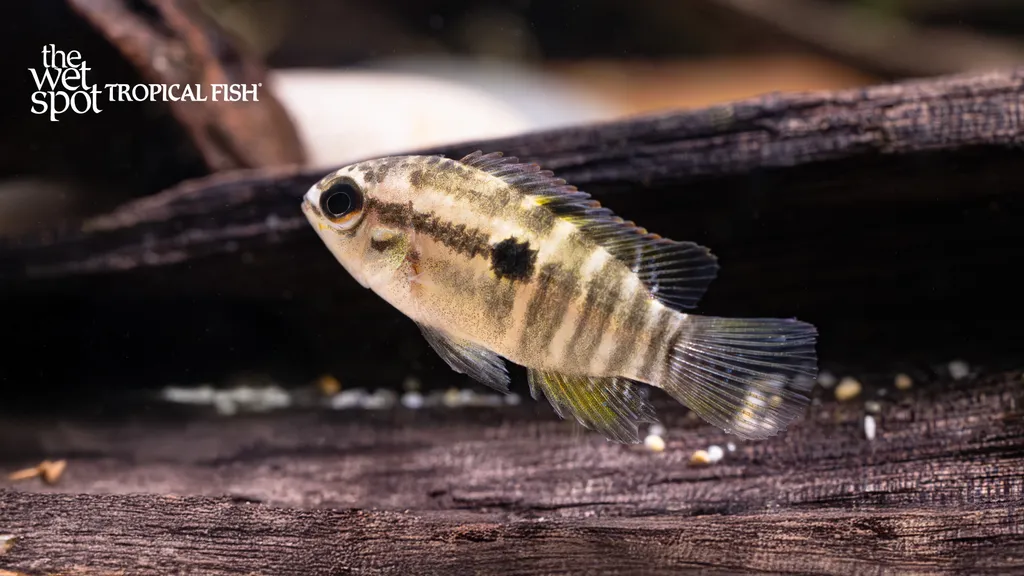
Redbreast acara
Laetacara dorsigera
Freshwater2.8 in (7 cm) · 20 gal (75 L)72–81°F (22–27°C)
Common questions
What size tank does a pit bull otocinclus need?
A pit bull otocinclus needs at least 20 gal (75 L). It spends most of its time in the bottom.
What temperature and pH does a pit bull otocinclus need?
A pit bull otocinclus is comfortable at 72–81°F (22–27°C) with a pH of 6.0–7.5.
What does a pit bull otocinclus eat?
A pit bull otocinclus eats a largely vegetarian diet. It grazes the film that grows in a mature tank, and it takes algae wafers, spirulina tablets and blanched vegetables.
How big does a pit bull otocinclus get?
An adult pit bull otocinclus reaches about 2.4 in (6 cm).
How does a pit bull otocinclus breed?
Pit bull otocinclus are egg layers, and breeding them is of moderate difficulty. Clean, cool, well-oxygenated water with plenty of grazing gives the fry the best chance.
Related species
 2.4 in (6 cm)14 gal (54 L)75–82°F (24–28°C)
Gold spot otocinclus
Parotocinclus spilosoma
2.4 in (6 cm) · 14 gal (54 L)
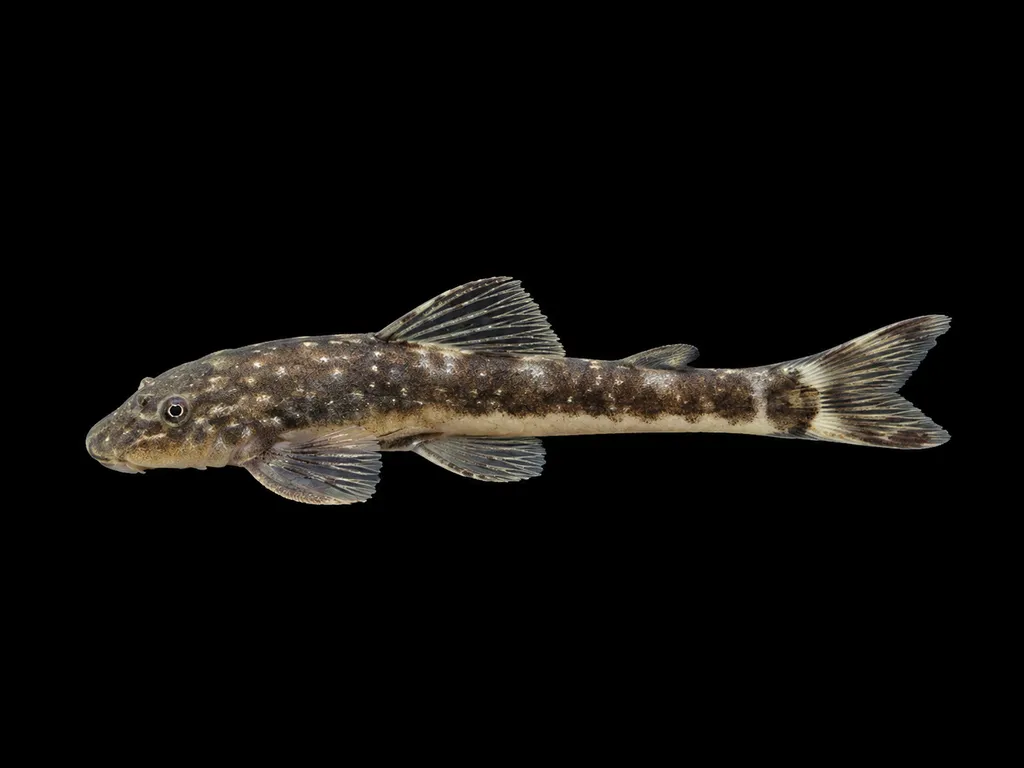
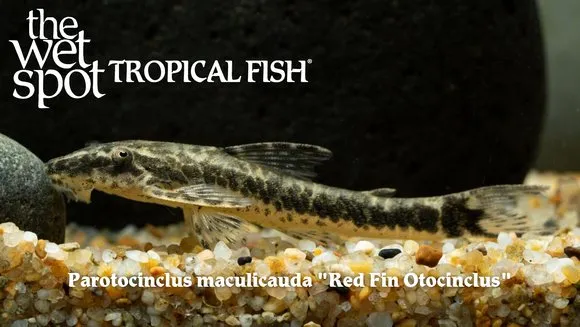 2.4 in (6 cm)14 gal (54 L)72–81°F (22–27°C)
Red fin otocinclus
Parotocinclus maculicauda
2.4 in (6 cm) · 14 gal (54 L)
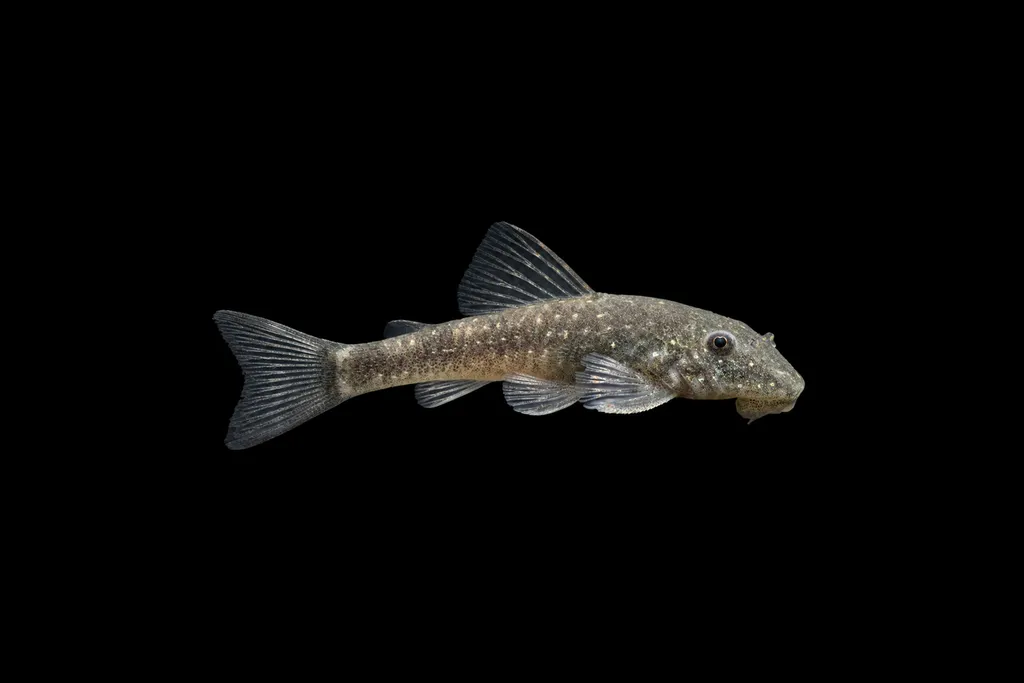
 2 in (5 cm)14 gal (54 L)72–81°F (22–27°C)
Ceará parotocinclus
Parotocinclus cearensis
2 in (5 cm) · 14 gal (54 L)
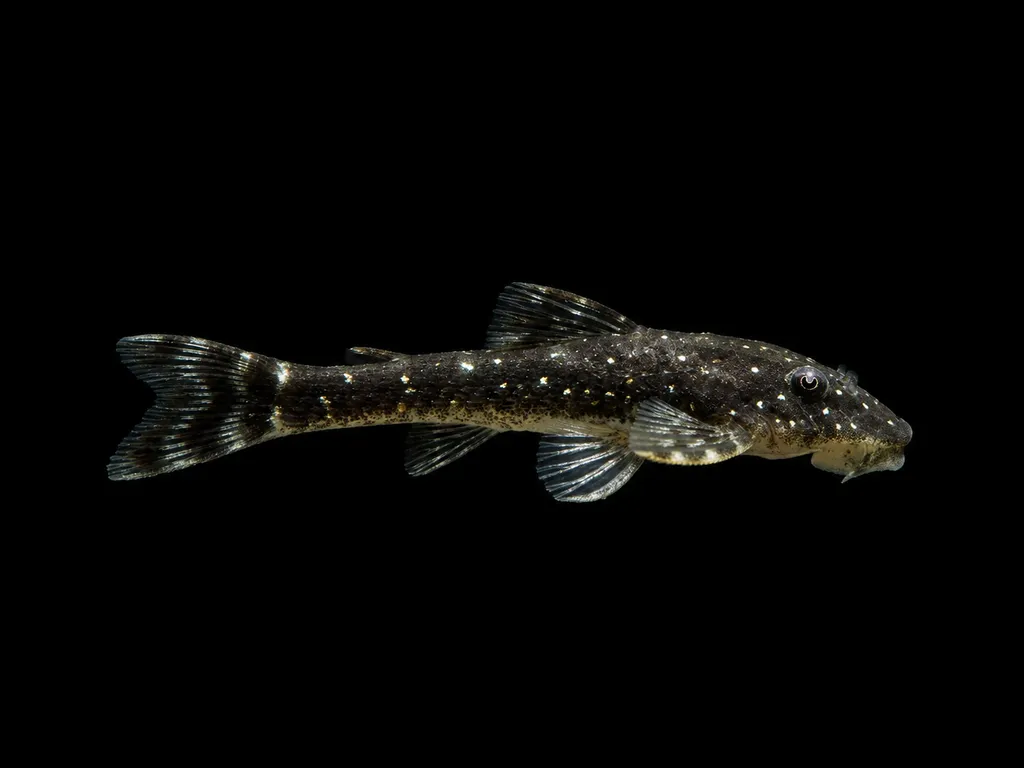
 1.6 in (4 cm)14 gal (54 L)72–81°F (22–27°C)
Bahia parotocinclus
Parotocinclus bahiensis
1.6 in (4 cm) · 14 gal (54 L)
 1.6 in (4 cm)14 gal (54 L)75–82°F (24–28°C)
Galaxy otocinclus
Parotocinclus haroldoi
1.6 in (4 cm) · 14 gal (54 L)
 1.4 in (3.5 cm)14 gal (54 L)75–82°F (24–28°C)
Peppermint otocinclus
Parotocinclus eppleyi
1.4 in (3.5 cm) · 14 gal (54 L)