Dusky tetra
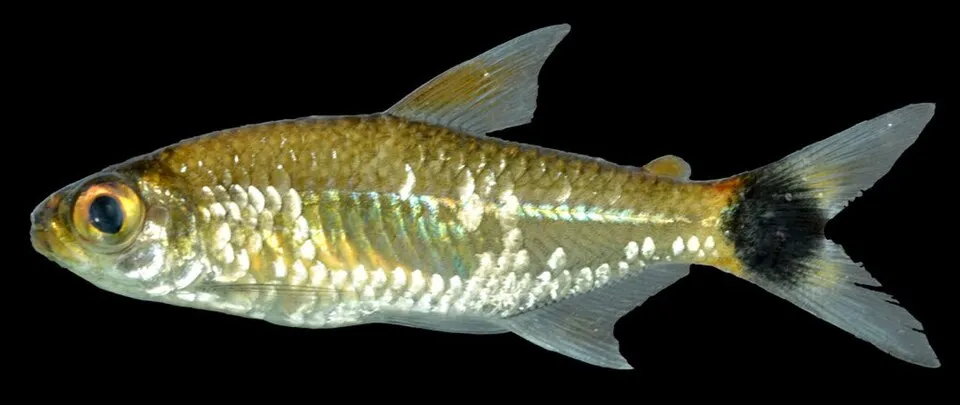
Moenkhausia phaeonota
Also known as Phaeonota tetra
FreshwaterFish
Care at a glance
- Temperature
- 73–82°F
- 23–28°C
- pH
- 5.0–6.8
- Adult size
- 2.2 in
- 5.6 cm
- Minimum tank
- 20 gal
- 75 L
- Temperament
- Peaceful
- Social behavior
- Schooling
- Swim level
- Middle
- Difficulty
- Medium
- Breeding
- Egg scatterer
- Rarity
- Rare
- Family
- Characidae
- Origin
- Upper Tapajós basin, Brazil
Overview
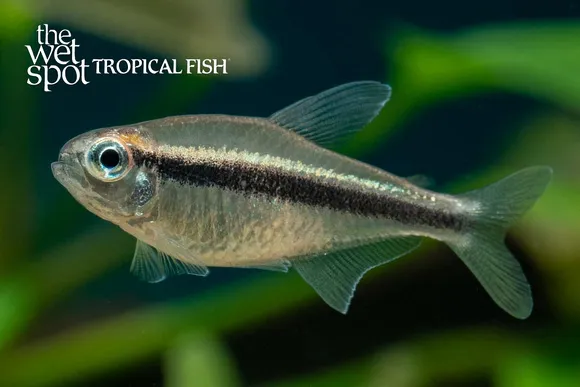
The dusky tetra is a peaceful schooling fish for the middle of a tinted, blackwater-style community tank. It is a step up from the easiest fish.
Did you know
The dusky tetra is matte and smoky, in a genus known for bright, mirror-silver fish. That dusky finish is so distinctive that it doubles as the easiest way to tell the species apart.
Caring for the dusky tetra
Keep dusky tetras in a group of at least eight to ten, in 20 gal (75 L) or larger. Give them a blackwater-style tank with leaf litter and driftwood for tannins, over a dark substrate. Dark decor and dim, soft light deepen their smoky coloring and settle the group.
Aim for warm water at 73 to 82°F (23 to 28°C), with a pH of 5.0 to 6.8 and very low hardness. Filter over botanicals or peat. Feed small foods, such as quality flake, micro pellets, and regular frozen or live daphnia, cyclops and bloodworm.
Dusky tetras are peaceful, so choose gentle companions of similar size, such as small tetras, pencilfish, hatchetfish and corydoras. Skip anything large or pushy. They are egg-scattering spawners, but there are no established aquarium breeding records.
Good to know
Moenkhausia phaeonota was described by William Fink in 1979 and belongs to the characin family Characidae. Its name means dusky, and its coloring is a smoked bronze.
In the wild
The dusky tetra comes from the upper Rio Tapajos in Mato Grosso, Brazil. It lives in the soft, tea-stained tributaries of that river.
Weekly picks
Tank mates
The dusky tetra is a peaceful, schooling species that keeps to the middle. These picks share a community profile with it, are safe together in both directions, and overlap on water type, temperature and pH.
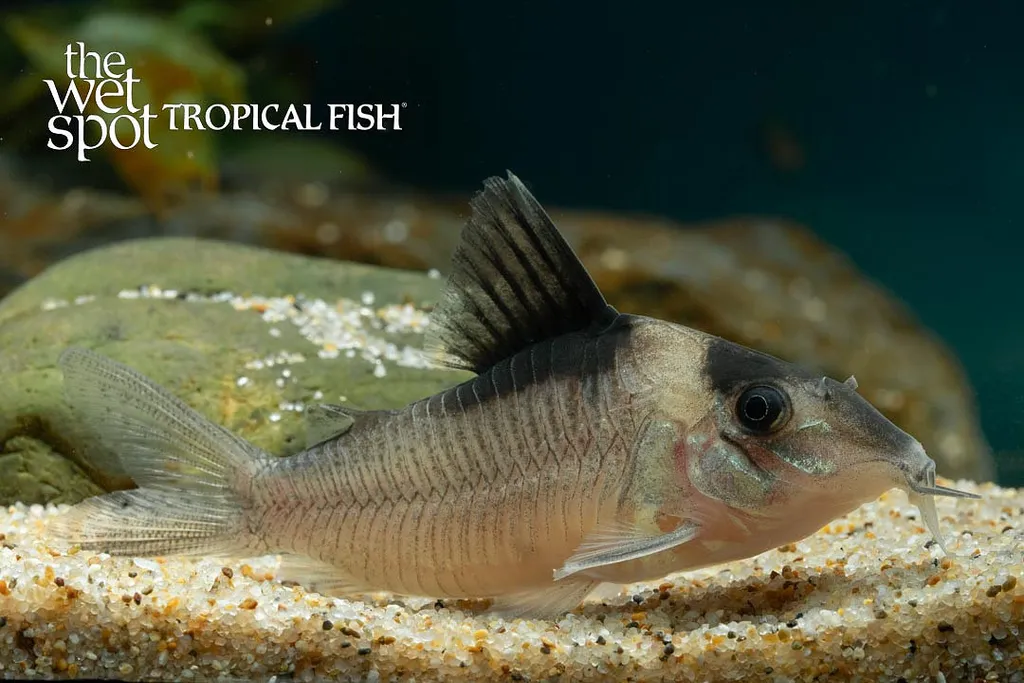
Amanda Jane's cory
Brochis amandajanea
Freshwater2.6 in (6.5 cm) · 20 gal (75 L)75–82°F (24–28°C)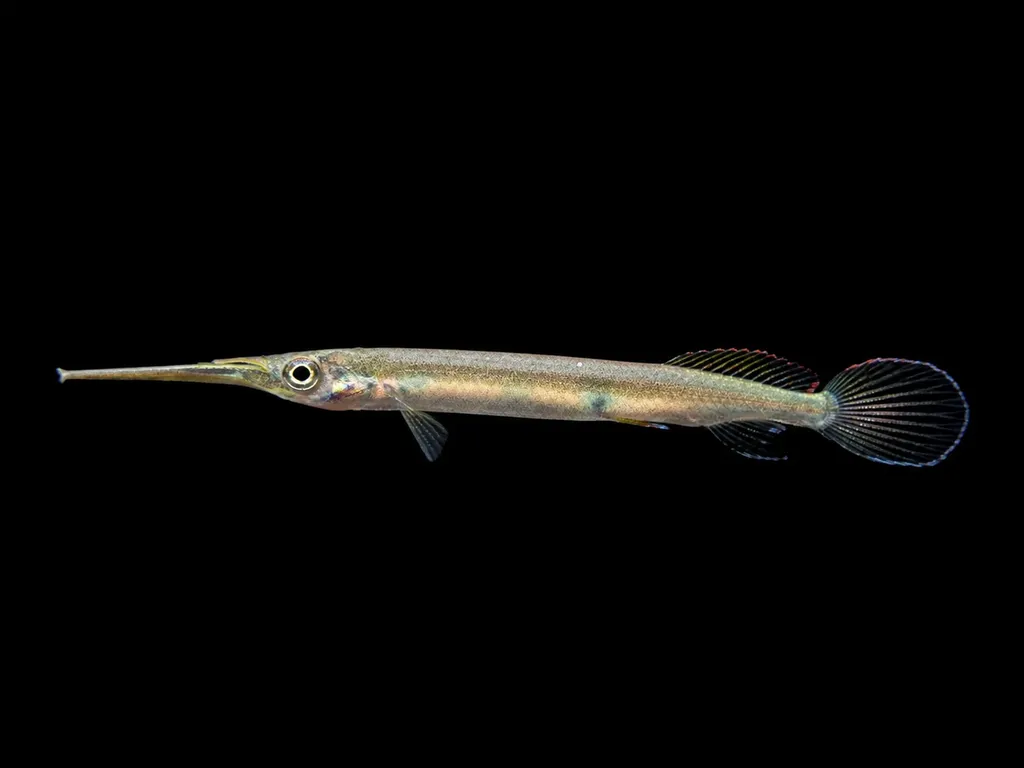
Kuekenthal's halfbeak
Hemirhamphodon kuekenthali
Freshwater3.3 in (8.5 cm) · 20 gal (75 L)73–81°F (23–27°C)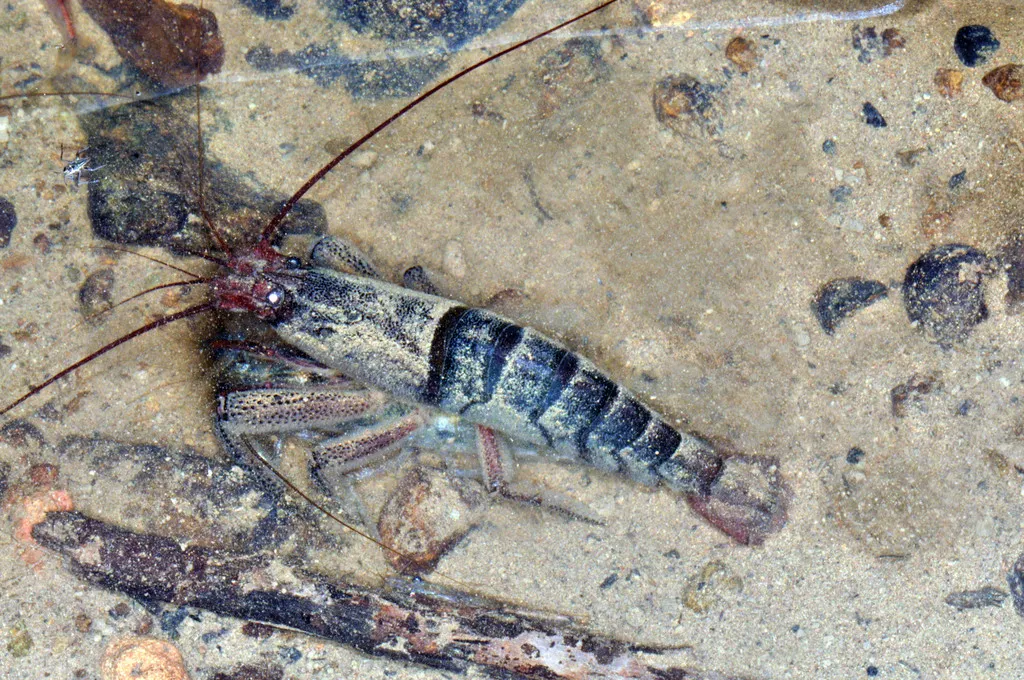
Marble wood shrimp
Atya scabra
Freshwater3.9 in (10 cm) · 20 gal (75 L)73–82°F (23–28°C)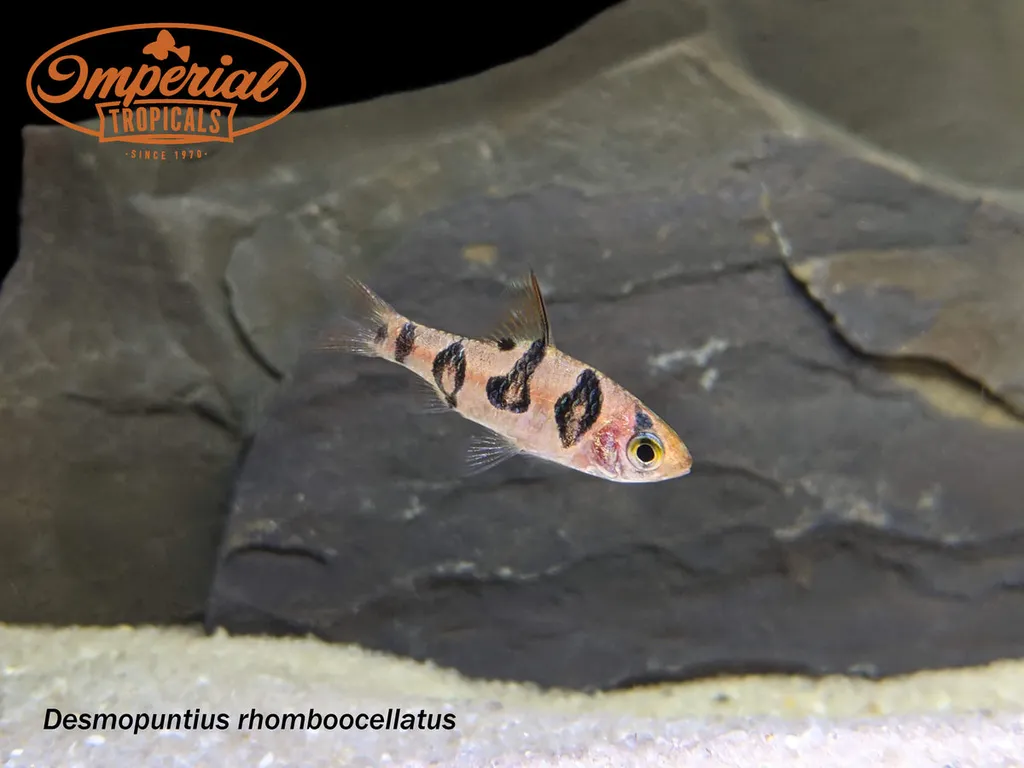
Snakeskin barb
Desmopuntius rhomboocellatus
Freshwater2.2 in (5.5 cm) · 20 gal (75 L)72–82°F (22–28°C)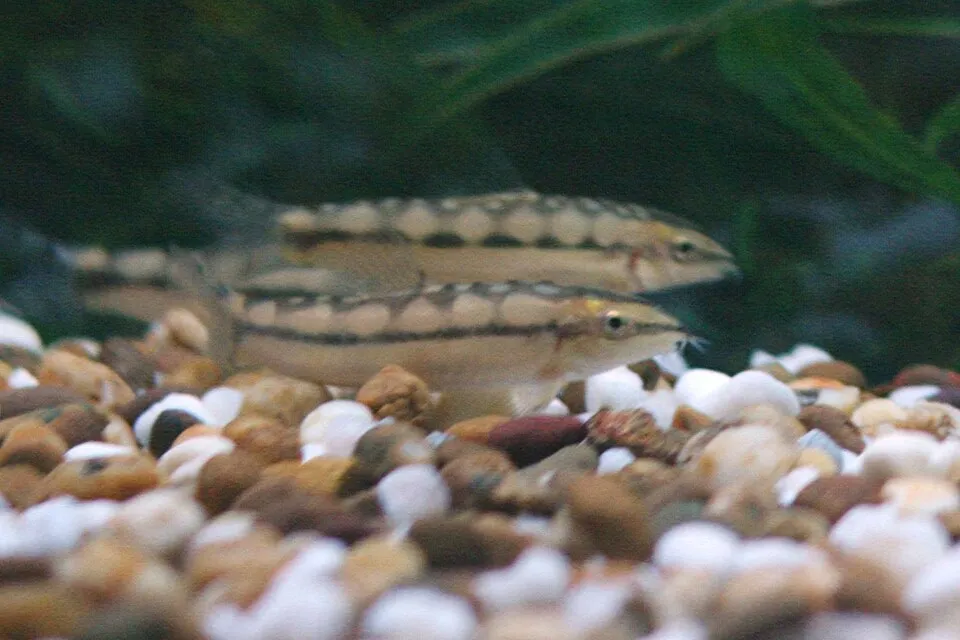
Dwarf botia
Ambastaia sidthimunki
Freshwater2.4 in (6 cm) · 20 gal (75 L)68–86°F (20–30°C)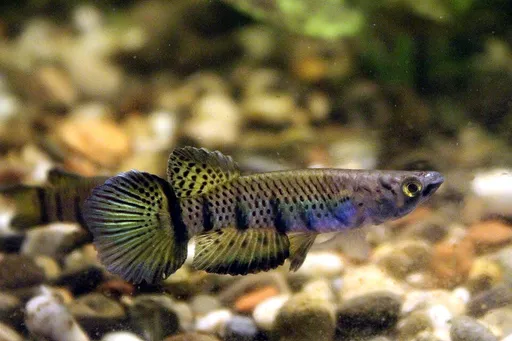
Six-barred panchax
Epiplatys sexfasciatus
Freshwater3.9 in (10 cm) · 20 gal (75 L)72–81°F (22–27°C)
Common questions
What size tank does a dusky tetra need?
A dusky tetra needs at least 20 gal (75 L). It spends most of its time in the middle.
What temperature and pH does a dusky tetra need?
A dusky tetra is comfortable at 73–82°F (23–28°C) with a pH of 5.0–6.8.
What does a dusky tetra eat?
A dusky tetra eats small foods, such as quality flake and micro pellets. Give it regular frozen or live daphnia, cyclops and bloodworm as well.
How big does a dusky tetra get?
An adult dusky tetra reaches about 2.2 in (5.6 cm).
Does a dusky tetra need a group?
Yes. A dusky tetra is a schooling species and should be kept in a group, not singly.
How does a dusky tetra breed?
Dusky tetras are egg-scattering spawners. There are no established records of them breeding in aquariums.
Related species
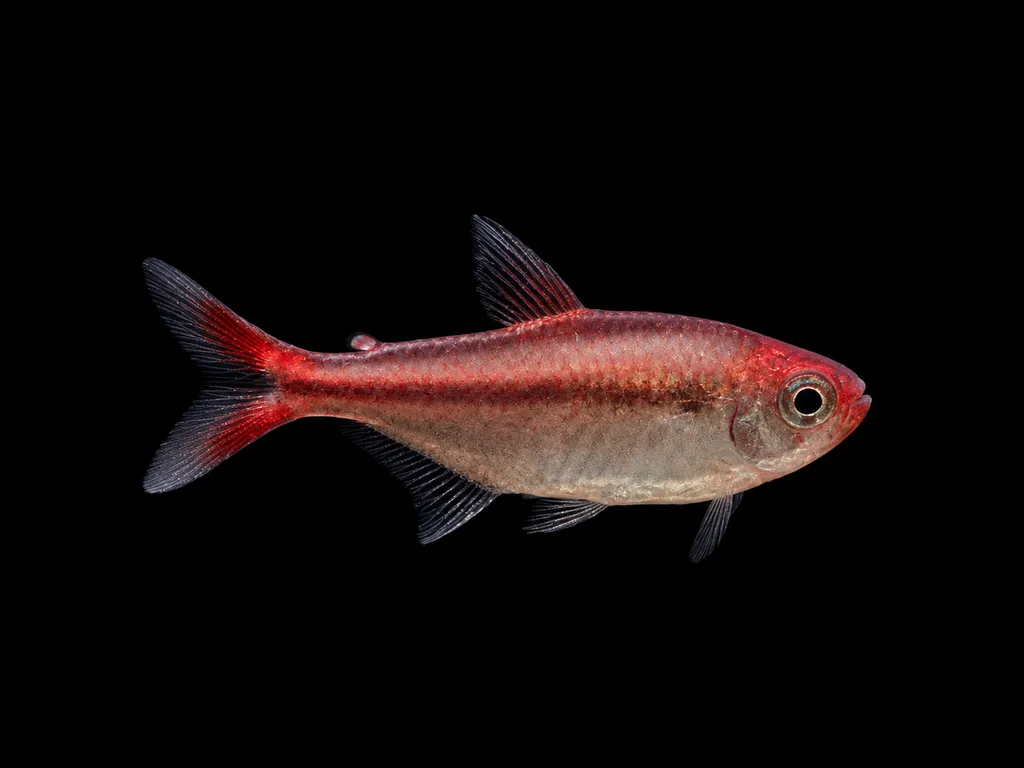 2.1 in (5.4 cm)20 gal (75 L)73–82°F (23–28°C)
Ruby moenkhausia
Moenkhausia rubra
2.1 in (5.4 cm) · 20 gal (75 L)
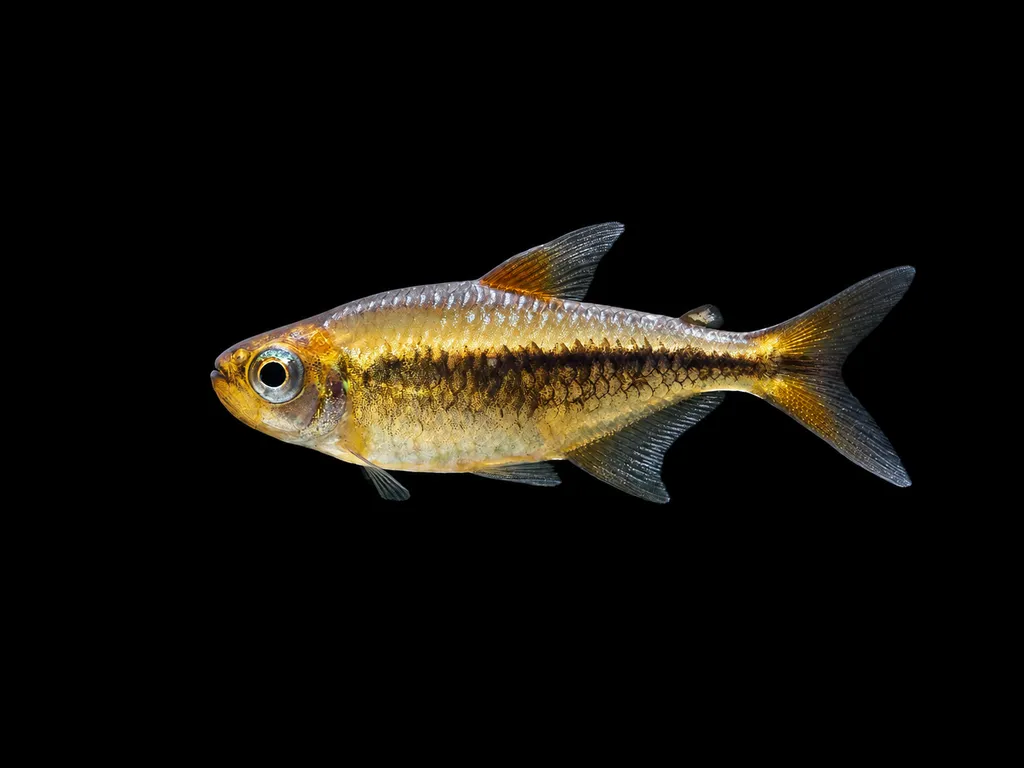 2.1 in (5.3 cm)20 gal (75 L)73–82°F (23–28°C)
Blackmargin tetra
Moenkhausia nigromarginata
2.1 in (5.3 cm) · 20 gal (75 L)
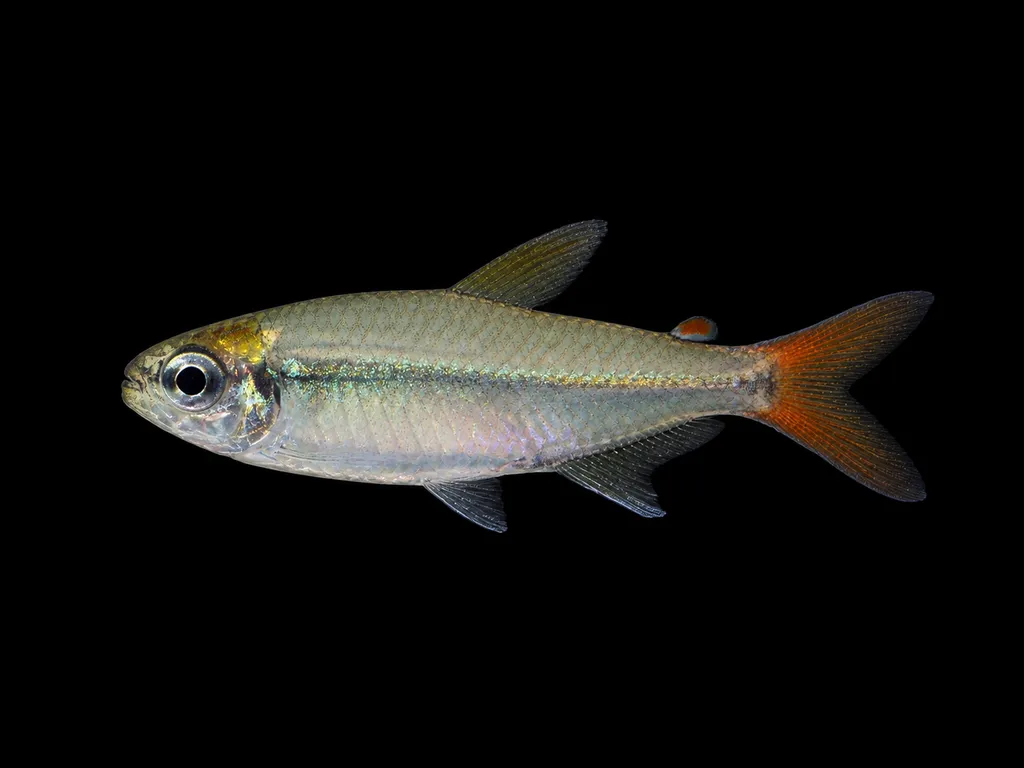 2.4 in (6 cm)20 gal (75 L)73–82°F (23–28°C)
Cope's tetra
Moenkhausia copei
2.4 in (6 cm) · 20 gal (75 L)
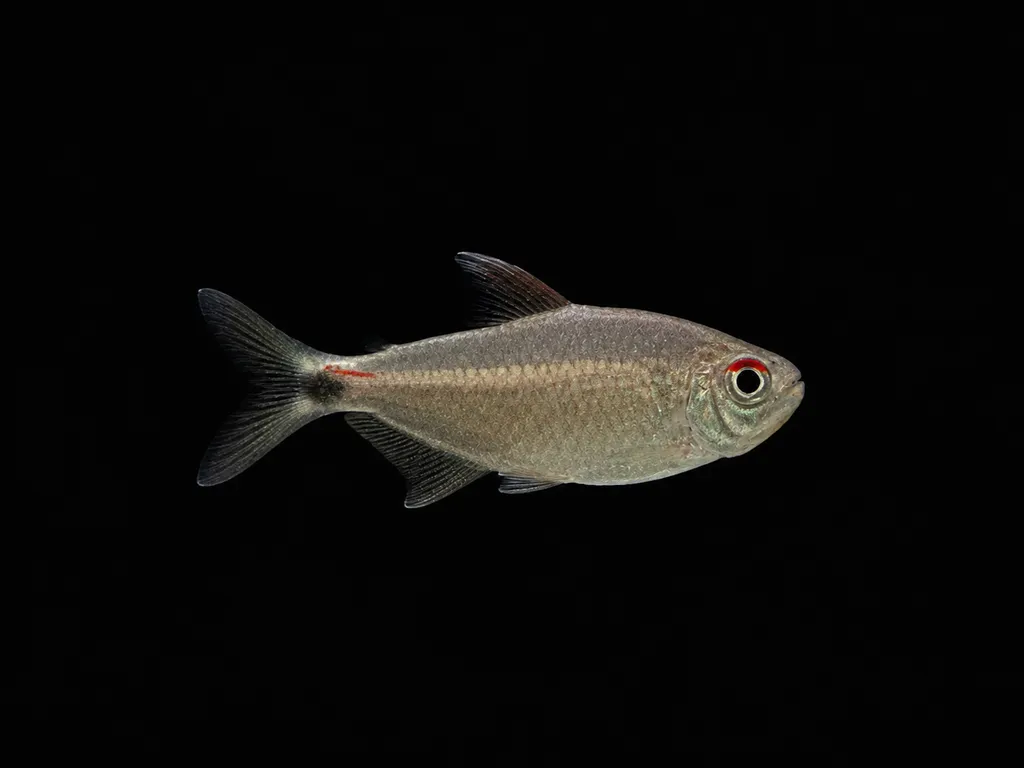 2.4 in (6 cm)20 gal (75 L)73–82°F (23–28°C)
Preto tetra
Moenkhausia pretoensis
2.4 in (6 cm) · 20 gal (75 L)
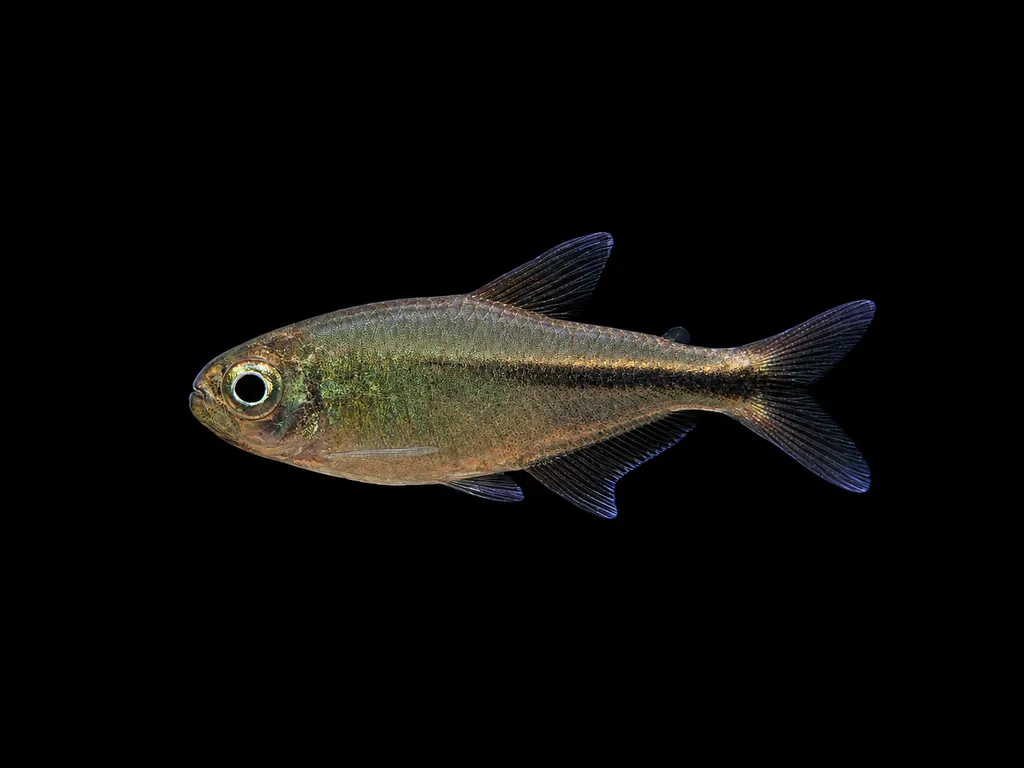 2 in (5.2 cm)20 gal (75 L)73–82°F (23–28°C)
Aurora tetra
Moenkhausia aurora
2 in (5.2 cm) · 20 gal (75 L)
 2 in (5 cm)16 gal (60 L)75–82°F (24–28°C)
Ceros tetra
Moenkhausia ceros
2 in (5 cm) · 16 gal (60 L)