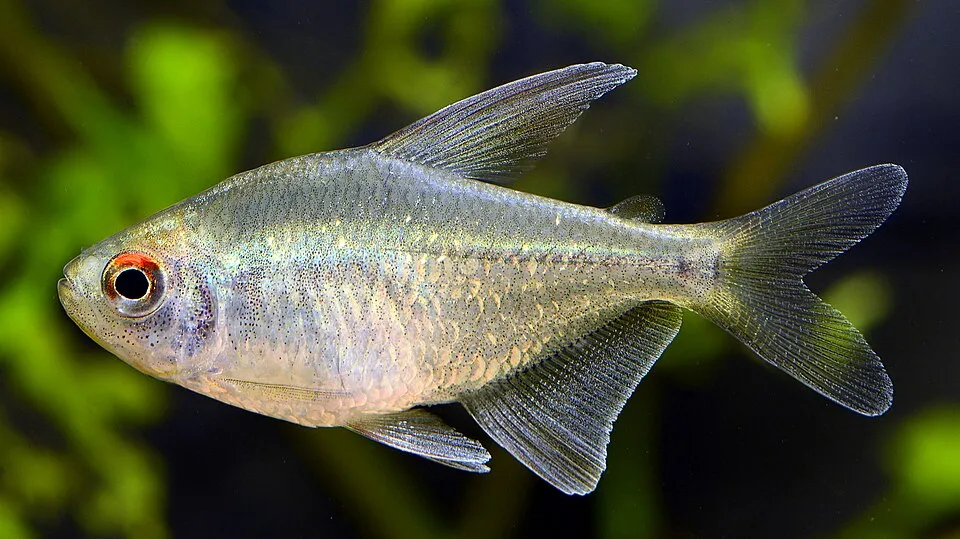
Diamond tetra
Moenkhausia pittieri
FreshwaterFish
Care at a glance
- Temperature
- 75–82°F
- 24–28°C
- pH
- 6.0–7.5
- Adult size
- 2.4 in
- 6 cm
- Minimum tank
- 20 gal
- 75 L
- Temperament
- Mostly peaceful
- Social behavior
- Schooling
- Swim level
- Middle
- Difficulty
- Easy
- Breeding
- Hard
- Rarity
- Common
- Family
- Characidae
- Origin
- Venezuela
Overview
Keep them in a school of six or more in a tank of around 75 liters or more. They are mostly peaceful, active mid-water swimmers that get along in a calm community. Target the mid to high 20s C and a soft, slightly acidic to neutral pH. Feed a varied diet of quality flake or pellet plus live and frozen foods like bloodworms and brine shrimp.
In the wild
Diamond tetras come from Venezuela, mainly the Lake Valencia basin, in clear lakes and slow rivers with heavy plant growth. The water is soft and runs from slightly acidic to neutral, often lightly tinted. At home they want a planted tank with subdued lighting and a darker bottom, which makes their sparkle stand out. Give them open water in the middle to swim.
Good to know
This is a characin in the family Characidae, reaching about 6 cm. It is an egg scatterer that gives no parental care, and breeding it is on the harder side. Its common name comes from the way mature fish develop a strong silvery, prismatic shimmer across the scales.
Did you know
Young diamond tetras look plain and gray, which makes them easy to pass over in the shop. The diamond shimmer only fills in as they mature, so the dull juvenile turns into the showy fish people actually want.
Weekly picks
Tank mates
Diamond tetra is a mostly peaceful, schooling species that keeps to the middle. These picks share a community profile with it, are safe together in both directions, and overlap on water type, temperature and pH.
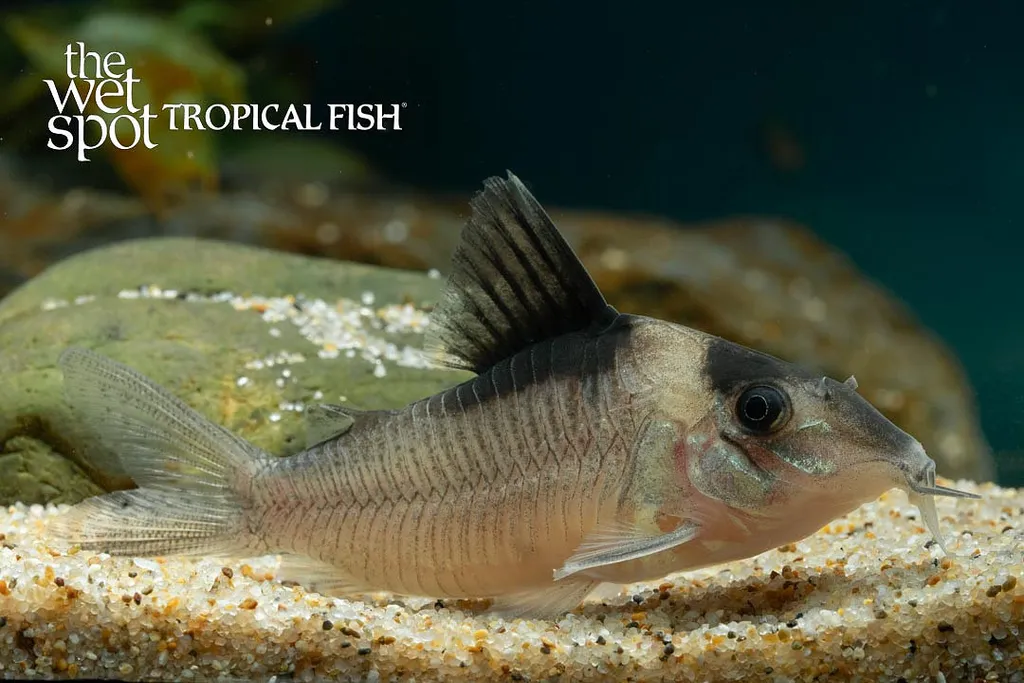
Amanda Jane's cory
Brochis amandajanea
Freshwater2.6 in (6.5 cm) · 20 gal (75 L)75–82°F (24–28°C)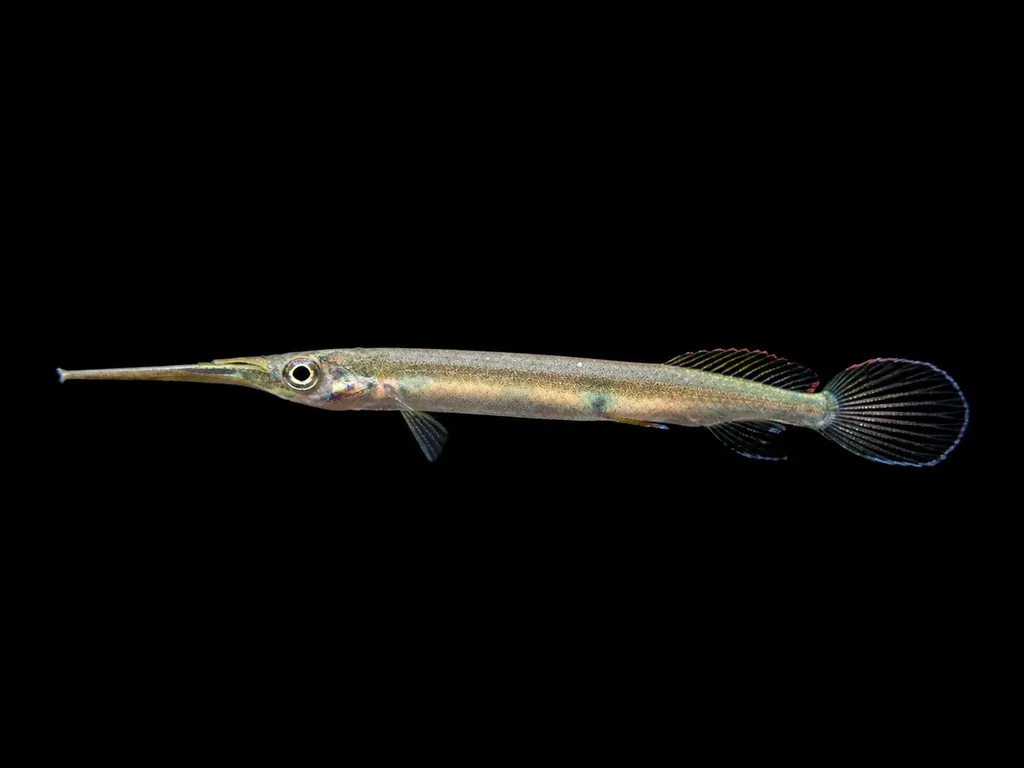
Kuekenthal's halfbeak
Hemirhamphodon kuekenthali
Freshwater3.3 in (8.5 cm) · 20 gal (75 L)73–81°F (23–27°C)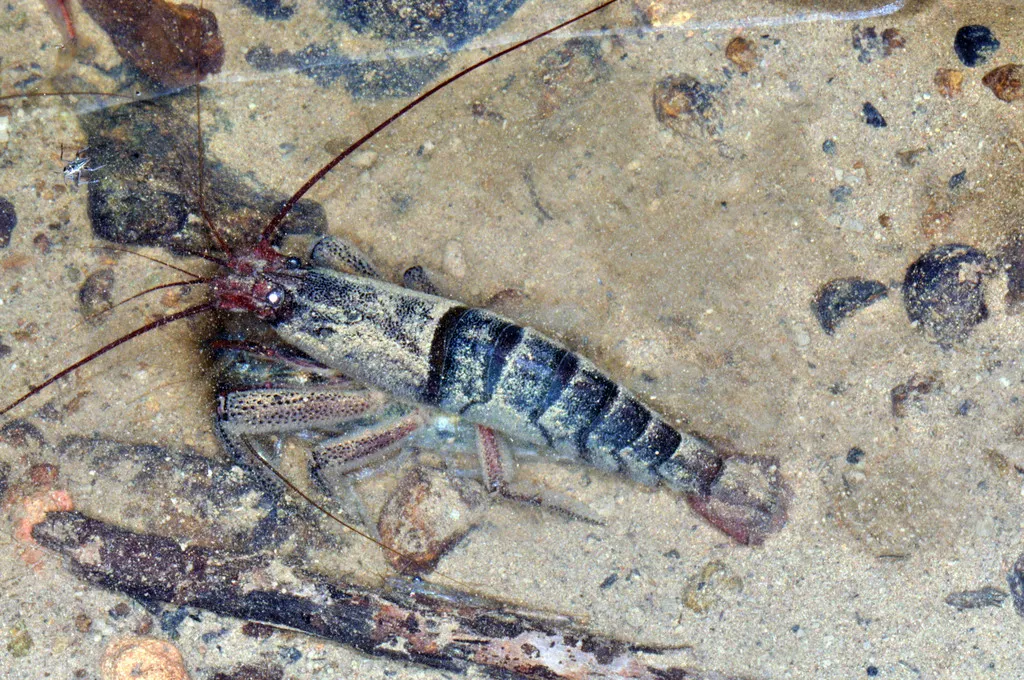
Marble wood shrimp
Atya scabra
Freshwater3.9 in (10 cm) · 20 gal (75 L)73–82°F (23–28°C)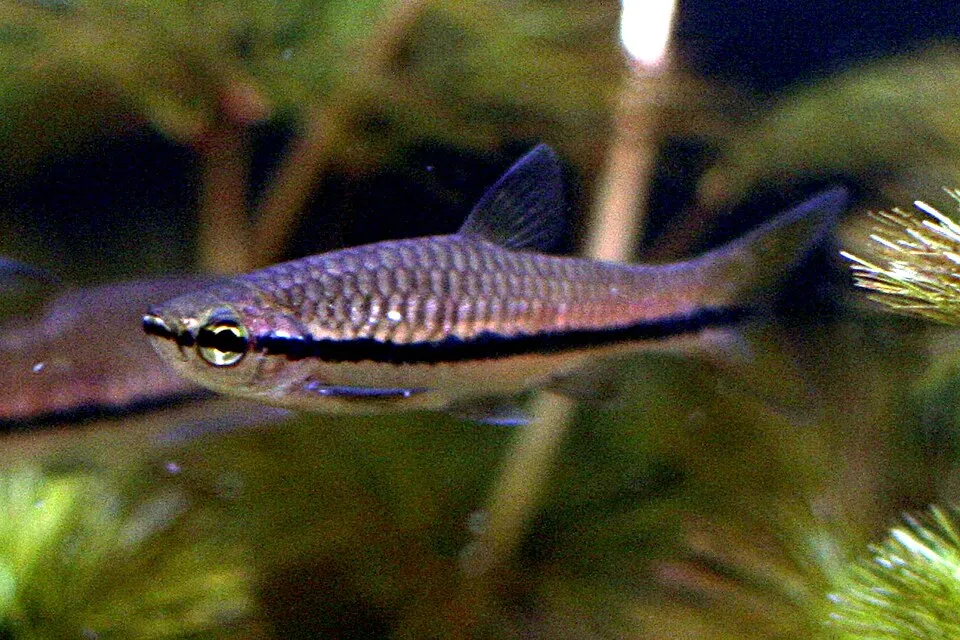
Brilliant rasbora
Rasbora einthovenii
Freshwater3.5 in (9 cm) · 20 gal (75 L)72–82°F (22–28°C)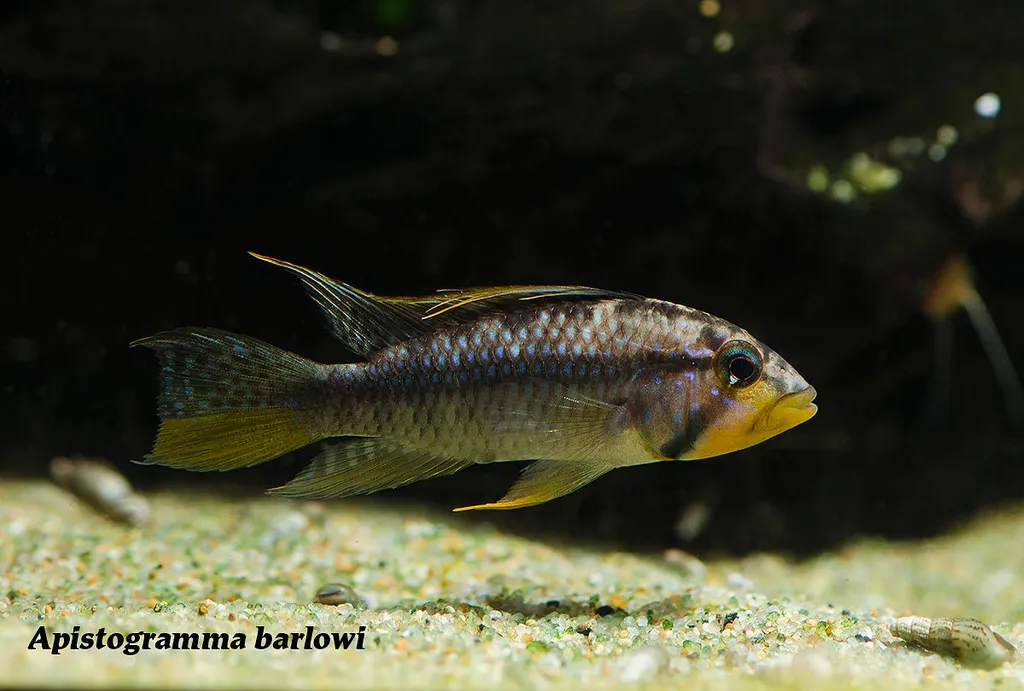
Barlow's dwarf cichlid
Apistogramma barlowi
Freshwater3.1 in (8 cm) · 20 gal (75 L)73–82°F (23–28°C)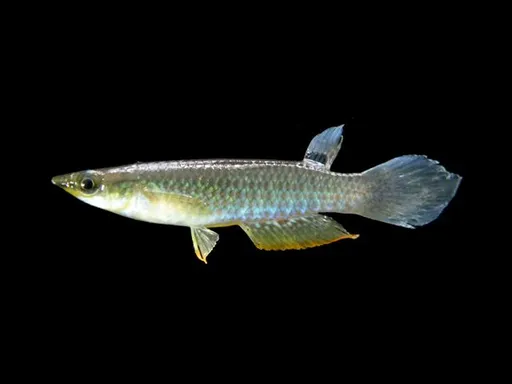
Blue panchax
Aplocheilus panchax
Freshwater3.5 in (9 cm) · 20 gal (75 L)72–82°F (22–28°C)
Common questions
What size tank does a Diamond tetra need?
A Diamond tetra needs at least 20 gal (75 L). It spends most of its time in the middle.
What temperature and pH does a Diamond tetra need?
A Diamond tetra is comfortable at 75–82°F (24–28°C) with a pH of 6.0–7.5.
How big does a Diamond tetra get?
An adult Diamond tetra reaches about 2.4 in (6 cm).
Does a Diamond tetra need a group?
Yes. A Diamond tetra is a schooling species and should be kept in a group, not singly.
Related species
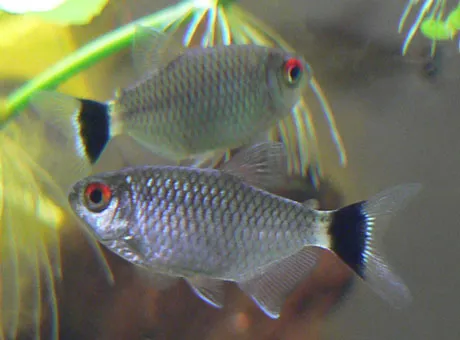 2.8 in (7 cm)28 gal (105 L)72–79°F (22–26°C)
Red eye tetra
Moenkhausia sanctaefilomenae
2.8 in (7 cm) · 28 gal (105 L)
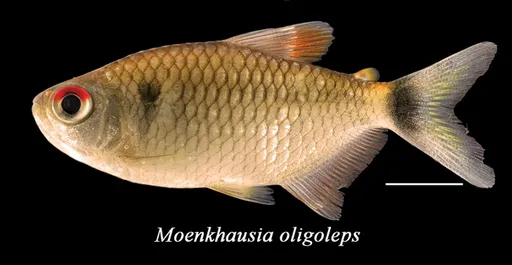 2 in (5 cm)18 gal (70 L)75–82°F (24–28°C)
Glass tetra
Moenkhausia oligolepis
2 in (5 cm) · 18 gal (70 L)
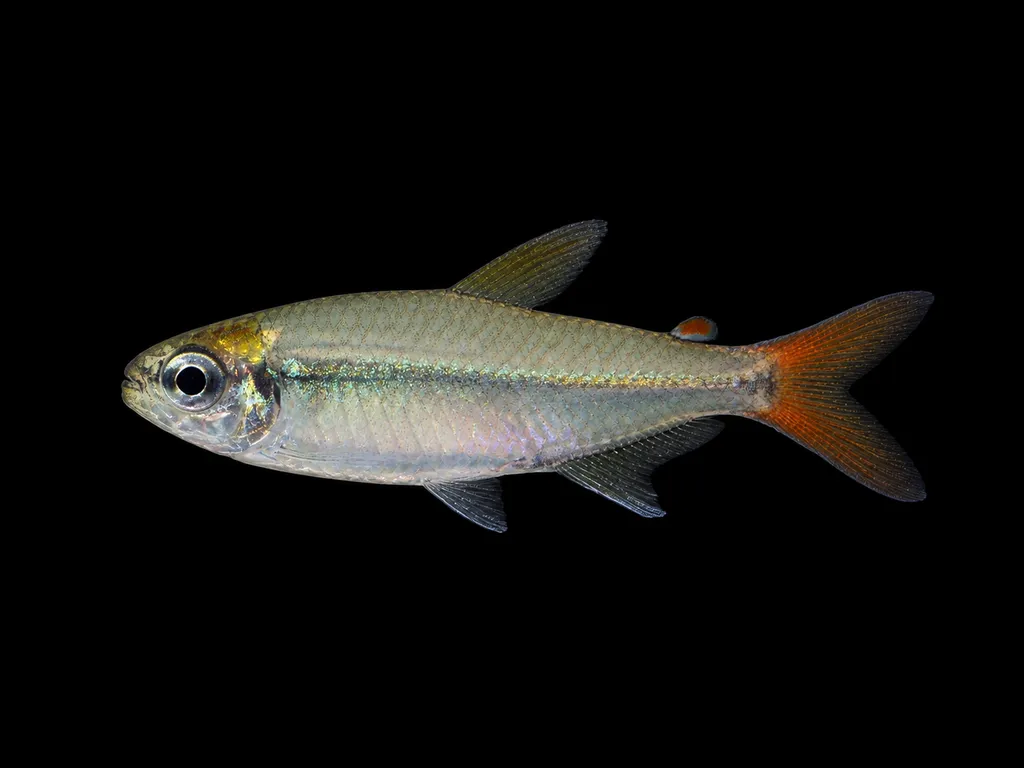 2.4 in (6 cm)20 gal (75 L)73–82°F (23–28°C)
Cope's tetra
Moenkhausia copei
2.4 in (6 cm) · 20 gal (75 L)
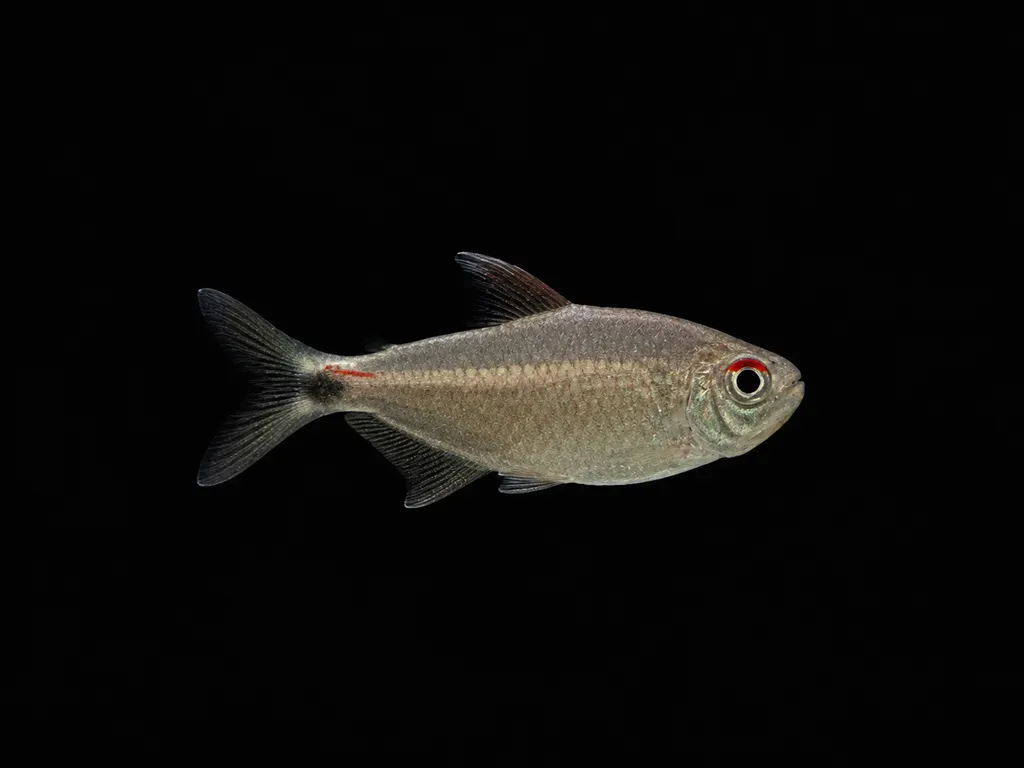 2.4 in (6 cm)20 gal (75 L)73–82°F (23–28°C)
Preto tetra
Moenkhausia pretoensis
2.4 in (6 cm) · 20 gal (75 L)
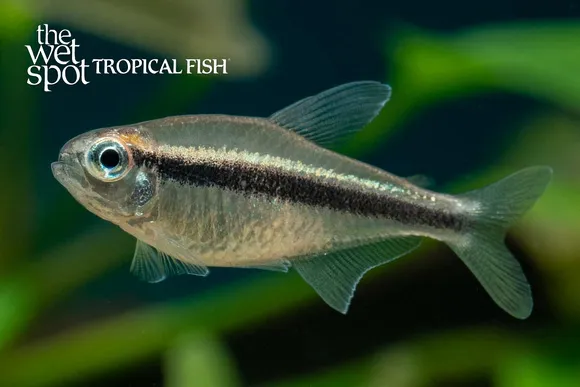 2.2 in (5.6 cm)20 gal (75 L)73–82°F (23–28°C)
Dusky tetra
Moenkhausia phaeonota
2.2 in (5.6 cm) · 20 gal (75 L)
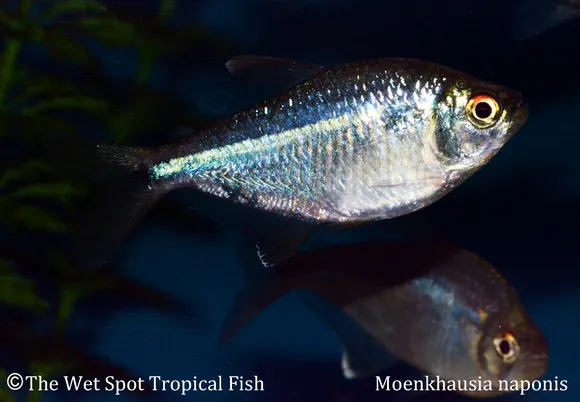 2.6 in (6.5 cm)20 gal (75 L)73–81°F (23–27°C)
Napo tetra
Moenkhausia naponis
2.6 in (6.5 cm) · 20 gal (75 L)