Bloodfin tetra
Aphyocharax anisitsi
FreshwaterFish
Care at a glance
- Temperature
- 72–82°F
- 22–28°C
- pH
- 6.0–8.0
- Adult size
- 2.2 in
- 5.5 cm
- Minimum tank
- 20 gal
- 75 L
- Temperament
- Mostly peaceful
- Social behavior
- Schooling
- Swim level
- Middle
- Difficulty
- Beginner
- Breeding
- Egg scatterer · Medium
- Rarity
- Common
- Family
- Characidae
- Origin
- Brazil, Paraguay, Argentina
Overview
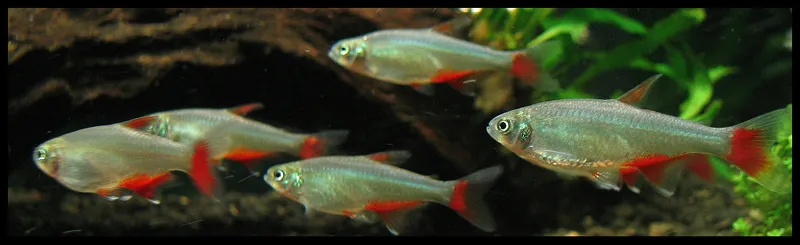
The bloodfin tetra is a tough, adaptable schooling tetra and a good choice for a first community tank.
Did you know
Bloodfin tetras are a reasonable choice for a tank without a heater, as long as the room is warm.
Caring for the bloodfin tetra
Keep bloodfin tetras in a group of six or more, in 20 gal (75 L) or larger. A planted tank with a bit of flow and open swimming room suits them. They are strong jumpers, so keep the tank covered.
Keep the water at 72 to 82°F (22 to 28°C). They handle a wide pH range, from 6.0 to 8.0. Feed flake and micro pellets, with the occasional frozen brine shrimp or daphnia.
They swim in the middle and upper levels and are active. They can get nippy when kept in too small a group. Bloodfin tetras are egg scatterers with no parental care, and the eggs typically hatch in a day or two. Breeding them is a moderate challenge.
Good to know
The bloodfin tetra is a member of the family Characidae. It has a silver body and the red fins that give it its name. It is long-lived for a small tetra, and its conservation status is Least Concern.
In the wild
Bloodfin tetras come from clear, shallow rivers and streams with some current across Argentina, Paraguay and Brazil. The bottom is usually sand or mud with scattered rocks and leaf litter, and the water runs slightly acidic to neutral.
Weekly picks
Tank mates
The bloodfin tetra is a mostly peaceful, schooling species that keeps to the middle. These picks share a community profile with it, are safe together in both directions, and overlap on water type, temperature and pH.
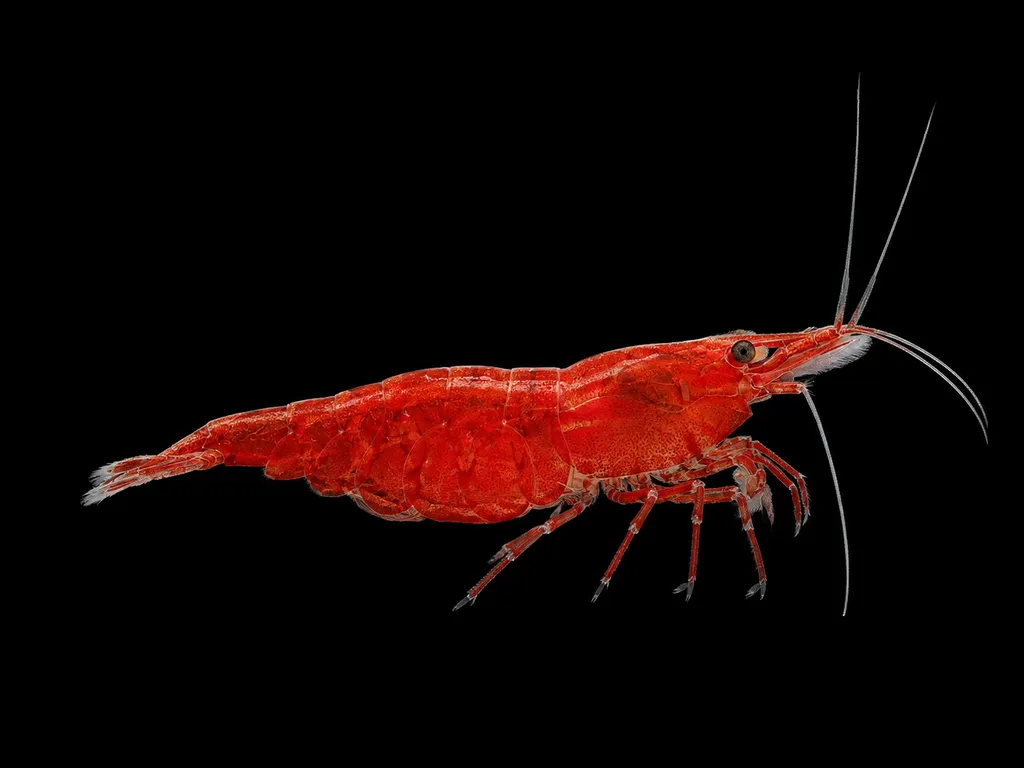
Neocaridina shrimp
Neocaridina davidi
Freshwater1.6 in (4 cm) · 5 gal (19 L)59–84°F (15–29°C)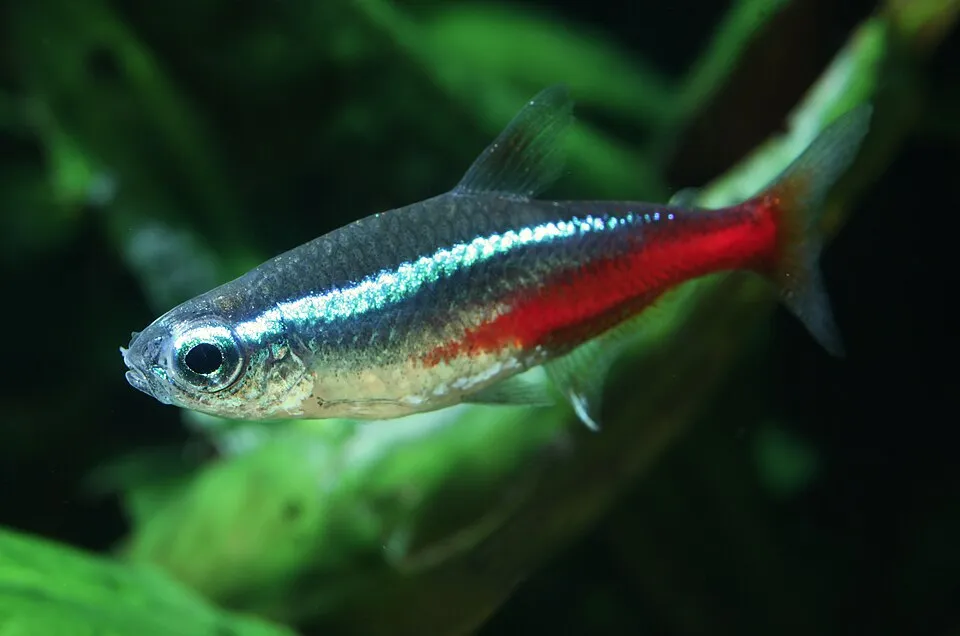
Neon tetra
Paracheirodon innesi
Freshwater1.5 in (3.8 cm) · 11 gal (40 L)70–77°F (21–25°C)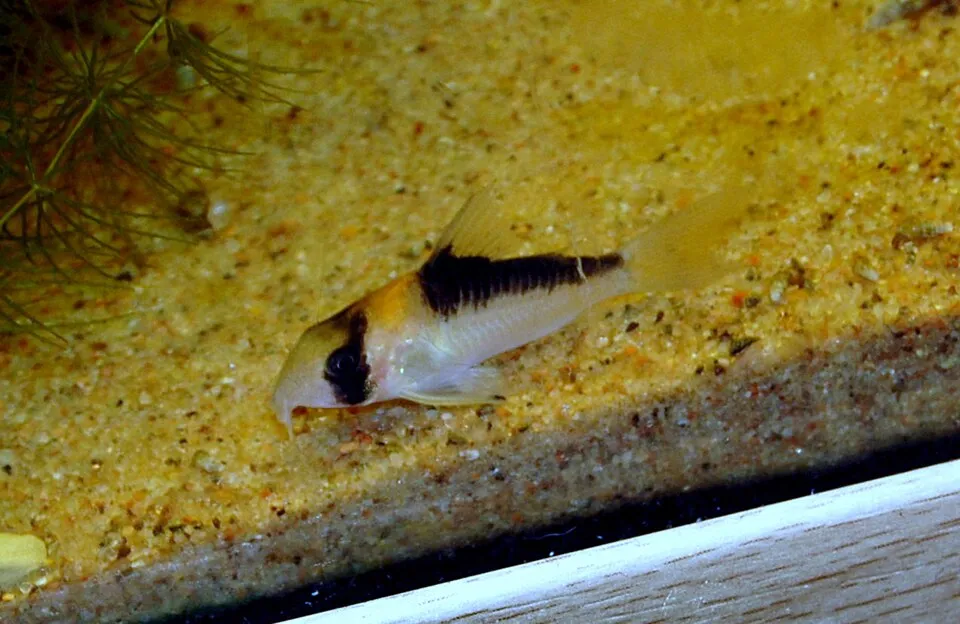
Adolfo's cory
Hoplisoma adolfoi
Freshwater2.4 in (6 cm) · 20 gal (75 L)70–79°F (21–26°C)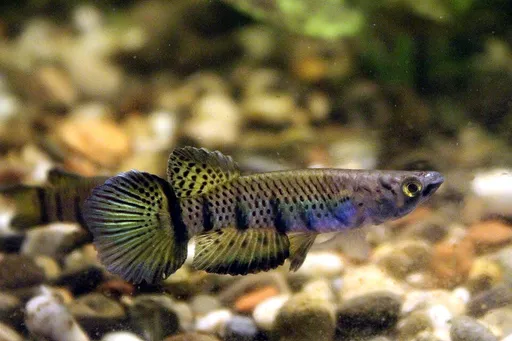
Six-barred panchax
Epiplatys sexfasciatus
Freshwater3.9 in (10 cm) · 20 gal (75 L)72–81°F (22–27°C)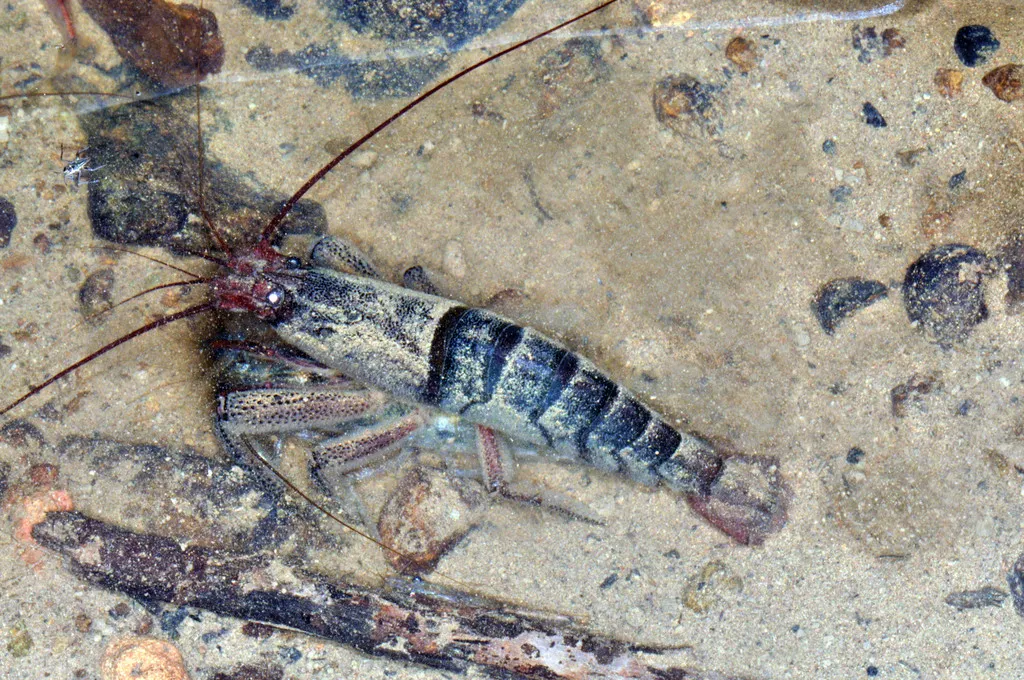
Marble wood shrimp
Atya scabra
Freshwater3.9 in (10 cm) · 20 gal (75 L)73–82°F (23–28°C)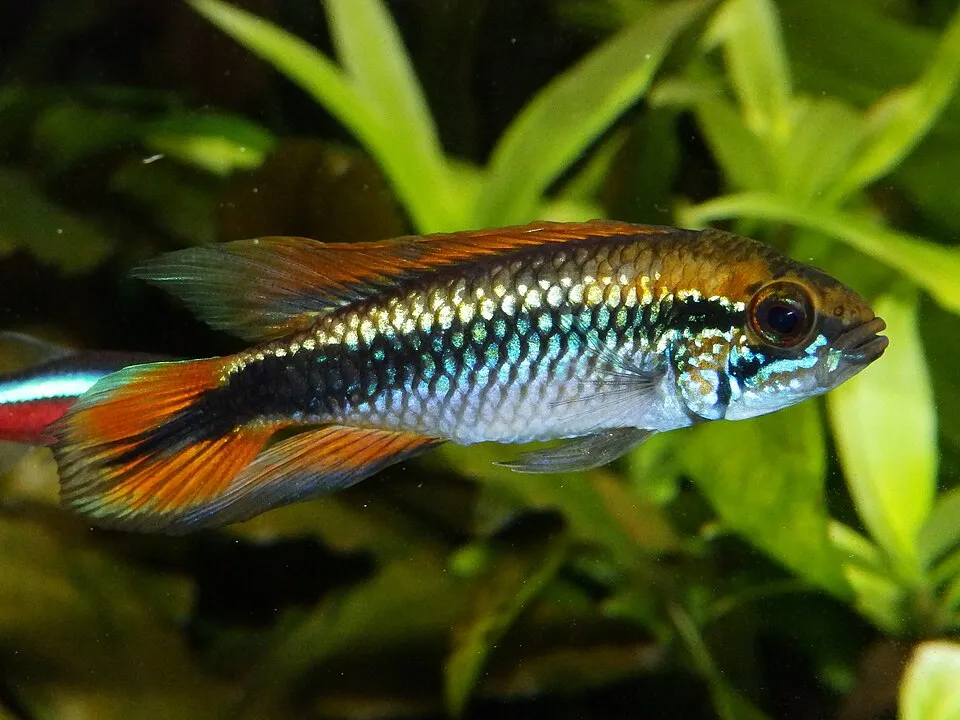
Agassiz's dwarf cichlid
Apistogramma agassizii
Freshwater3.5 in (9 cm) · 20 gal (75 L)72–84°F (22–29°C)
Common questions
What size tank does a bloodfin tetra need?
A bloodfin tetra needs at least 20 gal (75 L). It spends most of its time in the middle.
What temperature and pH does a bloodfin tetra need?
A bloodfin tetra is comfortable at 72–82°F (22–28°C) with a pH of 6.0–8.0.
What does a bloodfin tetra eat?
A bloodfin tetra eats flake and micro pellets, with the occasional frozen brine shrimp or daphnia.
How big does a bloodfin tetra get?
An adult bloodfin tetra reaches about 2.2 in (5.5 cm).
Does a bloodfin tetra need a group?
Yes. A bloodfin tetra is a schooling species and should be kept in a group, not singly.
How does a bloodfin tetra breed?
Bloodfin tetras scatter their eggs and give no parental care. The eggs typically hatch in a day or two, and breeding them is a moderate challenge.
Related species
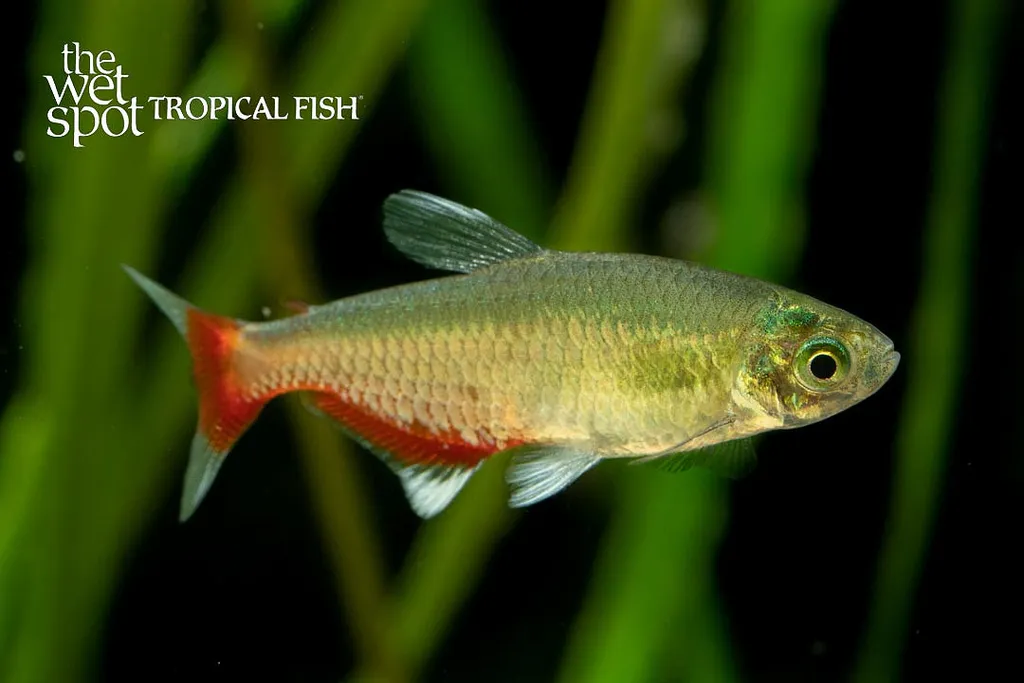 2 in (5 cm)20 gal (75 L)72–79°F (22–26°C)
Green fire tetra
Aphyocharax rathbuni
2 in (5 cm) · 20 gal (75 L)
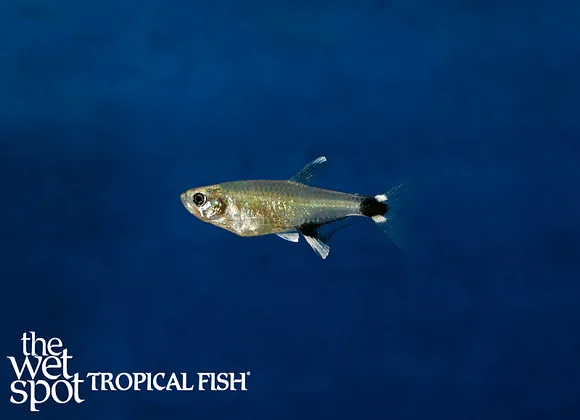 1.4 in (3.5 cm)14 gal (54 L)72–81°F (22–27°C)
Panda darter tetra
Aphyocharax nattereri
1.4 in (3.5 cm) · 14 gal (54 L)
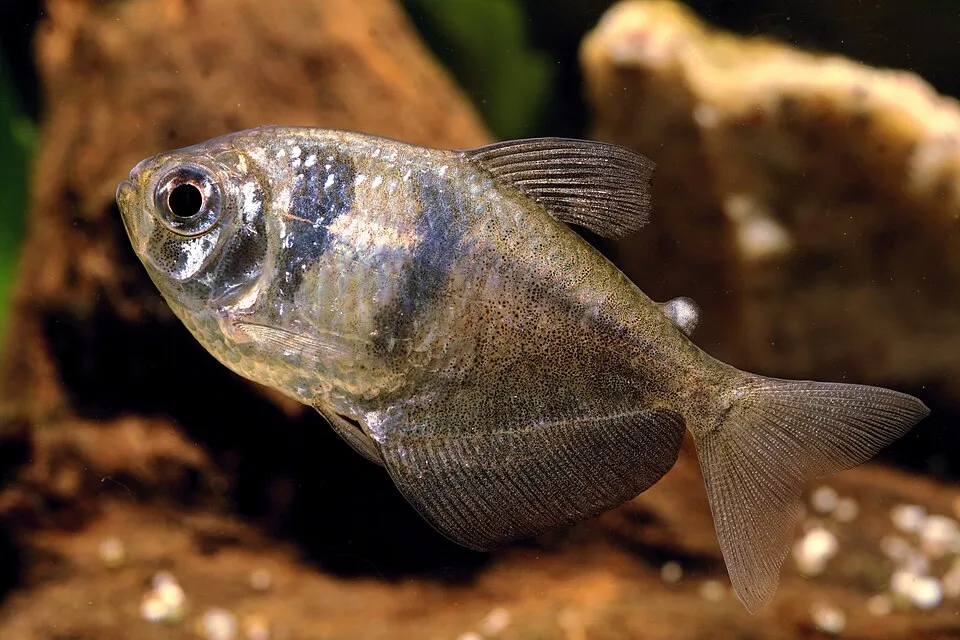 2.4 in (6 cm)15 gal (55 L)68–79°F (20–26°C)
Black widow tetra
Gymnocorymbus ternetzi
2.4 in (6 cm) · 15 gal (55 L)
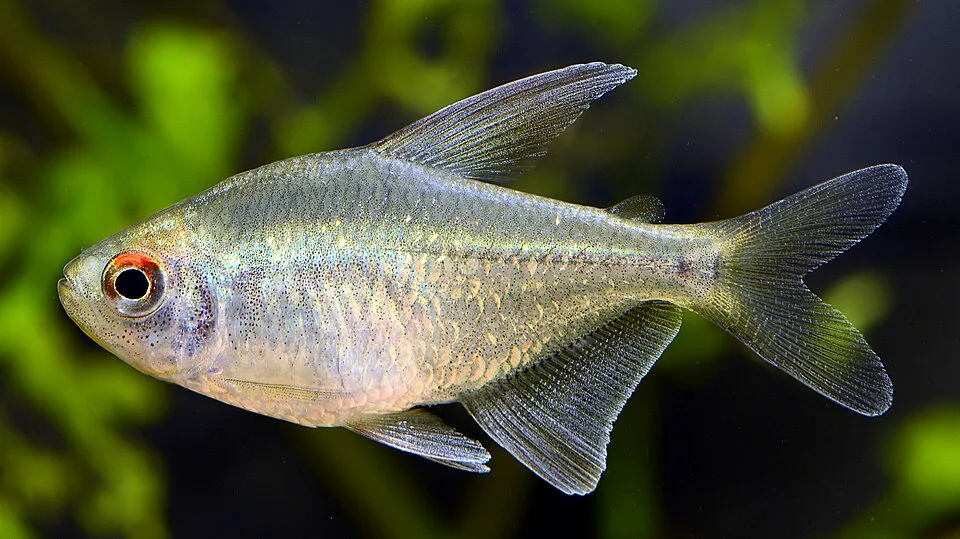 2.4 in (6 cm)20 gal (75 L)75–82°F (24–28°C)
Diamond tetra
Moenkhausia pittieri
2.4 in (6 cm) · 20 gal (75 L)
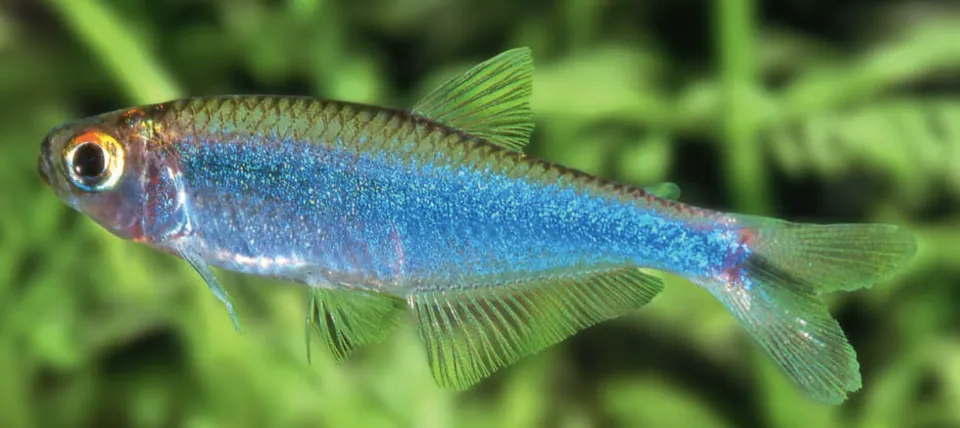 2 in (5 cm)22 gal (85 L)72–79°F (22–26°C)
Blue tetra
Knodus borki
2 in (5 cm) · 22 gal (85 L)
 2 in (5 cm)20 gal (75 L)73–81°F (23–27°C)
Emperor tetra
Nematobrycon palmeri
2 in (5 cm) · 20 gal (75 L)