Branco dwarf cichlid
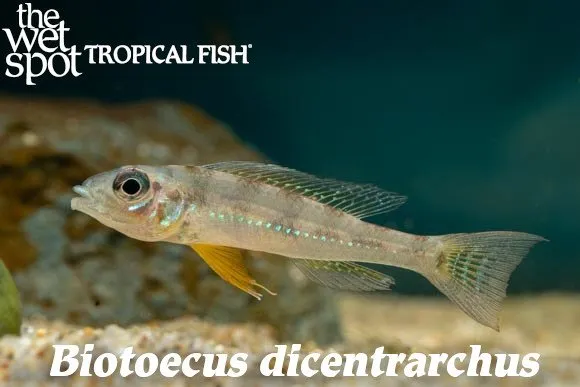
Biotoecus dicentrarchus
Also known as Dicentrarchus dwarf cichlid
FreshwaterFish
Care at a glance
- Temperature
- 75–82°F
- 24–28°C
- pH
- 4.5–6.2
- Adult size
- 2 in
- 5 cm
- Minimum tank
- 14 gal
- 54 L
- Temperament
- Mostly peaceful
- Social behavior
- Social
- Swim level
- Bottom
- Diet
- Carnivore
- Difficulty
- Medium
- Breeding
- Cave spawner · Medium
- Rarity
- Rare
- Family
- Cichlidae
- Origin
- Branco and upper Orinoco sand flats
Overview
The Branco dwarf cichlid is a tiny, delicate blackwater cichlid for a quiet species tank. It is best kept by someone with a little soft-water experience.
Did you know
The Branco dwarf cichlid is so pale that it nearly matches the white sand it lives over. That makes it hard to spot in the wild and in the tank. Keepers often notice the small shadow it casts before they see the fish itself.
Caring for the Branco dwarf cichlid
Keep Branco dwarf cichlids as a pair or a small group in a quiet species tank. A pair needs at least 14 gal (54 L), dimly lit and softly filtered. Give them fine sand, driftwood, dried leaves and gentle flow.
Keep the water soft and acidic at 75 to 82°F (24 to 28°C), with a pH of 4.5 to 6.2. Feed small live and frozen foods such as baby brine shrimp, cyclops, daphnia and microworm, which they pick off the substrate.
The Branco dwarf cichlid lives right on the bottom over open sand. Boisterous or fast tank mates stress it easily, so keep company to a minimum and choose only the most peaceful small fish.
Pairs excavate and spawn in small caves under wood or in the sand. They lay the eggs on the roof of the cave or shelter and guard them. Breeding them in soft, acidic water is moderately difficult.
Good to know
Biotoecus dicentrarchus is a pale, almost translucent sand specialist in the cichlid family. Its genus is small and poorly known, made up of secretive blackwater fishes.
In the wild
Biotoecus dicentrarchus lives in blackwater rivers of the upper Orinoco and Rio Branco region. It keeps to open white sand among wood and leaf litter, in slow, shady water. That water is extremely soft and acidic, stained dark with tannins.
Weekly picks
Tank mates
The Branco dwarf cichlid is a mostly peaceful, social species that keeps to the bottom. These picks share a community profile with it, are safe together in both directions, and overlap on water type, temperature and pH.
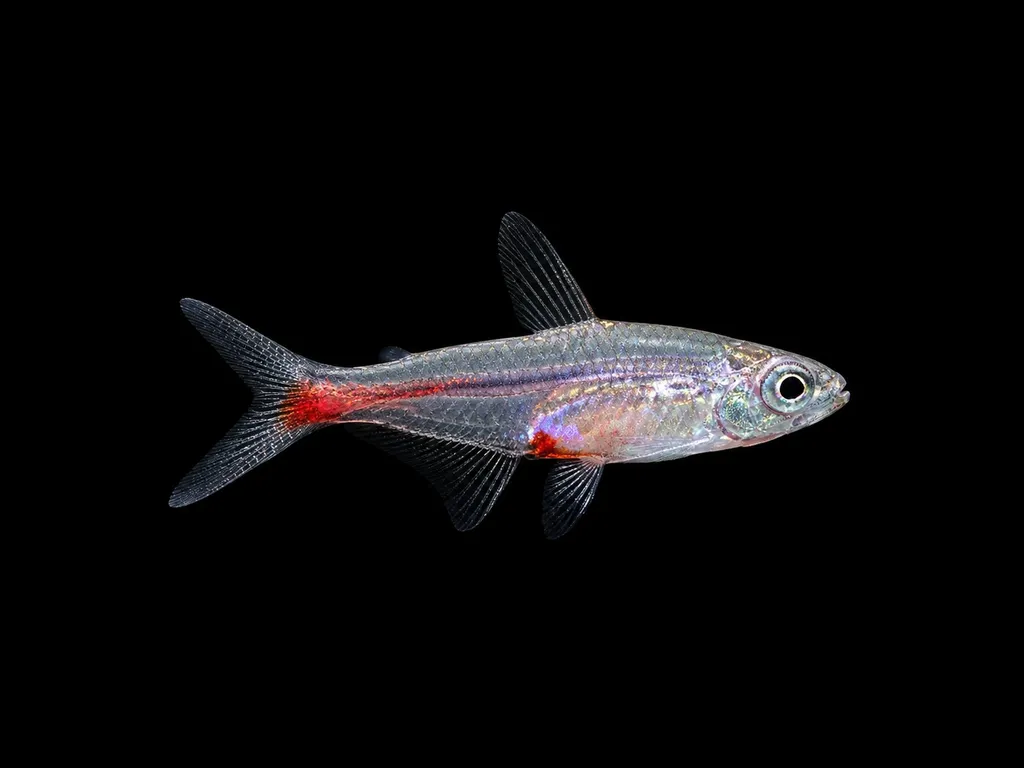
Axelrod's glass tetra
Brittanichthys axelrodi
Freshwater1.3 in (3.3 cm) · 14 gal (54 L)75–82°F (24–28°C)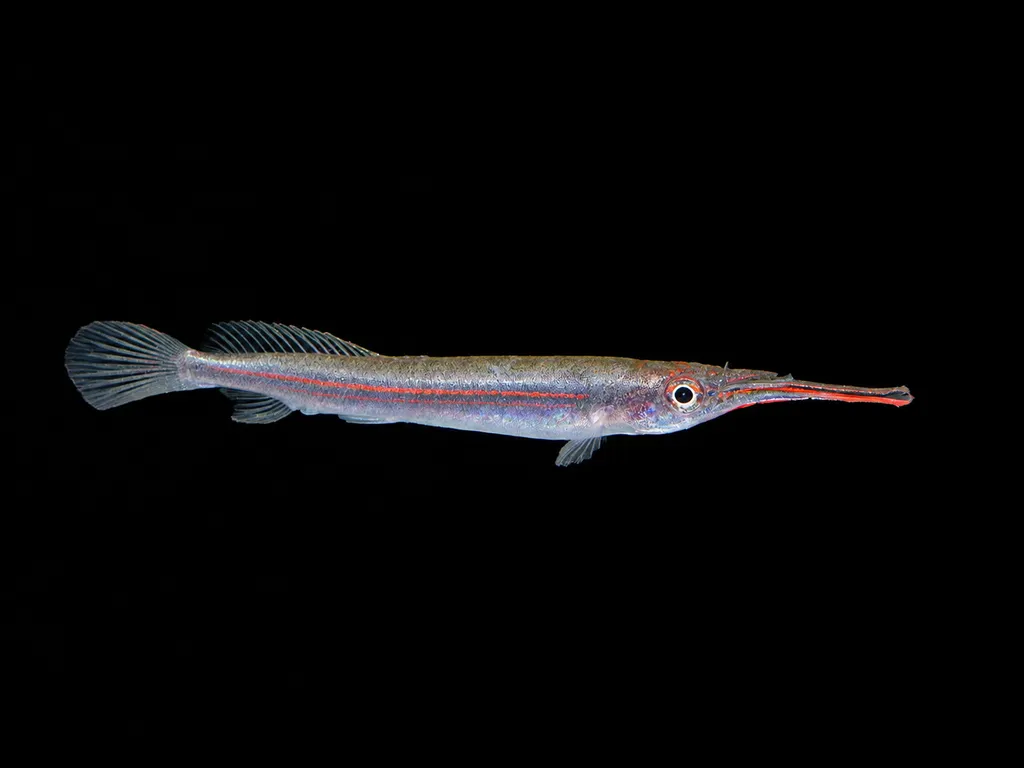
Red line halfbeak
Hemirhamphodon phaiosoma
Freshwater2.6 in (6.5 cm) · 14 gal (54 L)73–81°F (23–27°C)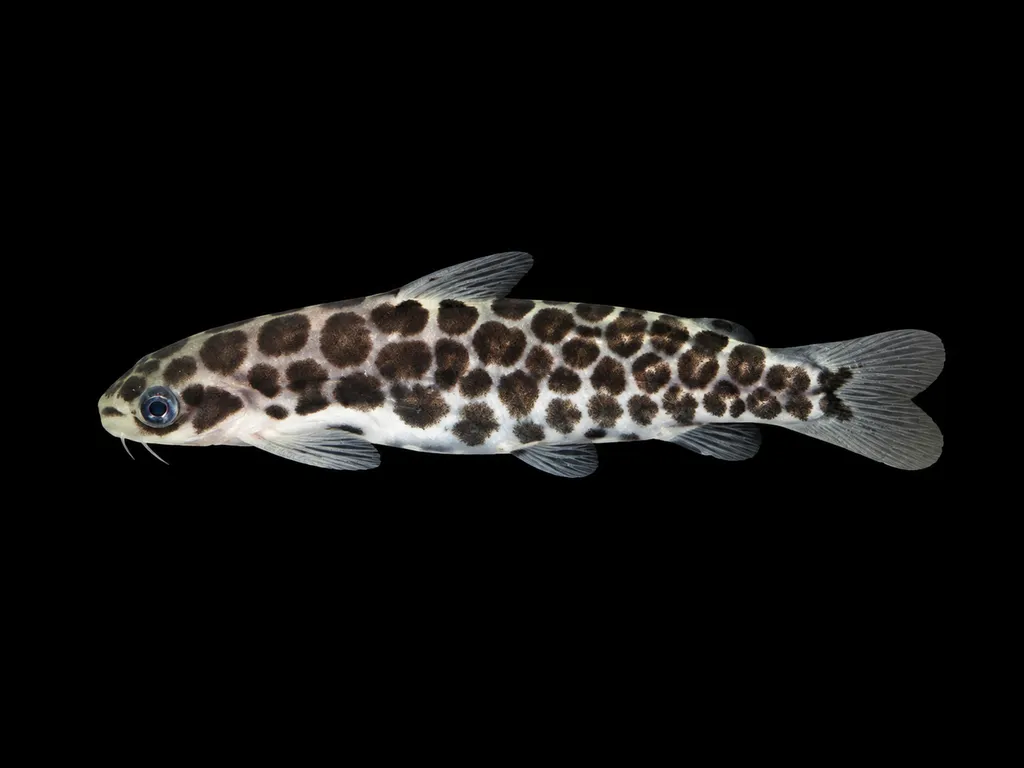
Honeycomb tatia
Duringlanis altae
Freshwater1.6 in (4 cm) · 14 gal (54 L)73–82°F (23–28°C)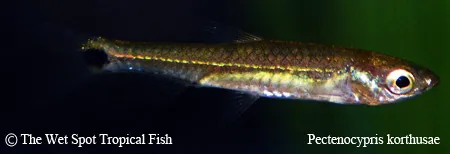
Korthaus rasbora
Pectenocypris korthausae
Freshwater1.7 in (4.2 cm) · 14 gal (54 L)73–82°F (23–28°C)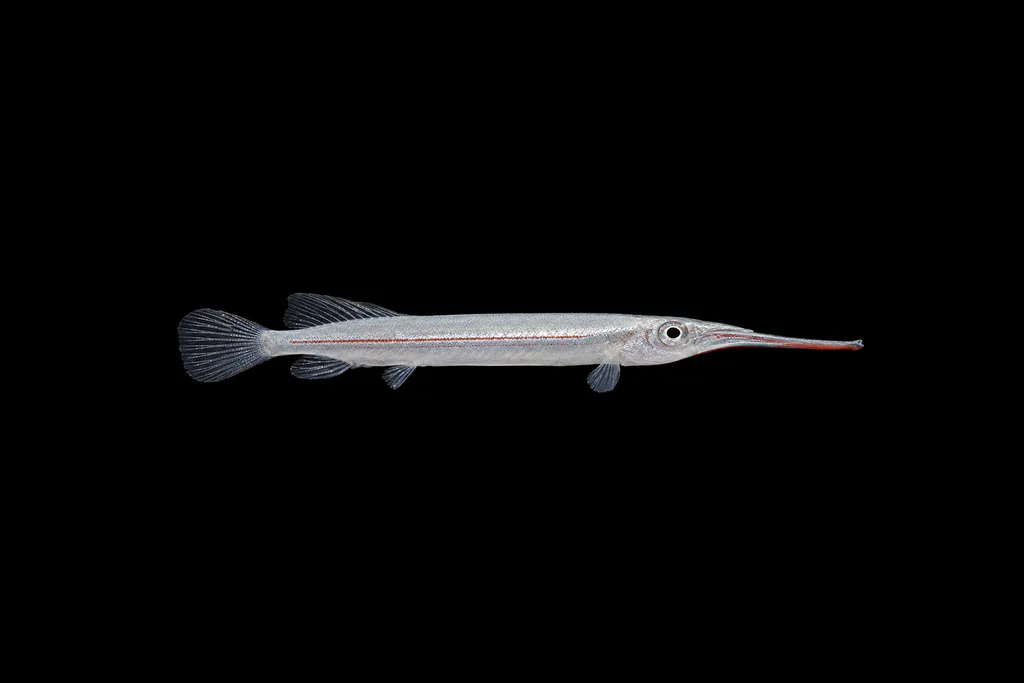
Fire halfbeak
Hemirhamphodon kapuasensis
Freshwater2.4 in (6 cm) · 14 gal (54 L)73–81°F (23–27°C)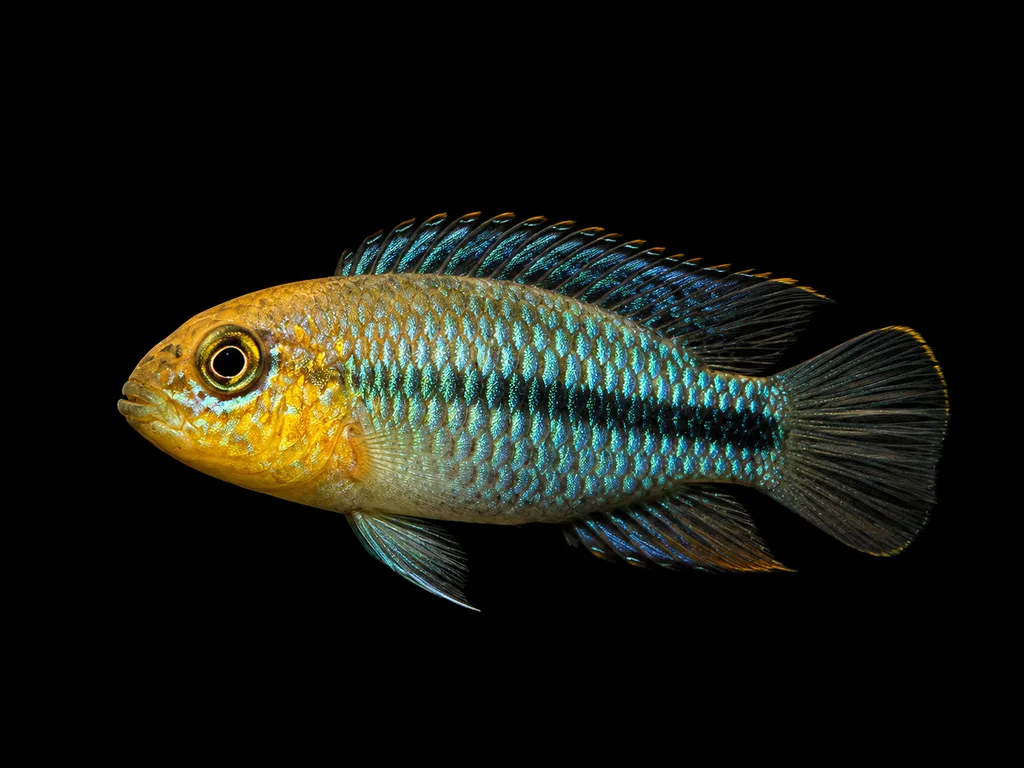
Goldhead nannacara
Nannacara aureocephalus
Freshwater3.1 in (8 cm) · 14 gal (54 L)75–82°F (24–28°C)
Common questions
What size tank does a Branco dwarf cichlid need?
A Branco dwarf cichlid needs at least 14 gal (54 L). It spends most of its time in the bottom.
What temperature and pH does a Branco dwarf cichlid need?
A Branco dwarf cichlid is comfortable at 75–82°F (24–28°C) with a pH of 4.5–6.2.
What does a Branco dwarf cichlid eat?
A Branco dwarf cichlid eats small live and frozen foods such as baby brine shrimp, cyclops, daphnia and microworm. It picks them off the substrate.
How big does a Branco dwarf cichlid get?
An adult Branco dwarf cichlid reaches about 2 in (5 cm).
How does a Branco dwarf cichlid breed?
Branco dwarf cichlids are cave spawners. A pair lays its eggs on the roof of a small cave or shelter and guards them. Breeding them in soft, acidic water is moderately difficult.
Related species
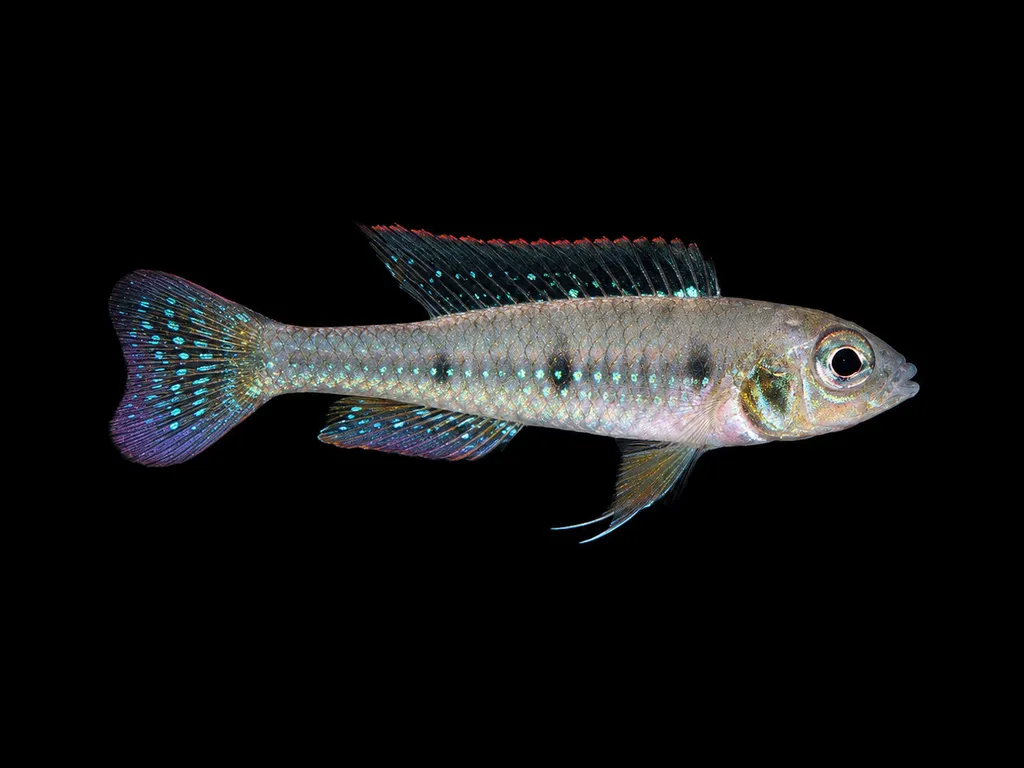 1.6 in (4 cm)20 gal (75 L)77–86°F (25–30°C)
Fairy dwarf cichlid
Biotoecus opercularis
1.6 in (4 cm) · 20 gal (75 L)
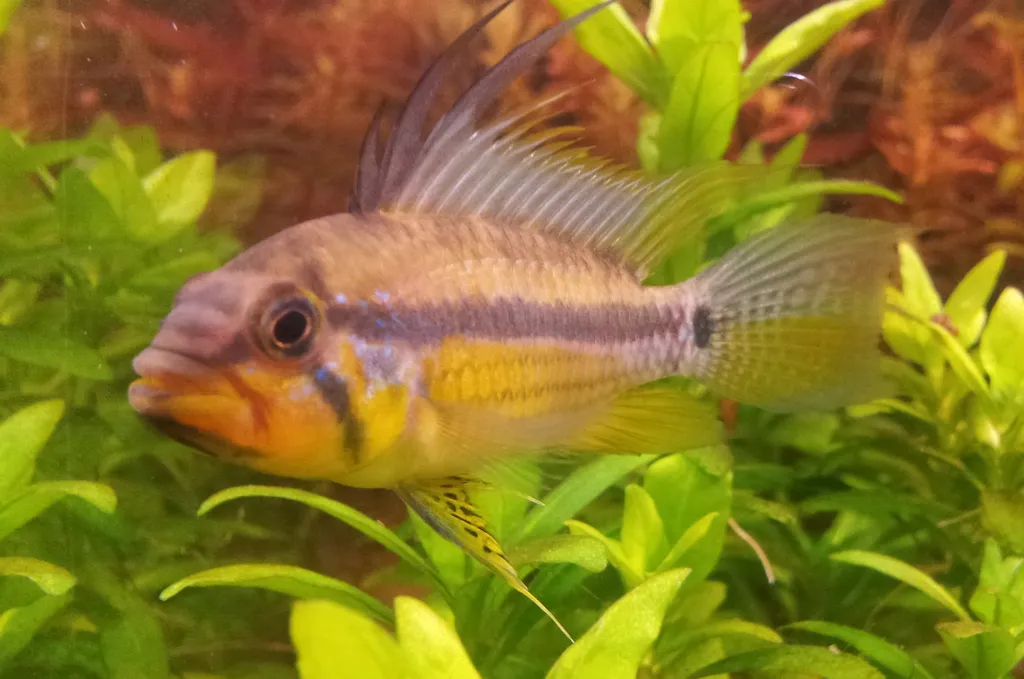 2 in (5 cm)16 gal (60 L)75–82°F (24–28°C)
Allpahuayo dwarf cichlid
Apistogramma allpahuayo
2 in (5 cm) · 16 gal (60 L)
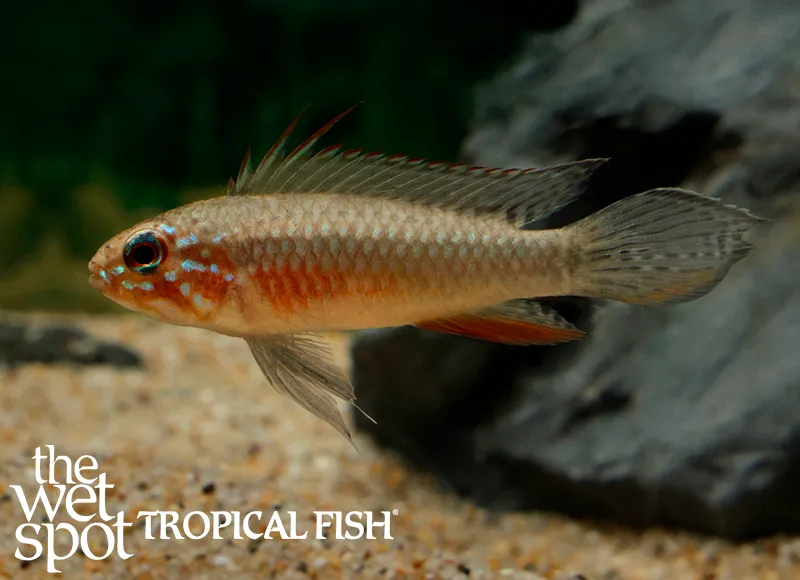 2 in (5 cm)20 gal (75 L)75–84°F (24–29°C)
Elizabeth's dwarf cichlid
Apistogramma elizabethae
2 in (5 cm) · 20 gal (75 L)
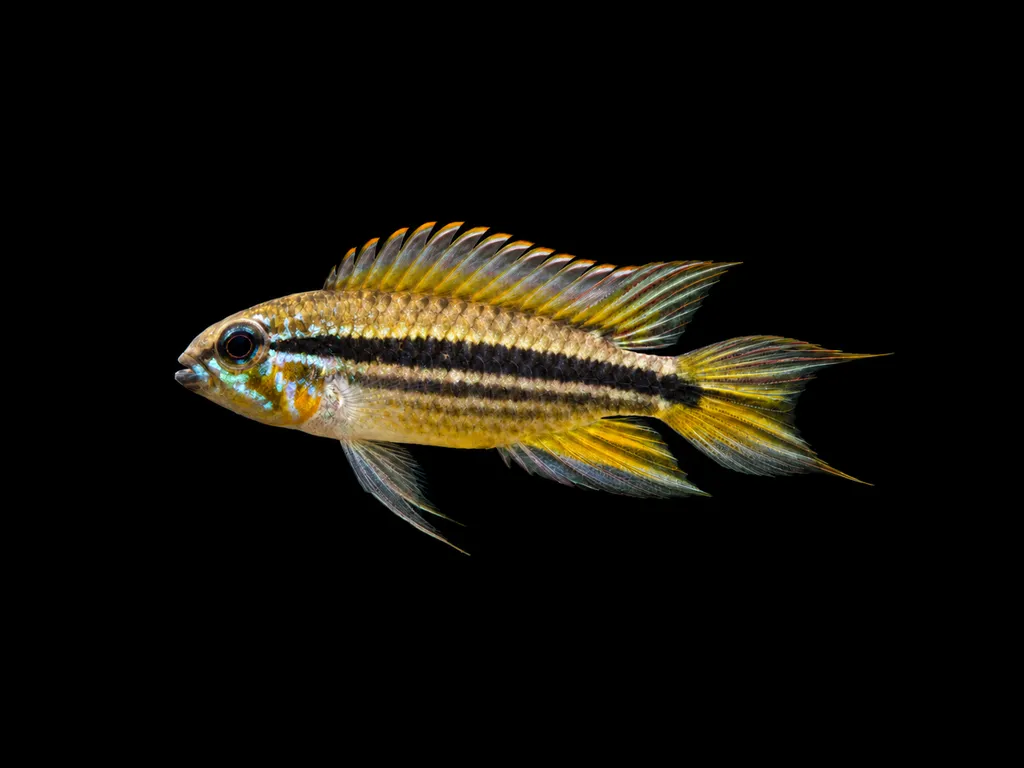 2 in (5 cm)16 gal (60 L)79–86°F (26–30°C)
Mendez's dwarf cichlid
Apistogramma mendezi
2 in (5 cm) · 16 gal (60 L)
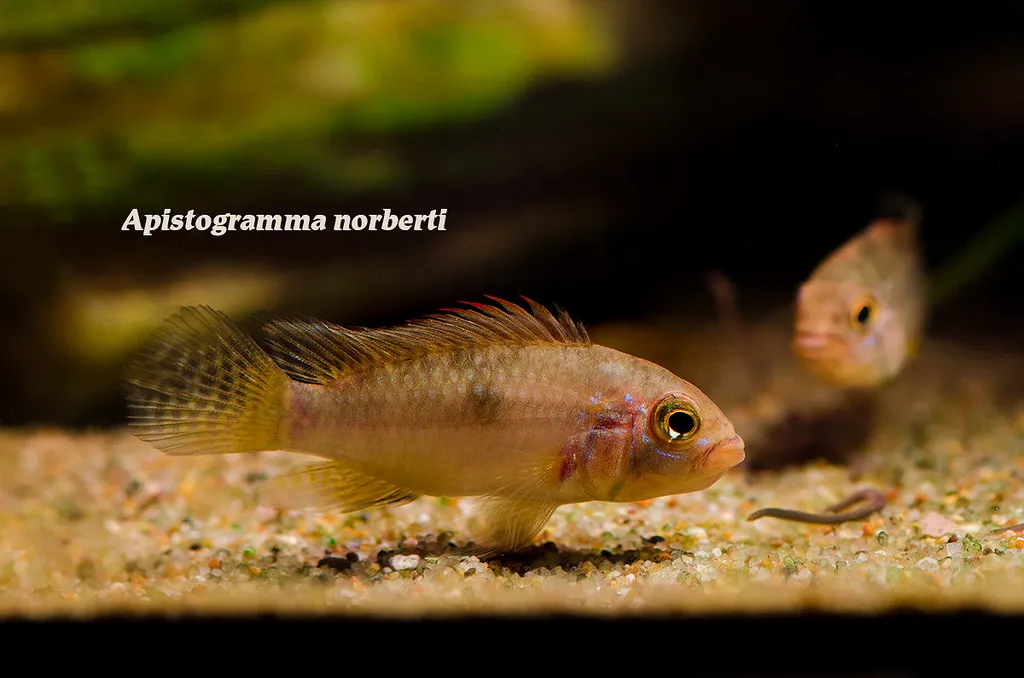 2 in (5 cm)16 gal (60 L)75–82°F (24–28°C)
Norbert's dwarf cichlid
Apistogramma norberti
2 in (5 cm) · 16 gal (60 L)
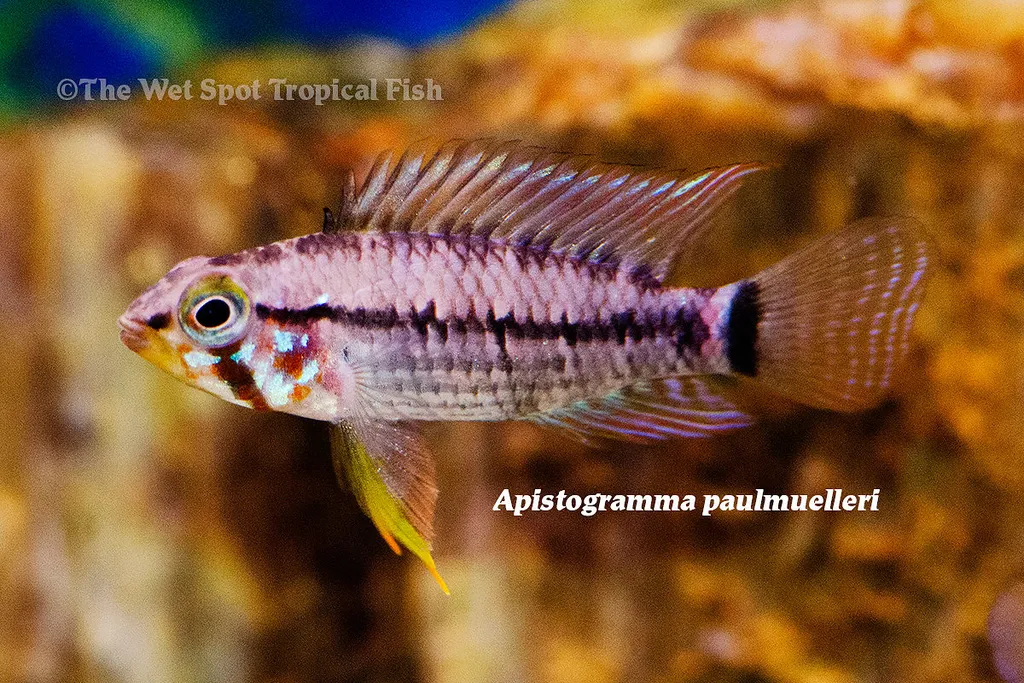 2 in (5 cm)16 gal (60 L)75–82°F (24–28°C)
Paul Mueller's dwarf cichlid
Apistogramma paulmuelleri
2 in (5 cm) · 16 gal (60 L)