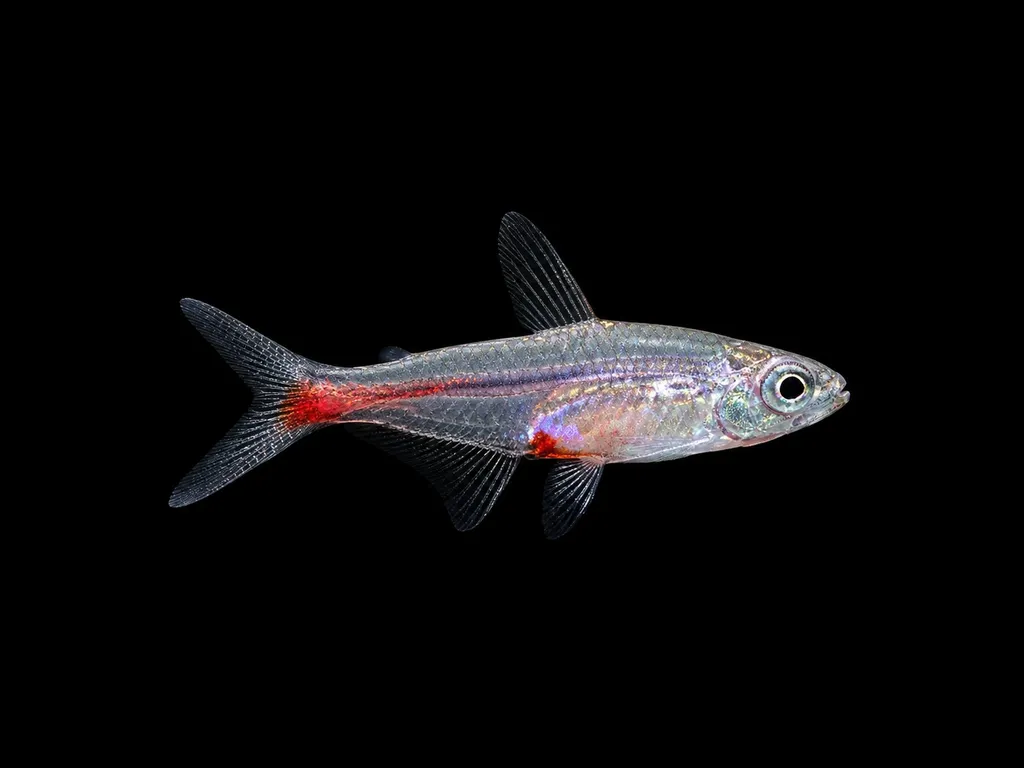
Axelrod's glass tetra
Brittanichthys axelrodi
Also known as Red glass tetra, Painted glass tetra
FreshwaterFish
Care at a glance
- Temperature
- 75–82°F
- 24–28°C
- pH
- 4.5–6.2
- Adult size
- 1.3 in
- 3.3 cm
- Minimum tank
- 14 gal
- 54 L
- Temperament
- Peaceful
- Social behavior
- Schooling
- Swim level
- Middle
- Difficulty
- Difficult
- Breeding
- No record
- Rarity
- Rare
- Family
- Characidae
- Origin
- Rio Negro blackwaters, Brazil
Overview
Axelrod's glass tetra is a tiny, delicate tetra for a quiet blackwater tank. It is a fish for experienced keepers.
Did you know
Axelrod's glass tetra comes from streams that are often near pH 4 in nature.
Caring for the Axelrod's glass tetra
Give a group of Axelrod's glass tetras 14 gal (54 L) or more, in a quiet, dimly lit tank that is mature and stable. Filter over peat or botanicals, and add leaf litter and driftwood for tannins.
It needs genuine blackwater conditions, with very little hardness. Keep the water warm, at 75 to 82°F (24 to 28°C), and hold the pH low, at 4.5 to 6.2. Offer tiny foods such as microworm, baby brine shrimp, cyclops and finely crushed flake.
Keep at least eight to ten together to see natural behavior and steady color. It is entirely peaceful and competes poorly for food, so nothing boisterous or fast should share the tank. Keep it in a species tank or with equally small, gentle fish from the same soft, acidic water, such as cardinal tetras and pencilfish.
It is one of the few tetras that breed by internal insemination. Instead of fertilizing eggs in open water, males transfer sperm directly to females, which can store it. Mature males use tiny bony hooks on the anal fin as contact organs during mating, and they have a distinctively curved caudal-fin ray. Home breeding is essentially undocumented.
Good to know
Axelrod's glass tetra is a characin in the family Characidae. Its genus name honors the ichthyologist Martin Brittan, and its species name honors Herbert Axelrod.
In the wild
Brittanichthys axelrodi comes from the blackwaters of the Rio Negro in Brazil. These tea-stained streams are very soft and strongly acidic.
Weekly picks
Tank mates
The Axelrod's glass tetra is a peaceful, schooling species that keeps to the middle. These picks share a community profile with it, are safe together in both directions, and overlap on water type, temperature and pH.
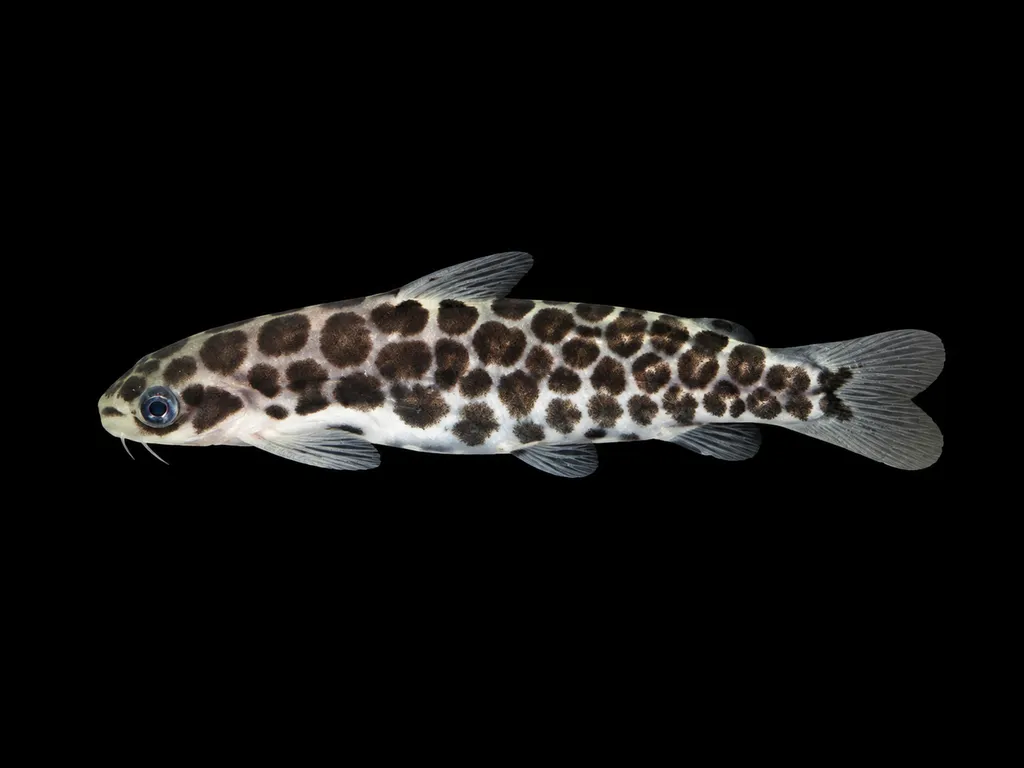
Honeycomb tatia
Duringlanis altae
Freshwater1.6 in (4 cm) · 14 gal (54 L)73–82°F (23–28°C)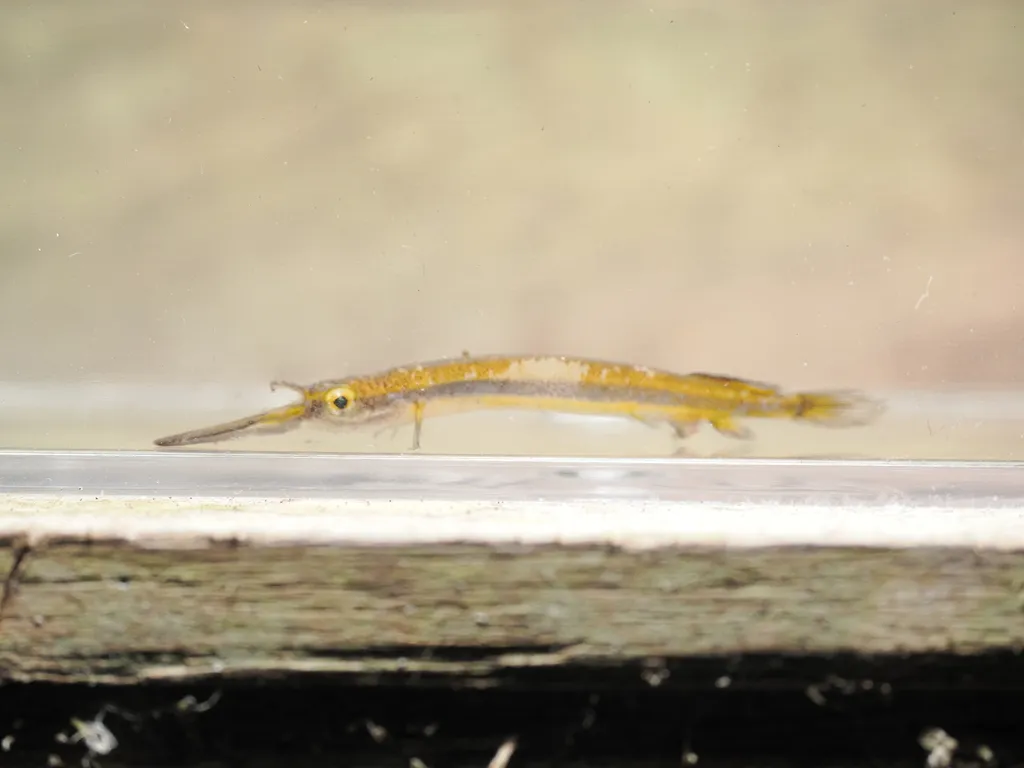
Gold-spotted halfbeak
Hemirhamphodon chrysopunctatus
Freshwater2.6 in (6.5 cm) · 14 gal (54 L)73–81°F (23–27°C)
Colombian gold tetra
Hyphessobrycon saizi
Freshwater1.4 in (3.5 cm) · 14 gal (54 L)73–82°F (23–28°C)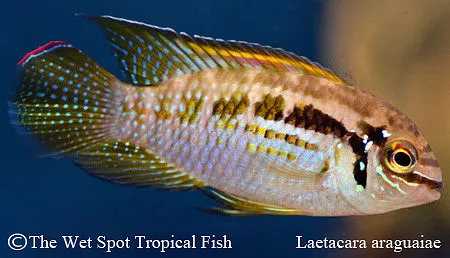
Araguaia dwarf acara
Laetacara araguaiae
Freshwater1.8 in (4.5 cm) · 14 gal (54 L)75–82°F (24–28°C)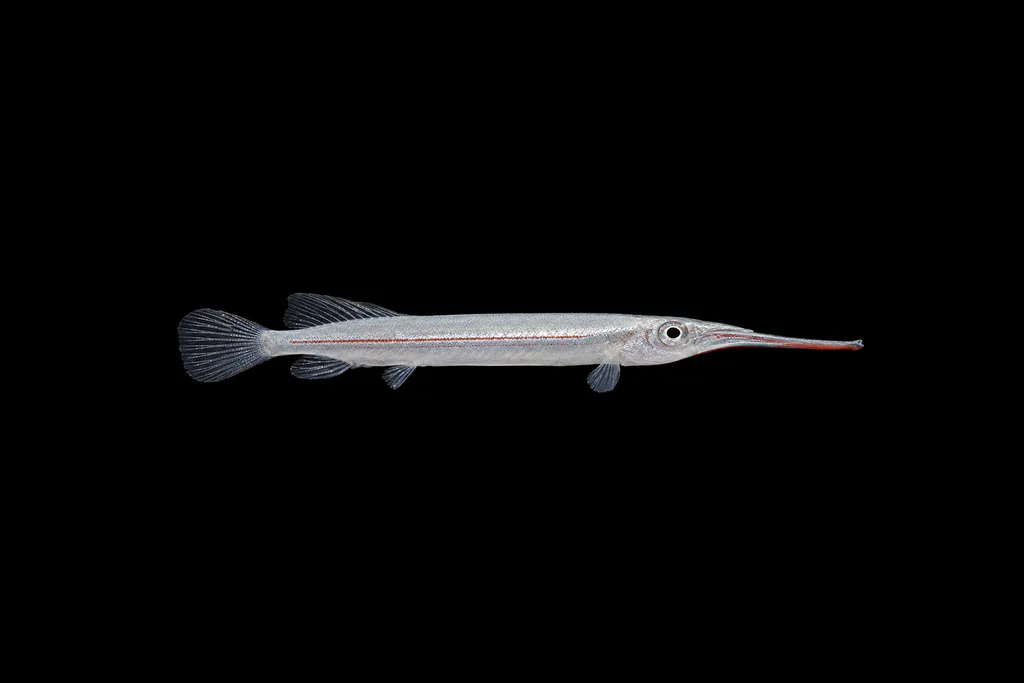
Fire halfbeak
Hemirhamphodon kapuasensis
Freshwater2.4 in (6 cm) · 14 gal (54 L)73–81°F (23–27°C)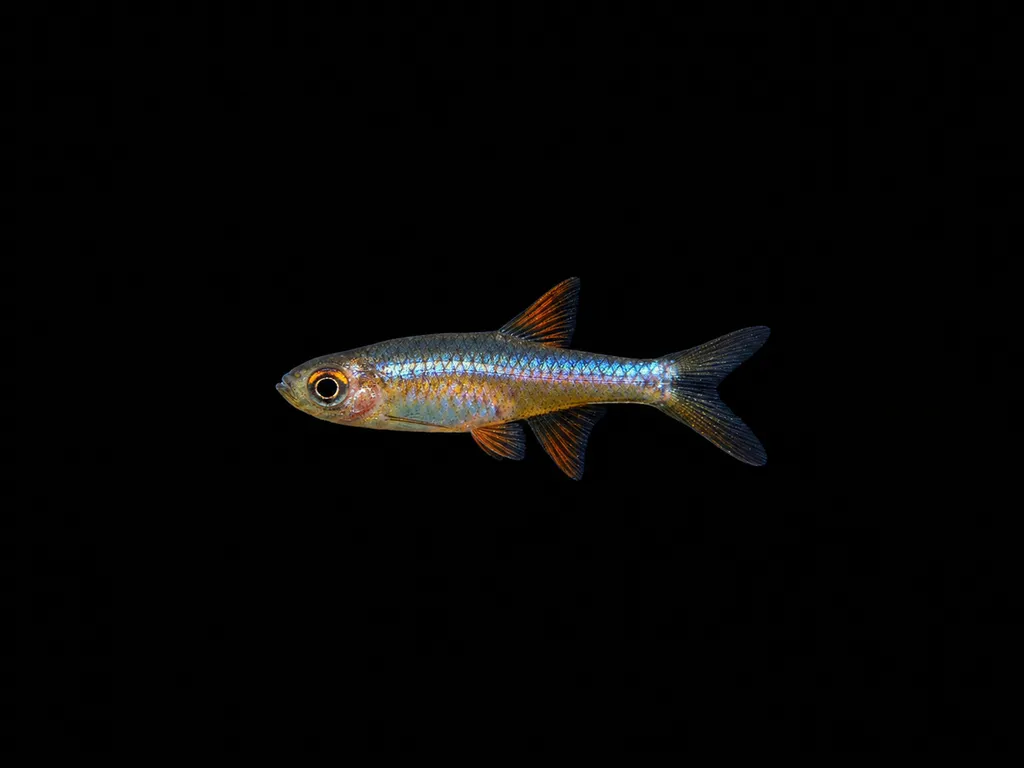
Pearly rasbora
Rasboroides vaterifloris
Freshwater1.6 in (4 cm) · 14 gal (54 L)75–82°F (24–28°C)
Common questions
What size tank does an Axelrod's glass tetra need?
An Axelrod's glass tetra needs at least 14 gal (54 L). It spends most of its time in the middle.
What temperature and pH does an Axelrod's glass tetra need?
An Axelrod's glass tetra is comfortable at 75–82°F (24–28°C) with a pH of 4.5–6.2.
What does an Axelrod's glass tetra eat?
An Axelrod's glass tetra eats tiny foods such as microworm, baby brine shrimp, cyclops and finely crushed flake.
How big does an Axelrod's glass tetra get?
An adult Axelrod's glass tetra reaches about 1.3 in (3.3 cm).
Does an Axelrod's glass tetra need a group?
Yes. An Axelrod's glass tetra is a schooling species and should be kept in a group, not singly.
How can you tell a male Axelrod's glass tetra from a female?
Males carry tiny bony hooks on the anal fin and a distinctively curved caudal-fin ray once they mature.
How does an Axelrod's glass tetra breed?
Axelrod's glass tetra breeds by internal insemination, with males passing sperm straight to females, which can store it. Home breeding is essentially undocumented.
Related species
- 1.3 in (3.3 cm)14 gal (54 L)75–82°F (24–28°C)
Unicorn tetra
Erythrocharax altipinnis
1.3 in (3.3 cm) · 14 gal (54 L)
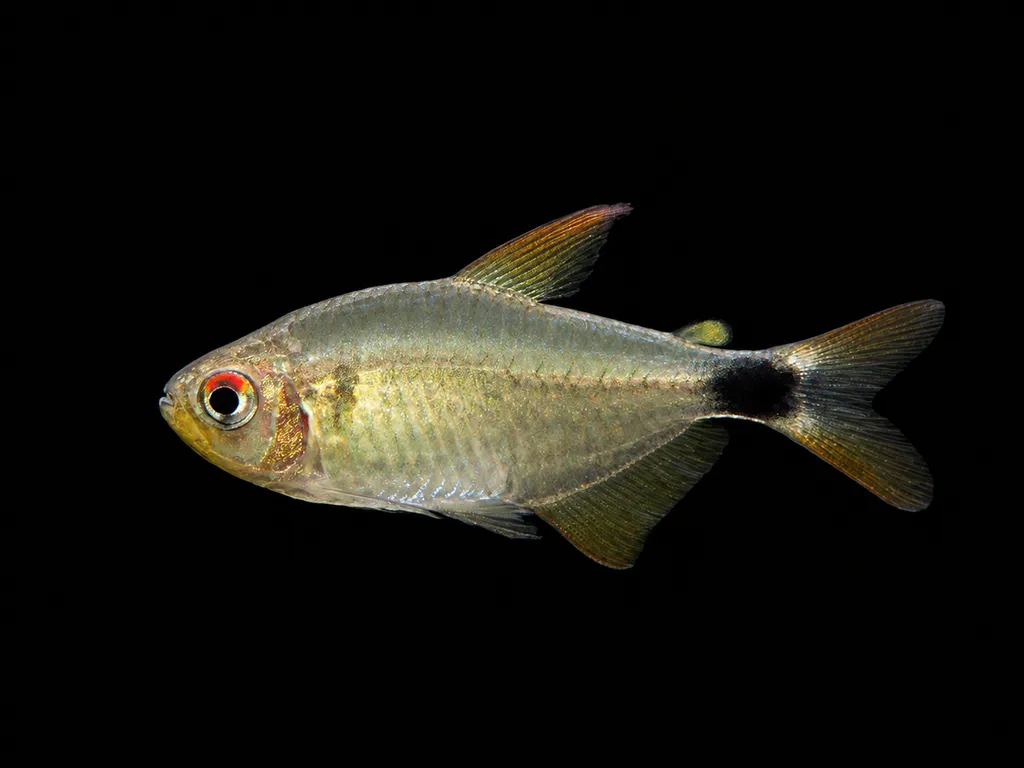 1.3 in (3.4 cm)12 gal (45 L)72–82°F (22–28°C)
Kitty tetra
Hyphessobrycon heliacus
1.3 in (3.4 cm) · 12 gal (45 L)
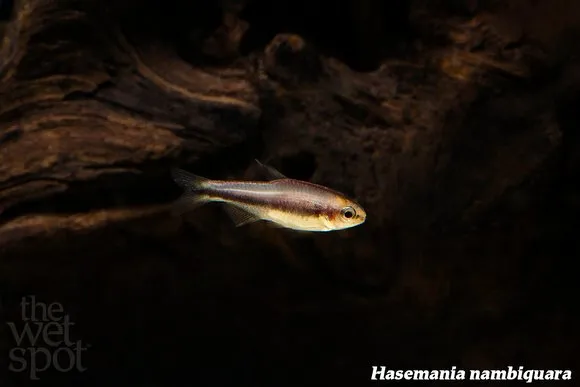 1.3 in (3.4 cm)14 gal (54 L)73–81°F (23–27°C)
Nambiquara royal tetra
Inpaichthys nambiquara
1.3 in (3.4 cm) · 14 gal (54 L)
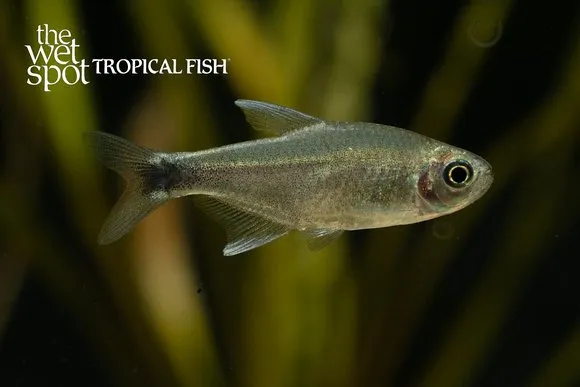 1.3 in (3.4 cm)15 gal (55 L)68–79°F (20–26°C)
Negodagua tetra
Hyphessobrycon negodagua
1.3 in (3.4 cm) · 15 gal (55 L)
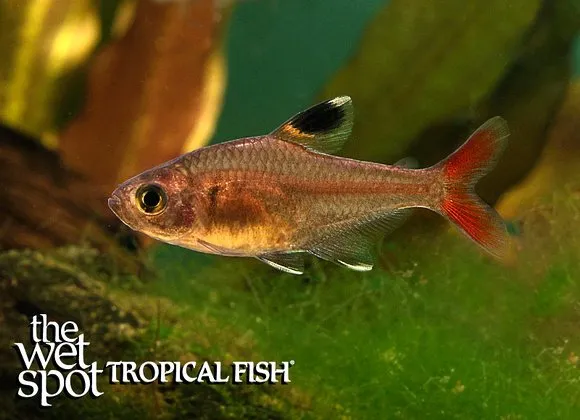 1.3 in (3.2 cm)12 gal (45 L)72–81°F (22–27°C)
Micropterus tetra
Hyphessobrycon micropterus
1.3 in (3.2 cm) · 12 gal (45 L)
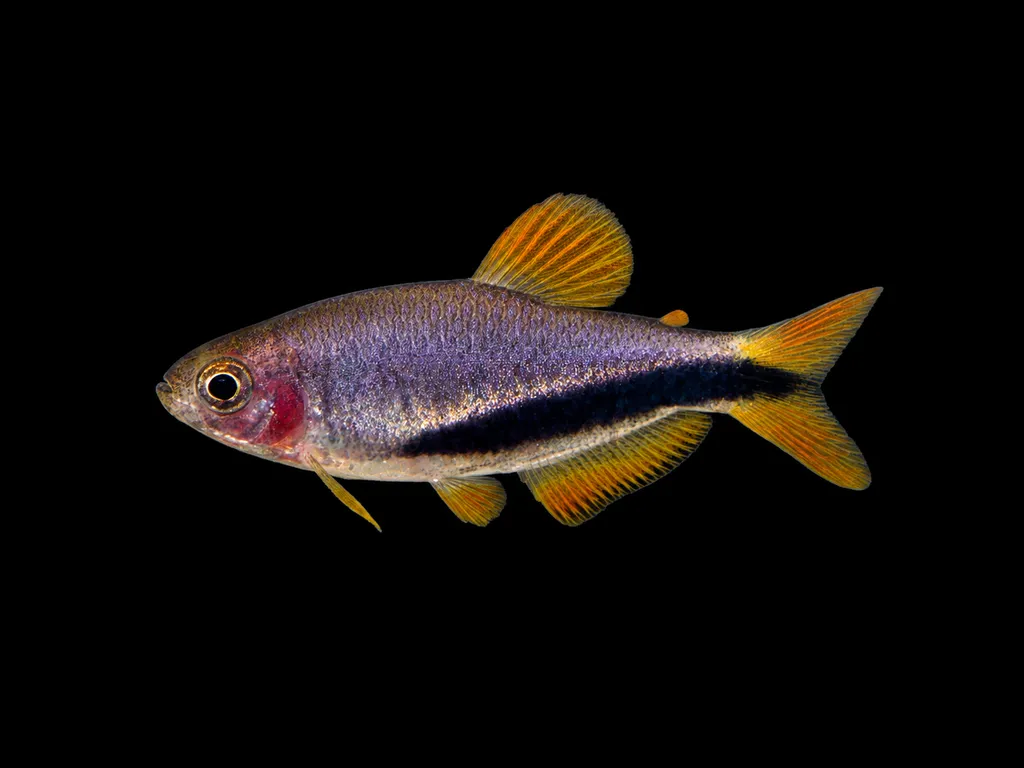 1.4 in (3.5 cm)14 gal (54 L)72–81°F (22–27°C)
Black arrow tetra
Inpaichthys luizae
1.4 in (3.5 cm) · 14 gal (54 L)