Unicorn tetra
Erythrocharax altipinnis
FreshwaterFish
Care at a glance
- Temperature
- 75–82°F
- 24–28°C
- pH
- 5.0–6.8
- Adult size
- 1.3 in
- 3.3 cm
- Minimum tank
- 14 gal
- 54 L
- Temperament
- Peaceful
- Social behavior
- Schooling
- Swim level
- Middle
- Difficulty
- Medium
- Breeding
- No record
- Rarity
- Rare
- Family
- Characidae
- Origin
- Rio Curuá, Serra do Cachimbo, Brazil
Overview
The unicorn tetra is a tiny, peaceful schooling fish that looks best in a group of at least ten in a soft, gently stained tank. It swims in the middle of the water and shares its home stream with the green-eye tetra, so the two make a natural single-river display. Keep it only with small, calm companions such as other nano tetras, pygmy corydoras, and small rasboras, since larger fish will eat or outcompete it. Feed very small foods: fine flake, crushed micro pellets, cyclops, microworm, and baby brine shrimp. A group is comfortable in around 54 liters or more, well planted and calm.
In the wild
Erythrocharax altipinnis comes from the clear rio Curua, a tributary of the rio Iriri in the upper Rio Xingu basin, draining the Serra do Cachimbo in Para, Brazil, the same plateau streams that hold the green-eye tetra. These waters are warm, soft, and acidic. Keep it from 24 to 28 degrees Celsius at pH 5.0 to 6.8 with low hardness, using driftwood, leaf litter, a dark substrate, and dim light.
Good to know
Erythrocharax altipinnis was described in 2013 as both a new species and a new genus of the characin family Characidae, and it stays around 3.3 centimeters. The genus name means red charax, for the bright red adipose and tail fins of living fish, while altipinnis refers to the tall dorsal-fin rays that males extend, the horn behind the trade's unicorn name. It is an egg-scattering miniature, and its aquarium breeding is not documented.
Did you know
This one small fish from a single plateau river was different enough that scientists built an entirely new genus around it in 2013, a mark of how isolated and distinct the Serra do Cachimbo streams are.
Weekly picks
Tank mates
Unicorn tetra is a peaceful, schooling species that keeps to the middle. These picks share a community profile with it, are safe together in both directions, and overlap on water type, temperature and pH.
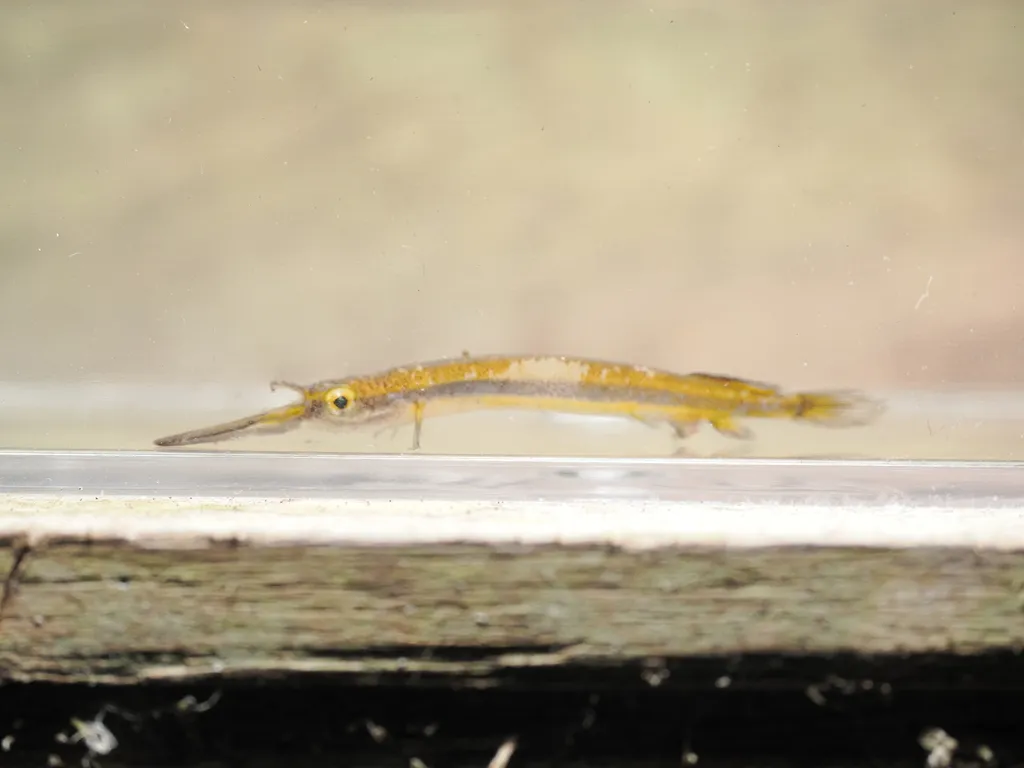
Gold-spotted halfbeak
Hemirhamphodon chrysopunctatus
Freshwater2.6 in (6.5 cm) · 14 gal (54 L)73–81°F (23–27°C)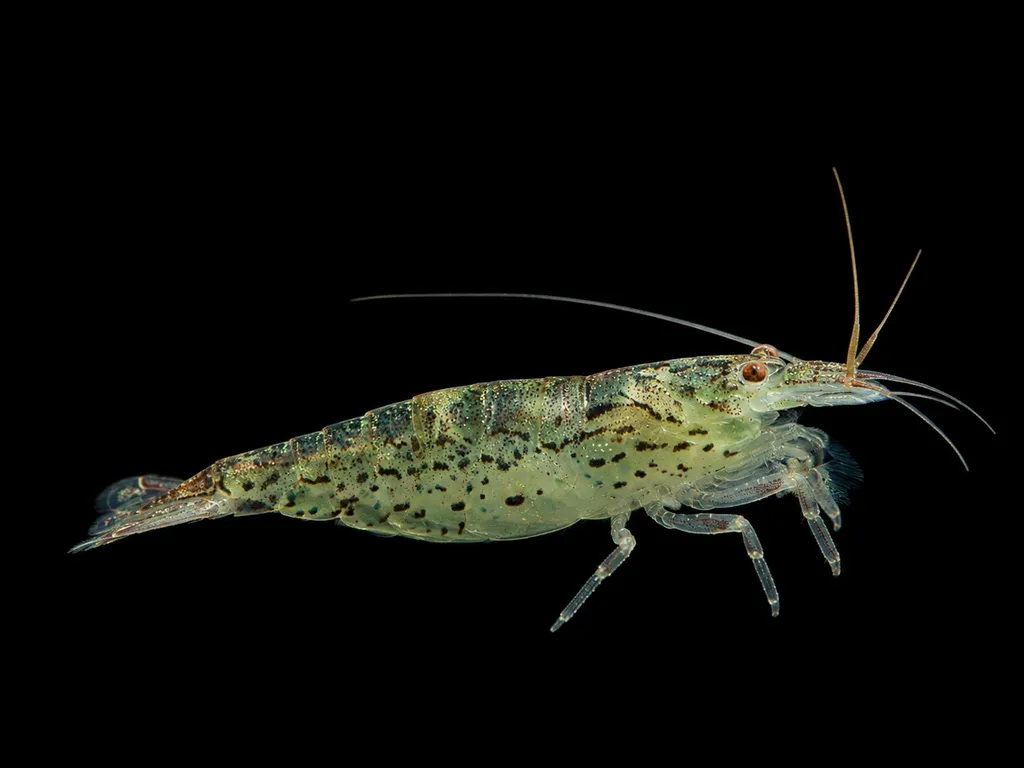
Green lace shrimp
Atyoida pilipes
Freshwater2.8 in (7 cm) · 14 gal (54 L)73–82°F (23–28°C)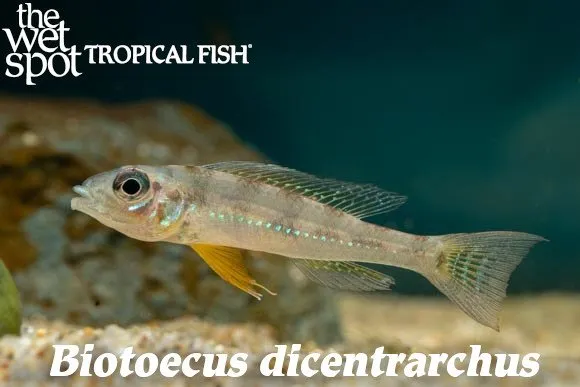
Branco dwarf cichlid
Biotoecus dicentrarchus
Freshwater2 in (5 cm) · 14 gal (54 L)75–82°F (24–28°C)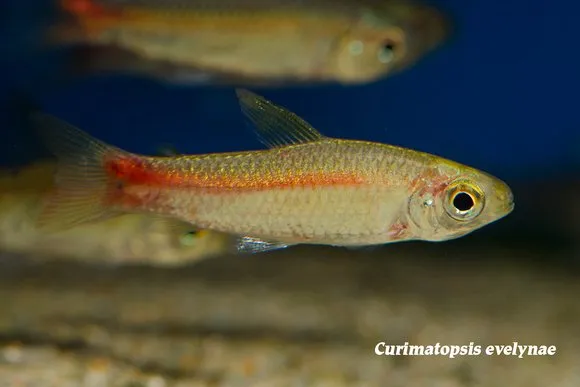
Spot-tail curimata
Curimatopsis evelynae
Freshwater1.6 in (4 cm) · 14 gal (54 L)73–82°F (23–28°C)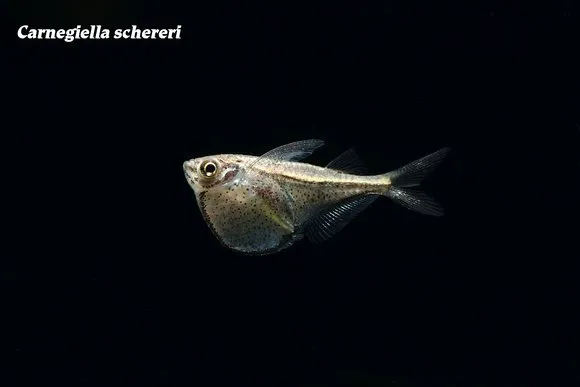
Scherer's hatchetfish
Carnegiella schereri
Freshwater1 in (2.6 cm) · 14 gal (54 L)73–82°F (23–28°C)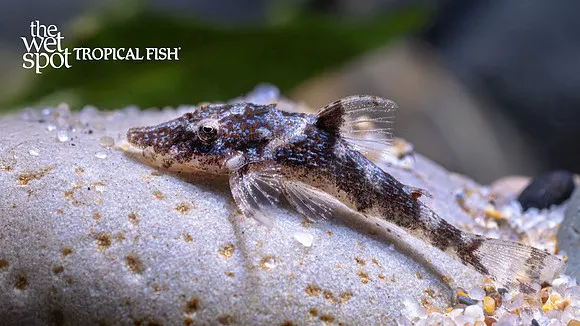
Peppermint otocinclus
Parotocinclus eppleyi
Freshwater1.4 in (3.5 cm) · 14 gal (54 L)75–82°F (24–28°C)
Common questions
What size tank does a Unicorn tetra need?
A Unicorn tetra needs at least 14 gal (54 L). It spends most of its time in the middle.
What temperature and pH does a Unicorn tetra need?
A Unicorn tetra is comfortable at 75–82°F (24–28°C) with a pH of 5.0–6.8.
How big does a Unicorn tetra get?
An adult Unicorn tetra reaches about 1.3 in (3.3 cm).
Does a Unicorn tetra need a group?
Yes. A Unicorn tetra is a schooling species and should be kept in a group, not singly.
Related species
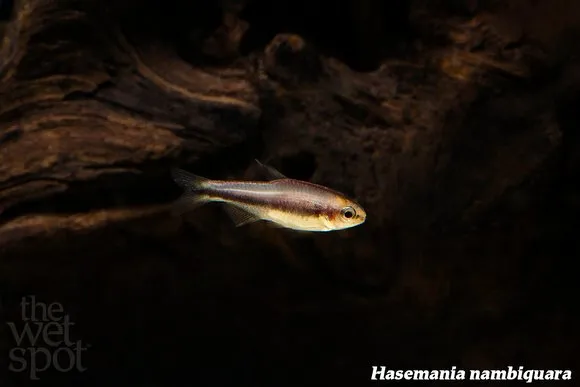
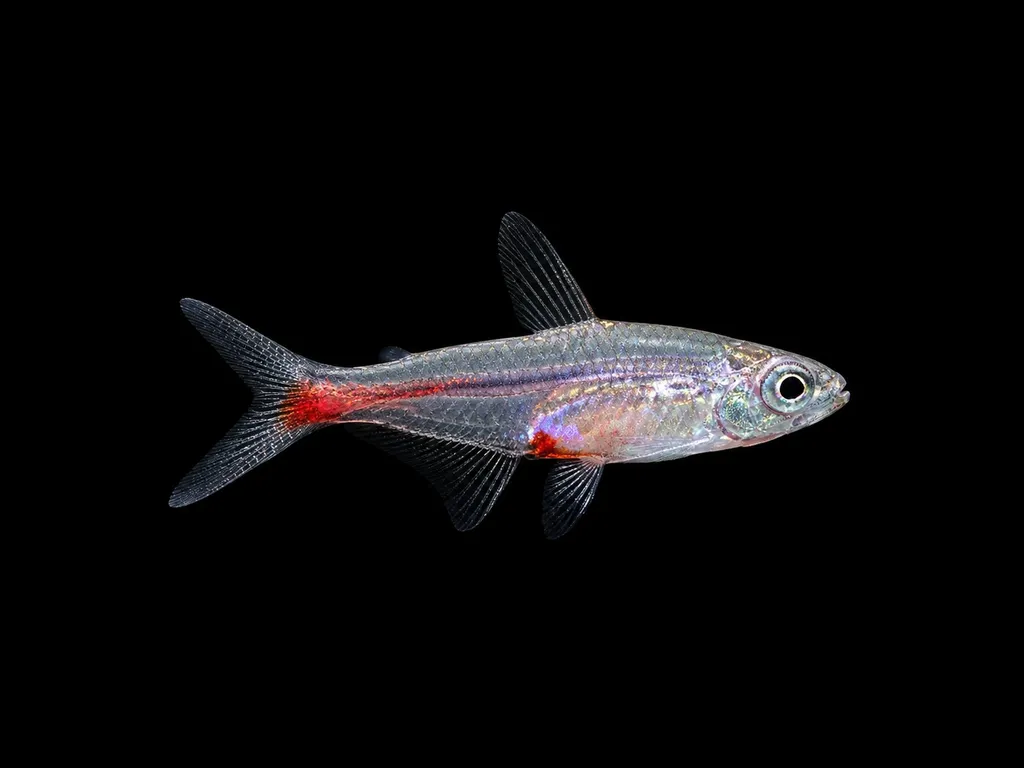 1.3 in (3.3 cm)14 gal (54 L)75–82°F (24–28°C)
Axelrod's glass tetra
Brittanichthys axelrodi
1.3 in (3.3 cm) · 14 gal (54 L)
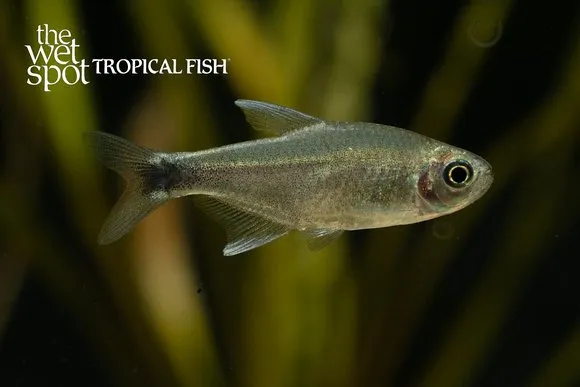
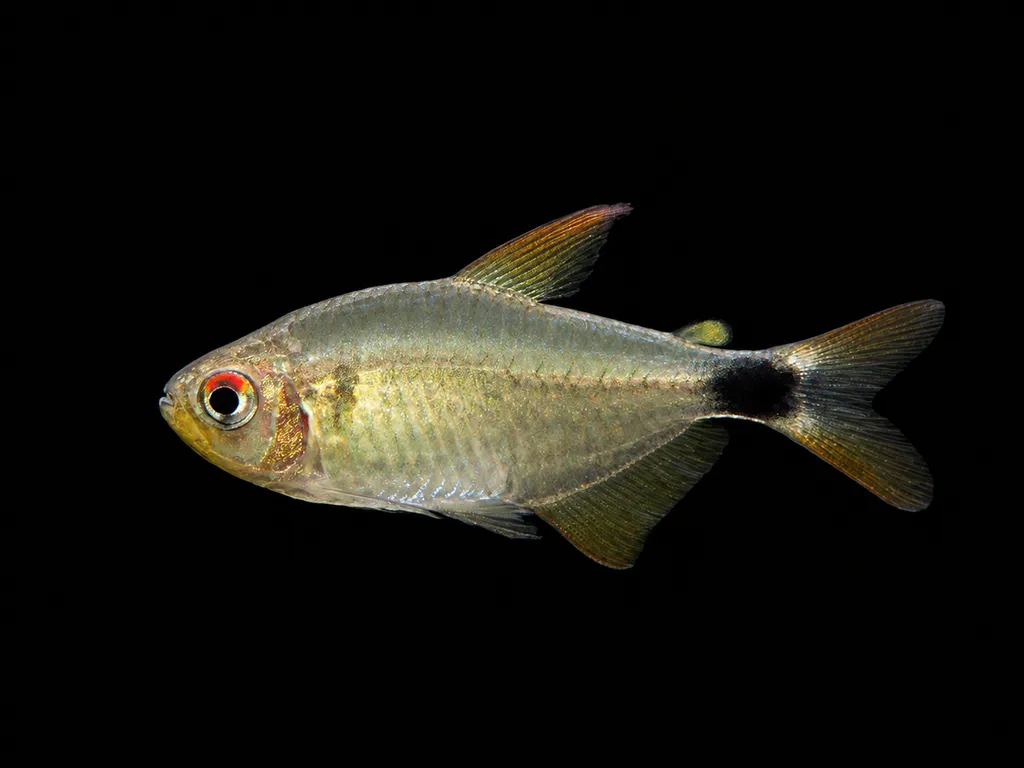 1.3 in (3.4 cm)12 gal (45 L)72–82°F (22–28°C)
Kitty tetra
Hyphessobrycon heliacus
1.3 in (3.4 cm) · 12 gal (45 L)
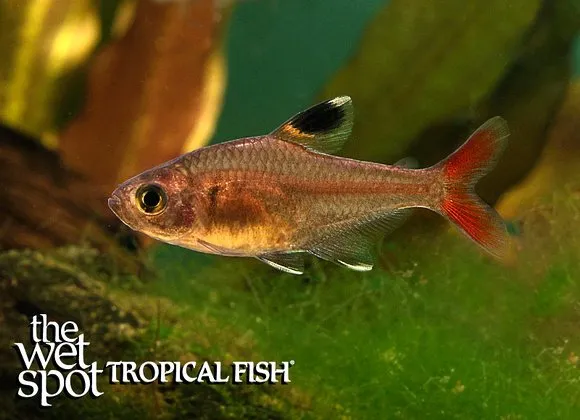
 1.3 in (3.4 cm)14 gal (54 L)73–81°F (23–27°C)
Nambiquara royal tetra
Inpaichthys nambiquara
1.3 in (3.4 cm) · 14 gal (54 L)
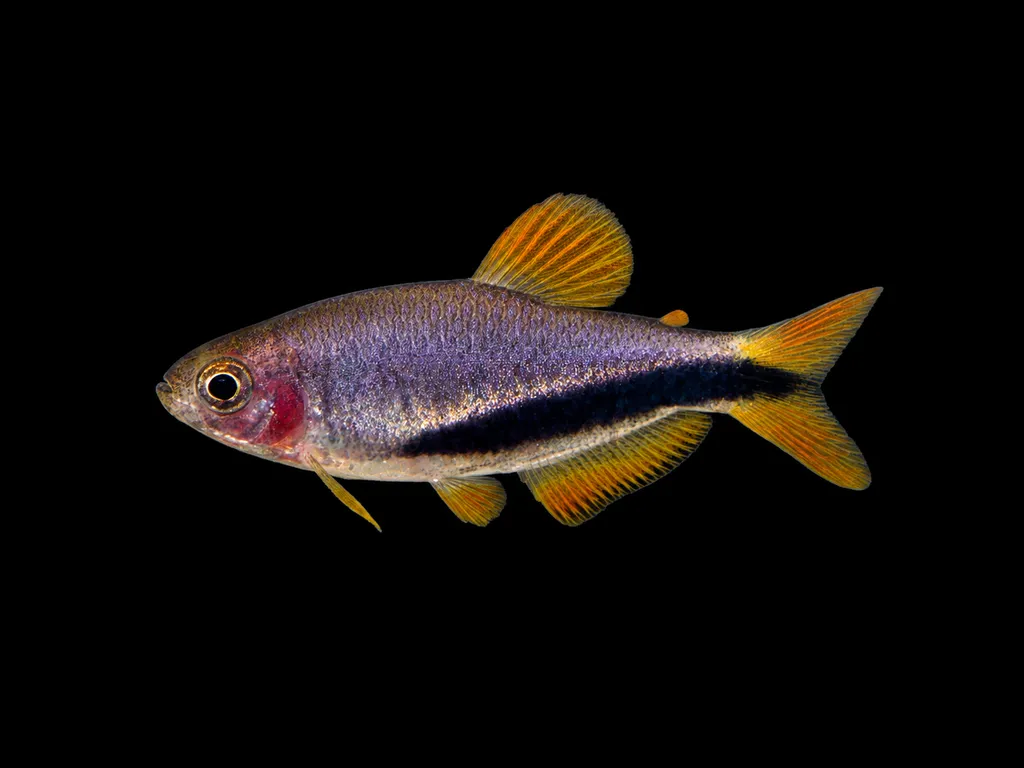
 1.3 in (3.4 cm)15 gal (55 L)68–79°F (20–26°C)
Negodagua tetra
Hyphessobrycon negodagua
1.3 in (3.4 cm) · 15 gal (55 L)
 1.3 in (3.2 cm)12 gal (45 L)72–81°F (22–27°C)
Micropterus tetra
Hyphessobrycon micropterus
1.3 in (3.2 cm) · 12 gal (45 L)
 1.4 in (3.5 cm)14 gal (54 L)72–81°F (22–27°C)
Black arrow tetra
Inpaichthys luizae
1.4 in (3.5 cm) · 14 gal (54 L)