Green-eye tetra
Moenkhausia chlorophthalma
Also known as Chlorophthalma tetra
FreshwaterFish
Care at a glance
- Temperature
- 75–82°F
- 24–28°C
- pH
- 5.0–6.8
- Adult size
- 3.1 in
- 8 cm
- Minimum tank
- 24 gal
- 90 L
- Temperament
- Peaceful
- Social behavior
- Schooling
- Swim level
- Middle
- Difficulty
- Medium
- Breeding
- Egg scatterer
- Rarity
- Rare
- Family
- Characidae
- Origin
- Rio Curuá clearwaters, Serra do Cachimbo, Brazil
Overview
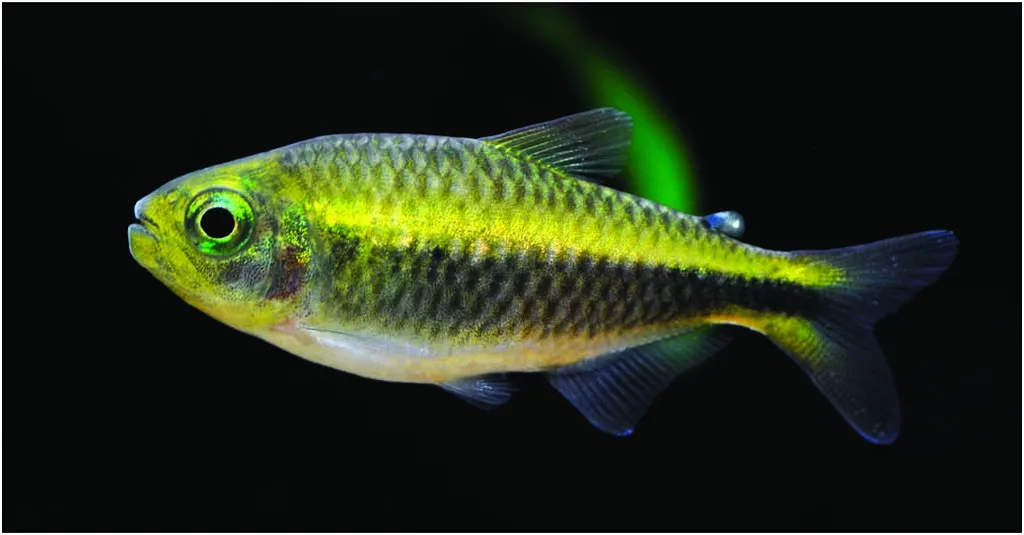
The green-eye tetra is a peaceful schooling fish that grows fairly large for a tetra. It suits a dim, soft-water tank, and it is not quite a beginner's fish.
Did you know
The green-eye tetra's eye shines bright green across its upper half in life, like a small signal lamp.
Caring for the green-eye tetra
Keep green-eye tetras in a group of at least eight, in a tank of at least 24 gal (90 L), since they need room. Furnish it with driftwood, leaf litter, shade and a dark substrate. Dim light shows off the eye and keeps the fish confident in the open.
The water should be warm, soft and acidic, at 75 to 82°F (24 to 28°C) and a pH of 5.0 to 6.8, with low hardness. Feed quality flake and pellets with frozen or live foods such as daphnia, bloodworm and brine shrimp.
Green-eye tetras are peaceful and need calm, similar-sized company, such as other medium tetras, peaceful cichlids and corydoras. Avoid tiny nano fish they might crowd, and anything aggressive. They are egg-scattering spawners with no parental care, and aquarium breeding is not documented.
Good to know
Moenkhausia chlorophthalma was described in 2013 from the Serra do Cachimbo, and it is a characin of the family Characidae. Its name means green-eyed, and it also carries a dark blotch on the adipose fin.
In the wild
The green-eye tetra comes from glass-clear streams draining the Serra do Cachimbo plateau in Para, Brazil. The streams belong to the rio Curua system of the upper Rio Xingu basin. These waters run soft and acidic over bare rock and sand.
Weekly picks
Tank mates
The green-eye tetra is a peaceful, schooling species that keeps to the middle. These picks share a community profile with it, are safe together in both directions, and overlap on water type, temperature and pH.
Siamese flying barb
Laubuka siamensis
Freshwater2.6 in (6.5 cm) · 24 gal (90 L)72–81°F (22–27°C)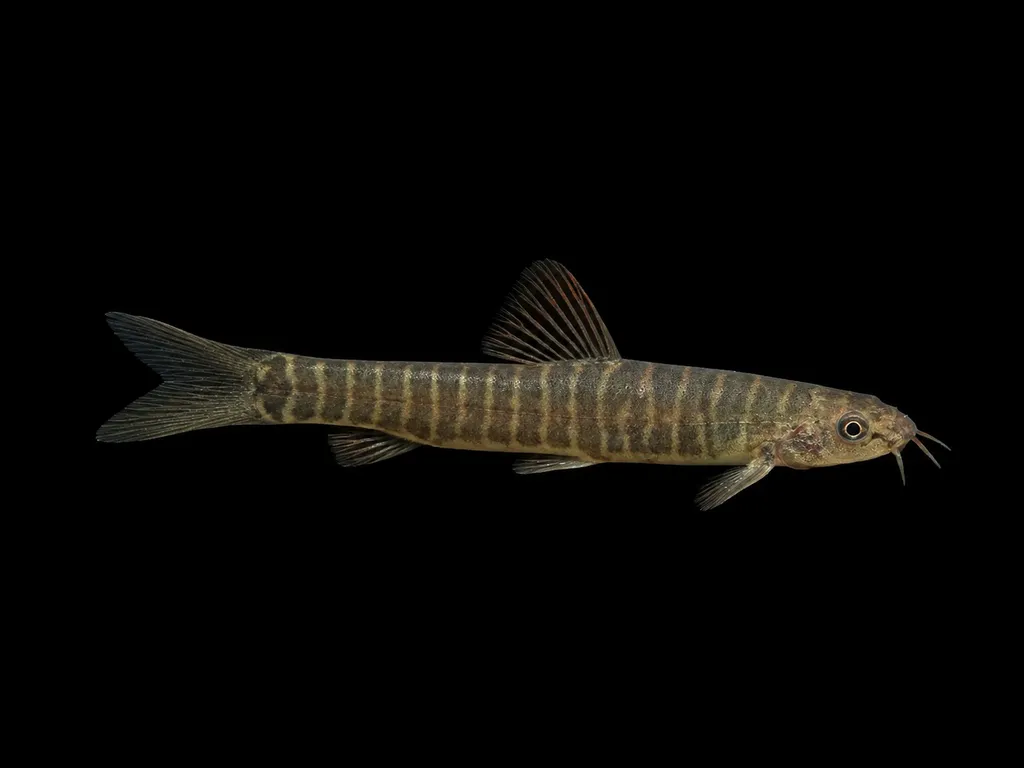
Flathead loach
Nemacheilus platiceps
Freshwater2.9 in (7.3 cm) · 24 gal (90 L)72–81°F (22–27°C)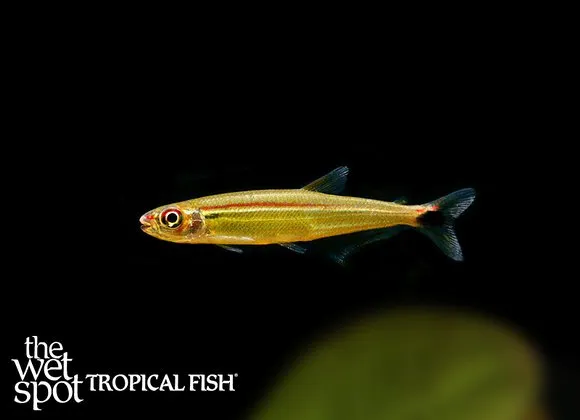
Adujai lizard tetra
Iguanodectes adujai
Freshwater2.8 in (7 cm) · 24 gal (90 L)75–82°F (24–28°C)
Wrestling halfbeak
Dermogenys pusilla
FreshwaterBrackish2.8 in (7 cm) · 25 gal (95 L)75–82°F (24–28°C)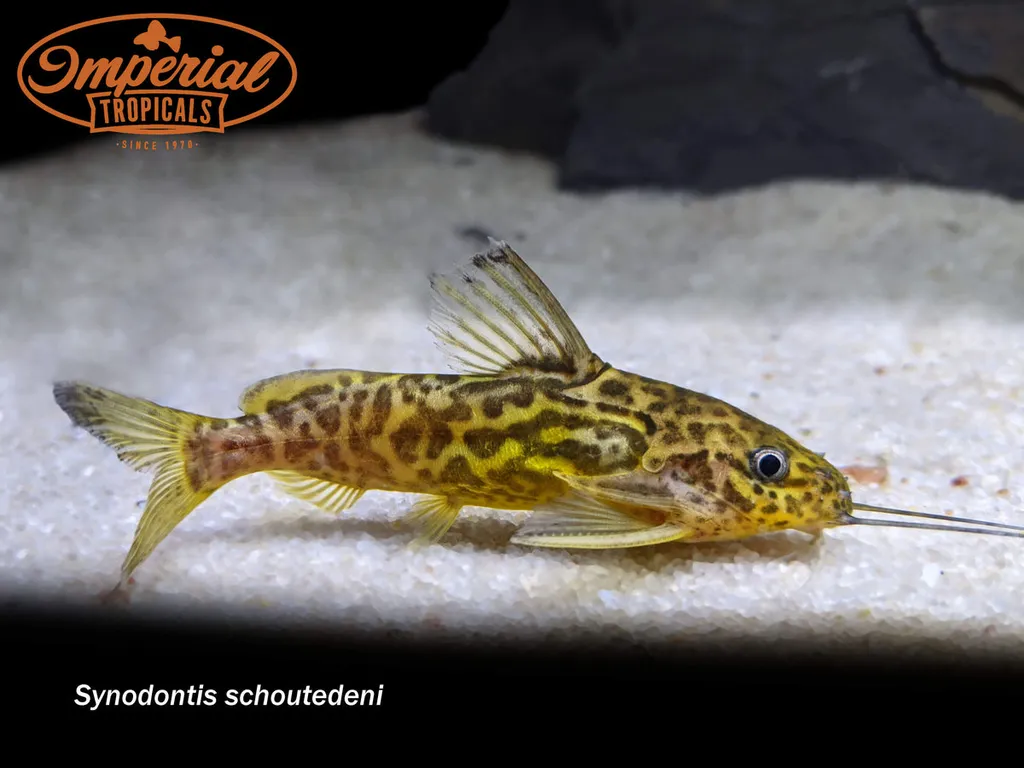
Vermiculated squeaker
Synodontis schoutedeni
Freshwater5.9 in (15 cm) · 24 gal (90 L)72–81°F (22–27°C)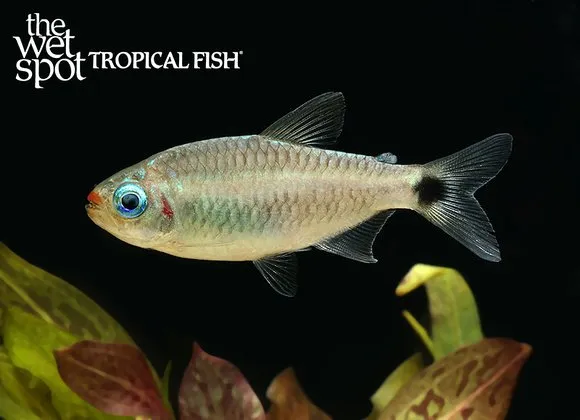
Cosmops tetra
Bario cosmops
Freshwater2.6 in (6.5 cm) · 24 gal (90 L)73–82°F (23–28°C)
Common questions
What size tank does a green-eye tetra need?
A green-eye tetra needs at least 24 gal (90 L). It spends most of its time in the middle.
What temperature and pH does a green-eye tetra need?
A green-eye tetra is comfortable at 75–82°F (24–28°C) with a pH of 5.0–6.8.
What does a green-eye tetra eat?
A green-eye tetra eats quality flake and pellets, with frozen or live foods such as daphnia, bloodworm and brine shrimp.
How big does a green-eye tetra get?
An adult green-eye tetra reaches about 3.1 in (8 cm).
Does a green-eye tetra need a group?
Yes. A green-eye tetra is a schooling species and should be kept in a group, not singly.
How does a green-eye tetra breed?
A green-eye tetra is an egg-scattering spawner that gives no parental care. Breeding it in an aquarium is not documented.
Related species
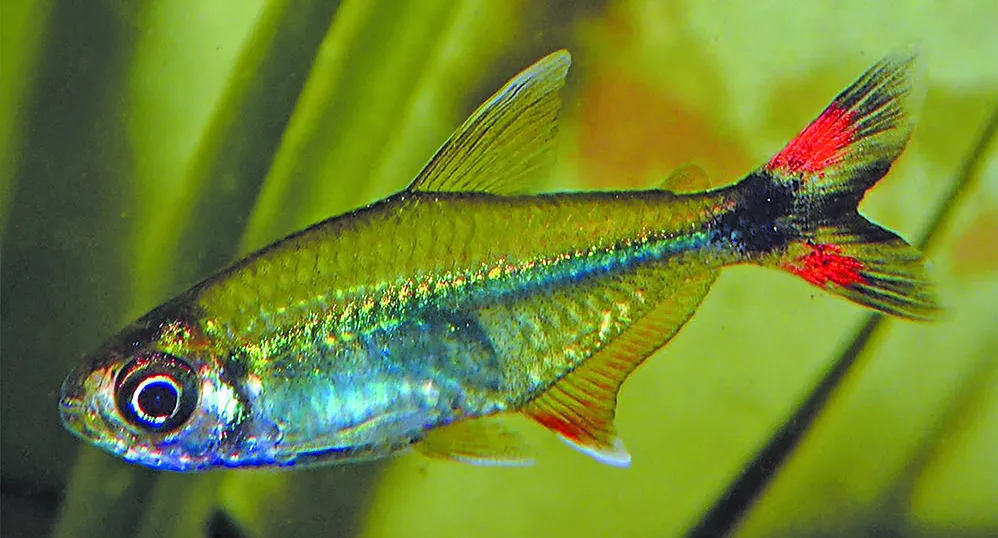 3.3 in (8.5 cm)29 gal (110 L)72–81°F (22–27°C)
Bonita tetra
Moenkhausia bonita
3.3 in (8.5 cm) · 29 gal (110 L)
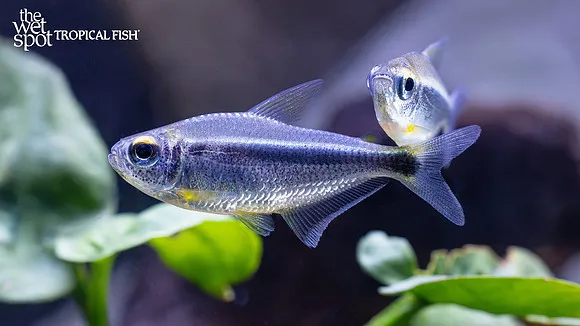 3.4 in (8.7 cm)29 gal (110 L)75–84°F (24–29°C)
Heiko's tetra
Moenkhausia heikoi
3.4 in (8.7 cm) · 29 gal (110 L)
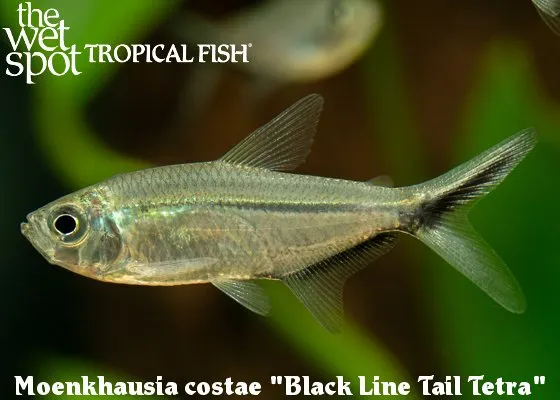 2.8 in (7 cm)29 gal (110 L)72–82°F (22–28°C)
Costae tetra
Moenkhausia costae
2.8 in (7 cm) · 29 gal (110 L)
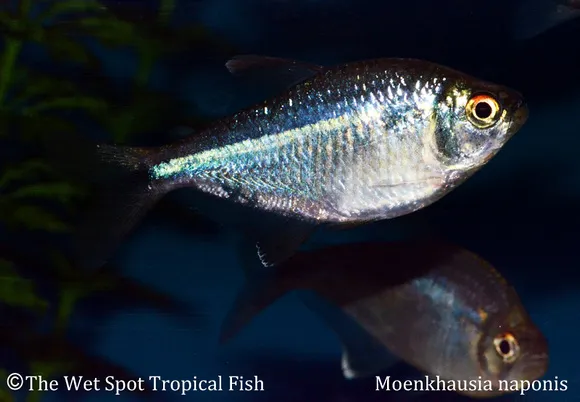 2.6 in (6.5 cm)20 gal (75 L)73–81°F (23–27°C)
Napo tetra
Moenkhausia naponis
2.6 in (6.5 cm) · 20 gal (75 L)
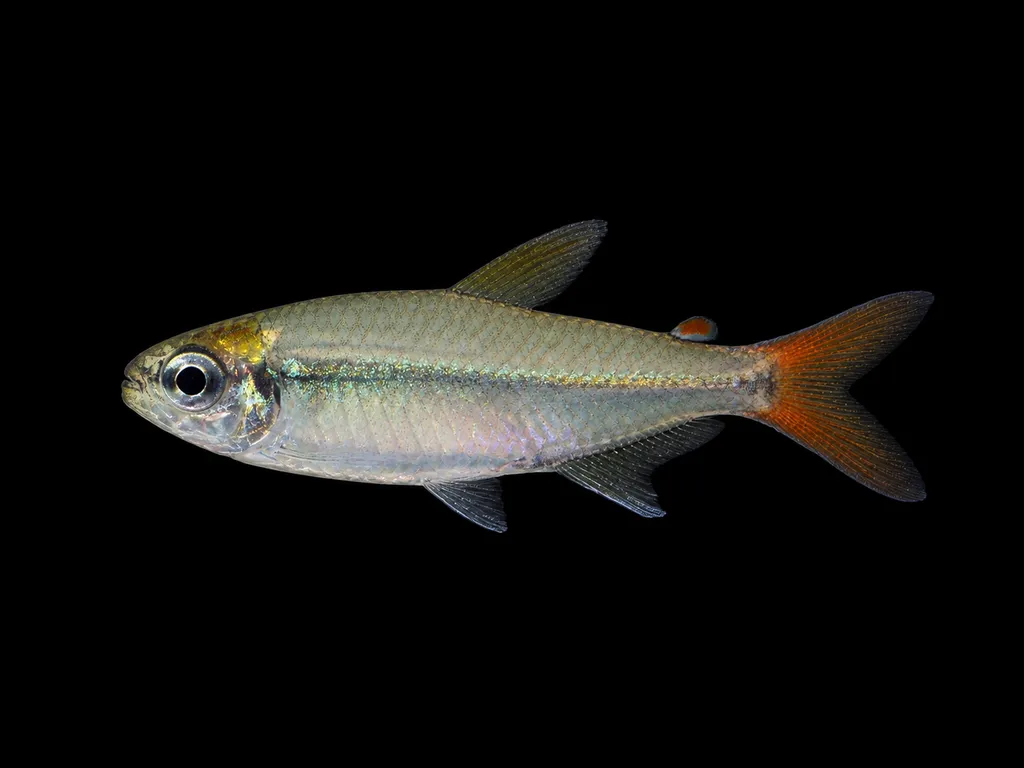 2.4 in (6 cm)20 gal (75 L)73–82°F (23–28°C)
Cope's tetra
Moenkhausia copei
2.4 in (6 cm) · 20 gal (75 L)
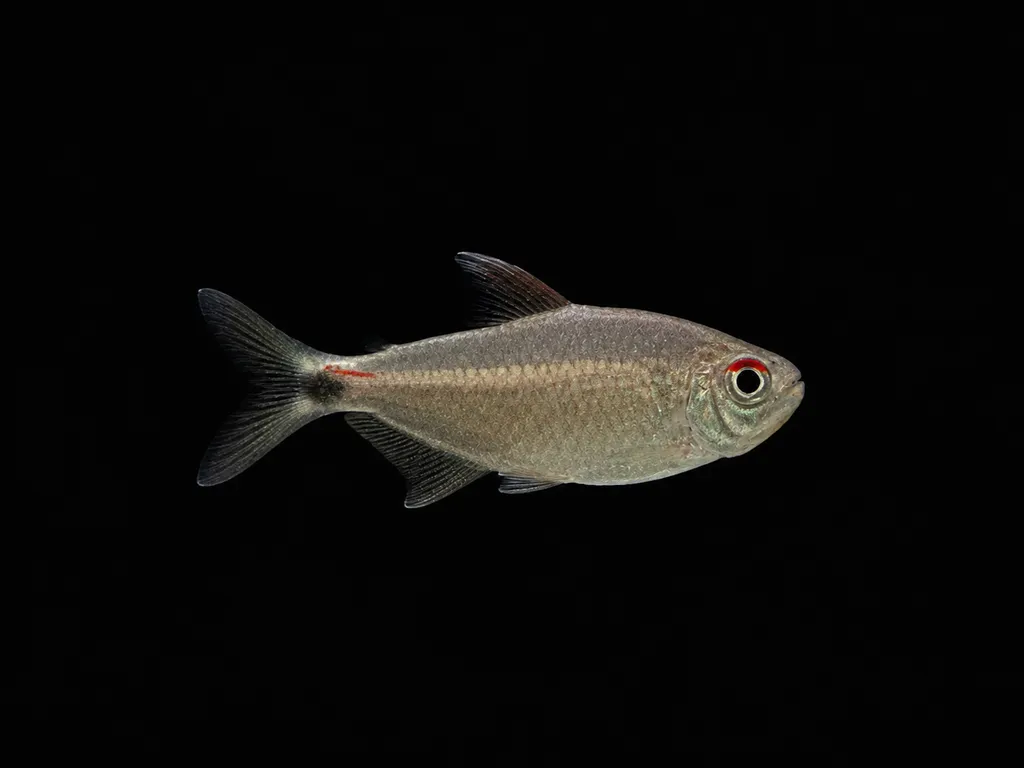 2.4 in (6 cm)20 gal (75 L)73–82°F (23–28°C)
Preto tetra
Moenkhausia pretoensis
2.4 in (6 cm) · 20 gal (75 L)