Kitty tetra
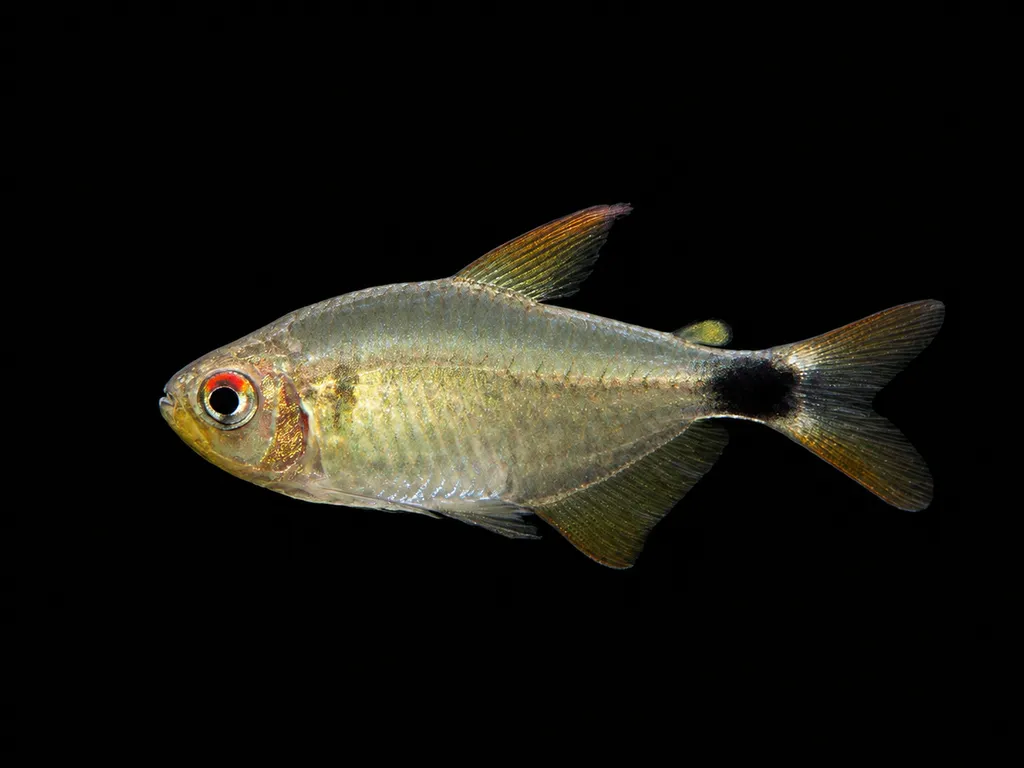
Hyphessobrycon heliacus
Also known as Heliacus tetra
FreshwaterFish
Care at a glance
- Temperature
- 72–82°F
- 22–28°C
- pH
- 5.5–7.0
- Adult size
- 1.3 in
- 3.4 cm
- Minimum tank
- 12 gal
- 45 L
- Temperament
- Peaceful
- Social behavior
- Schooling
- Swim level
- Middle
- Difficulty
- Medium
- Breeding
- Medium
- Rarity
- Common
- Family
- Characidae
- Origin
- Teles Pires drainage, upper Tapajos basin, Brazil
Overview
The kitty tetra is a small, easygoing schooling fish for a soft-water community tank. It needs a little more care than a beginner fish.
Did you know
Nobody is quite sure where the kitty in the kitty tetra's name came from. Its scientific name comes from the Greek for sun, its trade name says housecat, and the fish answers to both.
Caring for the kitty tetra
Keep kitty tetras in a group of six or more, in a tank of 12 gal (45 L) or larger. A group settles quickly. Give them a planted layout with open swimming space and clean, gently flowing water.
Hold the temperature at 72 to 82°F (22 to 28°C) and the pH at 5.5 to 7.0. Feed crushed flake, granules and small frozen foods.
Kitty tetras are peaceful, and good tank mates include corys, dwarf cichlids and other small tetras. Males put on near-constant, low-stakes displays at each other, flicking their dark dorsal flags as they posture. Breeding them takes some effort.
Good to know
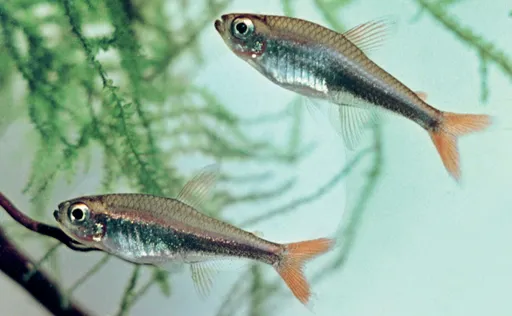
Hyphessobrycon heliacus is a characin in the family Characidae, also sold as the heliacus tetra. It has the compact, high-bodied look of the rosy tetra group, with warm amber tones and a dark dorsal flag.
In the wild
The kitty tetra comes from the Teles Pires drainage in Brazil. The river is one of the big clearwater headwaters of the Tapajos.
Weekly picks
Tank mates
The kitty tetra is a peaceful, schooling species that keeps to the middle. These picks share a community profile with it, are safe together in both directions, and overlap on water type, temperature and pH.
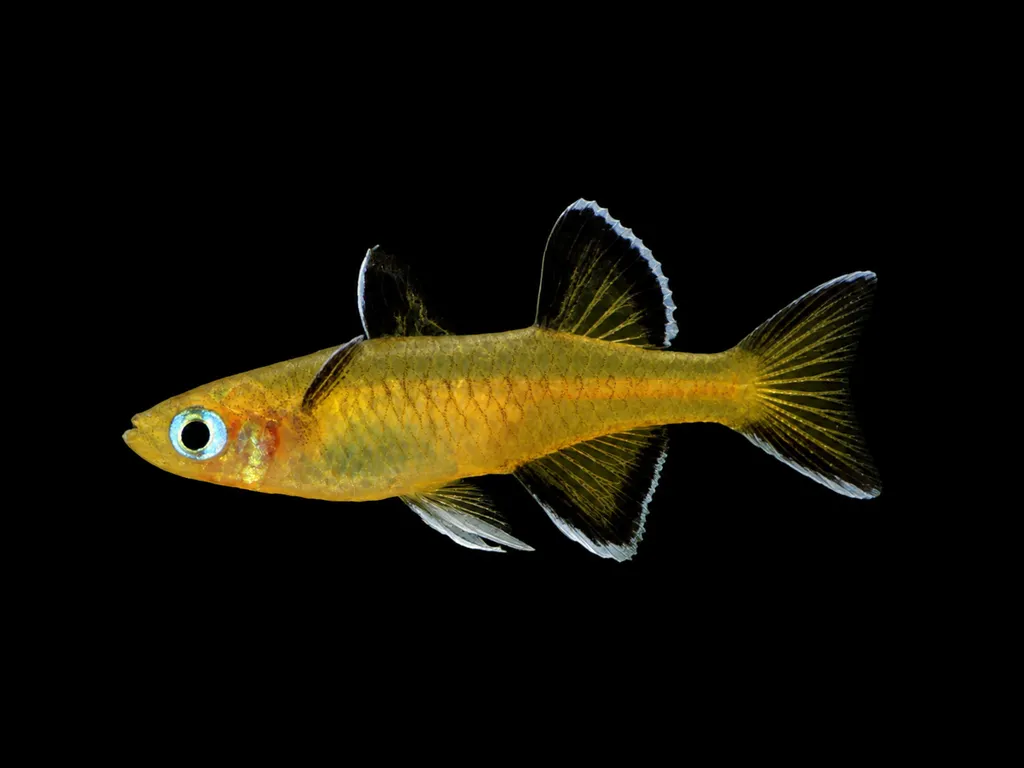
Honey blue-eye
Pseudomugil mellis
Freshwater1.4 in (3.5 cm) · 11 gal (40 L)68–82°F (20–28°C)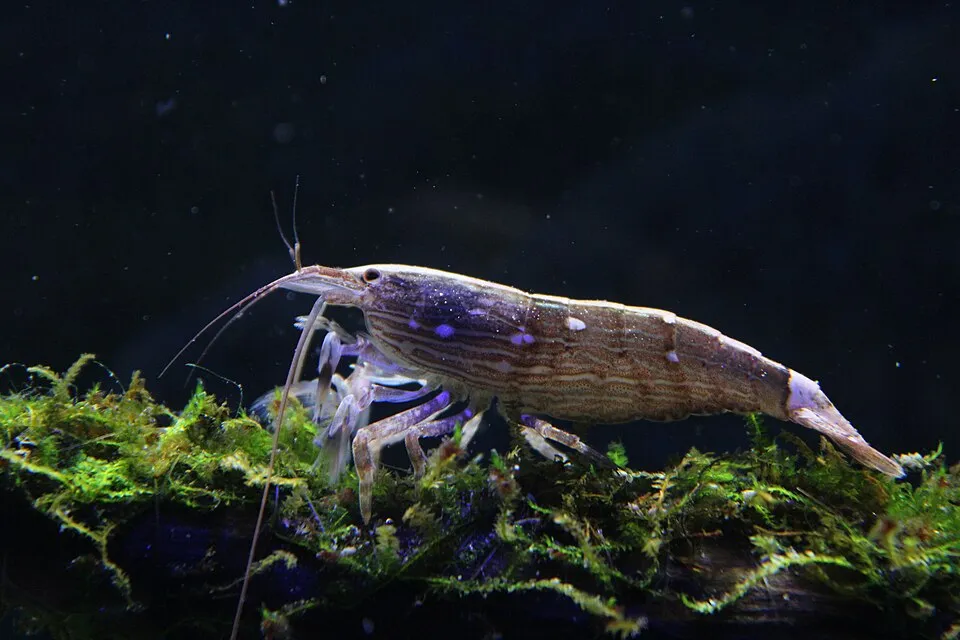
Bamboo shrimp
Atyopsis moluccensis
Freshwater3.9 in (10 cm) · 13 gal (50 L)72–84°F (22–29°C)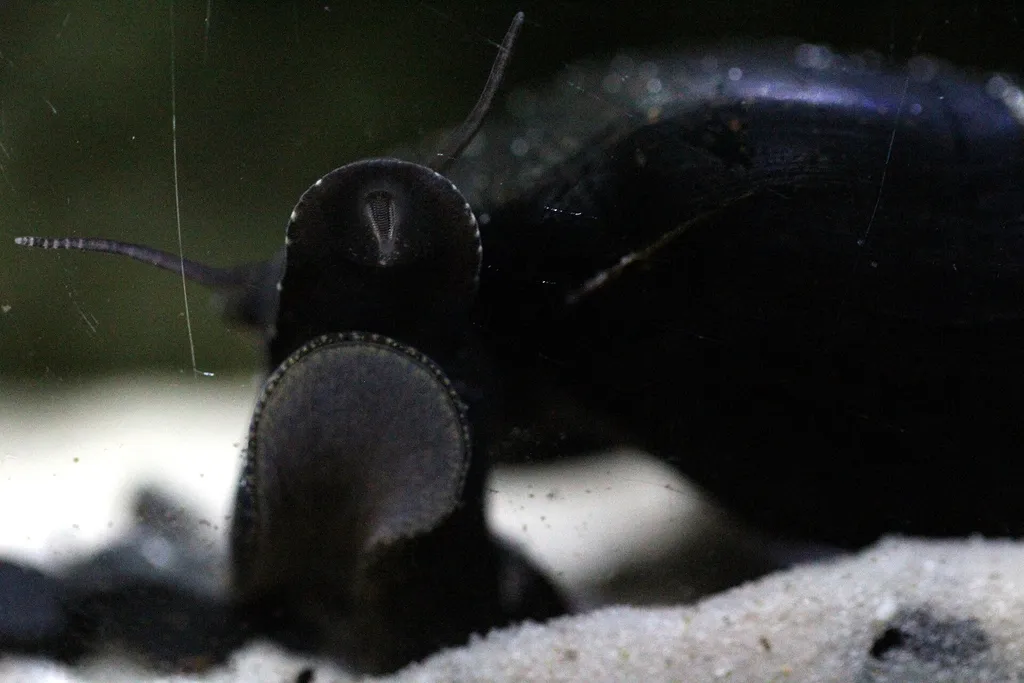
Black devil snail
Faunus ater
Freshwater3.9 in (10 cm) · 13 gal (50 L)72–86°F (22–30°C)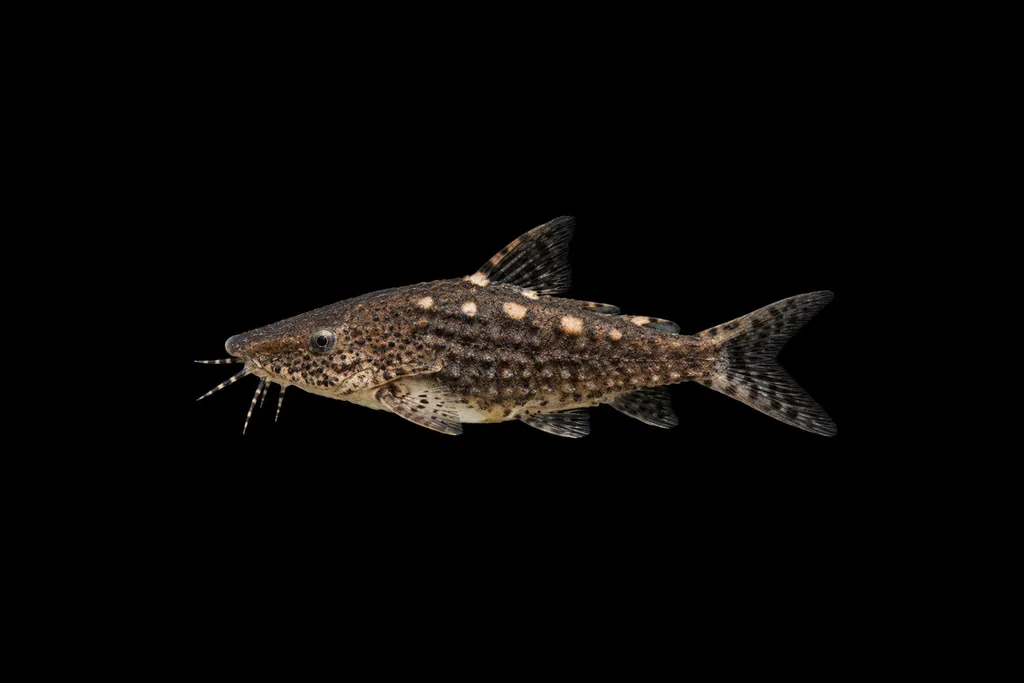
Dwarf warty catfish
Parakysis notialis
Freshwater1 in (2.5 cm) · 11 gal (40 L)73–82°F (23–28°C)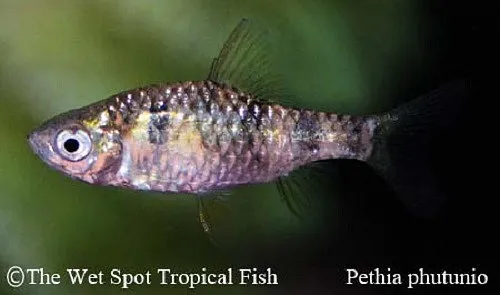
Dwarf barb
Pethia phutunio
Freshwater1.4 in (3.5 cm) · 12 gal (45 L)72–79°F (22–26°C)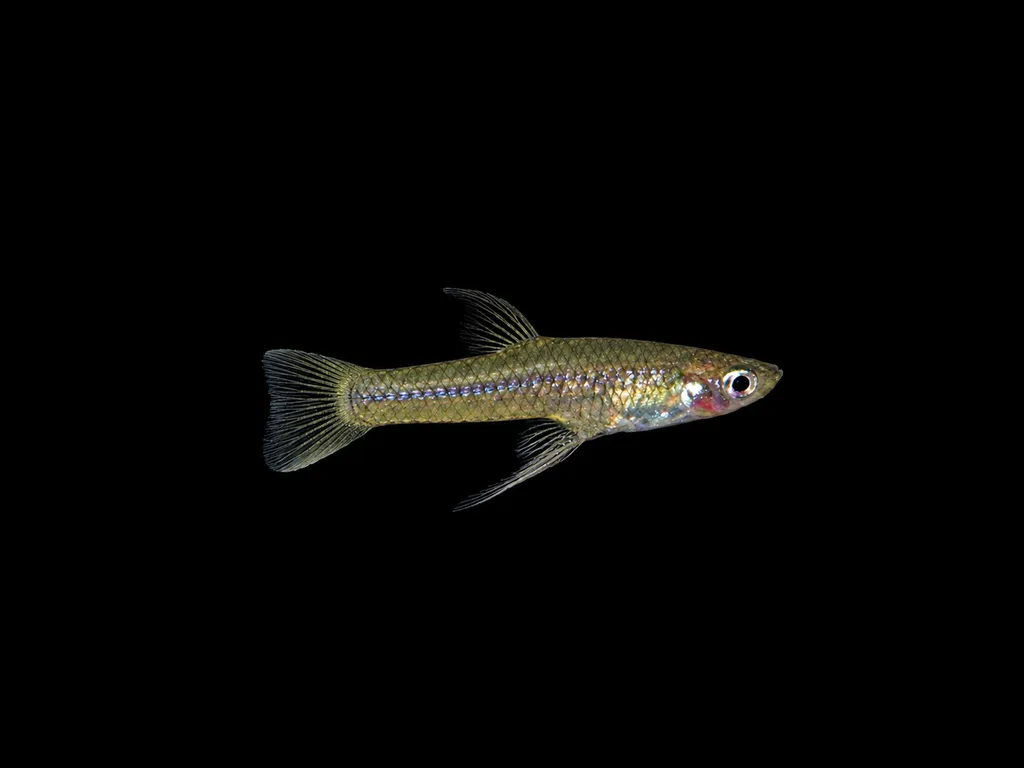
Sicklefin livebearer
Girardinus falcatus
Freshwater2.6 in (6.5 cm) · 11 gal (40 L)68–82°F (20–28°C)
Common questions
What size tank does a kitty tetra need?
A kitty tetra needs at least 12 gal (45 L). It spends most of its time in the middle.
What temperature and pH does a kitty tetra need?
A kitty tetra is comfortable at 72–82°F (22–28°C) with a pH of 5.5–7.0.
What does a kitty tetra eat?
A kitty tetra eats crushed flake, granules and small frozen foods.
How big does a kitty tetra get?
An adult kitty tetra reaches about 1.3 in (3.4 cm).
Does a kitty tetra need a group?
Yes. A kitty tetra is a schooling species and should be kept in a group, not singly.
Related species
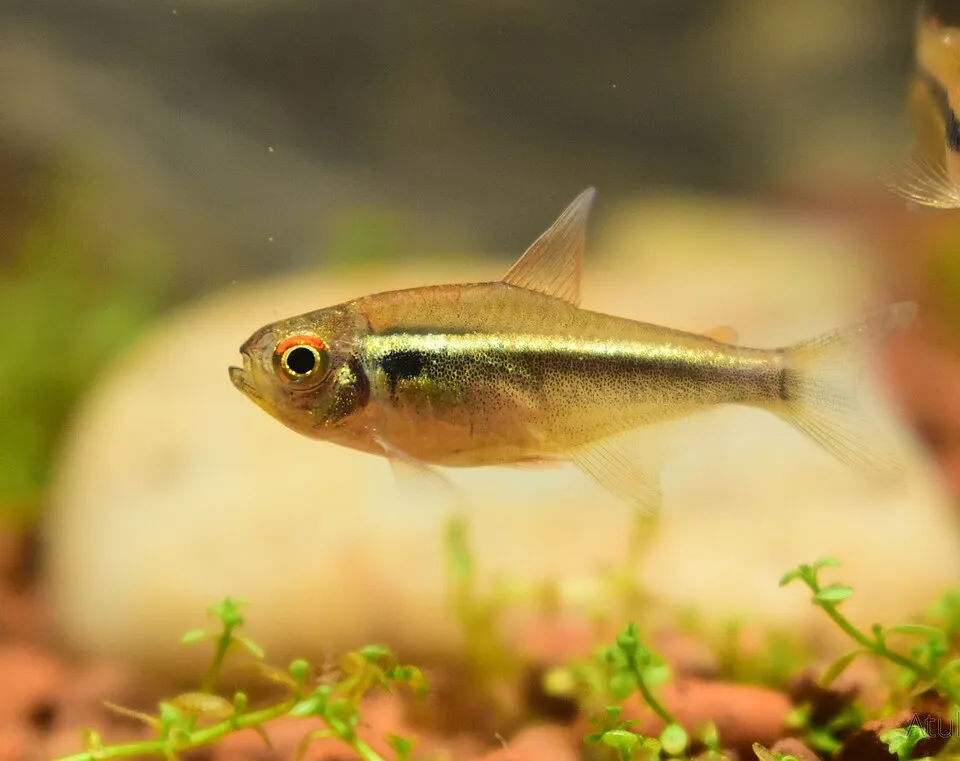
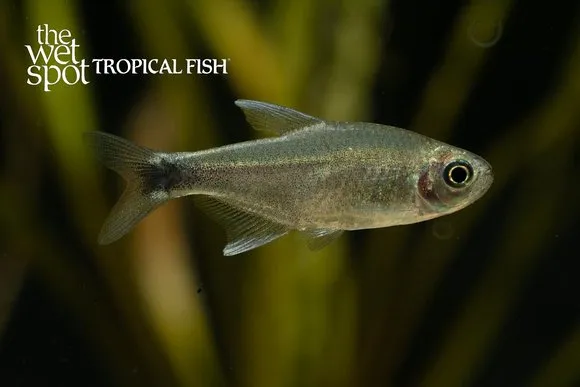 1.3 in (3.4 cm)15 gal (55 L)68–79°F (20–26°C)
Negodagua tetra
Hyphessobrycon negodagua
1.3 in (3.4 cm) · 15 gal (55 L)
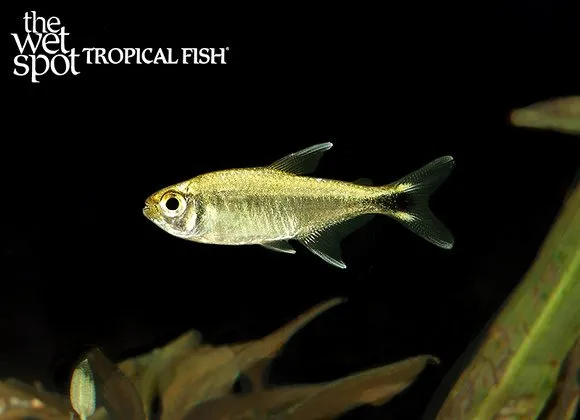
 1.4 in (3.5 cm)10 gal (38 L)72–82°F (22–28°C)
Black neon tetra
Hyphessobrycon herbertaxelrodi
1.4 in (3.5 cm) · 10 gal (38 L)
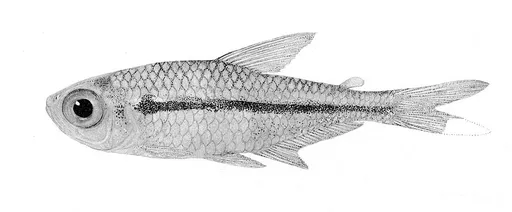
 1.4 in (3.5 cm)14 gal (54 L)73–82°F (23–28°C)
Colombian gold tetra
Hyphessobrycon saizi
1.4 in (3.5 cm) · 14 gal (54 L)
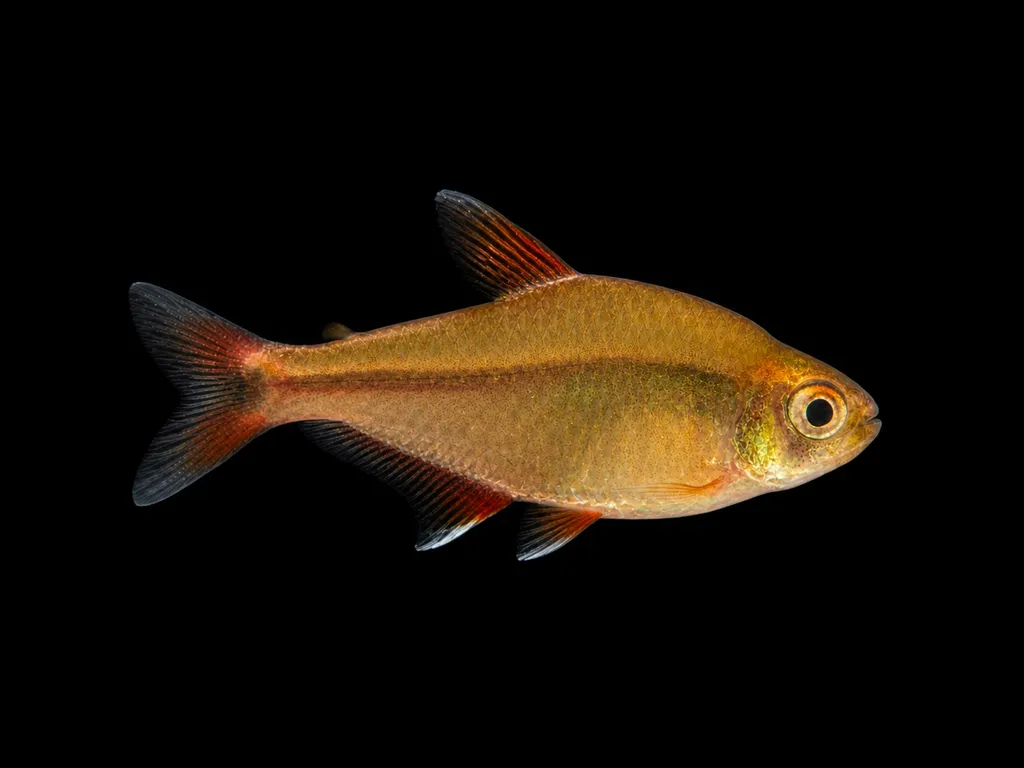
 1.4 in (3.5 cm)16 gal (60 L)70–81°F (21–27°C)
Flag tetra
Hyphessobrycon heterorhabdus
1.4 in (3.5 cm) · 16 gal (60 L)
 1.4 in (3.5 cm)15 gal (55 L)72–81°F (22–27°C)
Krenakore tetra
Hyphessobrycon krenakore
1.4 in (3.5 cm) · 15 gal (55 L)
 1.4 in (3.5 cm)16 gal (60 L)72–81°F (22–27°C)
Loreto tetra
Hyphessobrycon loretoensis
1.4 in (3.5 cm) · 16 gal (60 L)