Violet cory
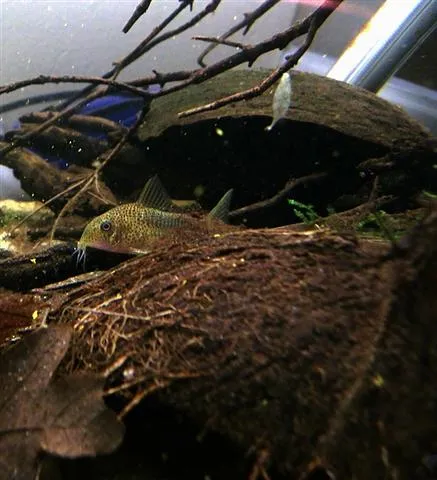
Hoplisoma simile
Also known as Corydoras similis, Smudge-spot cory
FreshwaterFish
Care at a glance
- Temperature
- 70–81°F
- 21–27°C
- pH
- 6.0–7.5
- Adult size
- 2.2 in
- 5.5 cm
- Minimum tank
- 12 gal
- 45 L
- Temperament
- Peaceful
- Social behavior
- Shoaling
- Swim level
- Bottom
- Difficulty
- Easy
- Breeding
- Medium
- Rarity
- Common
- Family
- Callichthyidae
- Origin
- Rio Madeira basin, Brazil (South America)
Overview
Keep them in a group of at least six, the more the better, in a tank of 45 liters or up. They are peaceful bottom dwellers that spend the day sifting sand for food, and a bigger group makes them bolder and more active. Hold the water at 21 to 27 C with a pH from 6 to 7.5, and stay on top of water quality since they are sensitive to dirty water and high nitrate, so keep nitrate under about 30 ppm and skip undergravel filtration. Feed sinking pellets, frozen foods like bloodworm and daphnia, and let them pick over the substrate. They are safe with shrimp and small peaceful fish, so avoid large or aggressive tankmates. Never release aquarium fish into local waterways, and check your area's rules before keeping them.
In the wild
Violet cories come from the Rio Madeira basin in Brazil, slow soft-water tributaries in the western Amazon. The bottom there is fine sand and leaf litter under driftwood and roots, which is exactly what they sift through for food. Give them a soft sand substrate they can dig their barbels into, since sharp or dirty gravel wears the barbels down and leads to infection. A planted tank of 45 liters or more with driftwood, roots, and some leaf litter suits them, kept at 21 to 27 C with a pH from 6 to 7.5.
Good to know
This is Corydoras similis, a small armored catfish in the family Callichthyidae, also sold as the Smudge Spot or False Julii cory. Kept adults usually reach about 5.5 cm. It is an egg scatterer with no parental care, and a healthy fish can live several years. Like other cories it can gulp air at the surface and pass it through the gut to take up oxygen.
Did you know
The smudge that gives them the Smudge Spot name, plus the broken dark pattern, is why they get confused with the julii cory in shops. The two look close as juveniles, but real Corydoras julii has fine separate spots on the head while similis carries more of a connected, marbled pattern as it grows.
Weekly picks
Tank mates
Violet cory is a peaceful, shoaling species that keeps to the bottom. These picks share a community profile with it, are safe together in both directions, and overlap on water type, temperature and pH.
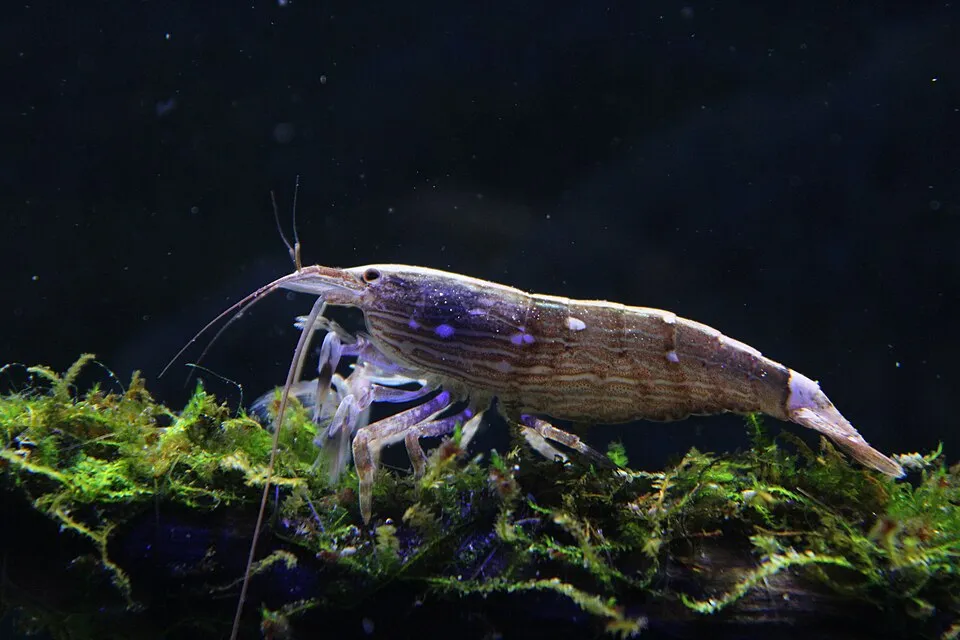
Bamboo shrimp
Atyopsis moluccensis
Freshwater3.9 in (10 cm) · 13 gal (50 L)72–84°F (22–29°C)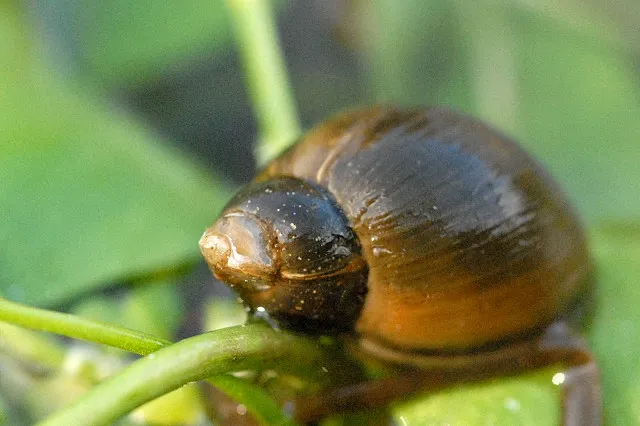
Wandering snail
Ampullaceana balthica
Freshwater0.8 in (2 cm) · 11 gal (40 L)50–84°F (10–29°C)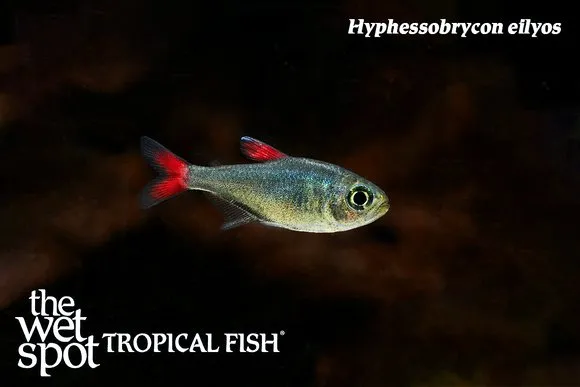
Eilyos tetra
Hyphessobrycon eilyos
Freshwater1.2 in (3 cm) · 12 gal (45 L)72–81°F (22–27°C)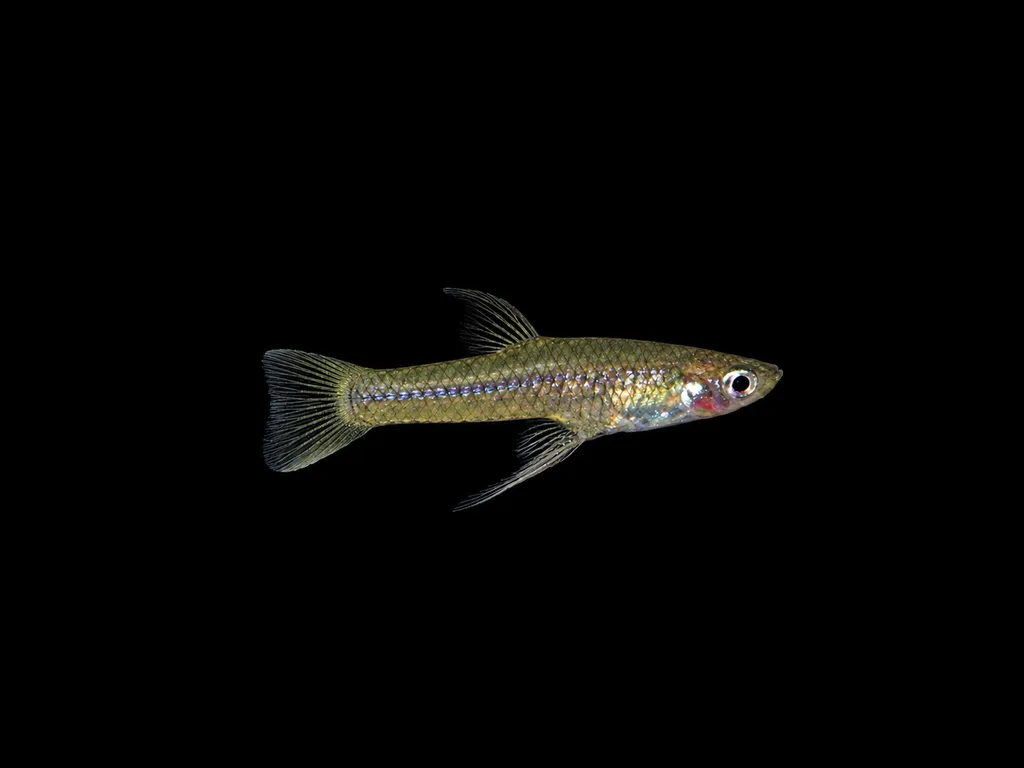
Sicklefin livebearer
Girardinus falcatus
Freshwater2.6 in (6.5 cm) · 11 gal (40 L)68–82°F (20–28°C)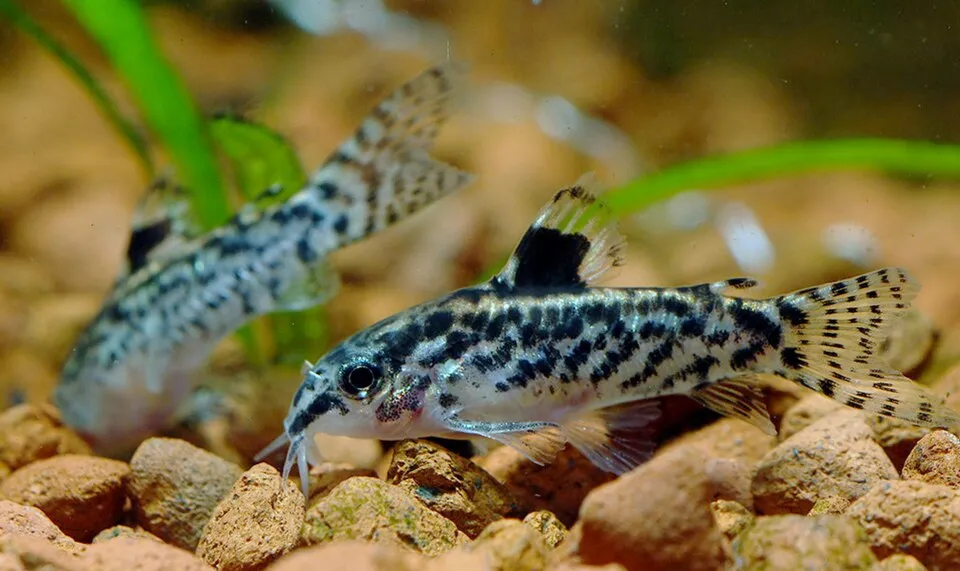
Sixray cory
Aspidoras pauciradiatus
Freshwater1.4 in (3.5 cm) · 13 gal (50 L)70–81°F (21–27°C)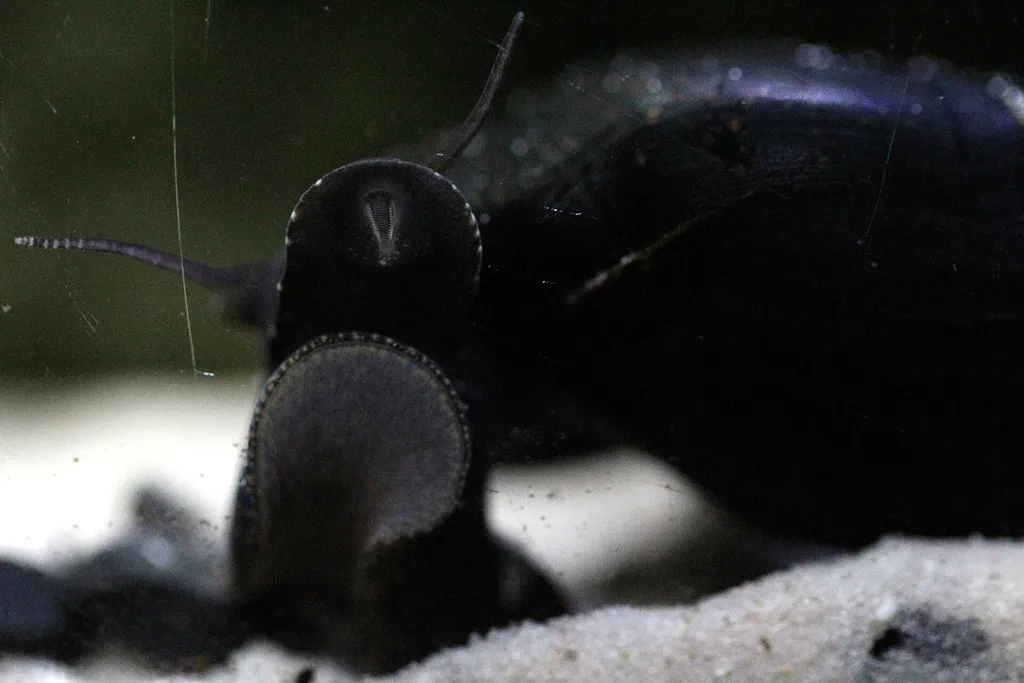
Black devil snail
Faunus ater
Freshwater3.9 in (10 cm) · 13 gal (50 L)72–86°F (22–30°C)
Common questions
What size tank does a Violet cory need?
A Violet cory needs at least 12 gal (45 L). It spends most of its time in the bottom.
What temperature and pH does a Violet cory need?
A Violet cory is comfortable at 70–81°F (21–27°C) with a pH of 6.0–7.5.
How big does a Violet cory get?
An adult Violet cory reaches about 2.2 in (5.5 cm).
Does a Violet cory need a group?
Yes. A Violet cory is a shoaling species and should be kept in a group, not singly.
Related species
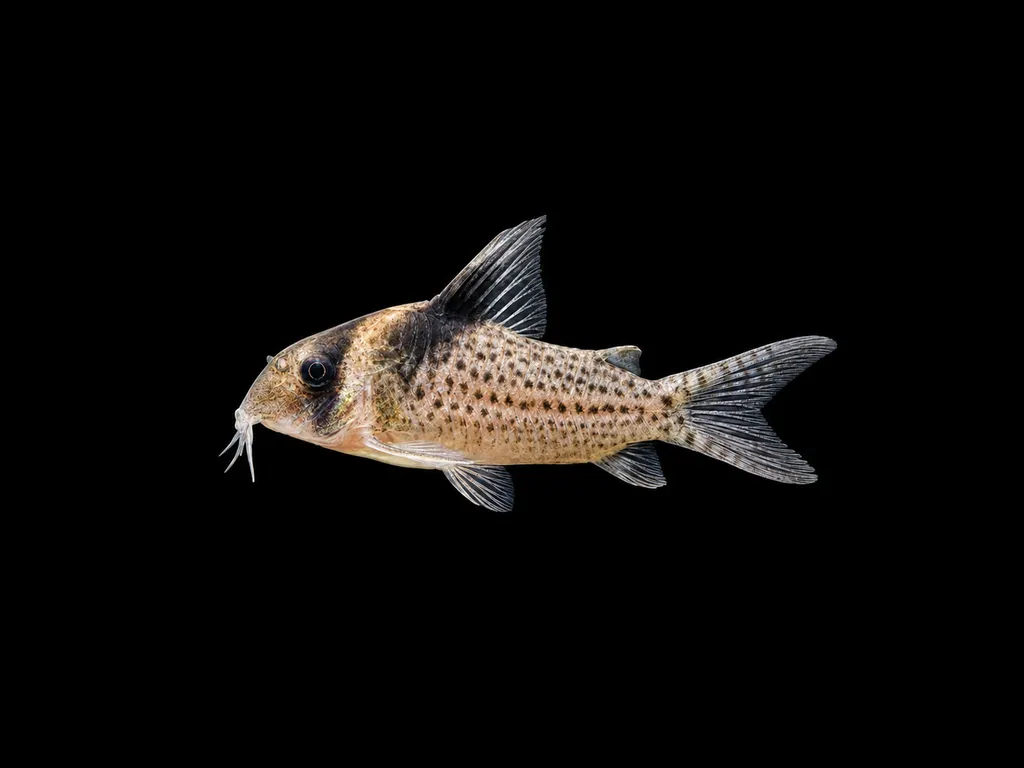 2.2 in (5.5 cm)16 gal (60 L)72–79°F (22–26°C)
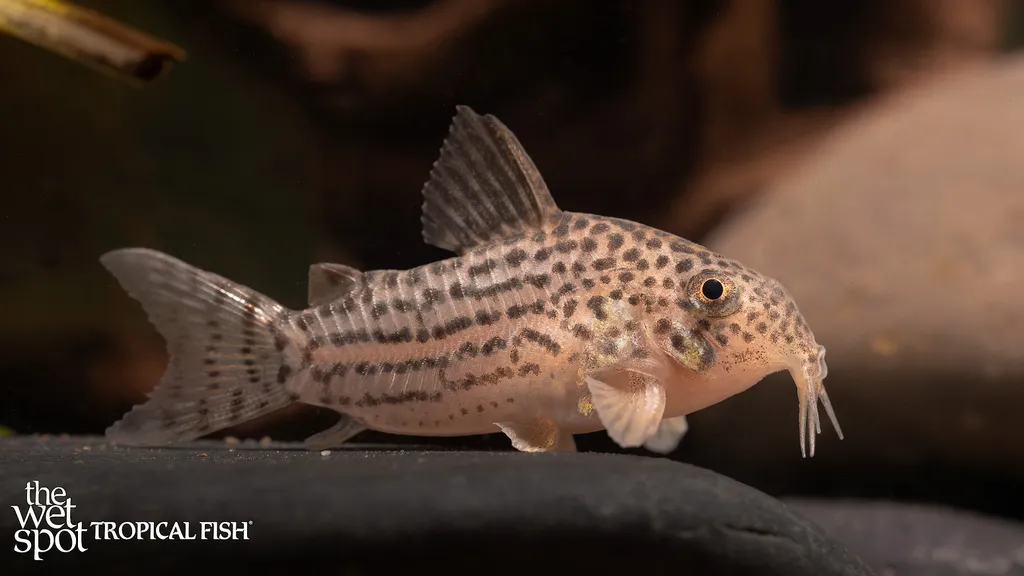
Bluespotted cory
Hoplisoma melanistium
2.2 in (5.5 cm) · 16 gal (60 L)
 2.2 in (5.5 cm)16 gal (60 L)73–81°F (23–27°C)
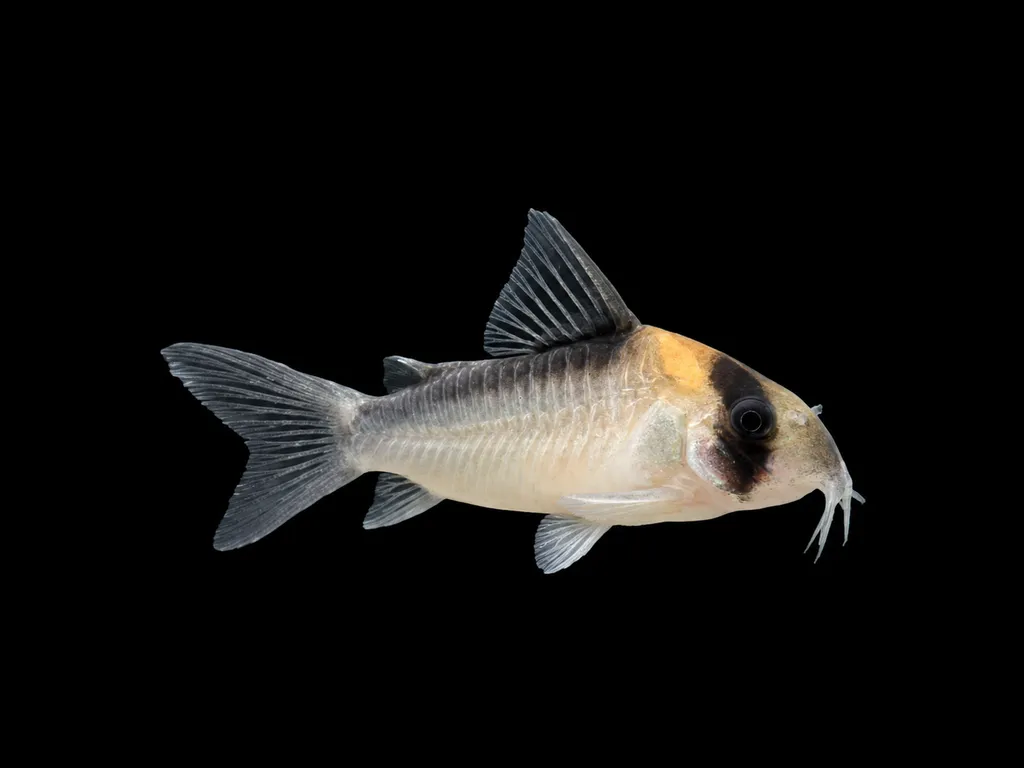
Boeseman's cory
Hoplisoma boesemani
2.2 in (5.5 cm) · 16 gal (60 L)
 2.2 in (5.5 cm)20 gal (75 L)72–79°F (22–26°C)
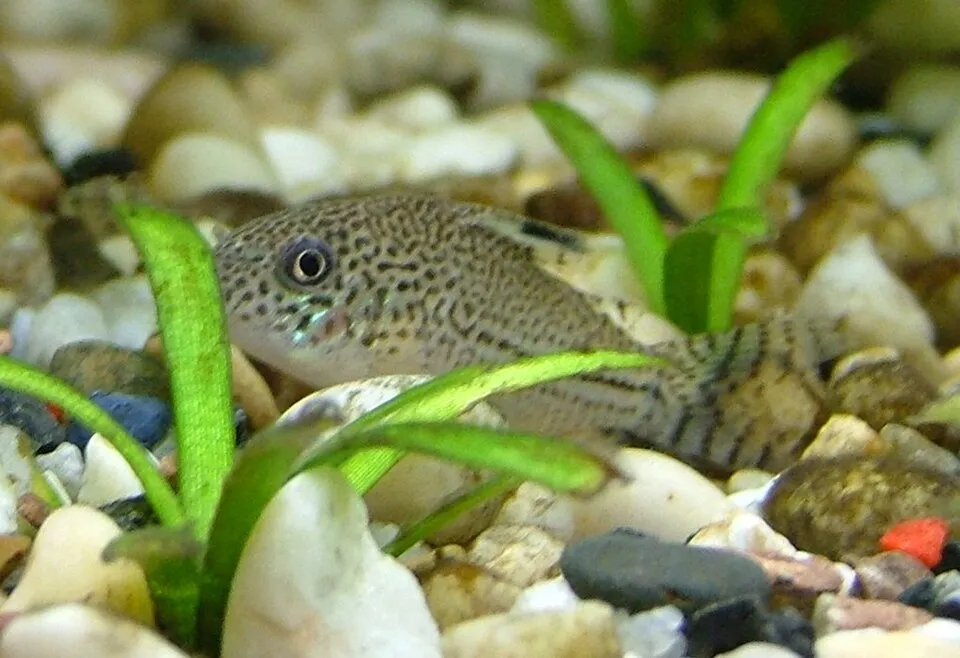
Burgess's cory
Hoplisoma burgessi
2.2 in (5.5 cm) · 20 gal (75 L)
 2.2 in (5.5 cm)20 gal (75 L)68–79°F (20–26°C)
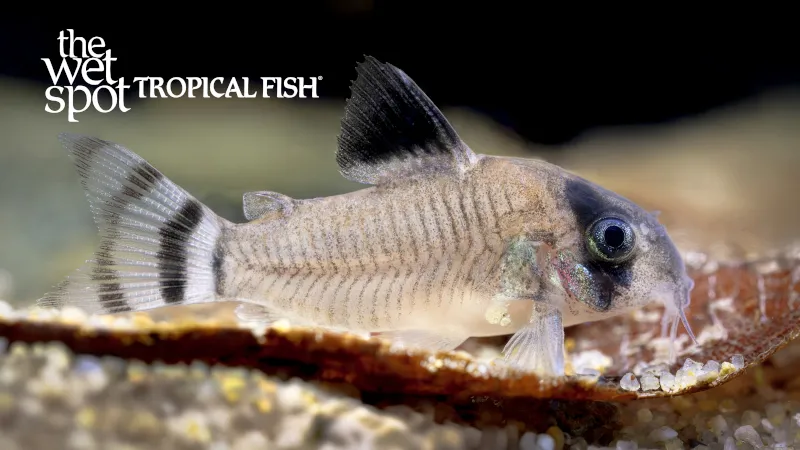
Julii cory
Hoplisoma julii
2.2 in (5.5 cm) · 20 gal (75 L)
 2.2 in (5.5 cm)20 gal (75 L)73–79°F (23–26°C)
Oiapoque cory
Hoplisoma oiapoquense
2.2 in (5.5 cm) · 20 gal (75 L)
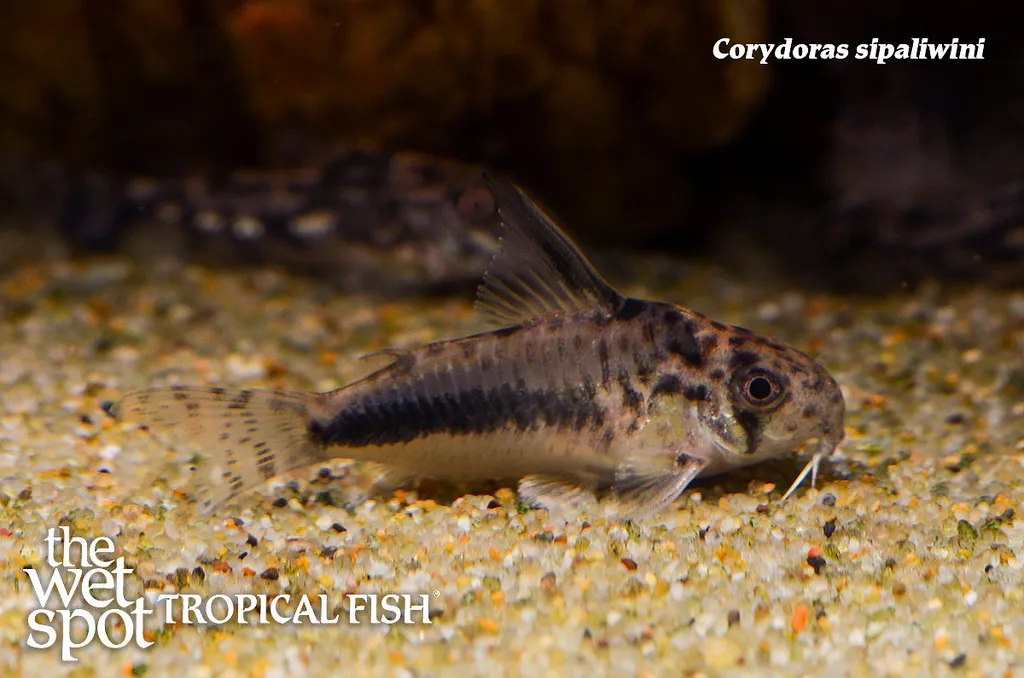 2.2 in (5.5 cm)16 gal (60 L)73–81°F (23–27°C)
Sipaliwini cory
Hoplisoma sipaliwini
2.2 in (5.5 cm) · 16 gal (60 L)