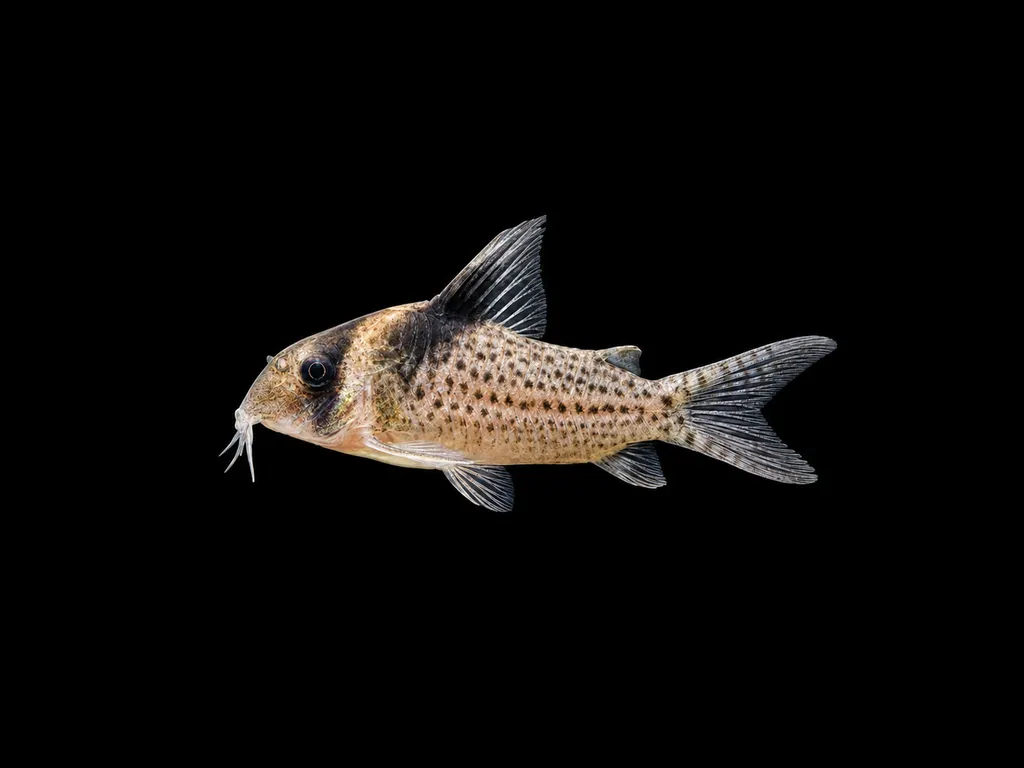
Bluespotted cory
Hoplisoma melanistium
Also known as Corydoras melanistius, Spotted cory
FreshwaterFish
Care at a glance
- Temperature
- 72–79°F
- 22–26°C
- pH
- 6.0–7.5
- Adult size
- 2.2 in
- 5.5 cm
- Minimum tank
- 16 gal
- 60 L
- Temperament
- Peaceful
- Social behavior
- Shoaling
- Swim level
- Bottom
- Difficulty
- Medium
- Breeding
- Hard
- Rarity
- Rare
- Family
- Callichthyidae
- Origin
- The Guianas
Overview
This spotted cory is a peaceful shoaler that should be kept in a group of at least six. It works the sandy bottom with its barbels and settles in with small, calm community fish that leave the floor clear at feeding time. Feed sinking pellets, frozen bloodworm and daphnia, and a little wafer, making sure the food reaches the substrate. A group is comfortable in a tank of around 60 liters or larger with soft sand to forage over.
In the wild
Corydoras melanistius is native to the Guianas, living over sand in warm, soft, slightly acidic rivers and streams. Recreate that with a soft sand bed, driftwood, dried leaves, and shaded planting, using clean, gently moving water. Keep the temperature between 22 and 26 C and the pH from about 6.0 to 7.5, with regular water changes to keep it comfortable.
Good to know
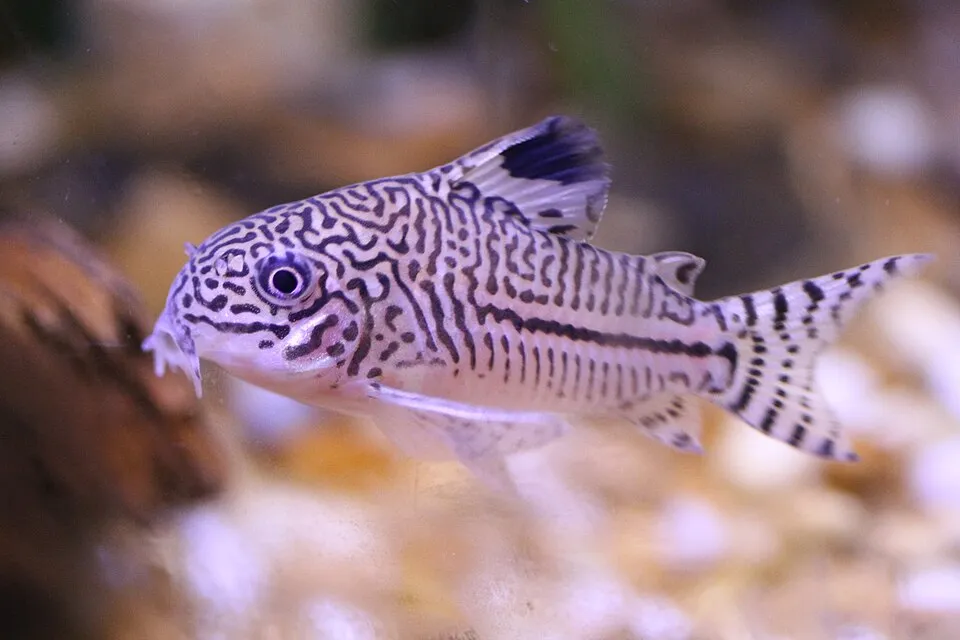
This armored catfish of the family Callichthyidae reaches about 5.5 cm. Its name melanistius refers to its dark markings: a black band through the eye and a dark shoulder patch behind the head, over a pale, finely spotted body. Two rows of bony scutes armor each flank. It has been spawned in aquaria but is rated difficult, needing soft, clean water and well conditioned adults to trigger breeding.
Did you know
The name melanistius points to this fish's dark trademarks: a bold black bar masking the eye and a sooty blotch across the shoulder, both standing out against a pale, lightly freckled body.
Weekly picks
Tank mates
Bluespotted cory is a peaceful, shoaling species that keeps to the bottom. These picks share a community profile with it, are safe together in both directions, and overlap on water type, temperature and pH.
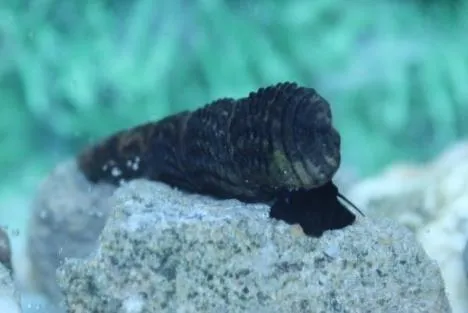
White spotted rabbit snail
Tylomelania towutica
Freshwater4.3 in (11 cm) · 16 gal (60 L)75–84°F (24–29°C)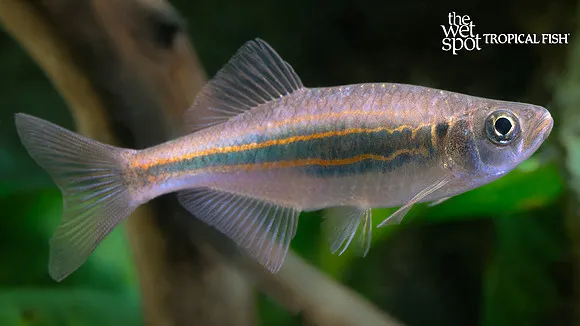
Brittan's rasbora
Kottelatia brittani
Freshwater2.4 in (6 cm) · 16 gal (60 L)68–79°F (20–26°C)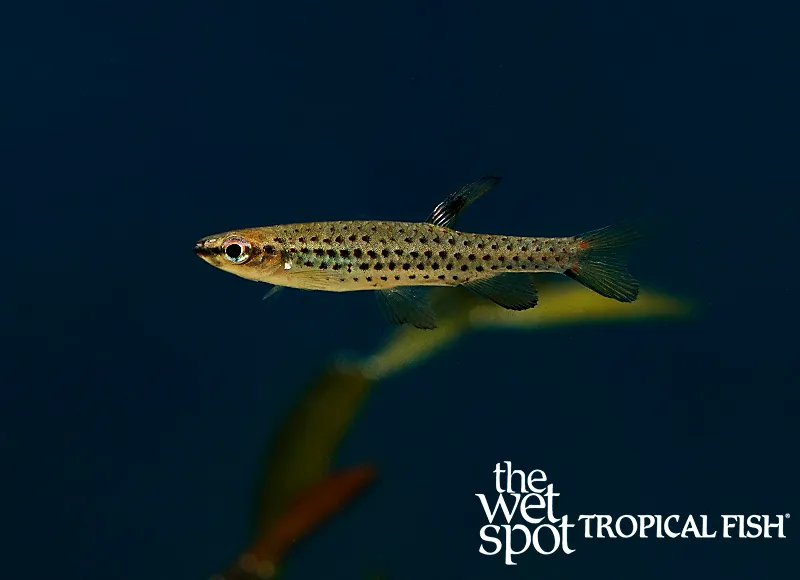
Spotted splash tetra
Copella nattereri
Freshwater2 in (5 cm) · 16 gal (60 L)75–82°F (24–28°C)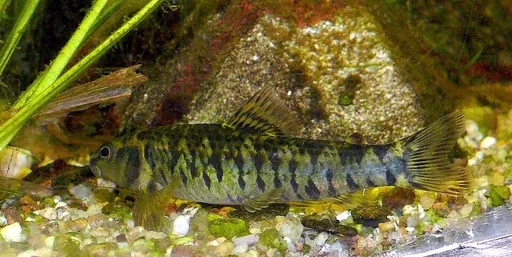
Darter tetra
Characidium fasciatum
Freshwater2.8 in (7 cm) · 16 gal (60 L)68–79°F (20–26°C)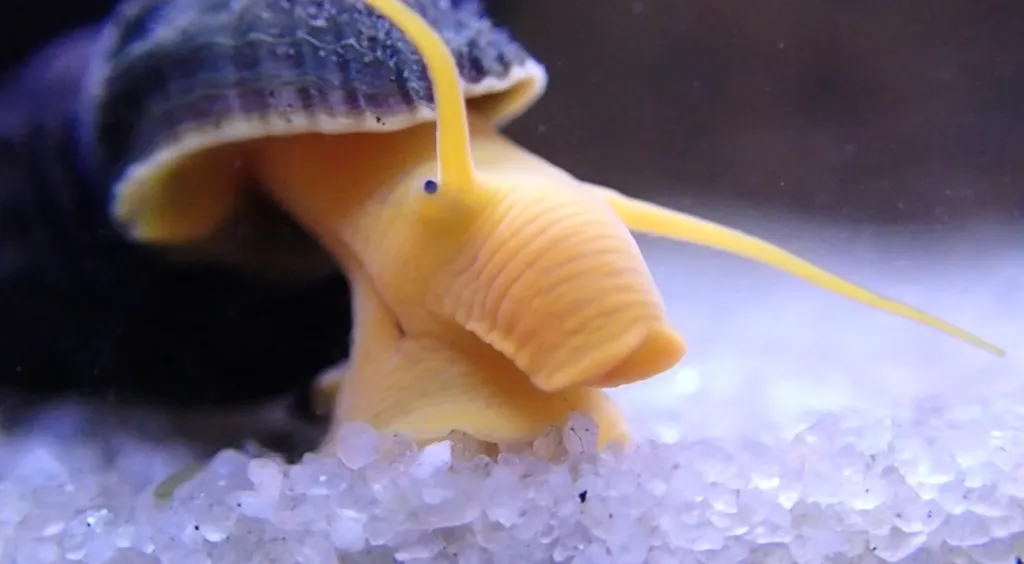
Gold rabbit snail
Tylomelania gemmifera
Freshwater2.8 in (7 cm) · 16 gal (60 L)75–82°F (24–28°C)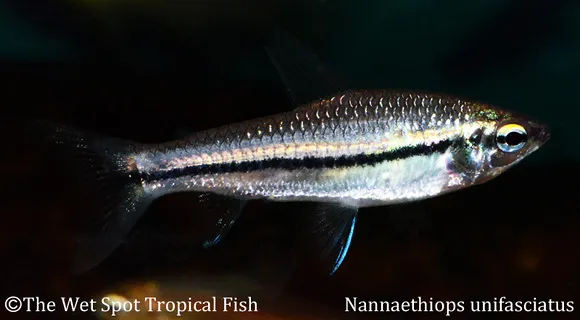
African oneline tetra
Nannaethiops unitaeniatus
Freshwater2.6 in (6.5 cm) · 16 gal (60 L)72–79°F (22–26°C)
Common questions
What size tank does a Bluespotted cory need?
A Bluespotted cory needs at least 16 gal (60 L). It spends most of its time in the bottom.
What temperature and pH does a Bluespotted cory need?
A Bluespotted cory is comfortable at 72–79°F (22–26°C) with a pH of 6.0–7.5.
How big does a Bluespotted cory get?
An adult Bluespotted cory reaches about 2.2 in (5.5 cm).
Does a Bluespotted cory need a group?
Yes. A Bluespotted cory is a shoaling species and should be kept in a group, not singly.
Related species
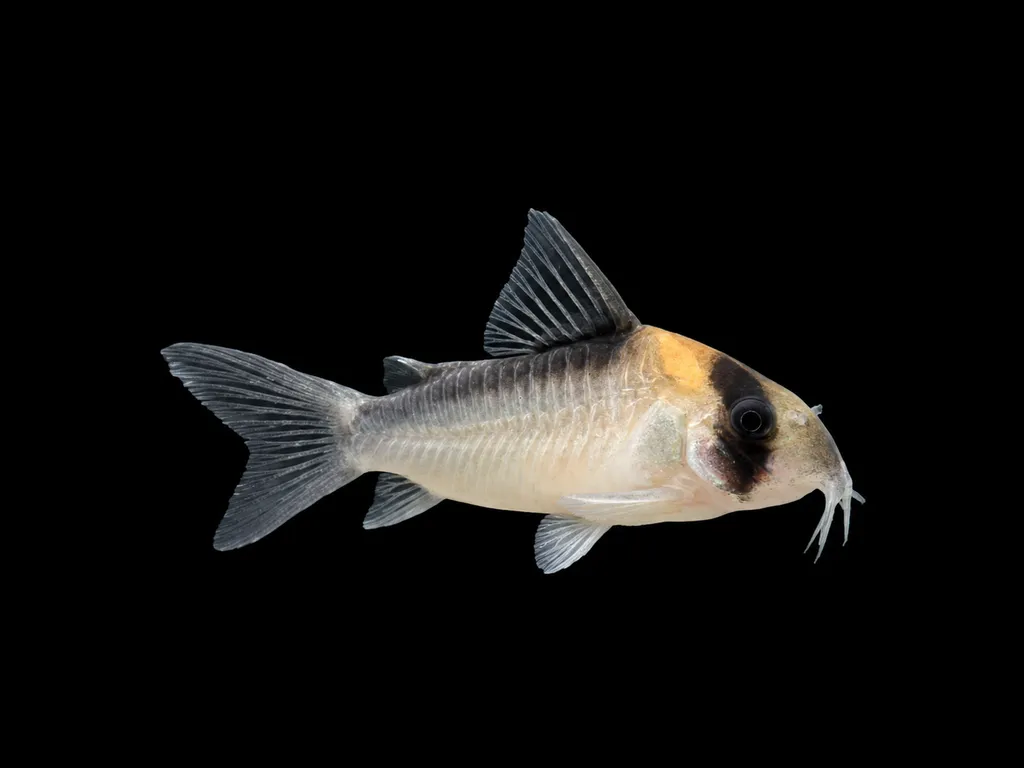
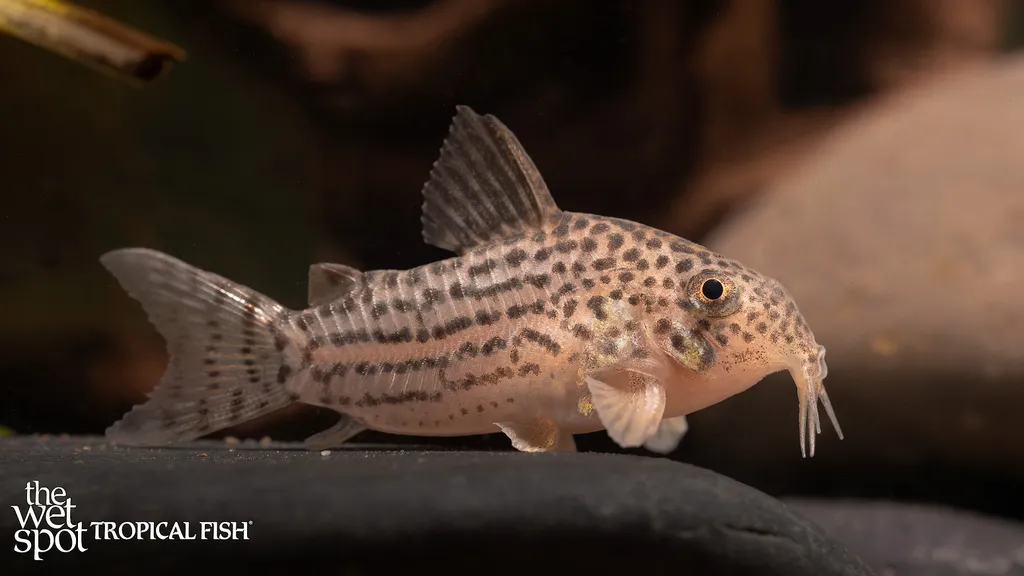 2.2 in (5.5 cm)16 gal (60 L)73–81°F (23–27°C)
Boeseman's cory
Hoplisoma boesemani
2.2 in (5.5 cm) · 16 gal (60 L)
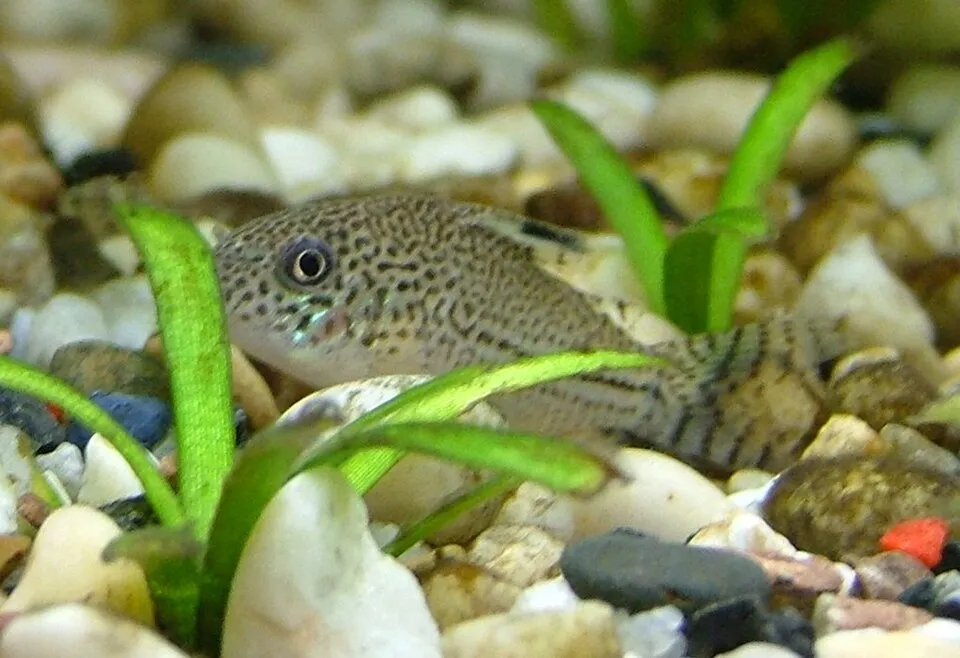
 2.2 in (5.5 cm)20 gal (75 L)72–79°F (22–26°C)
Burgess's cory
Hoplisoma burgessi
2.2 in (5.5 cm) · 20 gal (75 L)
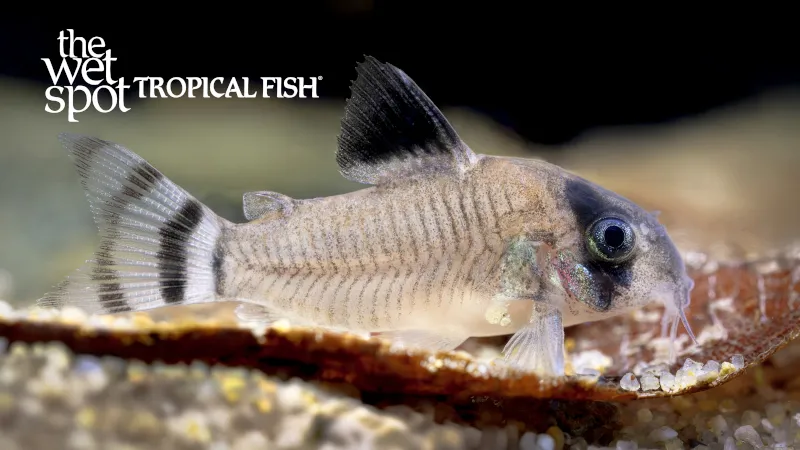
 2.2 in (5.5 cm)20 gal (75 L)68–79°F (20–26°C)
Julii cory
Hoplisoma julii
2.2 in (5.5 cm) · 20 gal (75 L)
 2.2 in (5.5 cm)20 gal (75 L)73–79°F (23–26°C)
Oiapoque cory
Hoplisoma oiapoquense
2.2 in (5.5 cm) · 20 gal (75 L)
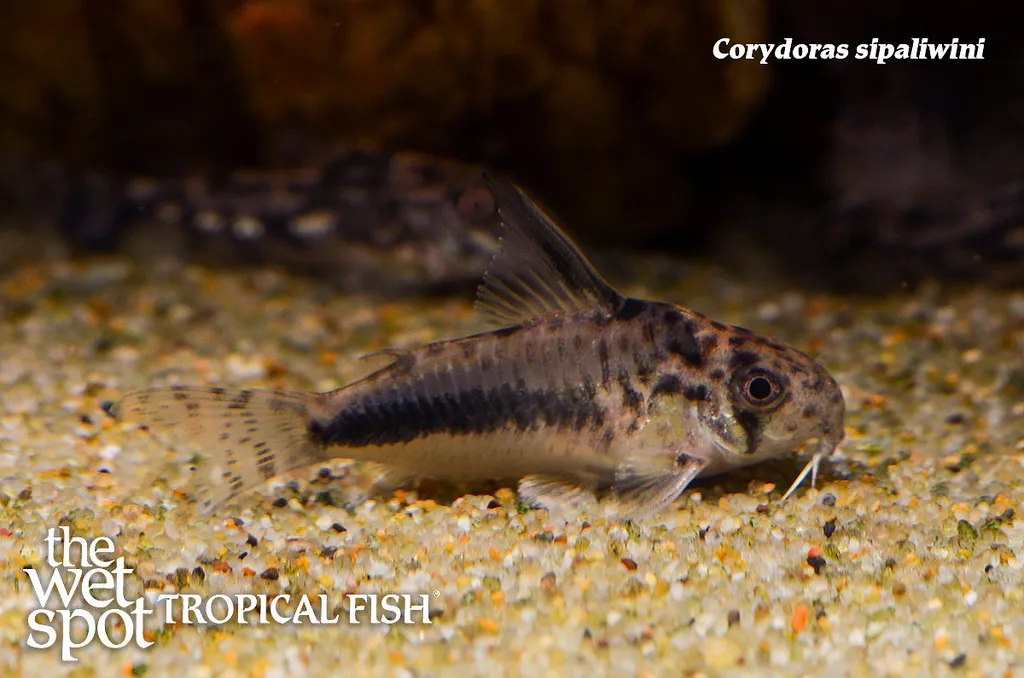 2.2 in (5.5 cm)16 gal (60 L)73–81°F (23–27°C)
Sipaliwini cory
Hoplisoma sipaliwini
2.2 in (5.5 cm) · 16 gal (60 L)
 2.2 in (5.5 cm)16 gal (60 L)72–81°F (22–27°C)
Threestripe cory
Hoplisoma trilineatum
2.2 in (5.5 cm) · 16 gal (60 L)