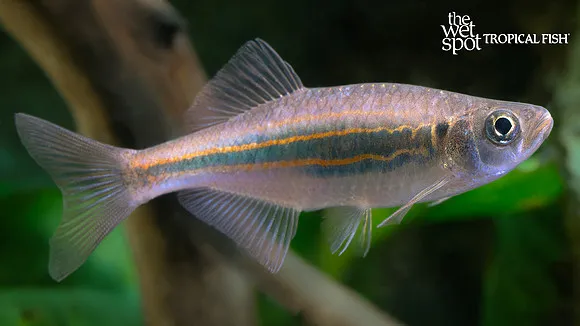
Brittan's rasbora
Kottelatia brittani
Also known as Brittan's Orange Spot Rasbora
FreshwaterFish
Care at a glance
- Temperature
- 68–79°F
- 20–26°C
- pH
- 6.0–7.5
- Adult size
- 2.4 in
- 6 cm
- Minimum tank
- 16 gal
- 60 L
- Temperament
- Peaceful
- Social behavior
- Schooling
- Swim level
- Middle
- Difficulty
- Medium
- Breeding
- Egg scatterer · Medium
- Rarity
- Very rare
- Family
- Cyprinidae
- Origin
- Malaysia
Overview
Brittan's rasbora is a small, peaceful schooling fish for a soft-water community tank. It is not quite a beginner fish.
Did you know
The genus Kottelatia is named after Maurice Kottelat, a Swiss ichthyologist who has described a huge number of Southeast Asian freshwater fishes. The species name, brittani, honors the late aquarist and collector Martin Brittan.
Caring for the Brittan's rasbora
Keep Brittan's rasboras in a group of six or more, in a tank of 16 gal (60 L) or larger. In small numbers this schooling fish is nervous and washed out. Give them subdued light, plants, and some leaf litter or driftwood.
Keep the water on the soft side, with a pH of 6.0 to 7.5. Temperatures of 68 to 79°F (20 to 26°C) work well. Feed small flake, micro pellets, and frozen brine shrimp or daphnia.
Brittan's rasboras are active swimmers in the middle of the tank, and they are peaceful with other calm community fish. They scatter their eggs and give no parental care, and the eggs hatch in roughly a day. Breeding them is a moderate challenge.
Good to know
Brittan's rasbora, Kottelatia brittani, was recently moved to the genus Kottelatia and belongs to the family Cyprinidae. It is not listed as endangered.
In the wild
Brittan's rasbora lives in slow, shaded streams in Malaysia and the surrounding region, over a bed of sand, leaf litter and decaying plant matter. Its home water is soft, slightly acidic to neutral and stained with tannins.
Weekly picks
Tank mates
The Brittan's rasbora is a peaceful, schooling species that keeps to the middle. These picks share a community profile with it, are safe together in both directions, and overlap on water type, temperature and pH.
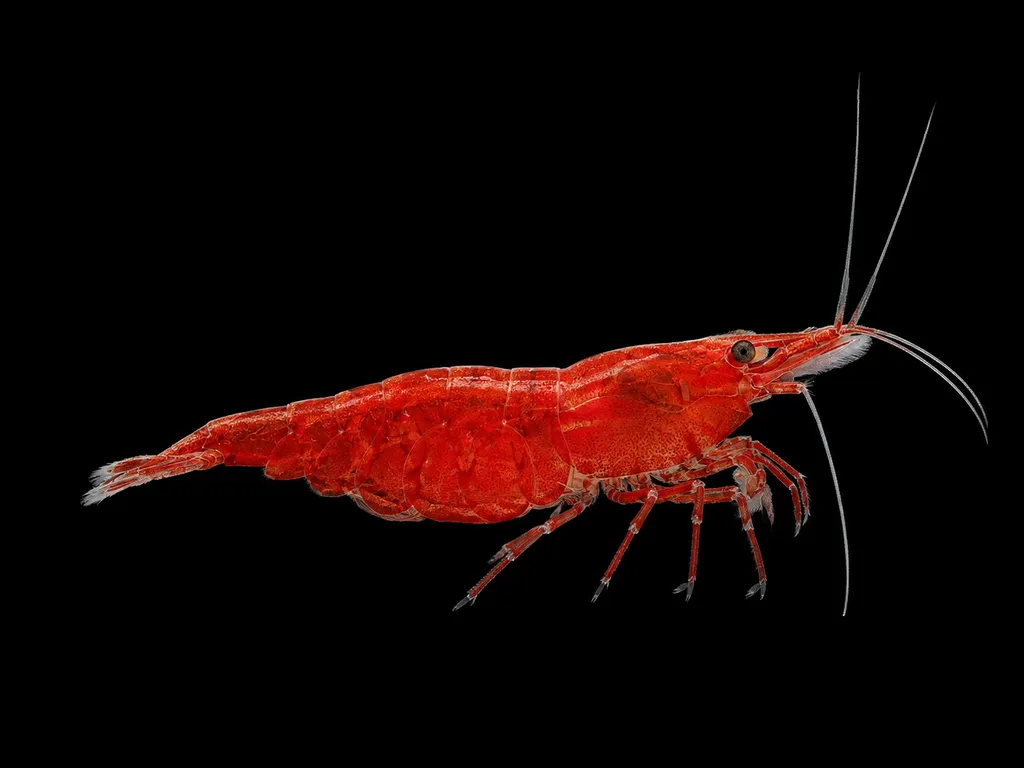
Neocaridina shrimp
Neocaridina davidi
Freshwater1.6 in (4 cm) · 5 gal (19 L)59–84°F (15–29°C)
Guppy
Poecilia reticulata
FreshwaterBrackish2.4 in (6 cm) · 10 gal (38 L)64–82°F (18–28°C)
Neon tetra
Paracheirodon innesi
Freshwater1.5 in (3.8 cm) · 11 gal (40 L)70–77°F (21–25°C)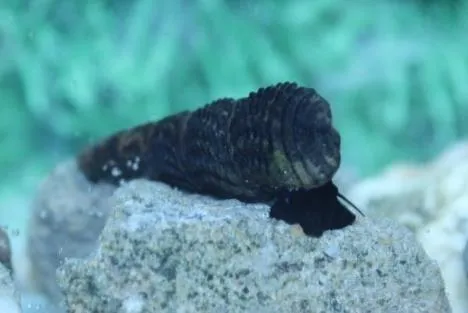
White spotted rabbit snail
Tylomelania towutica
Freshwater4.3 in (11 cm) · 16 gal (60 L)75–84°F (24–29°C)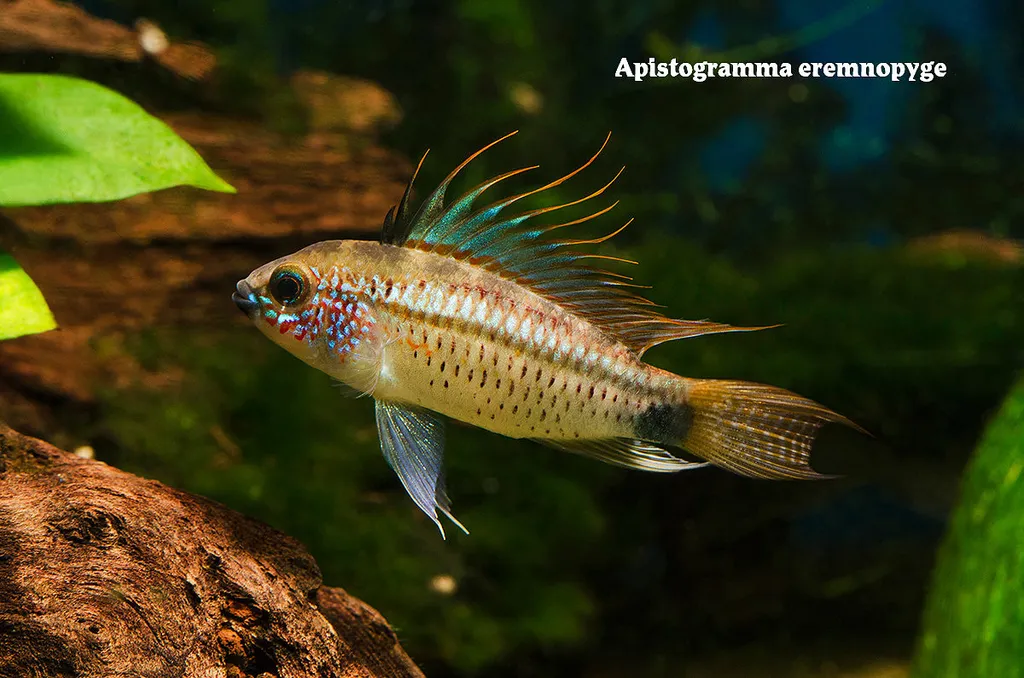
Fire-tail dwarf cichlid
Apistogramma eremnopyge
Freshwater1.8 in (4.5 cm) · 16 gal (60 L)73–81°F (23–27°C)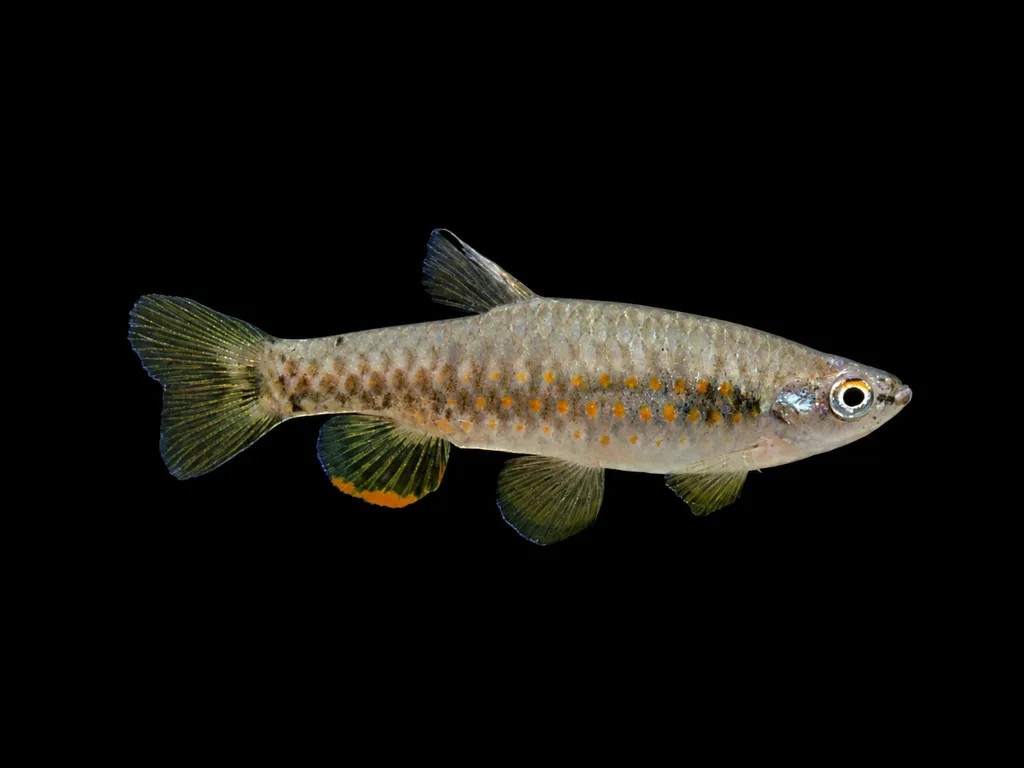
Fanning characin
Pyrrhulina rachoviana
Freshwater2 in (5 cm) · 16 gal (60 L)68–79°F (20–26°C)
Common questions
What size tank does a Brittan's rasbora need?
A Brittan's rasbora needs at least 16 gal (60 L). It spends most of its time in the middle.
What temperature and pH does a Brittan's rasbora need?
A Brittan's rasbora is comfortable at 68–79°F (20–26°C) with a pH of 6.0–7.5.
What does a Brittan's rasbora eat?
A Brittan's rasbora eats small flake, micro pellets, and frozen brine shrimp or daphnia.
How big does a Brittan's rasbora get?
An adult Brittan's rasbora reaches about 2.4 in (6 cm).
Does a Brittan's rasbora need a group?
Yes. A Brittan's rasbora is a schooling species and should be kept in a group, not singly.
How does a Brittan's rasbora breed?
Brittan's rasboras scatter their eggs and give no parental care. The eggs hatch in roughly a day, and breeding them is a moderate challenge.
Related species
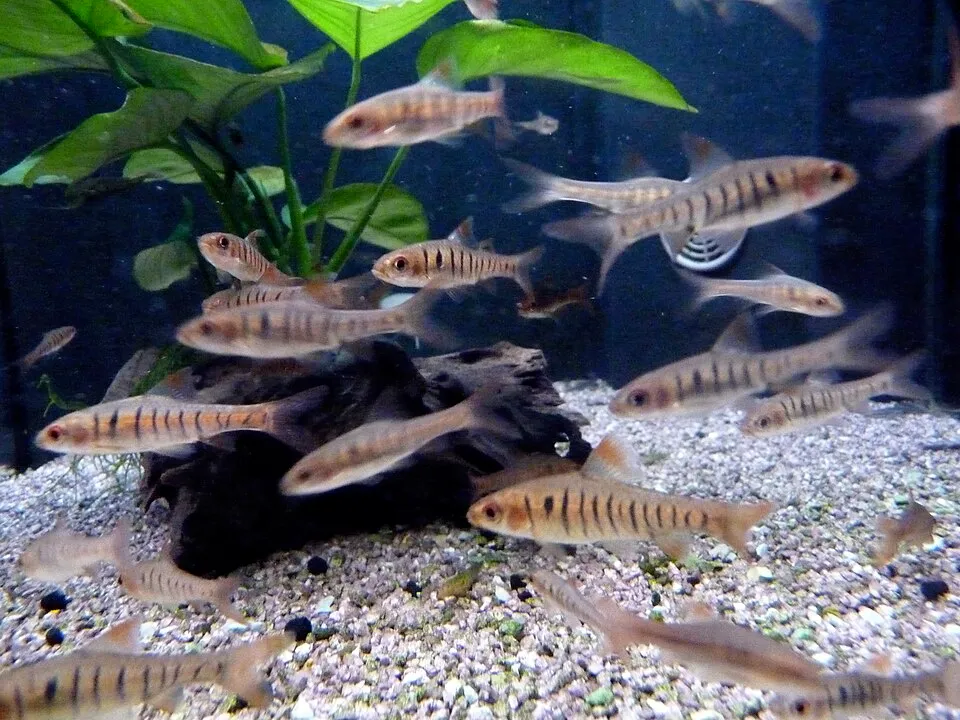 2.4 in (6 cm)20 gal (75 L)68–79°F (20–26°C)
African banded barb
Barbus fasciolatus
2.4 in (6 cm) · 20 gal (75 L)
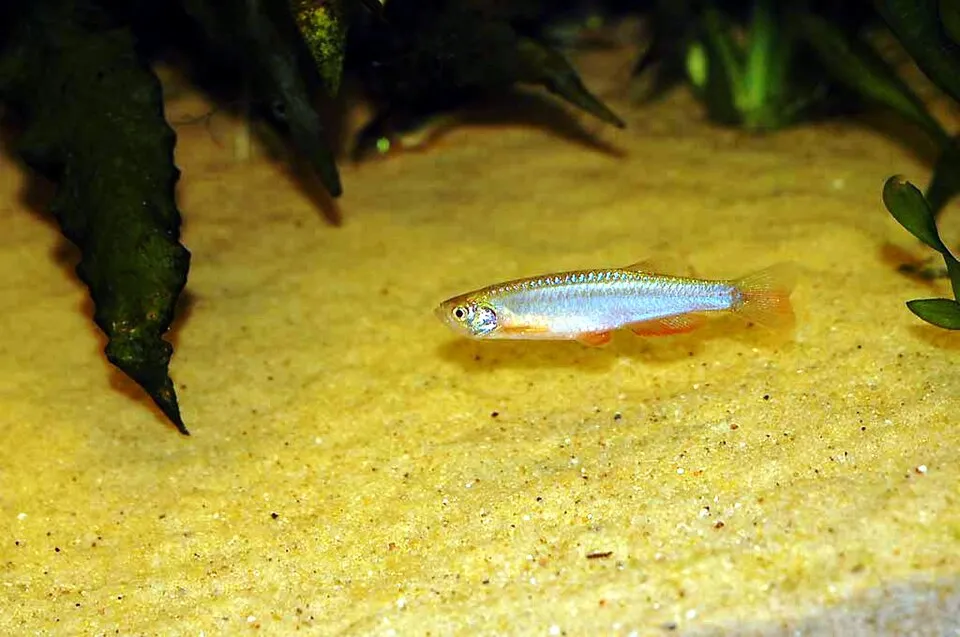 2.4 in (6 cm)18 gal (70 L)61–77°F (16–25°C)
Pearl danio
Danio albolineatus
2.4 in (6 cm) · 18 gal (70 L)
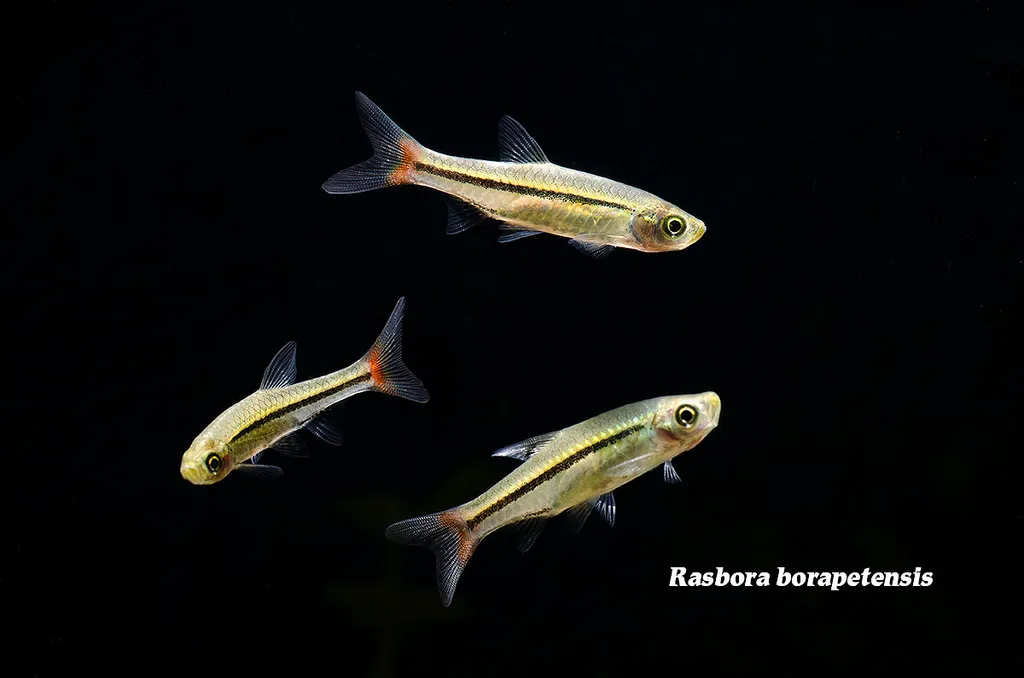 2.4 in (6 cm)18 gal (70 L)72–79°F (22–26°C)
Red-tailed rasbora
Rasbora borapetensis
2.4 in (6 cm) · 18 gal (70 L)
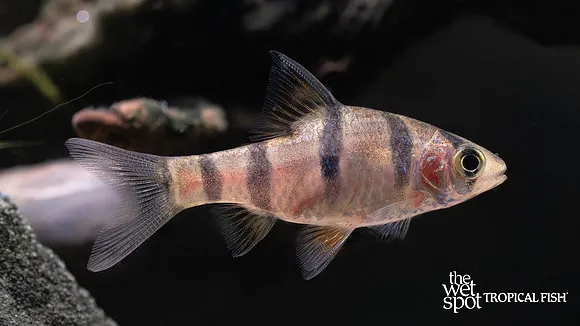 2.4 in (6 cm)24 gal (90 L)73–82°F (23–28°C)
Six-banded barb
Desmopuntius hexazona
2.4 in (6 cm) · 24 gal (90 L)
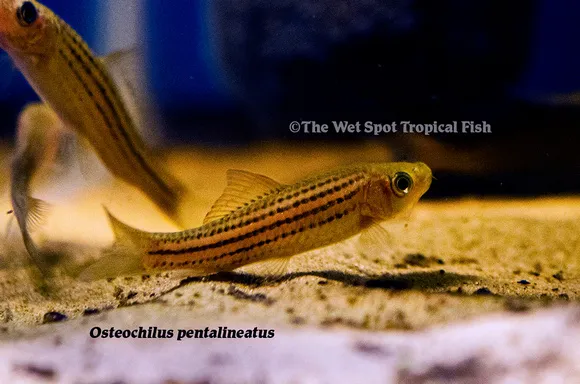 2.2 in (5.6 cm)53 gal (200 L)73–82°F (23–28°C)
Fiveline bonylip barb
Osteochilus pentalineatus
2.2 in (5.6 cm) · 53 gal (200 L)
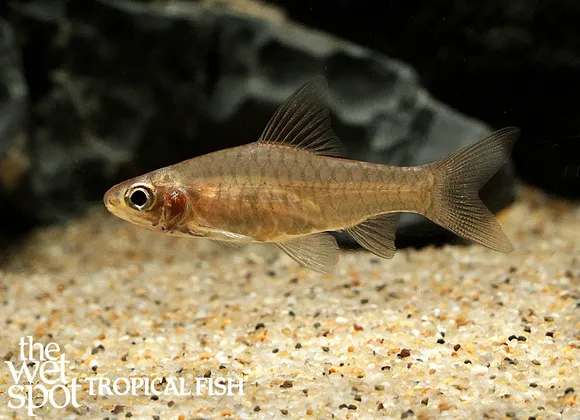 2.2 in (5.5 cm)14 gal (54 L)73–81°F (23–27°C)
Congo clipper barb
Clypeobarbus congicus
2.2 in (5.5 cm) · 14 gal (54 L)