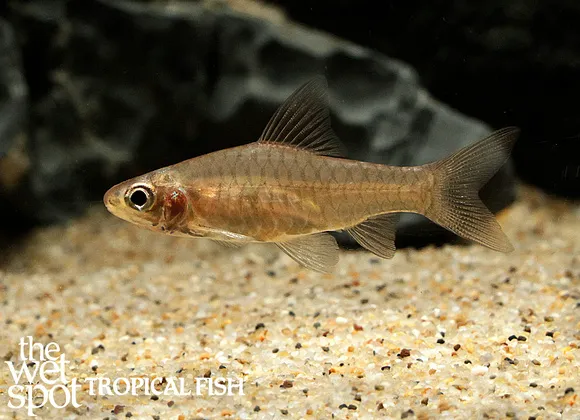
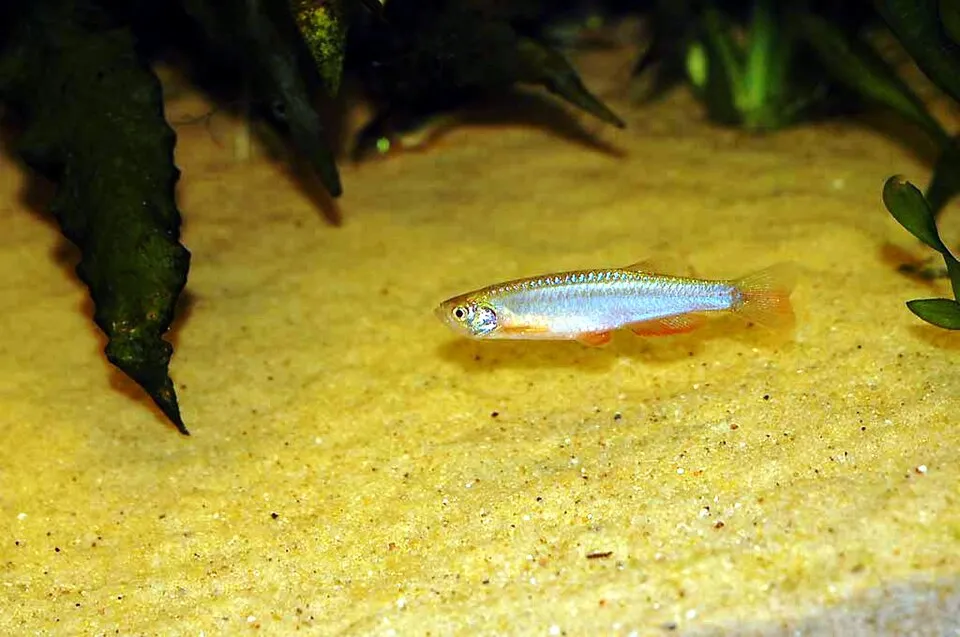
Congo clipper barb
Clypeobarbus congicus
Also known as Barbus congicus, Congo barb
FreshwaterFish
Care at a glance
- Temperature
- 73–81°F
- 23–27°C
- pH
- 6.0–7.2
- Adult size
- 2.2 in
- 5.5 cm
- Minimum tank
- 14 gal
- 54 L
- Temperament
- Peaceful
- Social behavior
- Schooling
- Swim level
- Middle
- Difficulty
- Medium
- Breeding
- No record
- Rarity
- Rare
- Family
- Cyprinidae
- Origin
- Congo basin
Overview
The Congo clipper barb is a small, peaceful schooling barb for a planted tank. It is a little delicate and best kept by someone with some experience.
Did you know
The Congo clipper barb has a row of belly scales enlarged into overlapping, shield-like plates. That detail is behind the genus name Clypeobarbus, meaning shield barb, and it sets the group apart.
Caring for the Congo clipper barb
Keep Congo clipper barbs in a group of eight or more, in a well-planted, shaded tank with driftwood and a dark substrate. A tank of 14 gal (54 L) houses a starter group.
Keep the water clean, stable and gently flowing, at 73 to 81°F (23 to 27°C). Soft, slightly acidic to neutral water with a pH of 6.0 to 7.2 suits them, with gentle filtration. Feed small foods such as fine flake and micro pellets, with frozen and live foods like daphnia and baby brine shrimp.
The Congo clipper barb is peaceful, and a shoal keeps it confident and colored up. It swims in the middle water and pairs well with other small, gentle species in a soft-water community, such as dwarf African tetras. There are no records of it breeding in aquariums.
Good to know
The Congo clipper barb, Clypeobarbus congicus, is a small African cyprinid in the family Cyprinidae.
In the wild
The Congo clipper barb lives in streams and smaller rivers throughout the Congo basin, in warm, soft, gently flowing forest water. Its range reaches into the Ruzizi and Malagarasi rivers of East Africa.
Weekly picks
Tank mates
The Congo clipper barb is a peaceful, schooling species that keeps to the middle. These picks share a community profile with it, are safe together in both directions, and overlap on water type, temperature and pH.
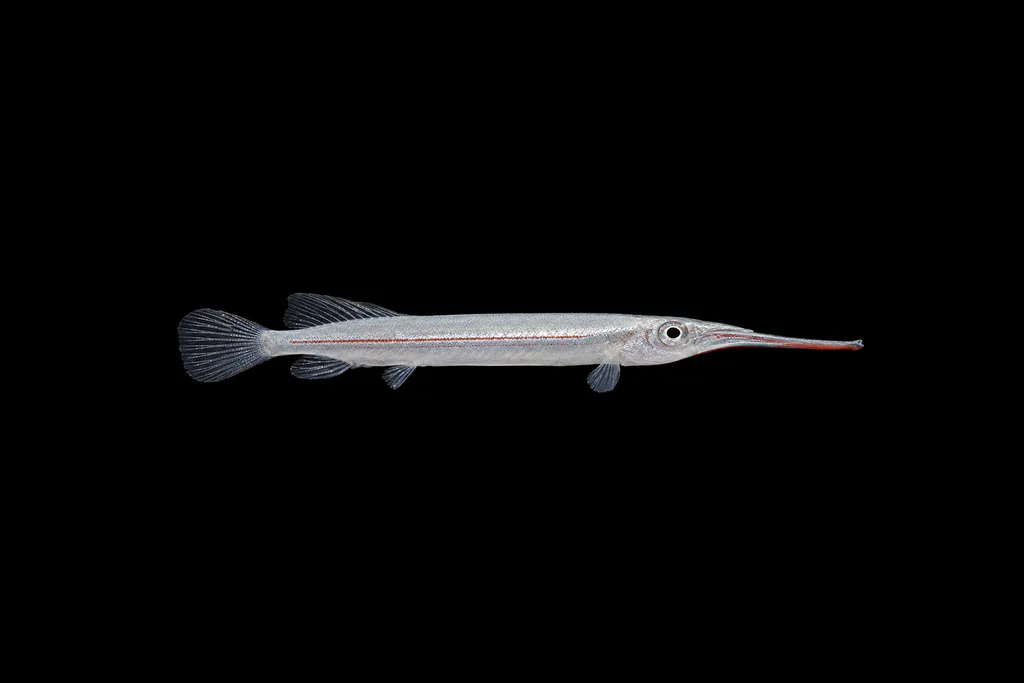
Fire halfbeak
Hemirhamphodon kapuasensis
Freshwater2.4 in (6 cm) · 14 gal (54 L)73–81°F (23–27°C)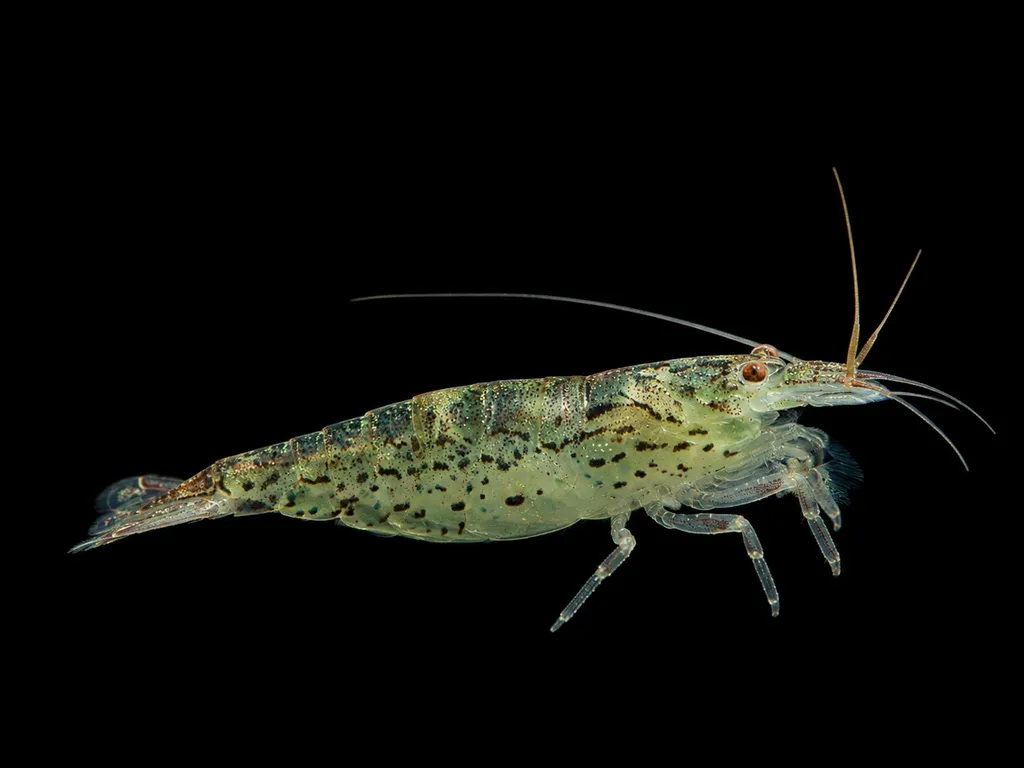
Green lace shrimp
Atyoida pilipes
Freshwater2.8 in (7 cm) · 14 gal (54 L)73–82°F (23–28°C)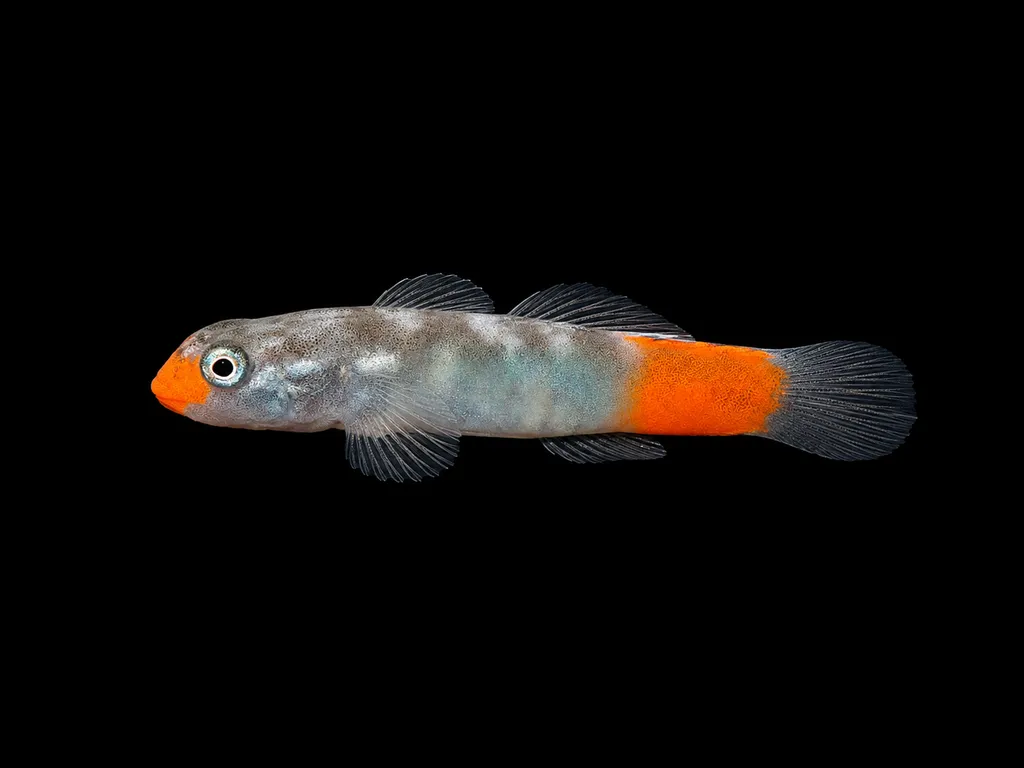
Caledonian red nose goby
Lentipes kaaea
Freshwater2.4 in (6 cm) · 14 gal (54 L)73–81°F (23–27°C)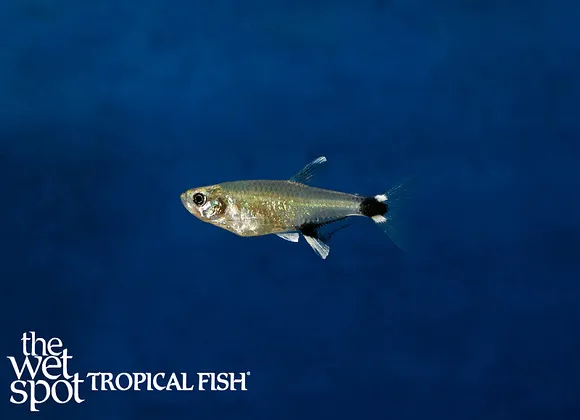
Panda darter tetra
Aphyocharax nattereri
Freshwater1.4 in (3.5 cm) · 14 gal (54 L)72–81°F (22–27°C)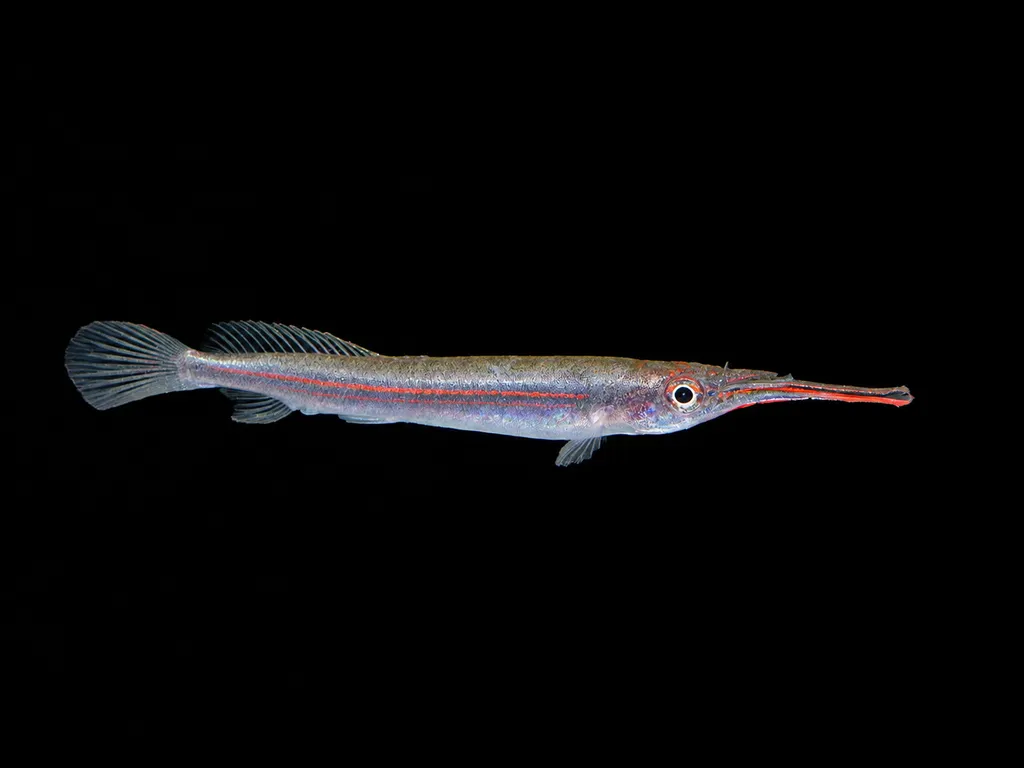
Red line halfbeak
Hemirhamphodon phaiosoma
Freshwater2.6 in (6.5 cm) · 14 gal (54 L)73–81°F (23–27°C)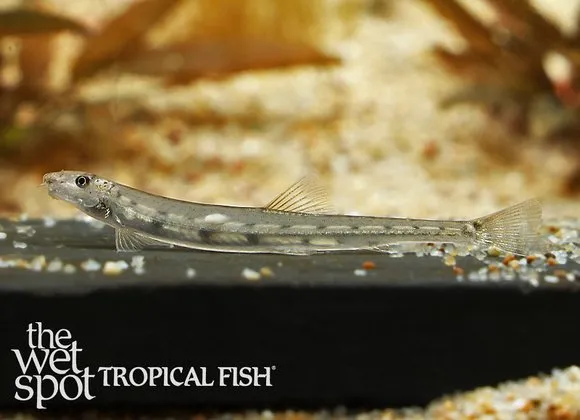
Dwarf horseface loach
Acanthopsoides robertsi
Freshwater2.2 in (5.5 cm) · 14 gal (54 L)72–81°F (22–27°C)
Common questions
What size tank does a Congo clipper barb need?
A Congo clipper barb needs at least 14 gal (54 L). It spends most of its time in the middle.
What temperature and pH does a Congo clipper barb need?
A Congo clipper barb is comfortable at 73–81°F (23–27°C) with a pH of 6.0–7.2.
What does a Congo clipper barb eat?
A Congo clipper barb eats small foods such as fine flake and micro pellets. It also takes frozen and live foods like daphnia and baby brine shrimp.
How big does a Congo clipper barb get?
An adult Congo clipper barb reaches about 2.2 in (5.5 cm).
Does a Congo clipper barb need a group?
Yes. A Congo clipper barb is a schooling species and should be kept in a group, not singly.
Related species
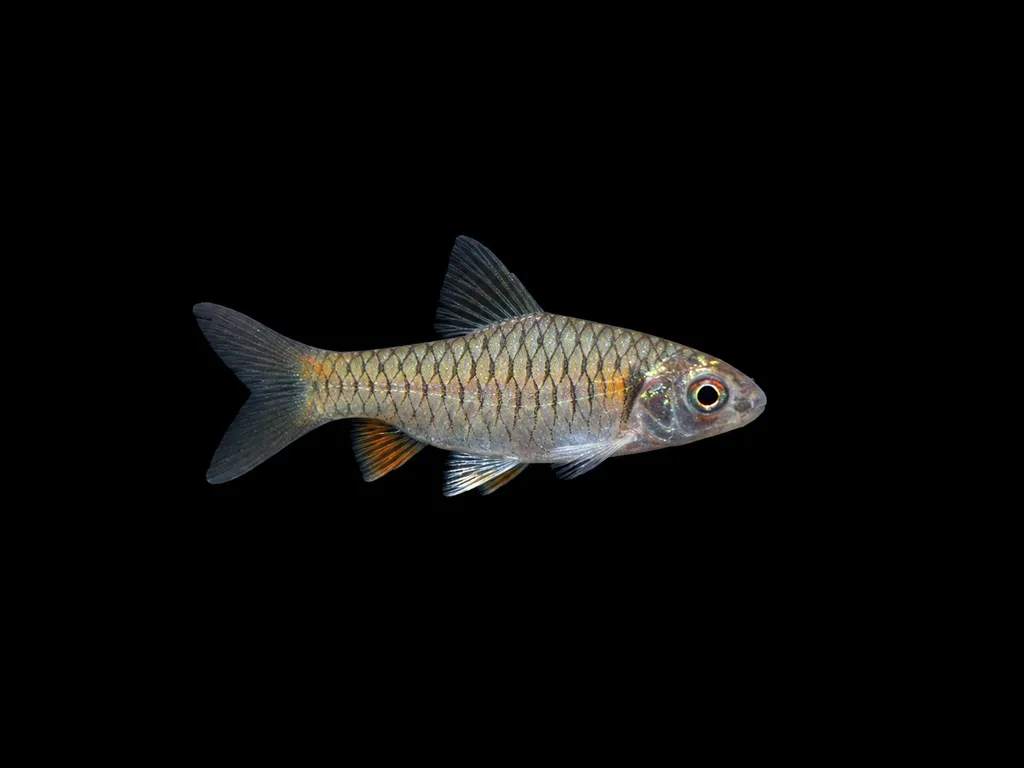 2 in (5 cm)14 gal (54 L)73–81°F (23–27°C)
Pearl of the Congo barb
Clypeobarbus pleuropholis
2 in (5 cm) · 14 gal (54 L)
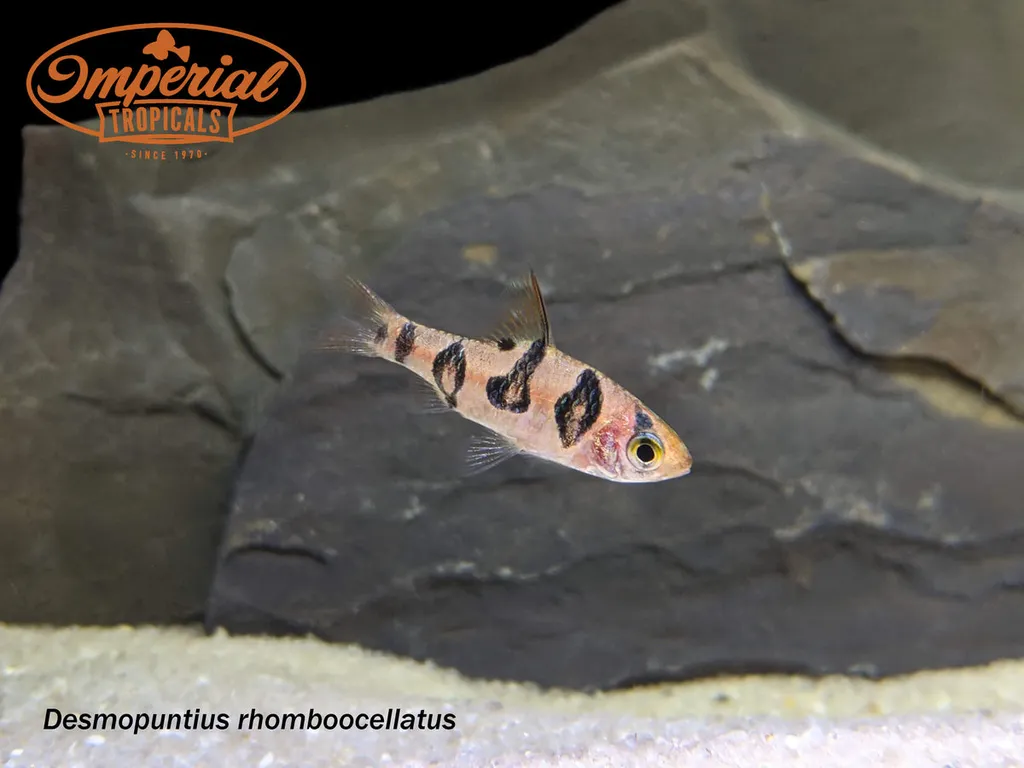 2.2 in (5.5 cm)20 gal (75 L)72–82°F (22–28°C)
Snakeskin barb
Desmopuntius rhomboocellatus
2.2 in (5.5 cm) · 20 gal (75 L)
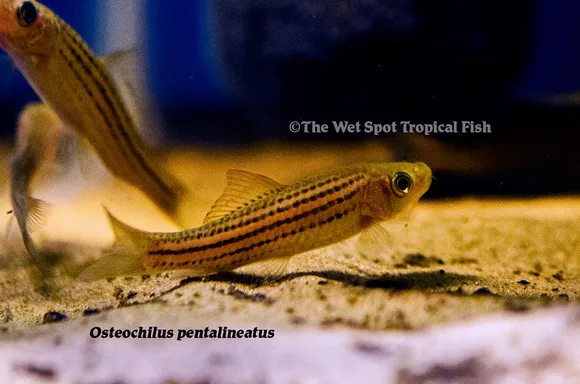 2.2 in (5.6 cm)53 gal (200 L)73–82°F (23–28°C)
Fiveline bonylip barb
Osteochilus pentalineatus
2.2 in (5.6 cm) · 53 gal (200 L)
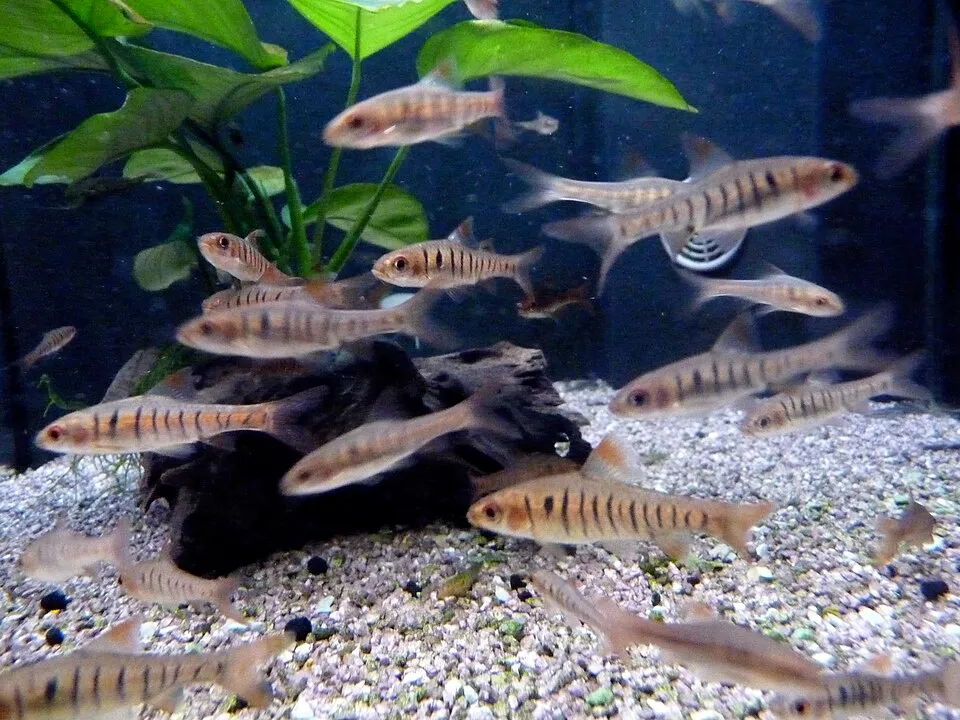 2.4 in (6 cm)20 gal (75 L)68–79°F (20–26°C)
African banded barb
Barbus fasciolatus
2.4 in (6 cm) · 20 gal (75 L)
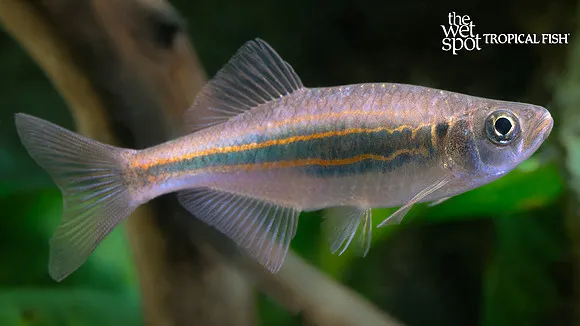 2.4 in (6 cm)16 gal (60 L)68–79°F (20–26°C)
Brittan's rasbora
Kottelatia brittani
2.4 in (6 cm) · 16 gal (60 L)
 2.4 in (6 cm)18 gal (70 L)61–77°F (16–25°C)
Pearl danio
Danio albolineatus
2.4 in (6 cm) · 18 gal (70 L)