Sipaliwini cory
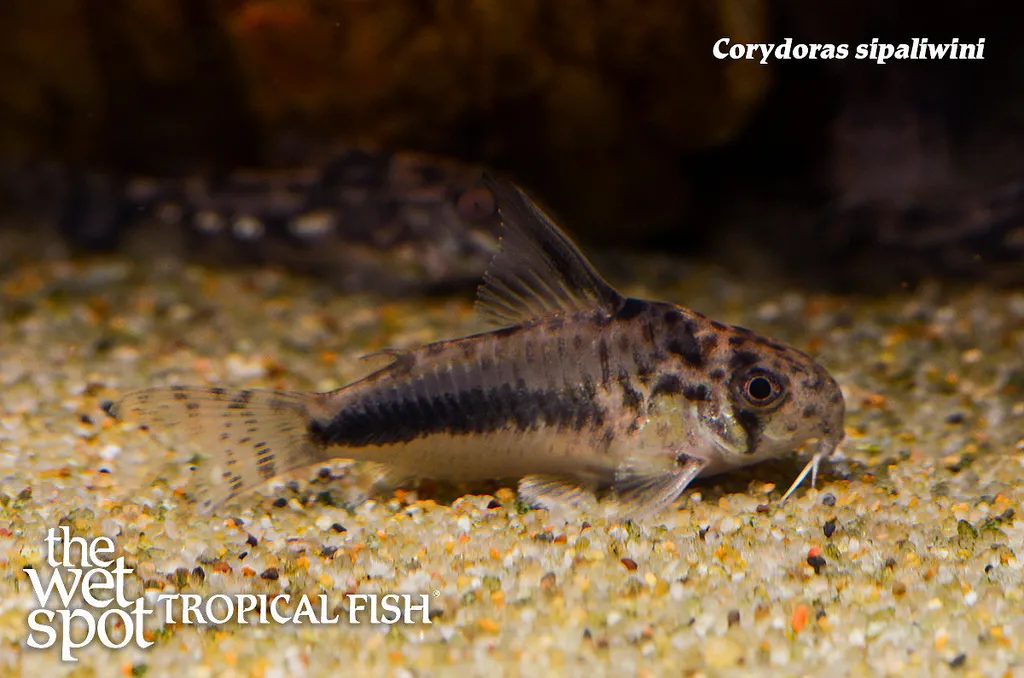
Hoplisoma sipaliwini
Also known as Corydoras sipaliwini, Nail Cory
FreshwaterFish
Care at a glance
- Temperature
- 73–81°F
- 23–27°C
- pH
- 5.8–7.2
- Adult size
- 2.2 in
- 5.5 cm
- Minimum tank
- 16 gal
- 60 L
- Temperament
- Peaceful
- Social behavior
- Shoaling
- Swim level
- Bottom
- Difficulty
- Medium
- Breeding
- Hard
- Rarity
- Rare
- Family
- Callichthyidae
- Origin
- Sipaliwini and Corantijn drainages of Suriname and Guyana
Overview
The Sipaliwini cory is a rare, peaceful cory for the bottom of a community tank. It suits a keeper with some experience.
Did you know
The Sipaliwini cory's home savanna is so remote that collecting trips reach it by bush plane. That is most of why it stays a rarity, and supply depends entirely on infrequent Suriname collections.
Caring for the Sipaliwini cory
Keep a shoal of six Sipaliwini corys in a tank of 16 gal (60 L) or larger. Give them fine sand with stones and wood.
They want clean, oxygenated, flowing water at 73 to 81°F (23 to 27°C) and a pH of 5.8 to 7.2. They take sinking and frozen foods readily once acclimated. Fresh Guiana imports arrive lean and deserve careful quarantine.
Sipaliwini corys are peaceful and safe with other community fish. Breeding reports are scarce, and breeding them is hard.
Good to know
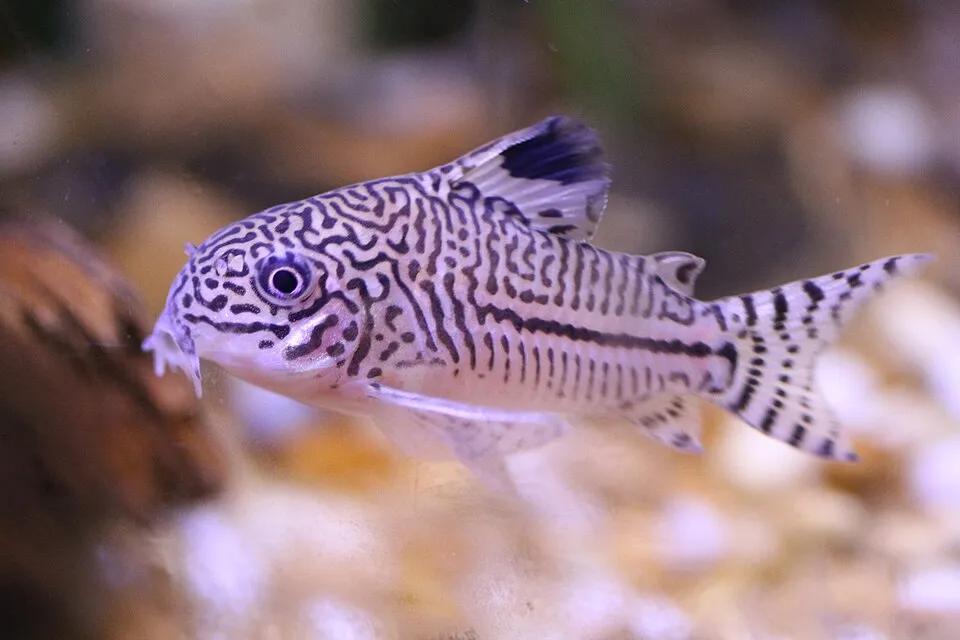
The Sipaliwini cory was described by Hoedeman in 1965 as Corydoras sipaliwini, from one of South America's least accessible corners. The 2024 revision lists it as Hoplisoma sipaliwini. It wears a peppered body with a dark dorsal saddle and is a close relative of the region's other shield-water corys.
In the wild
The Sipaliwini cory lives in the savanna drainages of southern Suriname and nearby Guyana, including the Sipaliwini and the Corantijn. Its home waters are clear, sandy creeks of the Guiana Shield.
Weekly picks
Tank mates
The Sipaliwini cory is a peaceful, shoaling species that keeps to the bottom. These picks share a community profile with it, are safe together in both directions, and overlap on water type, temperature and pH.
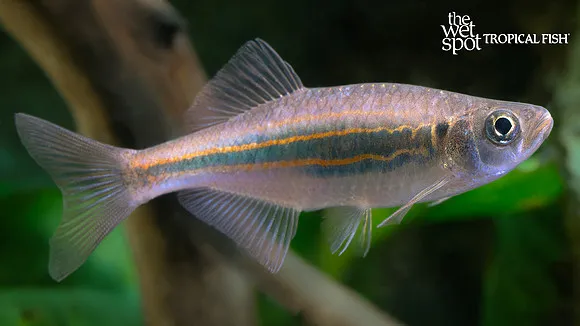
Brittan's rasbora
Kottelatia brittani
Freshwater2.4 in (6 cm) · 16 gal (60 L)68–79°F (20–26°C)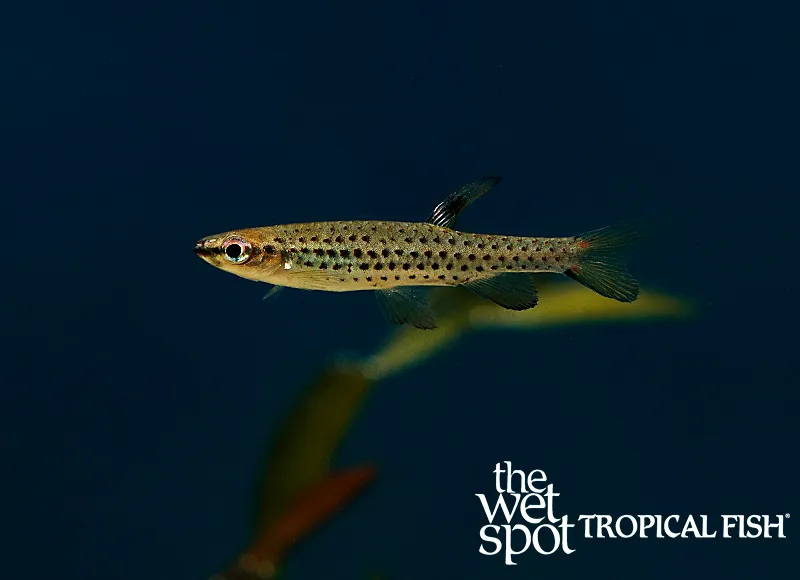
Spotted splash tetra
Copella nattereri
Freshwater2 in (5 cm) · 16 gal (60 L)75–82°F (24–28°C)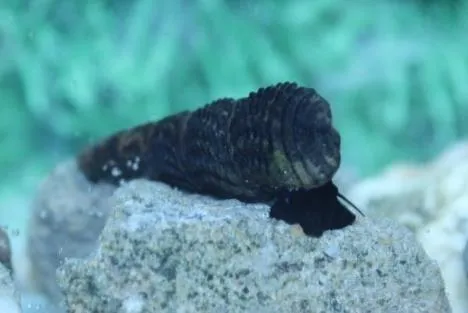
White spotted rabbit snail
Tylomelania towutica
Freshwater4.3 in (11 cm) · 16 gal (60 L)75–84°F (24–29°C)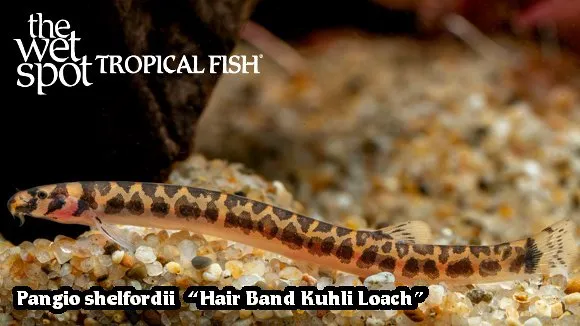
Shelford's kuhli loach
Pangio shelfordii
Freshwater3.1 in (8 cm) · 15 gal (55 L)72–81°F (22–27°C)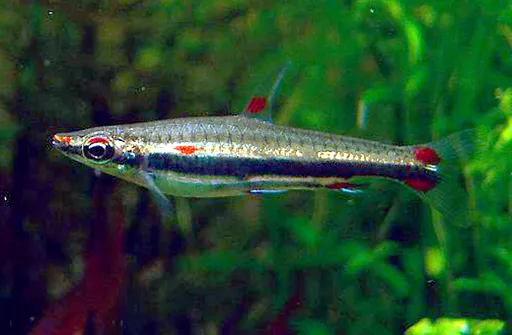
Harrison's pencilfish
Nannostomus harrisoni
Freshwater2.2 in (5.5 cm) · 16 gal (60 L)73–82°F (23–28°C)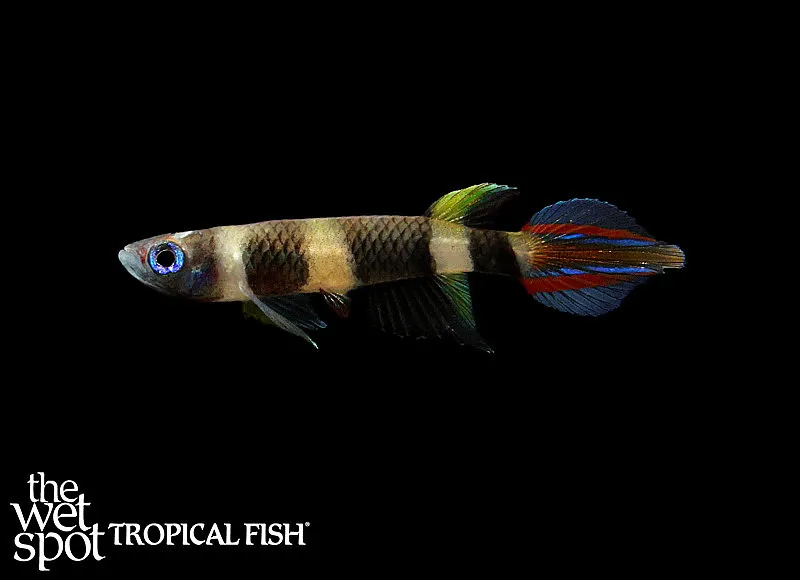
Clown killifish
Epiplatys annulatus
Freshwater1.4 in (3.5 cm) · 15 gal (55 L)68–79°F (20–26°C)
Common questions
What size tank does a Sipaliwini cory need?
A Sipaliwini cory needs at least 16 gal (60 L). It spends most of its time in the bottom.
What temperature and pH does a Sipaliwini cory need?
A Sipaliwini cory is comfortable at 73–81°F (23–27°C) with a pH of 5.8–7.2.
What does a Sipaliwini cory eat?
A Sipaliwini cory eats sinking and frozen foods, and it takes them readily once acclimated.
How big does a Sipaliwini cory get?
An adult Sipaliwini cory reaches about 2.2 in (5.5 cm).
Does a Sipaliwini cory need a group?
Yes. A Sipaliwini cory is a shoaling species and should be kept in a group, not singly.
Related species
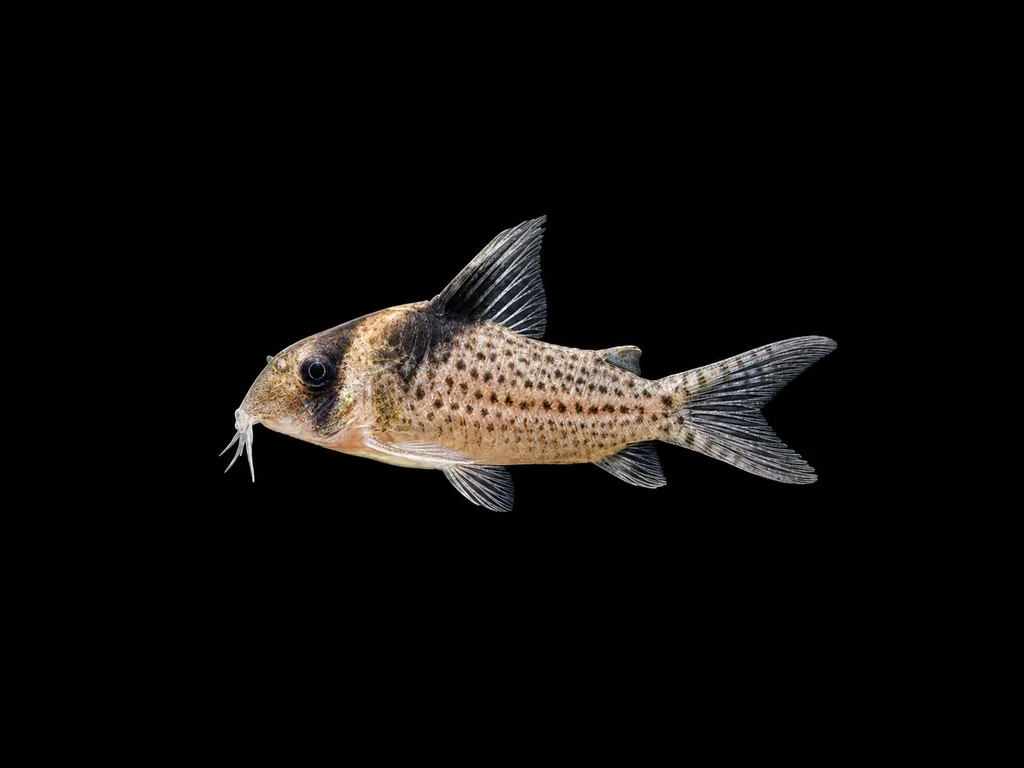 2.2 in (5.5 cm)16 gal (60 L)72–79°F (22–26°C)
Bluespotted cory
Hoplisoma melanistium
2.2 in (5.5 cm) · 16 gal (60 L)
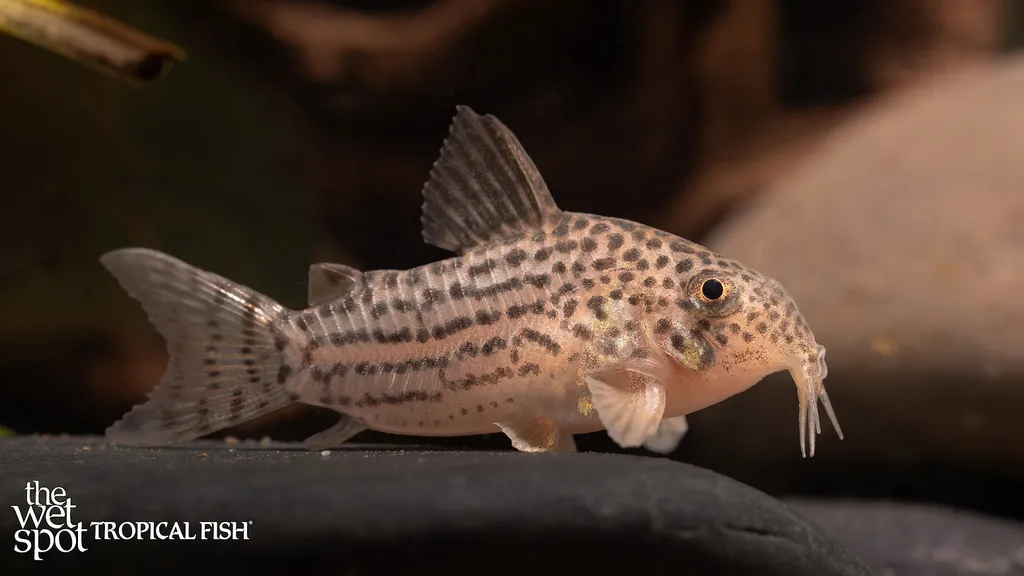 2.2 in (5.5 cm)16 gal (60 L)73–81°F (23–27°C)
Boeseman's cory
Hoplisoma boesemani
2.2 in (5.5 cm) · 16 gal (60 L)
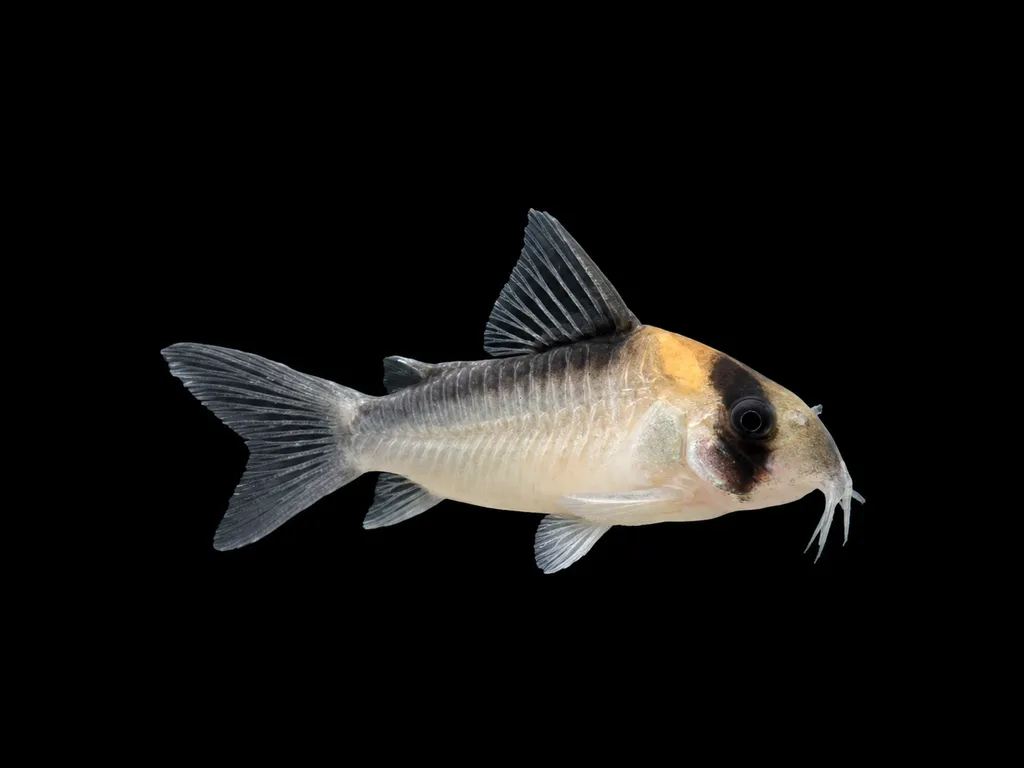 2.2 in (5.5 cm)20 gal (75 L)72–79°F (22–26°C)
Burgess's cory
Hoplisoma burgessi
2.2 in (5.5 cm) · 20 gal (75 L)
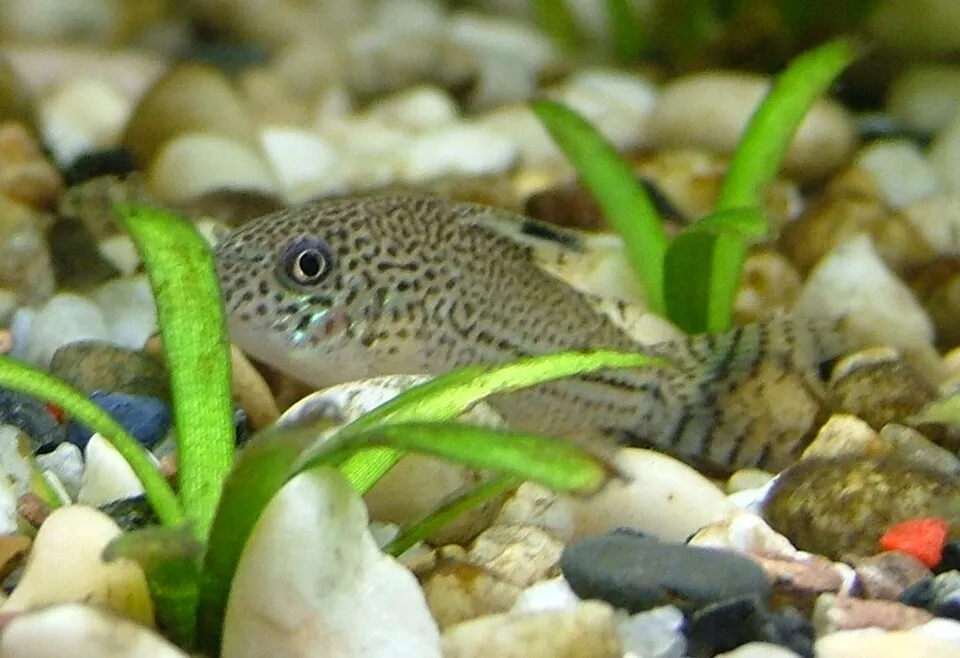 2.2 in (5.5 cm)20 gal (75 L)68–79°F (20–26°C)
Julii cory
Hoplisoma julii
2.2 in (5.5 cm) · 20 gal (75 L)
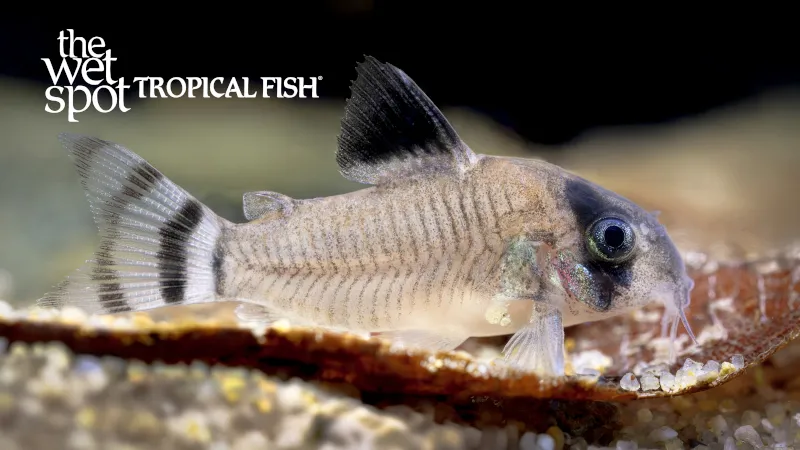 2.2 in (5.5 cm)20 gal (75 L)73–79°F (23–26°C)
Oiapoque cory
Hoplisoma oiapoquense
2.2 in (5.5 cm) · 20 gal (75 L)
 2.2 in (5.5 cm)16 gal (60 L)72–81°F (22–27°C)
Threestripe cory
Hoplisoma trilineatum
2.2 in (5.5 cm) · 16 gal (60 L)