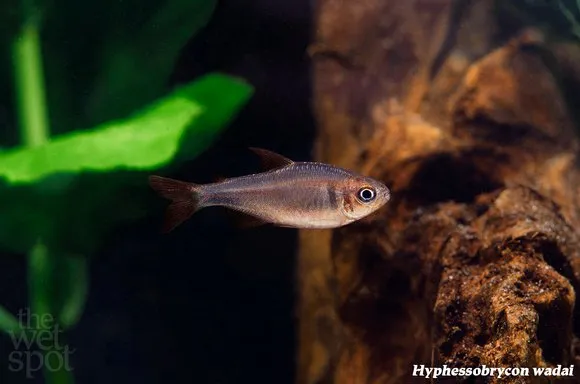
Blueberry tetra
Hyphessobrycon wadai
Also known as Wada's tetra
FreshwaterFish
Care at a glance
- Temperature
- 72–81°F
- 22–27°C
- pH
- 5.0–7.0
- Adult size
- 1.7 in
- 4.2 cm
- Minimum tank
- 16 gal
- 60 L
- Temperament
- Peaceful
- Social behavior
- Schooling
- Swim level
- Middle
- Difficulty
- Medium
- Breeding
- Medium
- Rarity
- Common
- Family
- Characidae
- Origin
- Upper Tapajos basin, Brazil
Overview
The blueberry tetra is a peaceful schooling fish for the middle of a community tank. It is robust for a recent discovery, though it is best with a little experience.
Did you know
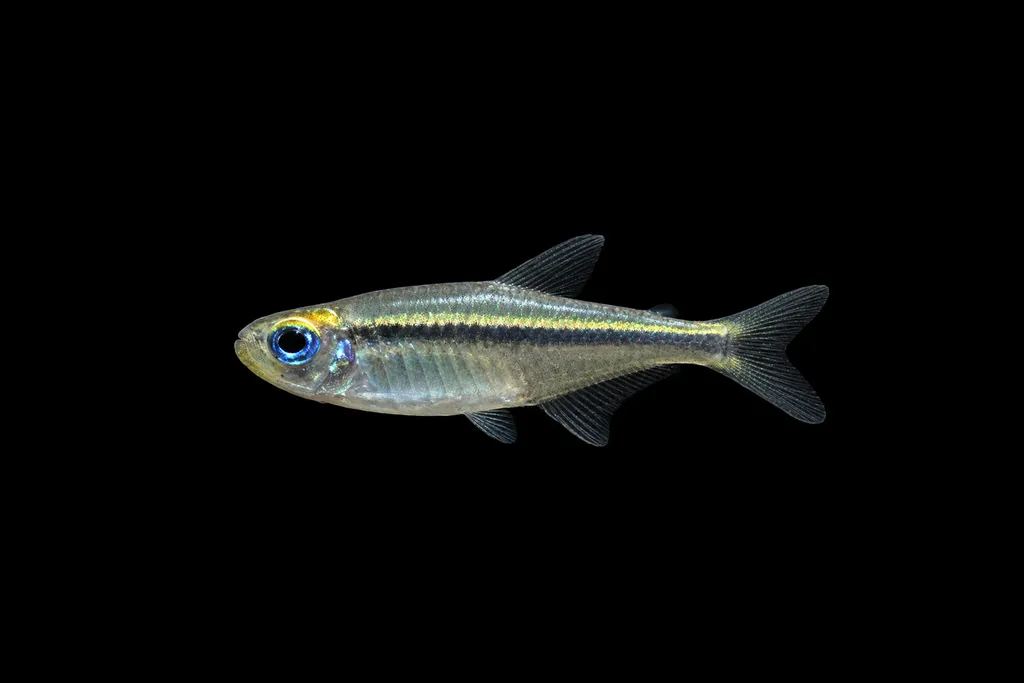
The blueberry tetra is one of the bluest community fish available, and few freshwater fish are truly blue. It was described only in 2016, so it entered the hobby within the last decade.
Caring for the blueberry tetra
Keep blueberry tetras in a group of six or more, in 16 gal (60 L) or larger. They swim in the middle of the tank, so give them bright, open swimming space balanced with shaded planting. A dark backdrop and morning light make the blue stand out.
Give them clear, soft water at 72 to 81°F (22 to 27°C) and a pH of 5.0 to 7.0. They take flake, granules and frozen foods eagerly.
Blueberry tetras are peaceful and safe with other community fish. The blue develops most strongly in a confident, well-fed group. Breeding them takes some effort.
Good to know
The blueberry tetra belongs to the family Characidae. Mature fish develop a wash of deep blue across the body that intensifies with age and condition. That blue is behind the blueberry name, and it is why specialist demand for the fish rose so fast.
In the wild
The blueberry tetra comes from the upper Tapajos basin in Brazil. There it lives in clear, soft water that runs over pale sand.
Weekly picks
Tank mates
The blueberry tetra is a peaceful, schooling species that keeps to the middle. These picks share a community profile with it, are safe together in both directions, and overlap on water type, temperature and pH.
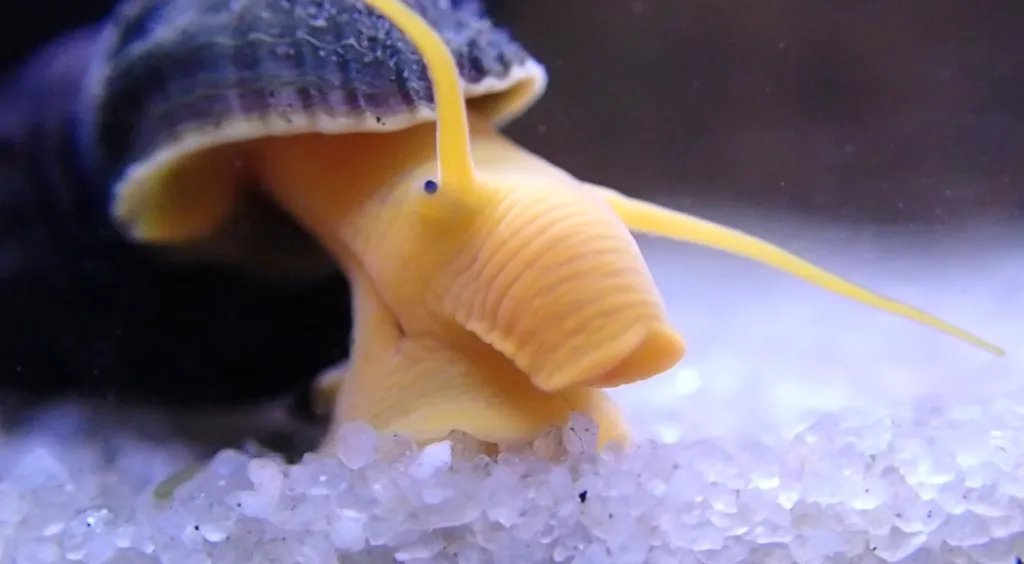
Gold rabbit snail
Tylomelania gemmifera
Freshwater2.8 in (7 cm) · 16 gal (60 L)75–82°F (24–28°C)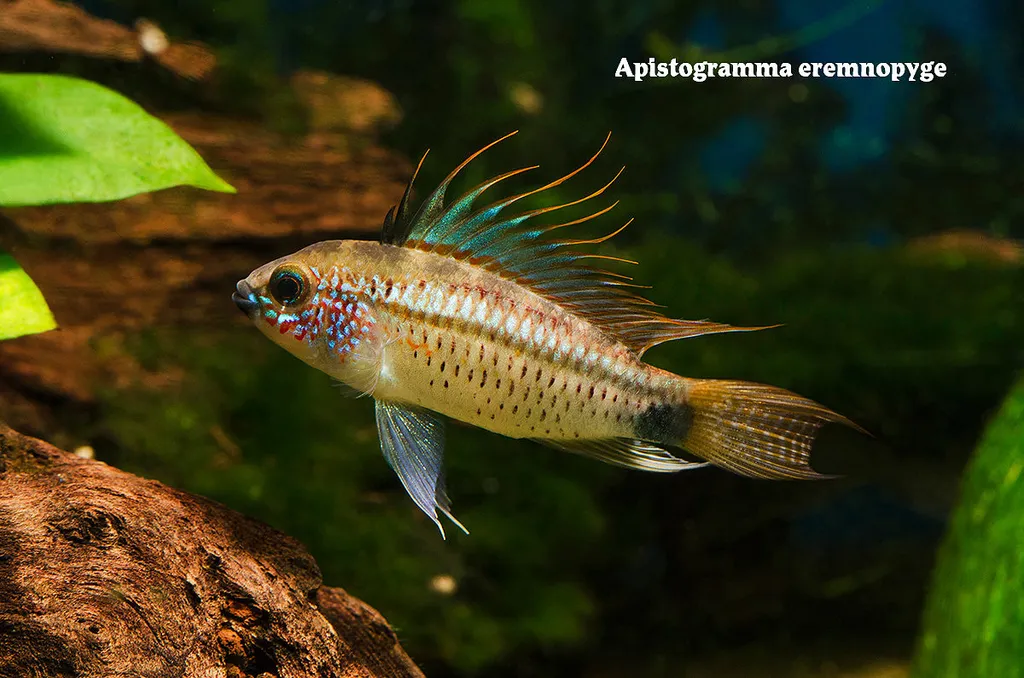
Fire-tail dwarf cichlid
Apistogramma eremnopyge
Freshwater1.8 in (4.5 cm) · 16 gal (60 L)73–81°F (23–27°C)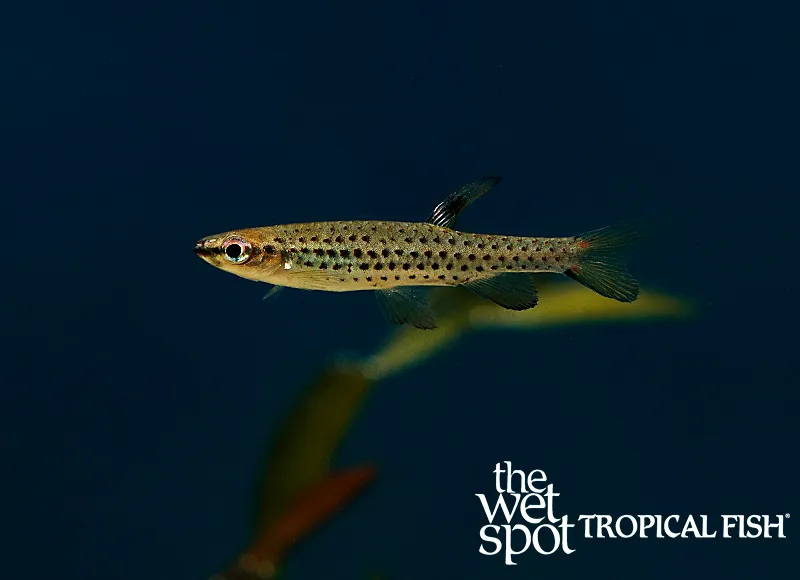
Spotted splash tetra
Copella nattereri
Freshwater2 in (5 cm) · 16 gal (60 L)75–82°F (24–28°C)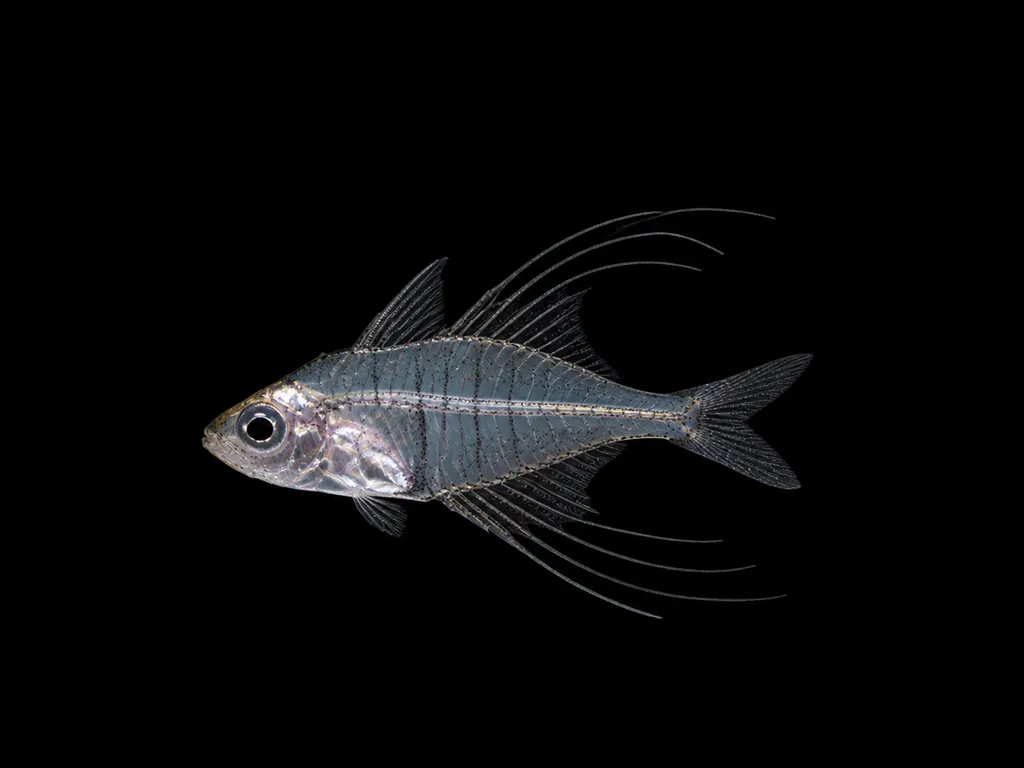
Threadfin glassfish
Gymnochanda filamentosa
Freshwater1.6 in (4 cm) · 16 gal (60 L)73–81°F (23–27°C)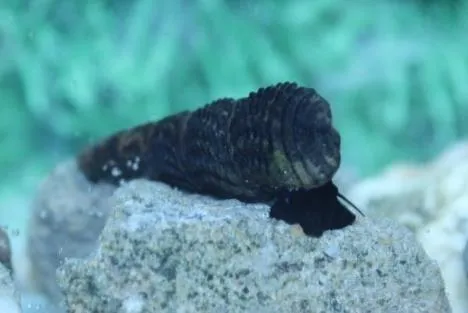
White spotted rabbit snail
Tylomelania towutica
Freshwater4.3 in (11 cm) · 16 gal (60 L)75–84°F (24–29°C)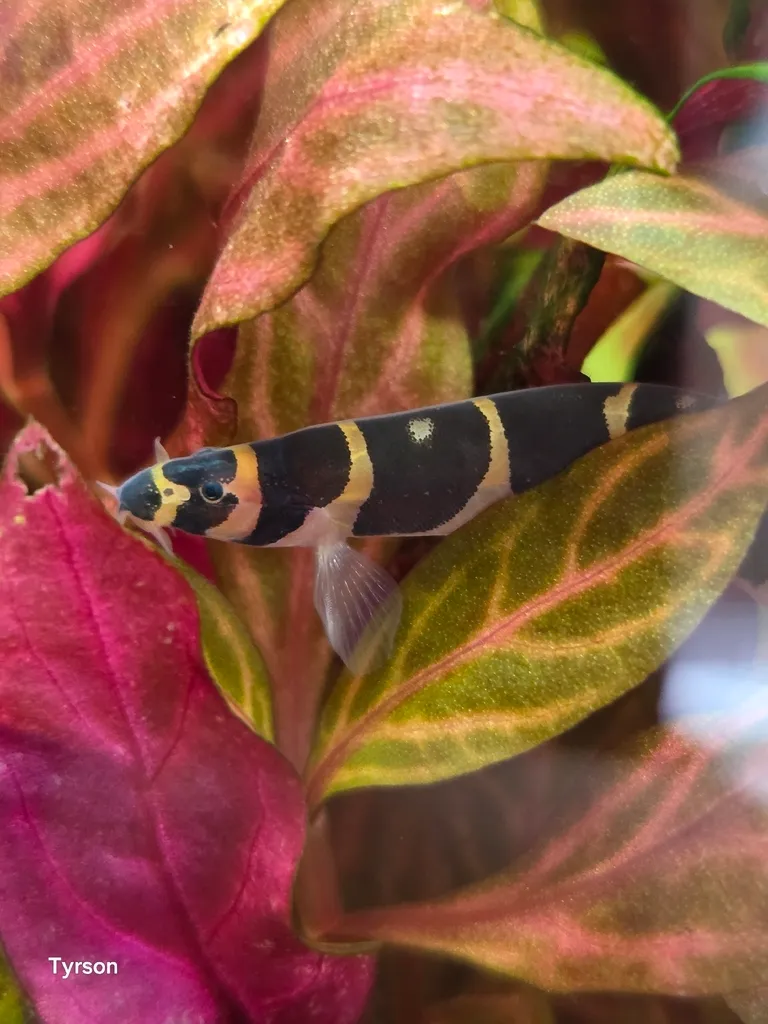
Kuhli loach
Pangio kuhlii
Freshwater3.9 in (10 cm) · 17 gal (65 L)72–82°F (22–28°C)
Common questions
What size tank does a blueberry tetra need?
A blueberry tetra needs at least 16 gal (60 L). It spends most of its time in the middle.
What temperature and pH does a blueberry tetra need?
A blueberry tetra is comfortable at 72–81°F (22–27°C) with a pH of 5.0–7.0.
What does a blueberry tetra eat?
A blueberry tetra eagerly takes flake, granules and frozen foods. Well-fed fish in a confident group show the strongest blue.
How big does a blueberry tetra get?
An adult blueberry tetra reaches about 1.7 in (4.2 cm).
Does a blueberry tetra need a group?
Yes. A blueberry tetra is a schooling species and should be kept in a group, not singly.
Related species
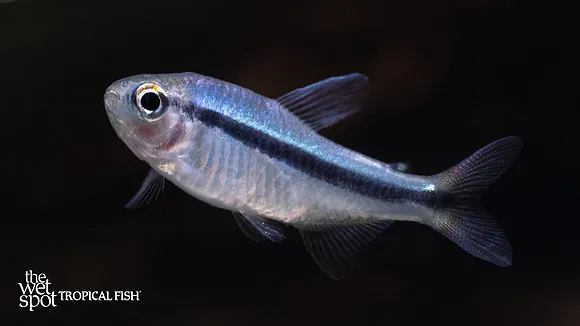 1.7 in (4.4 cm)16 gal (60 L)72–81°F (22–27°C)
Lapis tetra
Hyphessobrycon cyanotaenia
1.7 in (4.4 cm) · 16 gal (60 L)
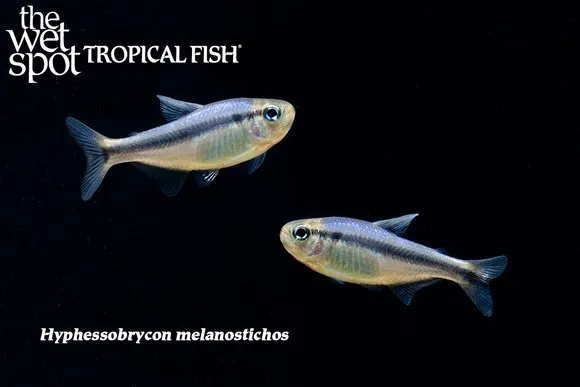 1.7 in (4.4 cm)16 gal (60 L)72–81°F (22–27°C)
Melanostichos tetra
Hyphessobrycon melanostichos
1.7 in (4.4 cm) · 16 gal (60 L)
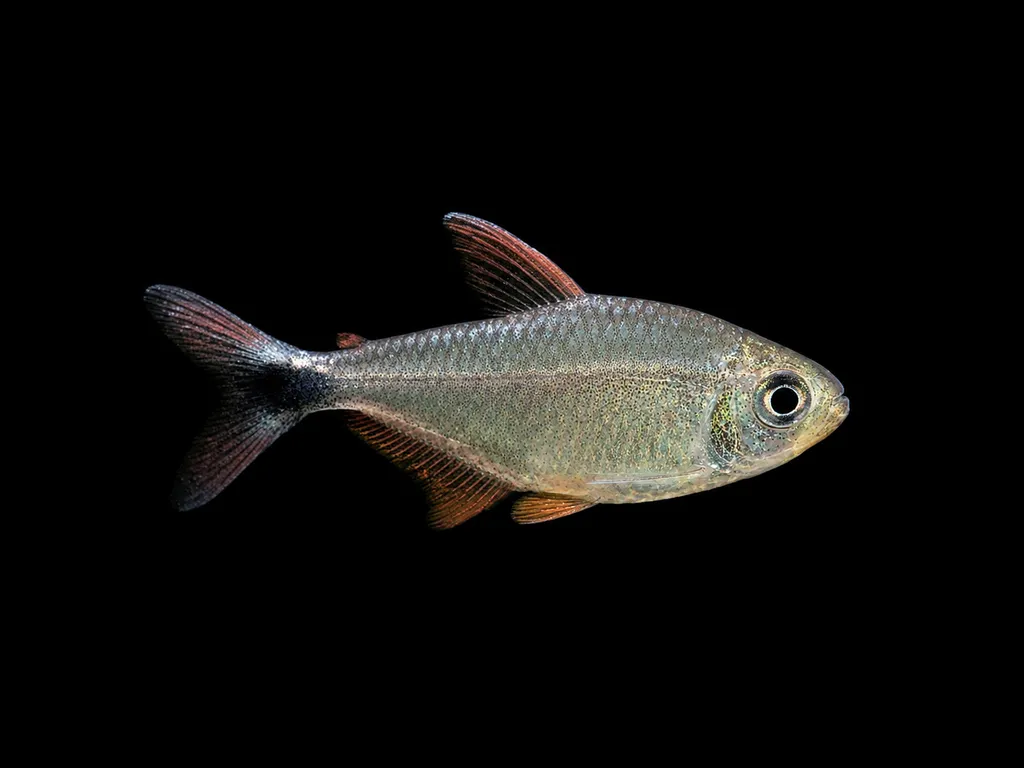 1.7 in (4.4 cm)16 gal (60 L)70–81°F (21–27°C)
Robustulus tetra
Hyphessobrycon robustulus
1.7 in (4.4 cm) · 16 gal (60 L)
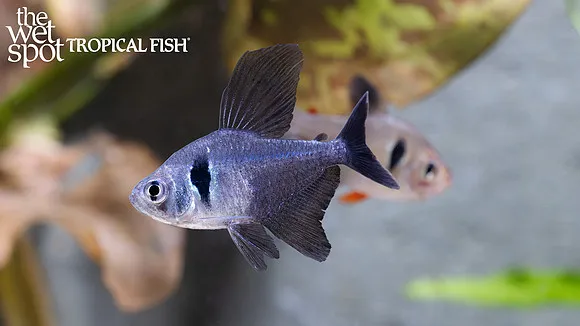 1.6 in (4 cm)16 gal (60 L)73–82°F (23–28°C)
Epicharis tetra
Hyphessobrycon epicharis
1.6 in (4 cm) · 16 gal (60 L)
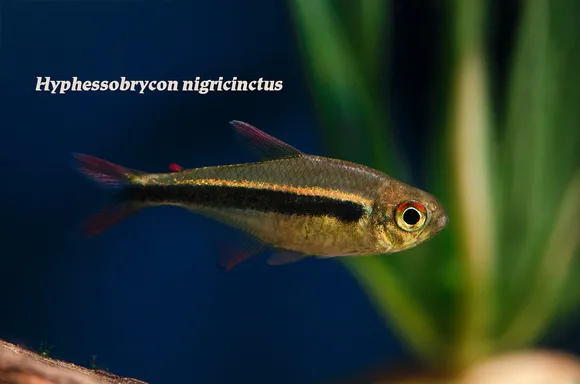 1.6 in (4 cm)15 gal (55 L)72–81°F (22–27°C)
Madre de Dios tetra
Hyphessobrycon nigricinctus
1.6 in (4 cm) · 15 gal (55 L)
 1.6 in (4 cm)16 gal (60 L)72–81°F (22–27°C)
Parrot tetra
Hyphessobrycon psittacus
1.6 in (4 cm) · 16 gal (60 L)