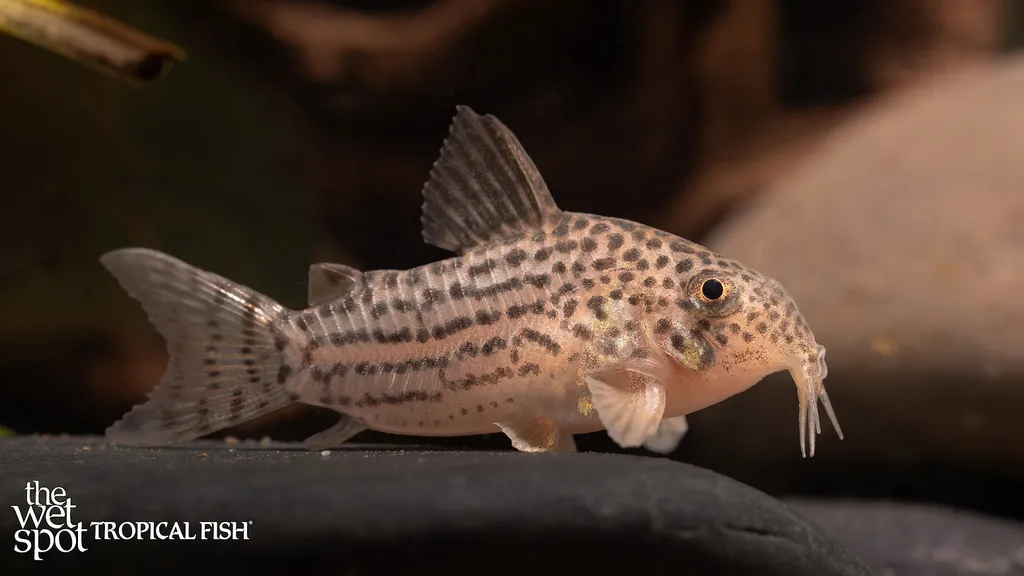
Boeseman's cory
Hoplisoma boesemani
Also known as Corydoras boesemani, Boeseman's catfish
FreshwaterFish
Care at a glance
- Temperature
- 73–81°F
- 23–27°C
- pH
- 5.8–7.2
- Adult size
- 2.2 in
- 5.5 cm
- Minimum tank
- 16 gal
- 60 L
- Temperament
- Peaceful
- Social behavior
- Shoaling
- Swim level
- Bottom
- Difficulty
- Medium
- Breeding
- Hard
- Rarity
- Rare
- Family
- Callichthyidae
- Origin
- Coastal rivers of Suriname
Overview
Boeseman's cory is a peaceful little catfish for the bottom of a soft-water community tank. It is best kept by someone with a little experience.
Caring for the Boeseman's cory
Keep Boeseman's cories in a shoal of at least six, in 16 gal (60 L) or larger over soft sand. Add wood and leaves to the sand bed.
Most fish in the trade are pricey wild imports, so acclimate them slowly. Keep the water spotless, clean and rich in oxygen, at 73 to 81°F (23 to 27°C) and a pH of 5.8 to 7.2. They eat sinking granules, wafers and frozen foods without fuss.
Boeseman's cories are peaceful bottom dwellers and safe with other community fish. Breeding reports are rare, and breeding them is hard. The few reports follow the standard cory method of a cool water change.
Good to know
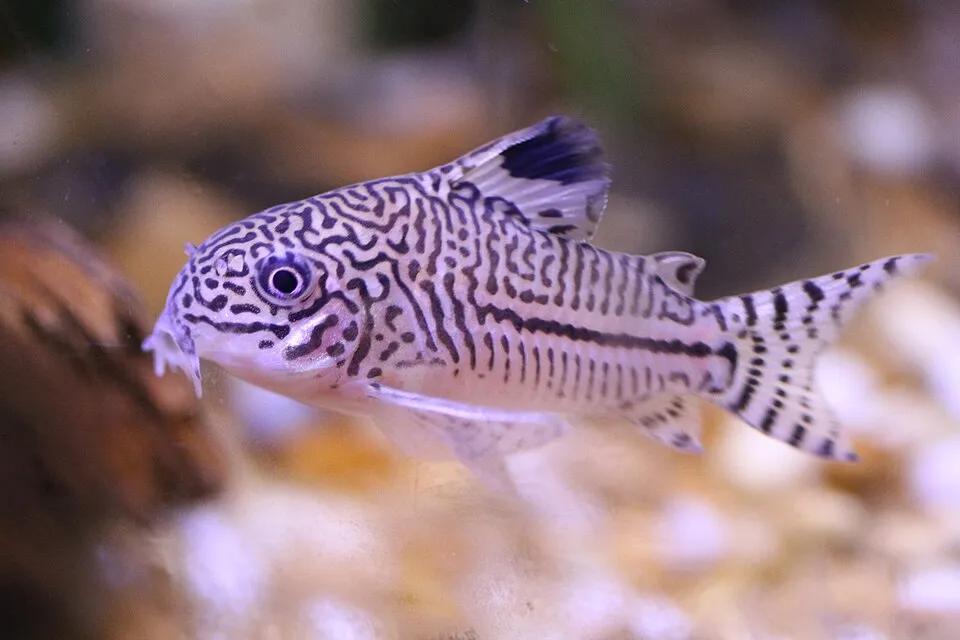
Nijssen and Isbrücker described Boeseman's cory in 1967, honoring the Dutch ichthyologist Marinus Boeseman. The 2024 revision moves it from Corydoras to Hoplisoma. Its pattern of a dark saddle and reticulated flanks varies noticeably between river populations.
In the wild
Boeseman's cory lives in the coastal river systems of Suriname, in clear and tea-stained creeks over sand and fine gravel. It is a Guiana Shield fish.
Weekly picks
Tank mates
The Boeseman's cory is a peaceful, shoaling species that keeps to the bottom. These picks share a community profile with it, are safe together in both directions, and overlap on water type, temperature and pH.
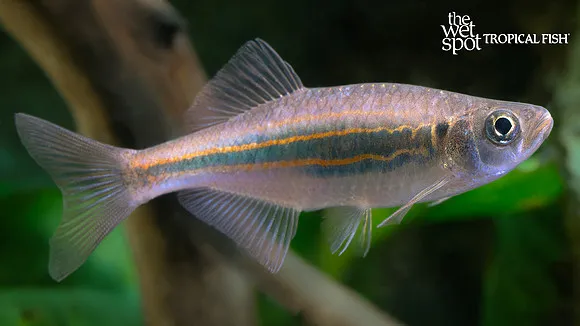
Brittan's rasbora
Kottelatia brittani
Freshwater2.4 in (6 cm) · 16 gal (60 L)68–79°F (20–26°C)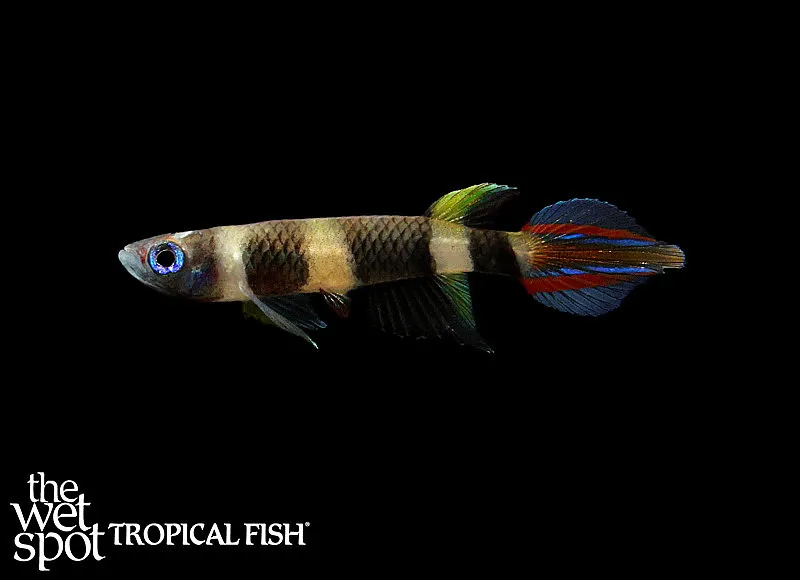
Clown killifish
Epiplatys annulatus
Freshwater1.4 in (3.5 cm) · 15 gal (55 L)68–79°F (20–26°C)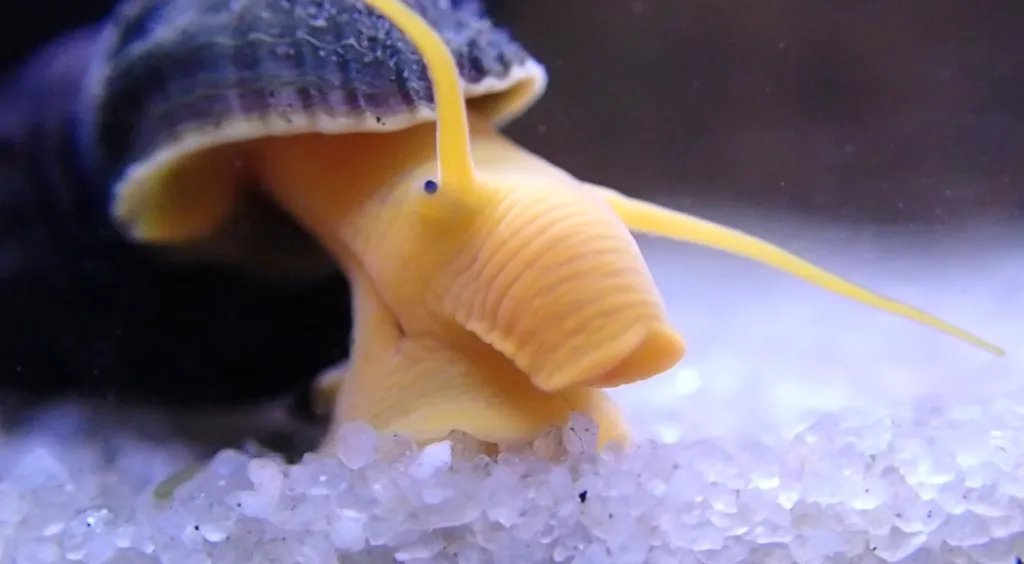
Gold rabbit snail
Tylomelania gemmifera
Freshwater2.8 in (7 cm) · 16 gal (60 L)75–82°F (24–28°C)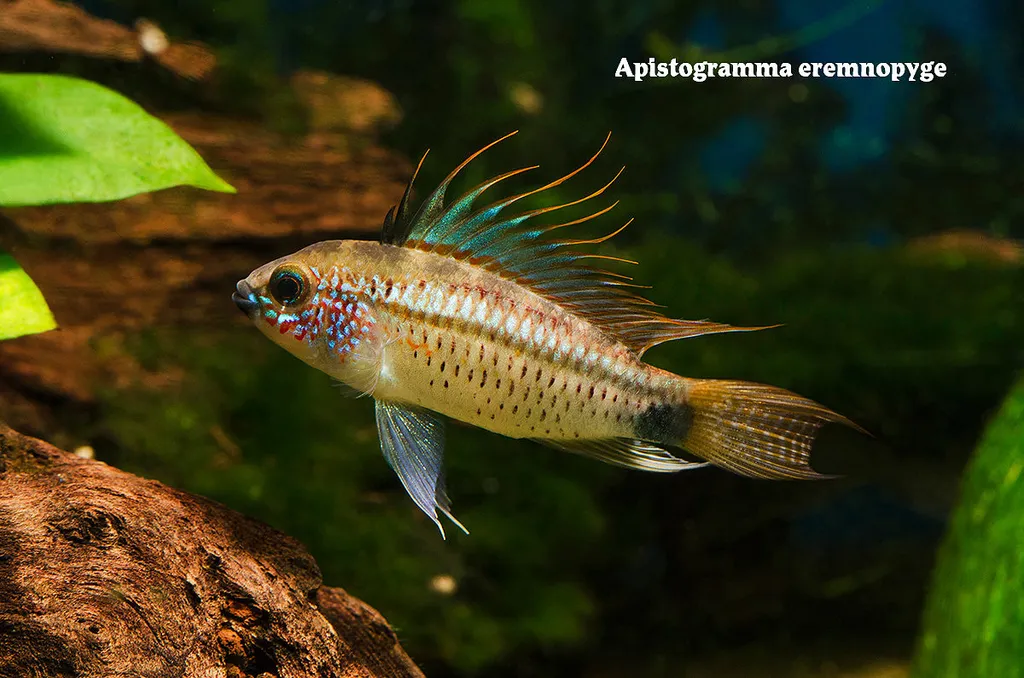
Fire-tail dwarf cichlid
Apistogramma eremnopyge
Freshwater1.8 in (4.5 cm) · 16 gal (60 L)73–81°F (23–27°C)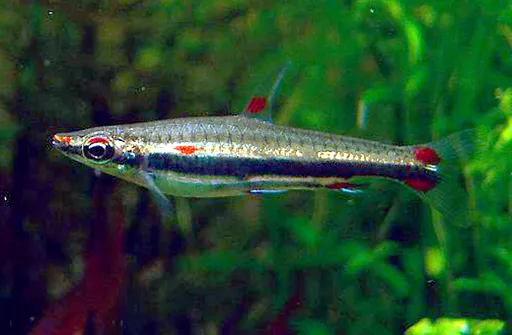
Harrison's pencilfish
Nannostomus harrisoni
Freshwater2.2 in (5.5 cm) · 16 gal (60 L)73–82°F (23–28°C)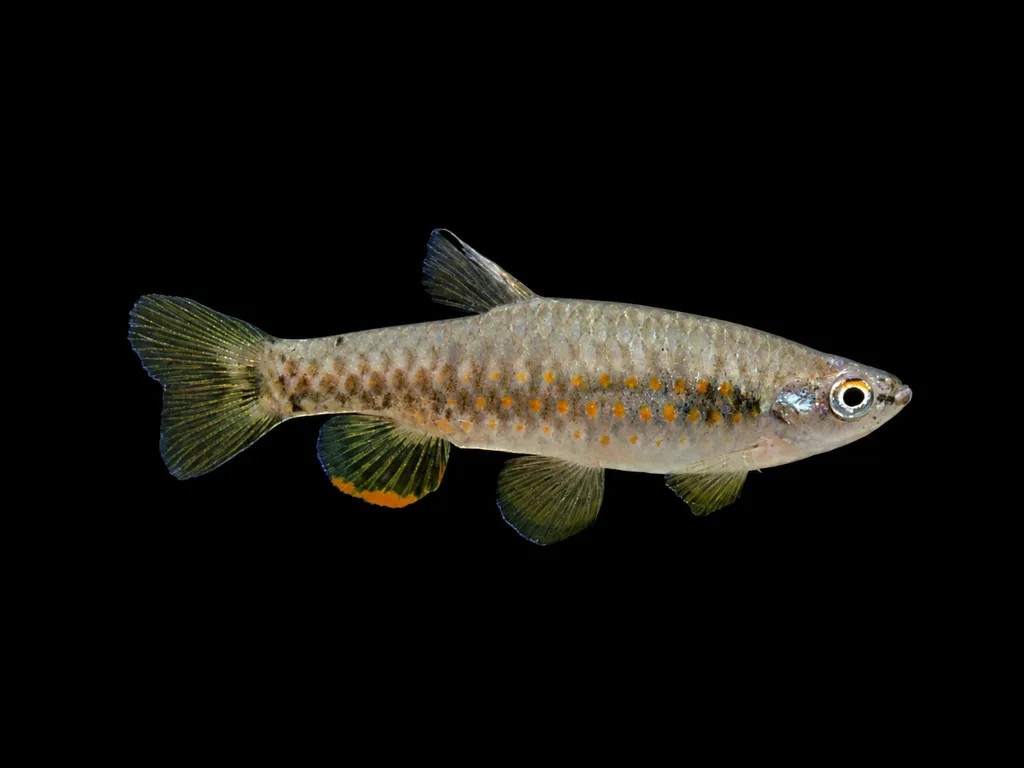
Fanning characin
Pyrrhulina rachoviana
Freshwater2 in (5 cm) · 16 gal (60 L)68–79°F (20–26°C)
Common questions
What size tank does a Boeseman's cory need?
A Boeseman's cory needs at least 16 gal (60 L). It spends most of its time in the bottom.
What temperature and pH does a Boeseman's cory need?
A Boeseman's cory is comfortable at 73–81°F (23–27°C) with a pH of 5.8–7.2.
What does a Boeseman's cory eat?
A Boeseman's cory eats sinking granules, wafers and frozen foods without fuss.
How big does a Boeseman's cory get?
An adult Boeseman's cory reaches about 2.2 in (5.5 cm).
Does a Boeseman's cory need a group?
Yes. A Boeseman's cory is a shoaling species and should be kept in a group, not singly.
How does a Boeseman's cory breed?
Boeseman's cories are rarely bred, and breeding them is hard. The few reports use the standard cory method, a cool water change.
Related species
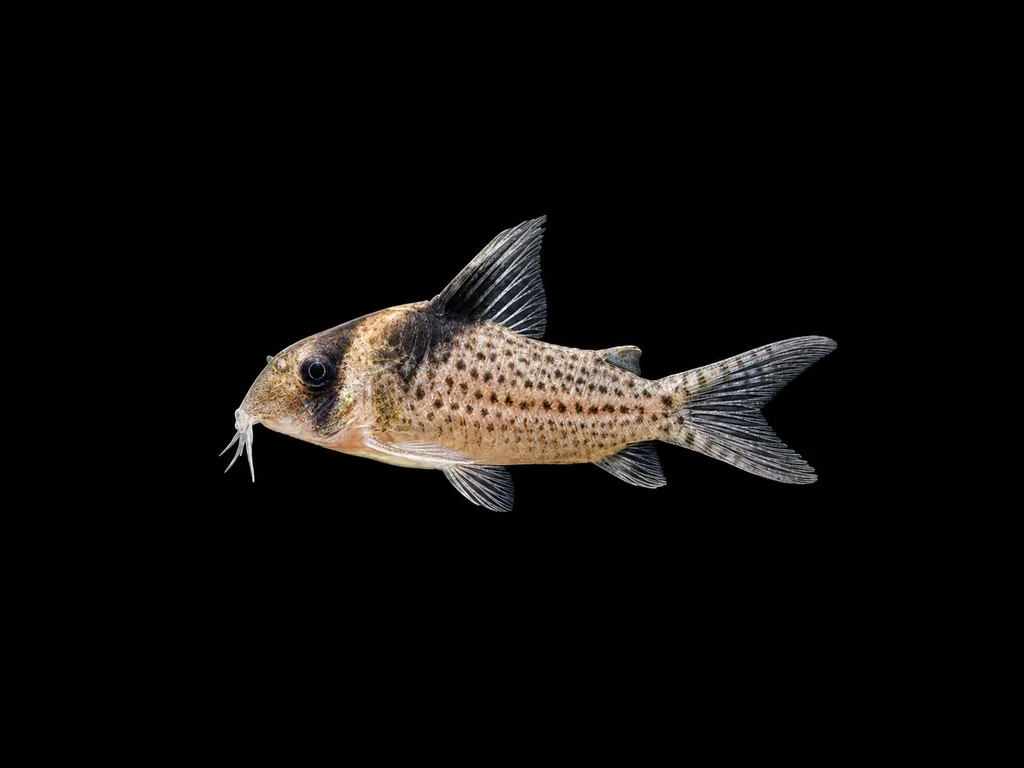 2.2 in (5.5 cm)16 gal (60 L)72–79°F (22–26°C)
Bluespotted cory
Hoplisoma melanistium
2.2 in (5.5 cm) · 16 gal (60 L)
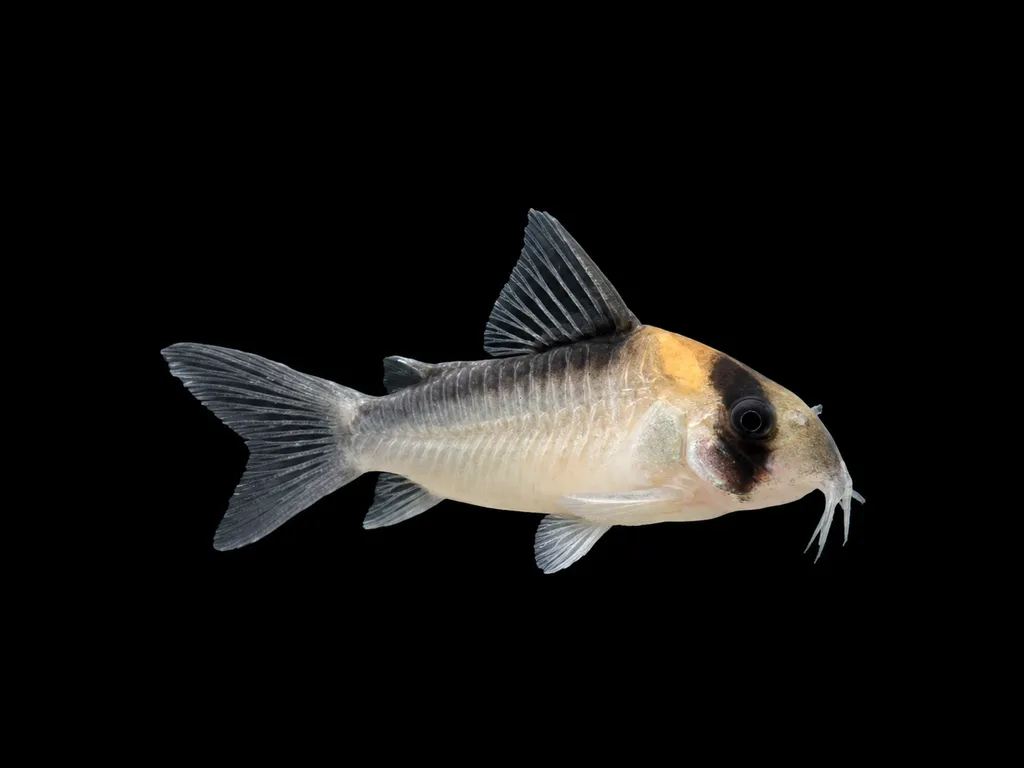 2.2 in (5.5 cm)20 gal (75 L)72–79°F (22–26°C)
Burgess's cory
Hoplisoma burgessi
2.2 in (5.5 cm) · 20 gal (75 L)
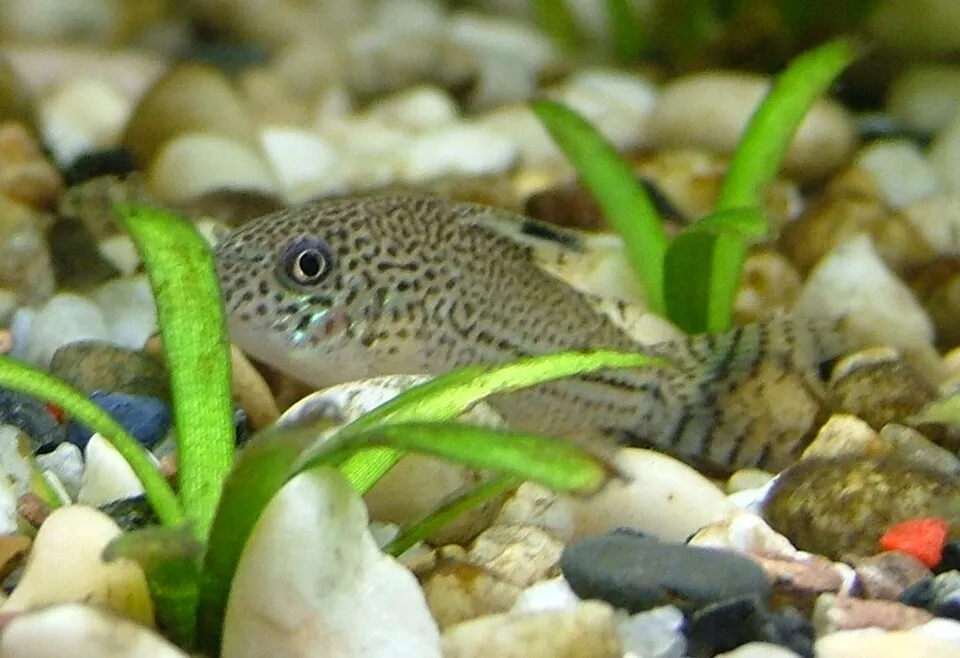 2.2 in (5.5 cm)20 gal (75 L)68–79°F (20–26°C)
Julii cory
Hoplisoma julii
2.2 in (5.5 cm) · 20 gal (75 L)
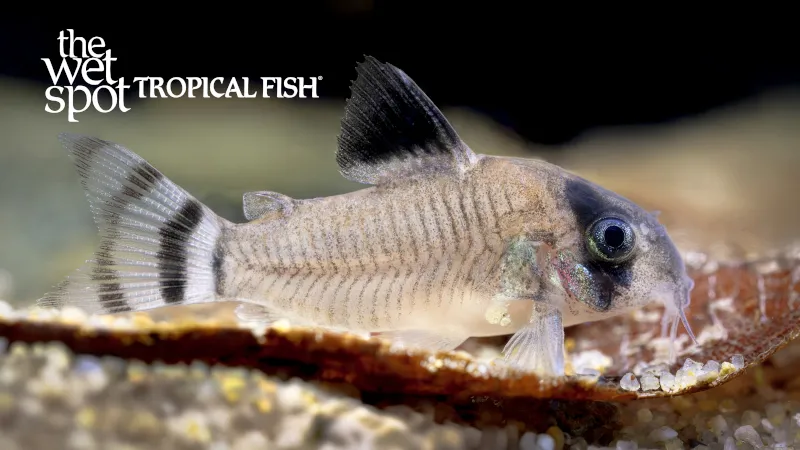 2.2 in (5.5 cm)20 gal (75 L)73–79°F (23–26°C)
Oiapoque cory
Hoplisoma oiapoquense
2.2 in (5.5 cm) · 20 gal (75 L)
 2.2 in (5.5 cm)16 gal (60 L)73–81°F (23–27°C)
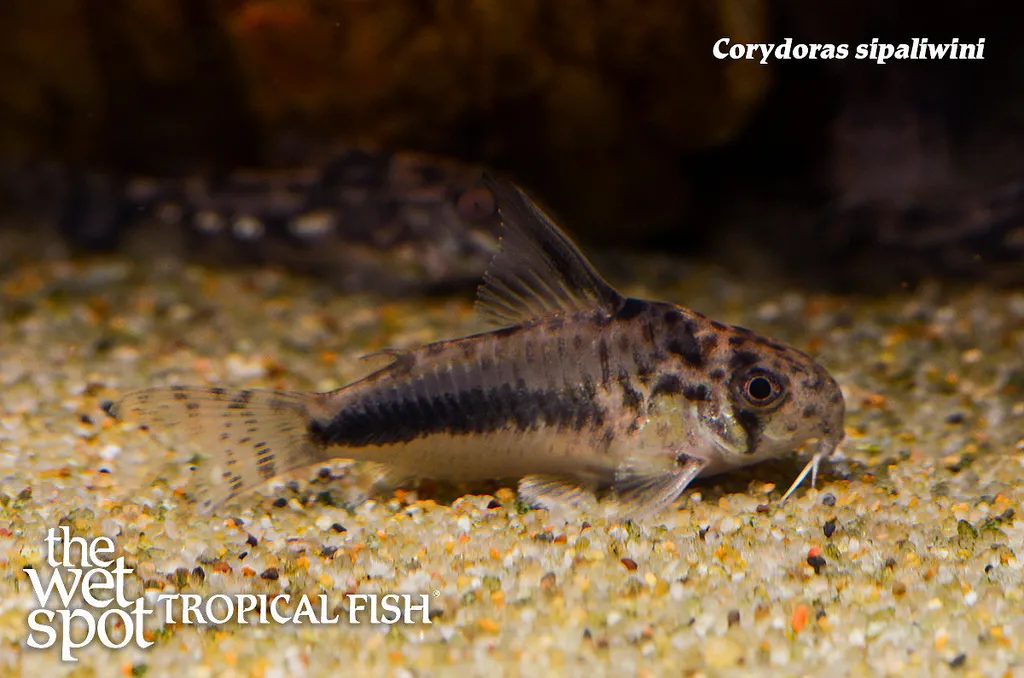
Sipaliwini cory
Hoplisoma sipaliwini
2.2 in (5.5 cm) · 16 gal (60 L)
 2.2 in (5.5 cm)16 gal (60 L)72–81°F (22–27°C)
Threestripe cory
Hoplisoma trilineatum
2.2 in (5.5 cm) · 16 gal (60 L)