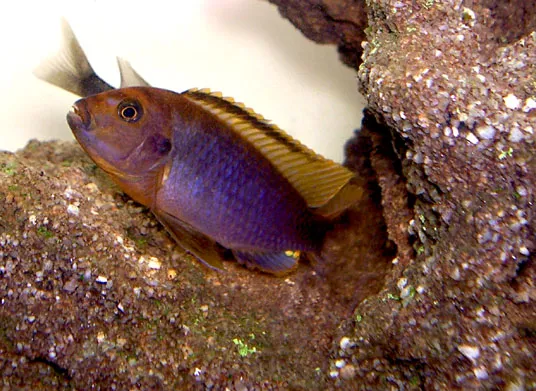
Rusty cichlid
Iodotropheus sprengerae
Also known as lavender cichild
FreshwaterFish
Care at a glance
- Temperature
- 77–84°F
- 25–29°C
- pH
- 7.5–8.5
- Adult size
- 3.9 in
- 10 cm
- Minimum tank
- 24 gal
- 90 L
- Temperament
- Peaceful
- Social behavior
- Social
- Swim level
- Middle
- Difficulty
- Easy
- Breeding
- Medium
- Rarity
- Rare
- Family
- Cichlidae
- Origin
- Lake Malawi
Overview
Rusty cichlids are among the calmer mbuna, but they still hold territory, so keep them in a group with more females than males and give them a tank of around 90 liters or more. They sit in the middle and lower levels, working the rocks for food. Their diet should lean heavily on algae and vegetable matter, with spirulina-based flake or pellets and only occasional protein like brine shrimp. Keep the water hard and alkaline, pH about 7.5 to 8.5, in the mid to high 20s C.
In the wild
Rusty cichlids live along the rocky shorelines of Lake Malawi in East Africa. They stick to shallow, rock-strewn zones where they graze algae off the stones and dart into crevices for cover. The lake water is hard and alkaline, so match that with hard water, a high pH, and plenty of rockwork stacked into caves and passages. Open sand between the rock piles gives them room to forage.
Good to know
This is a mbuna cichlid in the family Cichlidae, reaching about 10 cm. It is a maternal mouthbrooder, with the female holding fertilized eggs and fry in her mouth until they are ready to swim free. Color runs to a rusty brown with a lavender cast rather than the bold patterns of many mbuna. Wild populations are currently considered stable.
Did you know
They are one of the better starter mbuna because their mild temperament lets them mix with other peaceful Malawi cichlids that would get bullied in a tank full of more aggressive species. Their rusty color also deepens toward purple during active social moments.
Weekly picks
Tank mates
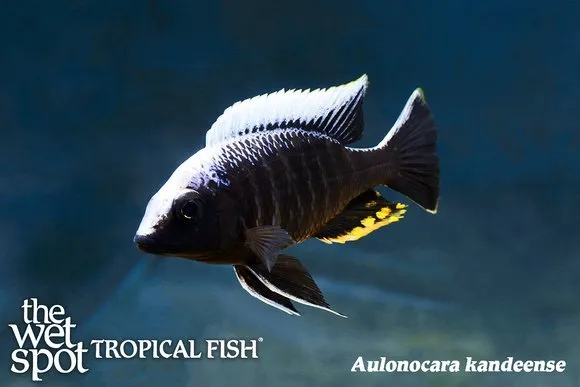
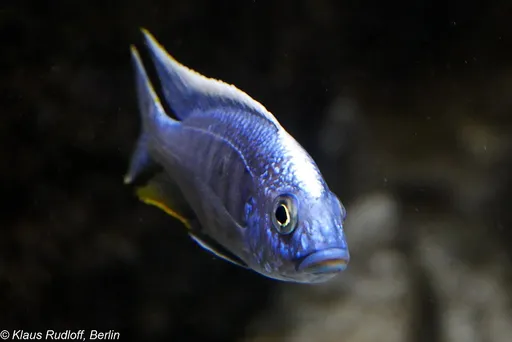
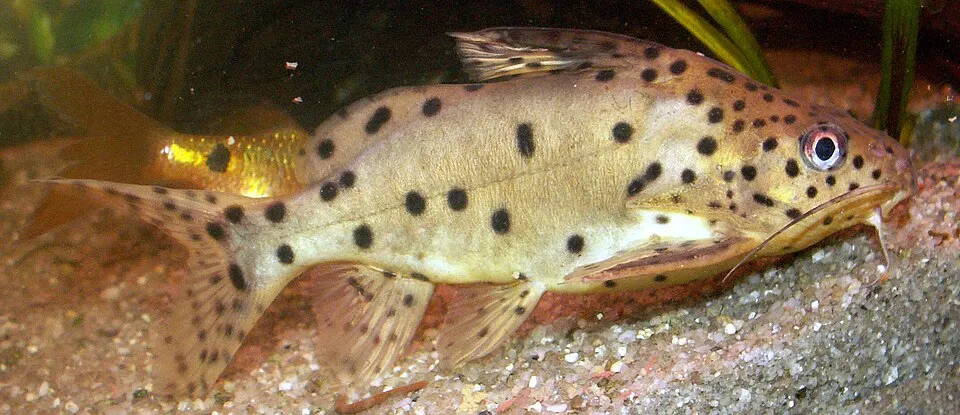
Rusty cichlid is a peaceful, social species that keeps to the middle. These picks share a community profile with it, are safe together in both directions, and overlap on water type, temperature and pH.
Common questions
What size tank does a Rusty cichlid need?
A Rusty cichlid needs at least 24 gal (90 L). It spends most of its time in the middle.
What temperature and pH does a Rusty cichlid need?
A Rusty cichlid is comfortable at 77–84°F (25–29°C) with a pH of 7.5–8.5.
How big does a Rusty cichlid get?
An adult Rusty cichlid reaches about 3.9 in (10 cm).
Related species
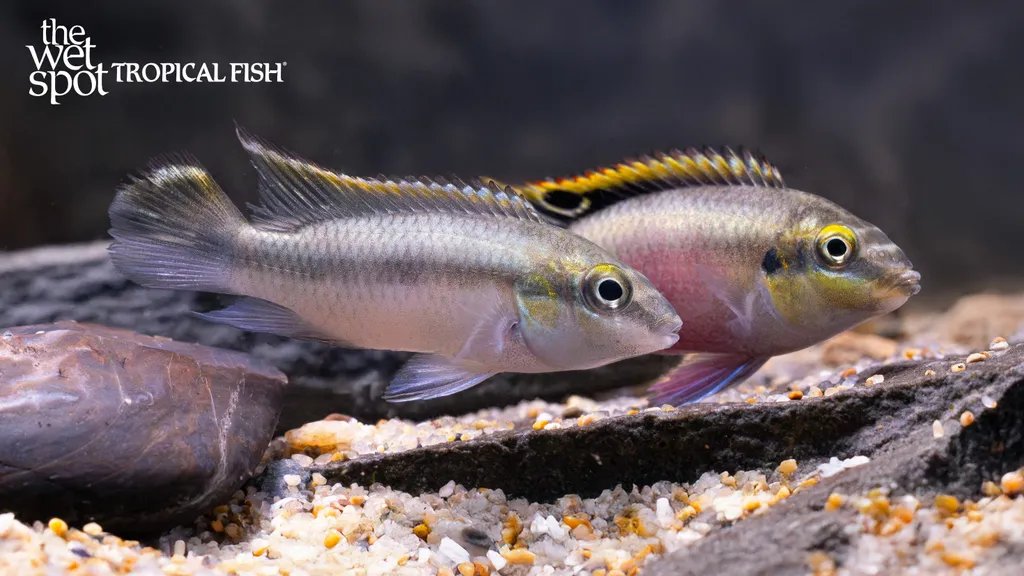 3.9 in (10 cm)20 gal (75 L)75–81°F (24–27°C)
Kribensis
Pelvicachromis pulcher
3.9 in (10 cm) · 20 gal (75 L)
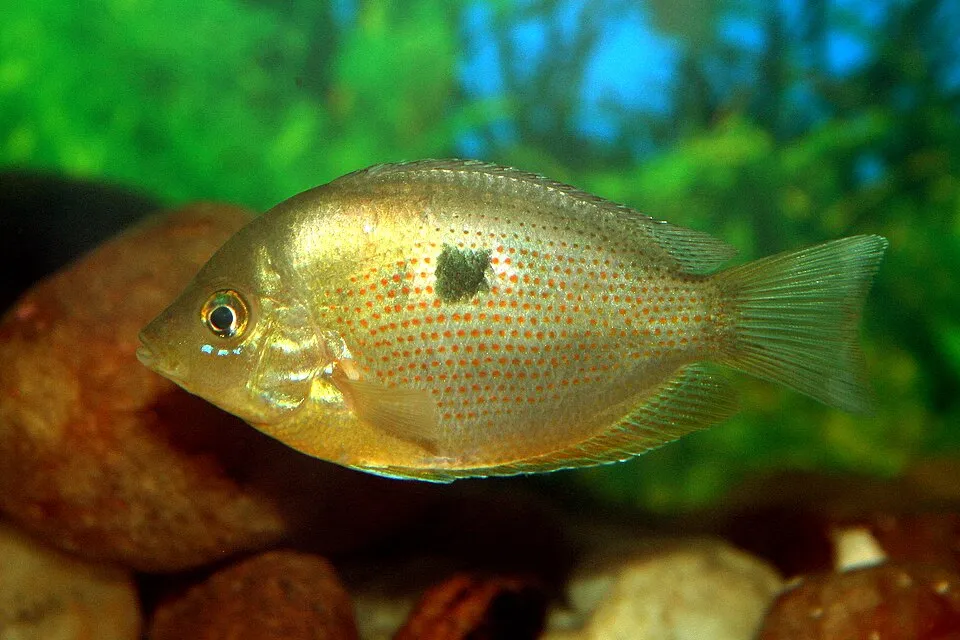 3.9 in (10 cm)55 gal (210 L)68–82°F (20–28°C)
Orange chromide
Etroplus maculatus
3.9 in (10 cm) · 55 gal (210 L)
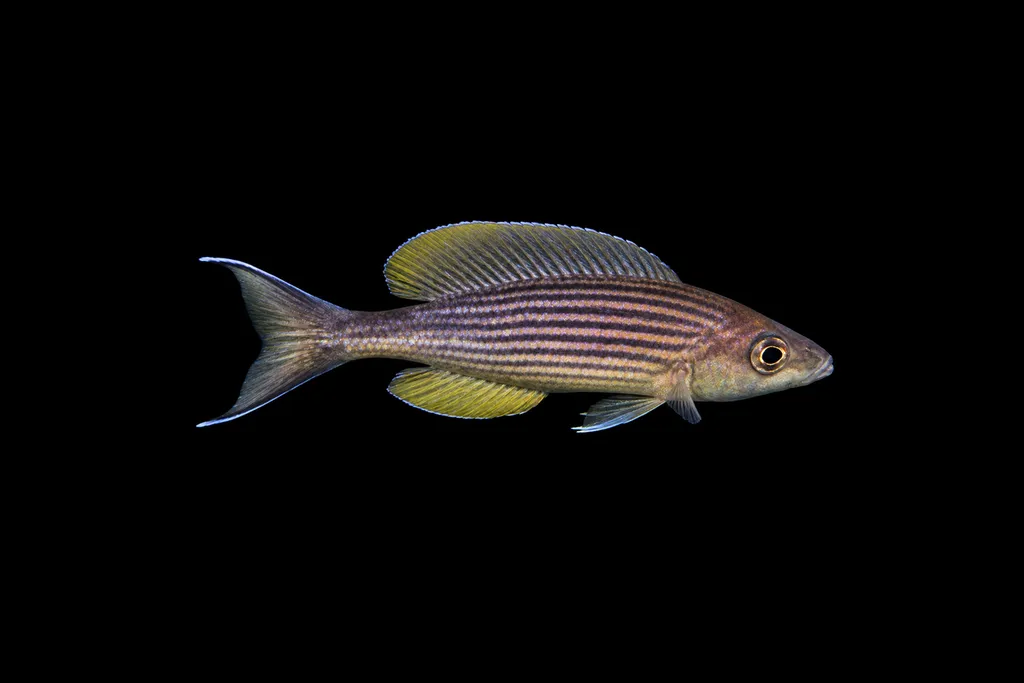 3.9 in (10 cm)79 gal (300 L)75–81°F (24–27°C)
Zebra sardine cichlid
Cyprichromis zonatus
3.9 in (10 cm) · 79 gal (300 L)
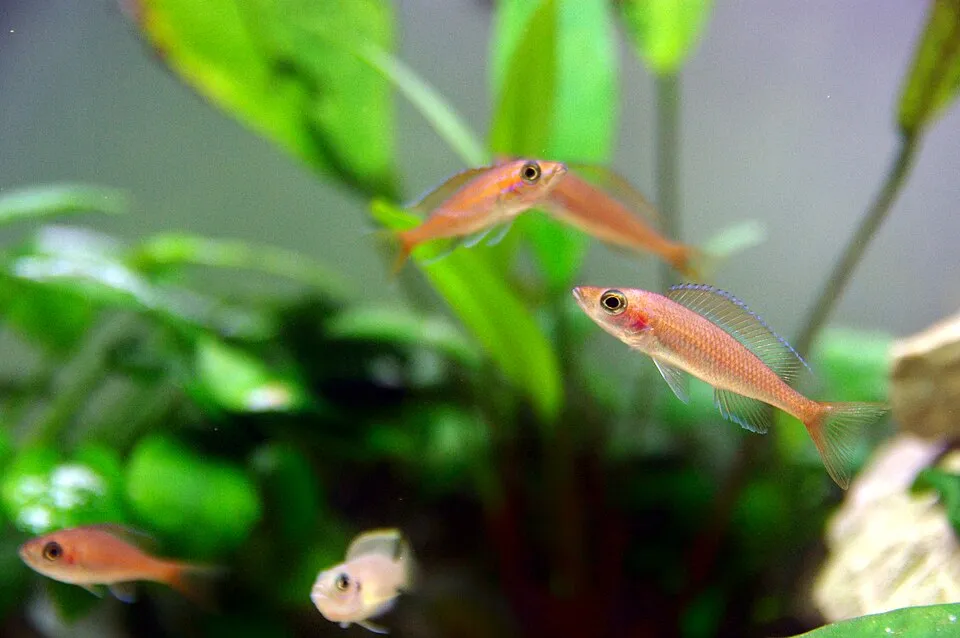 4.3 in (11 cm)48 gal (180 L)75–81°F (24–27°C)
Blue neon cichlid
Paracyprichromis nigripinnis
4.3 in (11 cm) · 48 gal (180 L)
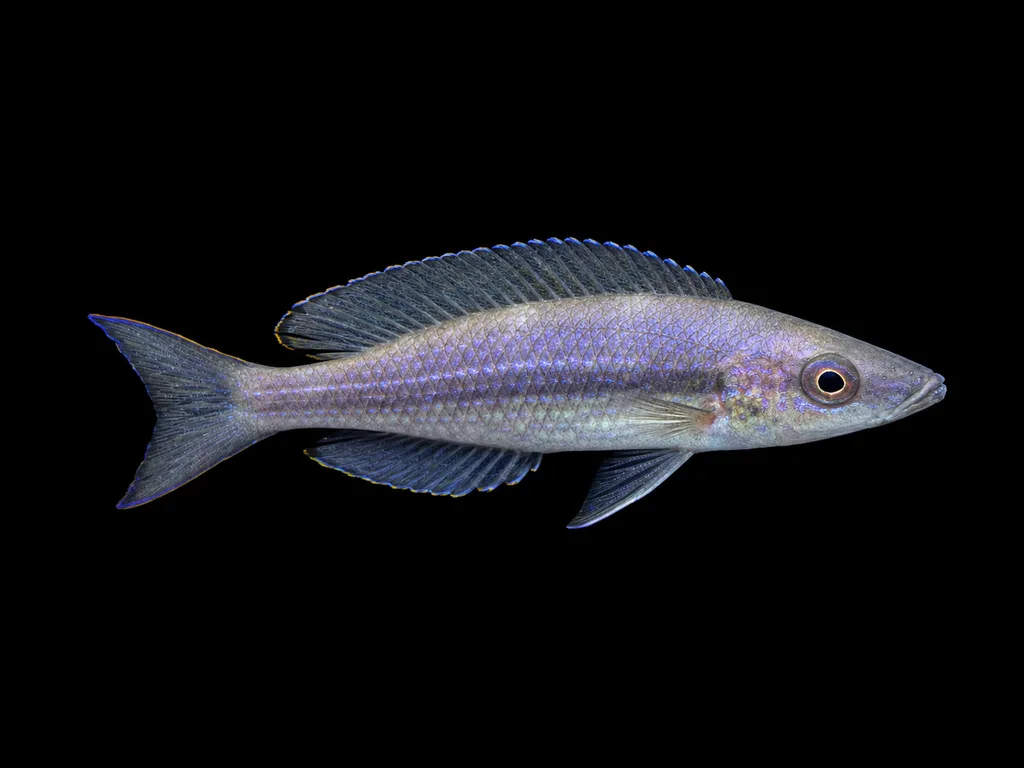 4.3 in (11 cm)66 gal (250 L)75–81°F (24–27°C)
Brien's cichlid
Paracyprichromis brieni
4.3 in (11 cm) · 66 gal (250 L)
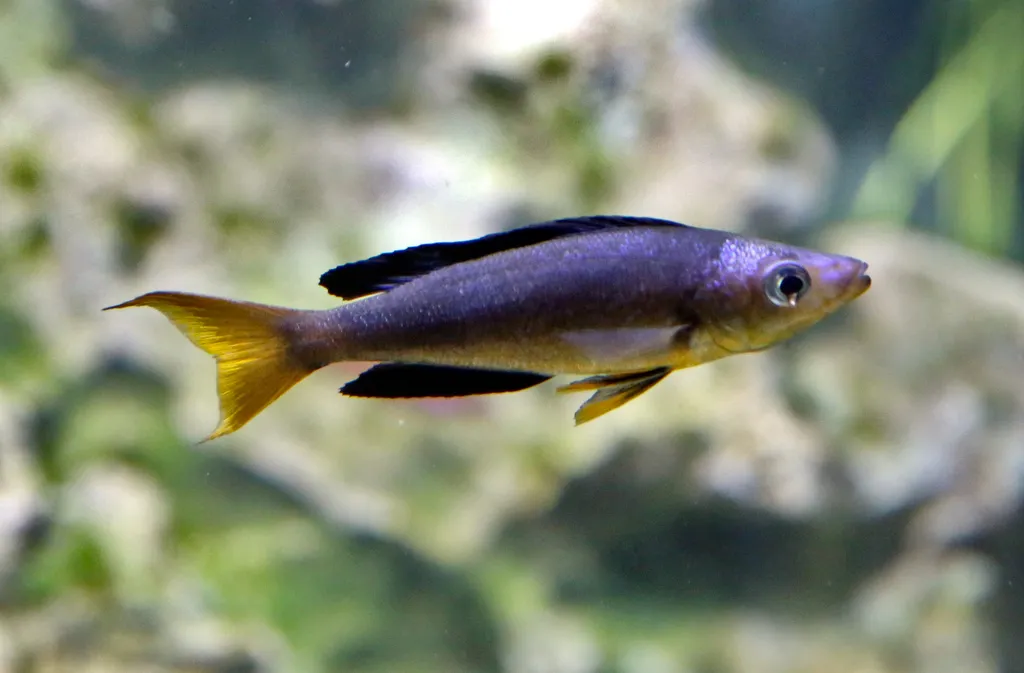 4.3 in (11 cm)79 gal (300 L)75–81°F (24–27°C)
Finescale cyprichromis
Cyprichromis microlepidotus
4.3 in (11 cm) · 79 gal (300 L)