Finescale cyprichromis
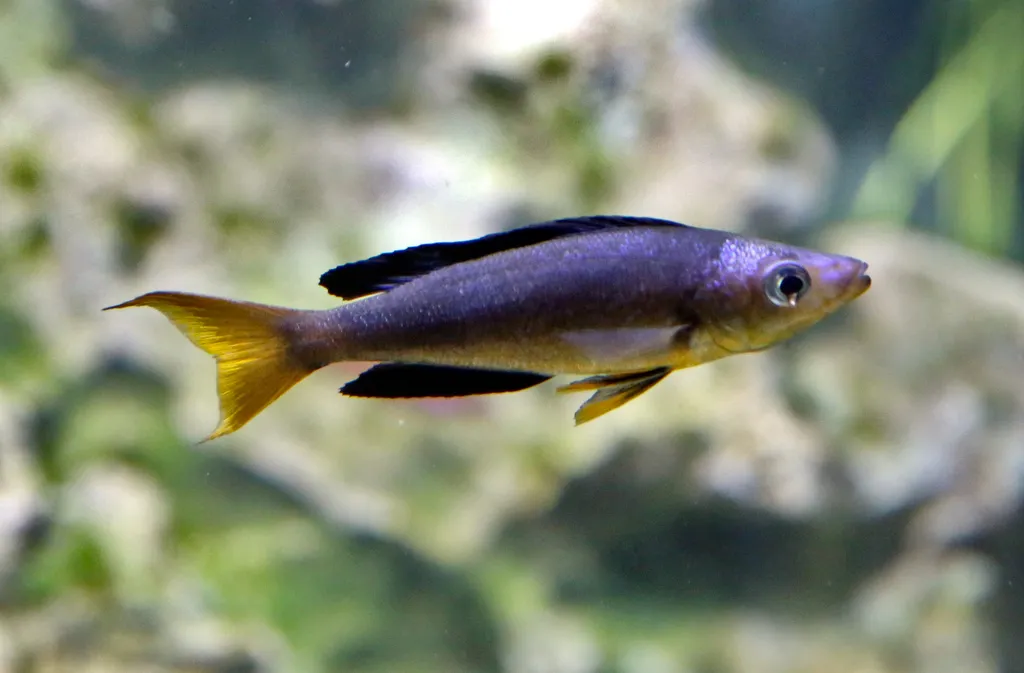
Cyprichromis microlepidotus
Also known as Smallscale sardine cichlid
FreshwaterFish
Care at a glance
- Temperature
- 75–81°F
- 24–27°C
- pH
- 7.8–9.0
- Adult size
- 4.3 in
- 11 cm
- Minimum tank
- 79 gal
- 300 L
- Temperament
- Peaceful
- Social behavior
- Schooling
- Swim level
- Middle
- Difficulty
- Medium
- Breeding
- Mouthbrooder · Medium
- Rarity
- Rare
- Family
- Cichlidae
- Origin
- Lake Tanganyika, northern basin
Overview
The finescale cyprichromis is a peaceful schooling cichlid that spends its life up in the water column. It is best with a little experience.
Did you know
The finescale cyprichromis lives and breeds in open water, so the female never lets her eggs fall. She catches them in her mouth in mid-water as she lays, then broods the whole clutch without ever touching down.
Caring for the finescale cyprichromis
Give a shoal of finescale cyprichromis a tall tank of at least 79 gal (300 L). Put rockwork along the back and sides, and leave lots of open water in front for the shoal to hover in. They live up in the column and never really settle on the bottom.
Keep the water hard and alkaline like the lake, at 75 to 81°F (24 to 27°C) and a pH of 7.8 to 9.0. It should stay clean and well oxygenated. Feed small foods that stay suspended, such as frozen cyclops, brine shrimp and fine flake or micropellets they can catch in mid-water.
Keep a proper shoal of a dozen or more, since bigger groups look and behave best and there is no upper limit. They are peaceful and no threat to tank mates. Since they hang in the middle and upper water, pair them with rock-dwelling Tanganyikans below to fill the tank from top to bottom.
The finescale cyprichromis is a maternal mouthbrooder that spawns in open water. Breeding it is a moderate undertaking once the shoal has settled.
Good to know
The finescale cyprichromis is a sardine cichlid in the family Cichlidae. It has the finest scales in its genus, and its name microlepidotus means small-scaled. Males split a school into rival colors, with blue, violet and gold showing across different forms.
In the wild
Cyprichromis microlepidotus schools in open water against the rocky cliffs at the northern end of Lake Tanganyika. It hangs above and just off the rock rather than on the sand.
Weekly picks
Tank mates
The finescale cyprichromis is a peaceful, schooling species that keeps to the middle. These picks share a community profile with it, are safe together in both directions, and overlap on water type, temperature and pH.
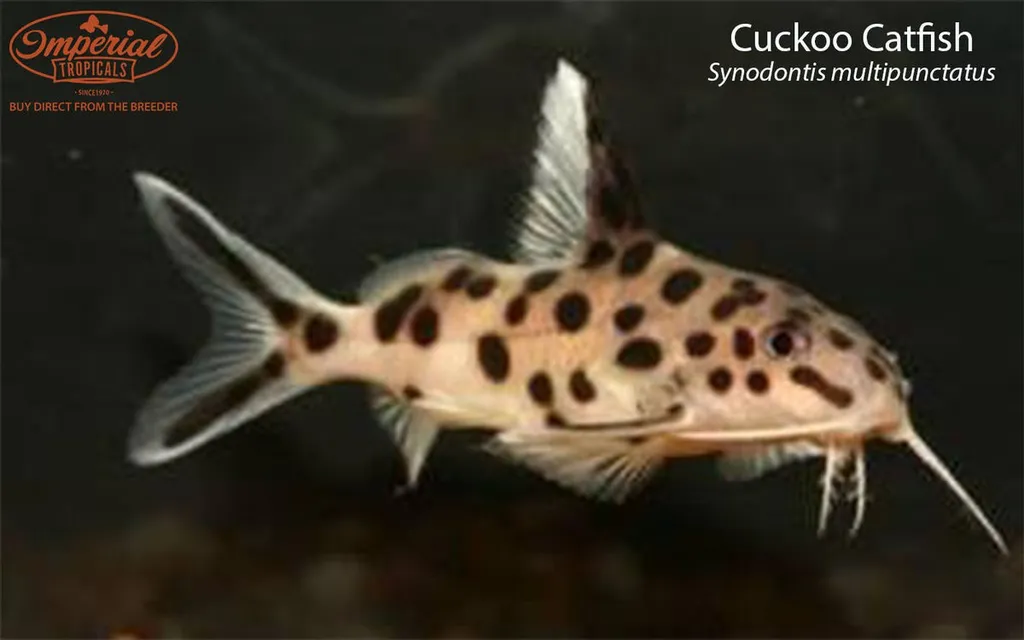
Cuckoo squeaker
Synodontis multipunctatus
Freshwater7.1 in (18 cm) · 29 gal (110 L)75–82°F (24–28°C)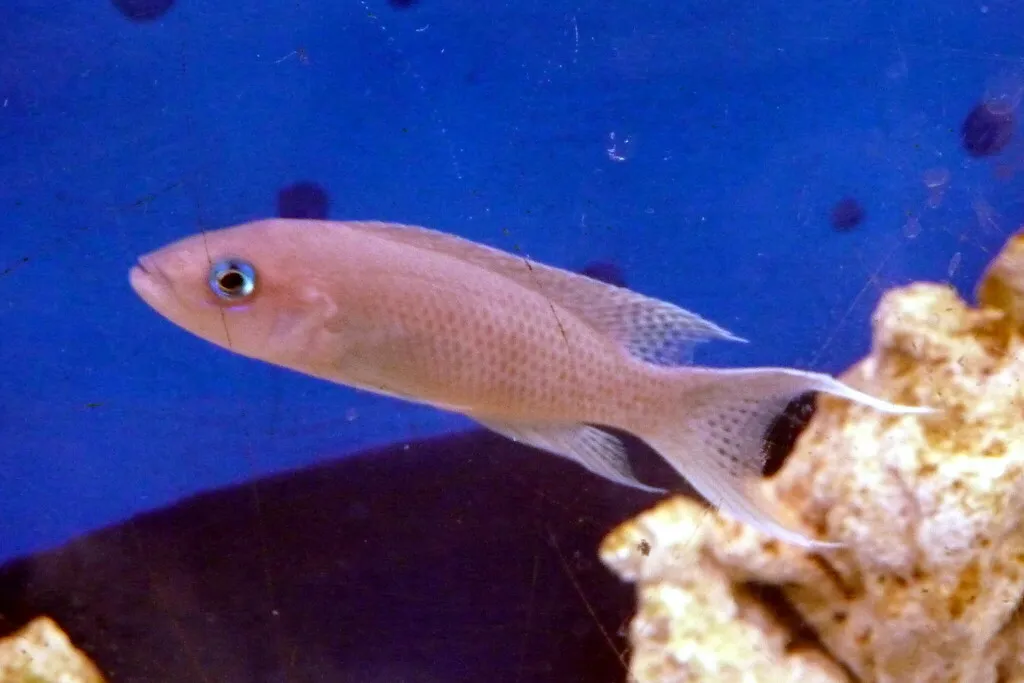
Graceful lamprologus
Neolamprologus gracilis
Freshwater3.5 in (9 cm) · 42 gal (160 L)75–81°F (24–27°C)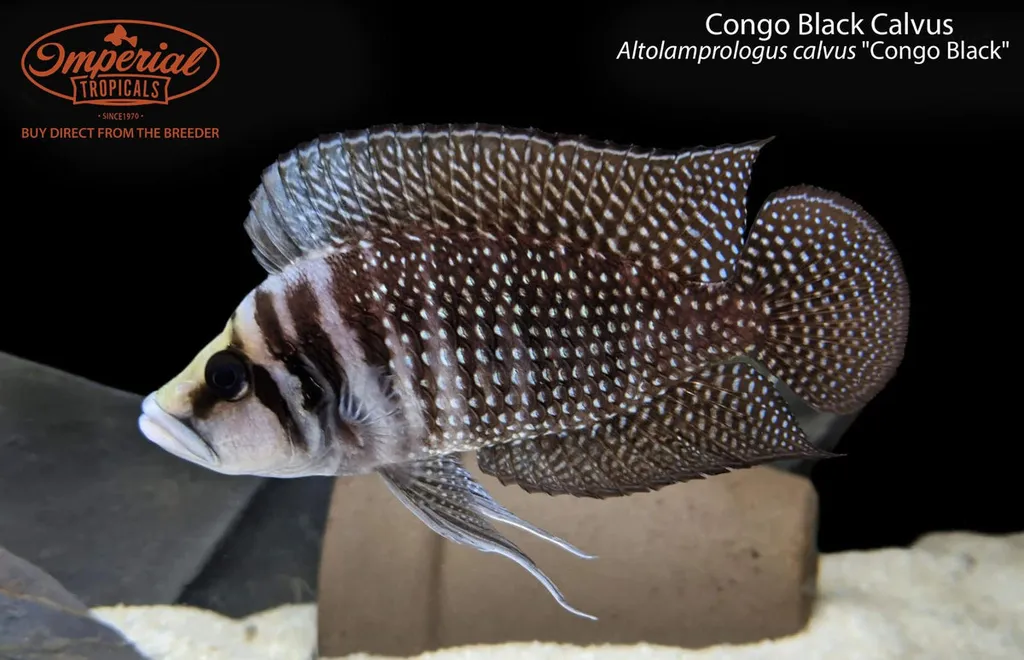
Black calvus
Altolamprologus calvus
Freshwater5.1 in (13 cm) · 53 gal (200 L)75–81°F (24–27°C)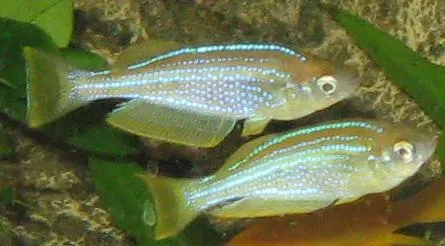
Tanganyika killifish
Lamprichthys tanganicanus
Freshwater5.5 in (14 cm) · 40 gal (150 L)73–77°F (23–25°C)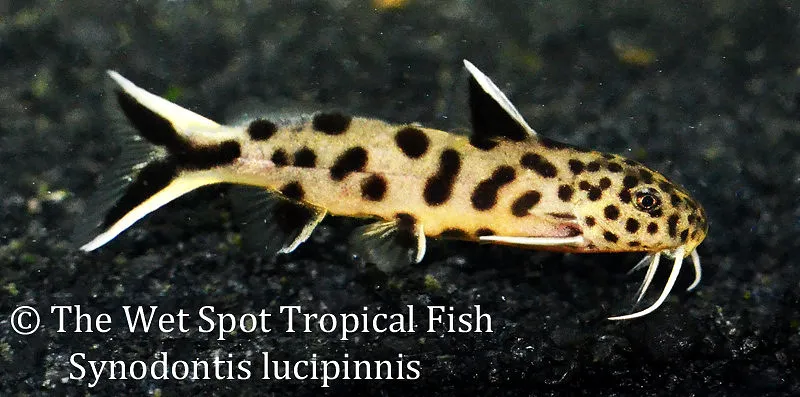
Dwarf petricola
Synodontis lucipinnis
Freshwater3.9 in (10 cm) · 30 gal (114 L)73–81°F (23–27°C)
Common questions
What size tank does a finescale cyprichromis need?
A finescale cyprichromis needs at least 79 gal (300 L). It spends most of its time in the middle.
What temperature and pH does a finescale cyprichromis need?
A finescale cyprichromis is comfortable at 75–81°F (24–27°C) with a pH of 7.8–9.0.
What does a finescale cyprichromis eat?
A finescale cyprichromis eats small foods that stay suspended in the water, such as frozen cyclops, brine shrimp and fine flake or micropellets.
How big does a finescale cyprichromis get?
An adult finescale cyprichromis reaches about 4.3 in (11 cm).
Does a finescale cyprichromis need a group?
Yes. A finescale cyprichromis is a schooling species and should be kept in a group, not singly.
How does a finescale cyprichromis breed?
The finescale cyprichromis is a maternal mouthbrooder that spawns in open water. Breeding it is a moderate undertaking once the shoal has settled.
Related species
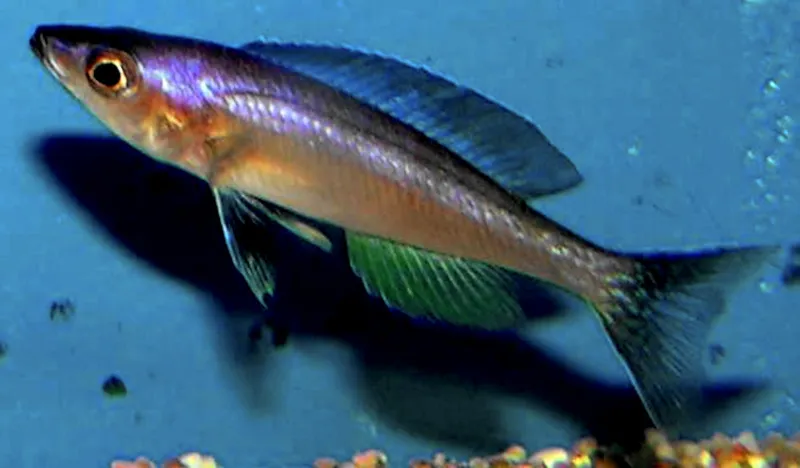 4.3 in (11 cm)63 gal (240 L)75–81°F (24–27°C)
Sardine cichlid
Cyprichromis leptosoma
4.3 in (11 cm) · 63 gal (240 L)
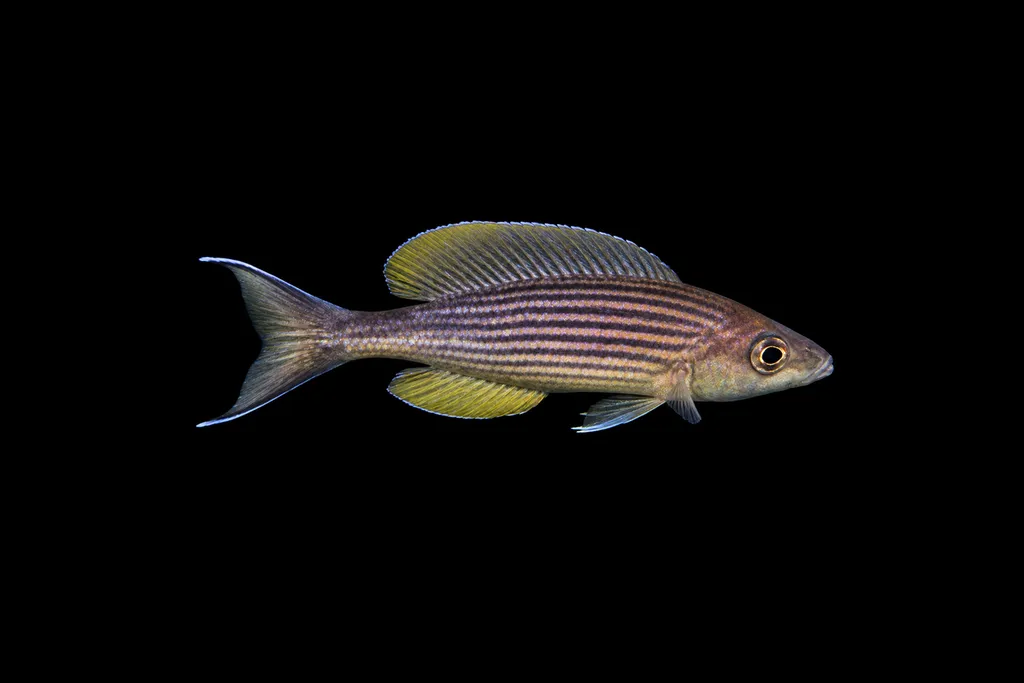 3.9 in (10 cm)79 gal (300 L)75–81°F (24–27°C)
Zebra sardine cichlid
Cyprichromis zonatus
3.9 in (10 cm) · 79 gal (300 L)
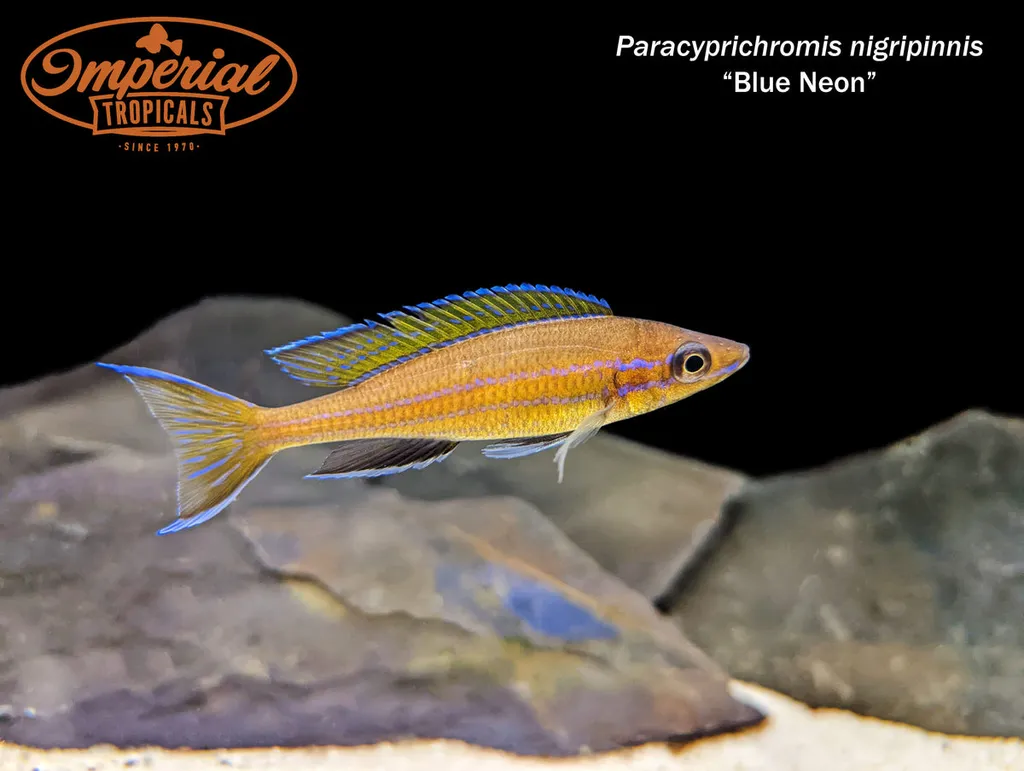 4.3 in (11 cm)48 gal (180 L)75–81°F (24–27°C)
Blue neon cichlid
Paracyprichromis nigripinnis
4.3 in (11 cm) · 48 gal (180 L)
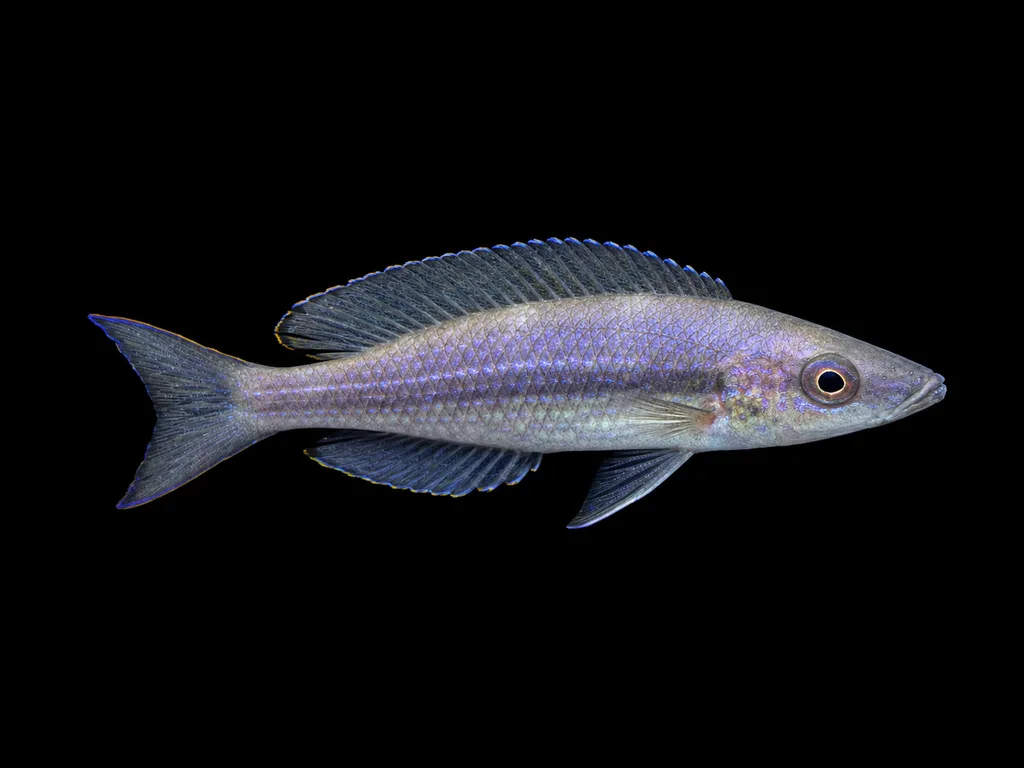 4.3 in (11 cm)66 gal (250 L)75–81°F (24–27°C)
Brien's cichlid
Paracyprichromis brieni
4.3 in (11 cm) · 66 gal (250 L)
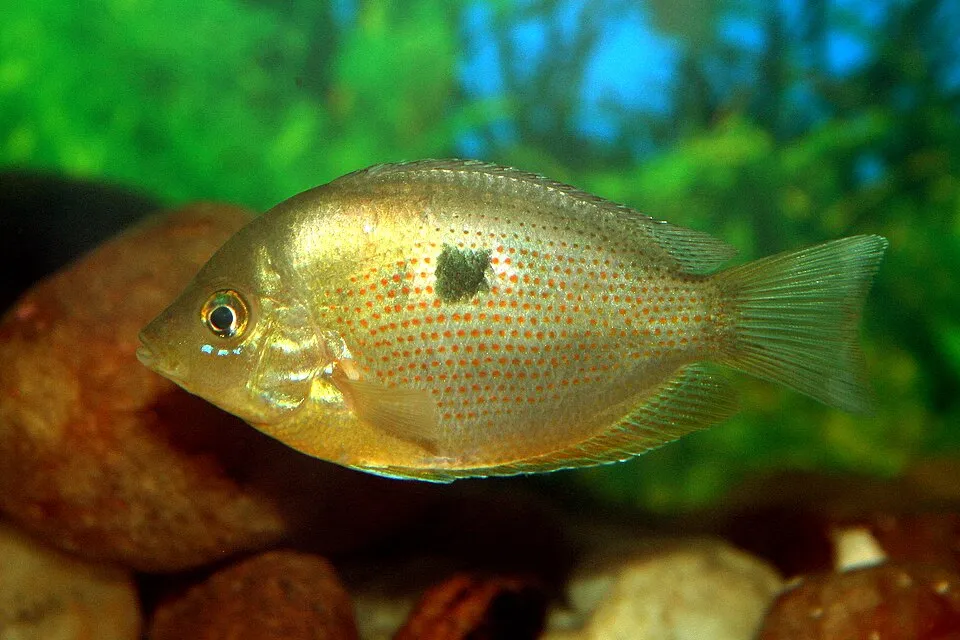 3.9 in (10 cm)55 gal (210 L)68–82°F (20–28°C)
Orange chromide
Etroplus maculatus
3.9 in (10 cm) · 55 gal (210 L)
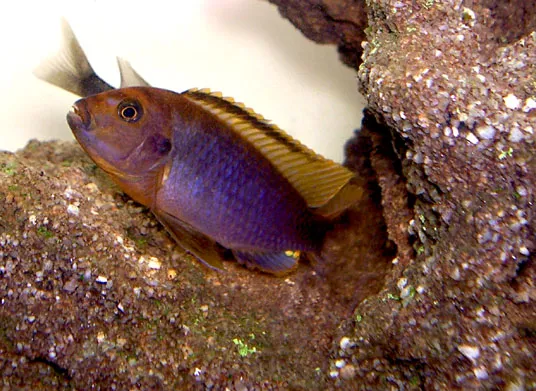 3.9 in (10 cm)24 gal (90 L)77–84°F (25–29°C)
Rusty cichlid
Iodotropheus sprengerae
3.9 in (10 cm) · 24 gal (90 L)