Graceful lamprologus
Neolamprologus gracilis
Also known as Lamprologus gracilis
FreshwaterFish
Care at a glance
- Temperature
- 75–81°F
- 24–27°C
- pH
- 7.8–9.0
- Adult size
- 3.5 in
- 9 cm
- Minimum tank
- 42 gal
- 160 L
- Temperament
- Mostly peaceful
- Social behavior
- Social
- Swim level
- Middle
- Difficulty
- Medium
- Breeding
- Cave spawner · Medium
- Rarity
- Rare
- Family
- Cichlidae
- Origin
- Lake Tanganyika
Overview
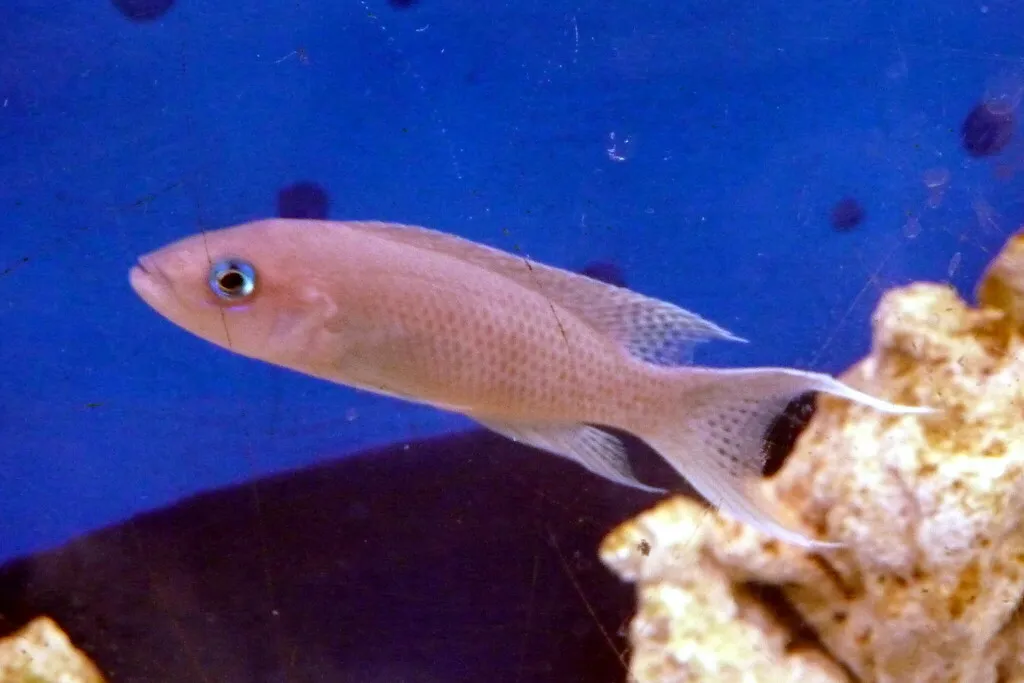
The graceful lamprologus is a slender Tanganyikan cichlid that lives in colonies and hovers in the middle of the tank. It is mostly peaceful and best kept once you have some experience.
Did you know
The graceful lamprologus raises its young as a shared job across the colony. Earlier offspring stay on to help defend and tend later broods rather than leaving. This is one of the clearest cases of cooperative breeding known in fishes.
Caring for the graceful lamprologus
Give a group of graceful lamprologus at least 42 gal (160 L). Stack piles of rock with vertical faces broken by caves and crevices, over a sandy floor. The fish hover just above the rocks and drop into those gaps for shelter and spawning.
Keep the water very hard and alkaline, at 75 to 81°F (24 to 27°C) and a pH of 7.8 to 9.0. Stable chemistry and clean water are important for these rift lake fish. Feed small foods that suit a mid-water feeder, such as quality flake and micro pellets, plus frozen cyclops, daphnia and brine shrimp.
It lives in colonies, so keep a small group rather than a single fish. Let the group settle into a natural structure of pairs and helpers. It can live in a community of other calm Tanganyikans rather than a tank of its own kind. A breeding pair defends the area right around its cave.
It is a cave spawner and a colonial breeder, so a colony holds several generations at once. Getting a group to spawn is of moderate difficulty.
Good to know
Neolamprologus gracilis is a member of the family Cichlidae, a slim, lyre-finned cichlid of the savoryi group. It is a close relative of the popular brichardi.
In the wild
The graceful lamprologus drifts over the deeper rocky slopes of Lake Tanganyika, staying close to the stone it shelters in. The lake's water is very hard and alkaline.
Weekly picks
Tank mates
The graceful lamprologus is a mostly peaceful, social species that keeps to the middle. These picks share a community profile with it, are safe together in both directions, and overlap on water type, temperature and pH.
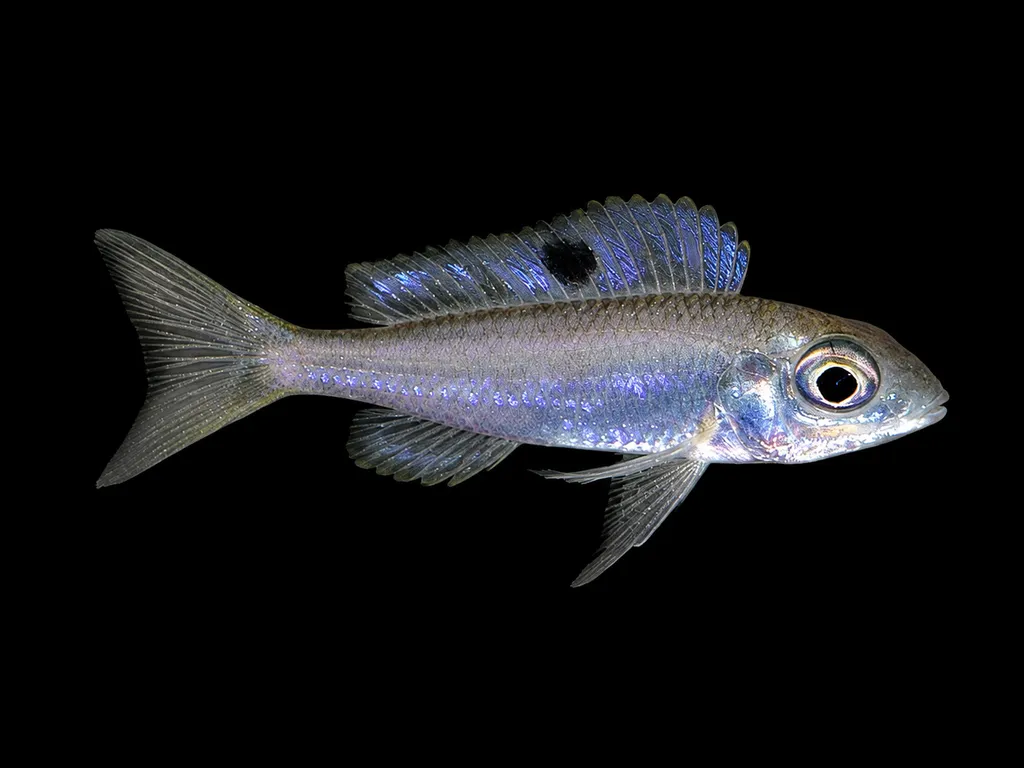
Descamps' sand cichlid
Ectodus descampsii
Freshwater4.1 in (10.5 cm) · 66 gal (250 L)75–81°F (24–27°C)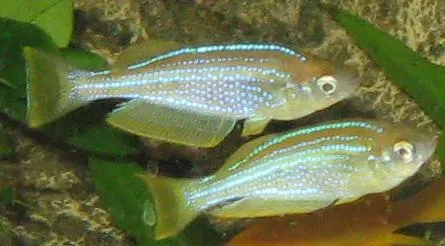
Tanganyika killifish
Lamprichthys tanganicanus
Freshwater5.5 in (14 cm) · 40 gal (150 L)73–77°F (23–25°C)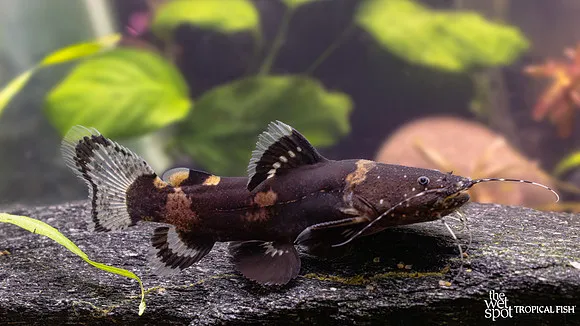
Poll's synodontis
Synodontis polli
Freshwater5.1 in (13 cm) · 21 gal (80 L)72–79°F (22–26°C)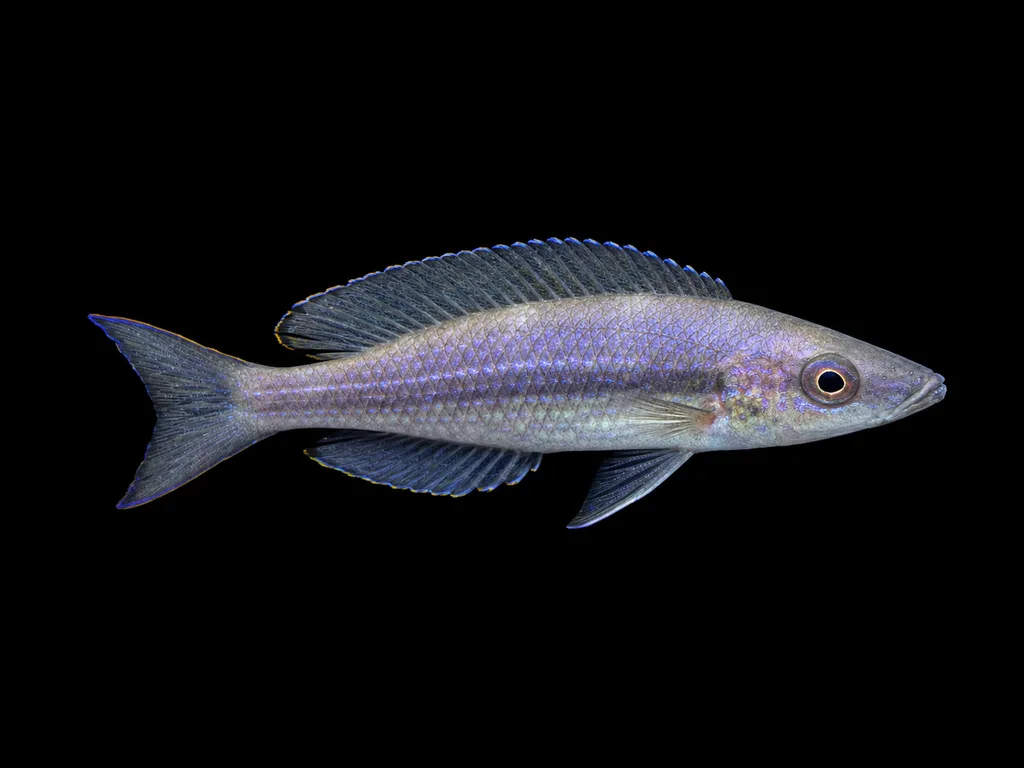
Brien's cichlid
Paracyprichromis brieni
Freshwater4.3 in (11 cm) · 66 gal (250 L)75–81°F (24–27°C)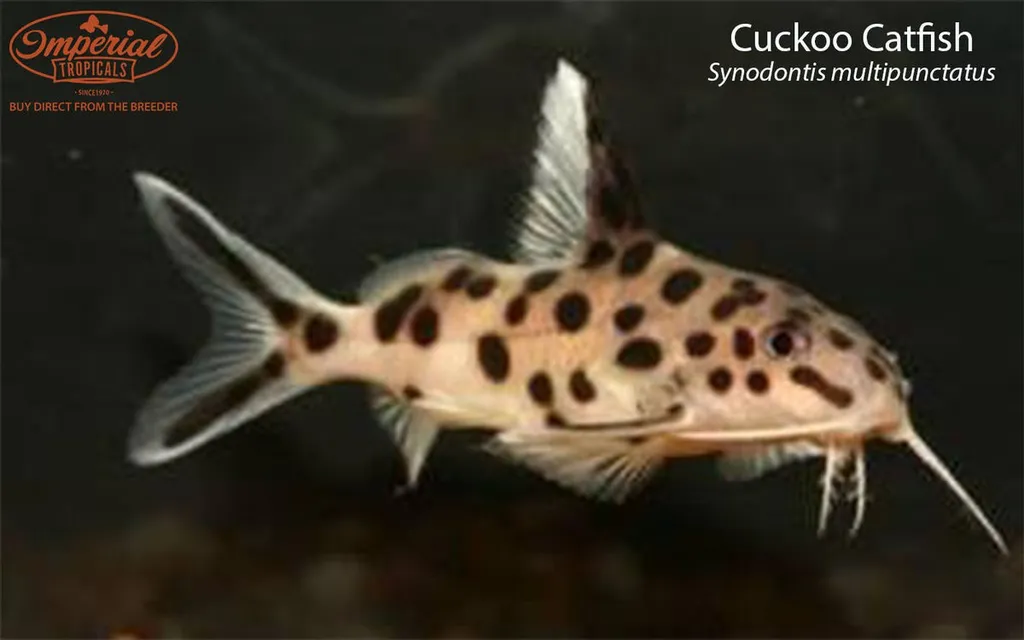
Cuckoo squeaker
Synodontis multipunctatus
Freshwater7.1 in (18 cm) · 29 gal (110 L)75–82°F (24–28°C)
Common questions
What size tank does a graceful lamprologus need?
A graceful lamprologus needs at least 42 gal (160 L). It spends most of its time in the middle.
What temperature and pH does a graceful lamprologus need?
A graceful lamprologus is comfortable at 75–81°F (24–27°C) with a pH of 7.8–9.0.
What does a graceful lamprologus eat?
A graceful lamprologus eats small foods that suit a mid-water feeder, such as quality flake and micro pellets. Add frozen cyclops, daphnia and brine shrimp.
How big does a graceful lamprologus get?
An adult graceful lamprologus reaches about 3.5 in (9 cm).
How does a graceful lamprologus breed?
The graceful lamprologus is a cave spawner and a colonial breeder, so a colony holds several generations at once. Getting a group to spawn is of moderate difficulty.
Related species
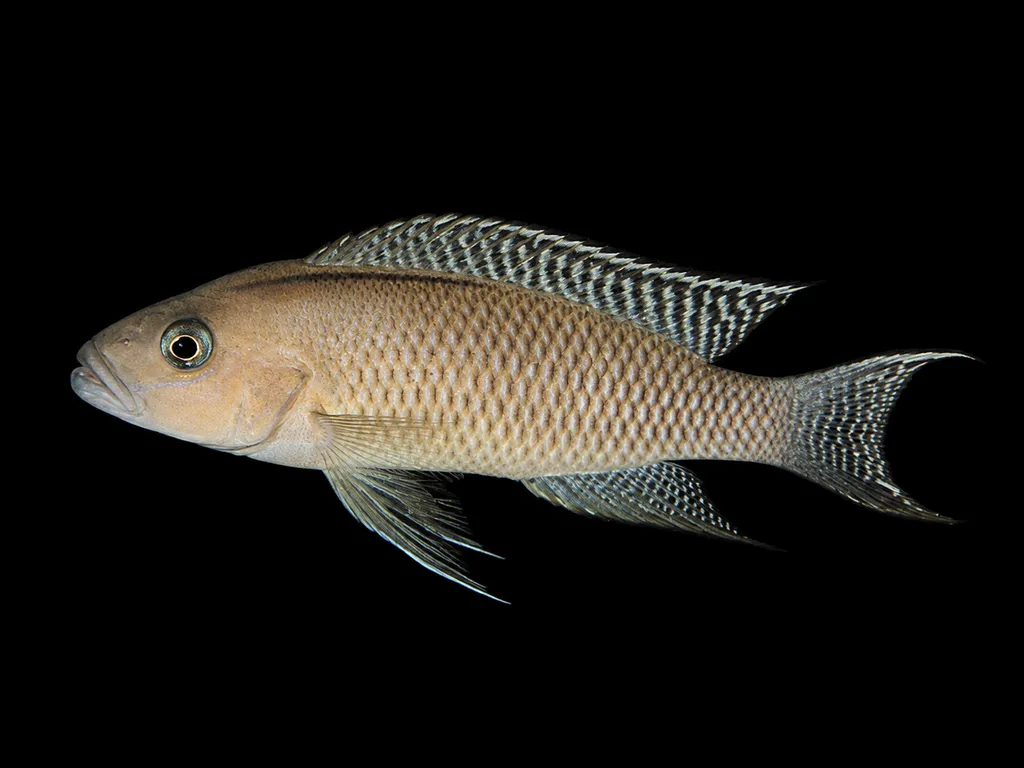 3.1 in (8 cm)42 gal (160 L)75–81°F (24–27°C)
Falcicula cichlid
Neolamprologus falcicula
3.1 in (8 cm) · 42 gal (160 L)
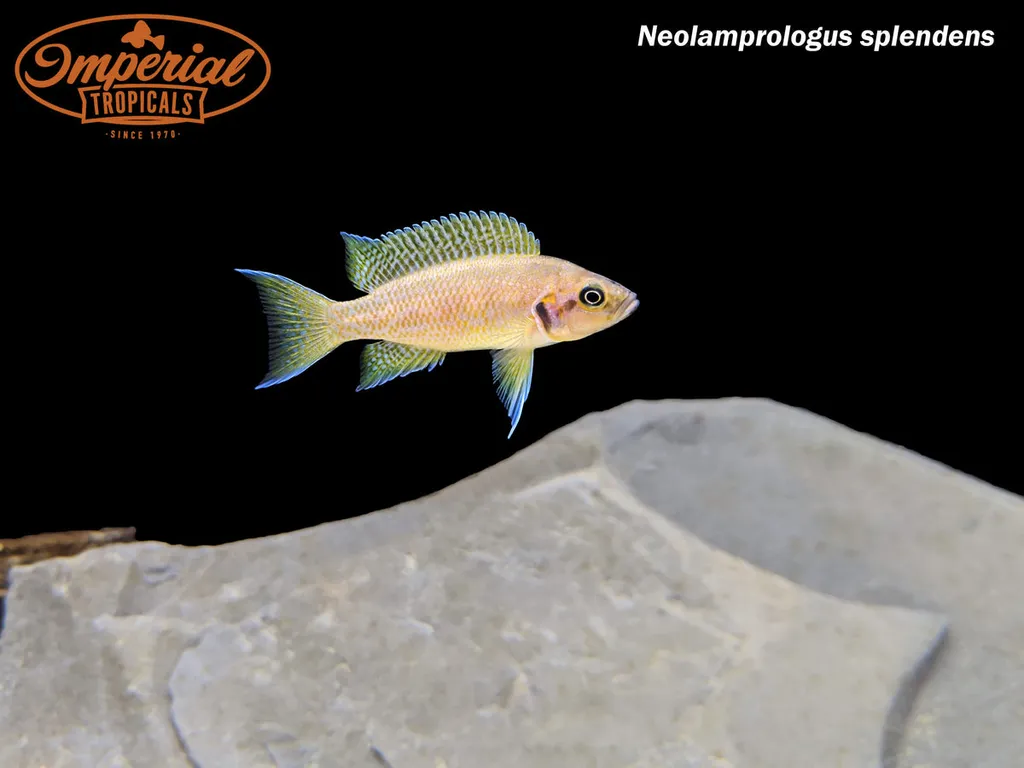 3.1 in (8 cm)42 gal (160 L)75–81°F (24–27°C)
Splendid lamprologus
Neolamprologus splendens
3.1 in (8 cm) · 42 gal (160 L)
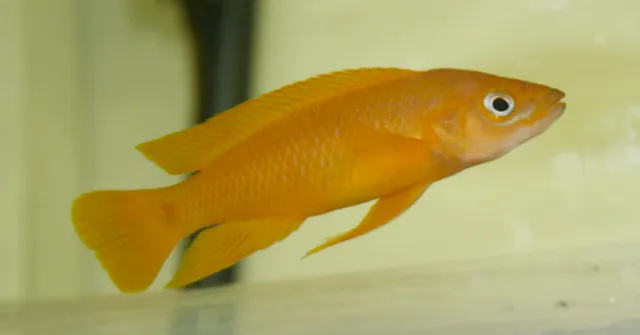 4.5 in (11.5 cm)20 gal (75 L)73–81°F (23–27°C)
Lemon cichlid
Neolamprologus leleupi
4.5 in (11.5 cm) · 20 gal (75 L)
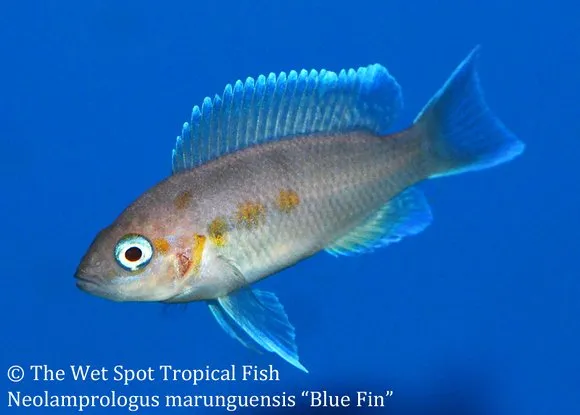 2.8 in (7 cm)18 gal (70 L)75–81°F (24–27°C)
Marungu cichlid
Neolamprologus marunguensis
2.8 in (7 cm) · 18 gal (70 L)
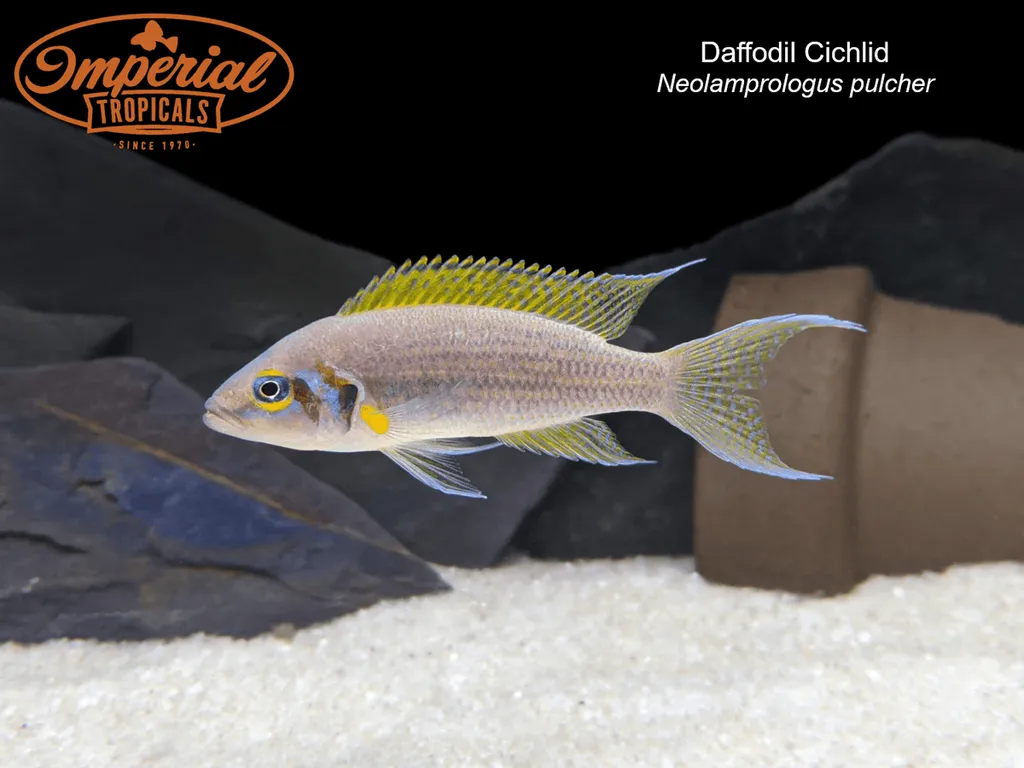 5.1 in (13 cm)29 gal (110 L)75–81°F (24–27°C)
Daffodil cichlid
Neolamprologus pulcher
5.1 in (13 cm) · 29 gal (110 L)
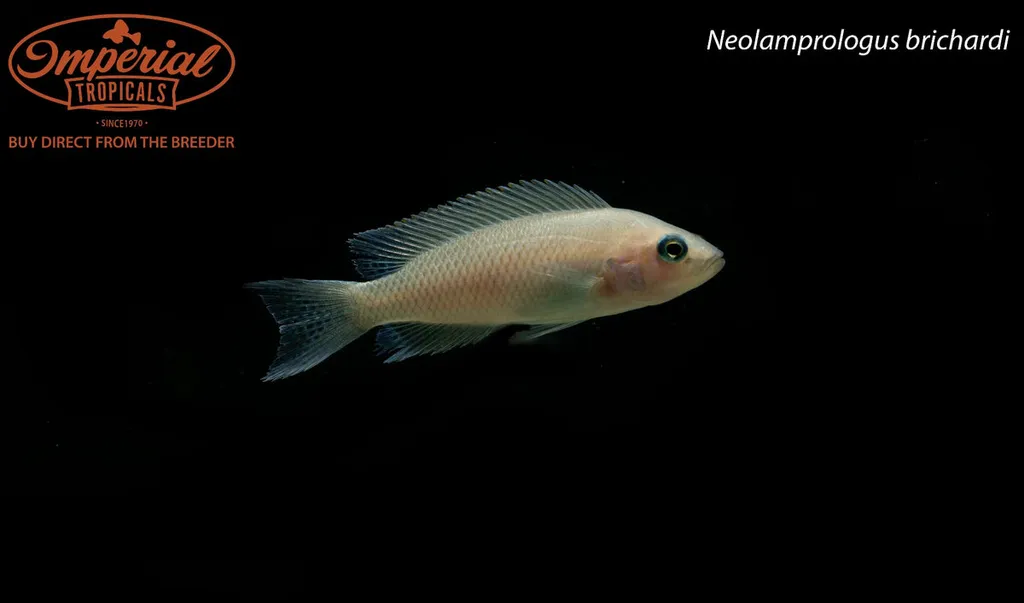 3.9 in (10 cm)29 gal (110 L)73–81°F (23–27°C)
Lyretail cichlid
Neolamprologus brichardi
3.9 in (10 cm) · 29 gal (110 L)