Falcicula cichlid
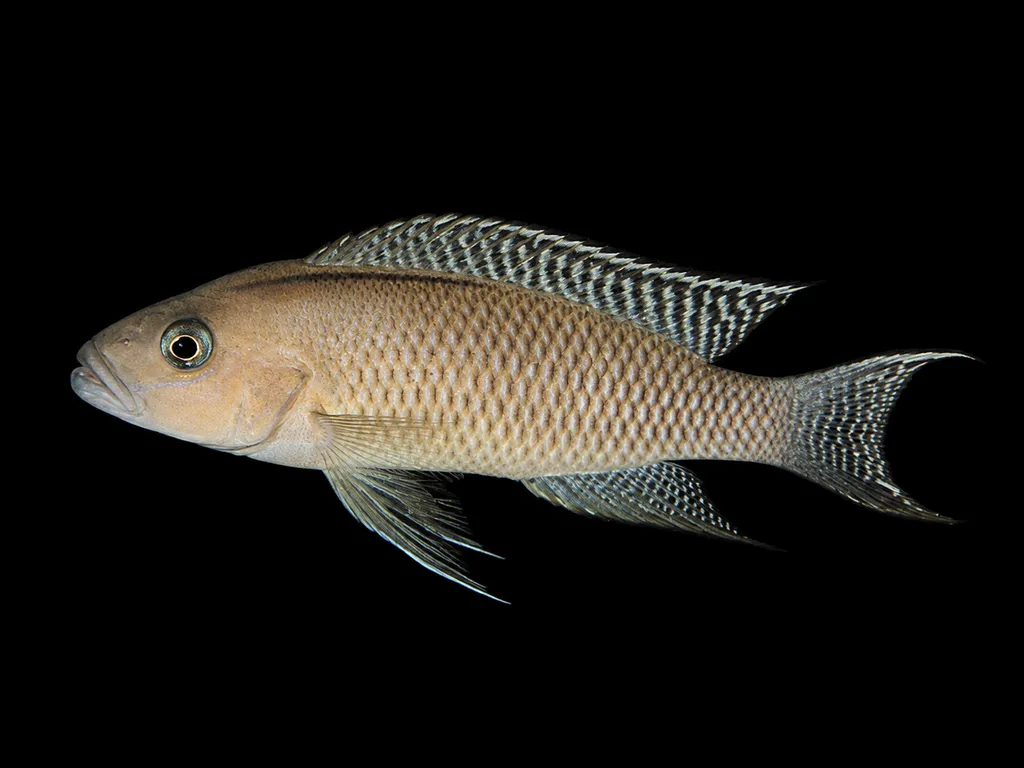
Neolamprologus falcicula
Also known as Lamprologus falcicula
FreshwaterFish
Care at a glance
- Temperature
- 75–81°F
- 24–27°C
- pH
- 7.8–9.0
- Adult size
- 3.1 in
- 8 cm
- Minimum tank
- 42 gal
- 160 L
- Temperament
- Mostly peaceful
- Social behavior
- Social
- Swim level
- Middle
- Difficulty
- Medium
- Breeding
- Cave spawner · Medium
- Rarity
- Rare
- Family
- Cichlidae
- Origin
- Lake Tanganyika
Overview
The Falcicula cichlid is a small, mostly peaceful Tanganyikan cichlid that hovers near its chosen caves in the lower and middle water. It stays close to cover and suits a keeper past the beginner stage.
Did you know
The Falcicula cichlid's name means little sickle, for the curved, lyre-shaped extensions on its tail. The upper and lower edges of the fin draw out into fine points, like a thin sliver of a crescent moon.
Caring for the Falcicula cichlid
Keep Falcicula cichlids as a bonded pair or a small group rather than singly. A pair or small group needs at least 42 gal (160 L). Stack plenty of rock into caves and passages over a sand floor.
Keep the water hard and alkaline, at 75 to 81°F (24 to 27°C) and a pH of 7.8 to 9.0. Keep it clean and well filtered. Feed small meaty foods such as frozen brine shrimp, cyclops and mysis, along with fine pellets.
The Falcicula cichlid is harmless to other fish and fits a calm Tanganyikan community. A breeding pair will defend the patch of rock around their fry.
It is a cave spawner that lays eggs in a sheltered crevice and tends the fry. Breeding is a moderate project in the right hard water.
Good to know
The Falcicula cichlid is a small lamprologine in the family Cichlidae. It belongs to the same group as the well-known Neolamprologus brichardi.
In the wild
Neolamprologus falcicula lives over rocky rubble in Lake Tanganyika. It shelters among the stones and slips into crevices for safety and spawning.
Weekly picks
Tank mates
The Falcicula cichlid is a mostly peaceful, social species that keeps to the middle. These picks share a community profile with it, are safe together in both directions, and overlap on water type, temperature and pH.
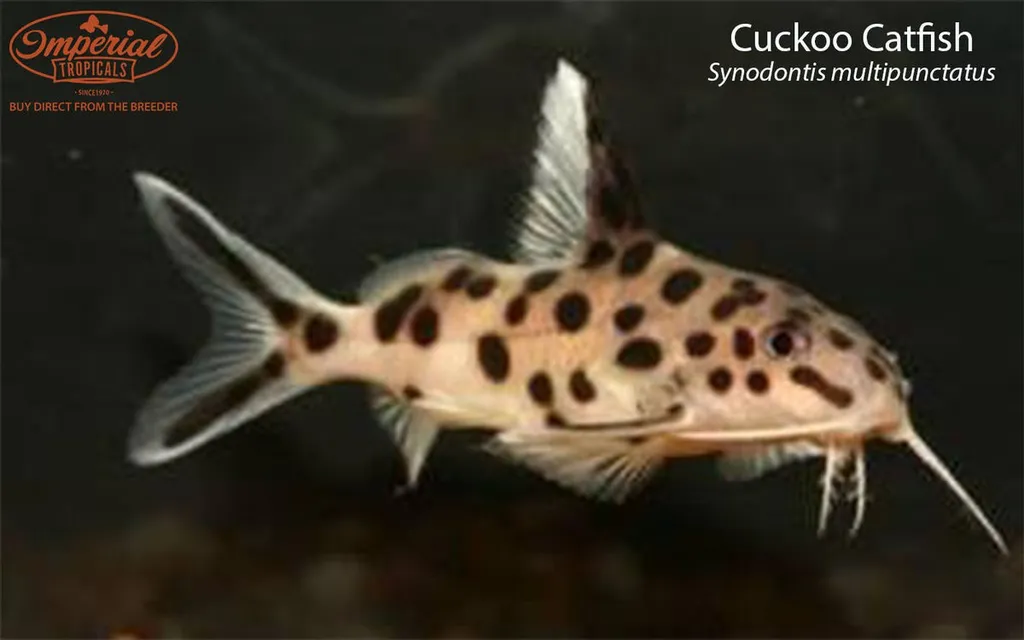
Cuckoo squeaker
Synodontis multipunctatus
Freshwater7.1 in (18 cm) · 29 gal (110 L)75–82°F (24–28°C)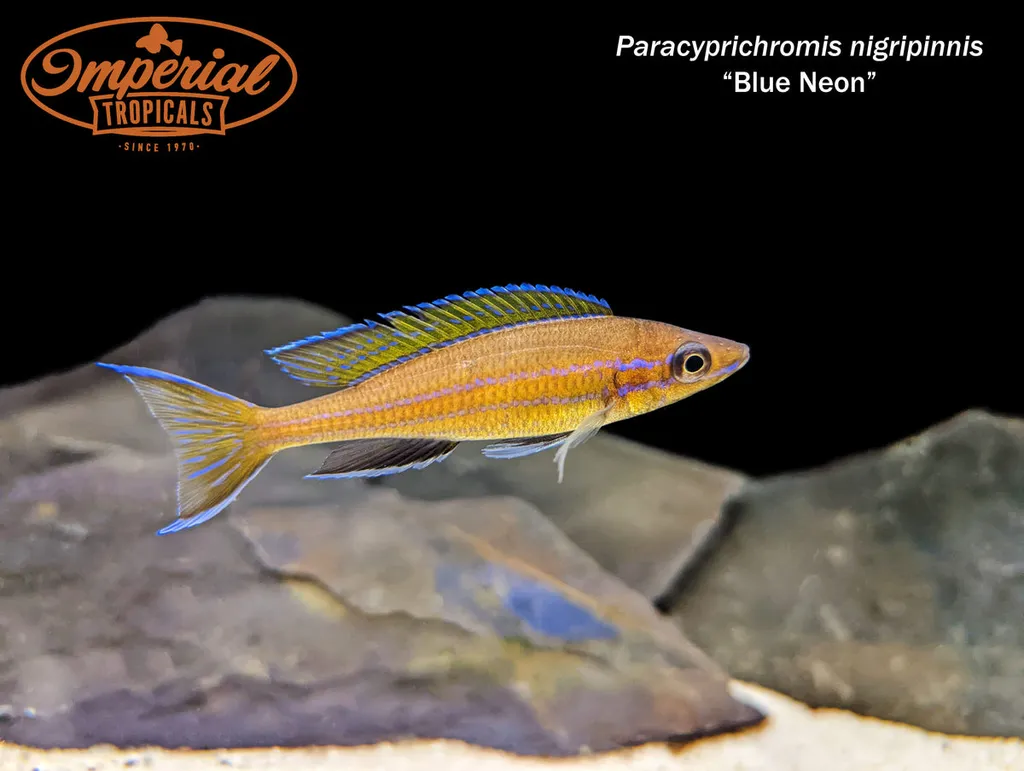
Blue neon cichlid
Paracyprichromis nigripinnis
Freshwater4.3 in (11 cm) · 48 gal (180 L)75–81°F (24–27°C)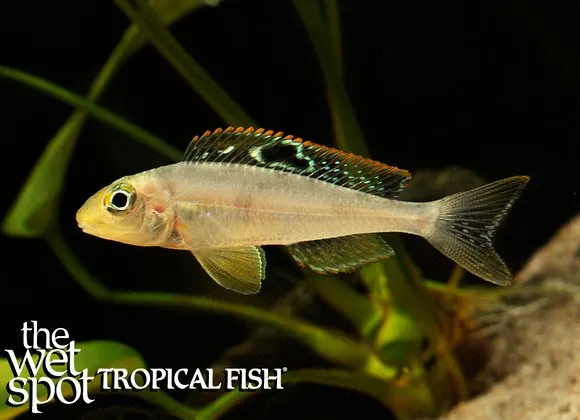
Butterfly xenotilapia
Xenotilapia papilio
Freshwater3.1 in (8 cm) · 53 gal (200 L)75–81°F (24–27°C)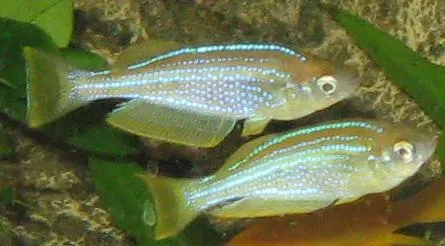
Tanganyika killifish
Lamprichthys tanganicanus
Freshwater5.5 in (14 cm) · 40 gal (150 L)73–77°F (23–25°C)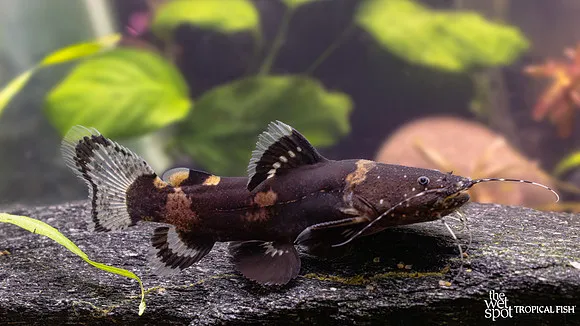
Poll's synodontis
Synodontis polli
Freshwater5.1 in (13 cm) · 21 gal (80 L)72–79°F (22–26°C)
Common questions
What size tank does a Falcicula cichlid need?
A Falcicula cichlid needs at least 42 gal (160 L). It spends most of its time in the middle.
What temperature and pH does a Falcicula cichlid need?
A Falcicula cichlid is comfortable at 75–81°F (24–27°C) with a pH of 7.8–9.0.
What does a Falcicula cichlid eat?
A Falcicula cichlid eats small meaty foods such as frozen brine shrimp, cyclops and mysis, along with fine pellets.
How big does a Falcicula cichlid get?
An adult Falcicula cichlid reaches about 3.1 in (8 cm).
How does a Falcicula cichlid breed?
Falcicula cichlids are cave spawners that lay their eggs in a sheltered crevice and tend the fry. Breeding them is a moderate project in the right hard water.
Related species
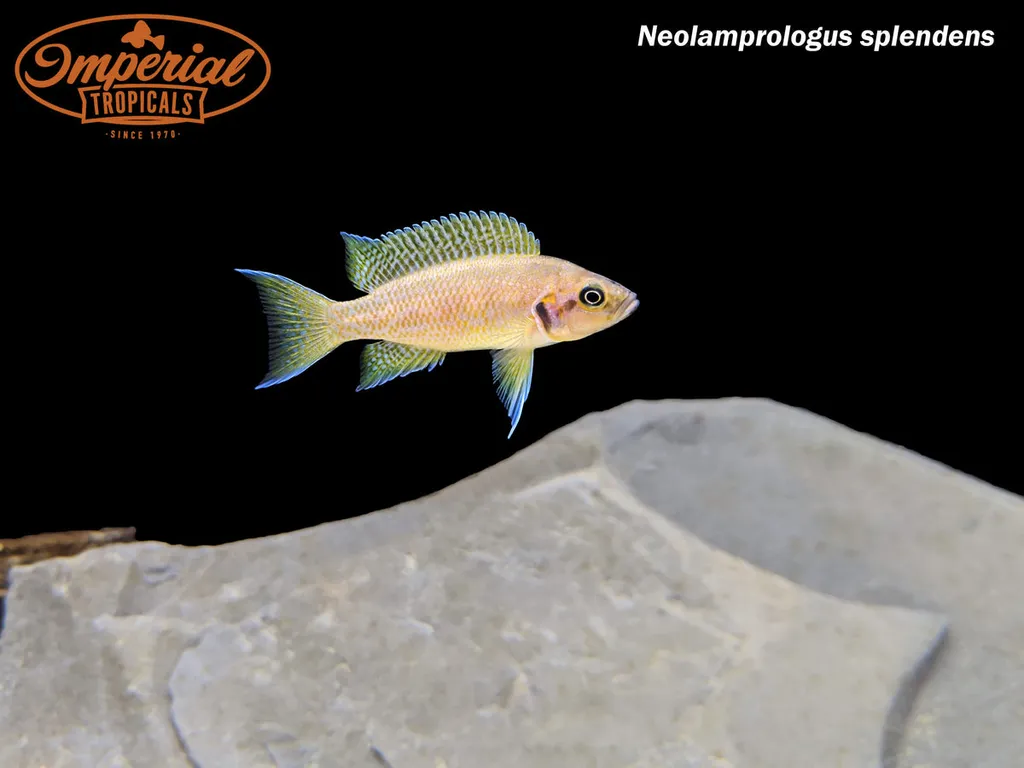 3.1 in (8 cm)42 gal (160 L)75–81°F (24–27°C)
Splendid lamprologus
Neolamprologus splendens
3.1 in (8 cm) · 42 gal (160 L)
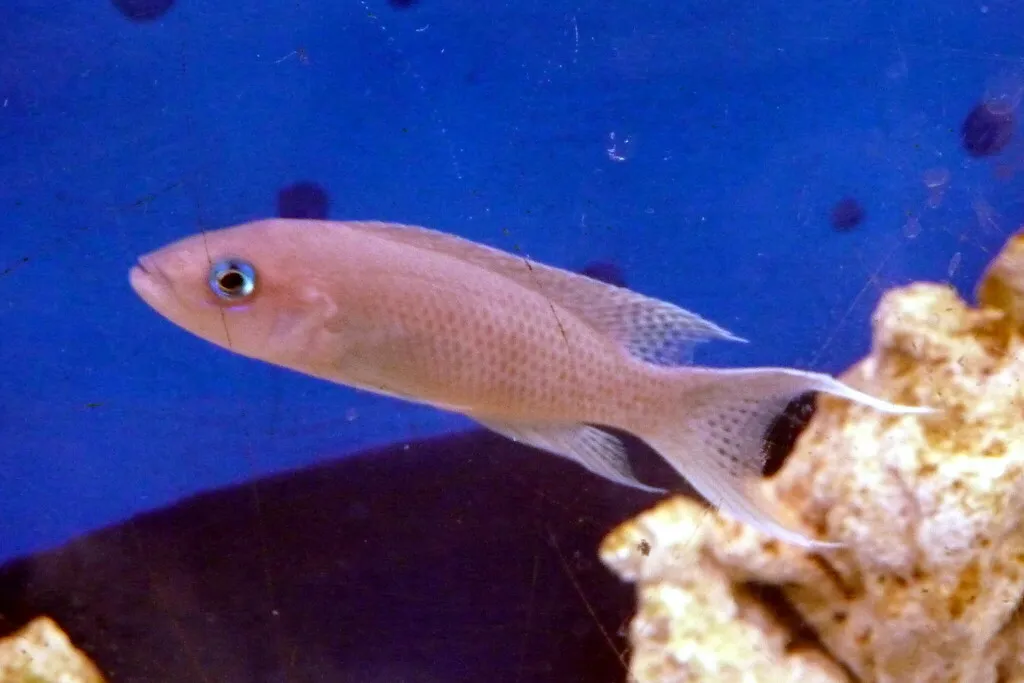 3.5 in (9 cm)42 gal (160 L)75–81°F (24–27°C)
Graceful lamprologus
Neolamprologus gracilis
3.5 in (9 cm) · 42 gal (160 L)
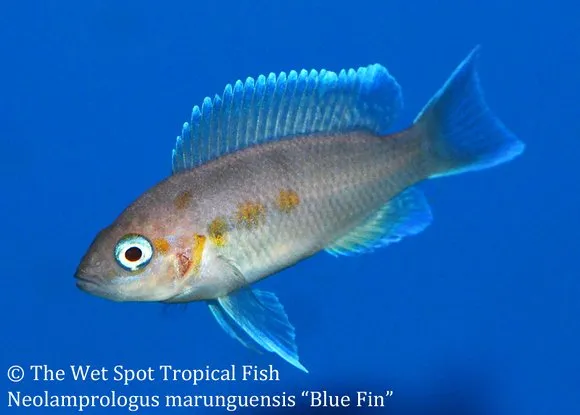 2.8 in (7 cm)18 gal (70 L)75–81°F (24–27°C)
Marungu cichlid
Neolamprologus marunguensis
2.8 in (7 cm) · 18 gal (70 L)
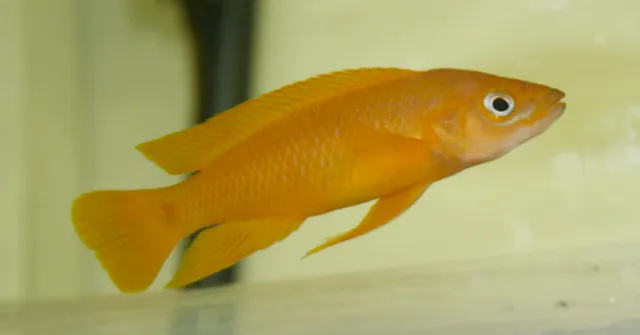 4.5 in (11.5 cm)20 gal (75 L)73–81°F (23–27°C)
Lemon cichlid
Neolamprologus leleupi
4.5 in (11.5 cm) · 20 gal (75 L)
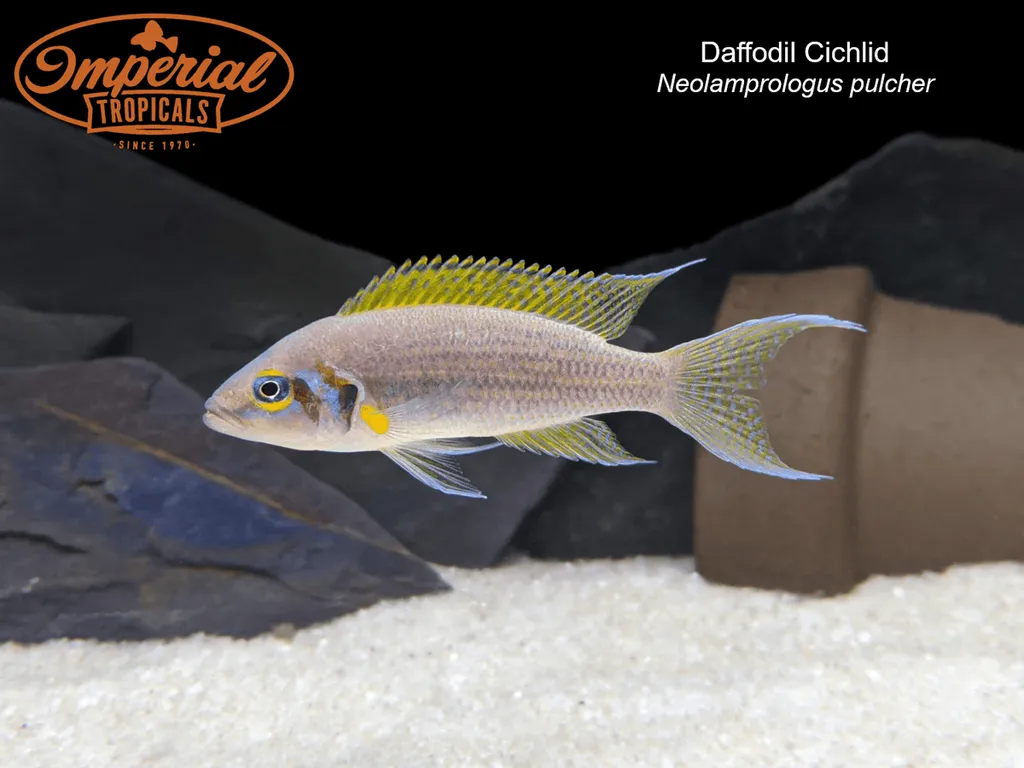 5.1 in (13 cm)29 gal (110 L)75–81°F (24–27°C)
Daffodil cichlid
Neolamprologus pulcher
5.1 in (13 cm) · 29 gal (110 L)
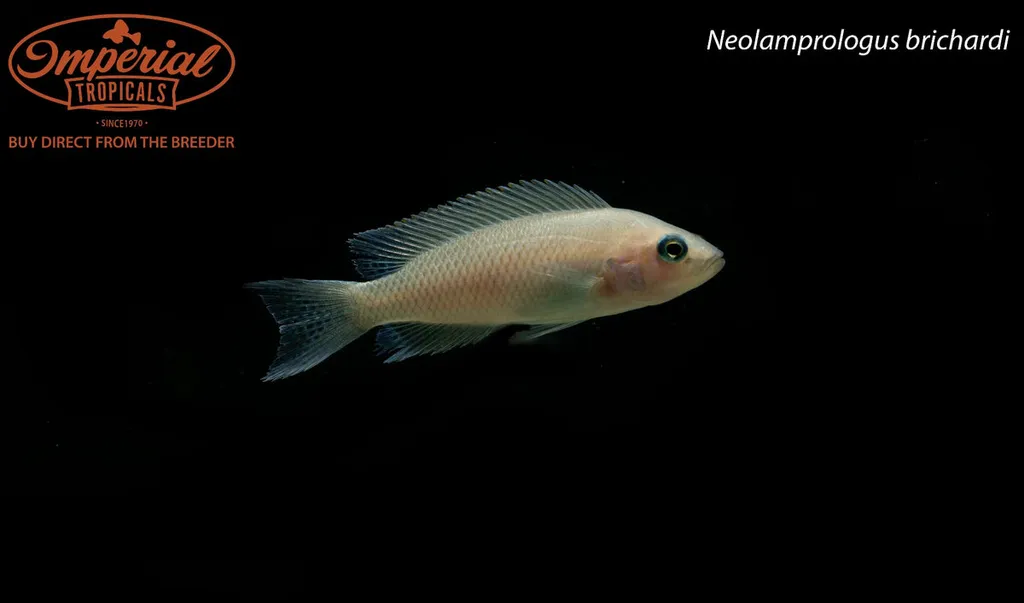 3.9 in (10 cm)29 gal (110 L)73–81°F (23–27°C)
Lyretail cichlid
Neolamprologus brichardi
3.9 in (10 cm) · 29 gal (110 L)