Lyretail cichlid
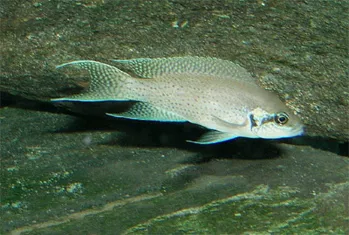
Neolamprologus brichardi
Also known as fairy cichlid
FreshwaterFish
Care at a glance
- Temperature
- 73–81°F
- 23–27°C
- pH
- 7.8–9.0
- Adult size
- 3.9 in
- 10 cm
- Minimum tank
- 29 gal
- 110 L
- Temperament
- Aggressive
- Social behavior
- Social
- Tankmates
- With caution
- Swim level
- Middle
- Difficulty
- Medium
- Breeding
- Medium
- Rarity
- Common
- Family
- Cichlidae
- Origin
- Lake Tanganyika
Overview
Keep these as a colony built around one breeding pair, with a tank of at least 110 liters and lots of rockwork. They hold a patch in the middle of the tank and get scrappy near their cave, especially when guarding fry, so give other Tanganyikans room to stay clear. Feed a quality cichlid pellet with regular frozen or live brine shrimp and daphnia. Stick to tankmates that want the same hard, alkaline water.
In the wild
This fish comes from the rocky shorelines of Lake Tanganyika in East Africa, living among the steep slopes and crevices a few meters down. Build the tank to match. Use a pile of rock with plenty of caves and gaps for pairs to claim. Keep the water hard and alkaline, with a pH on the high side (7.8 to 9) and temperatures in the mid 20s C.
Good to know
Neolamprologus brichardi is a cichlid that grows to about 10 cm. You can tell it by the slender body, the long lyre-shaped tail with trailing filaments, and the white stripe running from the eye back to the gill. It is a cave-spawning substrate breeder, not a mouthbrooder, and pairs can stay productive for years. Wild stocks are stable, though local collection and habitat loss are worth watching.
Did you know
This is one of the few fish that practices cooperative breeding. Older juveniles stick around the parents' territory and help guard and tend the next batch of fry instead of leaving, so a single cave can hold several generations working together.
Common questions
What size tank does a Lyretail cichlid need?
A Lyretail cichlid needs at least 29 gal (110 L). It spends most of its time in the middle.
What temperature and pH does a Lyretail cichlid need?
A Lyretail cichlid is comfortable at 73–81°F (23–27°C) with a pH of 7.8–9.0.
How big does a Lyretail cichlid get?
An adult Lyretail cichlid reaches about 3.9 in (10 cm).
Related species
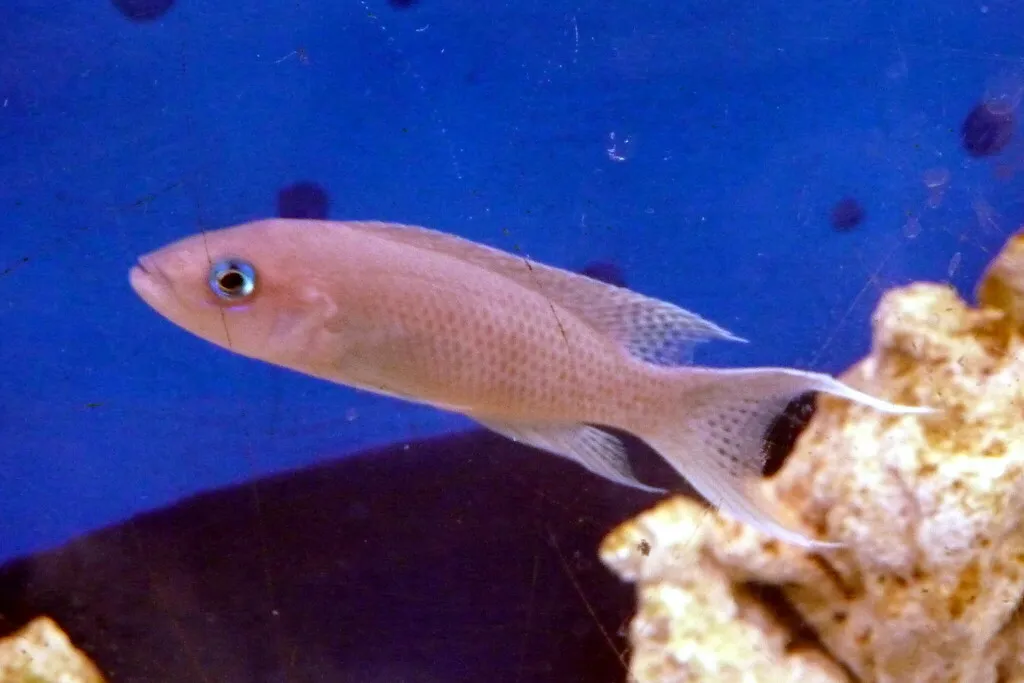 3.5 in (9 cm)42 gal (160 L)75–81°F (24–27°C)
Graceful lamprologus
Neolamprologus gracilis
3.5 in (9 cm) · 42 gal (160 L)
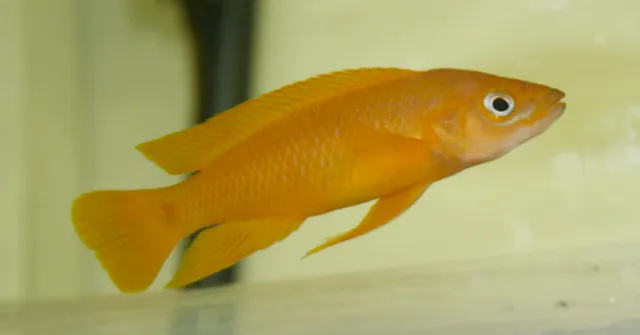 4.5 in (11.5 cm)20 gal (75 L)73–81°F (23–27°C)
Lemon cichlid
Neolamprologus leleupi
4.5 in (11.5 cm) · 20 gal (75 L)
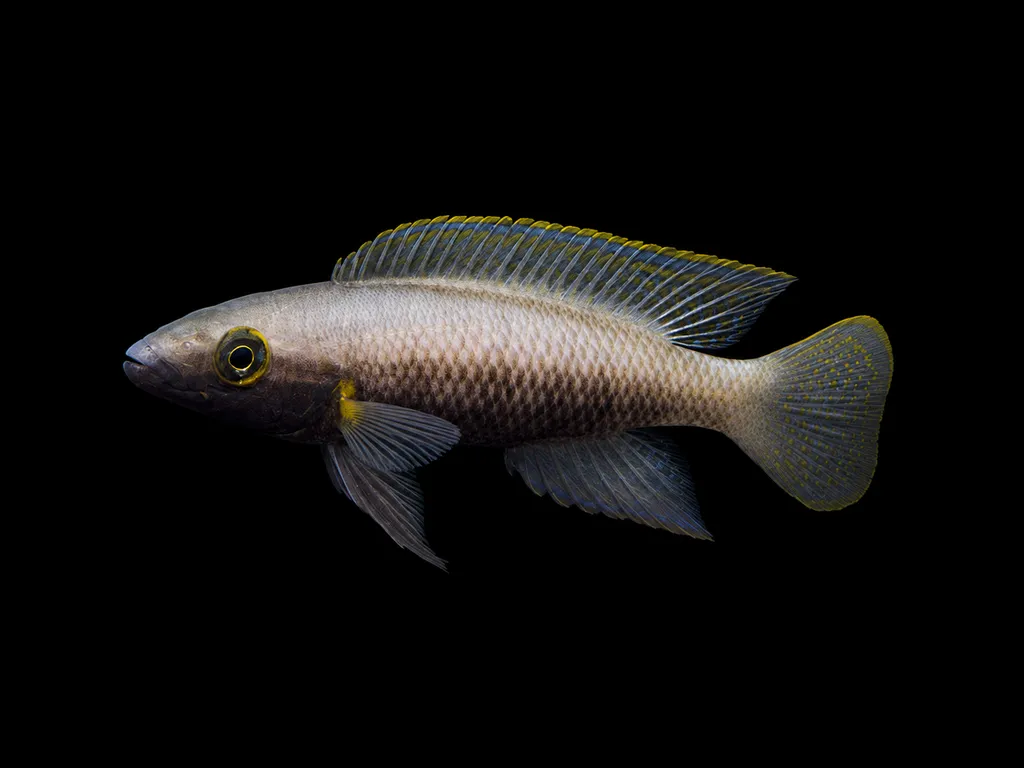 3.9 in (10 cm)42 gal (160 L)75–81°F (24–27°C)
Black-belly lamprologus
Neolamprologus nigriventris
3.9 in (10 cm) · 42 gal (160 L)
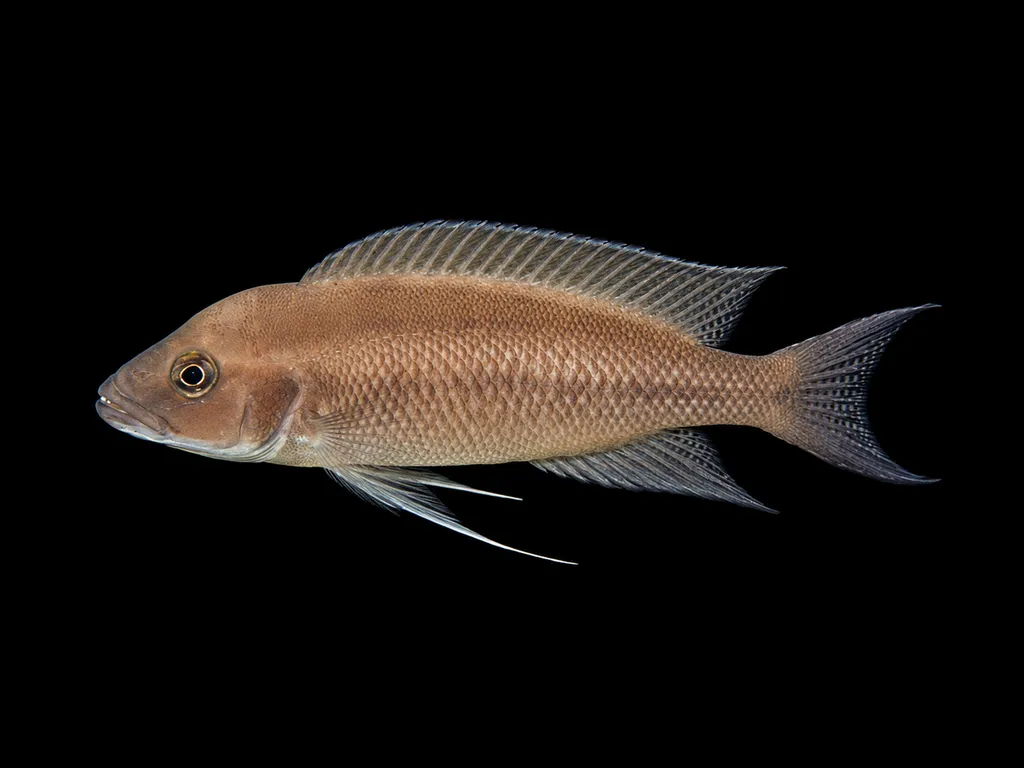 3.9 in (10 cm)42 gal (160 L)75–81°F (24–27°C)
Longtail lamprologus
Neolamprologus longicaudatus
3.9 in (10 cm) · 42 gal (160 L)
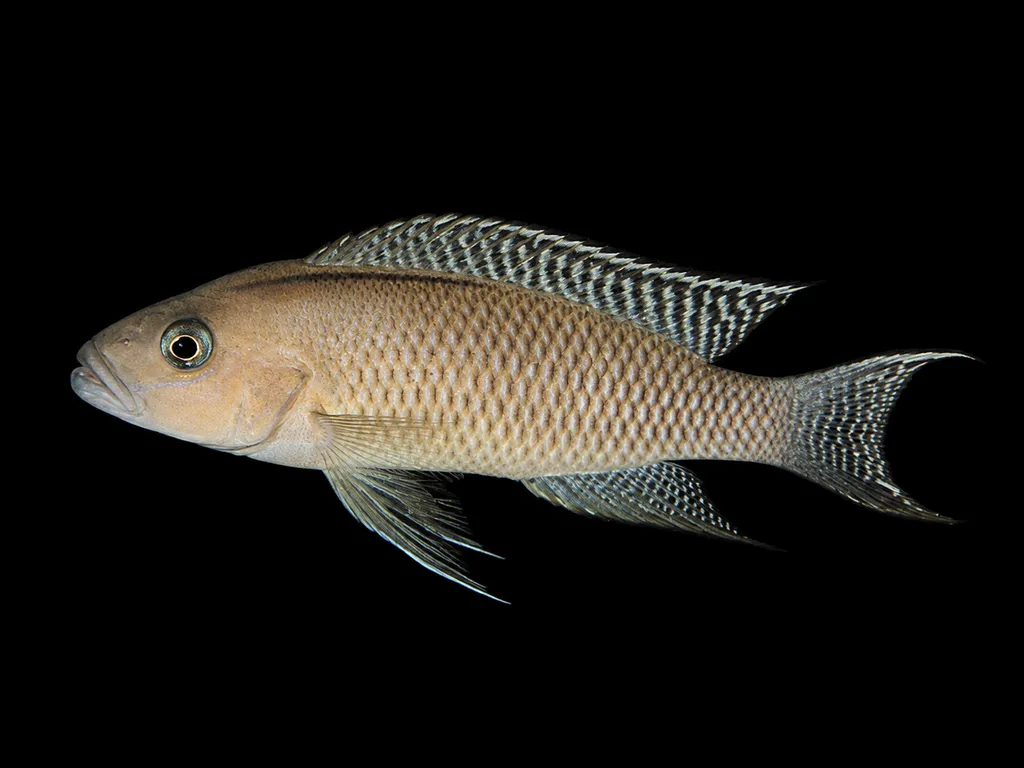 3.1 in (8 cm)42 gal (160 L)75–81°F (24–27°C)
Falcicula cichlid
Neolamprologus falcicula
3.1 in (8 cm) · 42 gal (160 L)
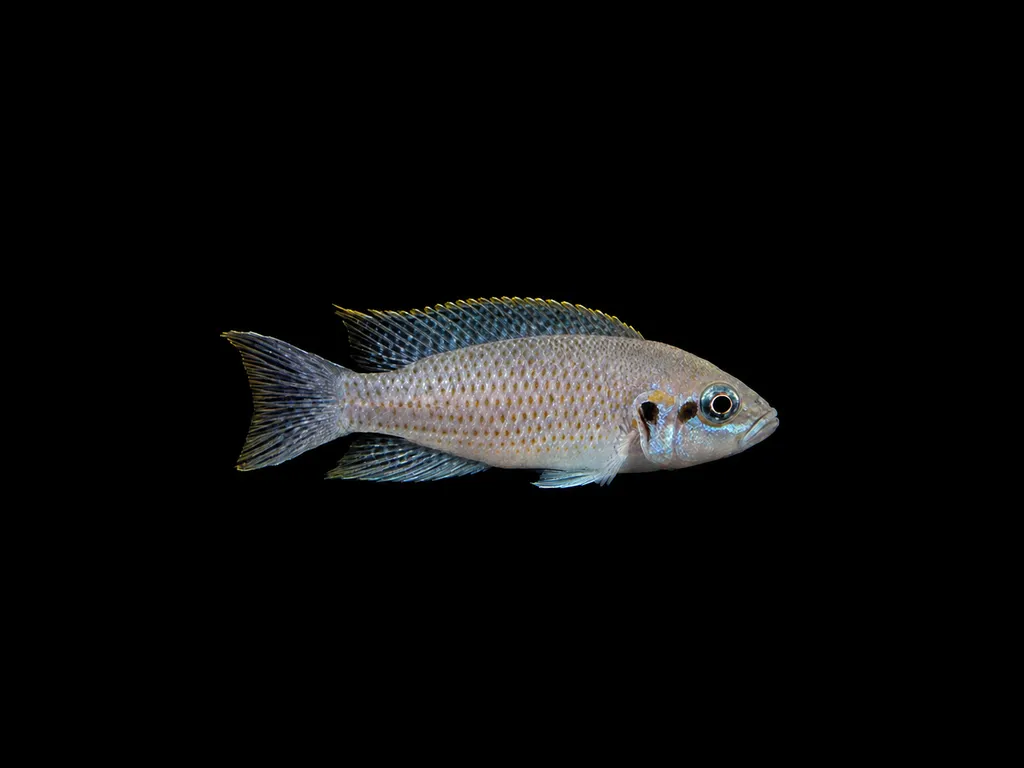 3.1 in (8 cm)42 gal (160 L)75–81°F (24–27°C)
Splendid lamprologus
Neolamprologus splendens
3.1 in (8 cm) · 42 gal (160 L)