Longtail lamprologus
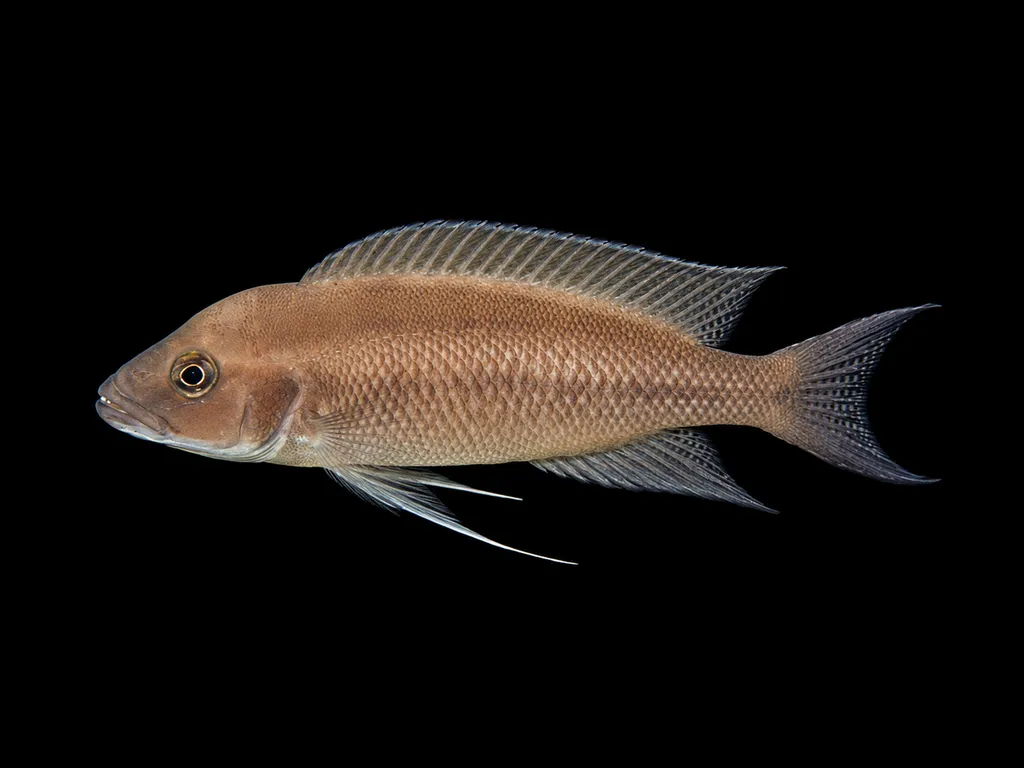
Neolamprologus longicaudatus
Also known as Lamprologus longicaudatus
FreshwaterFish
Care at a glance
- Temperature
- 75–81°F
- 24–27°C
- pH
- 7.8–9.0
- Adult size
- 3.9 in
- 10 cm
- Minimum tank
- 42 gal
- 160 L
- Temperament
- Aggressive
- Social behavior
- Solitary
- Tankmates
- With caution
- Swim level
- Bottom
- Diet
- Carnivore
- Difficulty
- Medium
- Breeding
- Cave spawner · Hard
- Rarity
- Rare
- Family
- Cichlidae
- Origin
- Lake Tanganyika, Congolese coast
Overview
The longtail lamprologus is a rock-dwelling cichlid from Lake Tanganyika for a rocky, hard-water tank. It is moderately demanding to keep.
Did you know
The longtail lamprologus is little known, and most of what is known comes from one of Lake Tanganyika's least-visited shores. A handful of exports carry most of the hobby's experience with the species.
Caring for the longtail lamprologus
Give a longtail lamprologus a rocky tank of at least 42 gal (160 L), with stacked rock forming caves and crevices over a sand floor. A pair needs its own rock stack, with plenty of caves and clear boundaries between territories.
Keep the water hard and alkaline, at 75 to 81°F (24 to 27°C) and a high pH of 7.8 to 9.0. Run strong filtration with good surface movement to keep it rich in oxygen.
It stays low among the stones and hunts small prey from cover. Feed small meaty foods, both frozen and prepared.
Keep a single fish or a bonded pair that holds its own territory. It is aggressive around its chosen crevice, so pick unflappable, cave-savvy tank mates that will not crowd it.
It is a cave-spawning substrate breeder rather than a mouthbrooder. Getting a settled pair to breed is hard.
Good to know
The longtail lamprologus is a cichlid of the family Cichlidae, described in 1995 from the Zairean, now Congolese, shore of Lake Tanganyika. Its species name, longicaudatus, refers to the long, drawn-out streamers on its tail. Its type specimens came from about 15 meters down at Cape Banza, on the Ubwari Peninsula.
In the wild
Neolamprologus longicaudatus keeps to rocky slopes off the Ubwari Peninsula, on the Congolese side of Lake Tanganyika. The lake's water there is hard, alkaline and rich in oxygen.
Common questions
What size tank does a longtail lamprologus need?
A longtail lamprologus needs at least 42 gal (160 L). It spends most of its time in the bottom.
What temperature and pH does a longtail lamprologus need?
A longtail lamprologus is comfortable at 75–81°F (24–27°C) with a pH of 7.8–9.0.
What does a longtail lamprologus eat?
A longtail lamprologus eats small meaty foods, both frozen and prepared. It stays low among the stones and hunts small prey from cover.
How big does a longtail lamprologus get?
An adult longtail lamprologus reaches about 3.9 in (10 cm).
How does a longtail lamprologus breed?
A longtail lamprologus spawns in caves as a substrate breeder, not a mouthbrooder. Getting a settled pair to breed is hard.
Related species
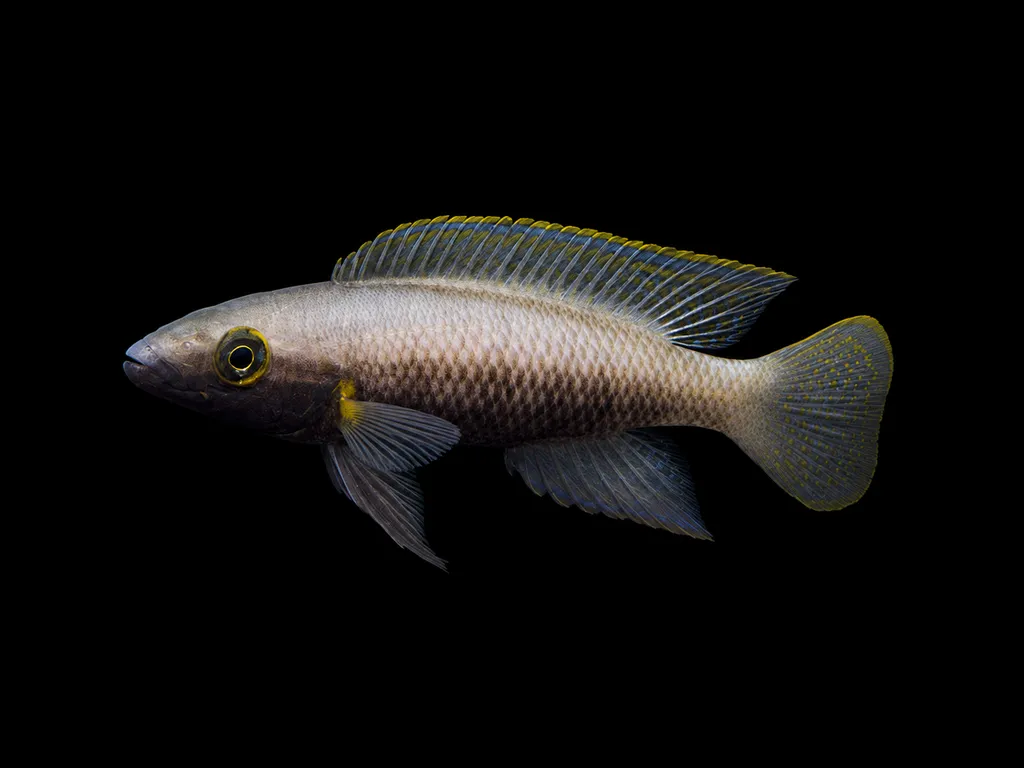 3.9 in (10 cm)42 gal (160 L)75–81°F (24–27°C)
Black-belly lamprologus
Neolamprologus nigriventris
3.9 in (10 cm) · 42 gal (160 L)
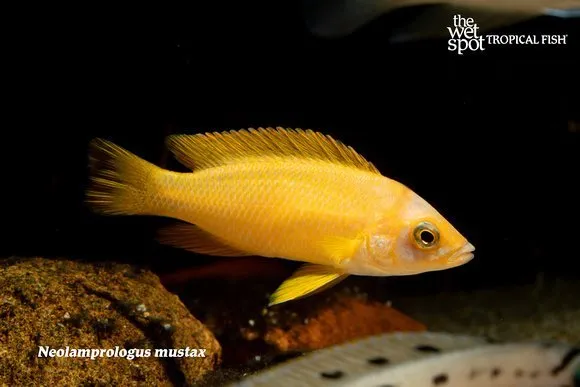 3.5 in (9 cm)42 gal (160 L)75–81°F (24–27°C)
Mustache lamprologus
Neolamprologus mustax
3.5 in (9 cm) · 42 gal (160 L)
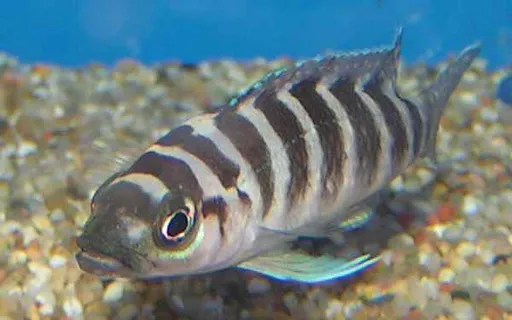 4.7 in (12 cm)29 gal (110 L)75–81°F (24–27°C)
Cylindricus cichlid
Neolamprologus cylindricus
4.7 in (12 cm) · 29 gal (110 L)
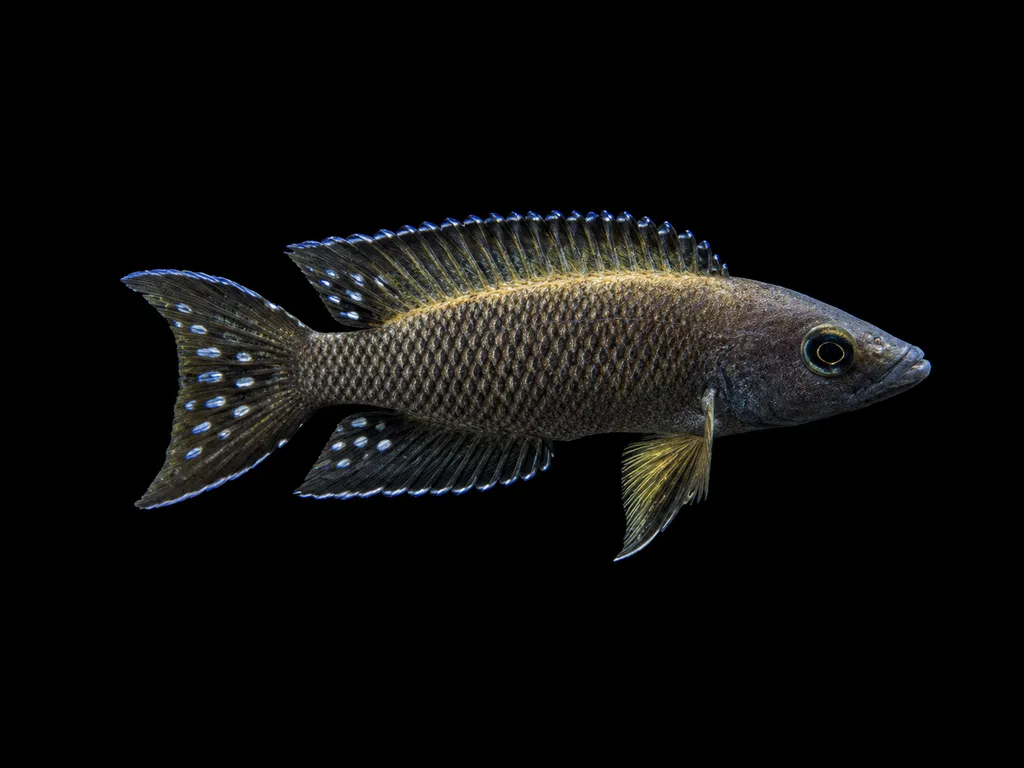 3.1 in (8 cm)28 gal (105 L)75–81°F (24–27°C)
Buescher's cichlid
Neolamprologus buescheri
3.1 in (8 cm) · 28 gal (105 L)
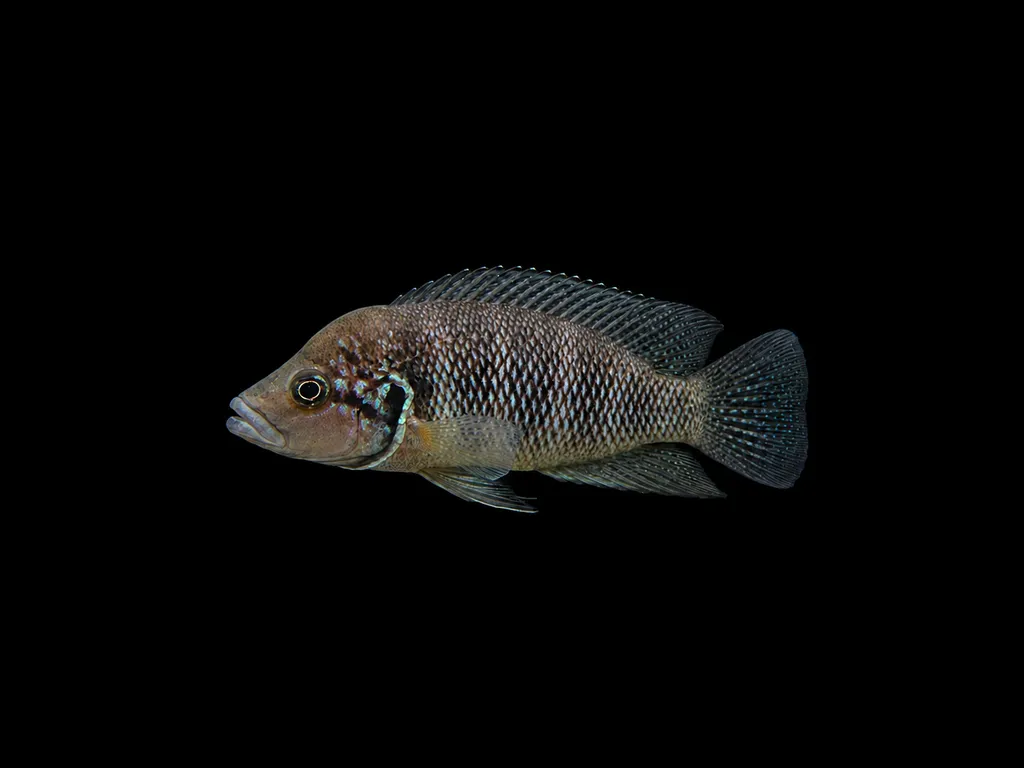 3.1 in (8 cm)18 gal (70 L)75–81°F (24–27°C)
Savory's cichlid
Neolamprologus savoryi
3.1 in (8 cm) · 18 gal (70 L)
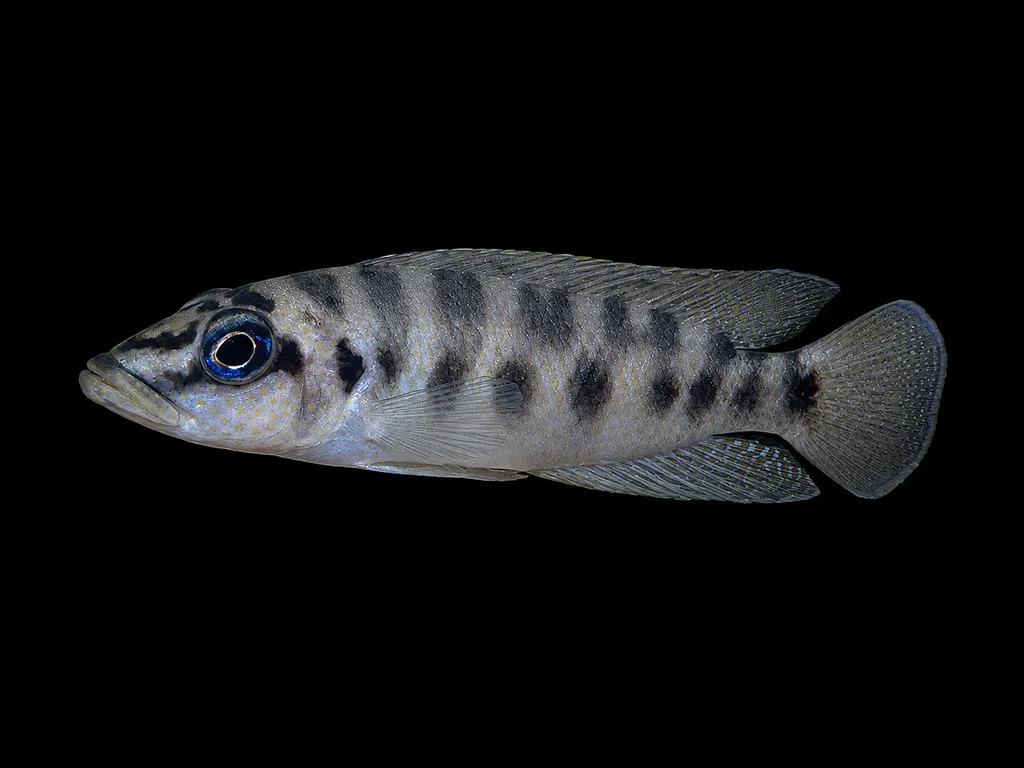 5.9 in (15 cm)66 gal (250 L)75–81°F (24–27°C)
Barred lamprologus
Neolamprologus fasciatus
5.9 in (15 cm) · 66 gal (250 L)