Barred lamprologus
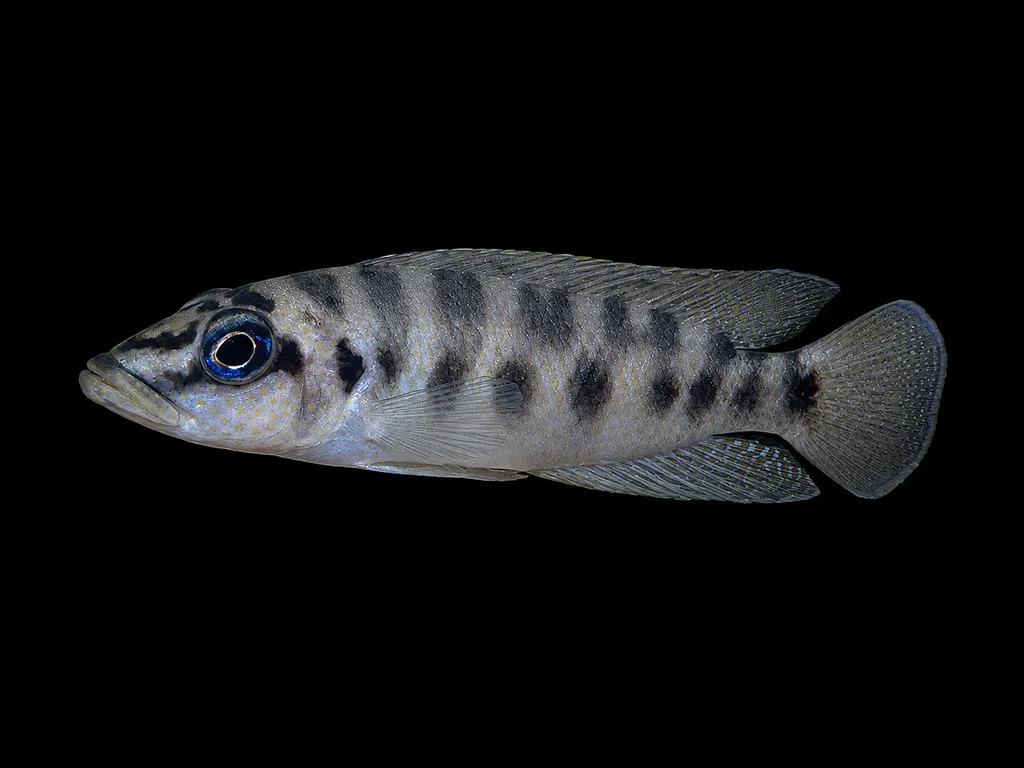
Neolamprologus fasciatus
Also known as Lamprologus fasciatus, Altolamprologus fasciatus
FreshwaterFish
Care at a glance
- Temperature
- 75–81°F
- 24–27°C
- pH
- 7.8–9.0
- Adult size
- 5.9 in
- 15 cm
- Minimum tank
- 66 gal
- 250 L
- Temperament
- Aggressive
- Social behavior
- Solitary
- Tankmates
- With caution
- Swim level
- Bottom
- Diet
- Carnivore
- Difficulty
- Medium
- Breeding
- Cave spawner · Hard
- Rarity
- Rare
- Family
- Cichlidae
- Origin
- Lake Tanganyika
Overview
The barred lamprologus is a slender, predatory rock cichlid from Lake Tanganyika. It is an aggressive fish for a rocky tank, and it is best kept by someone with a little experience.
Did you know
The barred lamprologus has a narrow, slightly flattened body that works as a hunting tool. It lets the fish push into tight spaces in the rocks to reach the invertebrates, eggs and small fish sheltering there. Its Altolamprologus cousins share the same trick.
Caring for the barred lamprologus
Give a barred lamprologus at least 66 gal (250 L), so it has the territory it needs. Build the tank around a pile of rock with plenty of caves and narrow crevices over a sand floor. That rockwork gives it both hunting ground and spawning sites.
Match the hard, alkaline water of Lake Tanganyika, at 75 to 81°F (24 to 27°C) and a pH of 7.8 to 9.0. Feed meaty foods such as mysis, krill and chopped seafood.
Keep one fish or a pair, not a group, and expect it to claim and defend a patch of rockwork. It is an aggressive predator that will hunt small fish, shrimp and fry. Choose tank mates with caution, picking mid-sized Tanganyikans that are neither bite-sized nor overly aggressive themselves, to avoid injury.
It spawns in caves and empty snail shells. Breeding it in the aquarium is hard.
Good to know
The barred lamprologus is a member of the cichlid family. Its name fasciatus describes the strong vertical bars it wears. It is often listed under the genus Altolamprologus as well as Neolamprologus, and both names circulate in the hobby.
In the wild
The barred lamprologus is endemic to Lake Tanganyika. It lives around the rocky margins of the lake, where it can slip into gaps in the stone.
Common questions
What size tank does a barred lamprologus need?
A barred lamprologus needs at least 66 gal (250 L). It spends most of its time in the bottom.
What temperature and pH does a barred lamprologus need?
A barred lamprologus is comfortable at 75–81°F (24–27°C) with a pH of 7.8–9.0.
What does a barred lamprologus eat?
A barred lamprologus eats meaty foods such as mysis, krill and chopped seafood. It is a predator and will also hunt small fish, shrimp and fry.
How big does a barred lamprologus get?
An adult barred lamprologus reaches about 5.9 in (15 cm).
How does a barred lamprologus breed?
The barred lamprologus lays its eggs in caves and empty snail shells. It is hard to breed in the aquarium.
Related species
 5.9 in (15 cm)66 gal (250 L)75–81°F (24–27°C)
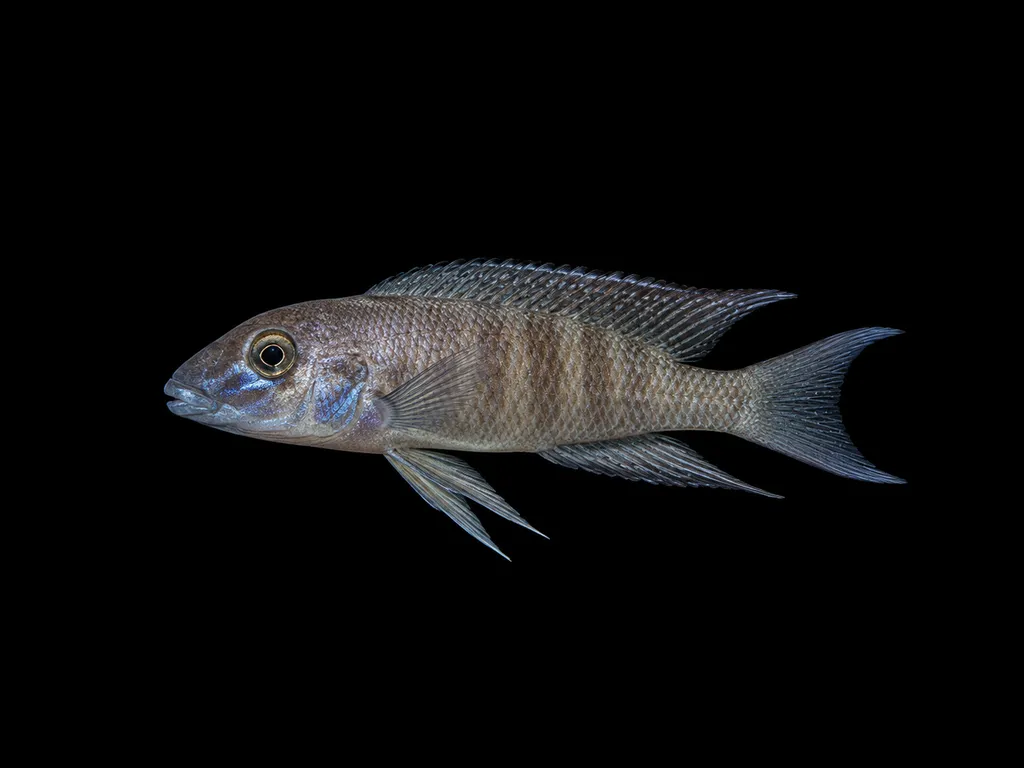
Christy's lamprologus
Neolamprologus christyi
5.9 in (15 cm) · 66 gal (250 L)
 5.9 in (15 cm)53 gal (200 L)73–81°F (23–27°C)
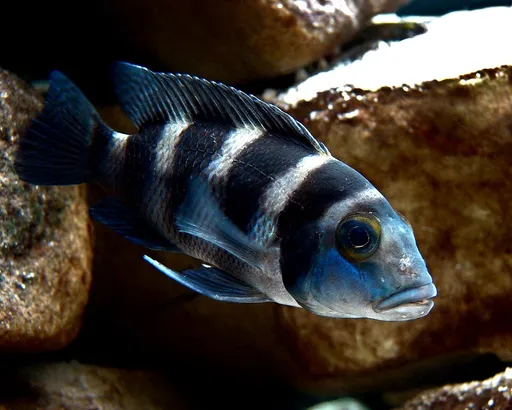
Five-bar cichlid
Neolamprologus tretocephalus
5.9 in (15 cm) · 53 gal (200 L)
 5.9 in (15 cm)79 gal (300 L)75–81°F (24–27°C)
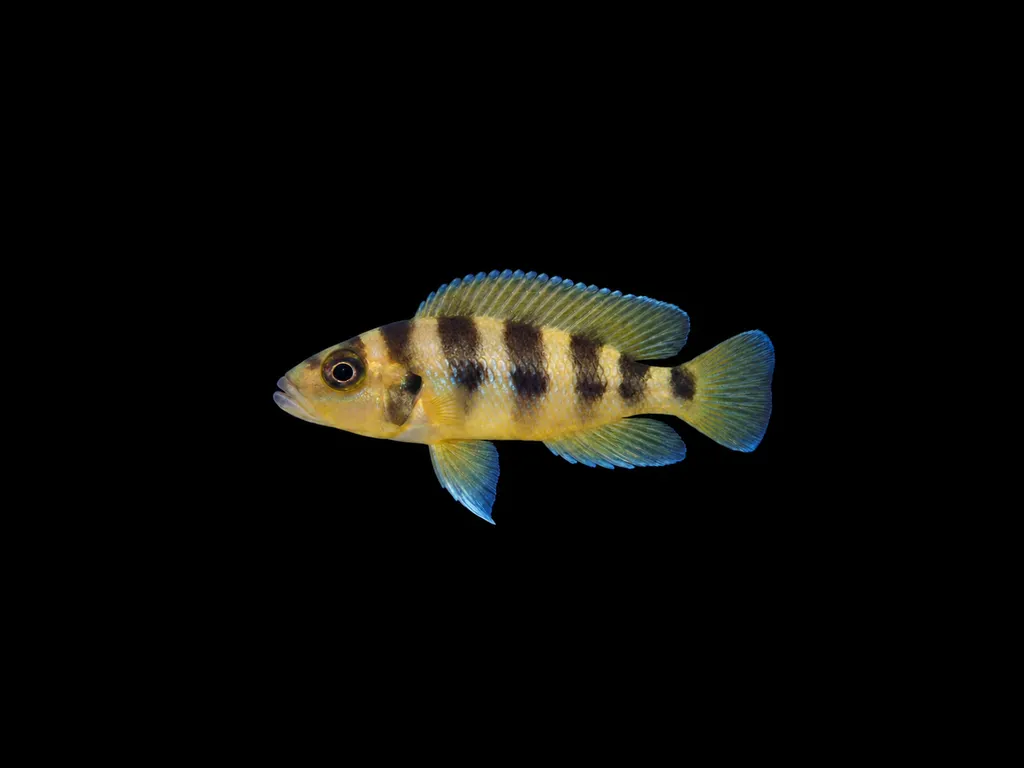
Six-bar lamprologus
Neolamprologus sexfasciatus
5.9 in (15 cm) · 79 gal (300 L)
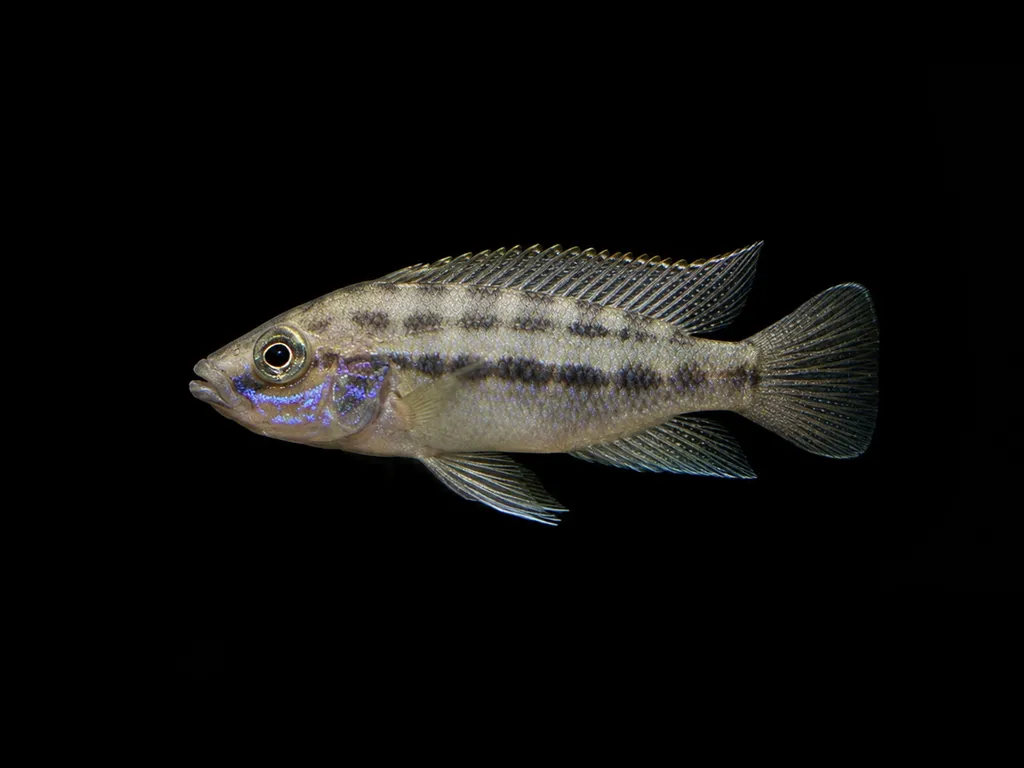 6.7 in (17 cm)79 gal (300 L)75–81°F (24–27°C)
Prochilus cichlid
Neolamprologus prochilus
6.7 in (17 cm) · 79 gal (300 L)
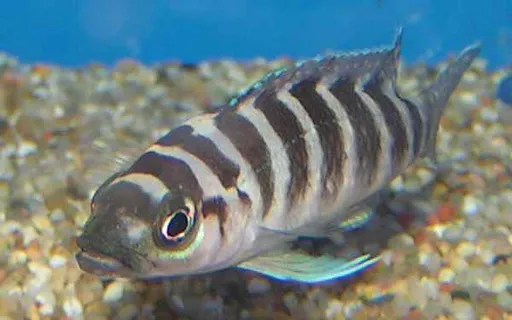 4.7 in (12 cm)29 gal (110 L)75–81°F (24–27°C)
Cylindricus cichlid
Neolamprologus cylindricus
4.7 in (12 cm) · 29 gal (110 L)
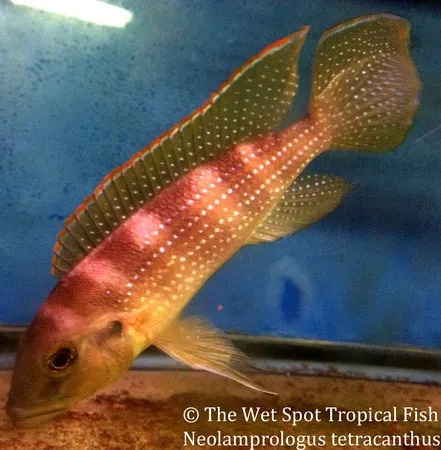 7.9 in (20 cm)79 gal (300 L)75–81°F (24–27°C)
Fourspine lamprologus
Neolamprologus tetracanthus
7.9 in (20 cm) · 79 gal (300 L)