Cylindricus cichlid
Neolamprologus cylindricus
Also known as Cylinder cichlid, Cylindricus
FreshwaterFish
Care at a glance
- Temperature
- 75–81°F
- 24–27°C
- pH
- 7.8–9.0
- Adult size
- 4.7 in
- 12 cm
- Minimum tank
- 29 gal
- 110 L
- Temperament
- Aggressive
- Social behavior
- Solitary
- Tankmates
- With caution
- Swim level
- Bottom
- Diet
- Carnivore
- Difficulty
- Medium
- Breeding
- Cave spawner · Medium
- Rarity
- Common
- Family
- Cichlidae
- Origin
- Rocky shorelines of the southern half of Lake Tanganyika in East Africa.
Overview
The Cylindricus cichlid is a slender, aggressive Tanganyika rock dweller that keeps to the bottom. It suits a keeper who has kept fish for a while.
Did you know
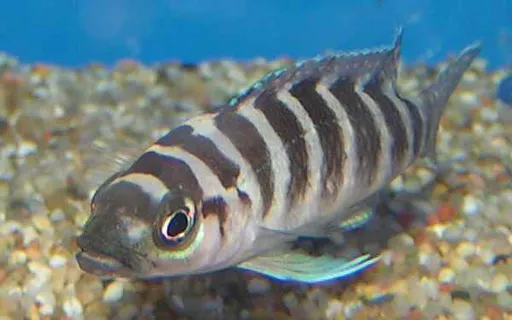
The Cylindricus cichlid's body is built like a tube, so it can reverse deep into a rock crack. Only its barred face shows at the entrance.
Caring for the Cylindricus cichlid
Give a pair or small group of Cylindricus cichlids at least 29 gal (110 L). Pack the tank with rockwork and broken sight lines to spread aggression.
The water must be hard and alkaline, at 75 to 81°F (24 to 27°C) and a pH of 7.8 to 9.0. It is a micro predator, so feed frozen mysis, brine shrimp and chopped shrimp along with carnivore pellets.
Males fight hard over territory, so keep only one male unless the tank is large. Even then, only one male should hold a given rock pile. It is an aggressive fish, so choose tank mates with caution.
Males grow noticeably larger than females. It is a cave spawner that lays its eggs on the roof of a rock crevice. Breeding it is of medium difficulty.
Good to know
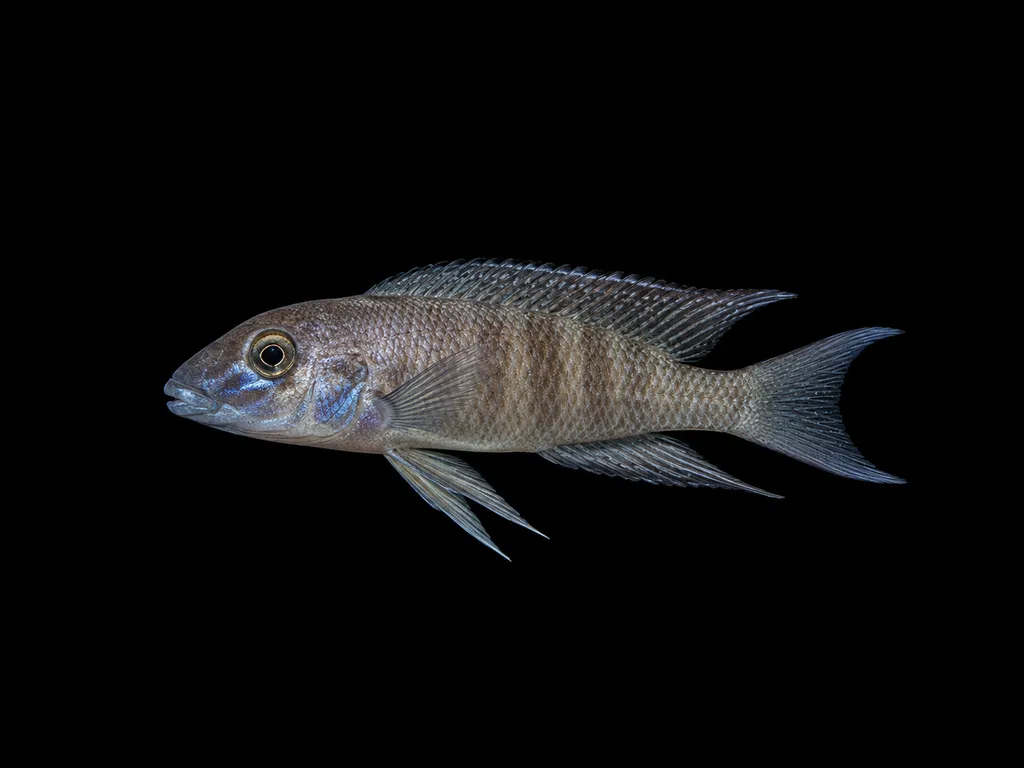
The Cylindricus cichlid, Neolamprologus cylindricus, belongs to the family Cichlidae. Its long body is marked with dark vertical bars.
In the wild
The Cylindricus cichlid lives along rocky shorelines in the southern half of Lake Tanganyika. It hides among the rock piles and rarely strays far from a chosen crevice. Each fish guards a small rocky territory.
Common questions
What size tank does a Cylindricus cichlid need?
A Cylindricus cichlid needs at least 29 gal (110 L). It spends most of its time in the bottom.
What temperature and pH does a Cylindricus cichlid need?
A Cylindricus cichlid is comfortable at 75–81°F (24–27°C) with a pH of 7.8–9.0.
What does a Cylindricus cichlid eat?
A Cylindricus cichlid is a micro predator. It eats frozen mysis, brine shrimp and chopped shrimp, along with carnivore pellets.
How big does a Cylindricus cichlid get?
An adult Cylindricus cichlid reaches about 4.7 in (12 cm).
How can you tell a male Cylindricus cichlid from a female?
Males are noticeably bigger than females.
How does a Cylindricus cichlid breed?
A Cylindricus cichlid spawns in caves, laying its eggs on the roof of a rock crevice. Breeding it is of medium difficulty.
Related species
 3.9 in (10 cm)42 gal (160 L)75–81°F (24–27°C)
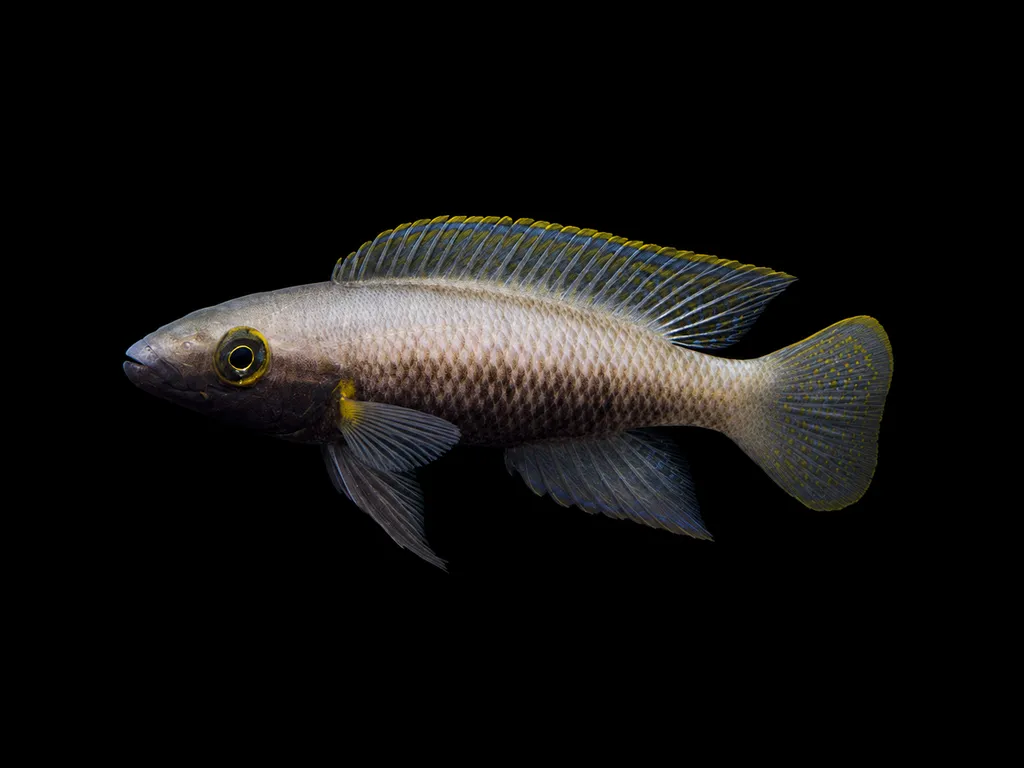
Black-belly lamprologus
Neolamprologus nigriventris
3.9 in (10 cm) · 42 gal (160 L)
 3.9 in (10 cm)42 gal (160 L)75–81°F (24–27°C)
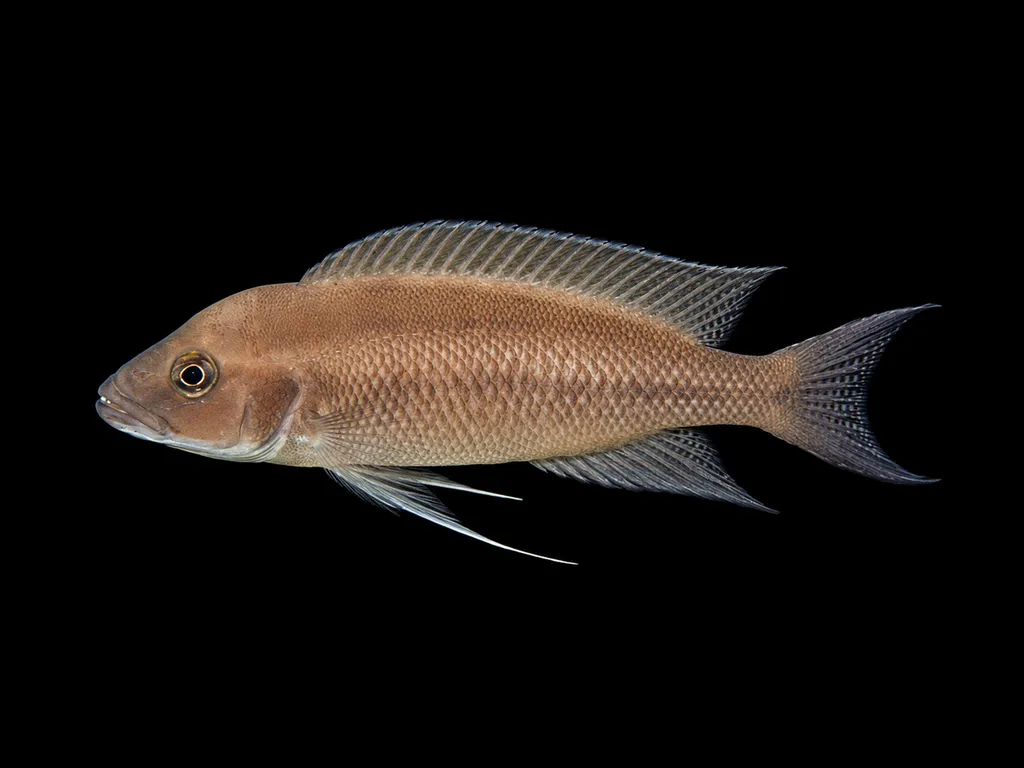
Longtail lamprologus
Neolamprologus longicaudatus
3.9 in (10 cm) · 42 gal (160 L)
 5.9 in (15 cm)66 gal (250 L)75–81°F (24–27°C)
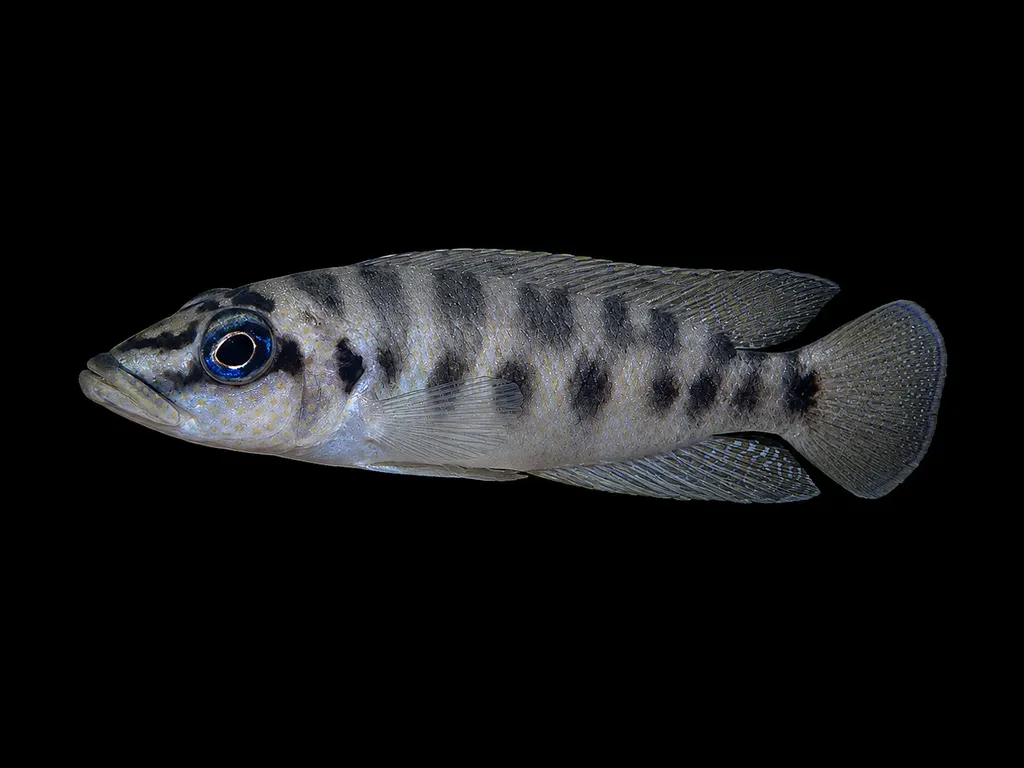
Barred lamprologus
Neolamprologus fasciatus
5.9 in (15 cm) · 66 gal (250 L)
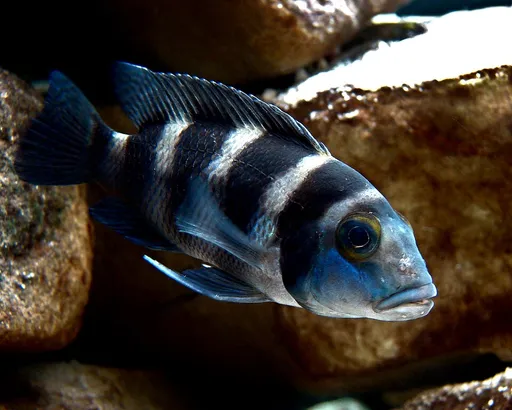
 5.9 in (15 cm)66 gal (250 L)75–81°F (24–27°C)
Christy's lamprologus
Neolamprologus christyi
5.9 in (15 cm) · 66 gal (250 L)
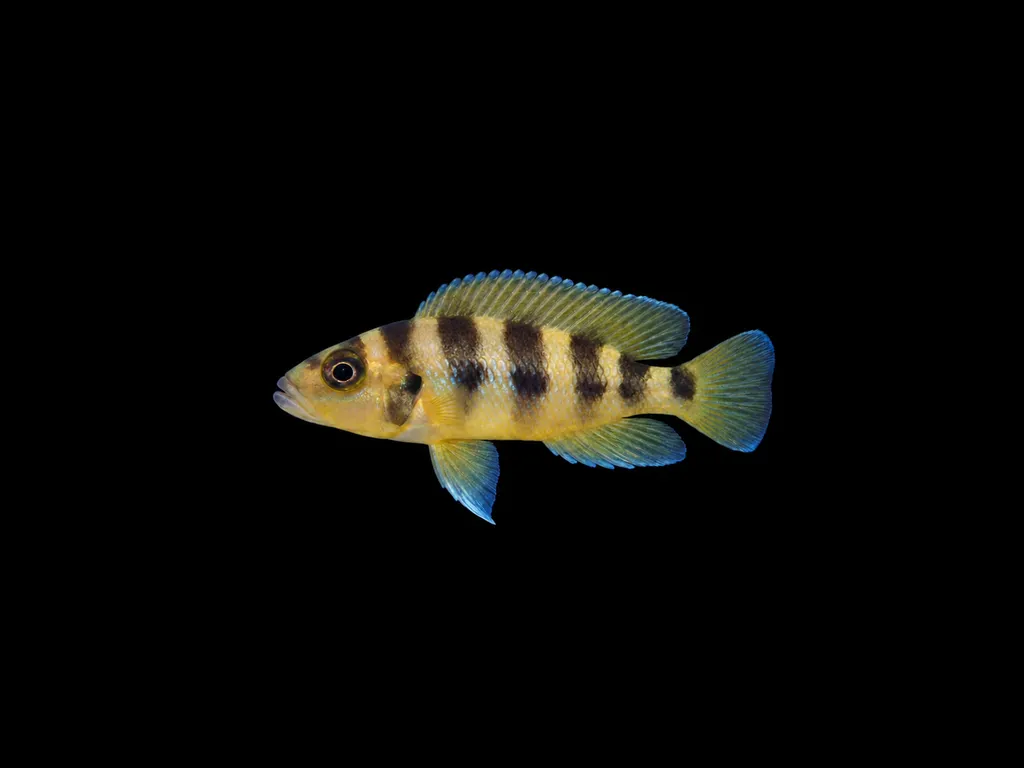
 5.9 in (15 cm)53 gal (200 L)73–81°F (23–27°C)
Five-bar cichlid
Neolamprologus tretocephalus
5.9 in (15 cm) · 53 gal (200 L)
 5.9 in (15 cm)79 gal (300 L)75–81°F (24–27°C)
Six-bar lamprologus
Neolamprologus sexfasciatus
5.9 in (15 cm) · 79 gal (300 L)