Black-belly lamprologus
Neolamprologus nigriventris
Also known as Lamprologus nigriventris
FreshwaterFish
Care at a glance
- Temperature
- 75–81°F
- 24–27°C
- pH
- 7.8–9.0
- Adult size
- 3.9 in
- 10 cm
- Minimum tank
- 42 gal
- 160 L
- Temperament
- Aggressive
- Social behavior
- Solitary
- Tankmates
- With caution
- Swim level
- Bottom
- Difficulty
- Medium
- Breeding
- Cave spawner · Hard
- Rarity
- Rare
- Family
- Cichlidae
- Origin
- Lake Tanganyika, Congolese coast
Overview
The black-belly lamprologus is a small, rock-dwelling cichlid from Lake Tanganyika. It is slow to settle, but once it does, it stays faithful to its chosen cave. It is best with a little experience.
Did you know
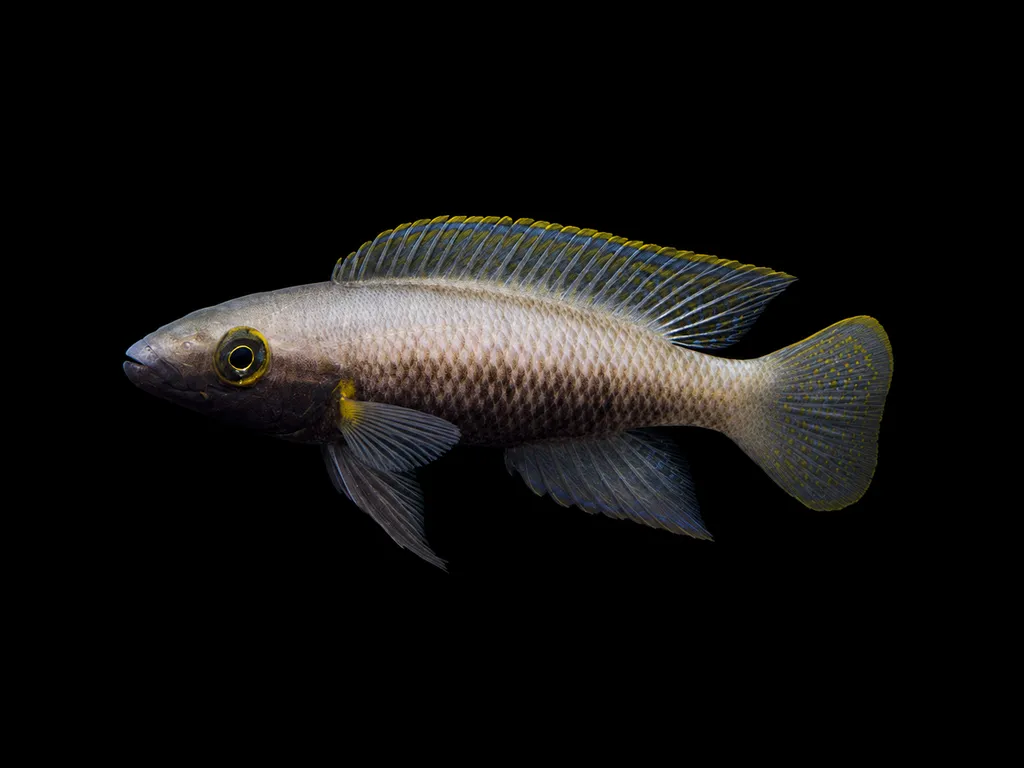
The black-belly lamprologus wears a notably dark belly, the opposite of most fish. Most fish are pale on the belly and darker on the back, a shading that helps hide them when seen from below.
Caring for the black-belly lamprologus
A black-belly lamprologus needs at least 42 gal (160 L), with a well-built pile of rock over a sand floor. Build in shaded caves and crevices, and keep the lighting fairly subdued.
Give it hard, alkaline water like its home lake, at 75 to 81°F (24 to 27°C) and a pH of 7.8 to 9.0. It hunts small invertebrates around the stone, so feed small meaty foods such as frozen cyclops, mysis and brine shrimp. Add fine pellets as well.
Keep it as a single fish or a pair, not a group, and let it establish a territory in the rocks undisturbed. It is territorial and can be scrappy, so choose tank mates with caution. Pick calm to moderately assertive Tanganyikans of similar size that will not overwhelm it. It is a cave spawner, and breeding it in the aquarium is hard.
Good to know
The black-belly lamprologus is a member of the cichlid family, described by Buscher in 1992. Its name nigriventris means black-bellied, after its unusually dark underside.
In the wild
The black-belly lamprologus is found along the rocky southwestern shore of Lake Tanganyika. It lives on sand-and-rock slopes, staying close to the stone and often at some depth.
Common questions
What size tank does a black-belly lamprologus need?
A black-belly lamprologus needs at least 42 gal (160 L). It spends most of its time in the bottom.
What temperature and pH does a black-belly lamprologus need?
A black-belly lamprologus is comfortable at 75–81°F (24–27°C) with a pH of 7.8–9.0.
What does a black-belly lamprologus eat?
A black-belly lamprologus eats small meaty foods such as frozen cyclops, mysis and brine shrimp, along with fine pellets.
How big does a black-belly lamprologus get?
An adult black-belly lamprologus reaches about 3.9 in (10 cm).
How does a black-belly lamprologus breed?
The black-belly lamprologus spawns in caves. It is hard to breed in the aquarium.
Related species
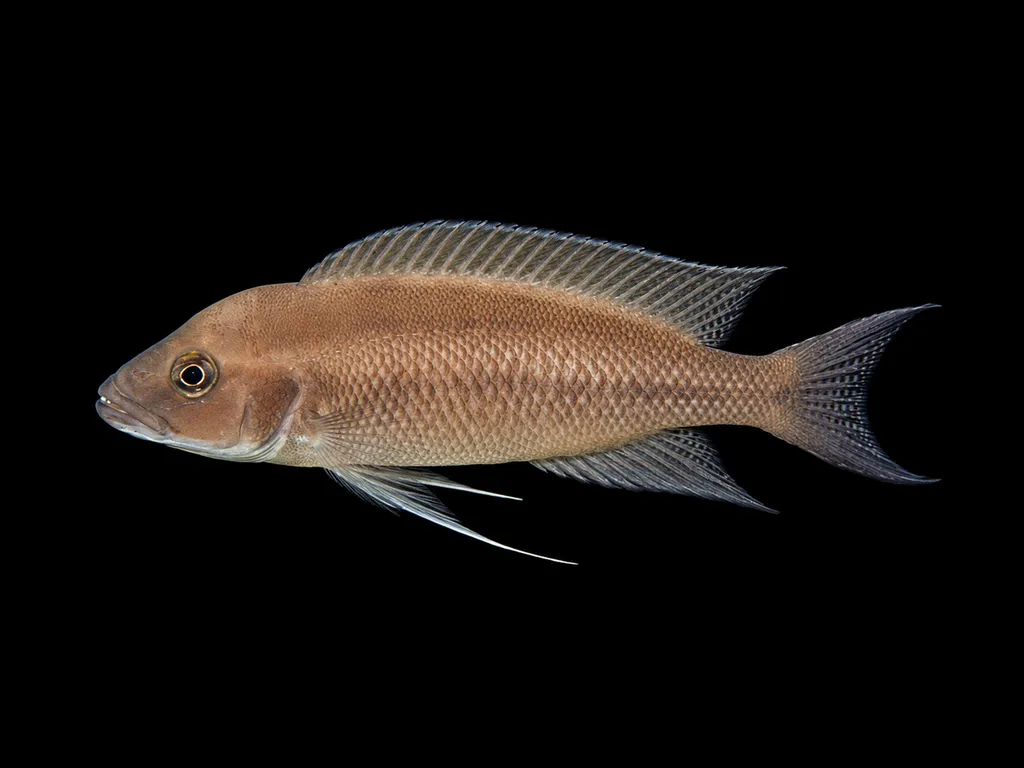 3.9 in (10 cm)42 gal (160 L)75–81°F (24–27°C)
Longtail lamprologus
Neolamprologus longicaudatus
3.9 in (10 cm) · 42 gal (160 L)
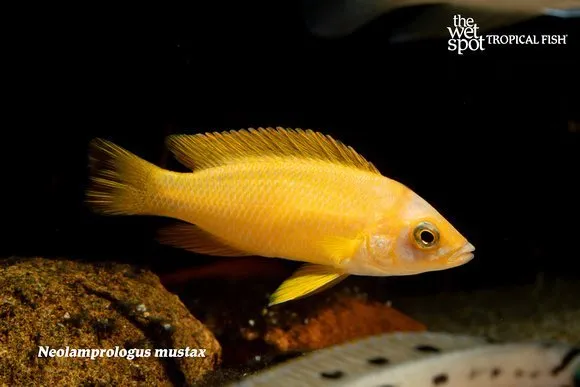 3.5 in (9 cm)42 gal (160 L)75–81°F (24–27°C)
Mustache lamprologus
Neolamprologus mustax
3.5 in (9 cm) · 42 gal (160 L)
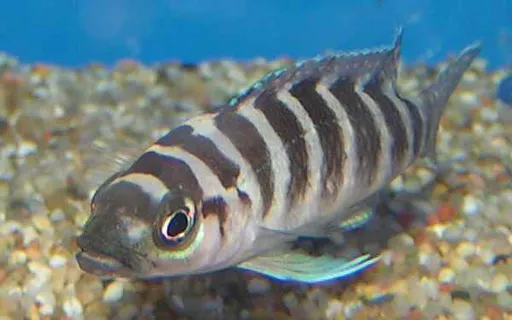 4.7 in (12 cm)29 gal (110 L)75–81°F (24–27°C)
Cylindricus cichlid
Neolamprologus cylindricus
4.7 in (12 cm) · 29 gal (110 L)
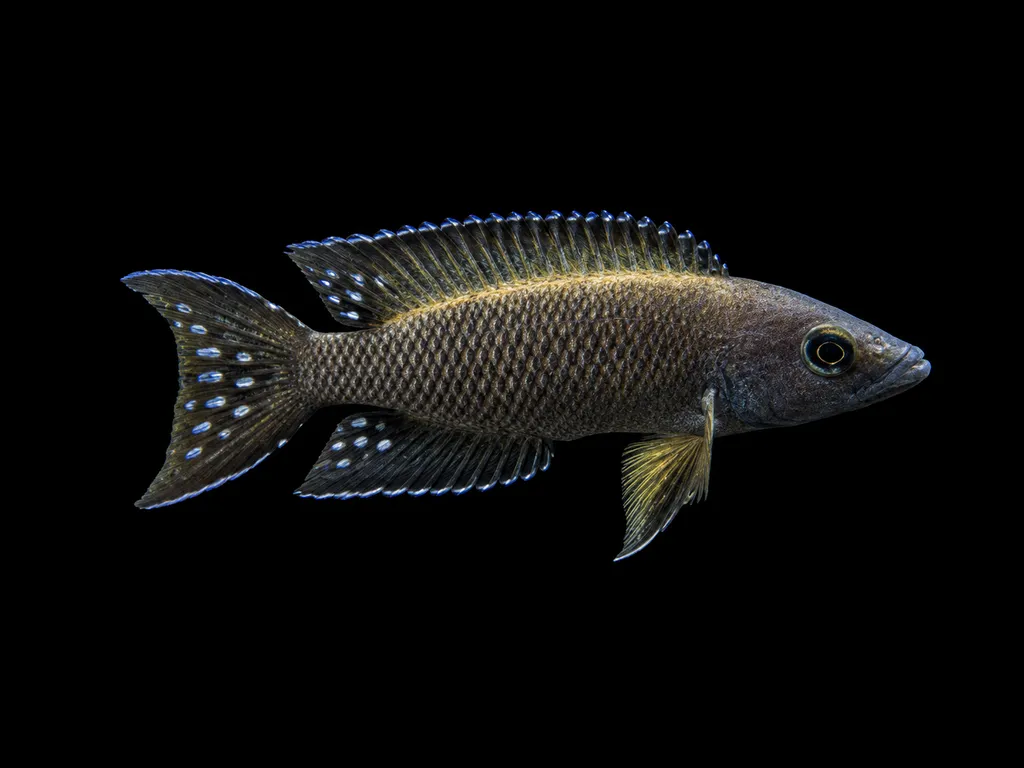 3.1 in (8 cm)28 gal (105 L)75–81°F (24–27°C)
Buescher's cichlid
Neolamprologus buescheri
3.1 in (8 cm) · 28 gal (105 L)
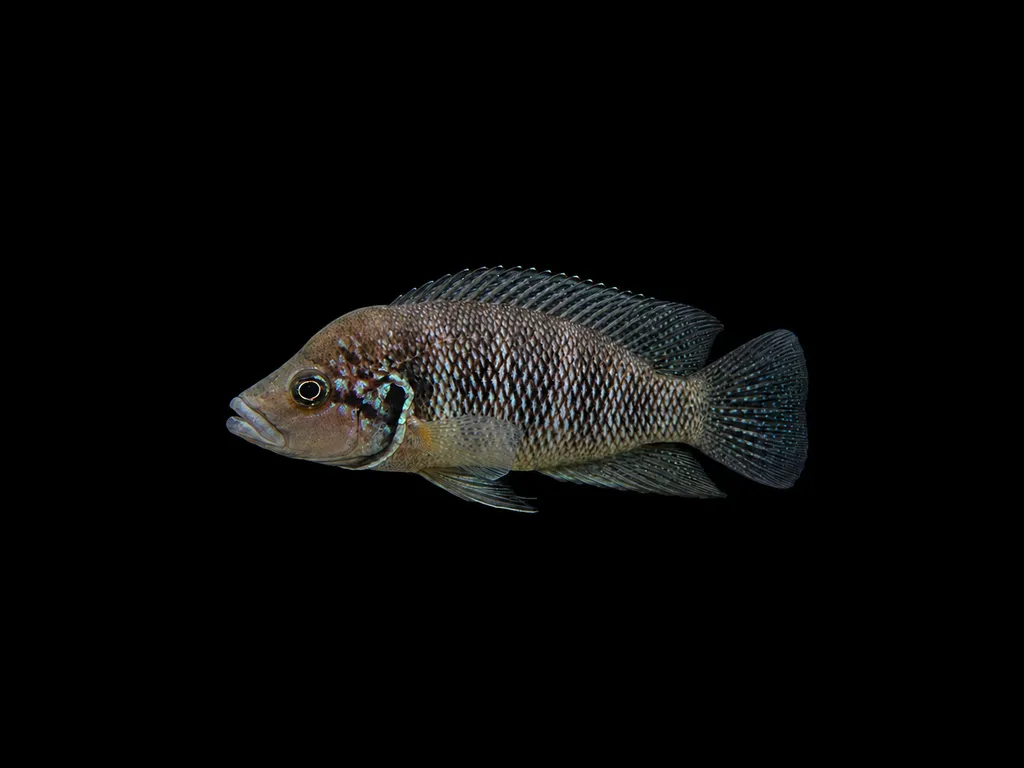 3.1 in (8 cm)18 gal (70 L)75–81°F (24–27°C)
Savory's cichlid
Neolamprologus savoryi
3.1 in (8 cm) · 18 gal (70 L)
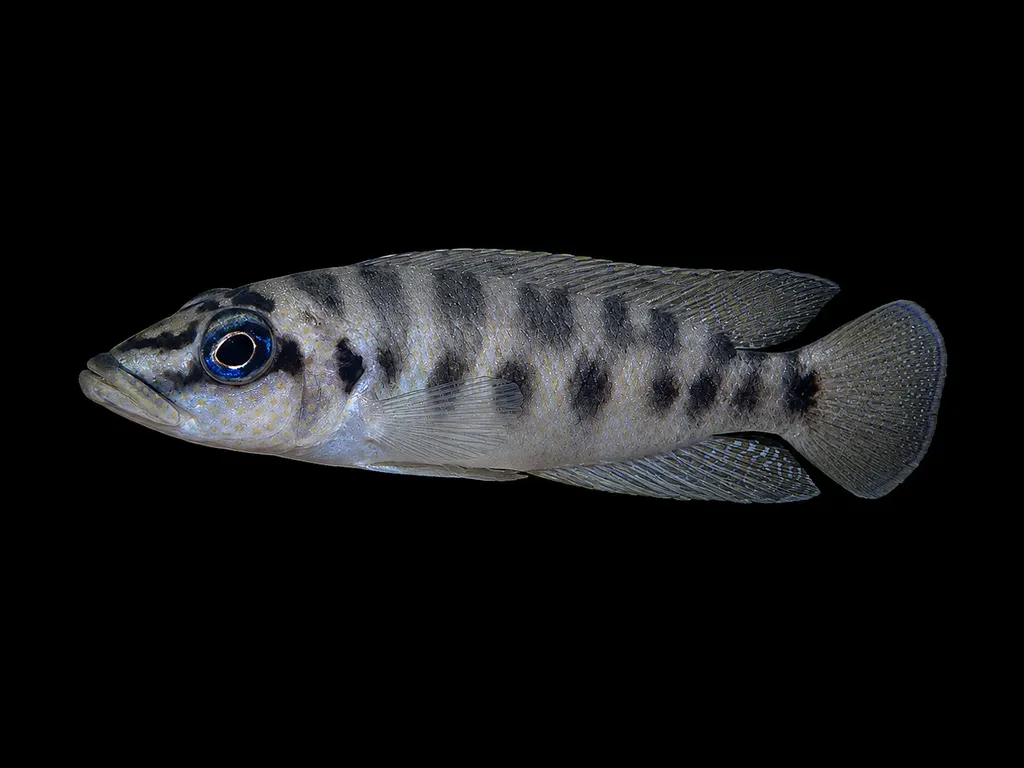 5.9 in (15 cm)66 gal (250 L)75–81°F (24–27°C)
Barred lamprologus
Neolamprologus fasciatus
5.9 in (15 cm) · 66 gal (250 L)