Butterfly xenotilapia
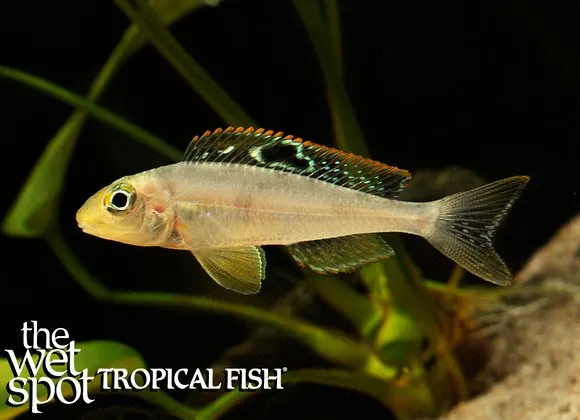
Xenotilapia papilio
Also known as Sunflower xenotilapia, Papilio sand cichlid
FreshwaterFish
Care at a glance
- Temperature
- 75–81°F
- 24–27°C
- pH
- 7.8–9.0
- Adult size
- 3.1 in
- 8 cm
- Minimum tank
- 53 gal
- 200 L
- Temperament
- Peaceful
- Social behavior
- Social
- Swim level
- Bottom
- Difficulty
- Difficult
- Breeding
- Mouthbrooder · Hard
- Rarity
- Rare
- Family
- Cichlidae
- Origin
- Lake Tanganyika, Congolese coast
Overview
The butterfly xenotilapia is a small, peaceful sand-dwelling cichlid from Lake Tanganyika. It suits a calm species tank or a gentle Tanganyikan community, and it is for experienced keepers.
Did you know
A butterfly xenotilapia pair takes turns carrying its young, rather than leaving all the work to the mother. Partway through the brood, the parents pass the fry from one mouth to the other. That way each parent shoulders part of the incubation.
Caring for the butterfly xenotilapia
Give a butterfly xenotilapia at least 53 gal (200 L), with a deep bed of fine sand. Add some flat stones, with rounded rock at the edges, and keep the flow gentle. It lives right on the bottom, over sand near rock.
Match the very hard, alkaline water of Lake Tanganyika, at 75 to 81°F (24 to 27°C) and a pH of 7.8 to 9.0. Keep it clean and stable. The butterfly xenotilapia sifts the fine sand and picks out small foods. Offer frozen cyclops, baby brine shrimp and mysis with a good sinking flake.
It is peaceful but delicate and easily out-competed. Keep it only with slow, quiet tank mates, or on its own. A pair is the natural unit, though it is sometimes kept in a small colony.
It is a mouthbrooder, and breeding it is hard. Keep a pair on its own if you want it to breed.
Good to know
The butterfly xenotilapia, Xenotilapia papilio, belongs to the cichlid family and was described in 1990. Its name papilio means butterfly and refers to the finnage. The Sunflower form carries a lemon-yellow dorsal fin.
In the wild
The butterfly xenotilapia works the transition between pebble and open sand on the southwestern, Congolese shore of Lake Tanganyika. The water there is clear, hard and rich in oxygen.
Weekly picks
Tank mates
The butterfly xenotilapia is a peaceful, social species that keeps to the bottom. These picks share a community profile with it, are safe together in both directions, and overlap on water type, temperature and pH.
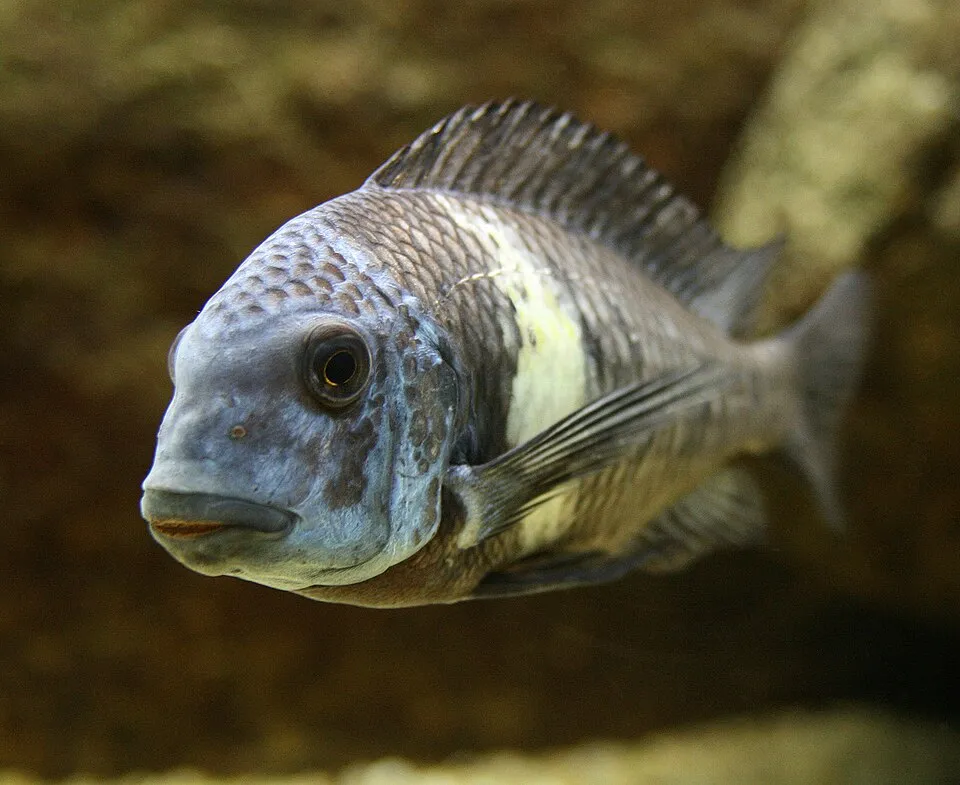
White-spotted cichlid
Tropheus duboisi
Freshwater4.7 in (12 cm) · 29 gal (110 L)73–82°F (23–28°C)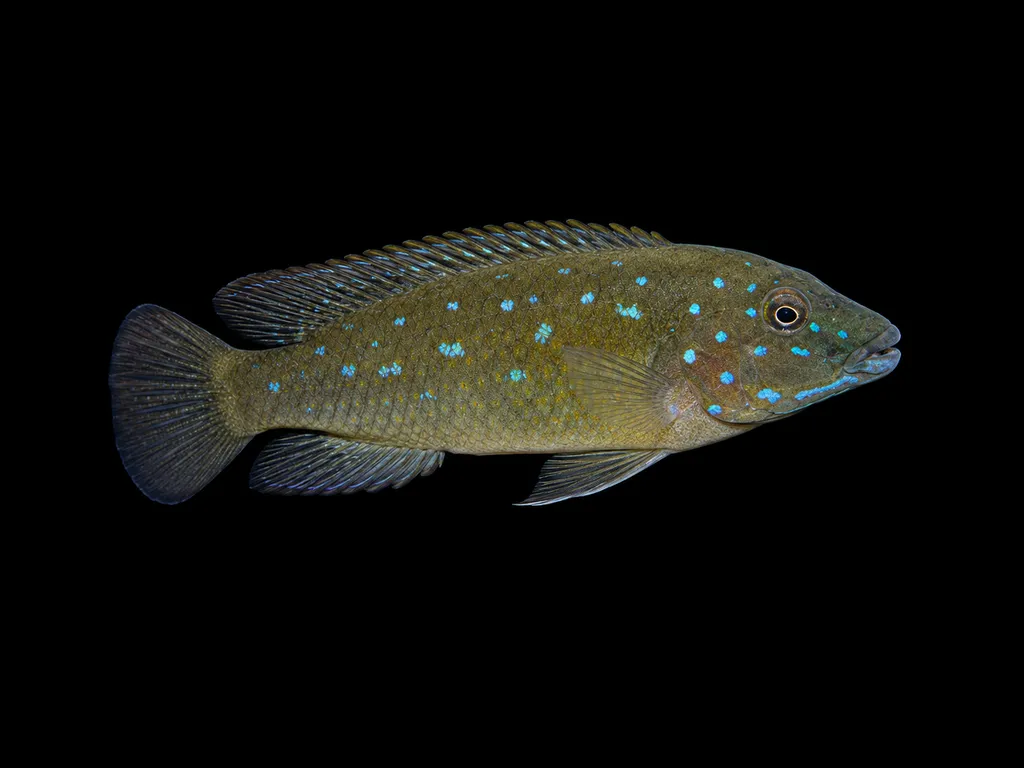
Blue-spot goby cichlid
Spathodus erythrodon
Freshwater3.3 in (8.5 cm) · 29 gal (110 L)75–81°F (24–27°C)
Tanganyika killifish
Lamprichthys tanganicanus
Freshwater5.5 in (14 cm) · 40 gal (150 L)73–77°F (23–25°C)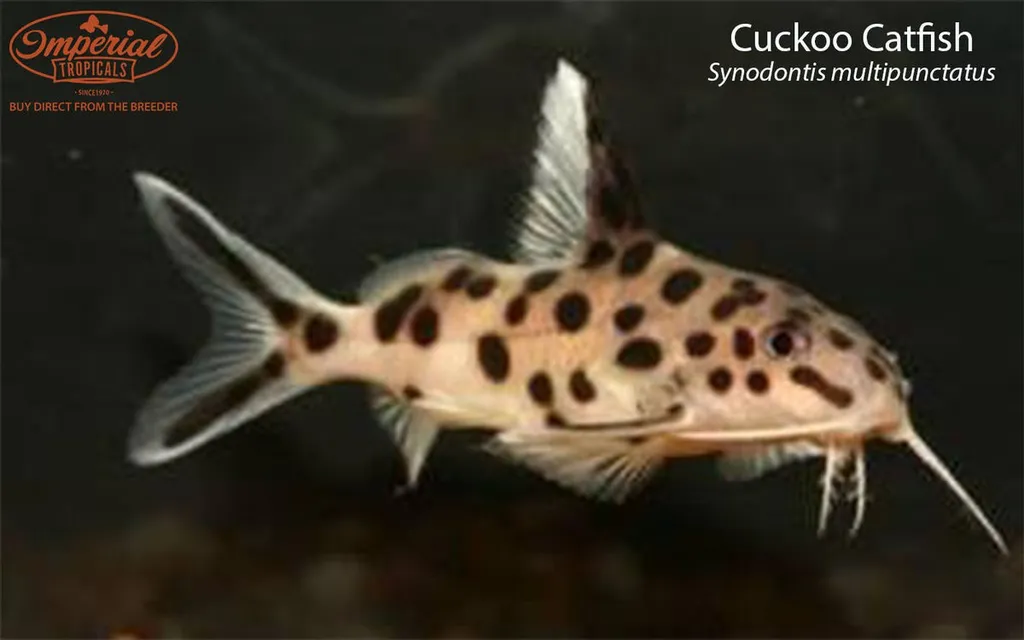
Cuckoo squeaker
Synodontis multipunctatus
Freshwater7.1 in (18 cm) · 29 gal (110 L)75–82°F (24–28°C)
Common questions
What size tank does a butterfly xenotilapia need?
A butterfly xenotilapia needs at least 53 gal (200 L). It spends most of its time in the bottom.
What temperature and pH does a butterfly xenotilapia need?
A butterfly xenotilapia is comfortable at 75–81°F (24–27°C) with a pH of 7.8–9.0.
What does a butterfly xenotilapia eat?
A butterfly xenotilapia sifts fine sand and picks out small foods. Offer it frozen cyclops, baby brine shrimp and mysis, with a good sinking flake.
How big does a butterfly xenotilapia get?
An adult butterfly xenotilapia reaches about 3.1 in (8 cm).
How does a butterfly xenotilapia breed?
The butterfly xenotilapia is a mouthbrooder, and breeding it is hard. Keep a pair on its own if you want it to breed.
Related species
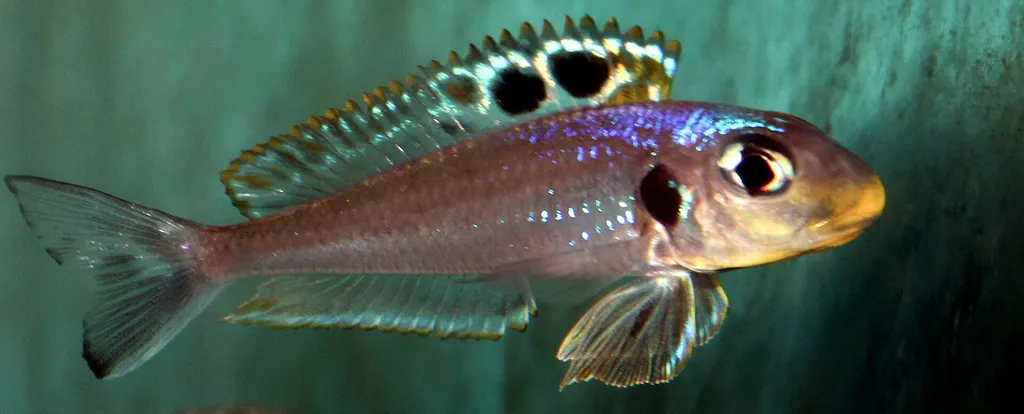 4.1 in (10.5 cm)66 gal (250 L)75–81°F (24–27°C)
Deepwater xenotilapia
Xenotilapia bathyphila
4.1 in (10.5 cm) · 66 gal (250 L)
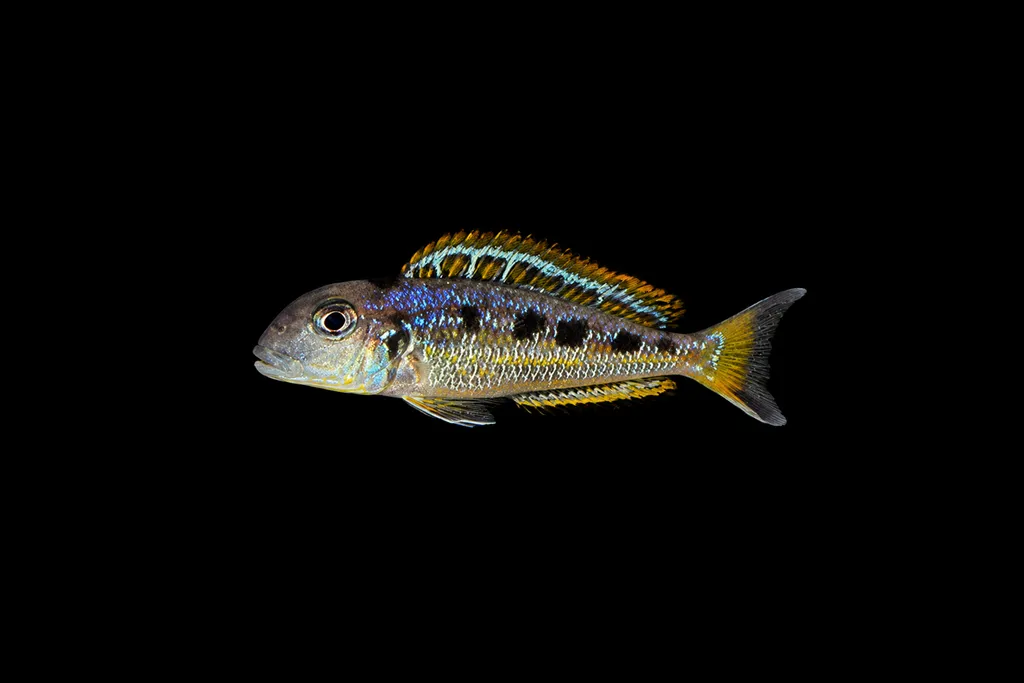 4.3 in (11 cm)79 gal (300 L)75–81°F (24–27°C)
Yellow-cheek xenotilapia
Xenotilapia ochrogenys
4.3 in (11 cm) · 79 gal (300 L)
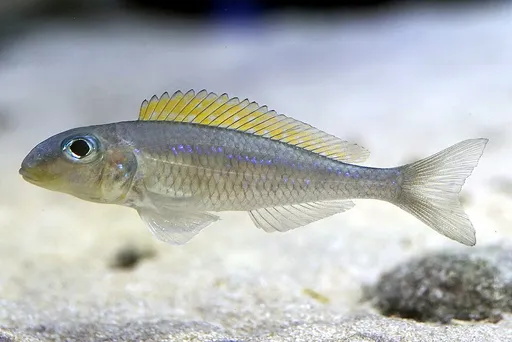 3.5 in (9 cm)53 gal (200 L)75–81°F (24–27°C)
Yellow sand cichlid
Xenotilapia flavipinnis
3.5 in (9 cm) · 53 gal (200 L)
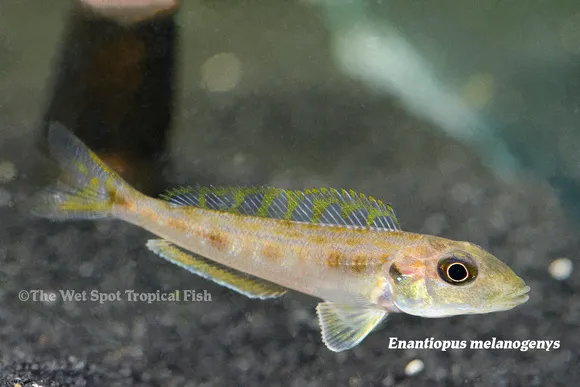 5.9 in (15 cm)106 gal (400 L)75–81°F (24–27°C)
Blackchin sand diver
Xenotilapia melanogenys
5.9 in (15 cm) · 106 gal (400 L)
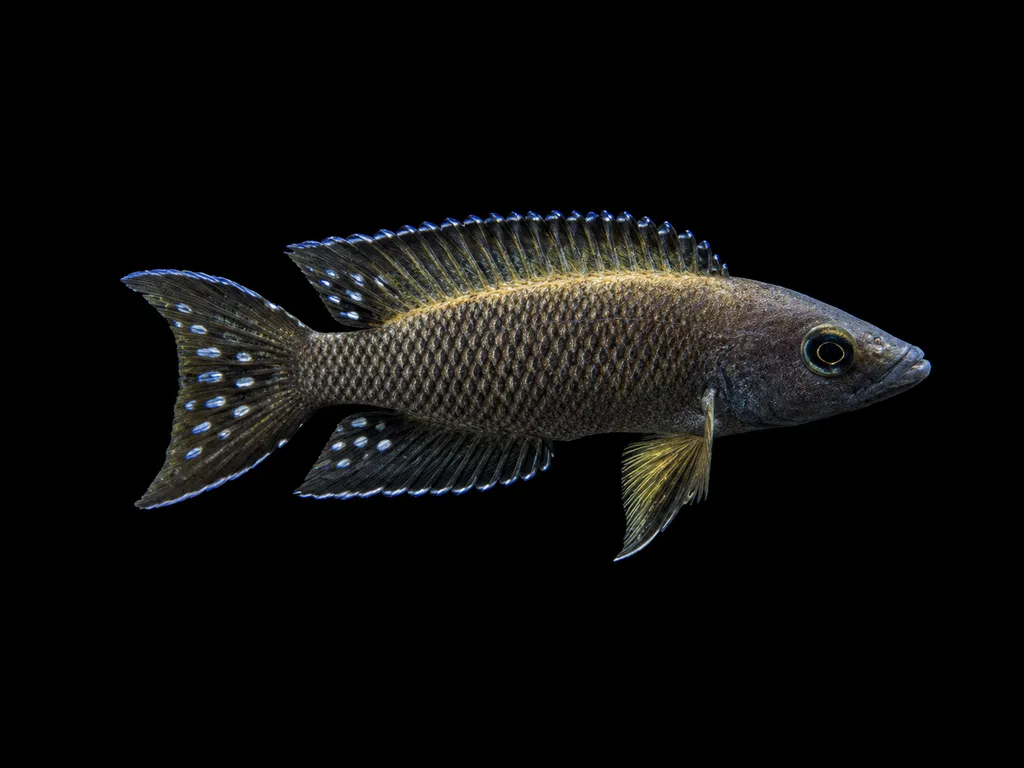 3.1 in (8 cm)28 gal (105 L)75–81°F (24–27°C)
Buescher's cichlid
Neolamprologus buescheri
3.1 in (8 cm) · 28 gal (105 L)
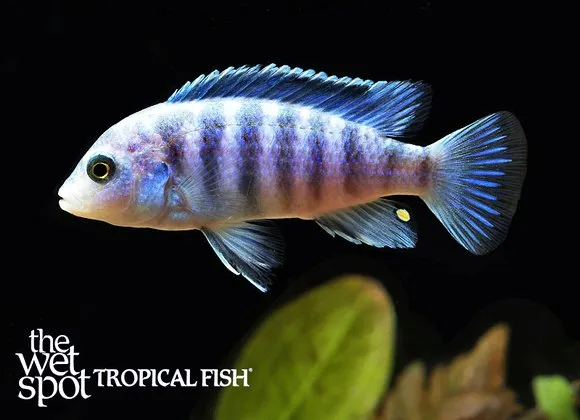 3.1 in (8 cm)42 gal (160 L)75–82°F (24–28°C)
Clown labidochromis
Labidochromis chisumulae
3.1 in (8 cm) · 42 gal (160 L)