Deepwater xenotilapia
Xenotilapia bathyphila
Also known as Xenotilapia bathyphilus, Yellow-fin deepwater xeno
FreshwaterFish
Care at a glance
- Temperature
- 75–81°F
- 24–27°C
- pH
- 7.8–9.0
- Adult size
- 4.1 in
- 10.5 cm
- Minimum tank
- 66 gal
- 250 L
- Temperament
- Peaceful
- Social behavior
- Social
- Swim level
- Bottom
- Difficulty
- Difficult
- Breeding
- Mouthbrooder · Hard
- Rarity
- Rare
- Family
- Cichlidae
- Origin
- Lake Tanganyika
Overview
The deepwater xenotilapia is a gentle, gregarious sand sifter for the bottom of a Tanganyikan tank. It is best left to experienced keepers.
Did you know
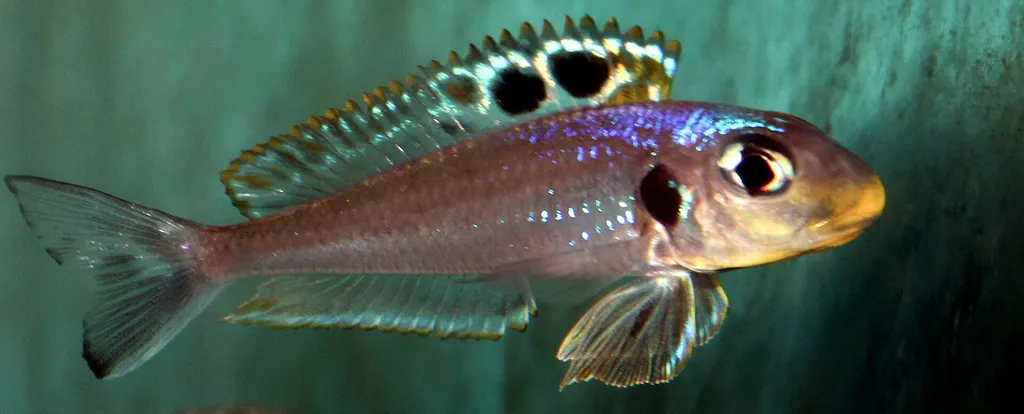
The deepwater xenotilapia is built for the deep, dim floor of the lake. Its oversized, jet-black eyes gather what little light filters down to the sand it feeds on.
Caring for the deepwater xenotilapia
Keep deepwater xenotilapia in a group of six or more, since a fish kept alone loses its nerve. Give the group at least 66 gal (250 L) with plenty of unbroken sand to work.
It cruises just above the bottom, taking mouthfuls of sand to strain out small crustaceans and larvae. A deep bed of soft, fine, pale sand is essential, with only a little rock at the edges.
Match the lake's hard, alkaline chemistry, at 75 to 81°F (24 to 27°C) and a pH of 7.8 to 9.0. Strong filtration and spotless water matter, since it suffers in poor conditions.
Feed small sinking foods, frozen cyclops, brine shrimp and finely chopped meaty items that reach the floor. It is peaceful and no threat to tank mates, but it is easily cowed. Keep it only with calm Tanganyikan species and nothing pushy.
It is a maternal mouthbrooder, and the female holds the eggs and fry in her mouth. Captive breeding is hard and needs a settled group, pristine hard water and the right sex balance before pairs form.
Good to know
The deepwater xenotilapia belongs to the family Cichlidae and to the Tanganyikan sand-dwelling ectodine group. Its species name, bathyphila, means depth-loving, a nod to its life in deeper water than most of its relatives.
In the wild
The deepwater xenotilapia lives over the sand flats of Lake Tanganyika. It stays mostly well below the sunlit shallows, where light is dim and conditions stay cool and stable.
Weekly picks
Tank mates
The deepwater xenotilapia is a peaceful, social species that keeps to the bottom. These picks share a community profile with it, are safe together in both directions, and overlap on water type, temperature and pH.
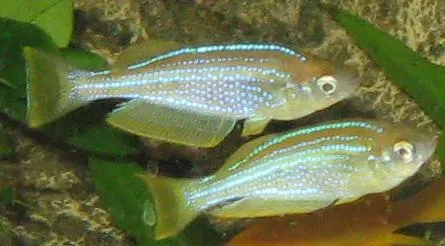
Tanganyika killifish
Lamprichthys tanganicanus
Freshwater5.5 in (14 cm) · 40 gal (150 L)73–77°F (23–25°C)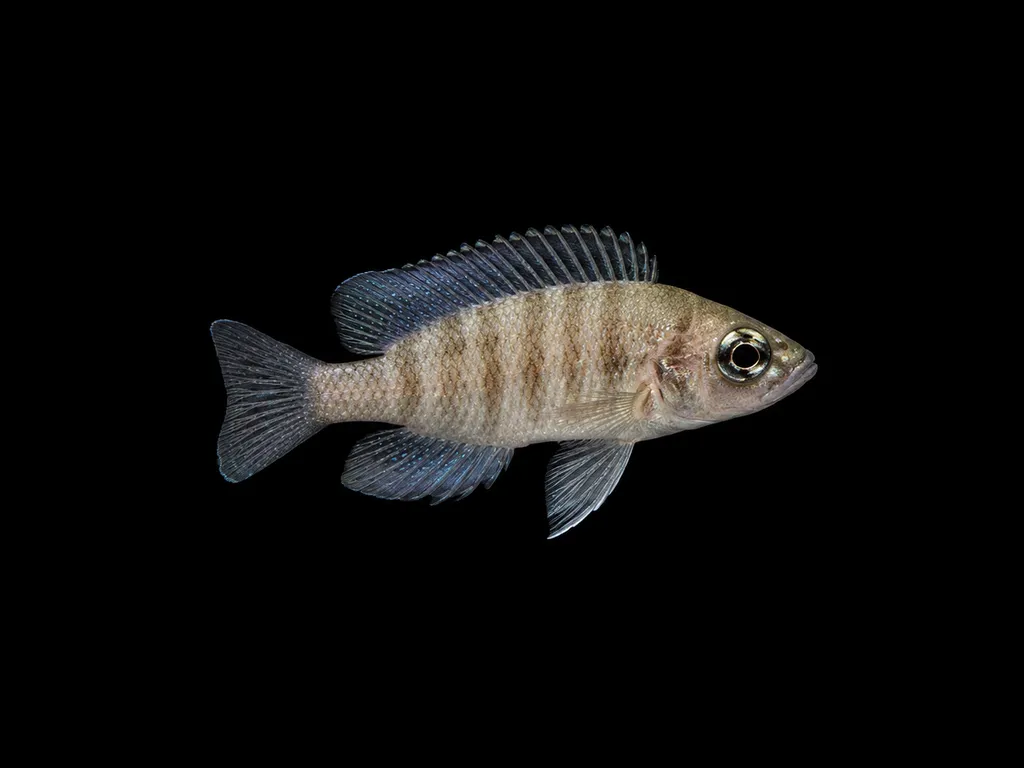
Toa cichlid
Neolamprologus toae
Freshwater4.7 in (12 cm) · 53 gal (200 L)75–81°F (24–27°C)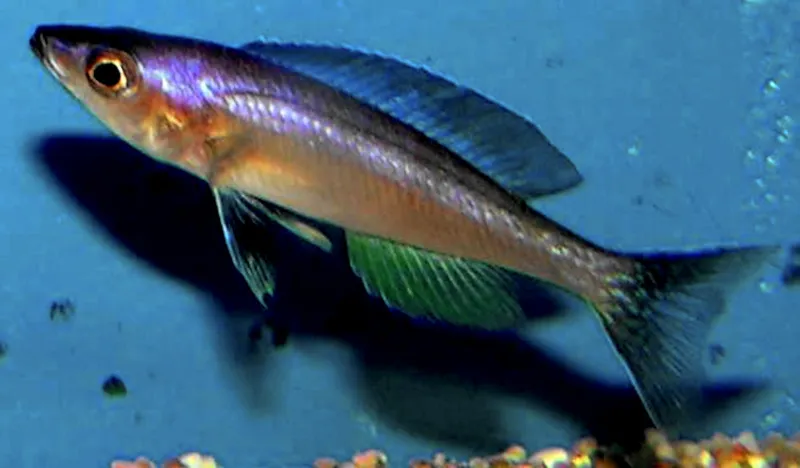
Sardine cichlid
Cyprichromis leptosoma
Freshwater4.3 in (11 cm) · 63 gal (240 L)75–81°F (24–27°C)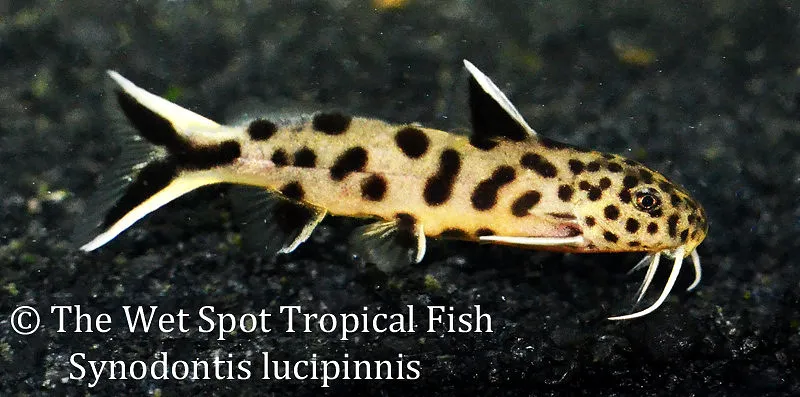
Dwarf petricola
Synodontis lucipinnis
Freshwater3.9 in (10 cm) · 30 gal (114 L)73–81°F (23–27°C)
Common questions
What size tank does a deepwater xenotilapia need?
A deepwater xenotilapia needs at least 66 gal (250 L). It spends most of its time in the bottom.
What temperature and pH does a deepwater xenotilapia need?
A deepwater xenotilapia is comfortable at 75–81°F (24–27°C) with a pH of 7.8–9.0.
What does a deepwater xenotilapia eat?
A deepwater xenotilapia eats small sinking foods, frozen cyclops, brine shrimp and finely chopped meaty items that reach the floor. It also strains small crustaceans and larvae from mouthfuls of sand.
How big does a deepwater xenotilapia get?
An adult deepwater xenotilapia reaches about 4.1 in (10.5 cm).
How does a deepwater xenotilapia breed?
The deepwater xenotilapia is a maternal mouthbrooder, with the female holding the eggs and fry in her mouth. Breeding it is hard and needs a settled group, pristine water and the right sex balance.
Related species
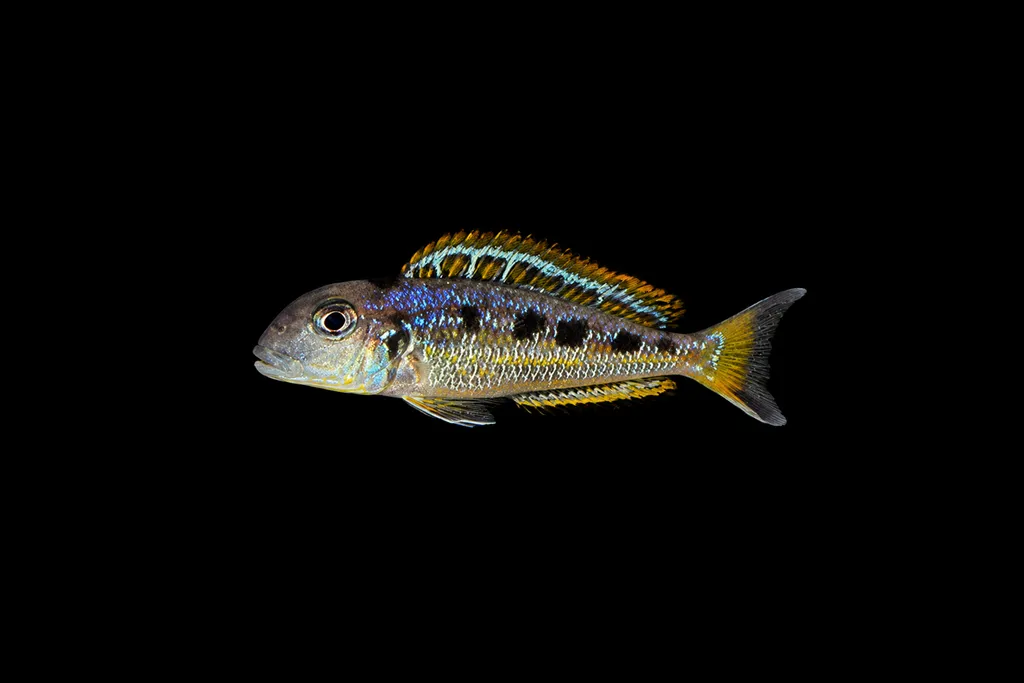 4.3 in (11 cm)79 gal (300 L)75–81°F (24–27°C)
Yellow-cheek xenotilapia
Xenotilapia ochrogenys
4.3 in (11 cm) · 79 gal (300 L)
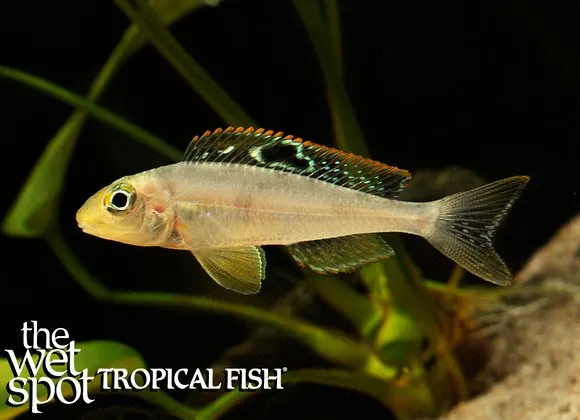 3.1 in (8 cm)53 gal (200 L)75–81°F (24–27°C)
Butterfly xenotilapia
Xenotilapia papilio
3.1 in (8 cm) · 53 gal (200 L)
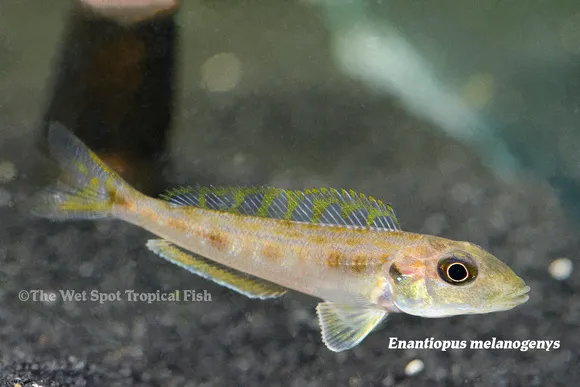 5.9 in (15 cm)106 gal (400 L)75–81°F (24–27°C)
Blackchin sand diver
Xenotilapia melanogenys
5.9 in (15 cm) · 106 gal (400 L)
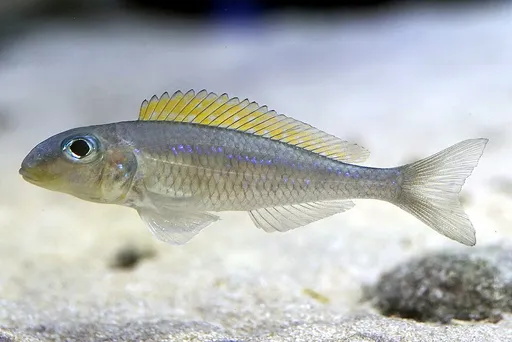 3.5 in (9 cm)53 gal (200 L)75–81°F (24–27°C)
Yellow sand cichlid
Xenotilapia flavipinnis
3.5 in (9 cm) · 53 gal (200 L)
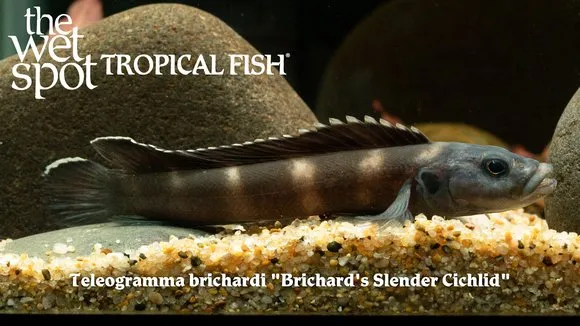 4.1 in (10.5 cm)53 gal (200 L)73–81°F (23–27°C)
Brichard's teleogramma
Teleogramma brichardi
4.1 in (10.5 cm) · 53 gal (200 L)
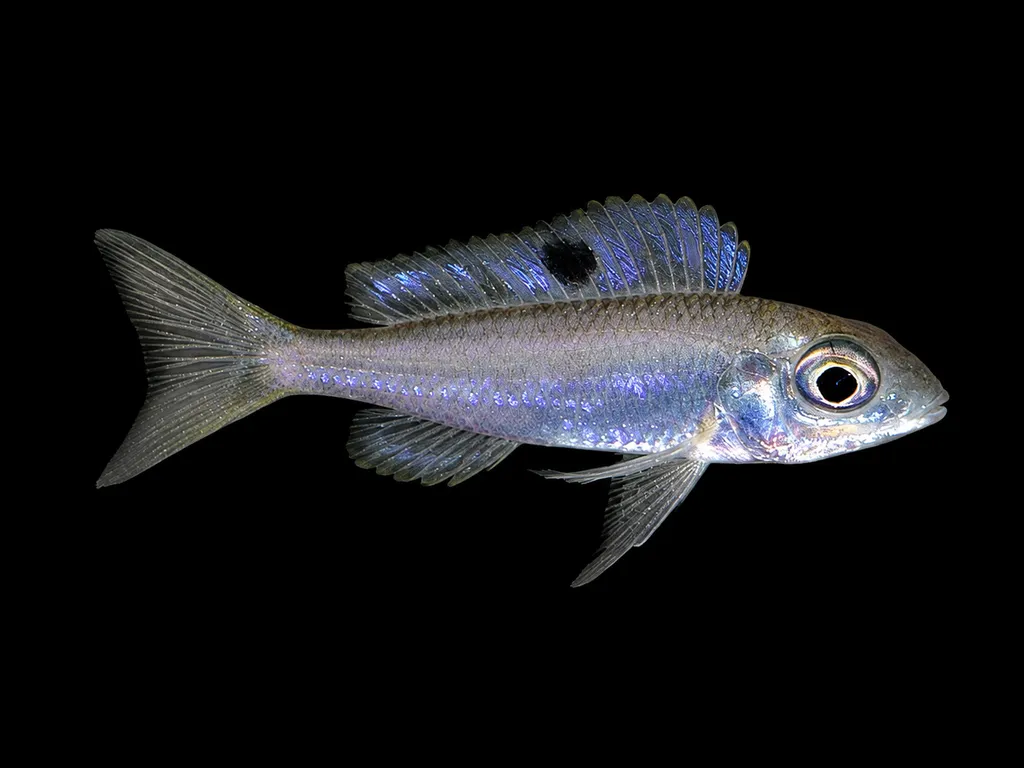 4.1 in (10.5 cm)66 gal (250 L)75–81°F (24–27°C)
Descamps' sand cichlid
Ectodus descampsii
4.1 in (10.5 cm) · 66 gal (250 L)