Tanganyika killifish
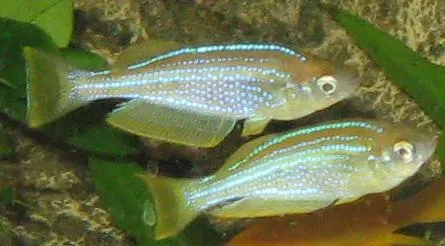
Lamprichthys tanganicanus
Also known as Lake Tanganyika Killi
FreshwaterFish
Care at a glance
- Temperature
- 73–77°F
- 23–25°C
- pH
- 7.0–8.0
- Adult size
- 5.5 in
- 14 cm
- Minimum tank
- 40 gal
- 150 L
- Temperament
- Peaceful
- Social behavior
- Social
- Swim level
- Middle
- Difficulty
- Difficult
- Breeding
- No record
- Rarity
- Very rare
- Family
- Procatopodidae
- Origin
- Lake Tanganyika
Overview
The Tanganyika killifish is an open-water, schooling fish that needs to be kept in a group of six or more, ideally with plenty of swimming room. It is peaceful but active and fast, and it does best with calm tankmates that enjoy the same hard, alkaline water, such as small Tanganyikan cichlids. Feed a varied diet of small frozen and live foods like brine shrimp and daphnia alongside a quality flake. It is sensitive to poor water and stress and ships badly, so it needs mature, very stable, well-oxygenated water. Give a school a tank of 150 liters or larger, and more length is better for these strong swimmers.
In the wild
Lamprichthys tanganicanus is found only in Lake Tanganyika in East Africa, where it schools along rocky shores and out over open water. The lake is hard, alkaline and very stable, so keep a temperature between 23 and 25 C and a pH from about 7 to 8, with high mineral content. A large tank with rockwork, open swimming space and clean, oxygen-rich water recreates its home. Stable, well-filtered conditions are essential, as this fish reacts badly to swings in water quality.
Good to know
Despite being grouped with the livebearers here, the Tanganyika killifish is not a livebearer at all. It is a lampeye of the family Procatopodidae, and it lays eggs rather than bearing live young. Adults reach about 14 to 15 cm, making it one of the largest of the African lampeyes. Pairs spawn by pushing their non-adhesive eggs deep into narrow rock crevices, where the eggs develop out of reach of predators. Aquarium breeding is seldom documented and is considered a challenge.
Did you know
This is the only killifish native to Lake Tanganyika, and adults are covered in rows of shining, pale-blue spangles that flash as the school turns in open water.
Weekly picks
Tank mates
Tanganyika killifish is a peaceful, social species that keeps to the middle. These picks share a community profile with it, are safe together in both directions, and overlap on water type, temperature and pH.
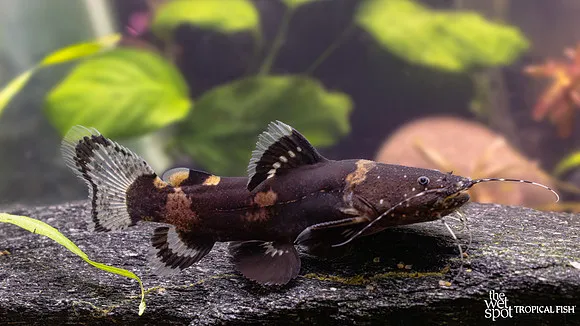
Poll's synodontis
Synodontis polli
Freshwater7.1 in (18 cm) · 50 gal (190 L)72–79°F (22–26°C)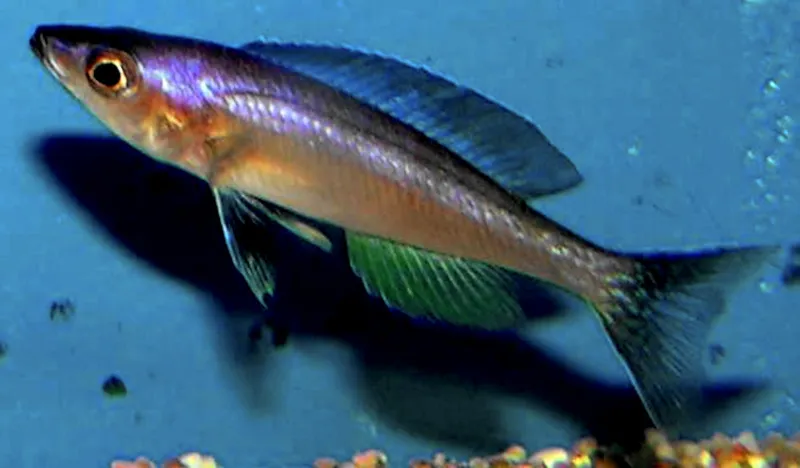
Sardine cichlid
Cyprichromis leptosoma
Freshwater4.3 in (11 cm) · 45 gal (170 L)75–81°F (24–27°C)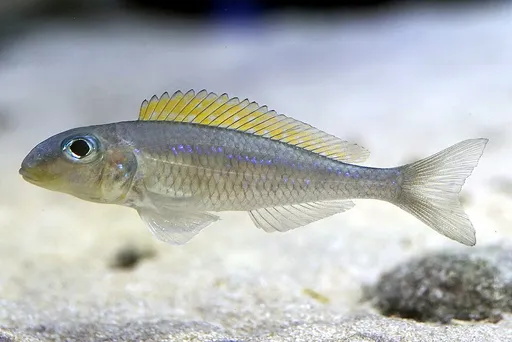
Yellow sand cichlid
Xenotilapia flavipinnis
Freshwater3.5 in (9 cm) · 53 gal (200 L)75–81°F (24–27°C)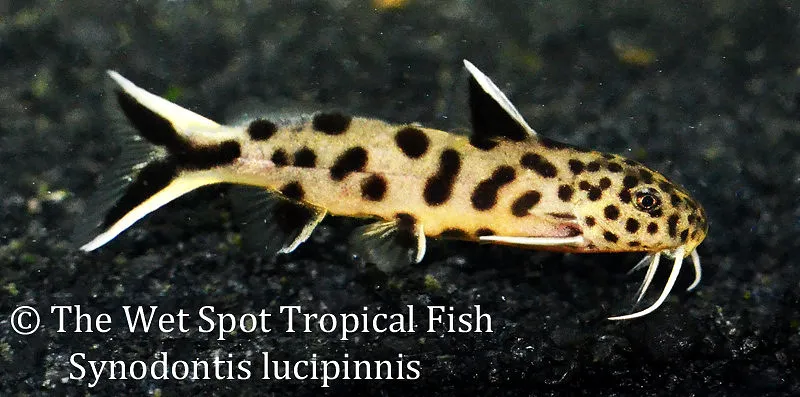
Dwarf petricola
Synodontis lucipinnis
Freshwater3.9 in (10 cm) · 30 gal (114 L)73–81°F (23–27°C)
Common questions
What size tank does a Tanganyika killifish need?
A Tanganyika killifish needs at least 40 gal (150 L). It spends most of its time in the middle.
What temperature and pH does a Tanganyika killifish need?
A Tanganyika killifish is comfortable at 73–77°F (23–25°C) with a pH of 7.0–8.0.
How big does a Tanganyika killifish get?
An adult Tanganyika killifish reaches about 5.5 in (14 cm).
Related species
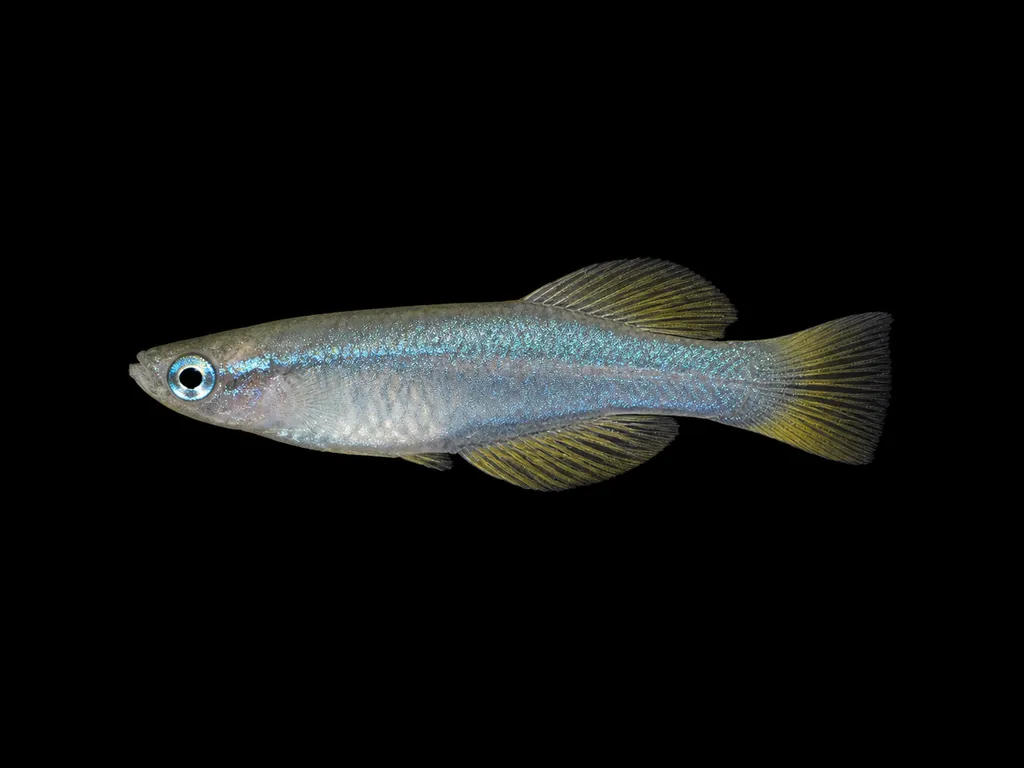 2.4 in (6 cm)20 gal (75 L)72–79°F (22–26°C)
Nototaenia lampeye
Procatopus nototaenia
2.4 in (6 cm) · 20 gal (75 L)
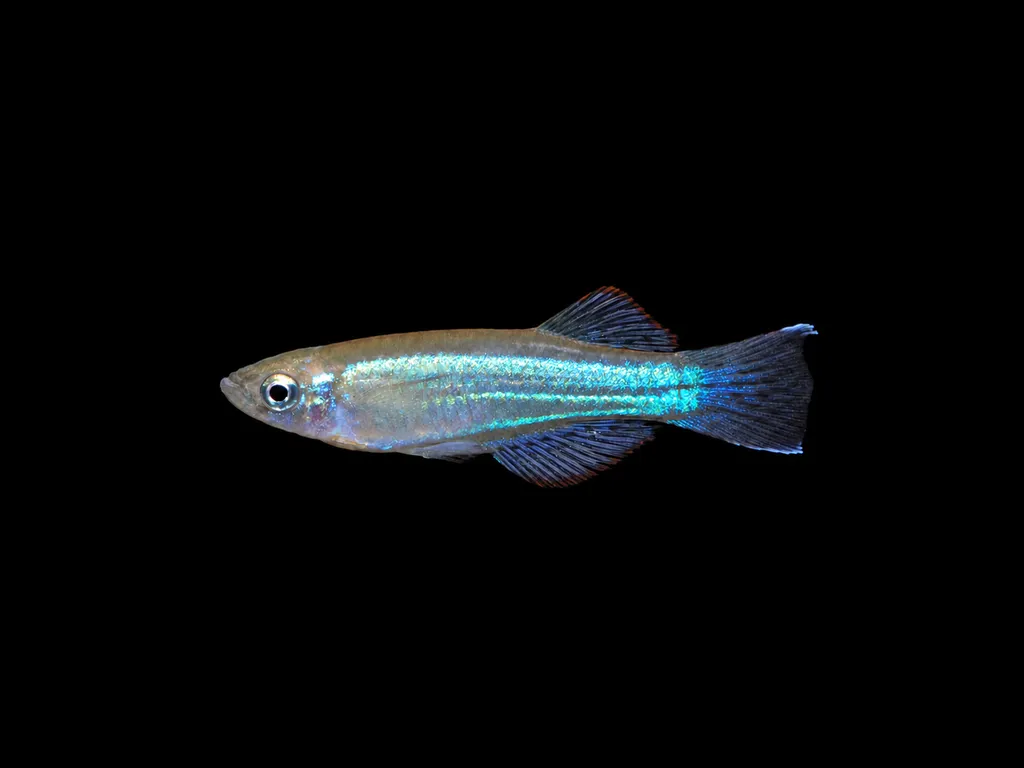 2.4 in (6 cm)20 gal (75 L)72–79°F (22–26°C)
Similis lampeye
Procatopus similis
2.4 in (6 cm) · 20 gal (75 L)
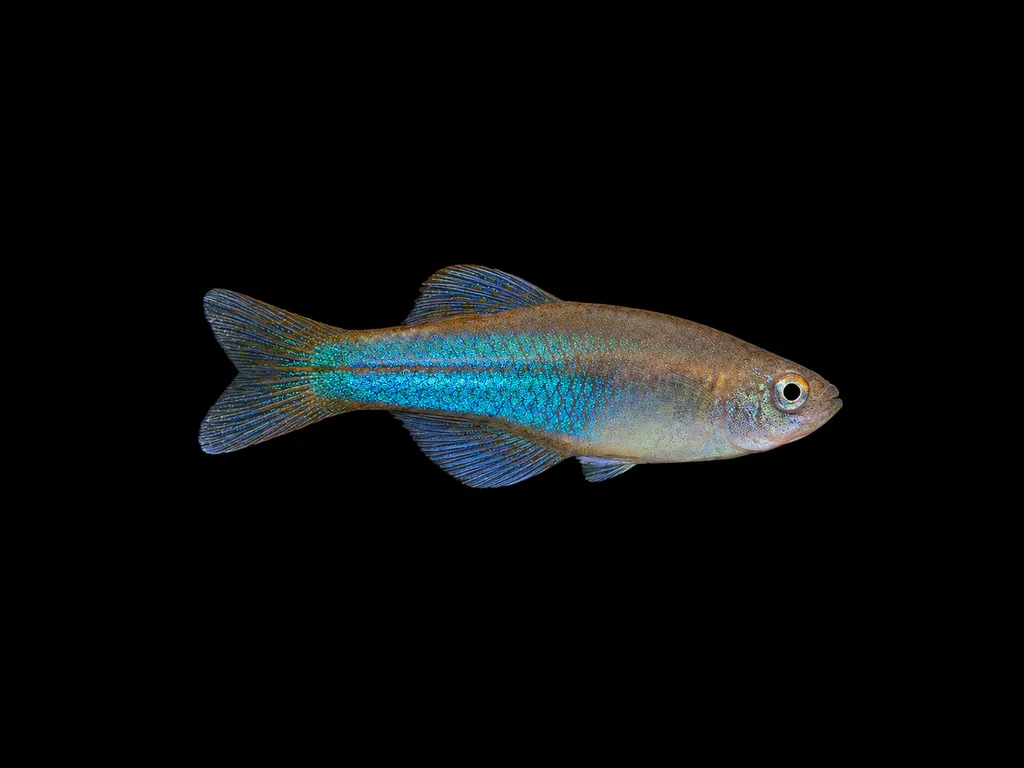 2.2 in (5.5 cm)20 gal (75 L)72–79°F (22–26°C)
Blue-green lampeye
Procatopus aberrans
2.2 in (5.5 cm) · 20 gal (75 L)
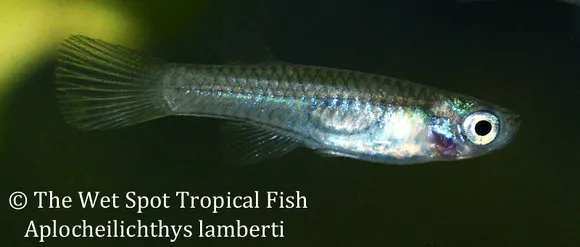 1.8 in (4.5 cm)14 gal (54 L)72–79°F (22–26°C)
Lambert's lampeye
Rhexipanchax lamberti
1.8 in (4.5 cm) · 14 gal (54 L)
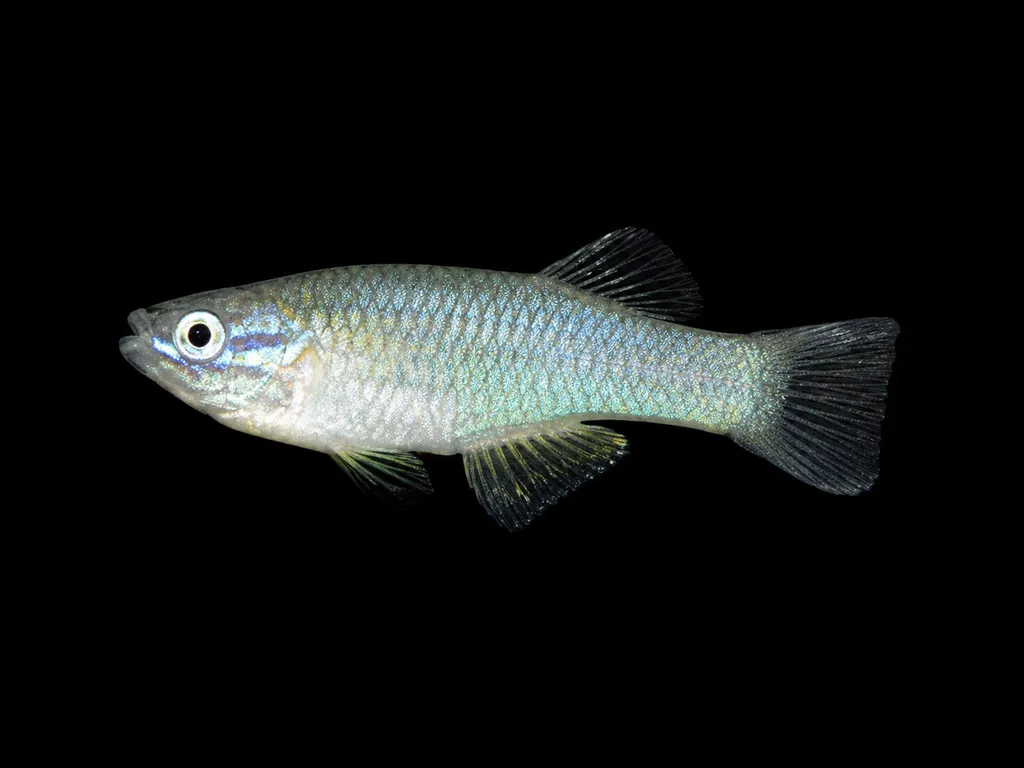 1.8 in (4.5 cm)14 gal (54 L)68–75°F (20–24°C)
Mount Nimba lampeye
Rhexipanchax nimbaensis
1.8 in (4.5 cm) · 14 gal (54 L)
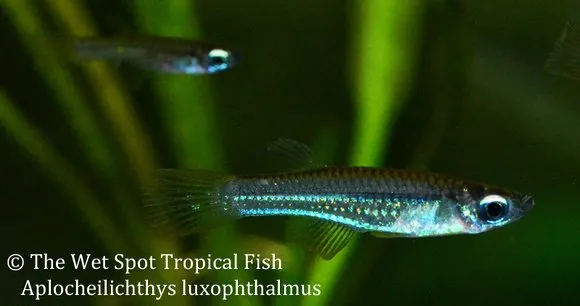 1.6 in (4 cm)14 gal (54 L)72–79°F (22–26°C)
Filamentous lampeye
Poropanchax luxophthalmus
1.6 in (4 cm) · 14 gal (54 L)