Sardine cichlid
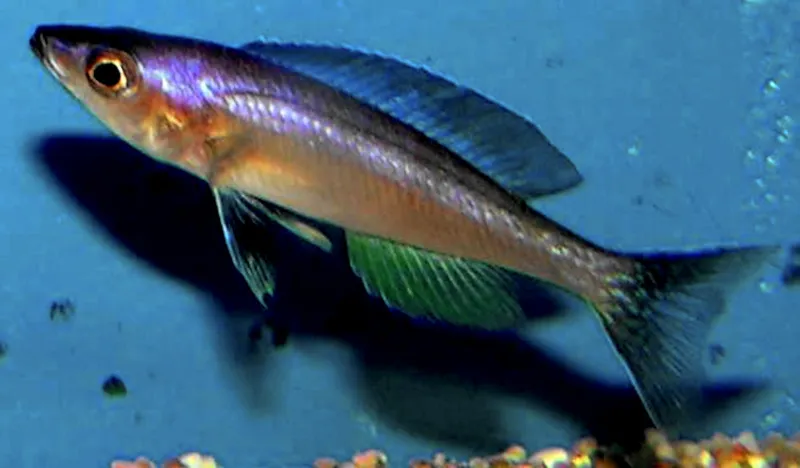
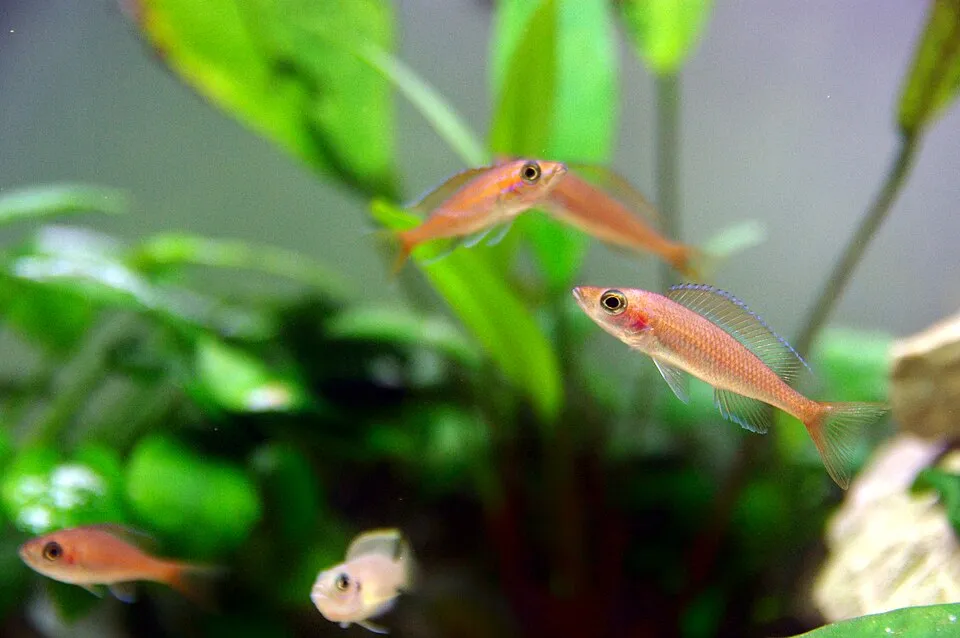
Cyprichromis leptosoma
Also known as Utinta
FreshwaterFish
Care at a glance
- Temperature
- 75–81°F
- 24–27°C
- pH
- 7.8–9.0
- Adult size
- 4.3 in
- 11 cm
- Minimum tank
- 45 gal
- 170 L
- Temperament
- Peaceful
- Social behavior
- Schooling
- Swim level
- Middle
- Difficulty
- Medium
- Breeding
- Medium
- Rarity
- Rare
- Family
- Cichlidae
- Origin
- Lake Tanganyika
Overview
They are schooling fish and need a decent group to feel secure and show their colors, so plan for a large tank of around 170 liters or more. They hold the middle and upper water and are peaceful, doing well with other non-aggressive open-water Tanganyikans. In the wild they eat plankton, so feed small foods like micro-pellets, quality flake, and live or frozen brine shrimp and daphnia. Keep the water hard and alkaline, pH from about 7.8 to 9, in the mid 20s C.
In the wild
Sardine cichlids live in the open water of Lake Tanganyika, not down among the rocks like most of the lake's cichlids. They school in the mid-water zone, often at depths of ten meters or more, in clear, mineral-rich water. To keep them you need a tall, long tank that gives real vertical and horizontal swimming room, with the same hard, alkaline water the lake provides. Some rockwork at the edges is fine, but open space is the point.
Good to know
This is a cichlid in the family Cichlidae with a slim, streamlined body built for life in open water, reaching about 11 cm with males a bit larger. It is one of the few truly pelagic, mid-water cichlids, which is unusual for the family. Females are maternal mouthbrooders, holding eggs and fry in the mouth for several weeks. Wild populations are currently considered stable.
Did you know
Males display their bright colors while hanging in open water rather than over a defended patch of bottom, which is rare for cichlids. They spawn up in the water column too, and the female scoops up the eggs to brood before they ever settle.
Weekly picks
Tank mates
Sardine cichlid is a peaceful, schooling species that keeps to the middle. These picks share a community profile with it, are safe together in both directions, and overlap on water type, temperature and pH.
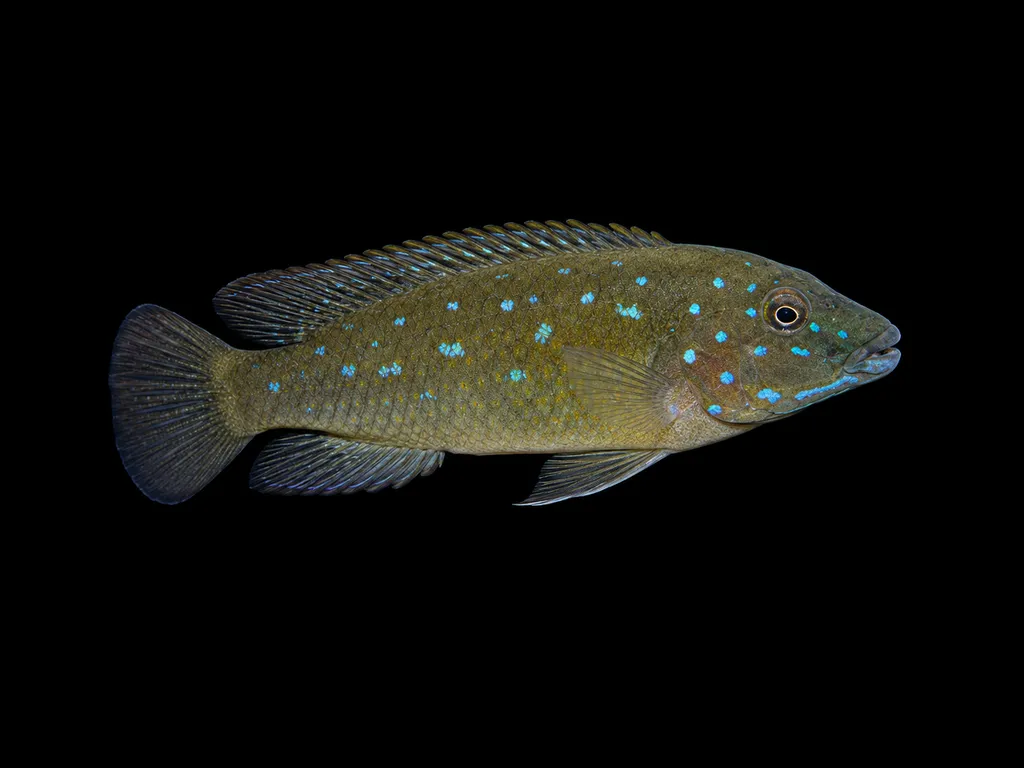
Blue-spot goby cichlid
Spathodus erythrodon
Freshwater3.3 in (8.5 cm) · 29 gal (110 L)75–81°F (24–27°C)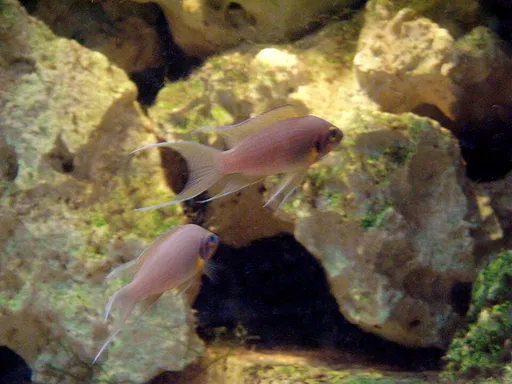
Daffodil cichlid
Neolamprologus pulcher
Freshwater5.1 in (13 cm) · 29 gal (110 L)75–81°F (24–27°C)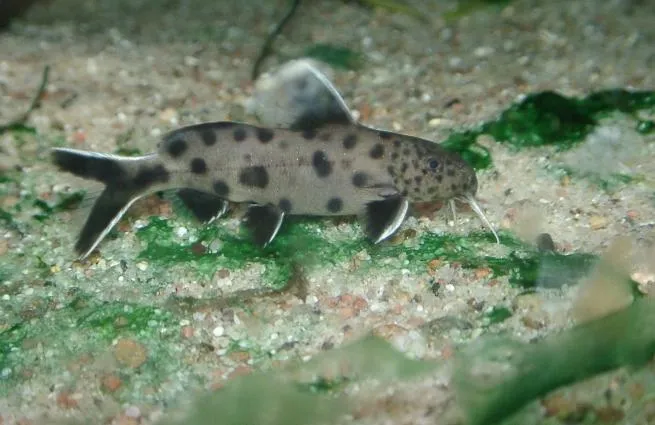
Even-Spotted squeaker
Synodontis petricola
Freshwater4.7 in (12 cm) · 45 gal (170 L)75–82°F (24–28°C)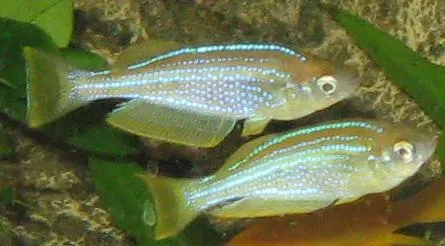
Tanganyika killifish
Lamprichthys tanganicanus
Freshwater5.5 in (14 cm) · 40 gal (150 L)73–77°F (23–25°C)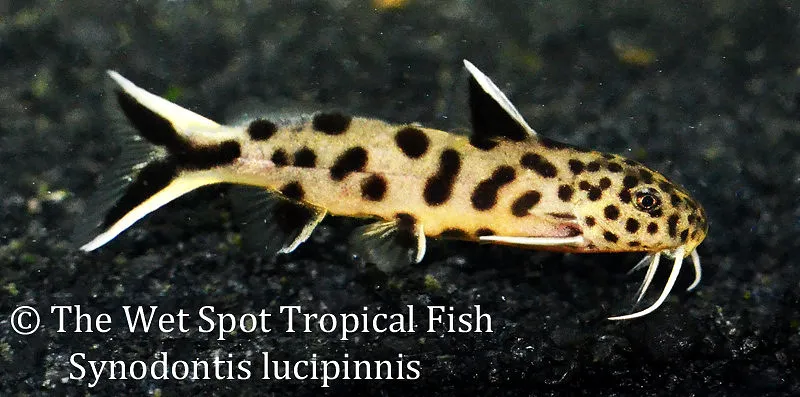
Dwarf petricola
Synodontis lucipinnis
Freshwater3.9 in (10 cm) · 30 gal (114 L)73–81°F (23–27°C)
Common questions
What size tank does a Sardine cichlid need?
A Sardine cichlid needs at least 45 gal (170 L). It spends most of its time in the middle.
What temperature and pH does a Sardine cichlid need?
A Sardine cichlid is comfortable at 75–81°F (24–27°C) with a pH of 7.8–9.0.
How big does a Sardine cichlid get?
An adult Sardine cichlid reaches about 4.3 in (11 cm).
Does a Sardine cichlid need a group?
Yes. A Sardine cichlid is a schooling species and should be kept in a group, not singly.
Related species
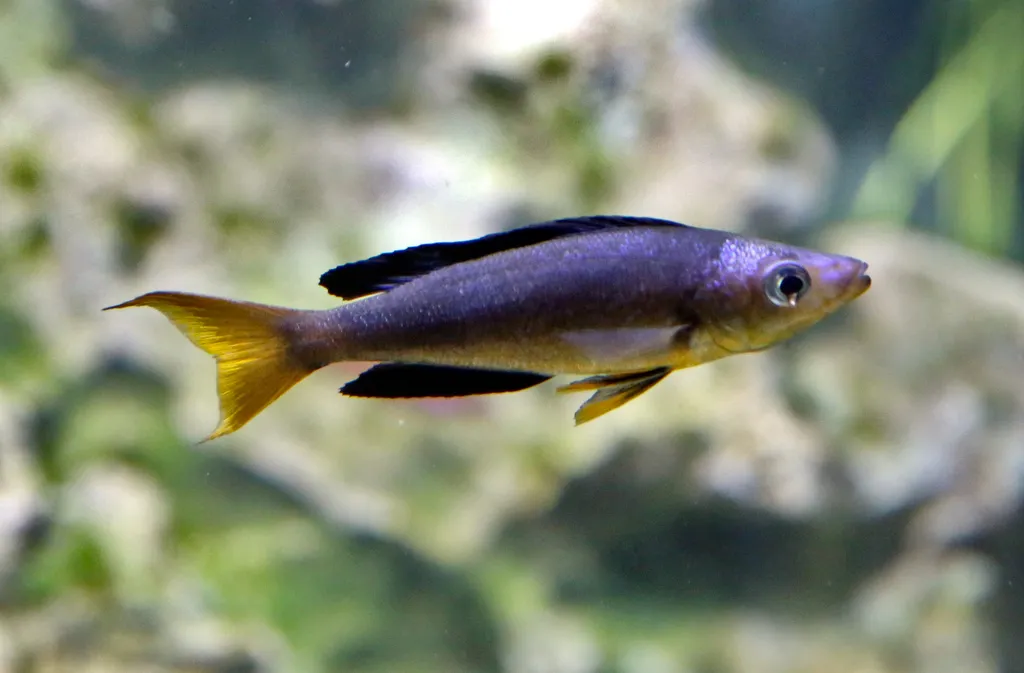 4.3 in (11 cm)79 gal (300 L)75–81°F (24–27°C)
Finescale cyprichromis
Cyprichromis microlepidotus
4.3 in (11 cm) · 79 gal (300 L)
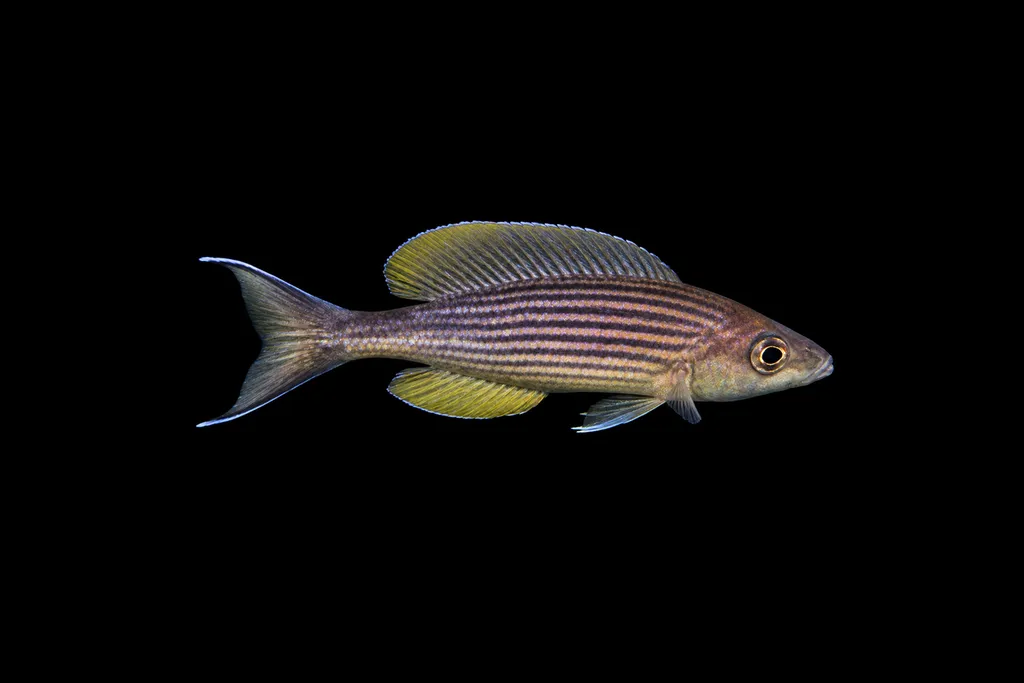 3.9 in (10 cm)79 gal (300 L)75–81°F (24–27°C)
Zebra sardine cichlid
Cyprichromis zonatus
3.9 in (10 cm) · 79 gal (300 L)
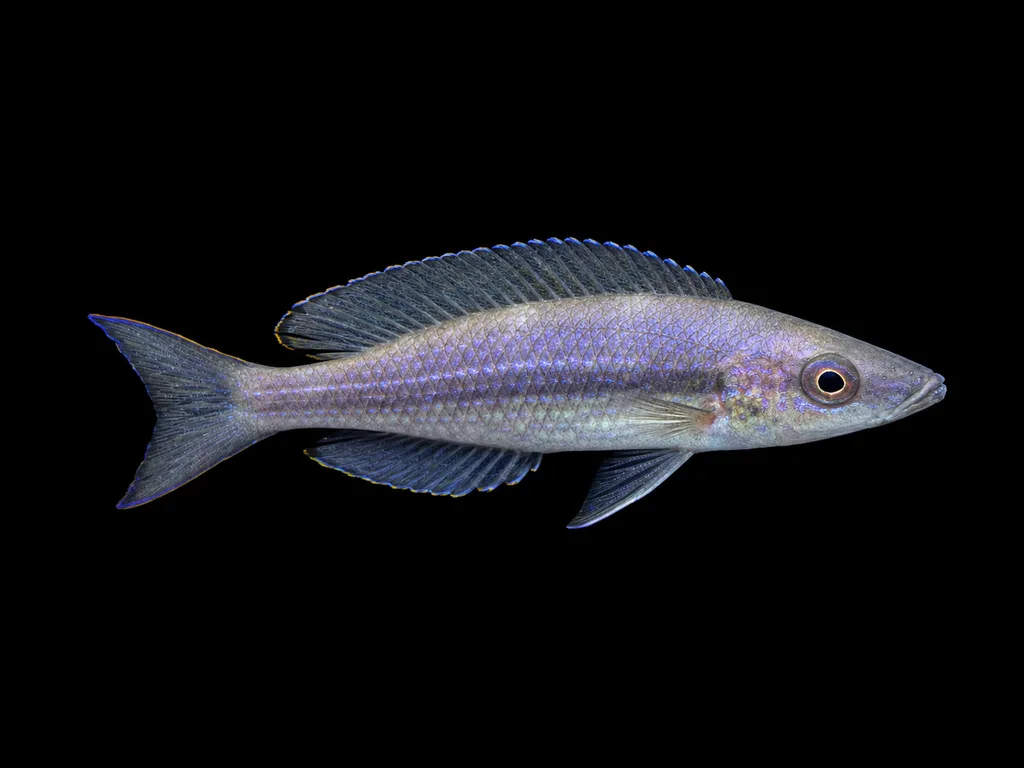
 4.3 in (11 cm)48 gal (180 L)75–81°F (24–27°C)
Blue neon cichlid
Paracyprichromis nigripinnis
4.3 in (11 cm) · 48 gal (180 L)
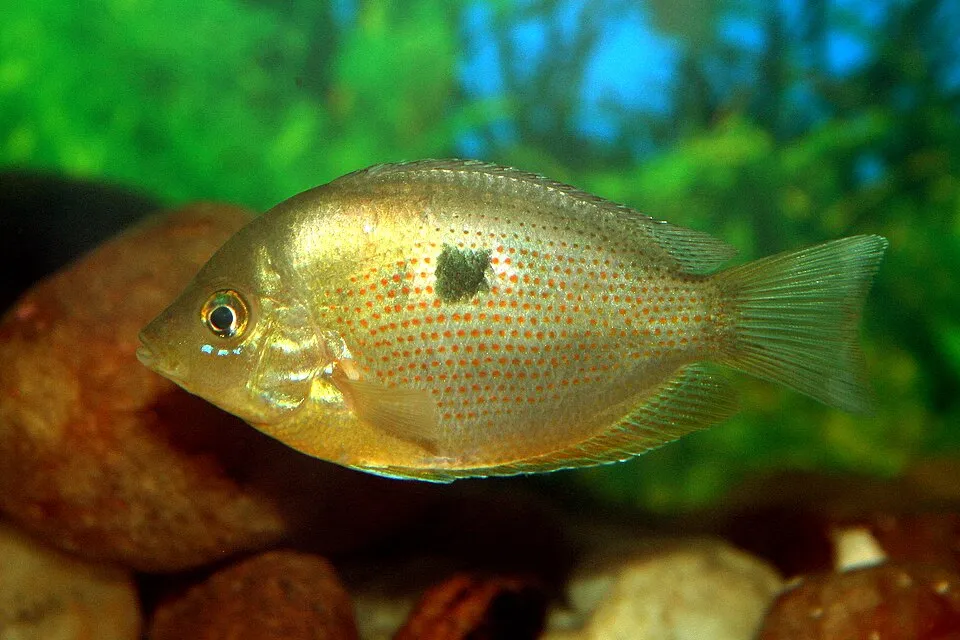
 4.3 in (11 cm)66 gal (250 L)75–81°F (24–27°C)
Brien's cichlid
Paracyprichromis brieni
4.3 in (11 cm) · 66 gal (250 L)
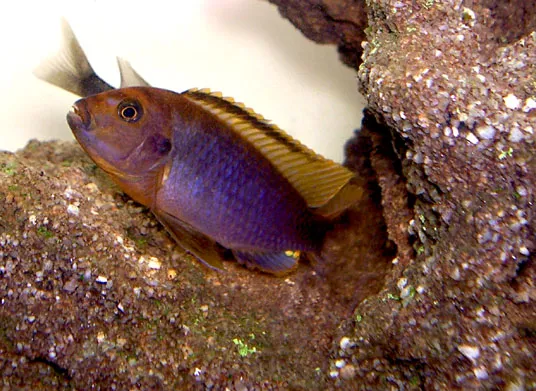
 3.9 in (10 cm)55 gal (210 L)68–82°F (20–28°C)
Orange chromide
Etroplus maculatus
3.9 in (10 cm) · 55 gal (210 L)
 3.9 in (10 cm)24 gal (90 L)77–84°F (25–29°C)
Rusty cichlid
Iodotropheus sprengerae
3.9 in (10 cm) · 24 gal (90 L)