Multie shell dweller
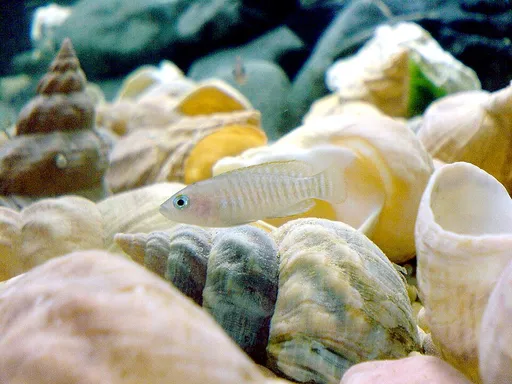
Neolamprologus multifasciatus
Also known as Multifasciatus, Multi cichlid
FreshwaterFish
Care at a glance
- Temperature
- 75–81°F
- 24–27°C
- pH
- 7.8–8.6
- Adult size
- 1.8 in
- 4.5 cm
- Minimum tank
- 20 gal
- 75 L
- Temperament
- Mostly peaceful
- Social behavior
- Social
- Swim level
- Bottom
- Difficulty
- Easy
- Breeding
- Easy
- Rarity
- Very common
- Family
- Cichlidae
- Origin
- Endemic to Lake Tanganyika
Overview
Buy a group of 6 to 8 to start a colony, with several females per male, in a tank of 75 liters or larger. They are mostly peaceful but turn fiercely territorial right around their own shell, so they sit at the bottom and rarely stray far from home. Keep the water warm at 24 to 27 C, hard and alkaline, with a pH from 7.8 to 8.6. Feed small sinking foods, fine pellets, and frozen treats like cyclops or baby brine. Pick tankmates that stay up in the water column and leave the sand bed to the colony.
In the wild
Multie shell dwellers are endemic to Lake Tanganyika, where they live in colonies over open sand flats scattered with empty snail shells. To match that, give them a freshwater tank of at least 75 liters with a deep open sand bed, 5 cm or more, so they can dig. Pile in plenty of empty snail shells, more shells than fish, since each one wants a shell to call home. Their water needs to stay hard and alkaline, warm at 24 to 27 C, with a high pH from 7.8 to 8.6.
Good to know
This is a small cichlid in the family Cichlidae, and it holds the title of the world's smallest cichlid, with adults reaching only about 4.5 cm. Females lay and raise their young inside empty snail shells, guarding the brood until the fry are free-swimming. Most fish in the trade are tank bred, and a healthy adult can live several years.
Did you know
These fish are landscapers. A colony will dig out the sand around its shells and pile it up at the edges, slowly shifting the whole shell bed over time as they excavate. Females brood the fry inside the shells, and young from past broods often stick around to help guard the colony.
Weekly picks
Tank mates
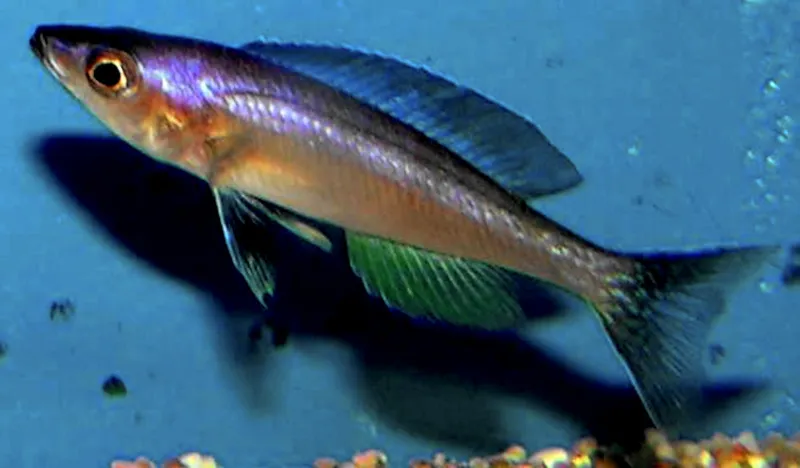
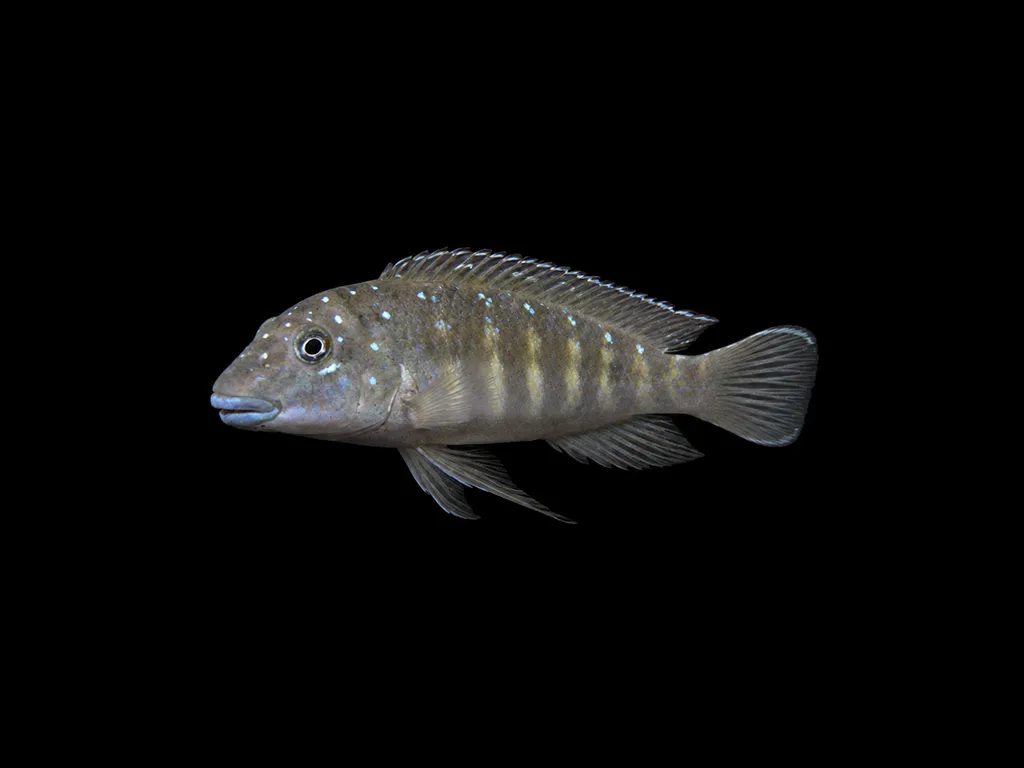
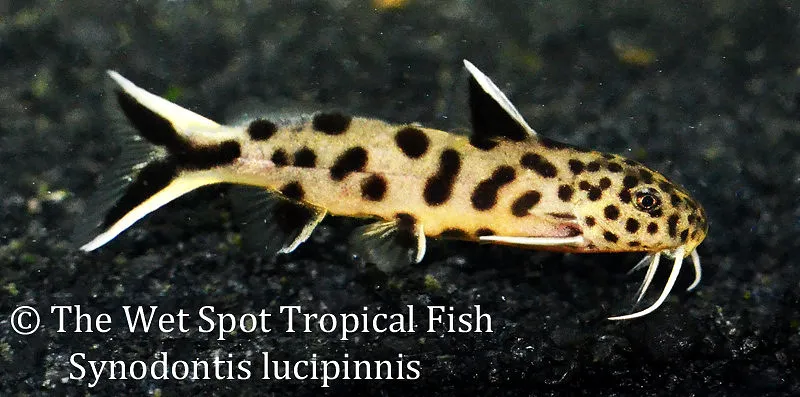
Multie shell dweller is a mostly peaceful, social species that keeps to the bottom. These picks share a community profile with it, are safe together in both directions, and overlap on water type, temperature and pH.
Common questions
What size tank does a Multie shell dweller need?
A Multie shell dweller needs at least 20 gal (75 L). It spends most of its time in the bottom.
What temperature and pH does a Multie shell dweller need?
A Multie shell dweller is comfortable at 75–81°F (24–27°C) with a pH of 7.8–8.6.
How big does a Multie shell dweller get?
An adult Multie shell dweller reaches about 1.8 in (4.5 cm).
Related species
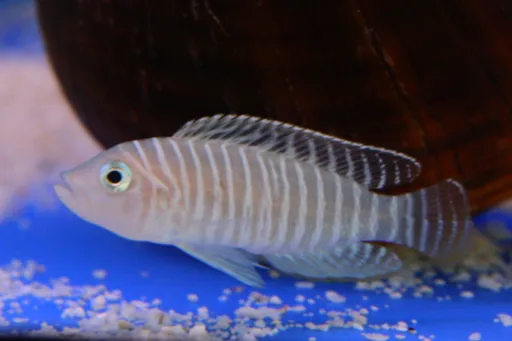 2 in (5 cm)20 gal (75 L)75–81°F (24–27°C)
Similis shell dweller
Neolamprologus similis
2 in (5 cm) · 20 gal (75 L)
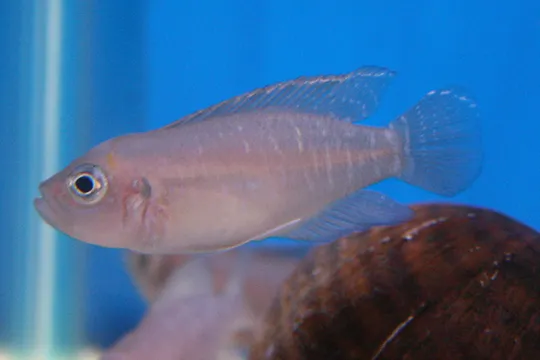 2.4 in (6 cm)16 gal (60 L)73–81°F (23–27°C)
Brevis shell dweller
Neolamprologus brevis
2.4 in (6 cm) · 16 gal (60 L)
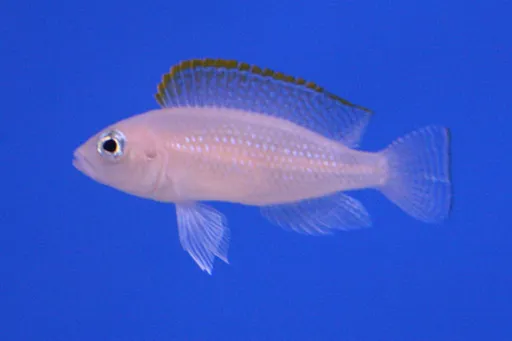 2.8 in (7 cm)20 gal (75 L)75–79°F (24–26°C)
Caudopunctatus
Neolamprologus caudopunctatus
2.8 in (7 cm) · 20 gal (75 L)
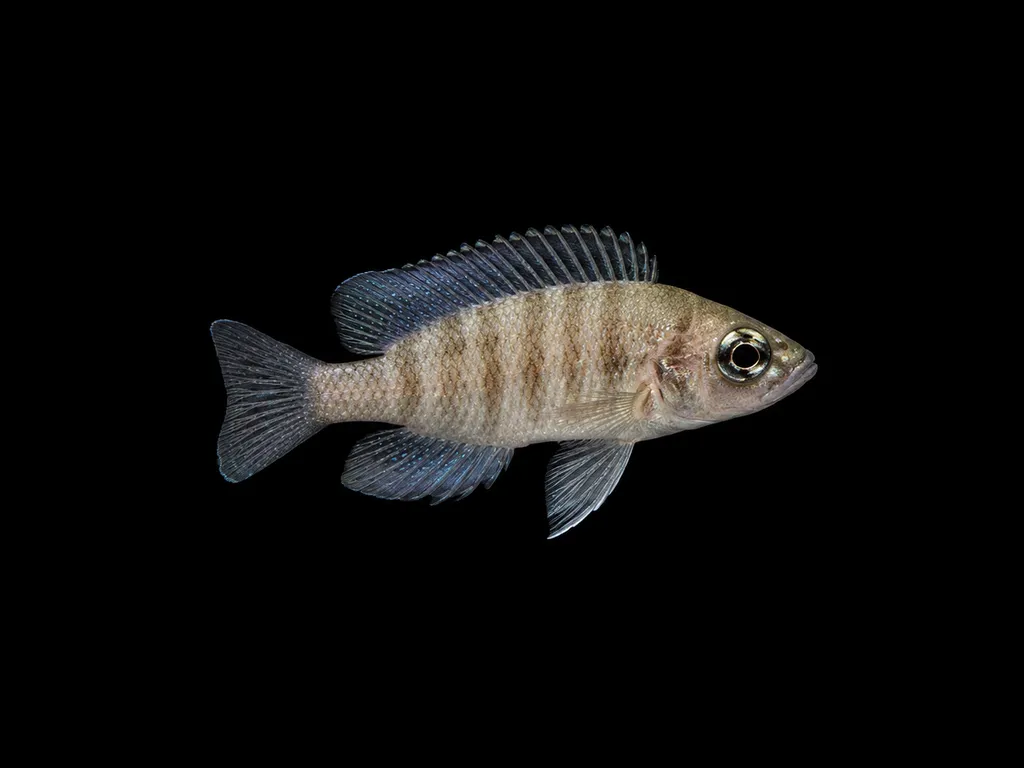 4.7 in (12 cm)53 gal (200 L)75–81°F (24–27°C)
Toa cichlid
Neolamprologus toae
4.7 in (12 cm) · 53 gal (200 L)
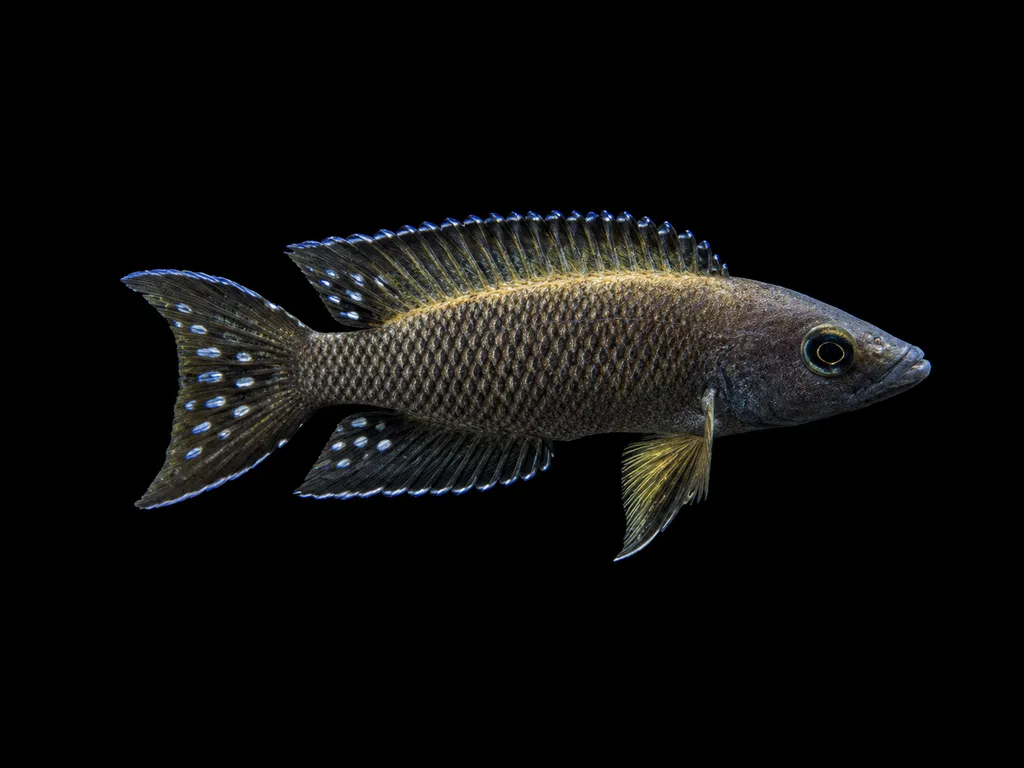 3.1 in (8 cm)42 gal (160 L)75–81°F (24–27°C)
Buescher's cichlid
Neolamprologus buescheri
3.1 in (8 cm) · 42 gal (160 L)
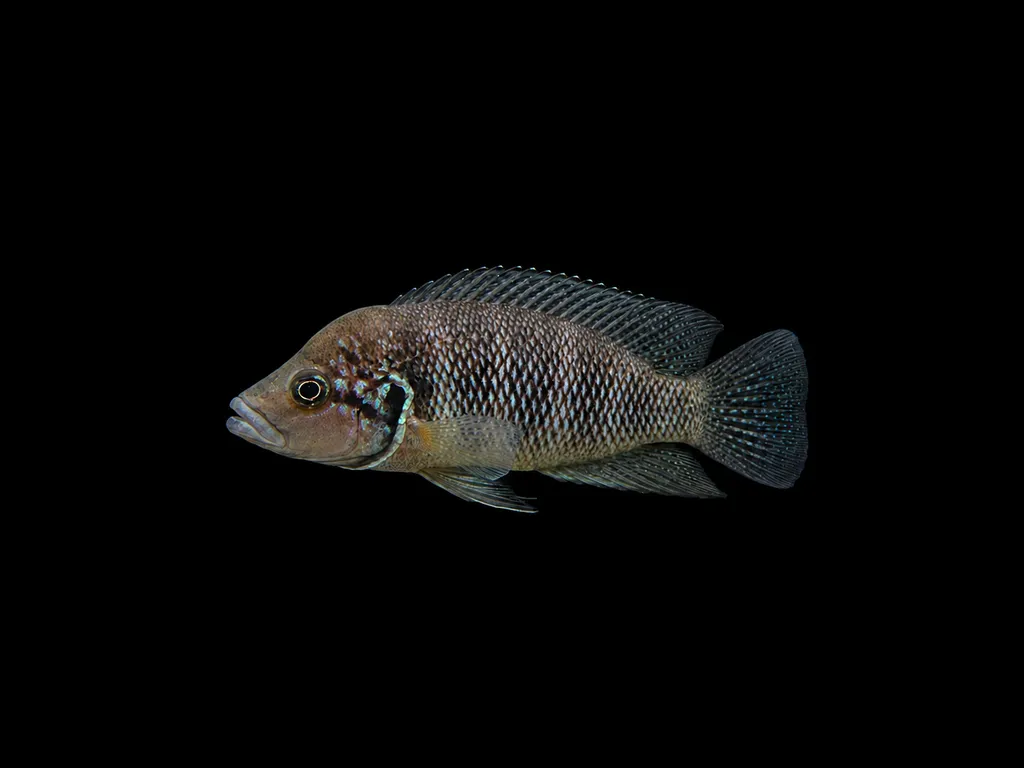 3.1 in (8 cm)42 gal (160 L)75–81°F (24–27°C)
Savory's cichlid
Neolamprologus savoryi
3.1 in (8 cm) · 42 gal (160 L)