Caudopunctatus
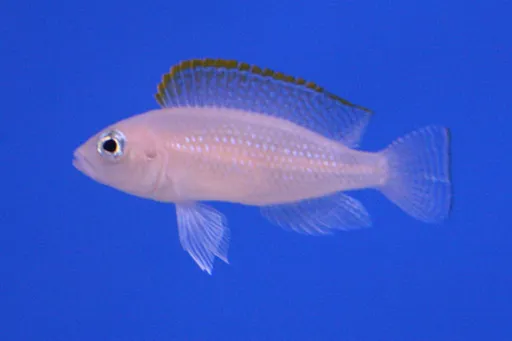
Neolamprologus caudopunctatus
Also known as Whitetail shell dweller
FreshwaterFish
Care at a glance
- Temperature
- 75–79°F
- 24–26°C
- pH
- 7.5–8.5
- Adult size
- 2.8 in
- 7 cm
- Minimum tank
- 20 gal
- 75 L
- Temperament
- Mostly peaceful
- Social behavior
- Social
- Swim level
- Bottom
- Difficulty
- Easy
- Breeding
- Easy
- Rarity
- Common
- Family
- Cichlidae
- Origin
- Endemic to Lake Tanganyika (Zambian shores), Africa
Overview
Keep them as a bonded pair from about 75 liters, or as a small colony in a longer tank with several shells and caves so each fish can hold its own territory. They are not a schooling fish and individuals get pushy in cramped space, so spread the cover out. They are mostly peaceful toward different-looking tankmates but turn feisty around the nest when breeding. Water should sit at 24 to 26 C with a pH of 7.5 to 8.5 and stay hard. They are bottom dwellers that feed on small zooplankton, so give them micro granules plus live or frozen brine shrimp, daphnia, cyclops, and mysis.
In the wild
Caudopunctatus is a dwarf cichlid endemic to Lake Tanganyika, along the Zambian shores of the lake. It hovers low over sandy bottoms scattered with rocks and empty snail shells, which it uses for shelter and spawning. To match that, give them a fine sand substrate with a few piles of rock, small caves, or empty shells spread around the tank. The lake is hard and alkaline, so keep the water on the hard side with a pH from 7.5 to 8.5 and a temperature of 24 to 26 C.
Good to know
This is Neolamprologus caudopunctatus, a small cichlid in the family Cichlidae. Adults reach about 7 cm, with FishBase listing 6.5 cm and the occasional report near 8 cm being an outlier. It is a cavity and shell spawner with biparental care, where both parents guard the eggs and fry. It is one of the easier Tanganyikan cichlids to breed.
Did you know
The name caudopunctatus means spotted tail, after the small dark dots speckled across the tail fin. A pair will dig under a shell or rock and shift mouthfuls of sand to shape a spawning pit, then both parents fan and guard the eggs together. Watching a pair excavate and rearrange their patch of sand is part of why this little cichlid is such a popular first Tanganyikan.
Weekly picks
Tank mates
Caudopunctatus is a mostly peaceful, social species that keeps to the bottom. These picks share a community profile with it, are safe together in both directions, and overlap on water type, temperature and pH.
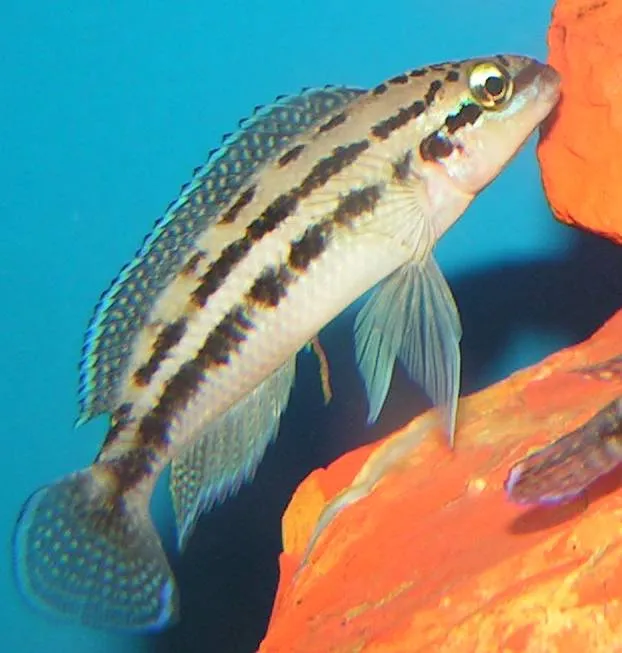
Brown julie
Julidochromis dickfeldi
Freshwater4.3 in (11 cm) · 20 gal (75 L)73–81°F (23–27°C)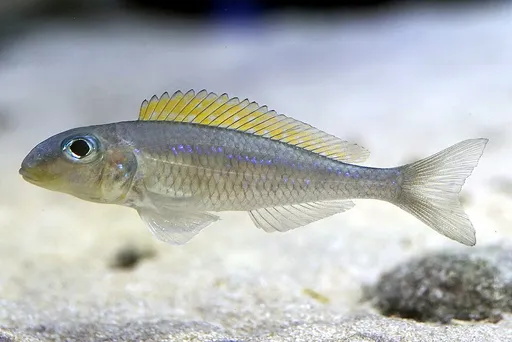
Yellow sand cichlid
Xenotilapia flavipinnis
Freshwater3.5 in (9 cm) · 53 gal (200 L)75–81°F (24–27°C)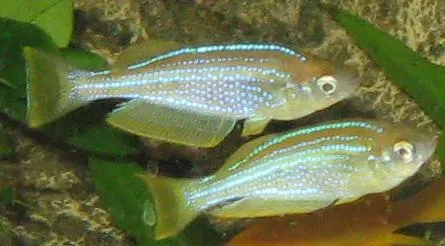
Tanganyika killifish
Lamprichthys tanganicanus
Freshwater5.5 in (14 cm) · 40 gal (150 L)73–77°F (23–25°C)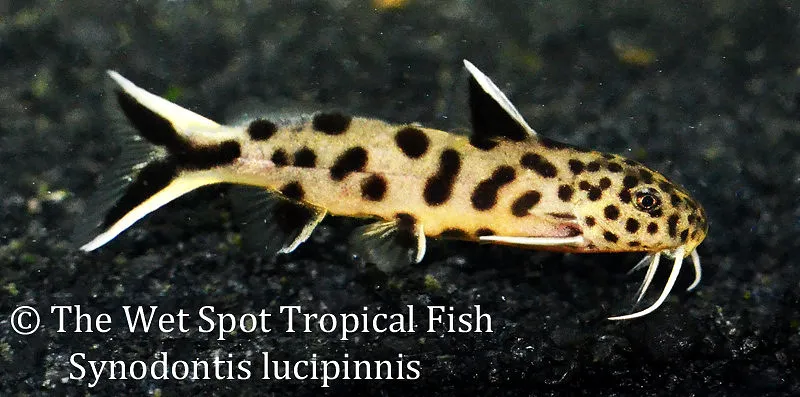
Dwarf petricola
Synodontis lucipinnis
Freshwater3.9 in (10 cm) · 30 gal (114 L)73–81°F (23–27°C)
Common questions
What size tank does a Caudopunctatus need?
A Caudopunctatus needs at least 20 gal (75 L). It spends most of its time in the bottom.
What temperature and pH does a Caudopunctatus need?
A Caudopunctatus is comfortable at 75–79°F (24–26°C) with a pH of 7.5–8.5.
How big does a Caudopunctatus get?
An adult Caudopunctatus reaches about 2.8 in (7 cm).
Related species
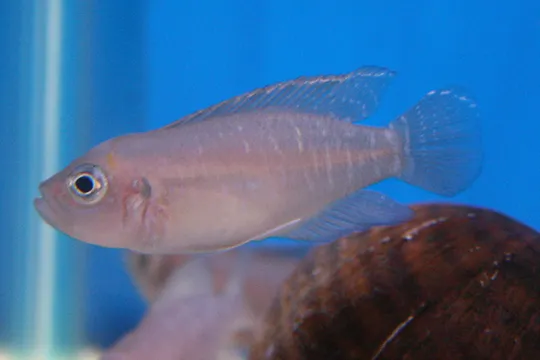 2.4 in (6 cm)16 gal (60 L)73–81°F (23–27°C)
Brevis shell dweller
Neolamprologus brevis
2.4 in (6 cm) · 16 gal (60 L)
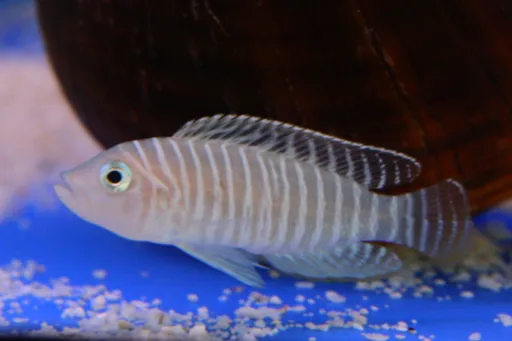 2 in (5 cm)20 gal (75 L)75–81°F (24–27°C)
Similis shell dweller
Neolamprologus similis
2 in (5 cm) · 20 gal (75 L)
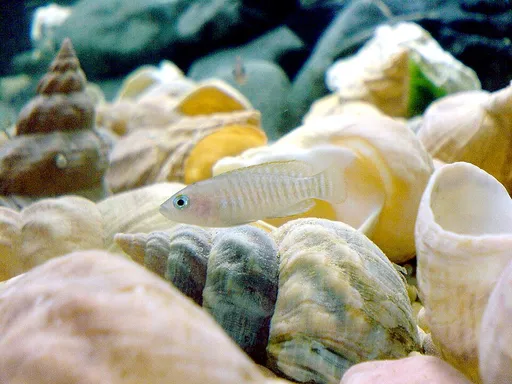 1.8 in (4.5 cm)20 gal (75 L)75–81°F (24–27°C)
Multie shell dweller
Neolamprologus multifasciatus
1.8 in (4.5 cm) · 20 gal (75 L)
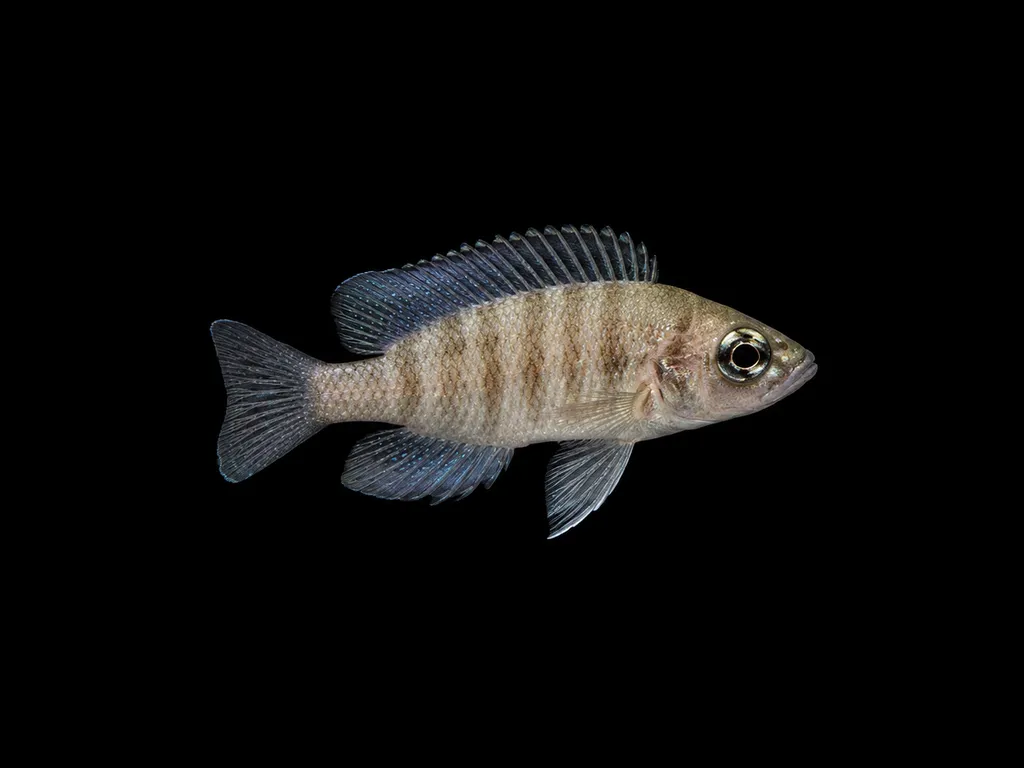 4.7 in (12 cm)53 gal (200 L)75–81°F (24–27°C)
Toa cichlid
Neolamprologus toae
4.7 in (12 cm) · 53 gal (200 L)
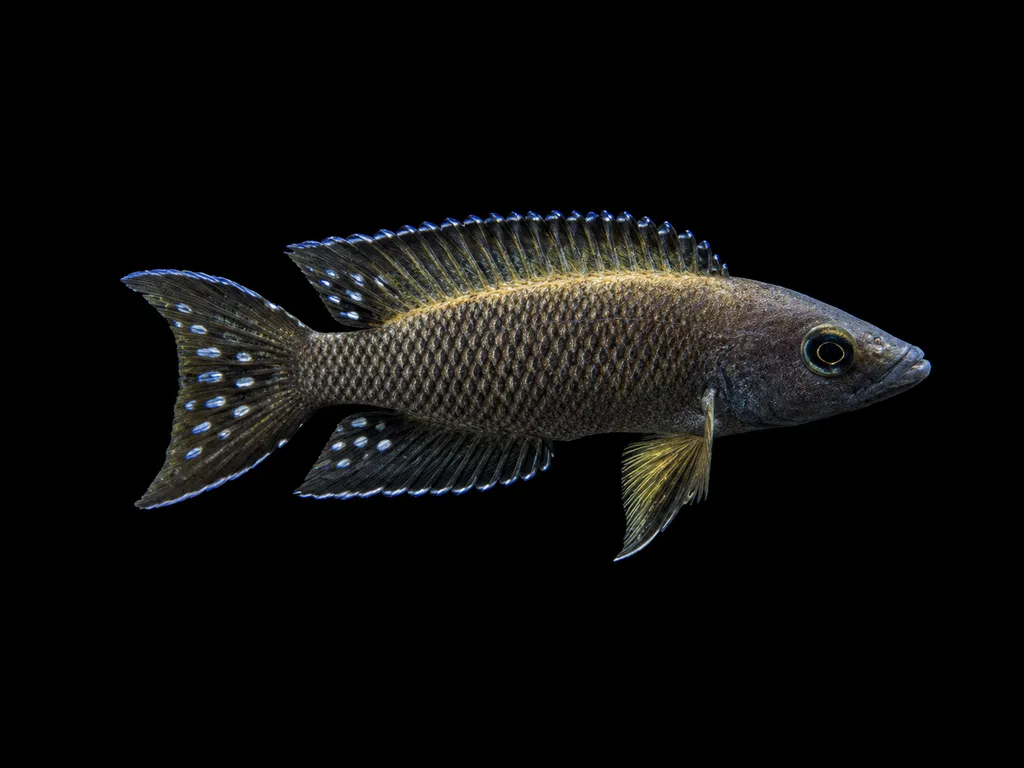 3.1 in (8 cm)42 gal (160 L)75–81°F (24–27°C)
Buescher's cichlid
Neolamprologus buescheri
3.1 in (8 cm) · 42 gal (160 L)
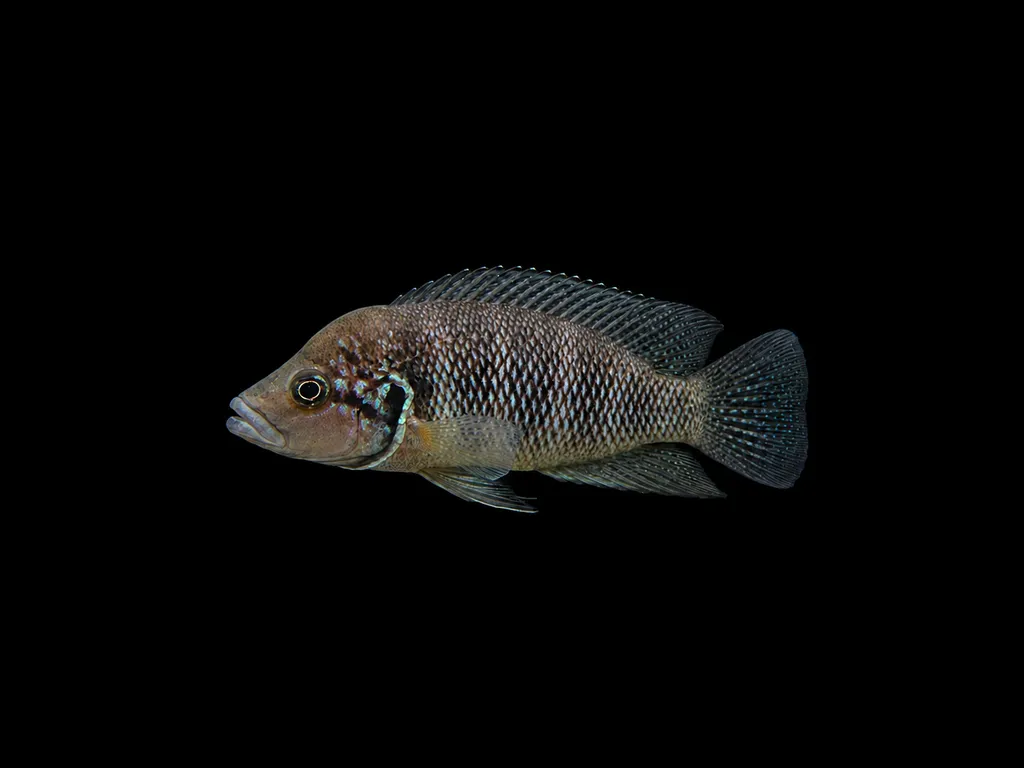 3.1 in (8 cm)42 gal (160 L)75–81°F (24–27°C)
Savory's cichlid
Neolamprologus savoryi
3.1 in (8 cm) · 42 gal (160 L)