Brevis shell dweller
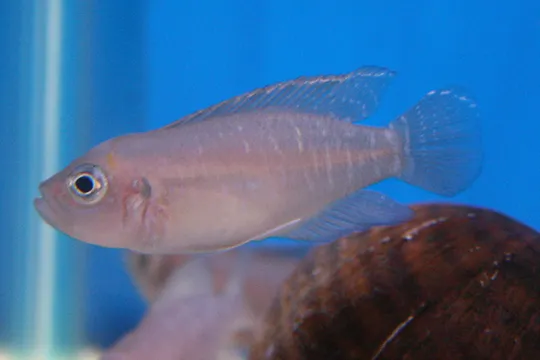
Neolamprologus brevis
Also known as Neolamprologus calliurus, Magara shell dweller
FreshwaterFish
Care at a glance
- Temperature
- 73–81°F
- 23–27°C
- pH
- 7.5–9.0
- Adult size
- 2.4 in
- 6 cm
- Minimum tank
- 16 gal
- 60 L
- Temperament
- Mostly peaceful
- Social behavior
- Social
- Swim level
- Bottom
- Difficulty
- Medium
- Breeding
- Medium
- Rarity
- Rare
- Family
- Cichlidae
- Origin
- Lake Tanganyika
Overview
You can keep a pair or small group in a tank around 60 liters, as long as there are more shells than fish. They stay near the bottom around their shells and are peaceful overall, but they'll defend their patch of sand from anything that comes too close. Feed small pellets and flake plus frozen brine shrimp and bloodworms. Tankmates should stay up in the water column and leave the sand to them.
In the wild
The brevis shell dweller lives over sand in Lake Tanganyika, where it takes shelter in empty snail shells. That shell is the whole point: scatter a few empty escargot or snail shells across a sand bed and each fish will pick one to live in and breed in. The lake is hard and alkaline with a high mineral content, so keep pH from 7.5 to 9.
Good to know
Neolamprologus brevis is one of the smallest shell-dwelling cichlids in the family Cichlidae, reaching about 6 cm. It's a substrate and shell spawner with stable wild populations. Unusually for shell dwellers, a pair often shares a single shell rather than each keeping its own.
Did you know
A threatened brevis will dive into its shell and back in so only its face shows, and it can pull sand up to partly bury the opening. When a pair shares one shell, the smaller male and the female will both squeeze into the same home.
Weekly picks
Tank mates
Brevis shell dweller is a mostly peaceful, social species that keeps to the bottom. These picks share a community profile with it, are safe together in both directions, and overlap on water type, temperature and pH.
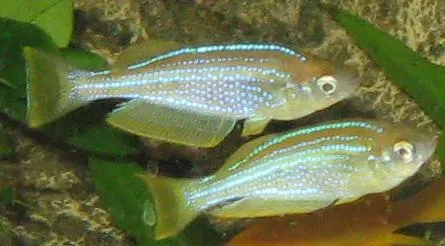
Tanganyika killifish
Lamprichthys tanganicanus
Freshwater5.5 in (14 cm) · 40 gal (150 L)73–77°F (23–25°C)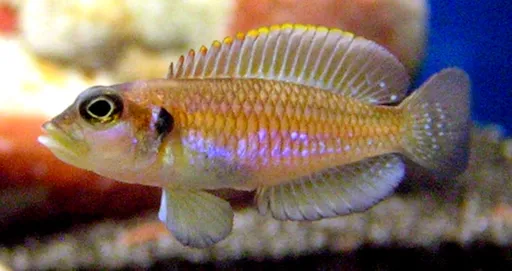
Gold ocellatus shell dweller
Lamprologus ocellatus
Freshwater2.4 in (6 cm) · 11 gal (40 L)75–81°F (24–27°C)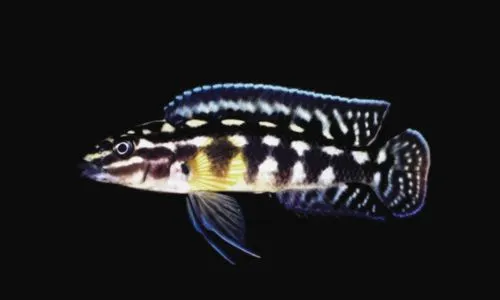
Marlier's julie
Julidochromis marlieri
Freshwater5.9 in (15 cm) · 29 gal (110 L)73–81°F (23–27°C)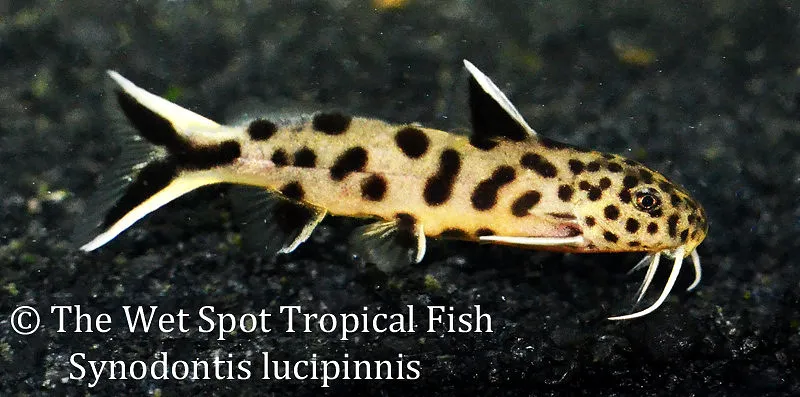
Dwarf petricola
Synodontis lucipinnis
Freshwater3.9 in (10 cm) · 30 gal (114 L)73–81°F (23–27°C)
Common questions
What size tank does a Brevis shell dweller need?
A Brevis shell dweller needs at least 16 gal (60 L). It spends most of its time in the bottom.
What temperature and pH does a Brevis shell dweller need?
A Brevis shell dweller is comfortable at 73–81°F (23–27°C) with a pH of 7.5–9.0.
How big does a Brevis shell dweller get?
An adult Brevis shell dweller reaches about 2.4 in (6 cm).
Related species
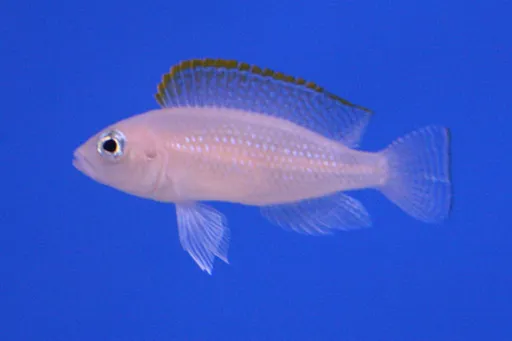 2.8 in (7 cm)20 gal (75 L)75–79°F (24–26°C)
Caudopunctatus
Neolamprologus caudopunctatus
2.8 in (7 cm) · 20 gal (75 L)
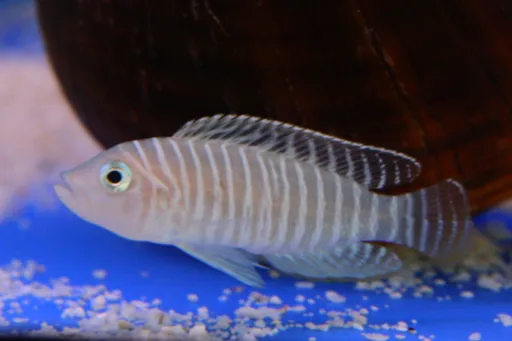 2 in (5 cm)20 gal (75 L)75–81°F (24–27°C)
Similis shell dweller
Neolamprologus similis
2 in (5 cm) · 20 gal (75 L)
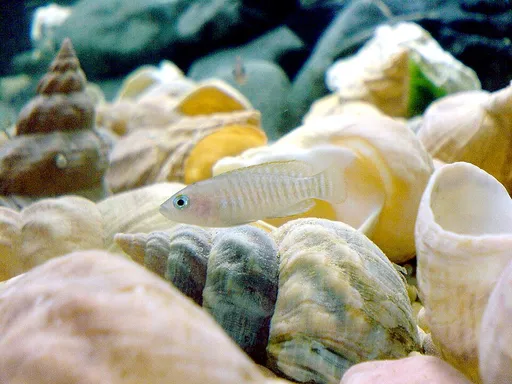 1.8 in (4.5 cm)20 gal (75 L)75–81°F (24–27°C)
Multie shell dweller
Neolamprologus multifasciatus
1.8 in (4.5 cm) · 20 gal (75 L)
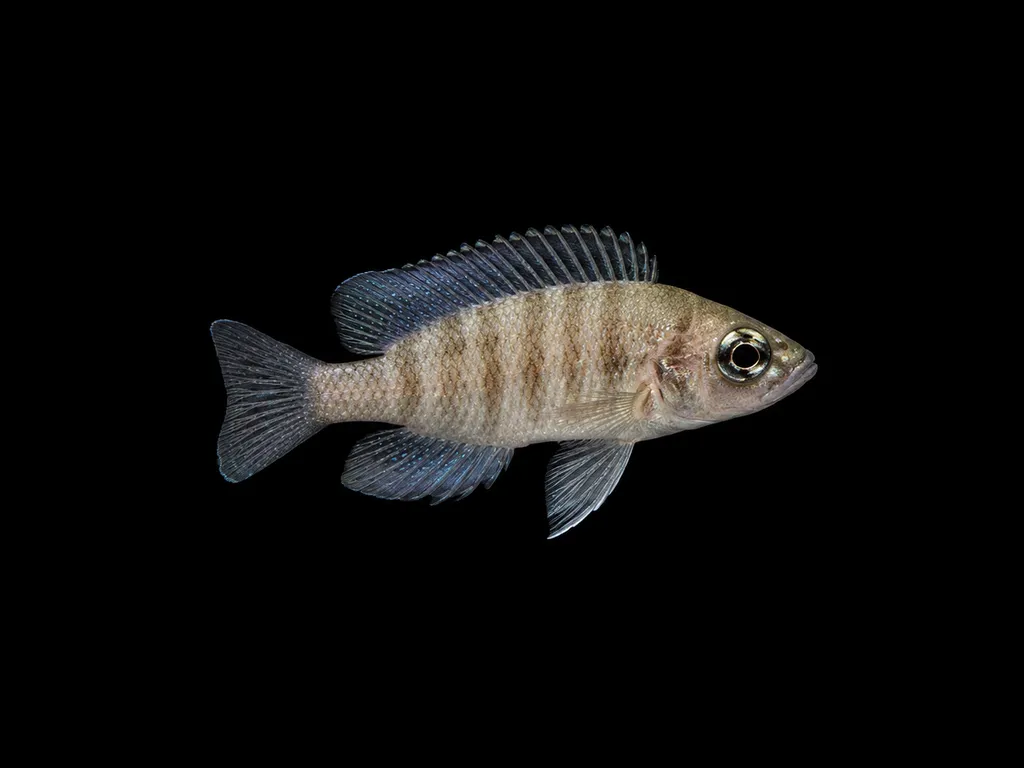 4.7 in (12 cm)53 gal (200 L)75–81°F (24–27°C)
Toa cichlid
Neolamprologus toae
4.7 in (12 cm) · 53 gal (200 L)
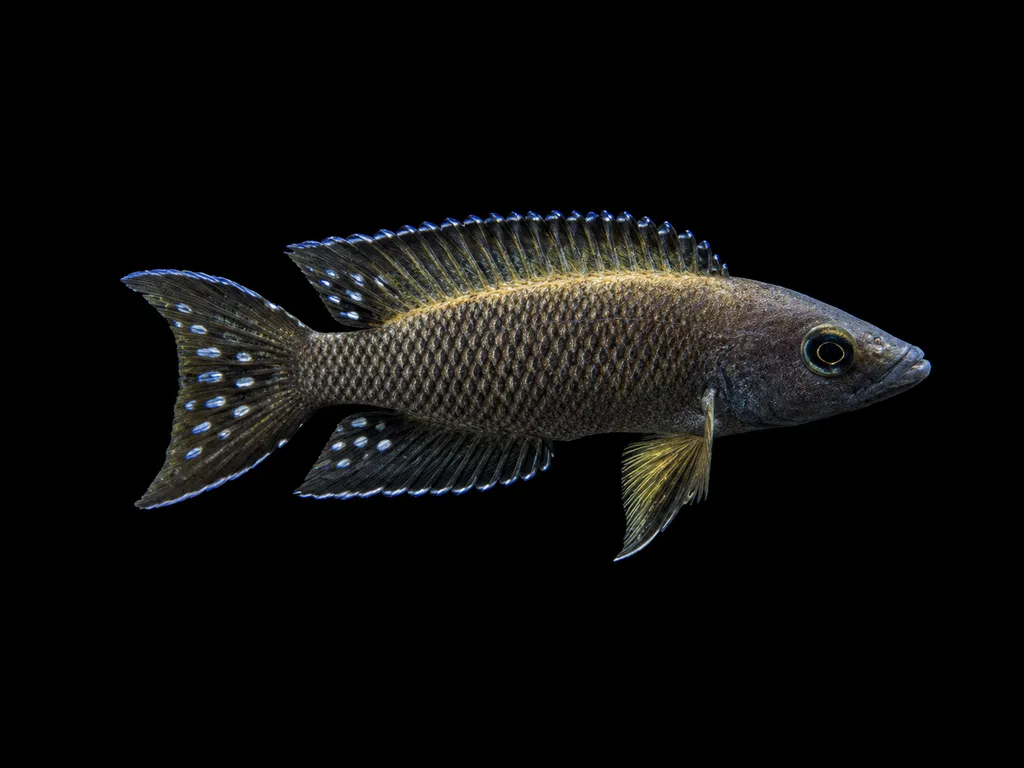 3.1 in (8 cm)42 gal (160 L)75–81°F (24–27°C)
Buescher's cichlid
Neolamprologus buescheri
3.1 in (8 cm) · 42 gal (160 L)
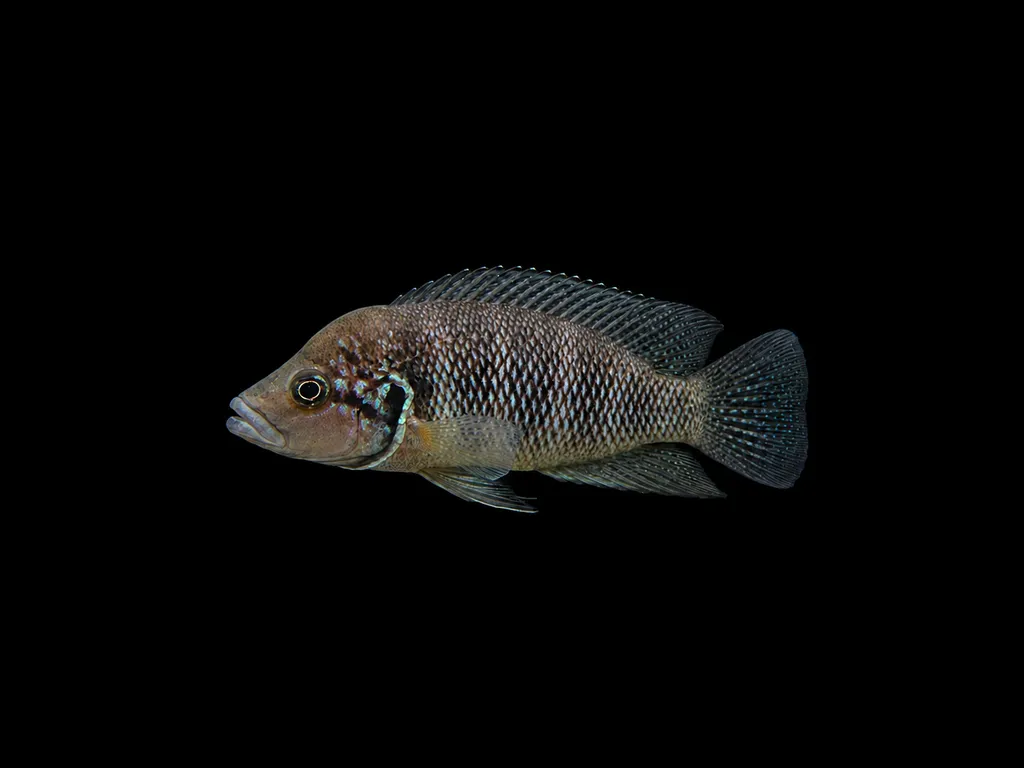 3.1 in (8 cm)42 gal (160 L)75–81°F (24–27°C)
Savory's cichlid
Neolamprologus savoryi
3.1 in (8 cm) · 42 gal (160 L)