Similis shell dweller
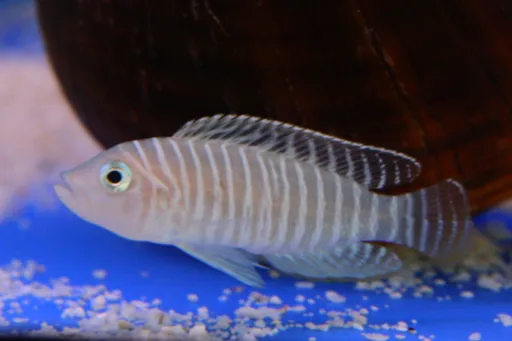
Neolamprologus similis
FreshwaterFish
Care at a glance
- Temperature
- 75–81°F
- 24–27°C
- pH
- 7.5–9.0
- Adult size
- 2 in
- 5 cm
- Minimum tank
- 20 gal
- 75 L
- Temperament
- Mostly peaceful
- Social behavior
- Social
- Swim level
- Bottom
- Difficulty
- Easy
- Breeding
- Easy
- Rarity
- Common
- Family
- Cichlidae
- Origin
- Endemic to Lake Tanganyika, East Africa
Overview
Keep them as a small colony, one male with several females or a mixed group, in a tank of 75 liters or more where horizontal floor space matters far more than height. They are mostly peaceful overall but fiercely territorial around their shells, each fish defending a patch about six inches across, so this is not a fish for a gentle community tank. Keep them on their own or with non substrate Tanganyikans like Cyprichromis up top and small Julidochromis on the rock. They sit on the bottom near their shells and feed on small foods like micro pellets, frozen daphnia, and baby brine. Hold the water warm, 24 to 27 C, hard, and alkaline at a pH of 7.5 to 9.
In the wild
Similis shell dwellers are endemic to Lake Tanganyika in East Africa, where they live over open beds of fine sand scattered with empty snail shells. Each fish claims a shell and digs in around it. To match that, give them a tank with a footprint of at least 75 liters, a shallow bed of fine sand, and more empty snail shells than you have fish, Neothauma or escargot shells around 5 cm work well. The water is hard and alkaline, so run it warm at 24 to 27 C with a pH from 7.5 to 9. This is a rift lake fish, not a soft, acidic blackwater species.
Good to know
This is Neolamprologus similis, a dwarf cichlid in the family Cichlidae. It stays small, with males around 4.5 cm and females nearer 3.5 cm, so 5 cm is a fair figure for a typical adult. It is a shell brooder, spawning inside an empty snail shell where the female guards the eggs and fry. They live several years in good water.
Did you know
Every fish in the colony picks an empty snail shell and treats it as home, backing into it tail first at the first sign of trouble. They will rearrange the sand to angle the opening just how they like it, and a breeding female will spawn and raise her fry inside the same shell. Give them more shells than fish or the squabbling over real estate never stops.
Weekly picks
Tank mates
Similis shell dweller is a mostly peaceful, social species that keeps to the bottom. These picks share a community profile with it, are safe together in both directions, and overlap on water type, temperature and pH.
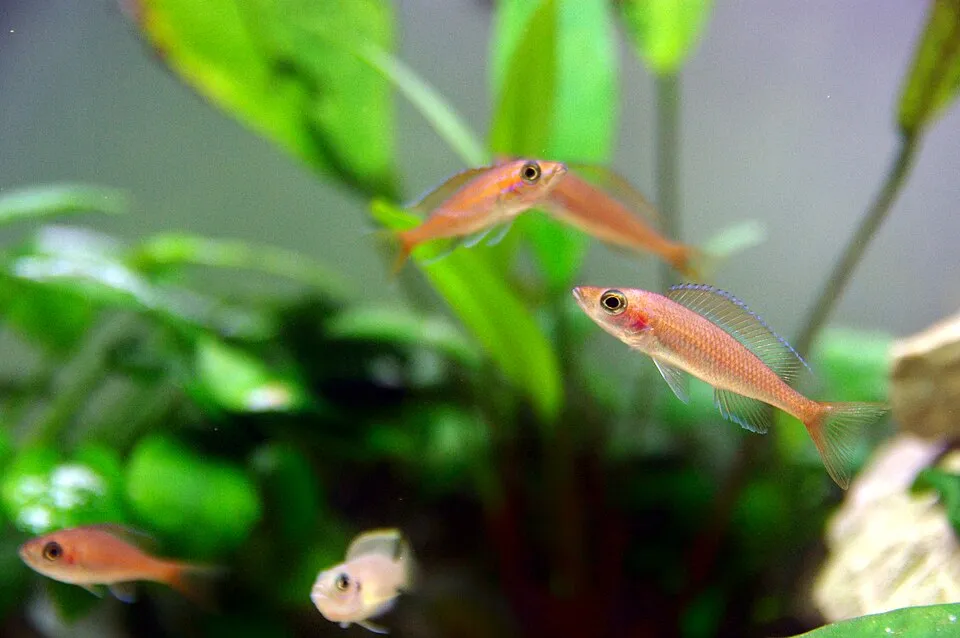
Blue neon cichlid
Paracyprichromis nigripinnis
Freshwater4.3 in (11 cm) · 48 gal (180 L)75–81°F (24–27°C)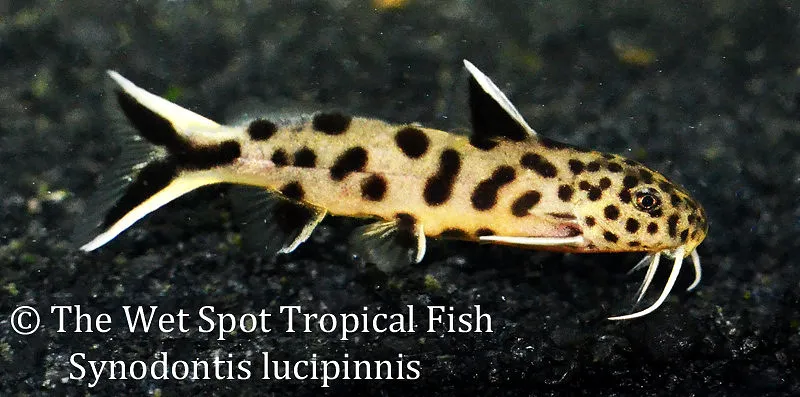
Dwarf petricola
Synodontis lucipinnis
Freshwater3.9 in (10 cm) · 30 gal (114 L)73–81°F (23–27°C)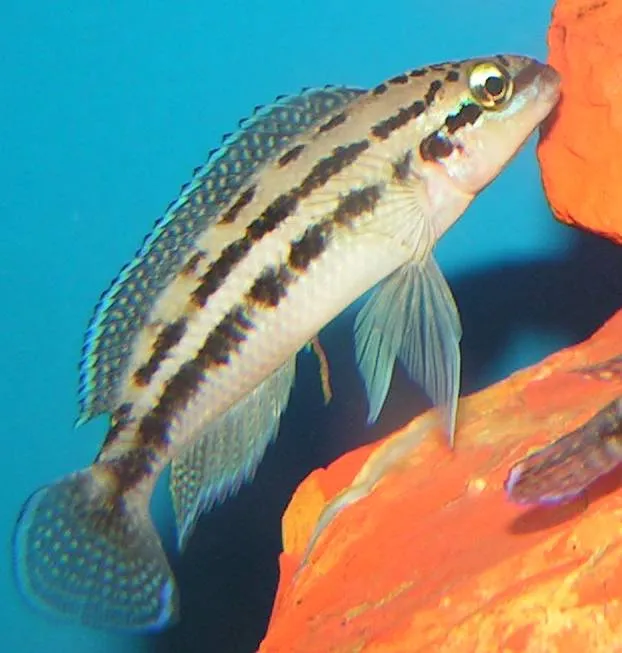
Brown julie
Julidochromis dickfeldi
Freshwater4.3 in (11 cm) · 20 gal (75 L)73–81°F (23–27°C)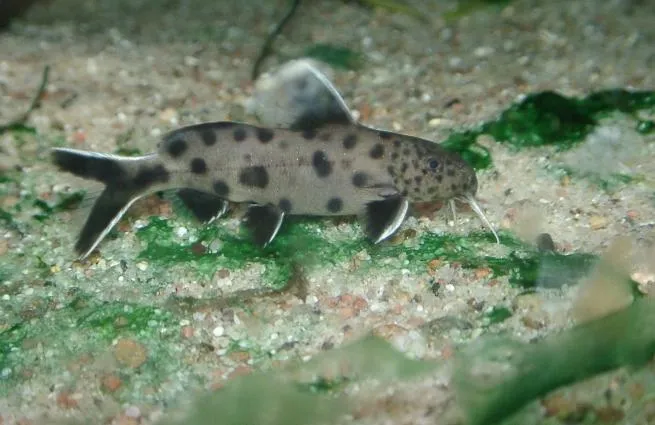
Even-Spotted squeaker
Synodontis petricola
Freshwater4.7 in (12 cm) · 45 gal (170 L)75–82°F (24–28°C)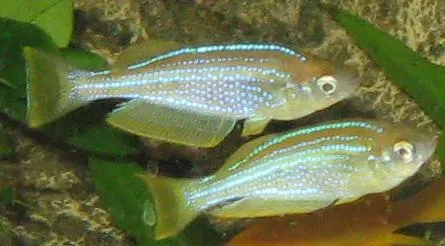
Tanganyika killifish
Lamprichthys tanganicanus
Freshwater5.5 in (14 cm) · 40 gal (150 L)73–77°F (23–25°C)
Common questions
What size tank does a Similis shell dweller need?
A Similis shell dweller needs at least 20 gal (75 L). It spends most of its time in the bottom.
What temperature and pH does a Similis shell dweller need?
A Similis shell dweller is comfortable at 75–81°F (24–27°C) with a pH of 7.5–9.0.
How big does a Similis shell dweller get?
An adult Similis shell dweller reaches about 2 in (5 cm).
Related species
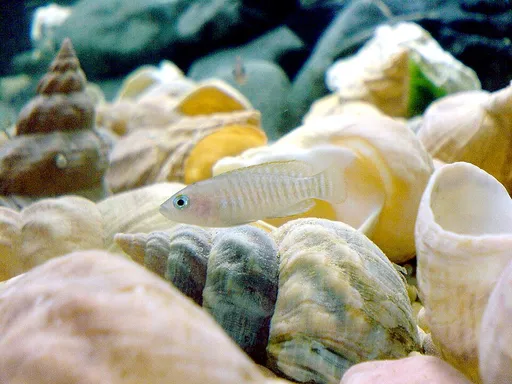 1.8 in (4.5 cm)20 gal (75 L)75–81°F (24–27°C)
Multie shell dweller
Neolamprologus multifasciatus
1.8 in (4.5 cm) · 20 gal (75 L)
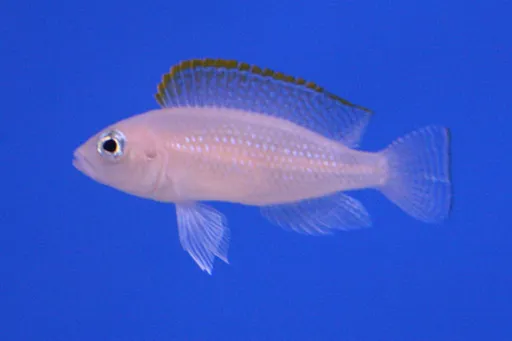
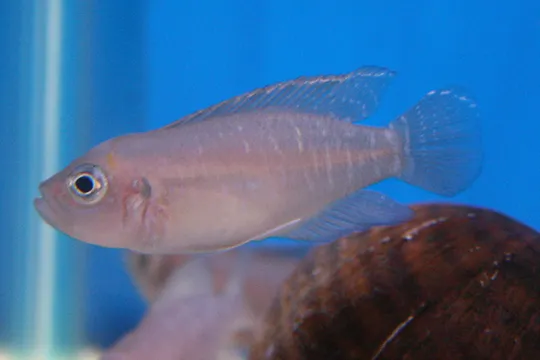 2.4 in (6 cm)16 gal (60 L)73–81°F (23–27°C)
Brevis shell dweller
Neolamprologus brevis
2.4 in (6 cm) · 16 gal (60 L)
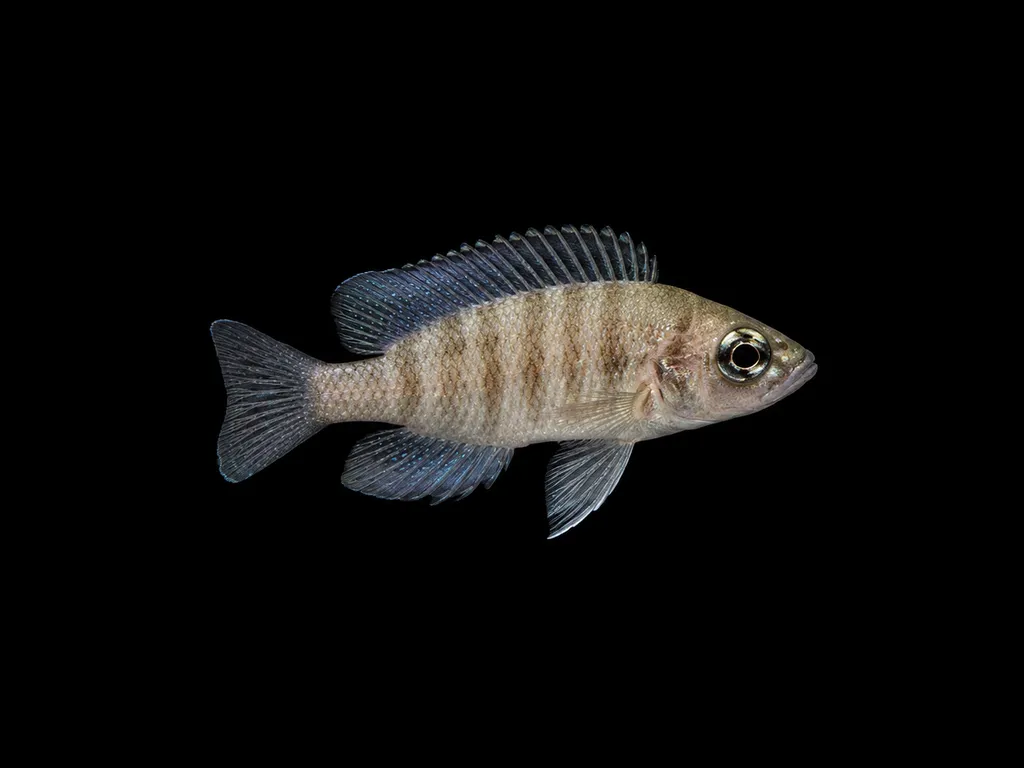
 2.8 in (7 cm)20 gal (75 L)75–79°F (24–26°C)
Caudopunctatus
Neolamprologus caudopunctatus
2.8 in (7 cm) · 20 gal (75 L)
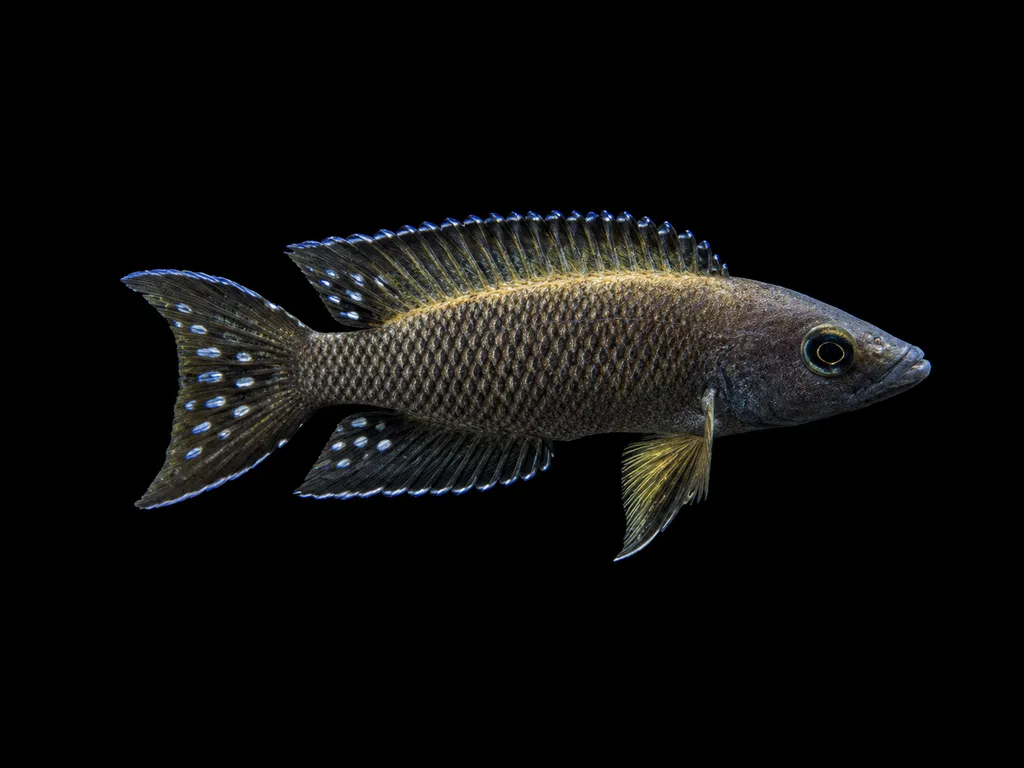
 4.7 in (12 cm)53 gal (200 L)75–81°F (24–27°C)
Toa cichlid
Neolamprologus toae
4.7 in (12 cm) · 53 gal (200 L)
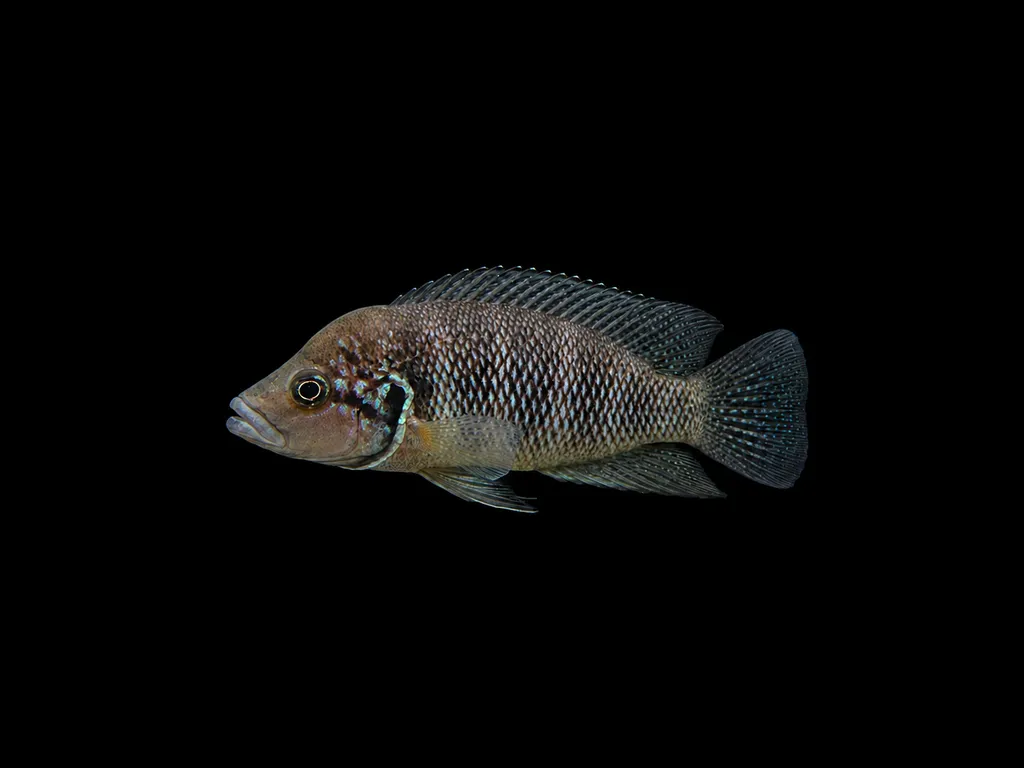
 3.1 in (8 cm)42 gal (160 L)75–81°F (24–27°C)
Buescher's cichlid
Neolamprologus buescheri
3.1 in (8 cm) · 42 gal (160 L)
 3.1 in (8 cm)42 gal (160 L)75–81°F (24–27°C)
Savory's cichlid
Neolamprologus savoryi
3.1 in (8 cm) · 42 gal (160 L)