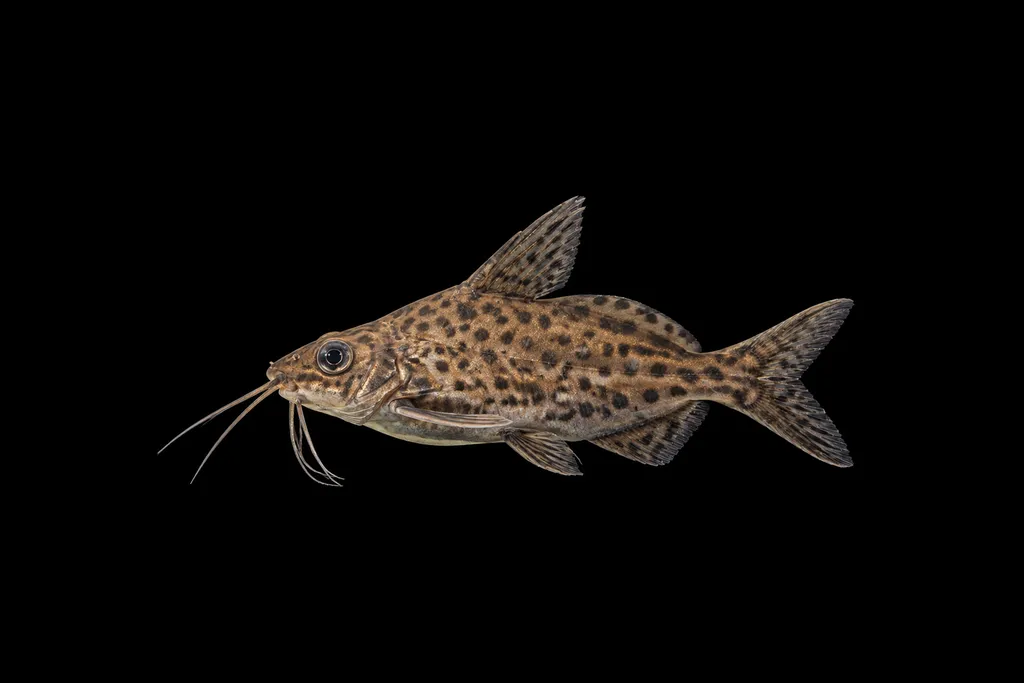
Dwarf petricola
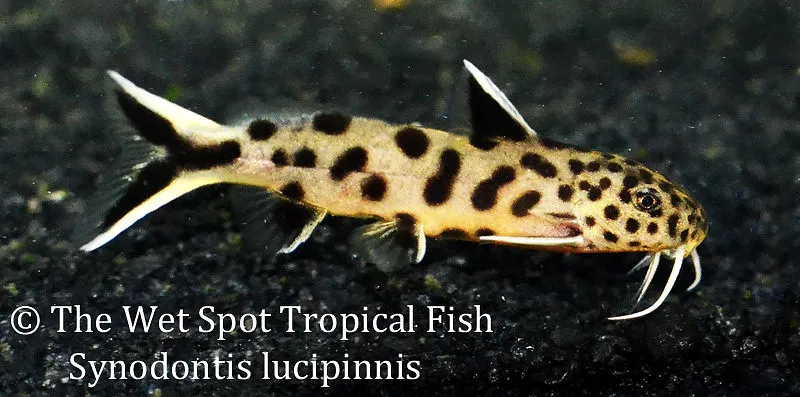
Synodontis lucipinnis
Also known as Dwarf petricola squeaker, False cuckoo catfish
FreshwaterFish
Care at a glance
- Temperature
- 73–81°F
- 23–27°C
- pH
- 7.5–9.0
- Adult size
- 3.9 in
- 10 cm
- Minimum tank
- 30 gal
- 114 L
- Temperament
- Peaceful
- Social behavior
- Social
- Swim level
- Bottom
- Difficulty
- Beginner
- Breeding
- Medium
- Rarity
- Common
- Family
- Mochokidae
- Origin
- Endemic to Lake Tanganyika in East Africa.
Overview
The dwarf petricola is a peaceful catfish for the bottom of a Tanganyikan community tank. It is a great first Synodontis.
Did you know
For years, hobbyists thought the small tank-bred squeakers were just young Synodontis petricola. They are a separate species that simply never grows large.
Caring for the dwarf petricola
Give a small group of dwarf petricolas a tank of at least 30 gal (114 L). Lay a fine sandy bed to protect their barbels, and pile plenty of rock into caves and crevices. Leave open sand between the rock piles.
Keep the pH high, from 7.5 to 9.0, at 73 to 81°F (23 to 27°C). The dwarf petricola is hardy and tolerates less than perfect water, but good filtration and steady oxygen suit it. Feed sinking pellets, frozen foods and the odd algae wafer.
Keep three or more, since a group brings out their natural activity. They are peaceful and fit a Tanganyikan community with shell dwellers and small rock cichlids. The dwarf petricola is one of the few Synodontis bred in the hobby in real numbers. Breeding it is moderately difficult.
Good to know
The dwarf petricola carries the bony head shield and locking fin spines of the family Mochokidae. It can feed upside down. It is also sold as the false cuckoo catfish.
In the wild
The dwarf petricola lives among the rocky, rubble-strewn shorelines of Lake Tanganyika. The water there is hard, alkaline and very stable.
Weekly picks
Tank mates
The dwarf petricola is a peaceful, social species that keeps to the bottom. These picks share a community profile with it, are safe together in both directions, and overlap on water type, temperature and pH.
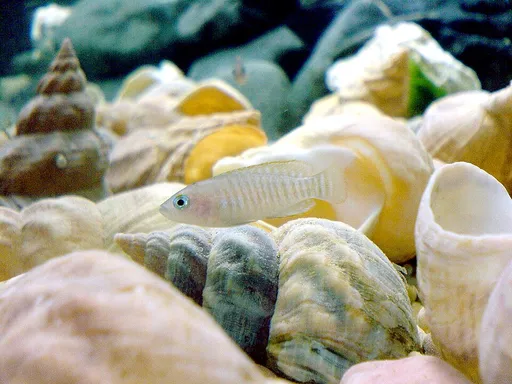
Multie shell dweller
Neolamprologus multifasciatus
Freshwater1.8 in (4.5 cm) · 20 gal (75 L)75–81°F (24–27°C)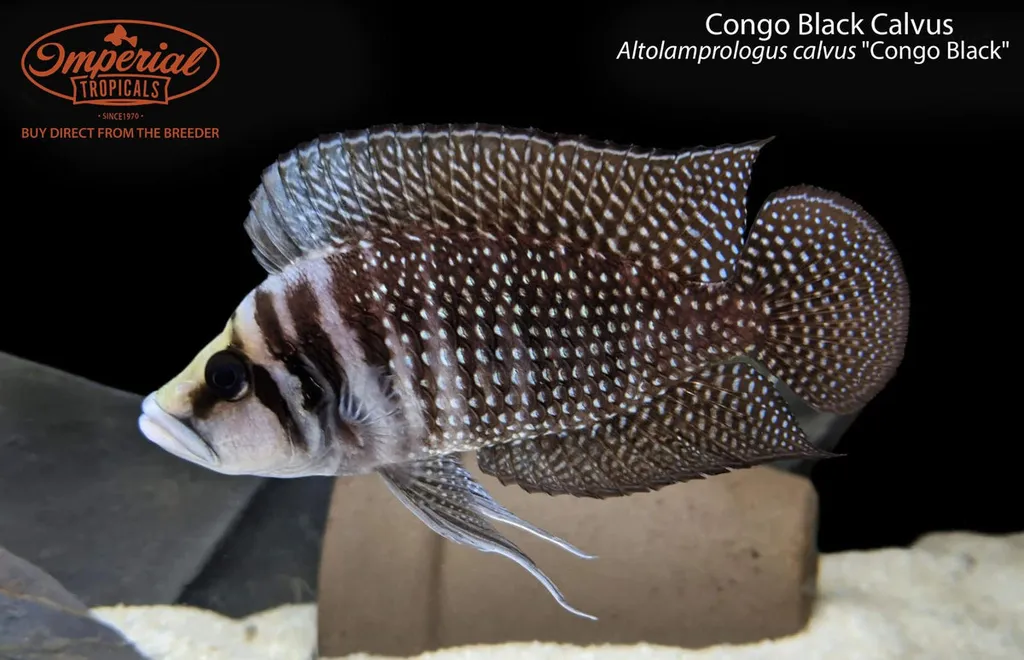
Black calvus
Altolamprologus calvus
Freshwater5.1 in (13 cm) · 53 gal (200 L)75–81°F (24–27°C)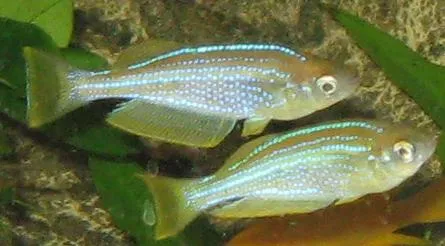
Tanganyika killifish
Lamprichthys tanganicanus
Freshwater5.5 in (14 cm) · 40 gal (150 L)73–77°F (23–25°C)
Common questions
What size tank does a dwarf petricola need?
A dwarf petricola needs at least 30 gal (114 L). It spends most of its time in the bottom.
What temperature and pH does a dwarf petricola need?
A dwarf petricola is comfortable at 73–81°F (23–27°C) with a pH of 7.5–9.0.
What does a dwarf petricola eat?
A dwarf petricola eats sinking pellets, frozen foods and the odd algae wafer.
How big does a dwarf petricola get?
An adult dwarf petricola reaches about 3.9 in (10 cm).
How does a dwarf petricola breed?
Dwarf petricolas are bred in the hobby in real numbers, which few Synodontis are. It is a moderately difficult fish to breed.
Related species
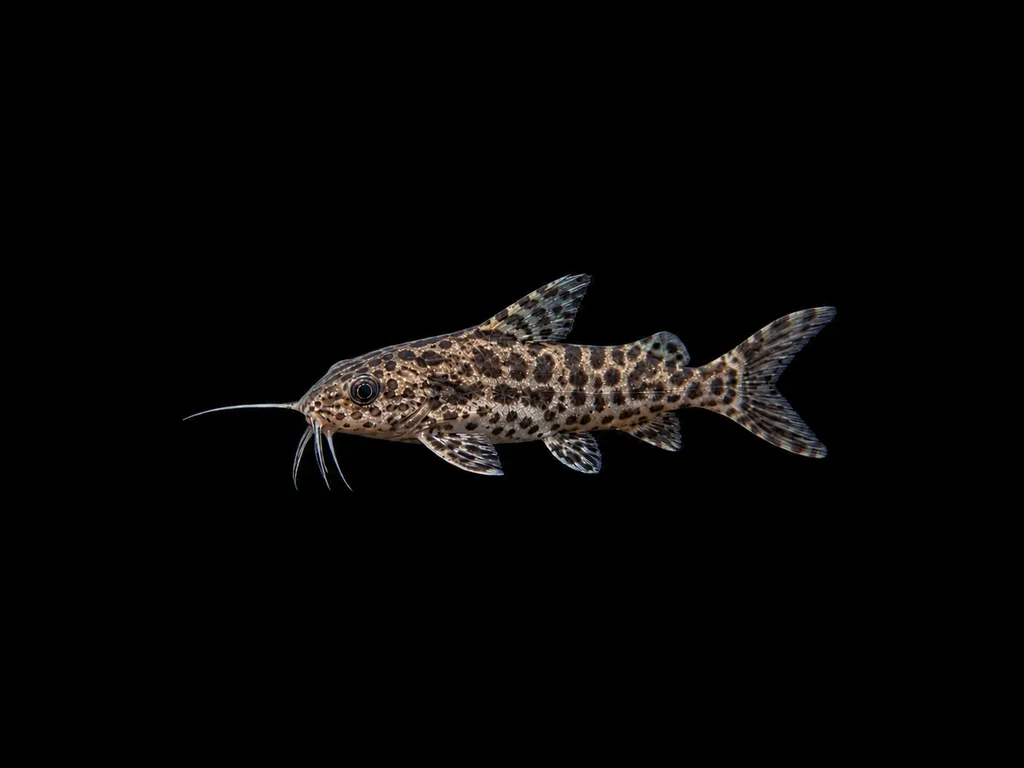 3.9 in (10 cm)30 gal (114 L)72–79°F (22–26°C)
Bugeye squeaker
Synodontis contractus
3.9 in (10 cm) · 30 gal (114 L)
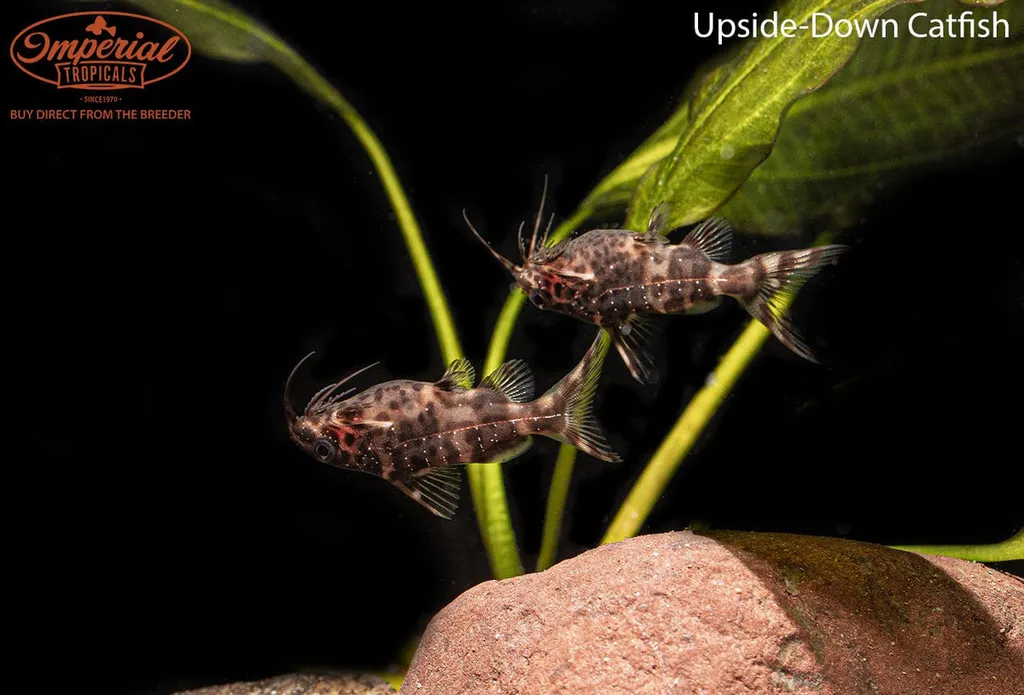 3.9 in (10 cm)30 gal (115 L)75–82°F (24–28°C)
Upside-down catfish
Synodontis nigriventris
3.9 in (10 cm) · 30 gal (115 L)
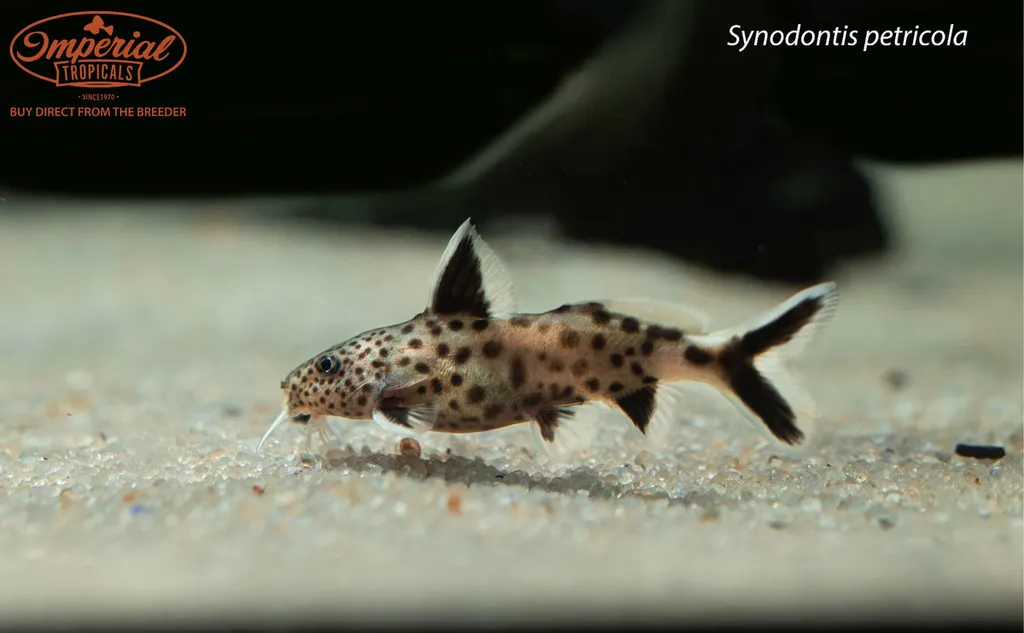 4.7 in (12 cm)21 gal (80 L)75–82°F (24–28°C)
Even-Spotted squeaker
Synodontis petricola
4.7 in (12 cm) · 21 gal (80 L)
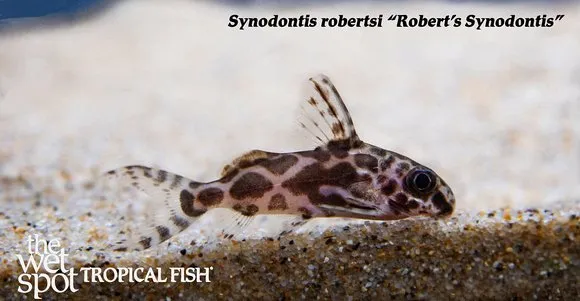 3.9 in (10 cm)42 gal (160 L)73–81°F (23–27°C)
Robertsi squeaker
Synodontis robertsi
3.9 in (10 cm) · 42 gal (160 L)
 4.3 in (11 cm)42 gal (160 L)73–81°F (23–27°C)
Orientalis squeaker
Synodontis orientalis
4.3 in (11 cm) · 42 gal (160 L)
 7.1 in (18 cm)29 gal (110 L)75–82°F (24–28°C)
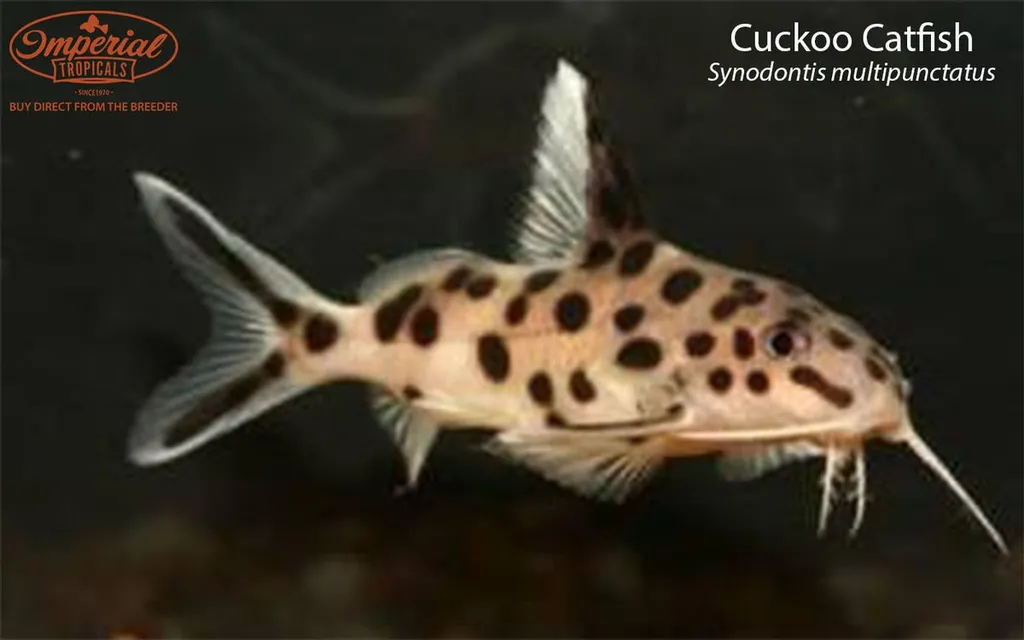
Cuckoo squeaker
Synodontis multipunctatus
7.1 in (18 cm) · 29 gal (110 L)