Marlier's julie
Julidochromis marlieri
Also known as Chequered julie
FreshwaterFish
Care at a glance
- Temperature
- 73–81°F
- 23–27°C
- pH
- 7.8–9.0
- Adult size
- 5.9 in
- 15 cm
- Minimum tank
- 29 gal
- 110 L
- Temperament
- Mostly peaceful
- Social behavior
- Social
- Swim level
- Middle
- Difficulty
- Medium
- Breeding
- Hard
- Rarity
- Rare
- Family
- Cichlidae
- Origin
- Lake Tanganyika
Overview
This cichlid forms a bonded pair and defends its chosen cave hard, so give it at least 110 liters with dense rockwork and clear territory edges. It feeds on small invertebrates and biofilm in the wild. In the tank offer quality cichlid pellets with frozen or live brine shrimp. It can be aggressive toward its own kind and similar shapes, so plan tankmates carefully and keep everything on the same hard, alkaline water.
In the wild
Marlier's julie lives along the rocky shores of Lake Tanganyika, sticking close to caves and crevices several meters down. It needs that structure to feel secure and to breed, so build a tank with stacked rock that creates plenty of caves and tight gaps. Keep the water hard and alkaline, pH 7.8 to 9, with temperatures in the mid 20s C.
Good to know
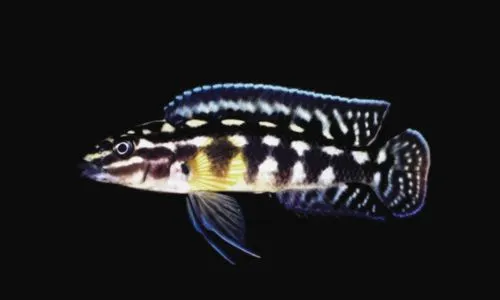
Julidochromis marlieri is a cichlid that grows to about 15 cm. The elongated body carries a grid of black-and-white markings that break up its outline against the rock. It is a cave-spawning substrate breeder that lays eggs on the ceiling or wall of a crevice, not a mouthbrooder. Wild stocks are considered stable, with collection and habitat change as local pressures.
Did you know
Pairs often stay together long-term and raise fry as a team, letting successive batches share the same territory. A pair will quietly tolerate well-grown young nearby, so an established cave can end up holding a small family group rather than just the two adults.
Weekly picks
Tank mates
Marlier's julie is a mostly peaceful, social species that keeps to the middle. These picks share a community profile with it, are safe together in both directions, and overlap on water type, temperature and pH.
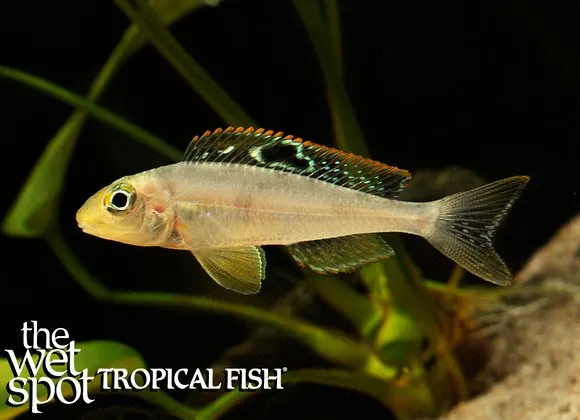
Butterfly xenotilapia
Xenotilapia papilio
Freshwater3.1 in (8 cm) · 53 gal (200 L)75–81°F (24–27°C)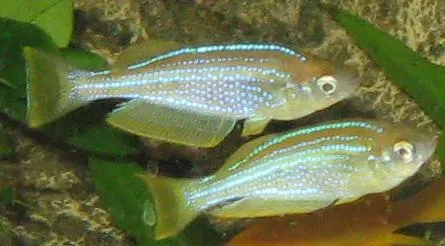
Tanganyika killifish
Lamprichthys tanganicanus
Freshwater5.5 in (14 cm) · 40 gal (150 L)73–77°F (23–25°C)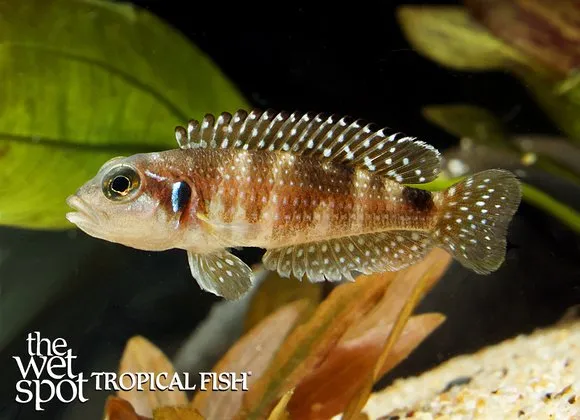
Pearly ocellatus
Lamprologus stappersi
Freshwater2.2 in (5.5 cm) · 11 gal (40 L)75–81°F (24–27°C)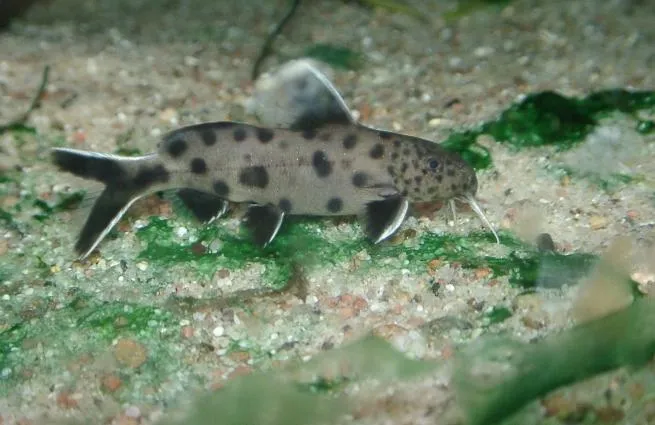
Even-Spotted squeaker
Synodontis petricola
Freshwater4.7 in (12 cm) · 45 gal (170 L)75–82°F (24–28°C)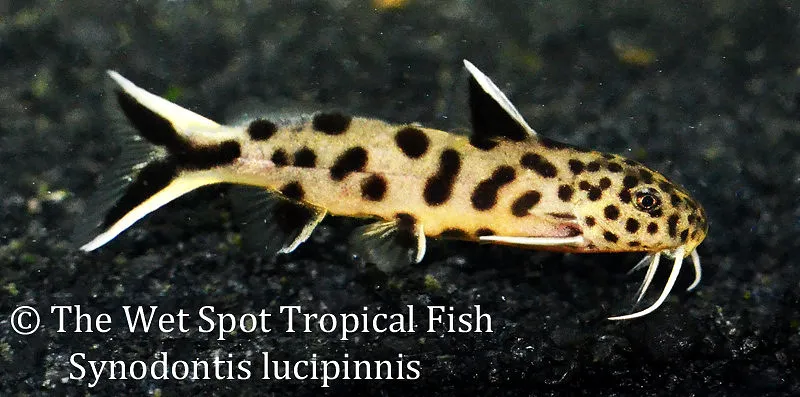
Dwarf petricola
Synodontis lucipinnis
Freshwater3.9 in (10 cm) · 30 gal (114 L)73–81°F (23–27°C)
Common questions
What size tank does a Marlier's julie need?
A Marlier's julie needs at least 29 gal (110 L). It spends most of its time in the middle.
What temperature and pH does a Marlier's julie need?
A Marlier's julie is comfortable at 73–81°F (23–27°C) with a pH of 7.8–9.0.
How big does a Marlier's julie get?
An adult Marlier's julie reaches about 5.9 in (15 cm).
Related species
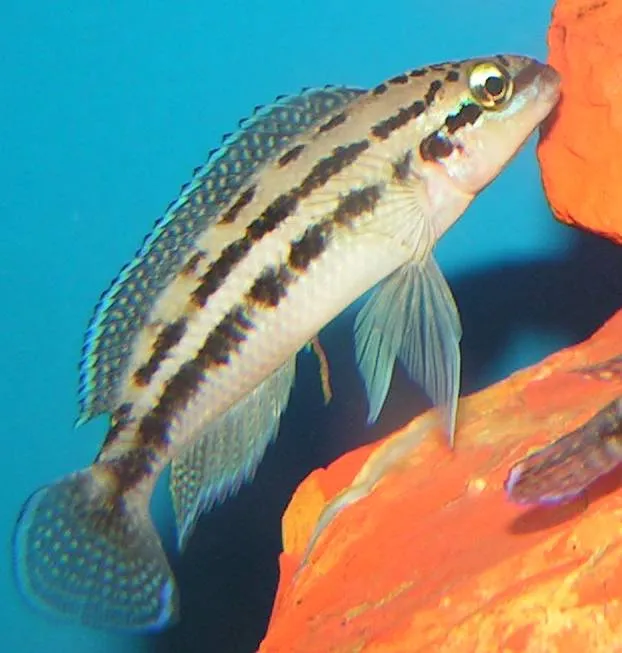 4.3 in (11 cm)20 gal (75 L)73–81°F (23–27°C)
Brown julie
Julidochromis dickfeldi
4.3 in (11 cm) · 20 gal (75 L)
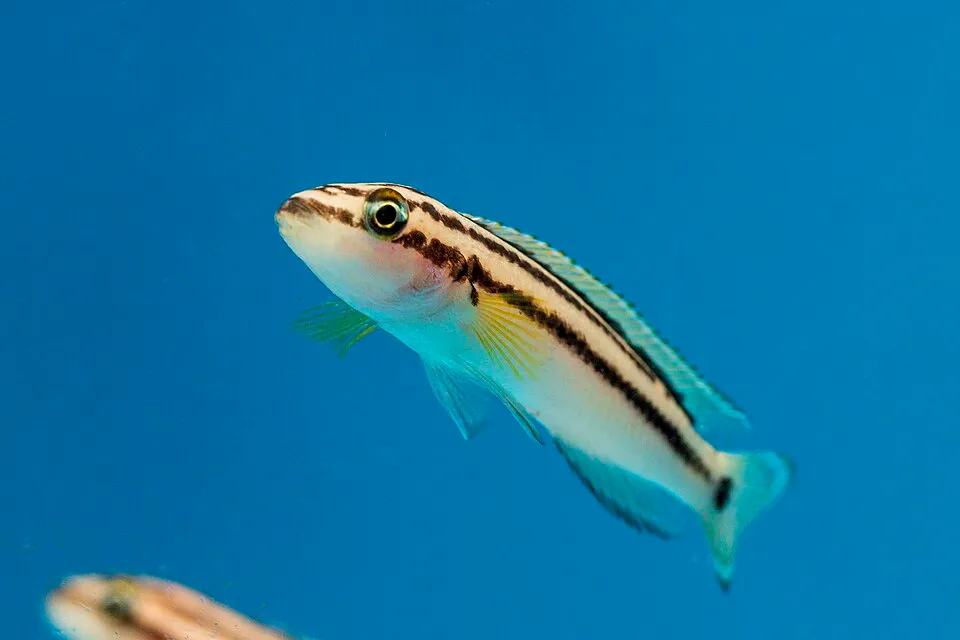 3.1 in (8 cm)18 gal (70 L)73–81°F (23–27°C)
Golden julie
Julidochromis ornatus
3.1 in (8 cm) · 18 gal (70 L)
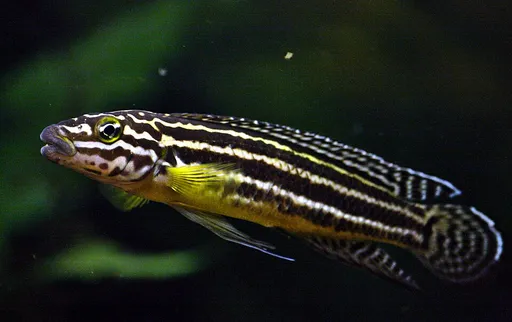 5.1 in (13 cm)29 gal (110 L)75–81°F (24–27°C)
Convict julie
Julidochromis regani
5.1 in (13 cm) · 29 gal (110 L)
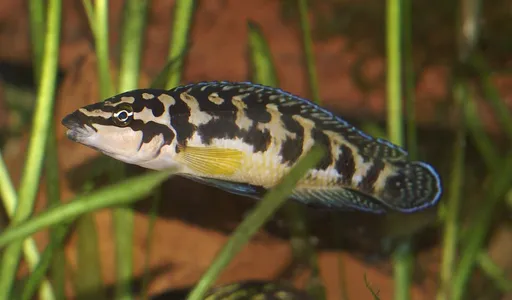 2.8 in (7 cm)20 gal (75 L)75–81°F (24–27°C)
Masked julie
Julidochromis transcriptus
2.8 in (7 cm) · 20 gal (75 L)
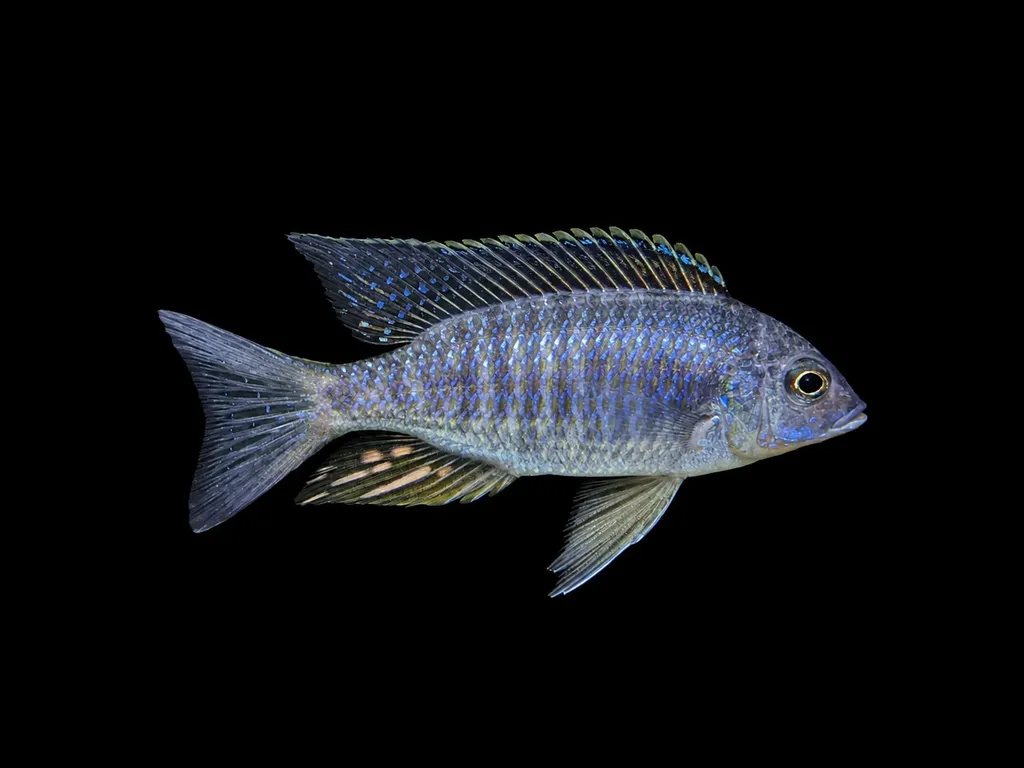 5.9 in (15 cm)70 gal (265 L)75–82°F (24–28°C)
Atripinnis hap
Copadichromis atripinnis
5.9 in (15 cm) · 70 gal (265 L)
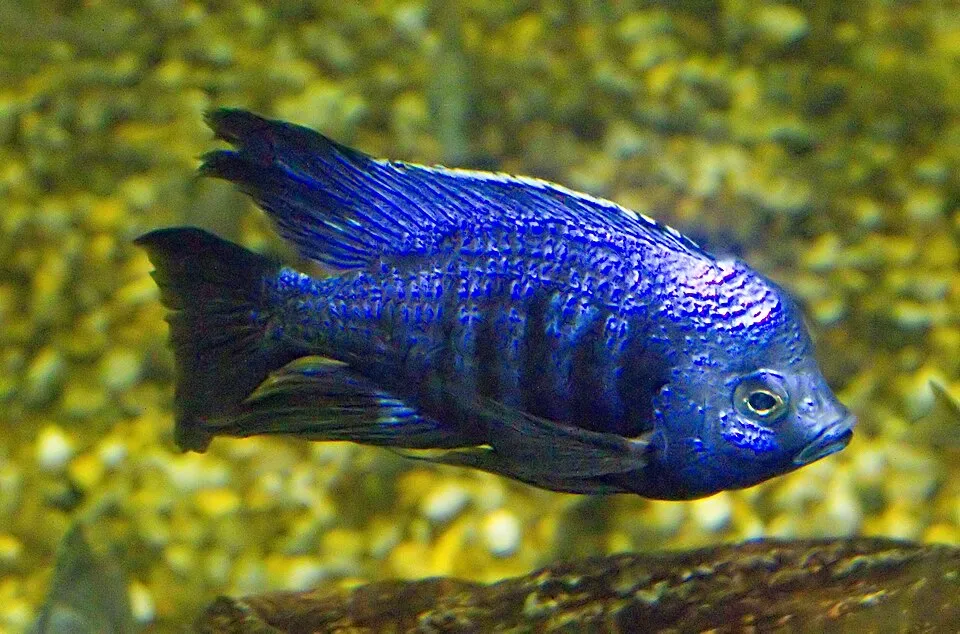 5.9 in (15 cm)79 gal (300 L)77–82°F (25–28°C)
Azureus
Copadichromis azureus
5.9 in (15 cm) · 79 gal (300 L)