Atripinnis hap
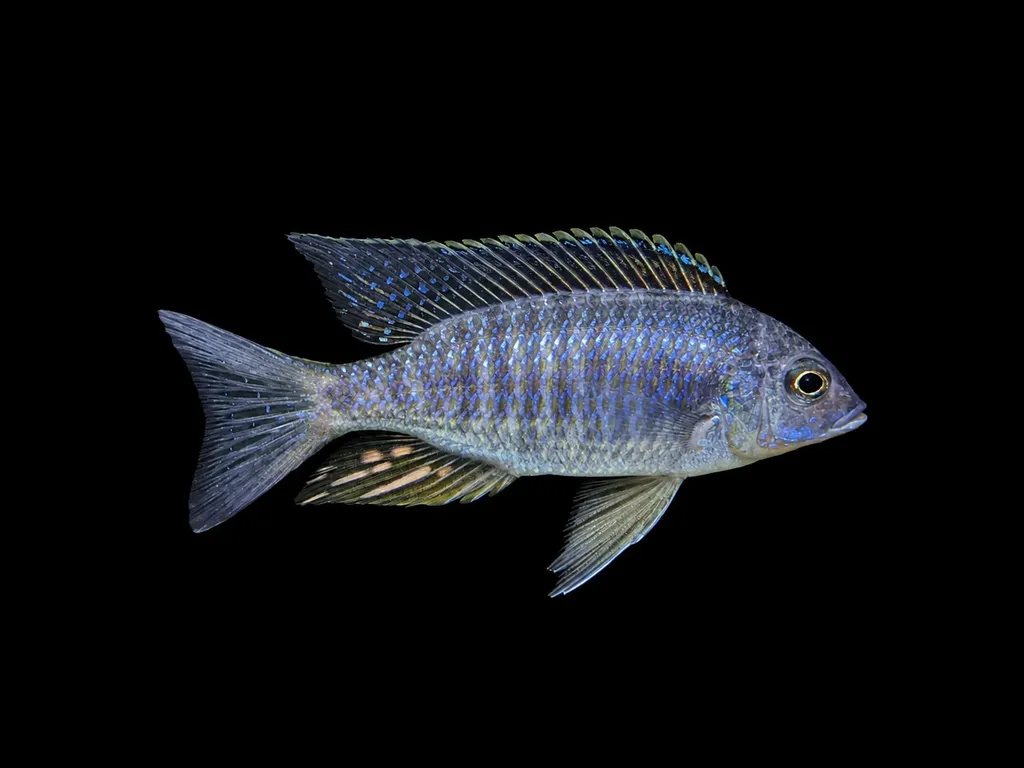
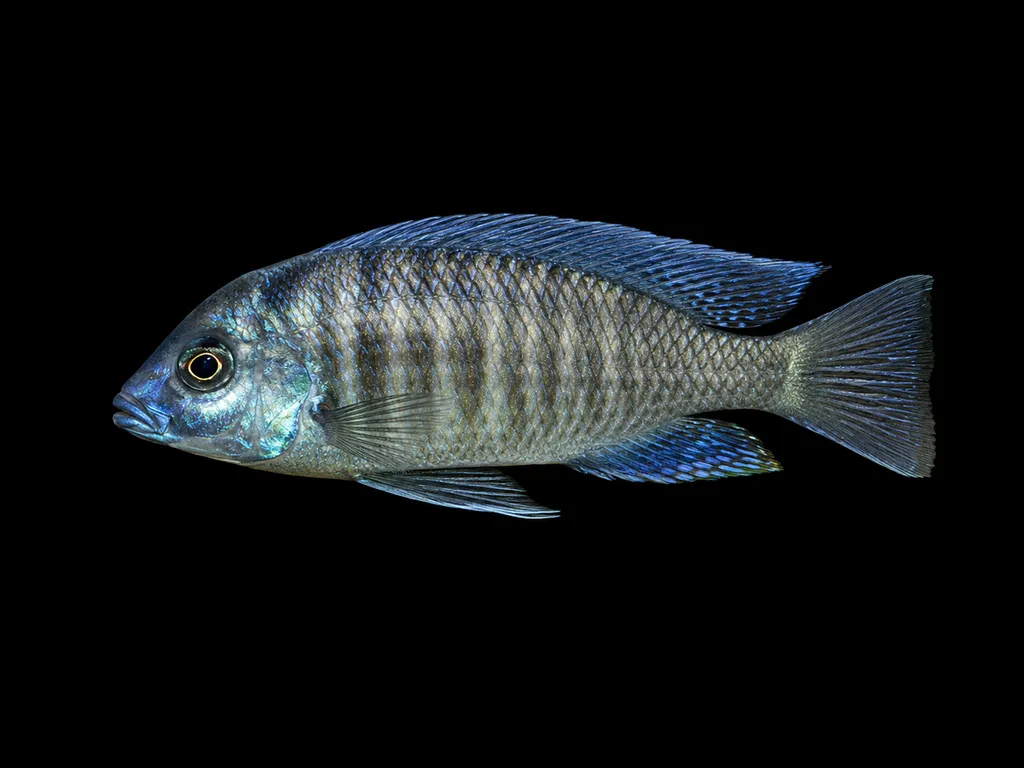
Copadichromis atripinnis
Also known as Black-fin utaka
FreshwaterFish
Care at a glance
- Temperature
- 75–82°F
- 24–28°C
- pH
- 7.6–8.6
- Adult size
- 5.9 in
- 15 cm
- Minimum tank
- 70 gal
- 265 L
- Temperament
- Mostly peaceful
- Social behavior
- Social
- Swim level
- Middle
- Difficulty
- Medium
- Breeding
- Mouthbrooder · Medium
- Rarity
- Rare
- Family
- Cichlidae
- Origin
- Lake Malawi, endemic
Overview
The Atripinnis hap is a peaceful, shoaling Malawi cichlid for a rift tank with room to swim. It is a moderate challenge to keep.
Caring for the Atripinnis hap
Give a group of Atripinnis haps at least 70 gal (265 L) of long, clear water, since open swimming space matters more than rockwork. A sandy floor with a few rock piles at the ends leaves the central water open. These fish spend their time in the middle of the tank.
Set up the usual rift-lake chemistry, hard and alkaline, at 75 to 82°F (24 to 28°C) and a pH of 7.6 to 8.6. It feeds on drifting plankton, so offer small foods that stay suspended. Good choices are fine pellets, frozen cyclops, mysis and brine shrimp.
This hap is a social, shoaling fish, so keep it in a group. A good mix is one or more males with several females, and a group in motion looks like a marine shoal. It is gentle by rift-lake standards and does not tolerate rough company. Keep it only with other calm Malawi cichlids, and avoid pushy mbuna.
Males are the showy sex. They build sand bowers, small crater-shaped nests, to court passing females, and darken their fins during display. The females brood the eggs in their mouths, and breeding is of moderate difficulty.
Good to know
The Atripinnis hap is one of the utaka, in the cichlid family. Its name atripinnis means black-finned, after the dark fins that males show in display.
In the wild
The Atripinnis hap is endemic to Lake Malawi. It lives in schools over the transition between sand and rock, feeding on plankton in open water.
Weekly picks
Tank mates
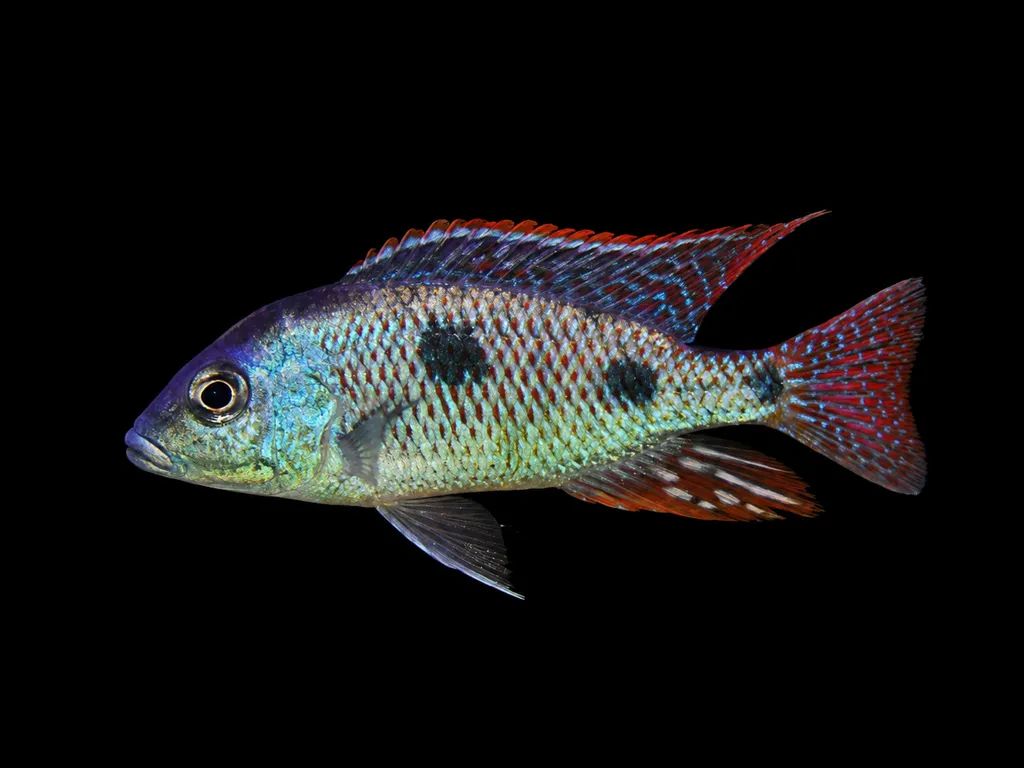
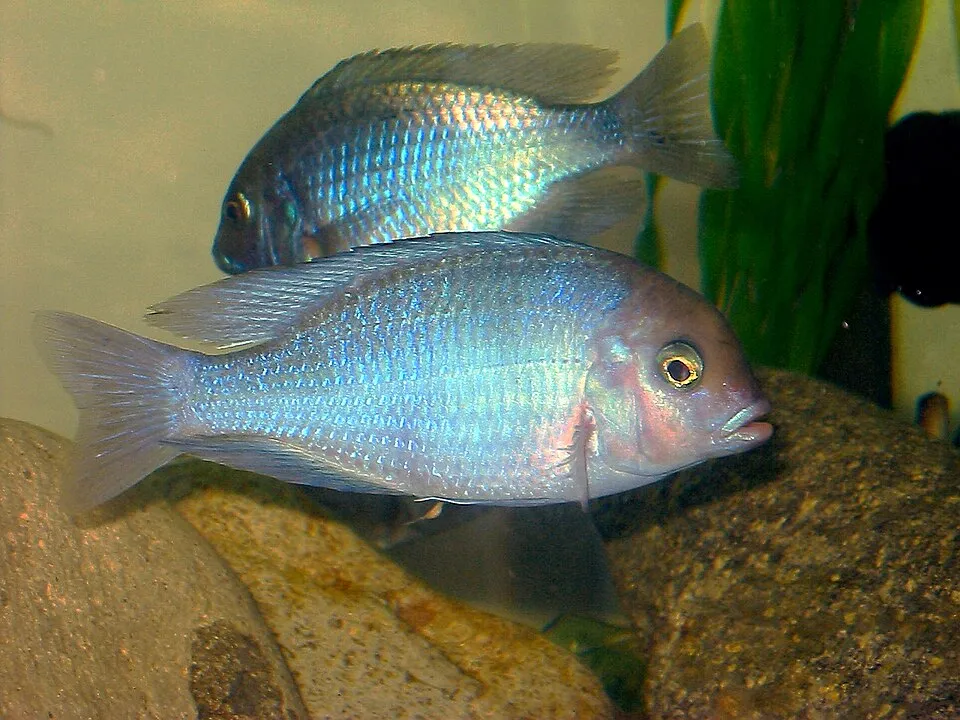
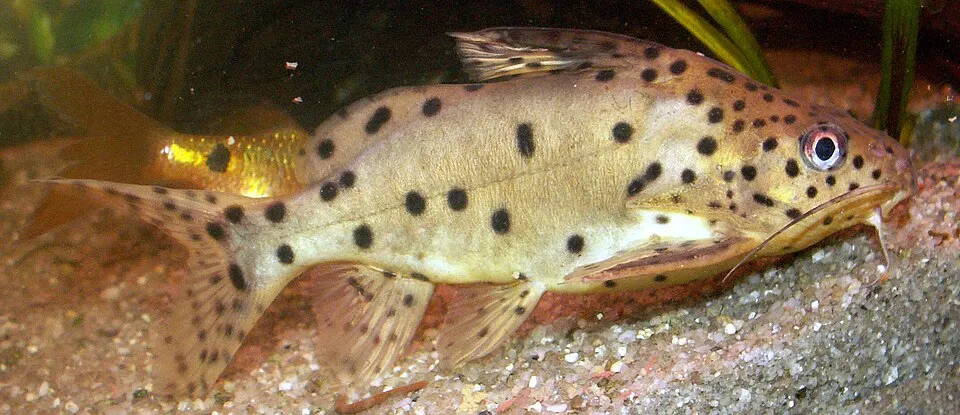
The Atripinnis hap is a mostly peaceful, social species that keeps to the middle. These picks share a community profile with it, are safe together in both directions, and overlap on water type, temperature and pH.
Common questions
What size tank does an Atripinnis hap need?
An Atripinnis hap needs at least 70 gal (265 L). It spends most of its time in the middle.
What temperature and pH does an Atripinnis hap need?
An Atripinnis hap is comfortable at 75–82°F (24–28°C) with a pH of 7.6–8.6.
What does an Atripinnis hap eat?
An Atripinnis hap eats small foods that stay suspended in the water. Offer it fine pellets, frozen cyclops, mysis and brine shrimp.
How big does an Atripinnis hap get?
An adult Atripinnis hap reaches about 5.9 in (15 cm).
How can you tell a male Atripinnis hap from a female?
Males are the showy sex, and they darken their fins when they display. They also build sand bowers, small crater-shaped nests, to court females.
How does an Atripinnis hap breed?
Atripinnis haps are maternal mouthbrooders. Males court passing females over sand bowers, and the females brood the eggs in their mouths. Breeding them is of moderate difficulty.
Related species
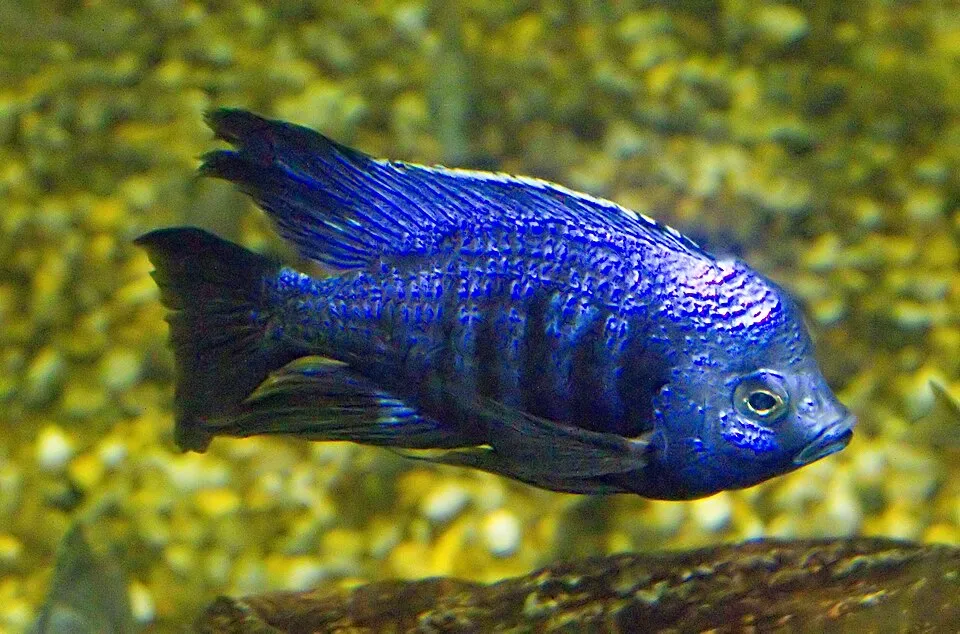 5.9 in (15 cm)79 gal (300 L)77–82°F (25–28°C)
Azureus
Copadichromis azureus
5.9 in (15 cm) · 79 gal (300 L)
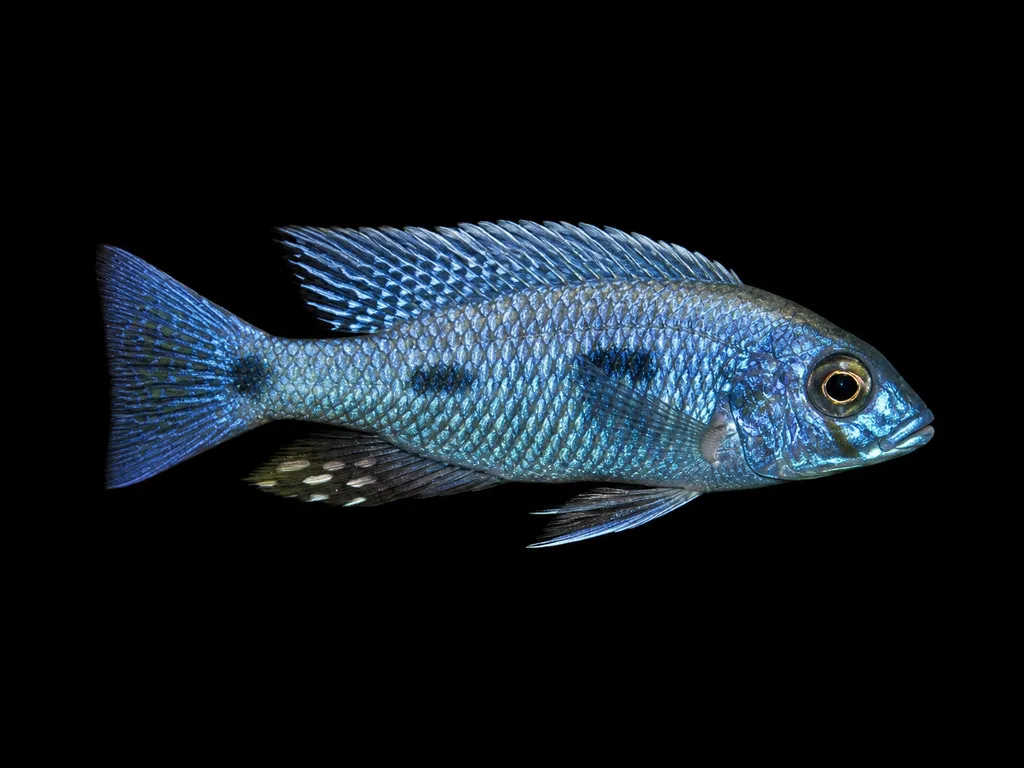 6.3 in (16 cm)79 gal (300 L)75–81°F (24–27°C)
Chrysonotus utaka
Copadichromis chrysonotus
6.3 in (16 cm) · 79 gal (300 L)
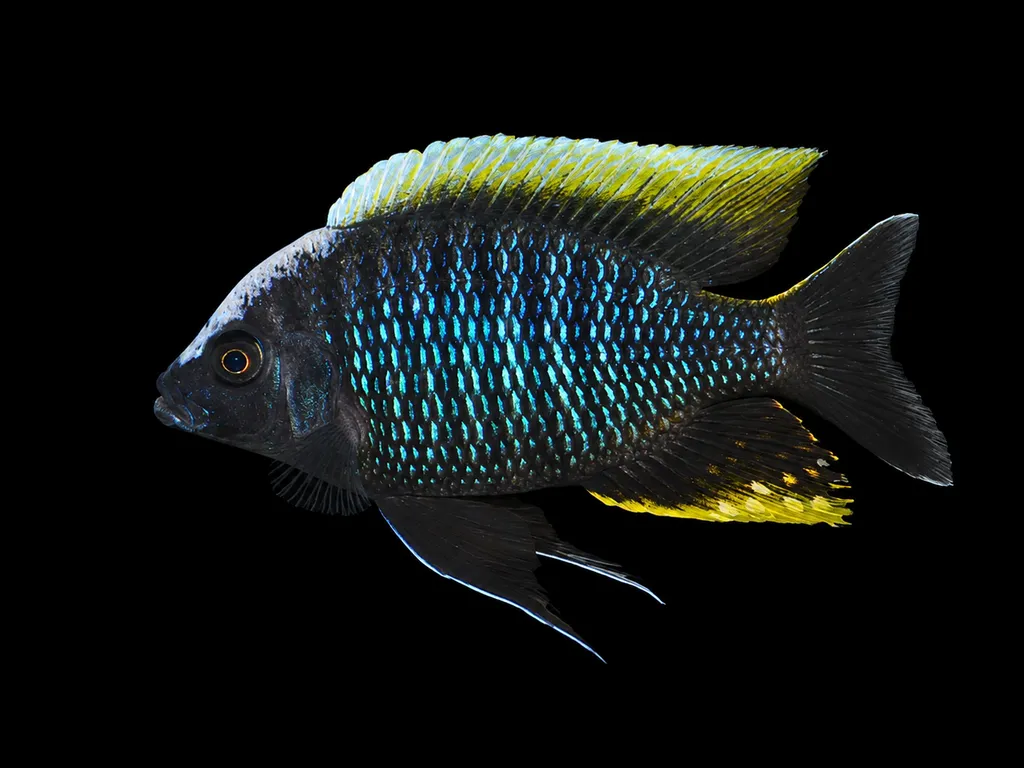 6.3 in (16 cm)79 gal (300 L)75–81°F (24–27°C)
Geert's utaka
Copadichromis geertsi
6.3 in (16 cm) · 79 gal (300 L)
- 5.5 in (14 cm)79 gal (300 L)75–81°F (24–27°C)
Likoma utaka
Copadichromis likomae
5.5 in (14 cm) · 79 gal (300 L)
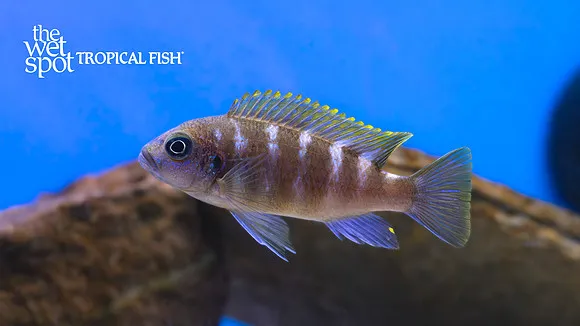 5.1 in (13 cm)79 gal (300 L)75–81°F (24–27°C)
Mloto utaka
Copadichromis trewavasae
5.1 in (13 cm) · 79 gal (300 L)
 7.1 in (18 cm)79 gal (300 L)75–81°F (24–27°C)
Jackson's utaka
Copadichromis jacksoni
7.1 in (18 cm) · 79 gal (300 L)