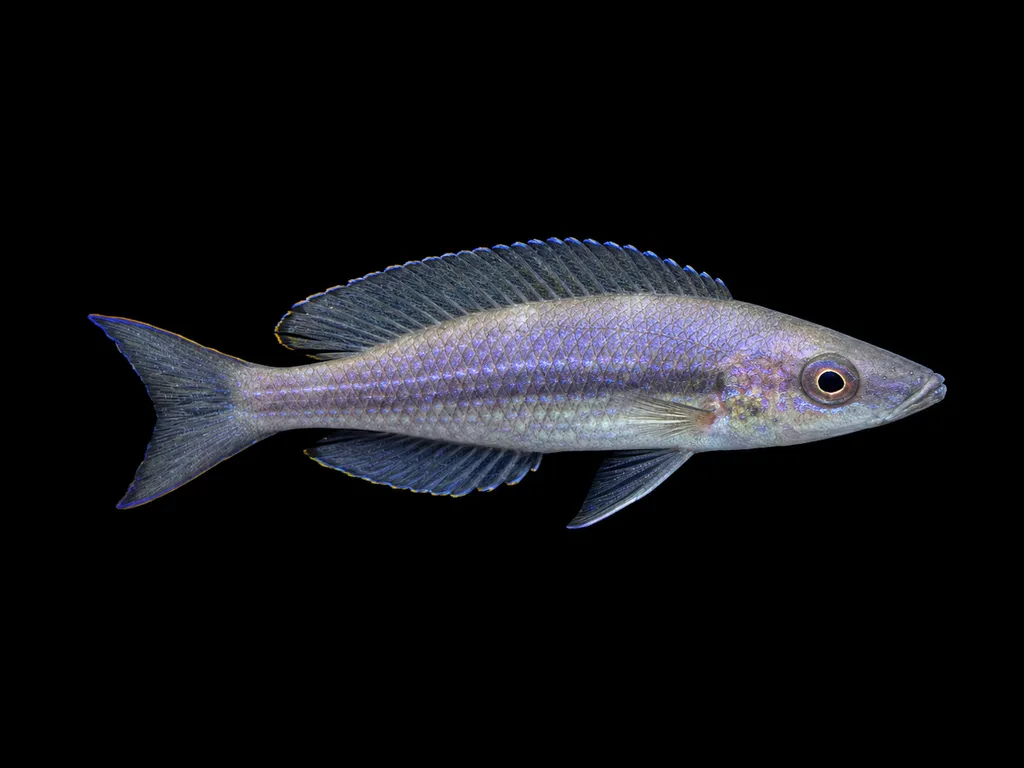
Brien's cichlid
Paracyprichromis brieni
Also known as Paracyprichromis velifer, Velifer paracyprichromis
FreshwaterFish
Care at a glance
- Temperature
- 75–81°F
- 24–27°C
- pH
- 7.8–9.0
- Adult size
- 4.3 in
- 11 cm
- Minimum tank
- 66 gal
- 250 L
- Temperament
- Peaceful
- Social behavior
- Schooling
- Swim level
- Middle
- Difficulty
- Medium
- Breeding
- Mouthbrooder · Medium
- Rarity
- Rare
- Family
- Cichlidae
- Origin
- Lake Tanganyika
Overview
Brien's cichlid is a slim, gentle Tanganyikan schooler that hangs in loose groups near vertical rock. It often tilts nose-down or hugs the underside of a ledge. It is a step up from the easiest fish.
Did you know
Brien's cichlid lives against the rock rather than in open water. It courts and spawns oriented to the stone, tilting sideways or even upside down under an overhang, wherever the rock face lies.
Caring for the Brien's cichlid
Keep Brien's cichlids in a school of at least ten, since single fish or a few are shy and never settle. A tall tank of at least 66 gal (250 L) with plenty of rock suits a group. Build tall rock structure with overhangs and caves, and leave open water in front of it for them to hang in.
Keep the water hard and alkaline, at 75 to 81°F (24 to 27°C) and a pH of 7.8 to 9.0. Strong, stable filtration suits it. Brien's cichlid picks plankton and fine foods from the water. Offer small frozen foods such as cyclops and mysis with quality flake.
It holds in the middle and upper water along the rockwork and is easily bullied. Keep it only with calm, slow tank mates that will not steal its food or its space.
It is a maternal mouthbrooder, and the female carries a small clutch of large eggs in her mouth. Breeding it is of medium difficulty.
Good to know
Paracyprichromis brieni belongs to the cichlid family. The taller-finned fish traded as velifer is an undescribed form of this species rather than a separate one.
In the wild
Paracyprichromis brieni lives along steep rock walls and in cave mouths in Lake Tanganyika, staying close to the stone in deeper water. The lake is hard, alkaline and warm.
Weekly picks
Tank mates
The Brien's cichlid is a peaceful, schooling species that keeps to the middle. These picks share a community profile with it, are safe together in both directions, and overlap on water type, temperature and pH.
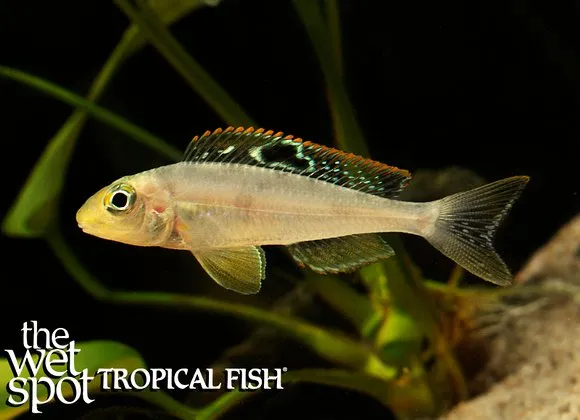
Butterfly xenotilapia
Xenotilapia papilio
Freshwater3.1 in (8 cm) · 53 gal (200 L)75–81°F (24–27°C)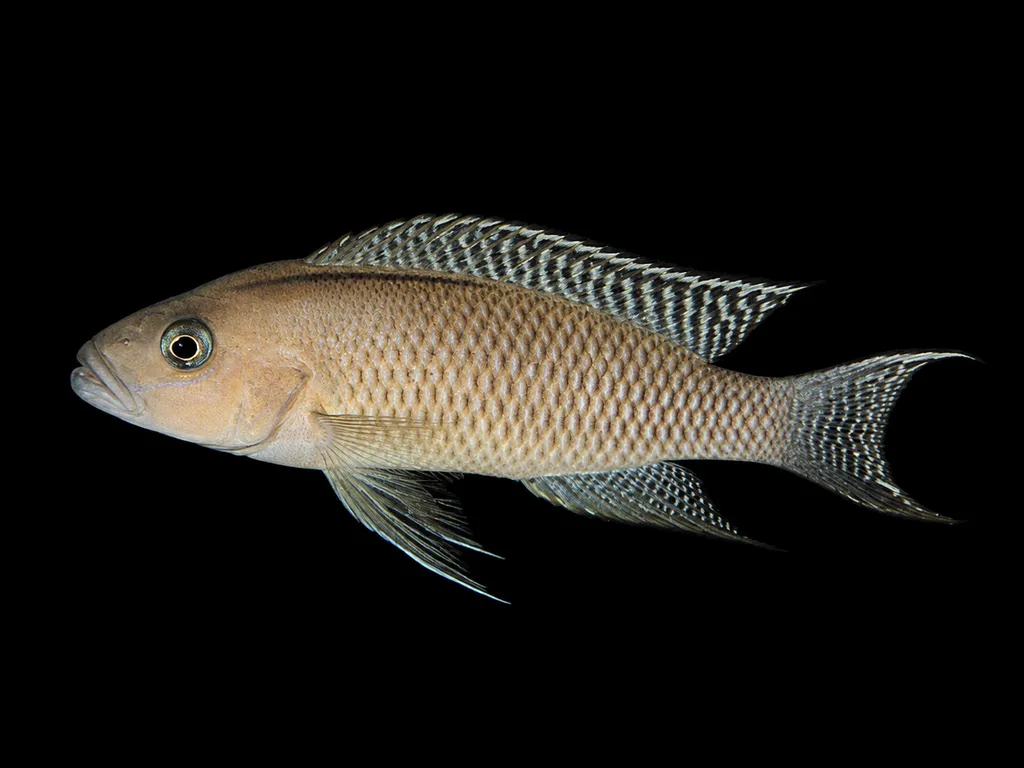
Falcicula cichlid
Neolamprologus falcicula
Freshwater3.1 in (8 cm) · 42 gal (160 L)75–81°F (24–27°C)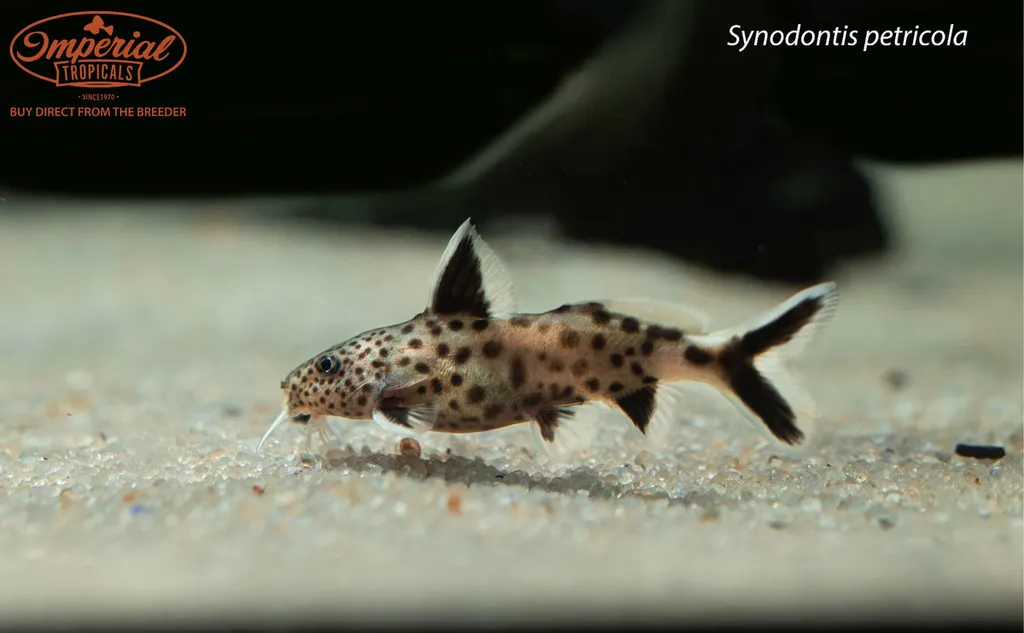
Even-Spotted squeaker
Synodontis petricola
Freshwater4.7 in (12 cm) · 21 gal (80 L)75–82°F (24–28°C)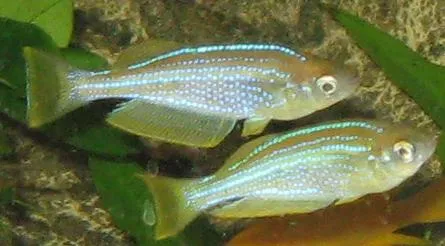
Tanganyika killifish
Lamprichthys tanganicanus
Freshwater5.5 in (14 cm) · 40 gal (150 L)73–77°F (23–25°C)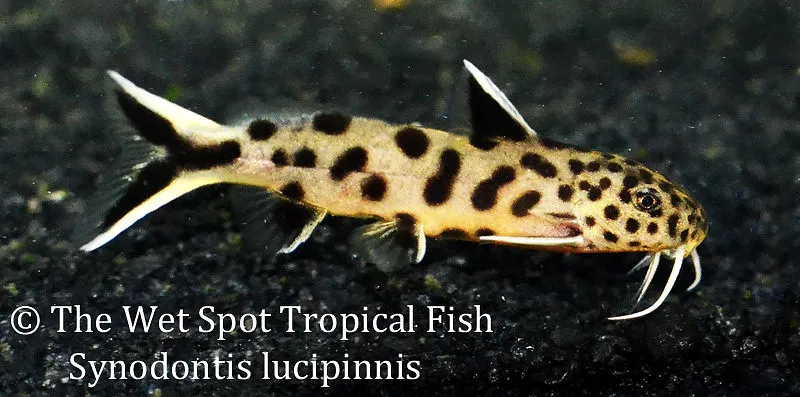
Dwarf petricola
Synodontis lucipinnis
Freshwater3.9 in (10 cm) · 30 gal (114 L)73–81°F (23–27°C)
Common questions
What size tank does a Brien's cichlid need?
A Brien's cichlid needs at least 66 gal (250 L). It spends most of its time in the middle.
What temperature and pH does a Brien's cichlid need?
A Brien's cichlid is comfortable at 75–81°F (24–27°C) with a pH of 7.8–9.0.
What does a Brien's cichlid eat?
A Brien's cichlid picks plankton and fine foods from the water. Offer it small frozen foods such as cyclops and mysis, with quality flake.
How big does a Brien's cichlid get?
An adult Brien's cichlid reaches about 4.3 in (11 cm).
Does a Brien's cichlid need a group?
Yes. A Brien's cichlid is a schooling species and should be kept in a group, not singly.
How does a Brien's cichlid breed?
A Brien's cichlid is a maternal mouthbrooder. The female carries a small clutch of large eggs in her mouth, and breeding is of medium difficulty.
Related species
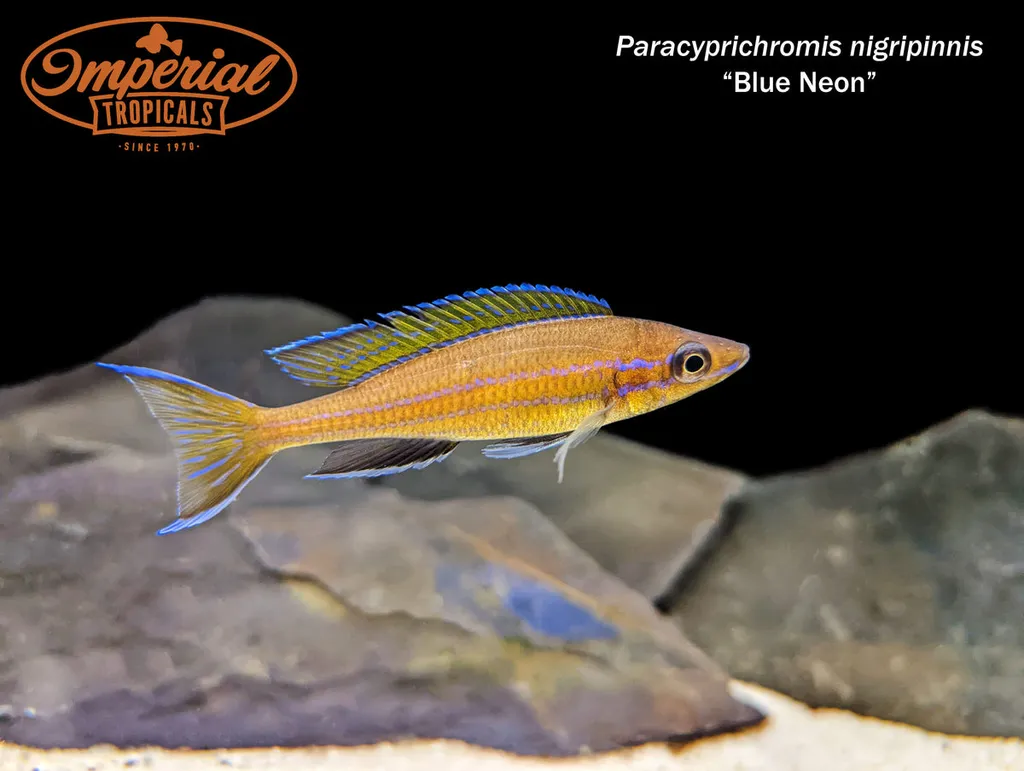 4.3 in (11 cm)48 gal (180 L)75–81°F (24–27°C)
Blue neon cichlid
Paracyprichromis nigripinnis
4.3 in (11 cm) · 48 gal (180 L)
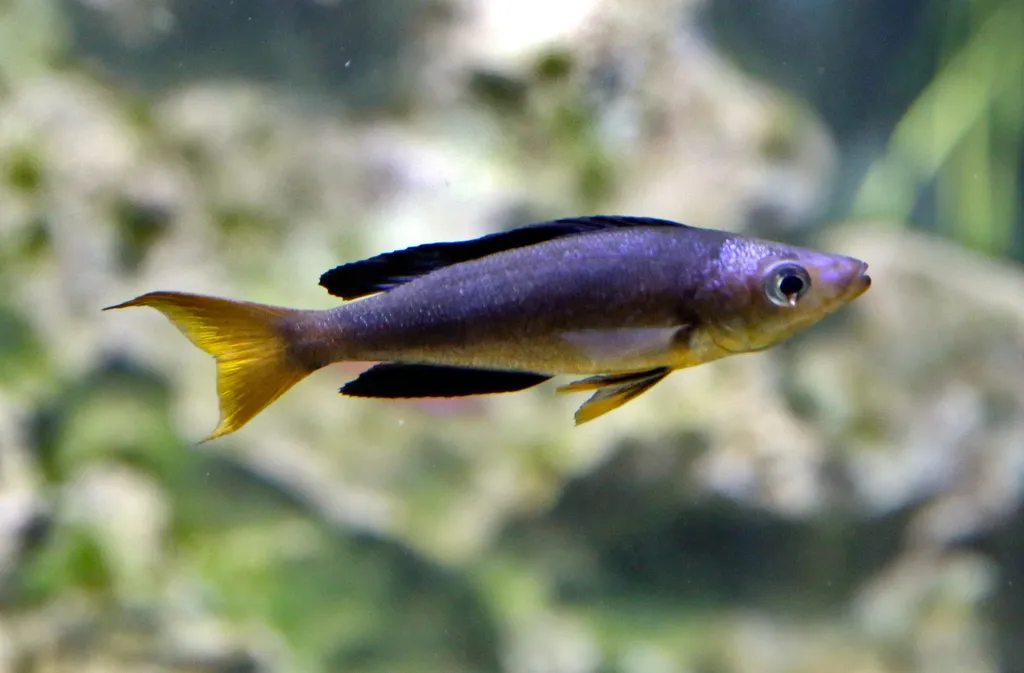 4.3 in (11 cm)79 gal (300 L)75–81°F (24–27°C)
Finescale cyprichromis
Cyprichromis microlepidotus
4.3 in (11 cm) · 79 gal (300 L)
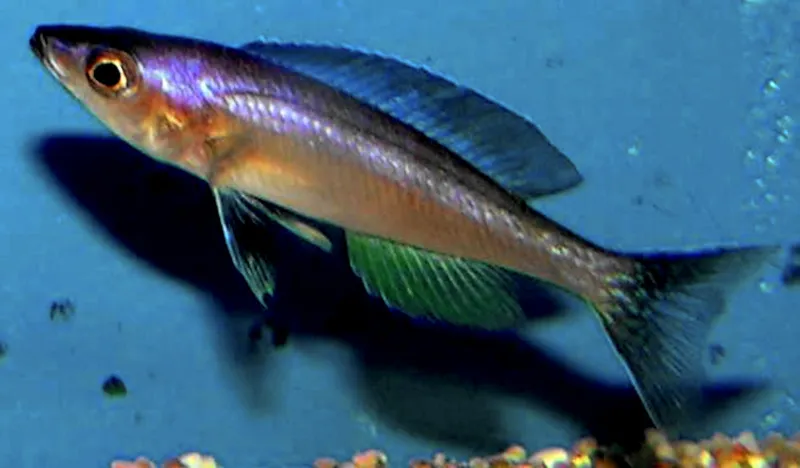 4.3 in (11 cm)63 gal (240 L)75–81°F (24–27°C)
Sardine cichlid
Cyprichromis leptosoma
4.3 in (11 cm) · 63 gal (240 L)
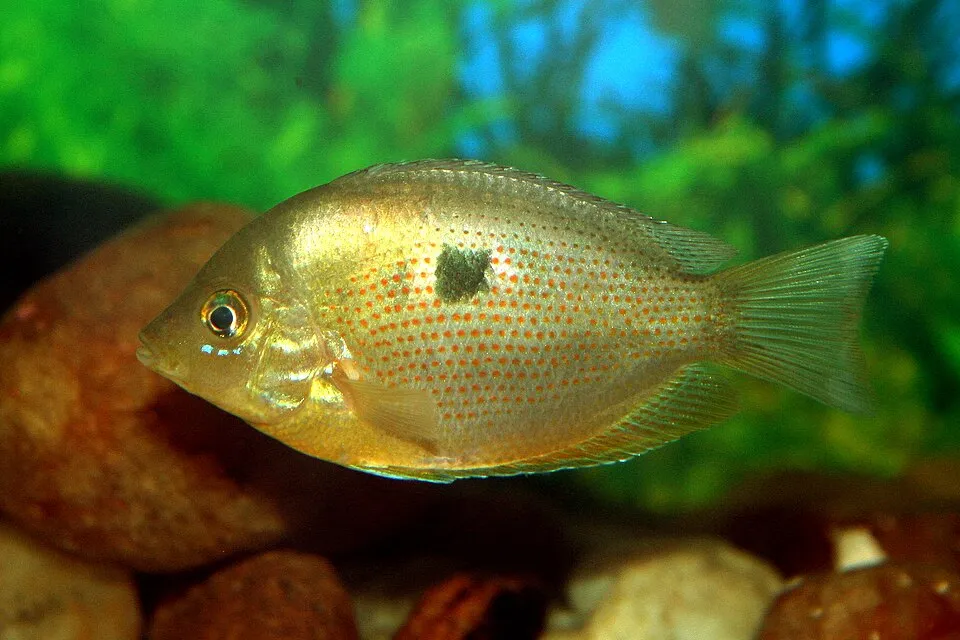 3.9 in (10 cm)55 gal (210 L)68–82°F (20–28°C)
Orange chromide
Etroplus maculatus
3.9 in (10 cm) · 55 gal (210 L)
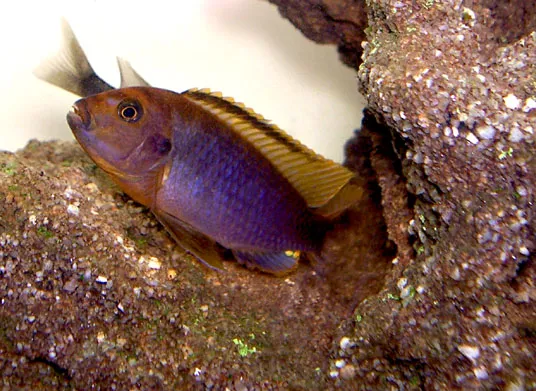 3.9 in (10 cm)24 gal (90 L)77–84°F (25–29°C)
Rusty cichlid
Iodotropheus sprengerae
3.9 in (10 cm) · 24 gal (90 L)
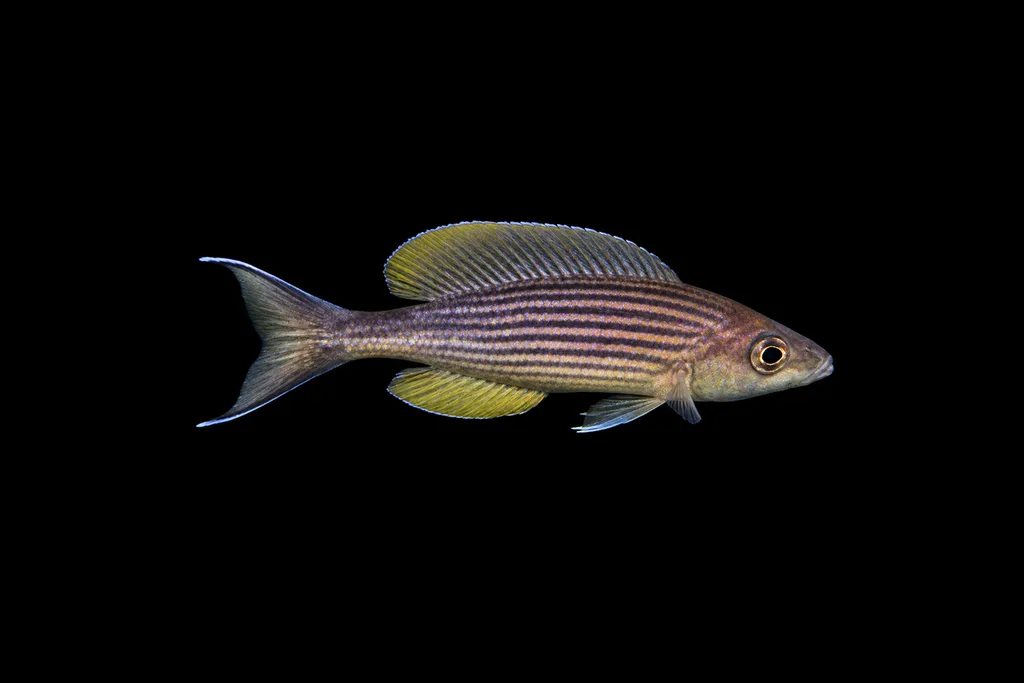 3.9 in (10 cm)79 gal (300 L)75–81°F (24–27°C)
Zebra sardine cichlid
Cyprichromis zonatus
3.9 in (10 cm) · 79 gal (300 L)