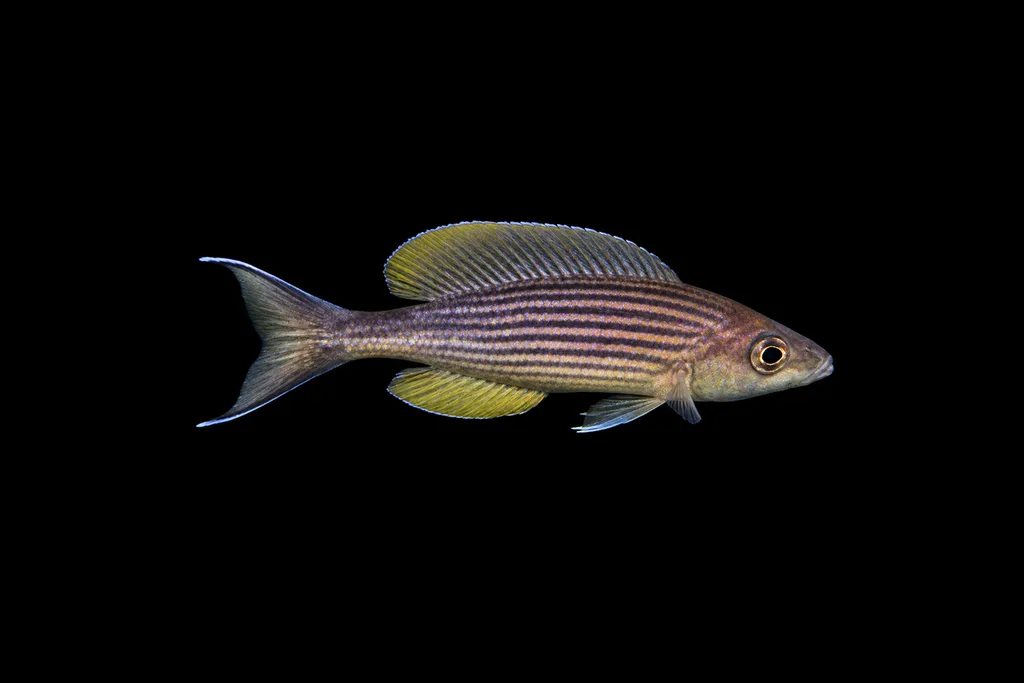
Zebra sardine cichlid
Cyprichromis zonatus
Also known as Banded cyprichromis
FreshwaterFish
Care at a glance
- Temperature
- 75–81°F
- 24–27°C
- pH
- 7.8–9.0
- Adult size
- 3.9 in
- 10 cm
- Minimum tank
- 79 gal
- 300 L
- Temperament
- Peaceful
- Social behavior
- Schooling
- Swim level
- Middle
- Difficulty
- Medium
- Breeding
- Mouthbrooder · Medium
- Rarity
- Common
- Family
- Cichlidae
- Origin
- Lake Tanganyika, Zambian coast
Overview
The zebra sardine cichlid is a peaceful, open-water schooling cichlid from Lake Tanganyika. It is best kept by someone with a little experience.
Did you know
The zebra sardine cichlid wears the stripes of a rock cichlid, though it is an open-water fish that hovers beside the cliffs.
Caring for the zebra sardine cichlid
Give zebra sardine cichlids a tall tank of at least 79 gal (300 L), with real height above the stonework. They school in open midwater and occupy the top two thirds of the tank. They leave the floor to rock dwellers, which makes them the standard upper-level fish for a Tanganyika community.
Keep the water hard and alkaline, at 75 to 81°F (24 to 27°C) and a pH of 7.8 to 9.0. Feed small frozen foods and a fine granule that stays up in the water column.
Keep them in a group of eight or more, since a small group stays nervous and colorless. They are peaceful and safe with other community fish. Males hold small midwater courts a body length apart and display without real fighting.
The zebra sardine cichlid is a maternal mouthbrooder that spawns in open water. The female takes the eggs before they reach the bottom, then holds them for around four weeks. She keeps feeding while she broods. Breeding them is a moderate challenge.
Good to know
Cyprichromis zonatus belongs to the family Cichlidae and was described in 2002. It is the only member of its genus to wear vertical barring.
In the wild
The zebra sardine cichlid schools along steep rock walls in the southern part of Lake Tanganyika, off the Zambian coast. It hangs in open water above the rock rather than on it.
Weekly picks
Tank mates
The zebra sardine cichlid is a peaceful, schooling species that keeps to the middle. These picks share a community profile with it, are safe together in both directions, and overlap on water type, temperature and pH.
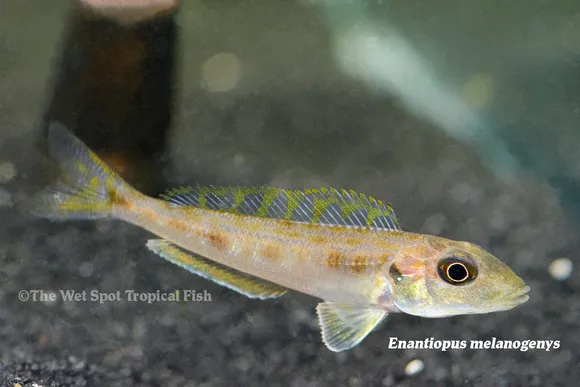
Blackchin sand diver
Xenotilapia melanogenys
Freshwater5.9 in (15 cm) · 106 gal (400 L)75–81°F (24–27°C)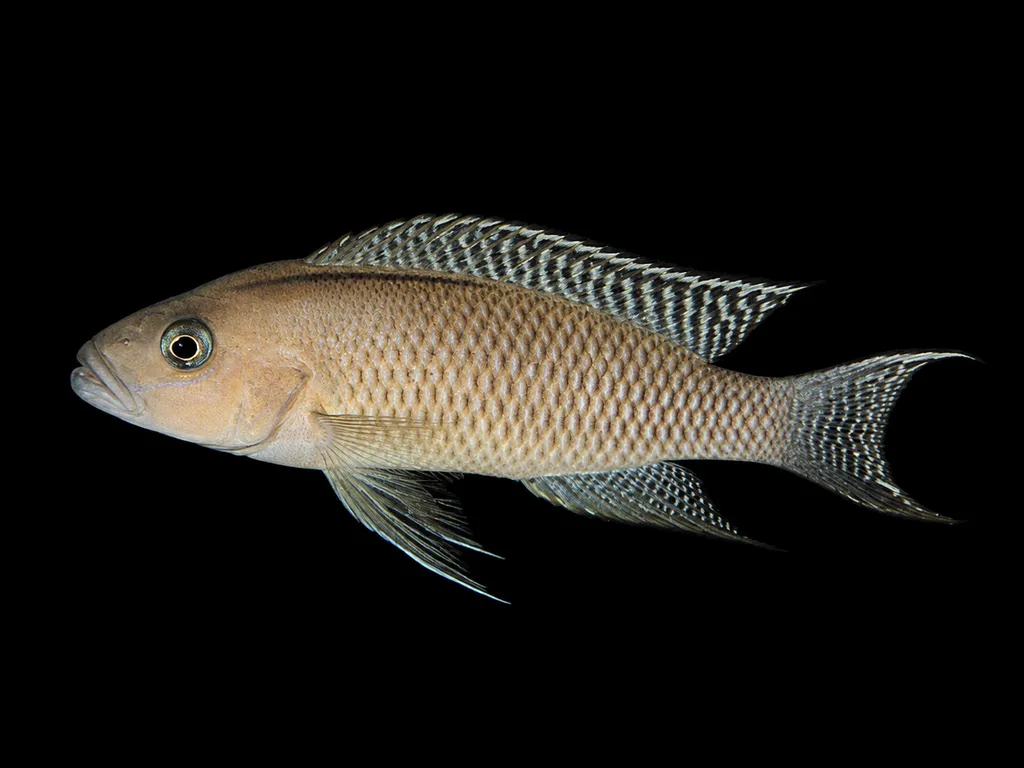
Falcicula cichlid
Neolamprologus falcicula
Freshwater3.1 in (8 cm) · 42 gal (160 L)75–81°F (24–27°C)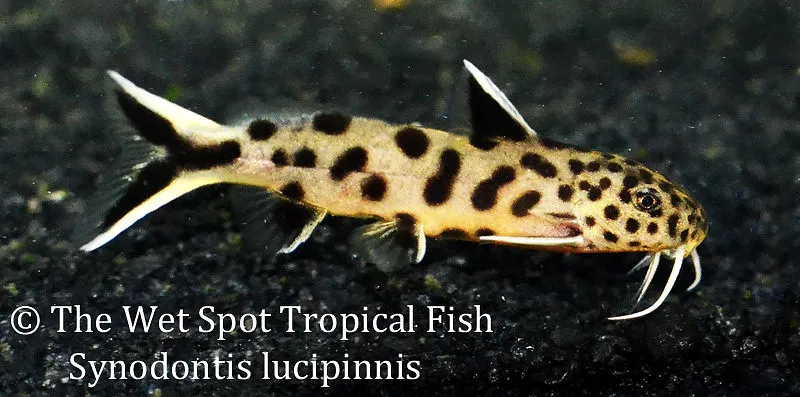
Dwarf petricola
Synodontis lucipinnis
Freshwater3.9 in (10 cm) · 30 gal (114 L)73–81°F (23–27°C)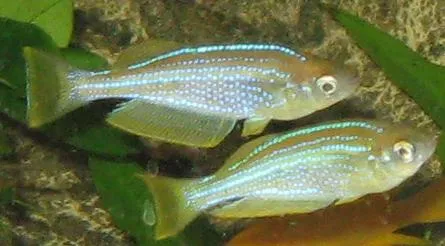
Tanganyika killifish
Lamprichthys tanganicanus
Freshwater5.5 in (14 cm) · 40 gal (150 L)73–77°F (23–25°C)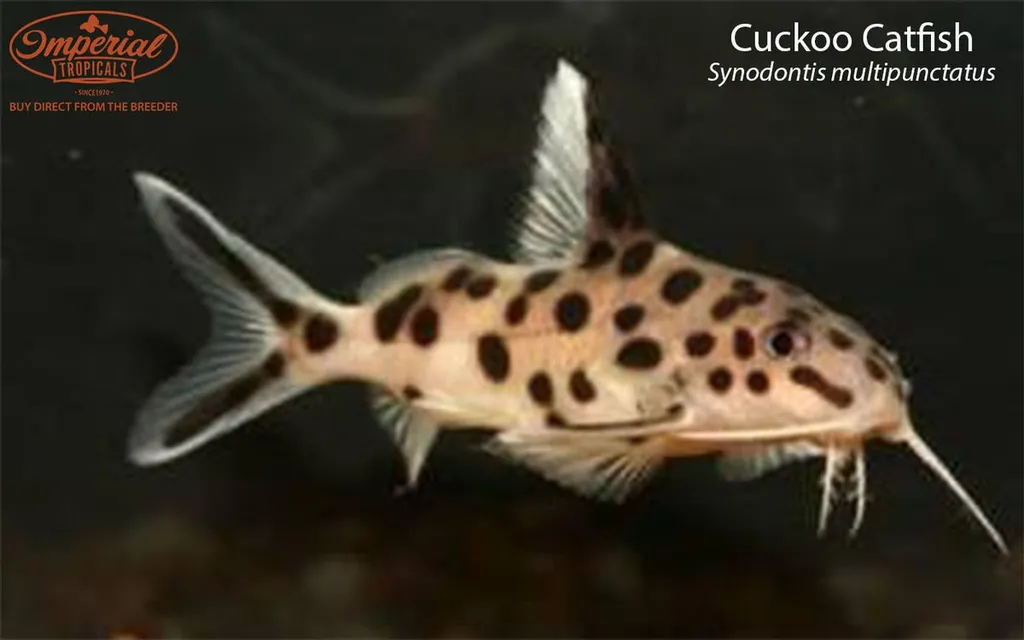
Cuckoo squeaker
Synodontis multipunctatus
Freshwater7.1 in (18 cm) · 29 gal (110 L)75–82°F (24–28°C)
Common questions
What size tank does a zebra sardine cichlid need?
A zebra sardine cichlid needs at least 79 gal (300 L). It spends most of its time in the middle.
What temperature and pH does a zebra sardine cichlid need?
A zebra sardine cichlid is comfortable at 75–81°F (24–27°C) with a pH of 7.8–9.0.
What does a zebra sardine cichlid eat?
A zebra sardine cichlid eats small frozen foods and a fine granule that stays up in the water column.
How big does a zebra sardine cichlid get?
An adult zebra sardine cichlid reaches about 3.9 in (10 cm).
Does a zebra sardine cichlid need a group?
Yes. A zebra sardine cichlid is a schooling species and should be kept in a group, not singly.
How does a zebra sardine cichlid breed?
Zebra sardine cichlids are maternal mouthbrooders that spawn in open water, and the female takes the eggs before they reach the bottom. She holds them for around four weeks and keeps feeding while brooding.
Related species
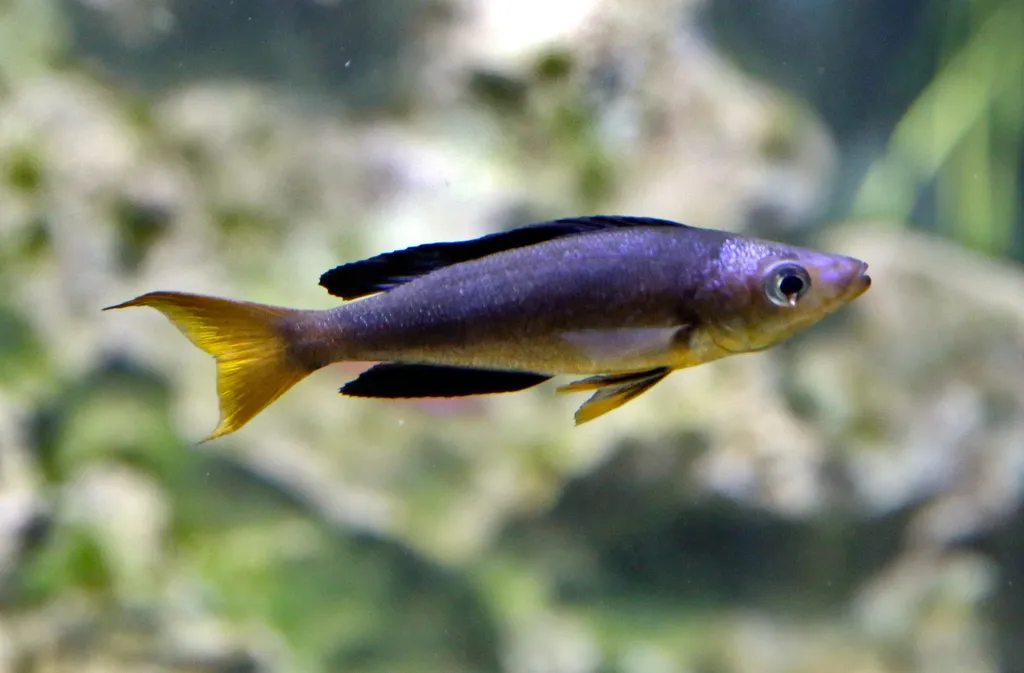 4.3 in (11 cm)79 gal (300 L)75–81°F (24–27°C)
Finescale cyprichromis
Cyprichromis microlepidotus
4.3 in (11 cm) · 79 gal (300 L)
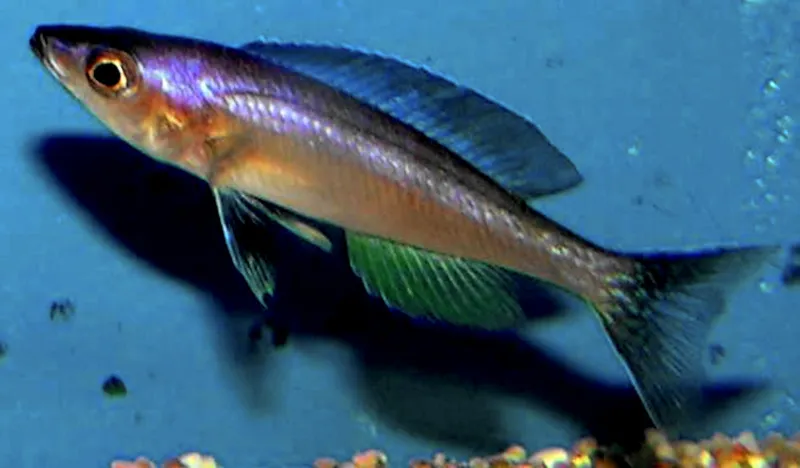 4.3 in (11 cm)63 gal (240 L)75–81°F (24–27°C)
Sardine cichlid
Cyprichromis leptosoma
4.3 in (11 cm) · 63 gal (240 L)
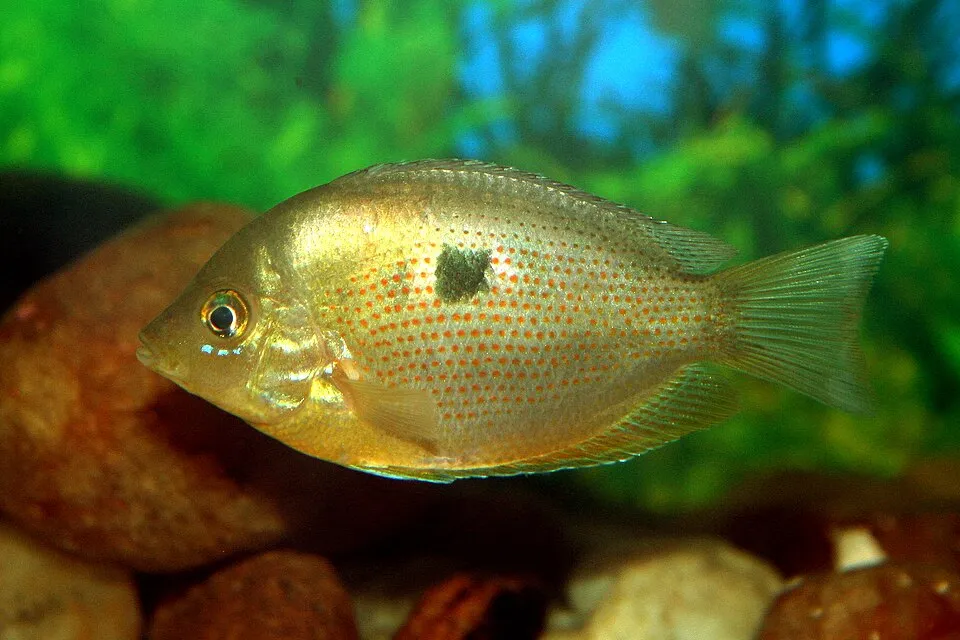 3.9 in (10 cm)55 gal (210 L)68–82°F (20–28°C)
Orange chromide
Etroplus maculatus
3.9 in (10 cm) · 55 gal (210 L)
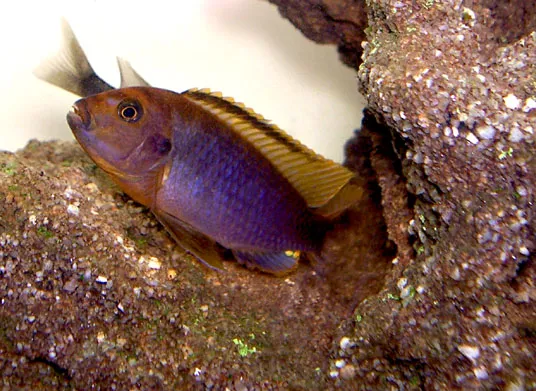 3.9 in (10 cm)24 gal (90 L)77–84°F (25–29°C)
Rusty cichlid
Iodotropheus sprengerae
3.9 in (10 cm) · 24 gal (90 L)
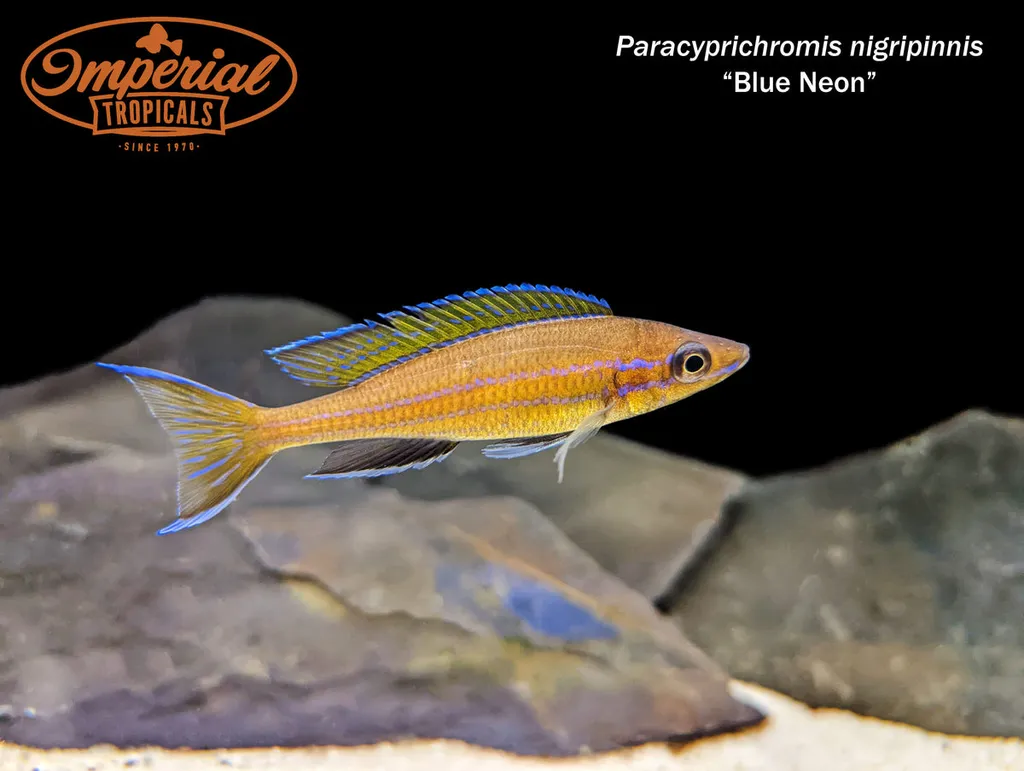 4.3 in (11 cm)48 gal (180 L)75–81°F (24–27°C)
Blue neon cichlid
Paracyprichromis nigripinnis
4.3 in (11 cm) · 48 gal (180 L)
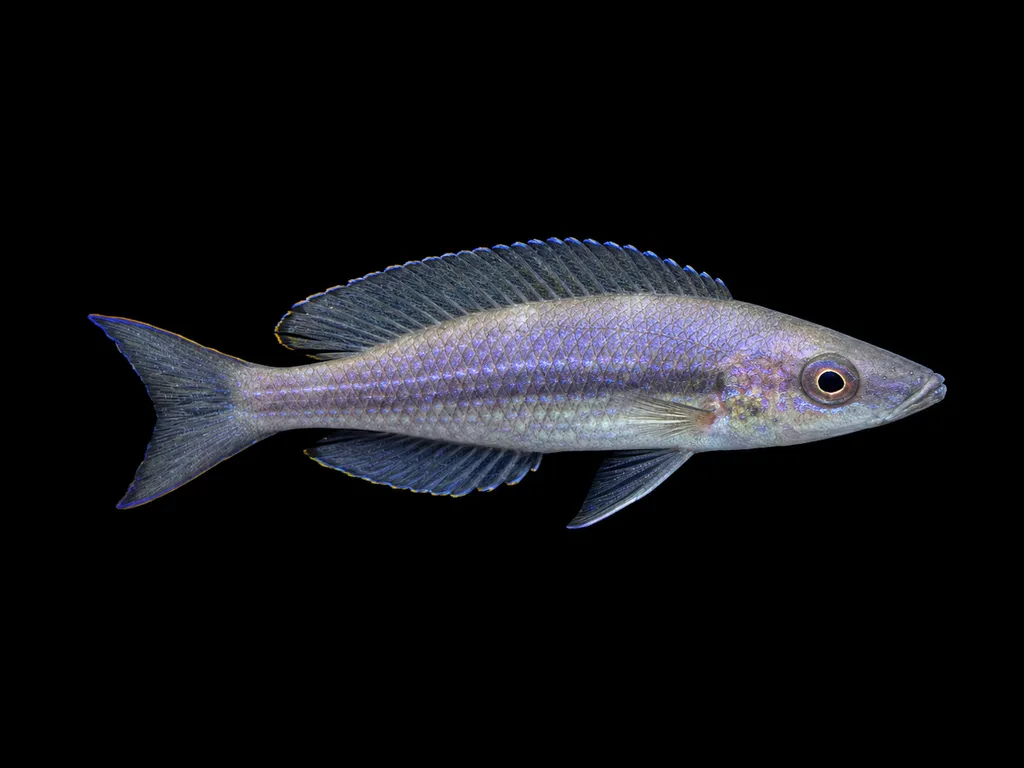 4.3 in (11 cm)66 gal (250 L)75–81°F (24–27°C)
Brien's cichlid
Paracyprichromis brieni
4.3 in (11 cm) · 66 gal (250 L)