Daffodil cichlid
Neolamprologus pulcher
Also known as Daffodil princess, Princess cichlid, Kantalamba
FreshwaterFish
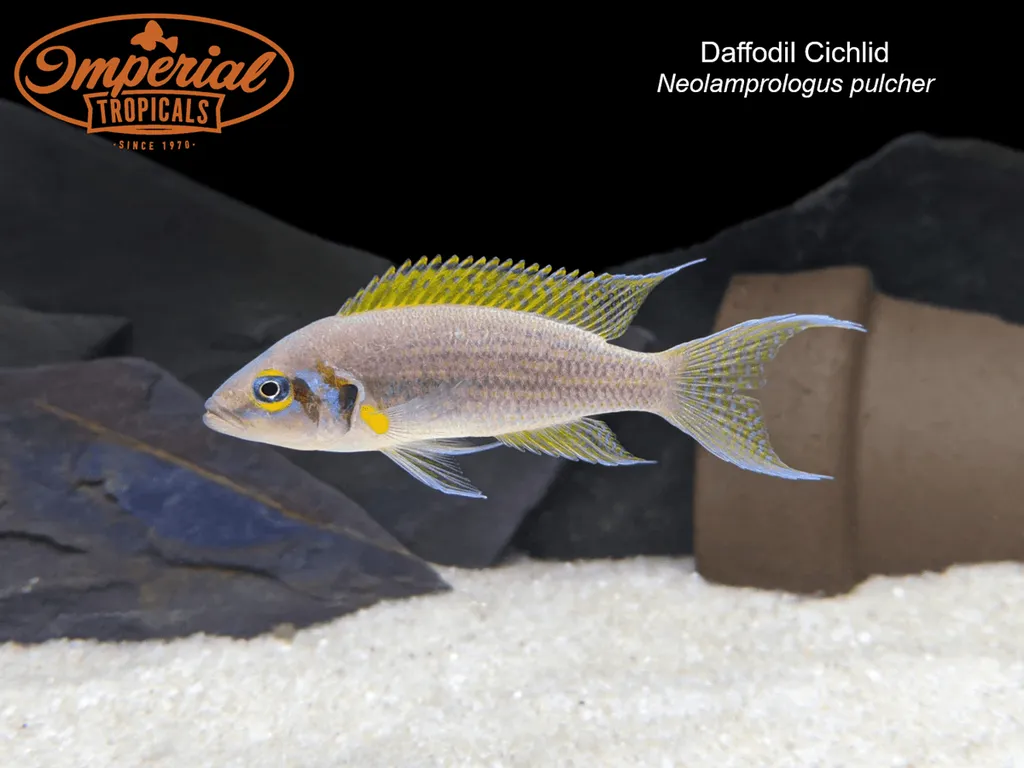
Care at a glance
- Temperature
- 75–81°F
- 24–27°C
- pH
- 7.8–9.0
- Adult size
- 5.1 in
- 13 cm
- Minimum tank
- 29 gal
- 110 L
- Temperament
- Mostly peaceful
- Social behavior
- Social
- Swim level
- Middle
- Difficulty
- Easy
- Breeding
- Easy
- Rarity
- Common
- Family
- Cichlidae
- Origin
- Rocky shorelines in the southern part of Lake Tanganyika in East Africa.
Overview
The daffodil cichlid is a mostly peaceful colony fish for a rocky Tanganyika tank, where it swims in the middle levels. It is easy to keep.
Did you know
Studies of the daffodil cichlid are a major source of what scientists know about cooperative breeding and helper behavior in animals.
Caring for the daffodil cichlid
Keep daffodil cichlids as a colony in a tank of 29 gal (110 L) or larger. Build the layout from stacked rock with many caves.
The water should be hard and alkaline, at 75 to 81°F (24 to 27°C) and a pH of 7.8 to 9.0. Feed frozen and dry foods such as cyclops, brine shrimp and quality pellets.
Daffodil cichlids are peaceful with dither fish such as Cyprichromis. They turn fierce around their nests, though, so give them room.
They are cooperative breeders, meaning older offspring stay home and help raise later broods instead of leaving. Breeding them is easy.
Good to know
The daffodil cichlid, Neolamprologus pulcher, is very closely related to the lyretail cichlid, and the two are sometimes treated as one species. Its cream body, yellow-tinted fins and blue-flecked gill covers separate it from the plainer brichardi.
In the wild
The daffodil cichlid comes from rocky slopes in the south of Lake Tanganyika. It lives in large colonies among the rocks, darting into cracks and caves when threatened. Big colonies hold several generations of fish that all help defend the group.
Weekly picks
Tank mates
The daffodil cichlid is a mostly peaceful, social species that keeps to the middle. These picks share a community profile with it, are safe together in both directions, and overlap on water type, temperature and pH.
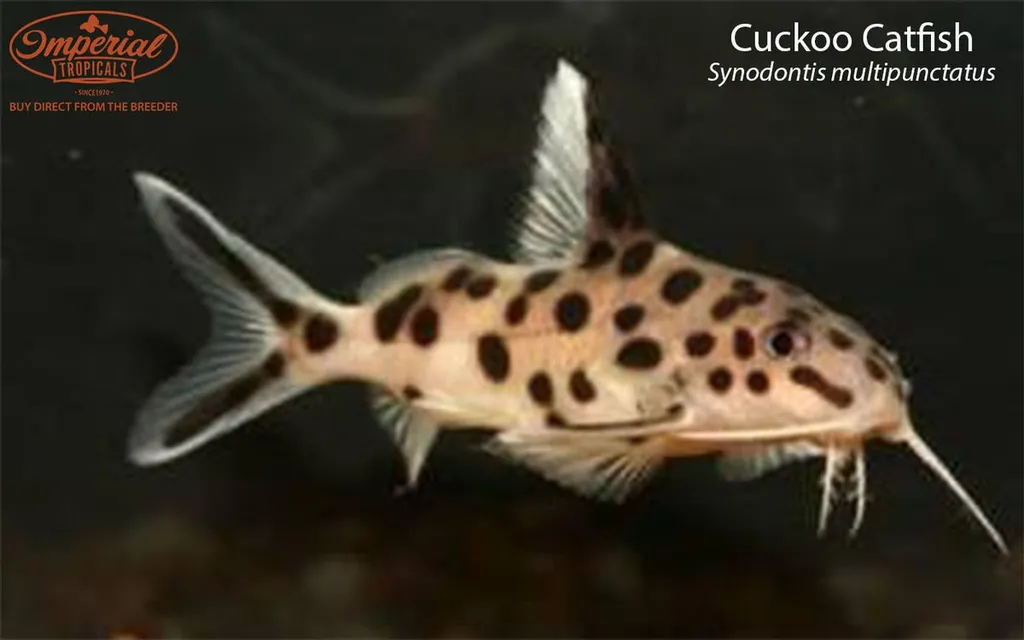
Cuckoo squeaker
Synodontis multipunctatus
Freshwater7.1 in (18 cm) · 29 gal (110 L)75–82°F (24–28°C)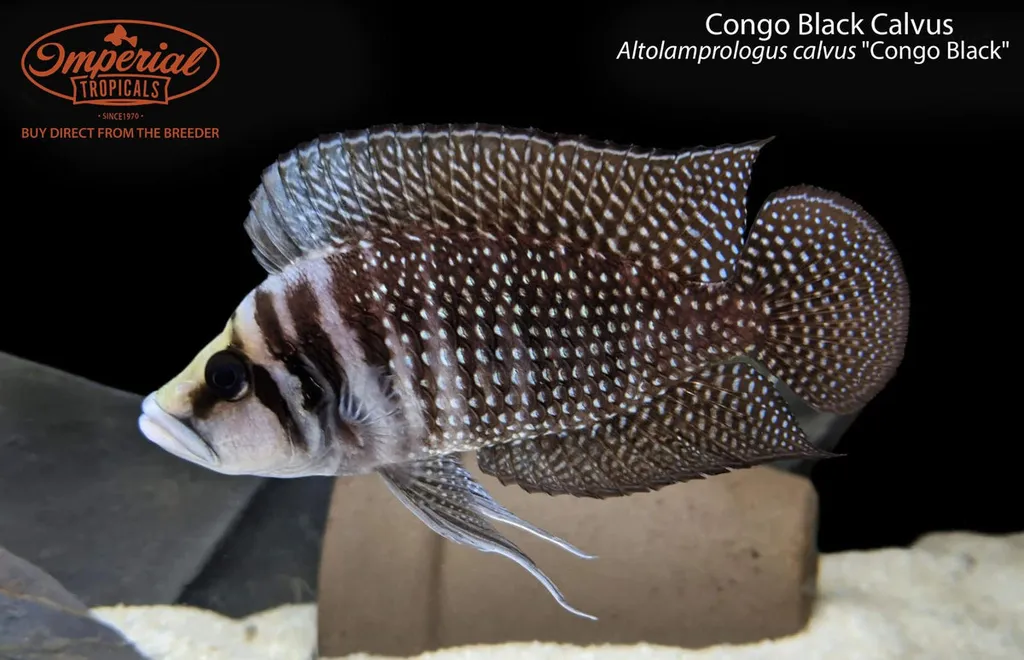
Black calvus
Altolamprologus calvus
Freshwater5.1 in (13 cm) · 53 gal (200 L)75–81°F (24–27°C)
Pearly ocellatus
Lamprologus stappersi
Freshwater2.2 in (5.5 cm) · 11 gal (40 L)75–81°F (24–27°C)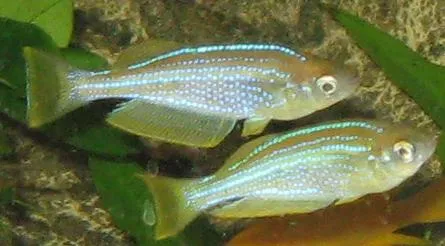
Tanganyika killifish
Lamprichthys tanganicanus
Freshwater5.5 in (14 cm) · 40 gal (150 L)73–77°F (23–25°C)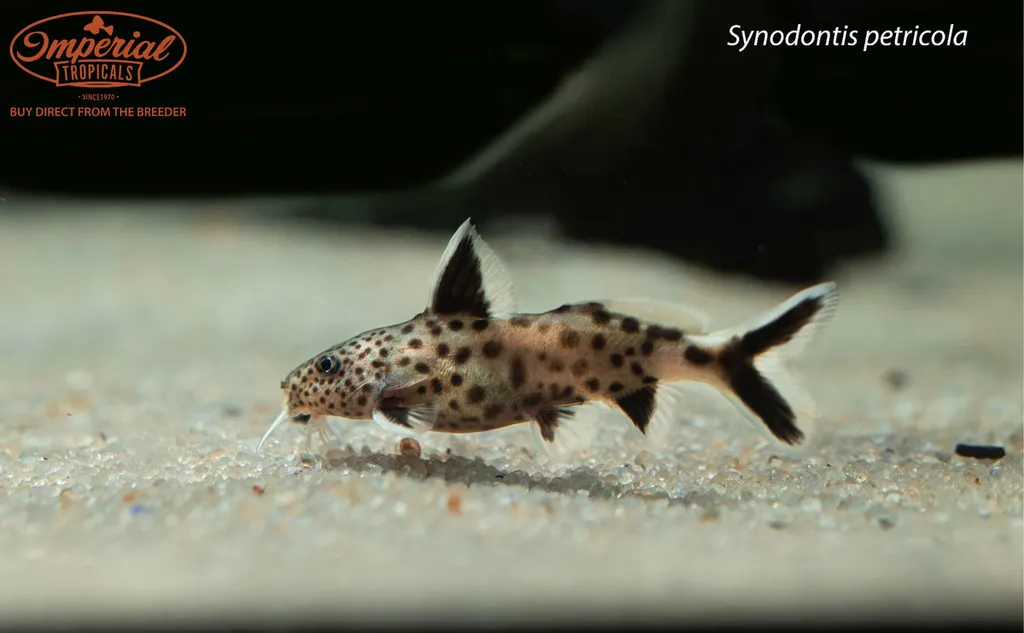
Even-Spotted squeaker
Synodontis petricola
Freshwater4.7 in (12 cm) · 21 gal (80 L)75–82°F (24–28°C)
Common questions
What size tank does a daffodil cichlid need?
A daffodil cichlid needs at least 29 gal (110 L). It spends most of its time in the middle.
What temperature and pH does a daffodil cichlid need?
A daffodil cichlid is comfortable at 75–81°F (24–27°C) with a pH of 7.8–9.0.
What does a daffodil cichlid eat?
A daffodil cichlid eats frozen and dry foods such as cyclops, brine shrimp and quality pellets.
How big does a daffodil cichlid get?
An adult daffodil cichlid reaches about 5.1 in (13 cm).
How does a daffodil cichlid breed?
Daffodil cichlids breed cooperatively, and older young stay home to help raise each new brood. Breeding them is easy.
Related species
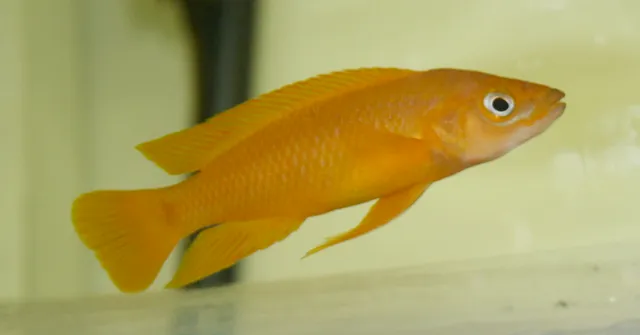 4.5 in (11.5 cm)20 gal (75 L)73–81°F (23–27°C)
Lemon cichlid
Neolamprologus leleupi
4.5 in (11.5 cm) · 20 gal (75 L)
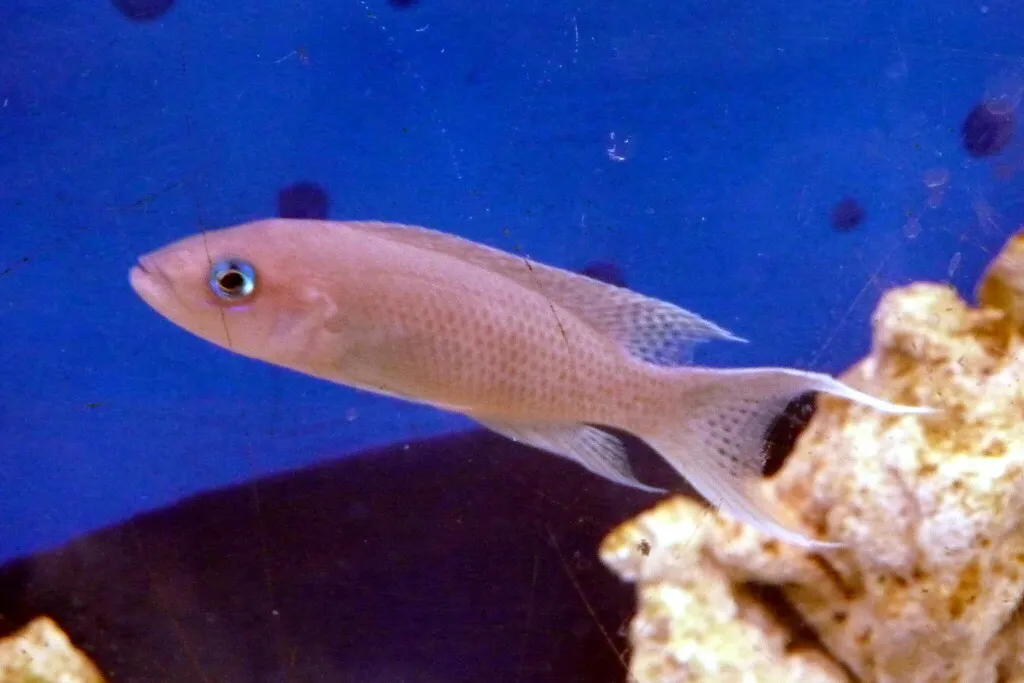 3.5 in (9 cm)42 gal (160 L)75–81°F (24–27°C)
Graceful lamprologus
Neolamprologus gracilis
3.5 in (9 cm) · 42 gal (160 L)
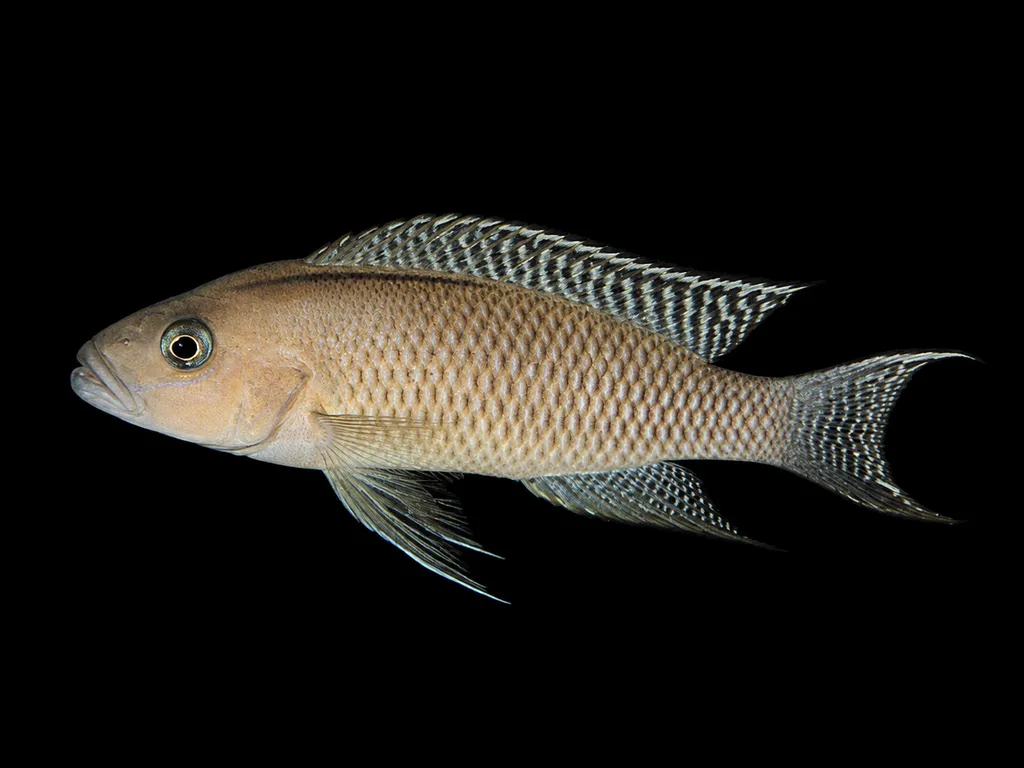 3.1 in (8 cm)42 gal (160 L)75–81°F (24–27°C)
Falcicula cichlid
Neolamprologus falcicula
3.1 in (8 cm) · 42 gal (160 L)
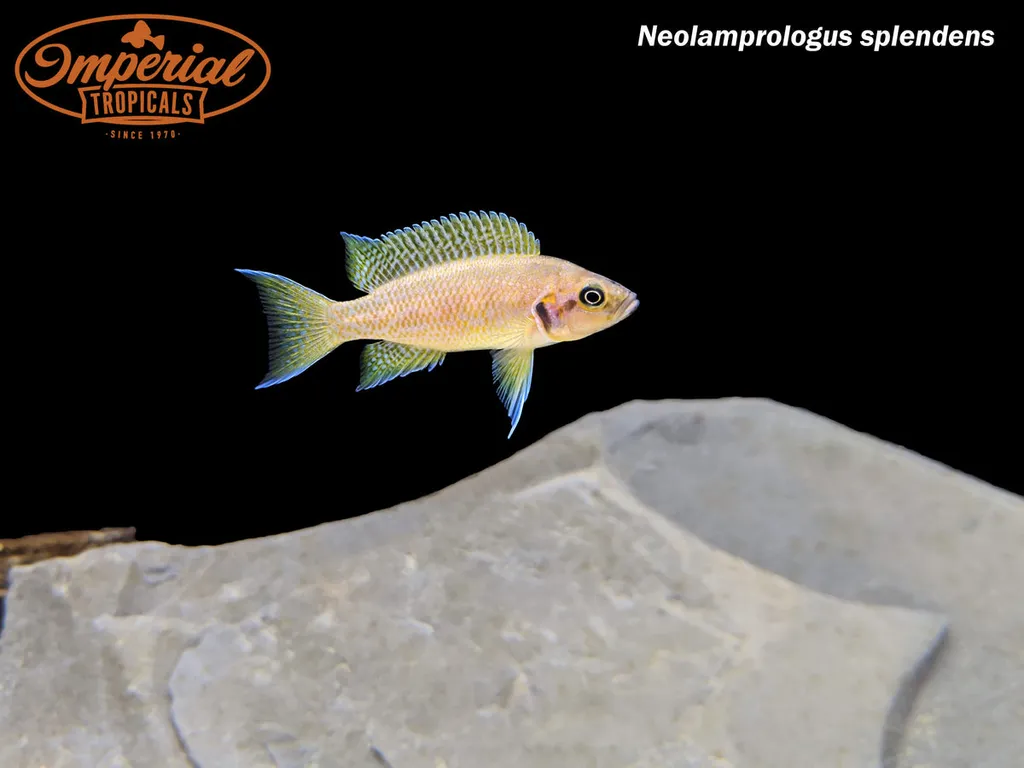 3.1 in (8 cm)42 gal (160 L)75–81°F (24–27°C)
Splendid lamprologus
Neolamprologus splendens
3.1 in (8 cm) · 42 gal (160 L)
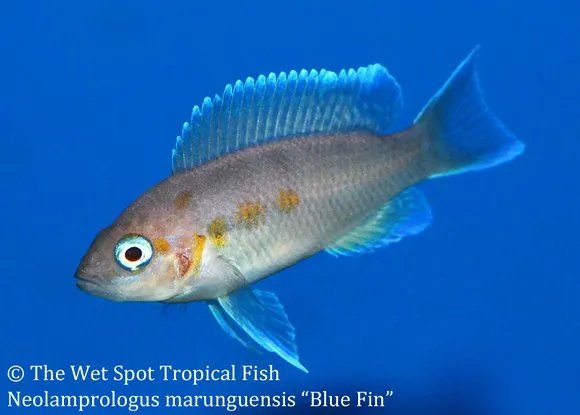 2.8 in (7 cm)18 gal (70 L)75–81°F (24–27°C)
Marungu cichlid
Neolamprologus marunguensis
2.8 in (7 cm) · 18 gal (70 L)
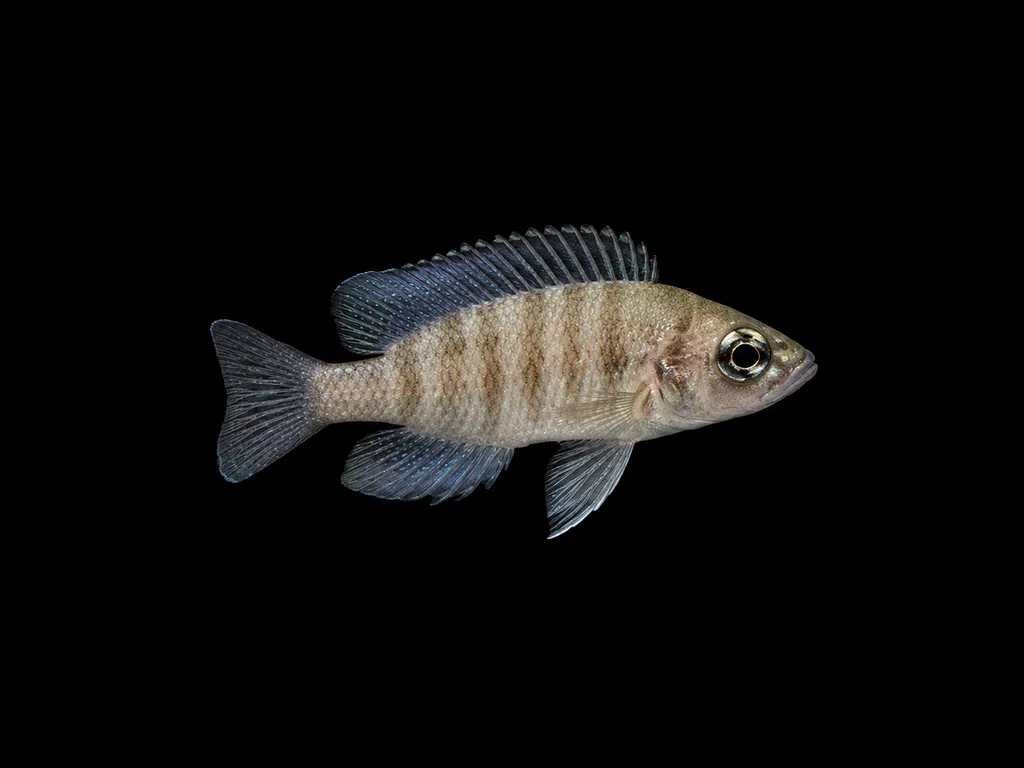 4.7 in (12 cm)53 gal (200 L)75–81°F (24–27°C)
Toa cichlid
Neolamprologus toae
4.7 in (12 cm) · 53 gal (200 L)