Pearly ocellatus
Lamprologus stappersi
Also known as Lamprologus meleagris, Pearl ocellatus shell dweller
FreshwaterFish
Care at a glance
- Temperature
- 75–81°F
- 24–27°C
- pH
- 7.8–9.0
- Adult size
- 2.2 in
- 5.5 cm
- Minimum tank
- 11 gal
- 40 L
- Temperament
- Mostly peaceful
- Social behavior
- Social
- Swim level
- Bottom
- Difficulty
- Medium
- Breeding
- Cave spawner · Easy
- Rarity
- Rare
- Family
- Cichlidae
- Origin
- Lake Tanganyika
Overview
The pearly ocellatus is a tiny, feisty shell-dwelling cichlid from Lake Tanganyika, suited to a nano tank. Keeping it takes a little experience.
Did you know
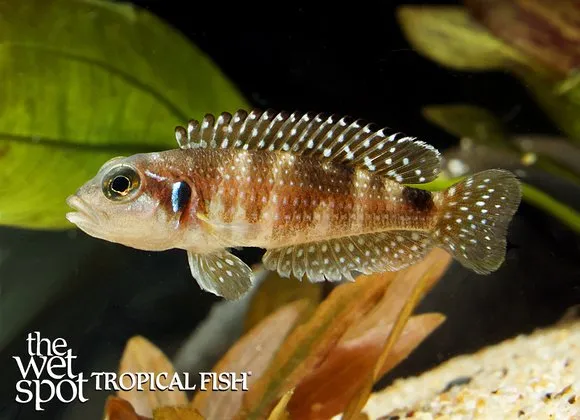
The pearly ocellatus is dusted with neat white spots over a dark ground, much like the speckled plumage of a guineafowl. Its old trade name, meleagris, means guineafowl.
Caring for the pearly ocellatus
Keep a pair of pearly ocellatus in at least 11 gal (40 L), or a small colony in a larger tank. Lay a deep, soft sand bed with some rockwork at the edges, and scatter plenty of empty snail shells. Provide more shells than there are fish to spread out the squabbles.
Keep the water hard and alkaline, at 75 to 81°F (24 to 27°C) and a pH of 7.8 to 9.0. Hold conditions clean and stable, since these small fish dislike sudden changes and rising waste. Feed small meaty foods such as baby brine shrimp, cyclops, crushed pellets and fine frozen foods.
Each fish, and especially each female, adopts a shell as home and nursery and will defend the sand around it with surprising nerve. The pearly ocellatus lives right on the bottom. Choose calm, non-predatory tank mates.
It is a shell-brooding cave spawner and one of the easier Tanganyikan cichlids to breed. A female lays inside her shell, the male fertilizes the eggs, and she tends the fry within.
Good to know
The pearly ocellatus, Lamprologus stappersi, is a dwarf cichlid of the family Cichlidae. The trade has long sold it under the name Lamprologus meleagris.
In the wild
The pearly ocellatus lives on open sand along the central and western coast of Lake Tanganyika. There, beds littered with the empty shells of aquatic snails give it shelter and spawning sites.
Weekly picks
Tank mates
The pearly ocellatus is a mostly peaceful, social species that keeps to the bottom. These picks share a community profile with it, are safe together in both directions, and overlap on water type, temperature and pH.
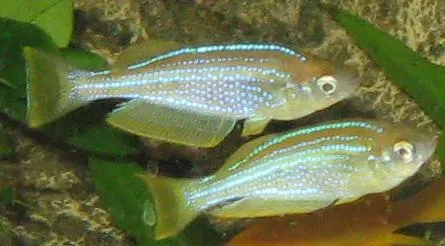
Tanganyika killifish
Lamprichthys tanganicanus
Freshwater5.5 in (14 cm) · 40 gal (150 L)73–77°F (23–25°C)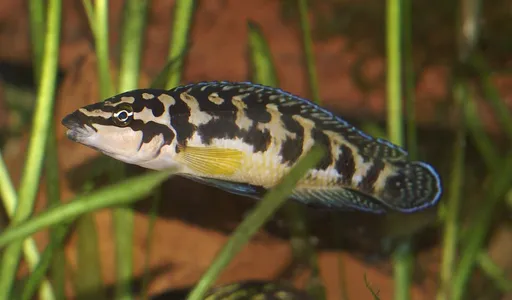
Masked julie
Julidochromis transcriptus
Freshwater2.8 in (7 cm) · 20 gal (75 L)75–81°F (24–27°C)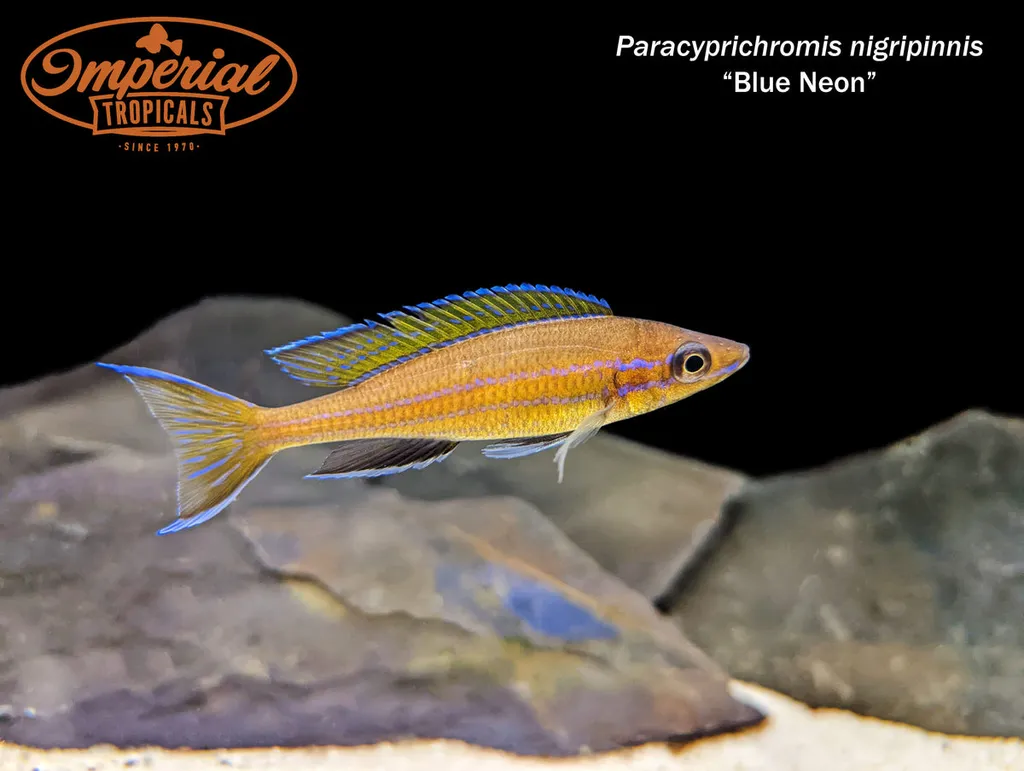
Blue neon cichlid
Paracyprichromis nigripinnis
Freshwater4.3 in (11 cm) · 48 gal (180 L)75–81°F (24–27°C)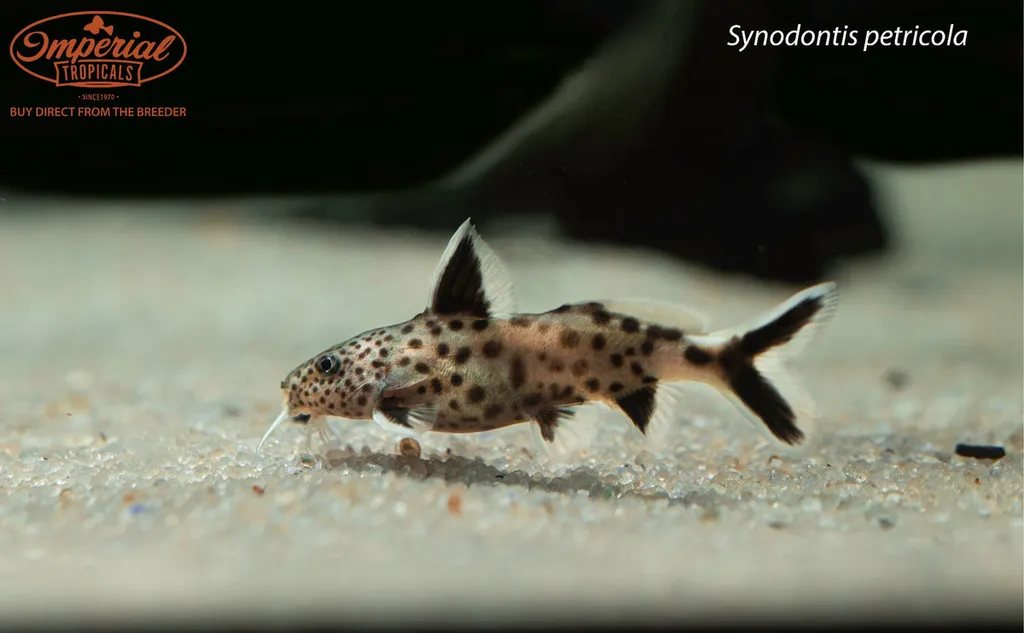
Even-Spotted squeaker
Synodontis petricola
Freshwater4.7 in (12 cm) · 21 gal (80 L)75–82°F (24–28°C)
Common questions
What size tank does a pearly ocellatus need?
A pearly ocellatus needs at least 11 gal (40 L). It spends most of its time in the bottom.
What temperature and pH does a pearly ocellatus need?
A pearly ocellatus is comfortable at 75–81°F (24–27°C) with a pH of 7.8–9.0.
What does a pearly ocellatus eat?
A pearly ocellatus eats small meaty foods, such as baby brine shrimp, cyclops, crushed pellets and fine frozen foods.
How big does a pearly ocellatus get?
An adult pearly ocellatus reaches about 2.2 in (5.5 cm).
How does a pearly ocellatus breed?
Pearly ocellatus are shell-brooding cave spawners and among the easier Tanganyikan cichlids to breed. The female lays inside her shell, the male fertilizes the eggs, and she tends the fry within.
Related species
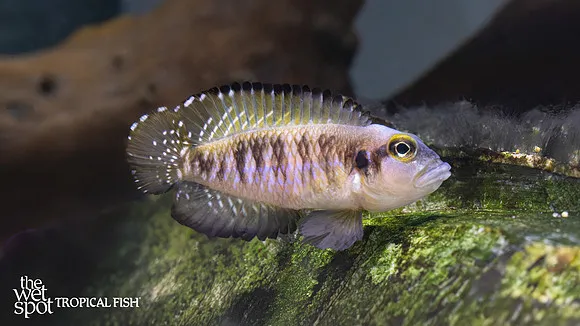 2.2 in (5.5 cm)11 gal (40 L)75–81°F (24–27°C)
Black ocellatus
Lamprologus speciosus
2.2 in (5.5 cm) · 11 gal (40 L)
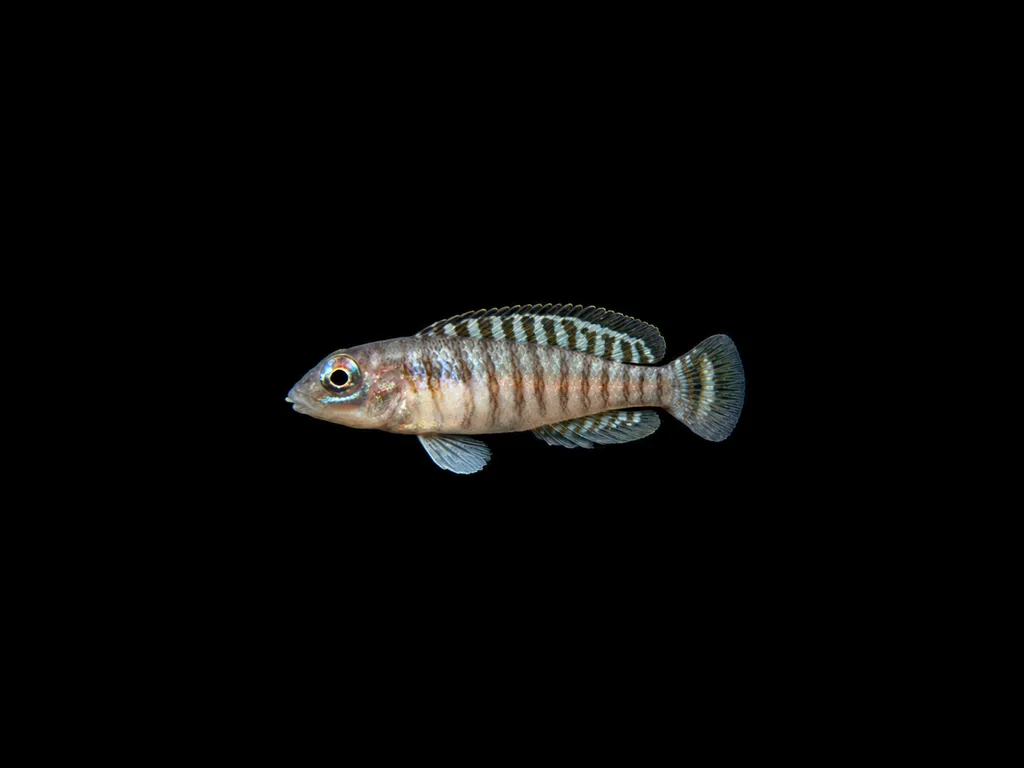 2.2 in (5.5 cm)11 gal (40 L)75–81°F (24–27°C)
Signatus shell dweller
Lamprologus signatus
2.2 in (5.5 cm) · 11 gal (40 L)
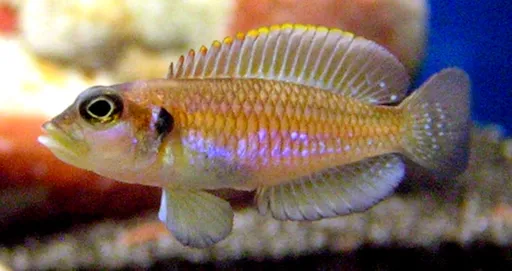 2.4 in (6 cm)11 gal (40 L)75–81°F (24–27°C)
Gold ocellatus shell dweller
Lamprologus ocellatus
2.4 in (6 cm) · 11 gal (40 L)
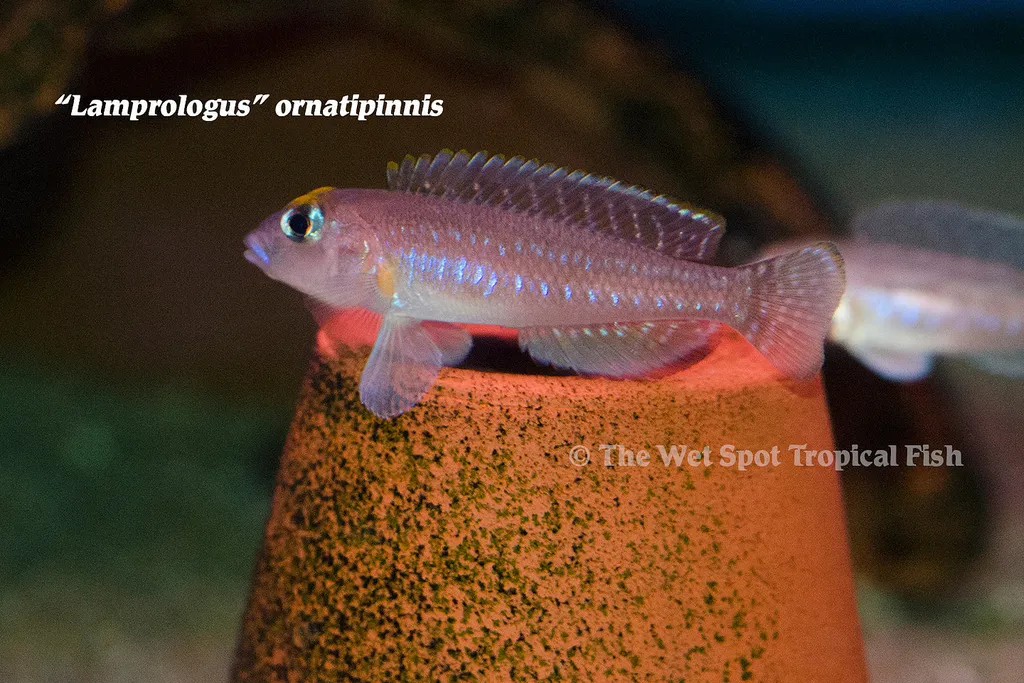 2.4 in (6 cm)16 gal (60 L)75–81°F (24–27°C)
Ornate shell dweller
Lamprologus ornatipinnis
2.4 in (6 cm) · 16 gal (60 L)
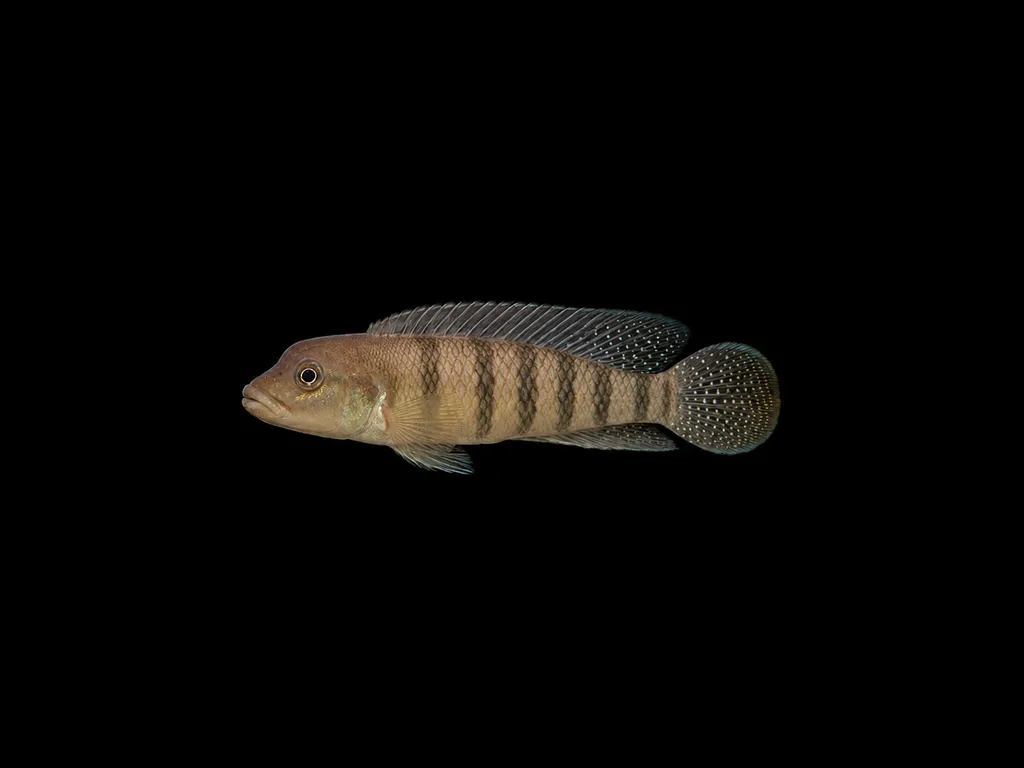 3.9 in (10 cm)42 gal (160 L)73–81°F (23–27°C)
Tiger lamprologus
Lamprologus tigripictilis
3.9 in (10 cm) · 42 gal (160 L)
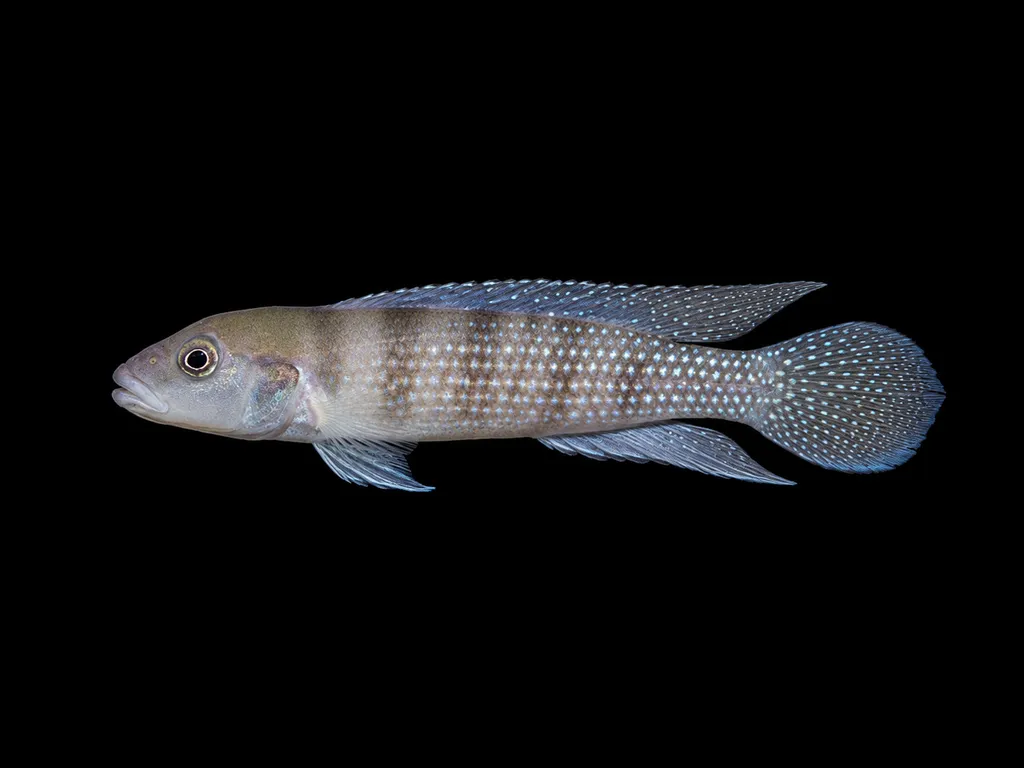 5.1 in (13 cm)53 gal (200 L)73–81°F (23–27°C)
Congo lamprologus
Lamprologus congoensis
5.1 in (13 cm) · 53 gal (200 L)