Congo lamprologus
Lamprologus congoensis
Also known as Congo river lamprologus
FreshwaterFish
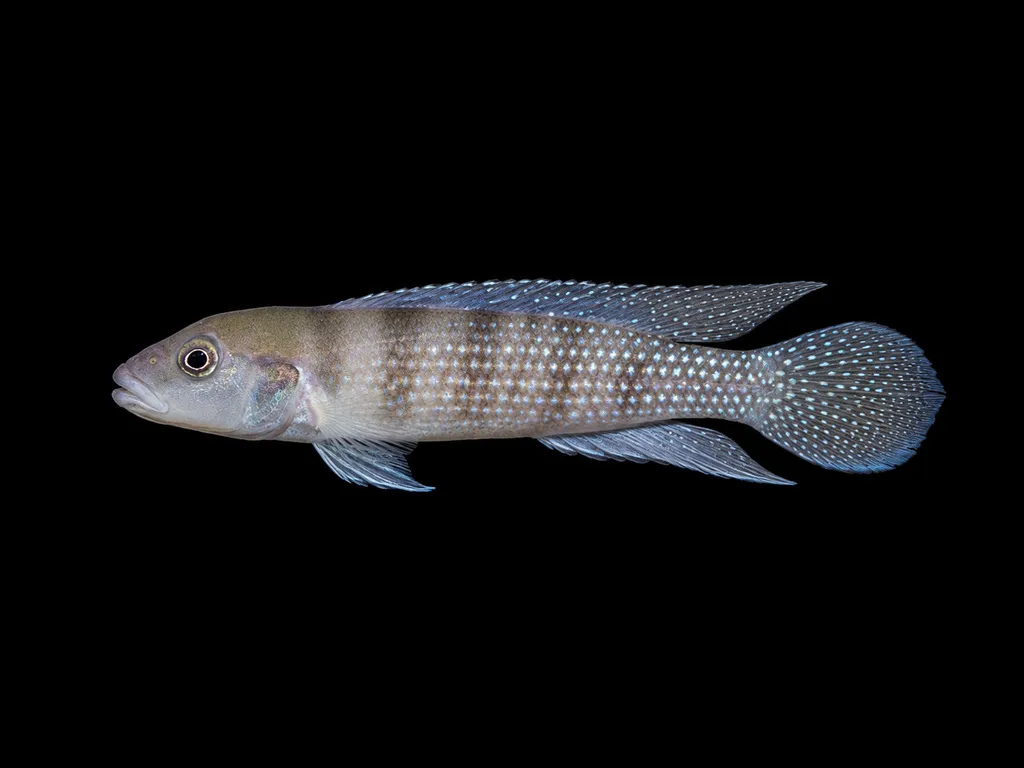
Care at a glance
- Temperature
- 73–81°F
- 23–27°C
- pH
- 6.5–7.8
- Adult size
- 5.1 in
- 13 cm
- Minimum tank
- 53 gal
- 200 L
- Temperament
- Aggressive
- Social behavior
- Solitary
- Tankmates
- With caution
- Swim level
- Bottom
- Difficulty
- Medium
- Breeding
- Cave spawner · Medium
- Rarity
- Rare
- Family
- Cichlidae
- Origin
- Congo River rapids
Overview
The Congo lamprologus is a rapids cichlid for the bottom of a rocky tank with strong current. It suits a keeper with a little experience.
Did you know
The lamprologines are the cichlids that made Lake Tanganyika famous, from tiny shell-dwellers to sleek predators. Yet the very first Lamprologus ever named lives in the whitewater rapids of the Congo River, not in the lake. Its home lies downstream and apart from the flock it lends its name to.
Caring for the Congo lamprologus
Keep a single Congo lamprologus or a bonded pair in at least 53 gal (200 L). Give it a broad floor of piled rock and rubble, full of crevices and caves. It stays on the bottom, digging out a cave beneath a stone and defending the ground around it.
Run strong flow from the filter or a powerhead, and keep the water clean and well oxygenated. Unlike its Tanganyikan cousins, it wants near-neutral rather than very hard water. Aim for 73 to 81°F (23 to 27°C) and a pH of 6.5 to 7.8.
Feed meaty sinking foods such as frozen bloodworm and mysis, along with a good pellet. It turns aggressive when holding a territory or a spawn, so choose tank mates with care.
Males develop a fat-filled nuchal hump on the head. It is a cave spawner, and the female lays her eggs on the ceiling of a hollow under the rocks. The pair guards the eggs and fry until the young are free-swimming. Breeding is of medium difficulty.
Good to know
The Congo lamprologus, Lamprologus congoensis, is a member of the family Cichlidae. It was described in 1891 and is the type species of the entire genus Lamprologus.
In the wild
The Congo lamprologus lives in the rapids of the Congo River. It holds among the rocks there, in fast, broken water.
Common questions
What size tank does a Congo lamprologus need?
A Congo lamprologus needs at least 53 gal (200 L). It spends most of its time in the bottom.
What temperature and pH does a Congo lamprologus need?
A Congo lamprologus is comfortable at 73–81°F (23–27°C) with a pH of 6.5–7.8.
What does a Congo lamprologus eat?
A Congo lamprologus eats meaty sinking foods such as frozen bloodworm and mysis, along with a good pellet.
How big does a Congo lamprologus get?
An adult Congo lamprologus reaches about 5.1 in (13 cm).
How can you tell a male Congo lamprologus from a female?
Males of the Congo lamprologus develop a fat-filled nuchal hump on the head.
How does a Congo lamprologus breed?
The Congo lamprologus is a cave spawner. The female lays her eggs on the ceiling of a hollow under the rocks. The pair guards the eggs and fry until the young are free-swimming.
Related species
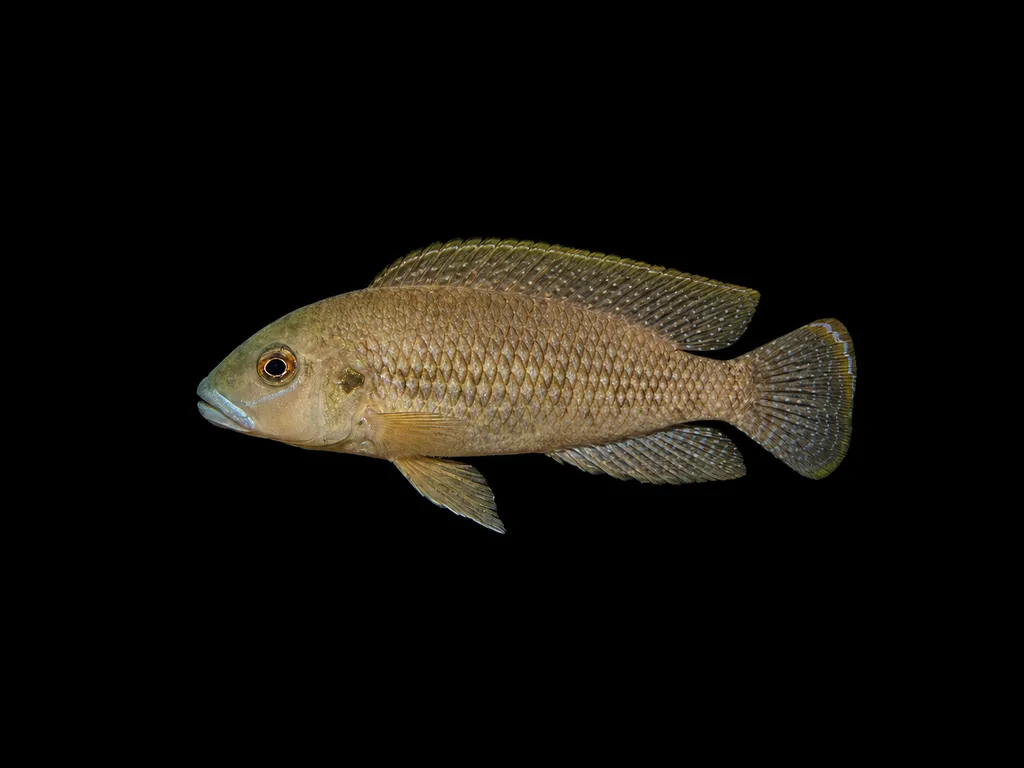 5.1 in (13 cm)79 gal (300 L)75–81°F (24–27°C)
Shell thief cichlid
Lamprologus callipterus
5.1 in (13 cm) · 79 gal (300 L)
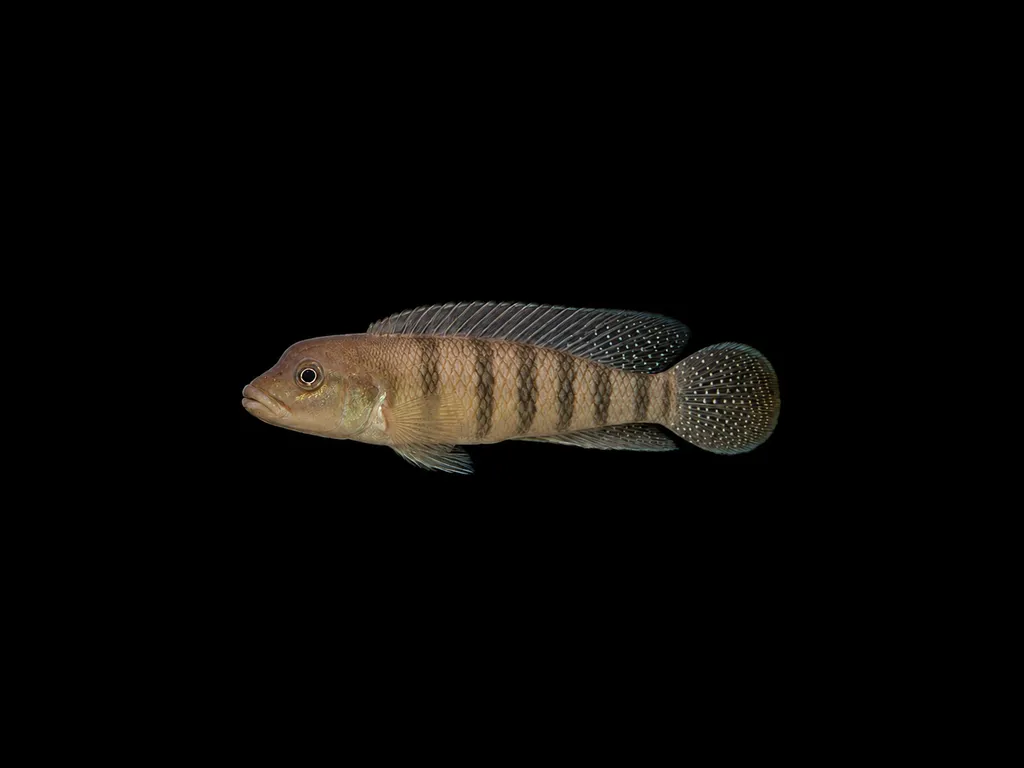 3.9 in (10 cm)42 gal (160 L)73–81°F (23–27°C)
Tiger lamprologus
Lamprologus tigripictilis
3.9 in (10 cm) · 42 gal (160 L)
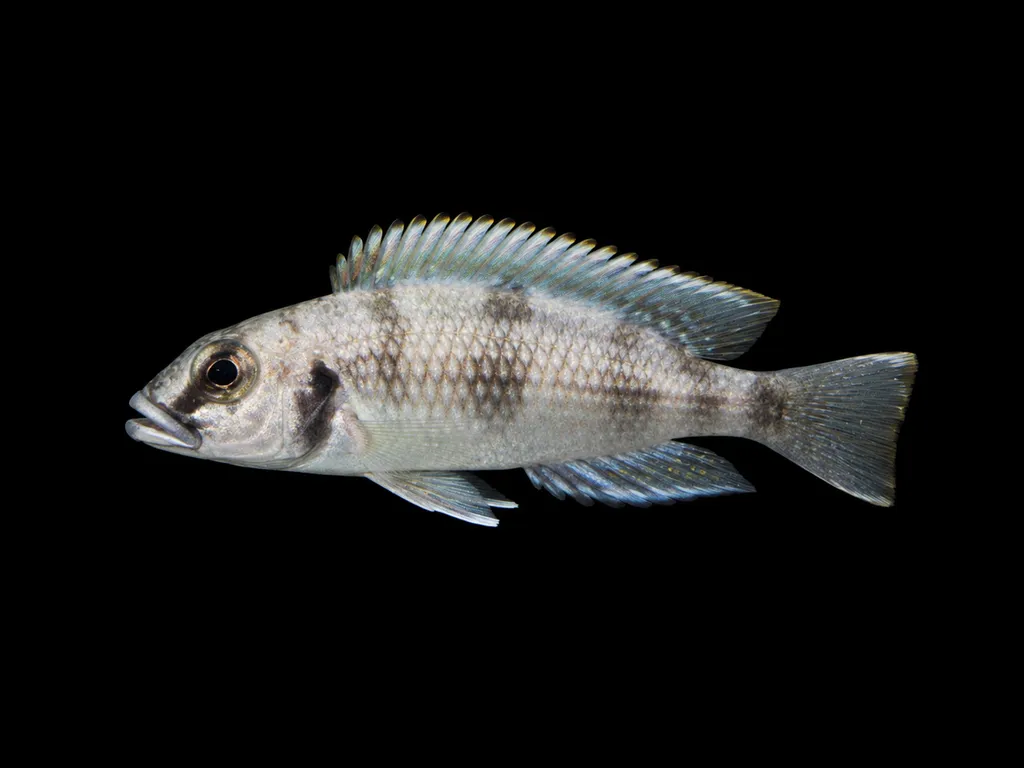 9.8 in (25 cm)106 gal (400 L)75–81°F (24–27°C)
Lemaire's lamprologus
Lamprologus lemairii
9.8 in (25 cm) · 106 gal (400 L)
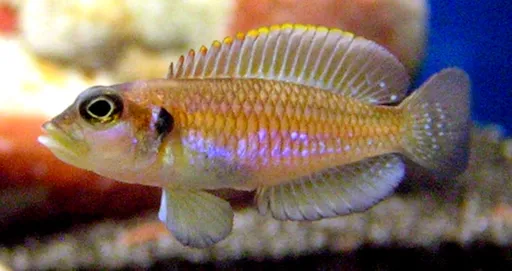 2.4 in (6 cm)11 gal (40 L)75–81°F (24–27°C)
Gold ocellatus shell dweller
Lamprologus ocellatus
2.4 in (6 cm) · 11 gal (40 L)
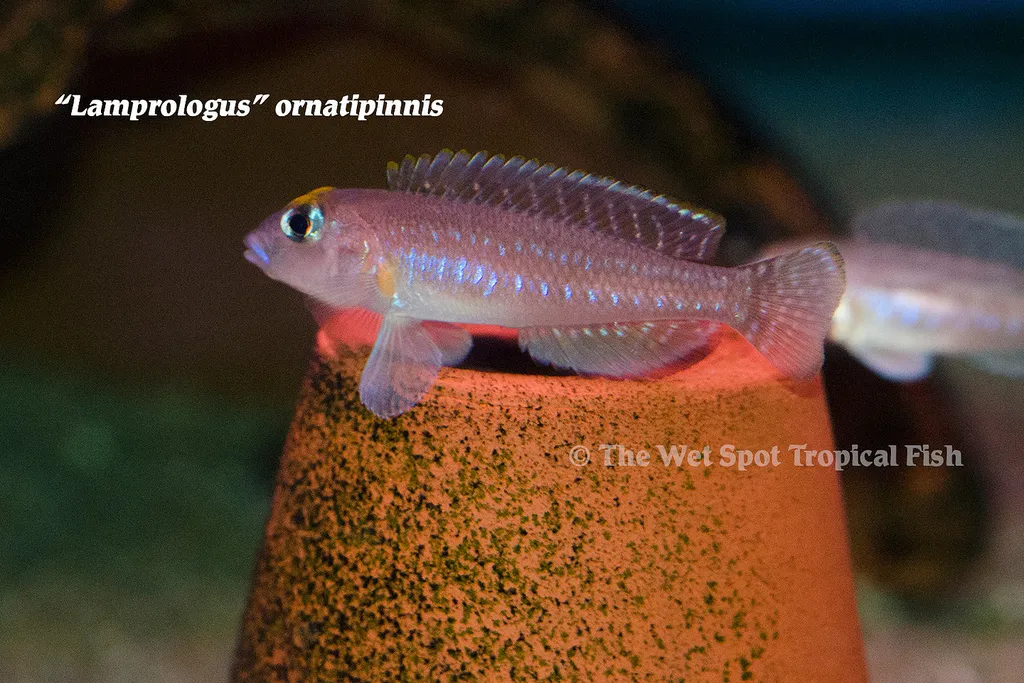 2.4 in (6 cm)16 gal (60 L)75–81°F (24–27°C)
Ornate shell dweller
Lamprologus ornatipinnis
2.4 in (6 cm) · 16 gal (60 L)
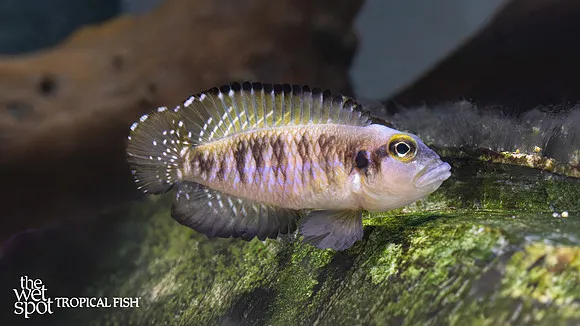 2.2 in (5.5 cm)11 gal (40 L)75–81°F (24–27°C)
Black ocellatus
Lamprologus speciosus
2.2 in (5.5 cm) · 11 gal (40 L)