Black ocellatus
Lamprologus speciosus
Also known as Black ocellatus shell dweller
FreshwaterFish
Care at a glance
- Temperature
- 75–81°F
- 24–27°C
- pH
- 7.8–9.0
- Adult size
- 2.2 in
- 5.5 cm
- Minimum tank
- 11 gal
- 40 L
- Temperament
- Mostly peaceful
- Social behavior
- Social
- Swim level
- Bottom
- Difficulty
- Medium
- Breeding
- Cave spawner · Easy
- Rarity
- Common
- Family
- Cichlidae
- Origin
- Lake Tanganyika
Overview
The black ocellatus is a shell dweller from Lake Tanganyika that lives in a colony on the bottom of the tank. It is a step up from the easiest fish.
Did you know
The black ocellatus buries its shell to the rim, then turns the entrance to face danger, landscaping its home for defense.
Caring for the black ocellatus
A colony of four to six black ocellatus will run a tank of 11 gal (40 L) on its own. Lay fine sand deep enough to dig in. Give them at least twice as many escargot shells as fish, so disputes have somewhere to go.
Keep the water hard, alkaline and very stable, at 75 to 81°F (24 to 27°C) and a pH of 7.8 to 9.0. Stable water is the part most tanks get wrong. Feed small frozen and live foods such as cyclops, daphnia and brine shrimp, plus a fine sinking pellet.
Each fish claims one shell, digs a crater around it and defends that patch against anything that comes close. It will take on fish many times its size, though it is otherwise mostly peaceful.
They breed readily in the shell, and the fry stay in the colony. The female tends the eggs down in the whorl while the male guards the crater above. Once a pair settles, a colony will usually produce without any help from you.
Good to know
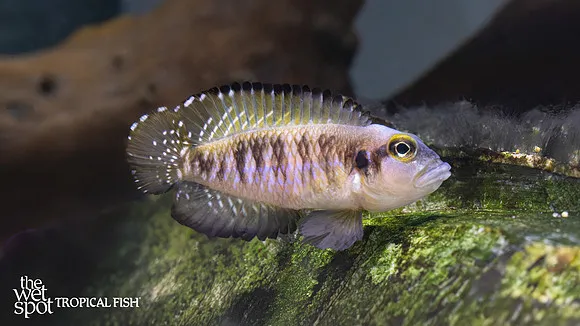
Lamprologus speciosus is a member of the family Cichlidae and the dusky counterpart of the gold ocellatus. It is dark brown to near black, with faint barring and blue-edged fins.
In the wild
The black ocellatus lives on the open sand flats of Lake Tanganyika, in beds of empty Neothauma snail shells. Those shells give the sand its only cover.
Weekly picks
Tank mates
The black ocellatus is a mostly peaceful, social species that keeps to the bottom. These picks share a community profile with it, are safe together in both directions, and overlap on water type, temperature and pH.
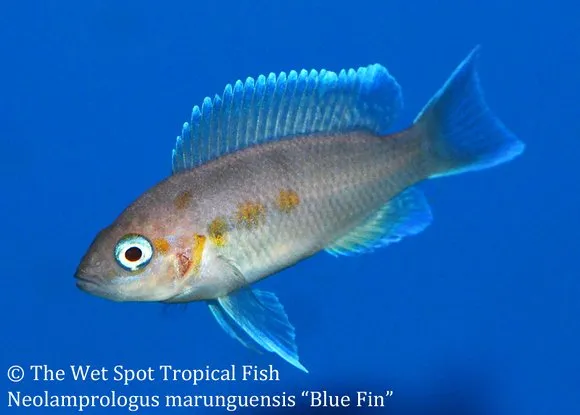
Marungu cichlid
Neolamprologus marunguensis
Freshwater2.8 in (7 cm) · 18 gal (70 L)75–81°F (24–27°C)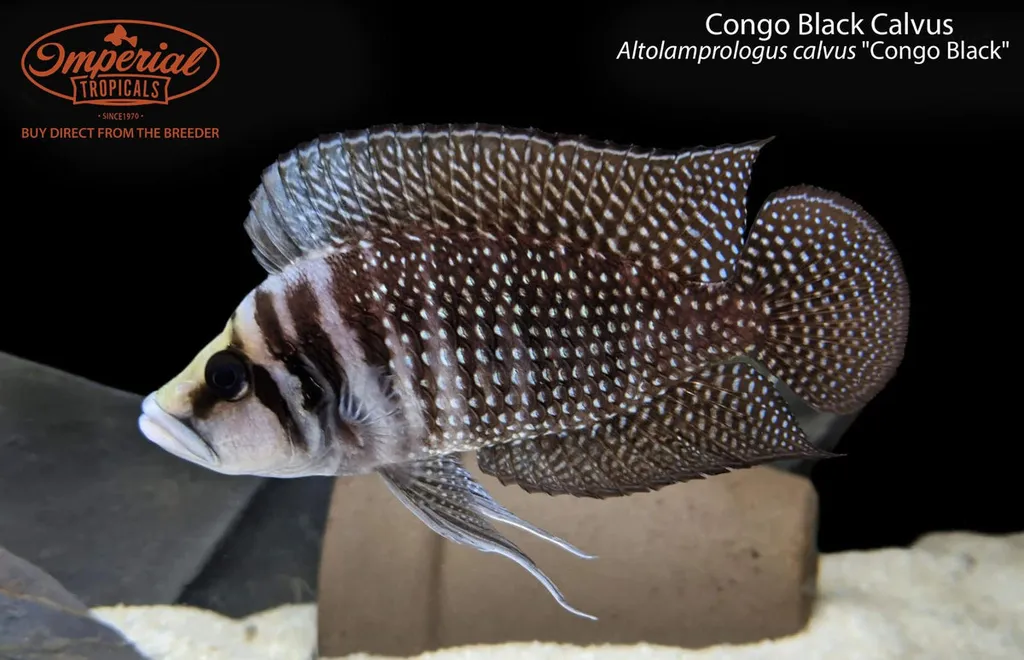
Black calvus
Altolamprologus calvus
Freshwater5.1 in (13 cm) · 53 gal (200 L)75–81°F (24–27°C)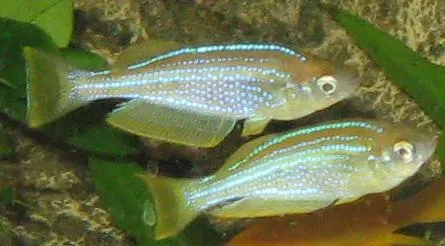
Tanganyika killifish
Lamprichthys tanganicanus
Freshwater5.5 in (14 cm) · 40 gal (150 L)73–77°F (23–25°C)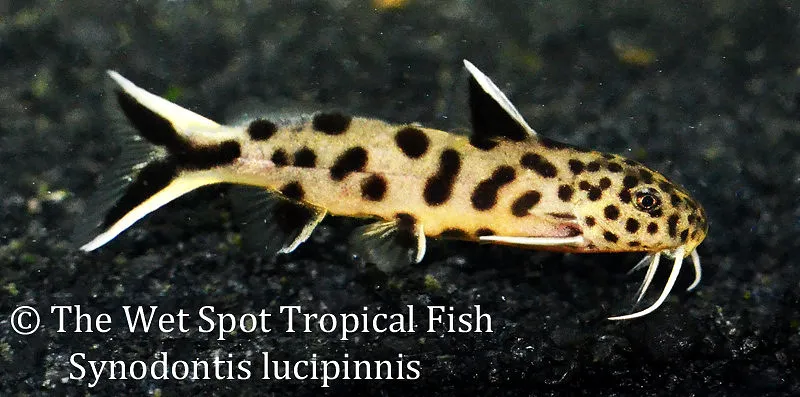
Dwarf petricola
Synodontis lucipinnis
Freshwater3.9 in (10 cm) · 30 gal (114 L)73–81°F (23–27°C)
Common questions
What size tank does a black ocellatus need?
A black ocellatus needs at least 11 gal (40 L). It spends most of its time in the bottom.
What temperature and pH does a black ocellatus need?
A black ocellatus is comfortable at 75–81°F (24–27°C) with a pH of 7.8–9.0.
What does a black ocellatus eat?
A black ocellatus eats small frozen and live foods such as cyclops, daphnia and brine shrimp. Add a fine sinking pellet as well.
How big does a black ocellatus get?
An adult black ocellatus reaches about 2.2 in (5.5 cm).
Related species
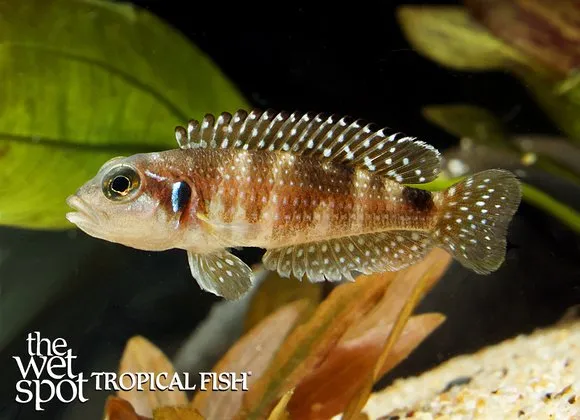 2.2 in (5.5 cm)11 gal (40 L)75–81°F (24–27°C)
Pearly ocellatus
Lamprologus stappersi
2.2 in (5.5 cm) · 11 gal (40 L)
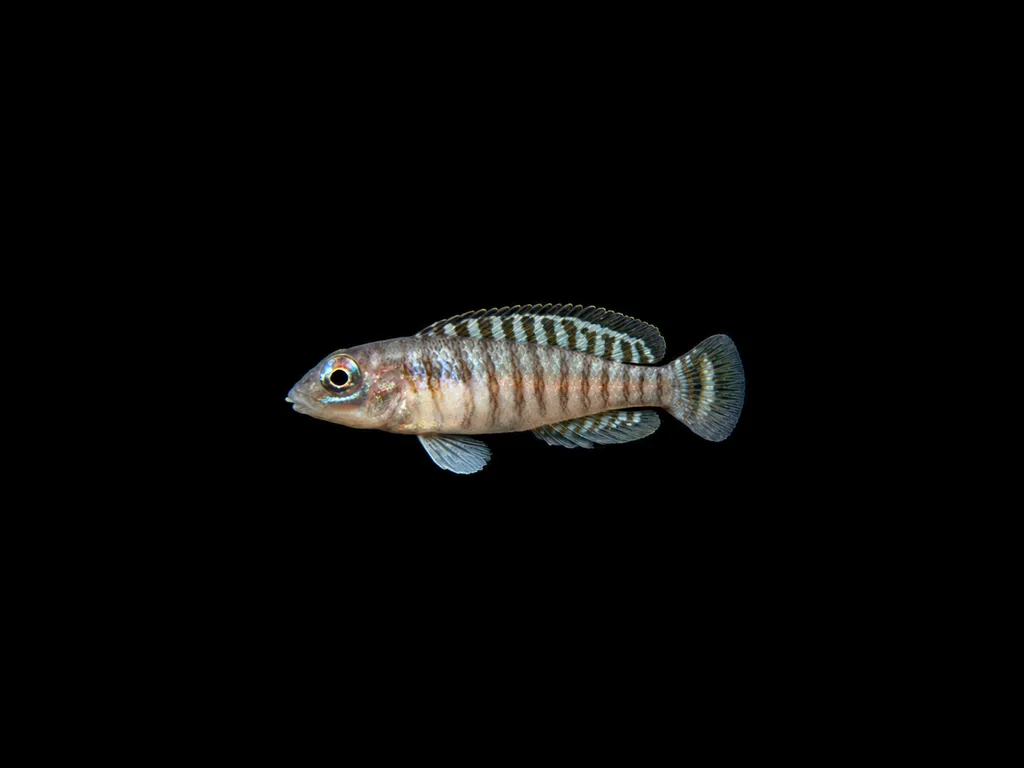 2.2 in (5.5 cm)11 gal (40 L)75–81°F (24–27°C)
Signatus shell dweller
Lamprologus signatus
2.2 in (5.5 cm) · 11 gal (40 L)
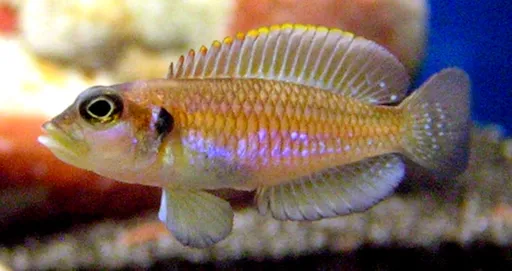 2.4 in (6 cm)11 gal (40 L)75–81°F (24–27°C)
Gold ocellatus shell dweller
Lamprologus ocellatus
2.4 in (6 cm) · 11 gal (40 L)
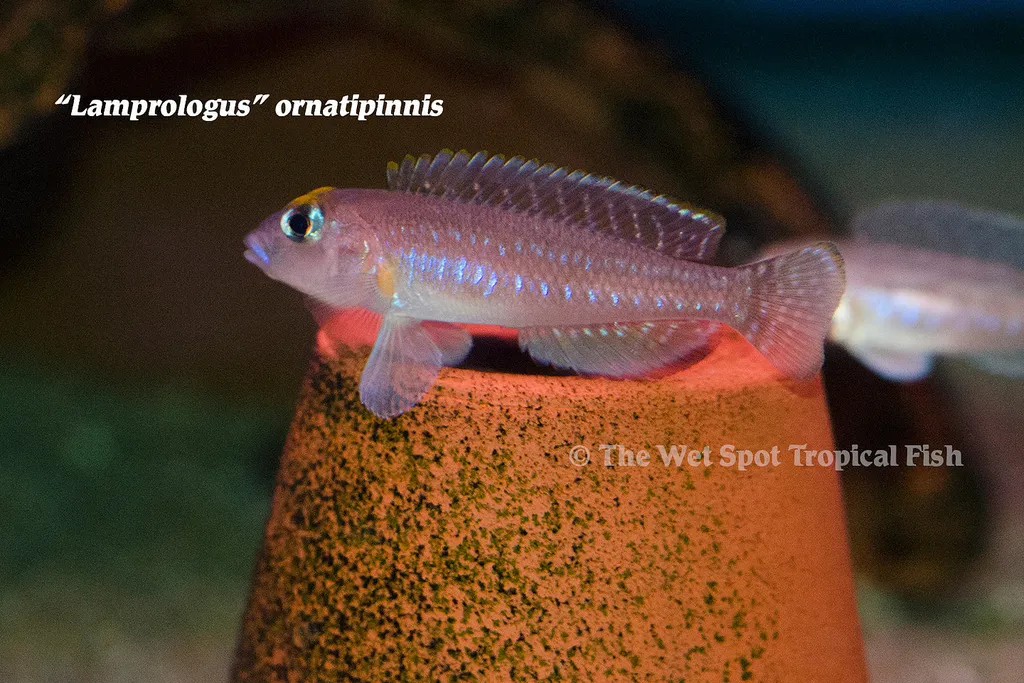 2.4 in (6 cm)16 gal (60 L)75–81°F (24–27°C)
Ornate shell dweller
Lamprologus ornatipinnis
2.4 in (6 cm) · 16 gal (60 L)
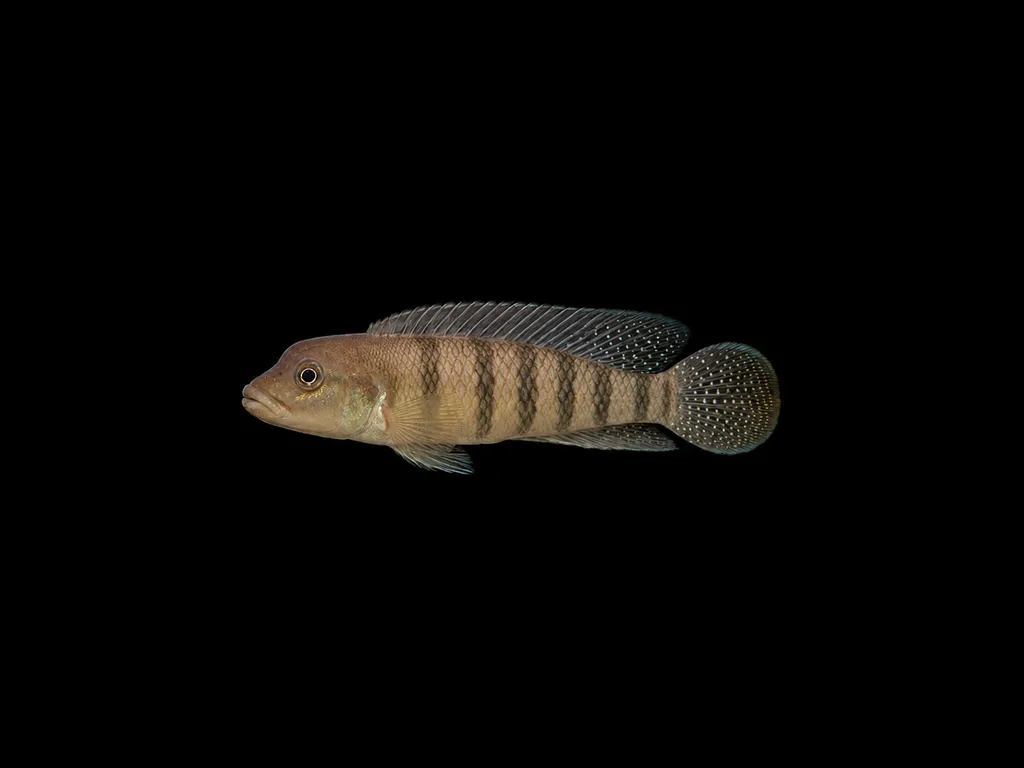 3.9 in (10 cm)42 gal (160 L)73–81°F (23–27°C)
Tiger lamprologus
Lamprologus tigripictilis
3.9 in (10 cm) · 42 gal (160 L)
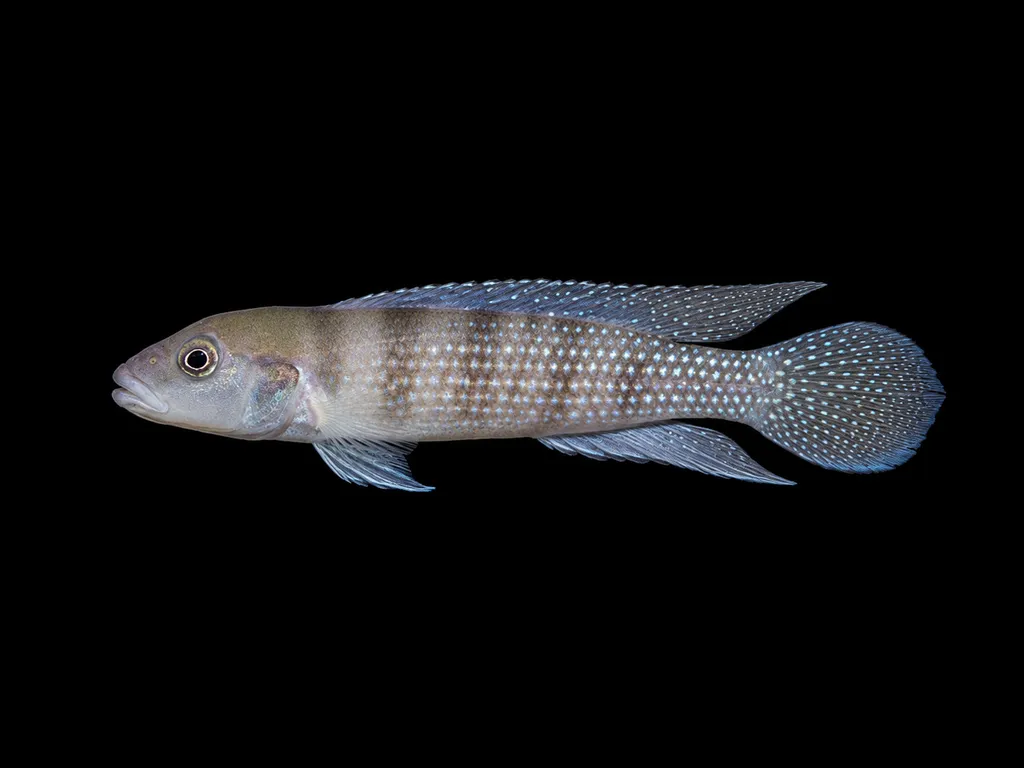 5.1 in (13 cm)53 gal (200 L)73–81°F (23–27°C)
Congo lamprologus
Lamprologus congoensis
5.1 in (13 cm) · 53 gal (200 L)