Gold ocellatus shell dweller
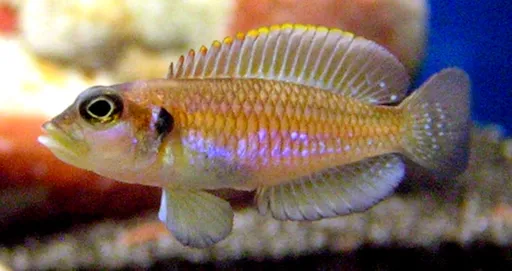
Lamprologus ocellatus
Also known as Ocellatus, Gold occie
FreshwaterFish
Care at a glance
- Temperature
- 75–81°F
- 24–27°C
- pH
- 7.5–9.0
- Adult size
- 2.4 in
- 6 cm
- Minimum tank
- 11 gal
- 40 L
- Temperament
- Mostly peaceful
- Social behavior
- Social
- Swim level
- Bottom
- Difficulty
- Easy
- Breeding
- Easy
- Rarity
- Common
- Family
- Cichlidae
- Origin
- Lake Tanganyika (endemic)
Overview
Keep one male with two or three females in a tank of 40 liters or up. They are mostly peaceful and stick to the bottom, but each fish gets fiercely territorial in the small zone right around its own shell, so spread the shells out to give everyone space. Outside that little patch they leave the open water alone, which makes them easy to pair with mid-water Tanganyikans. Water should be hard and alkaline, pH 7.5 to 9, held at 24 to 27 C. Feed small sinking foods, crushed pellets, and frozen items like cyclops, brine, or daphnia.
In the wild
Gold ocellatus come from Lake Tanganyika in East Africa, where they live over open sandy stretches scattered with empty snail shells. The lake is hard and alkaline, so match that with a pH between 7.5 and 9 and water kept at 24 to 27 C. Give them a sand bed at least 5 cm deep so they can dig, and drop in several empty snail shells, more shells than fish, since each one needs a home base to claim. Keep the upper water open, because they stay down low near the bottom.
Good to know
This is a dwarf cichlid in the family Cichlidae, endemic to Lake Tanganyika. Males reach about 6 cm, while females stay around half that size. They are easy cave spawners that breed readily inside the shells, with the female tending eggs and fry in her shell. Most fish in the trade are tank bred, and they can live several years in good water.
Did you know
A single empty snail shell is the whole world to one of these fish. They will dig sand out from under a shell to bury it at the angle they want, then back into it tail first when anything bigger comes near. A female can spend most of her life within a few centimeters of her chosen shell, raising one batch of fry after another inside it.
Weekly picks
Tank mates
Gold ocellatus shell dweller is a mostly peaceful, social species that keeps to the bottom. These picks share a community profile with it, are safe together in both directions, and overlap on water type, temperature and pH.
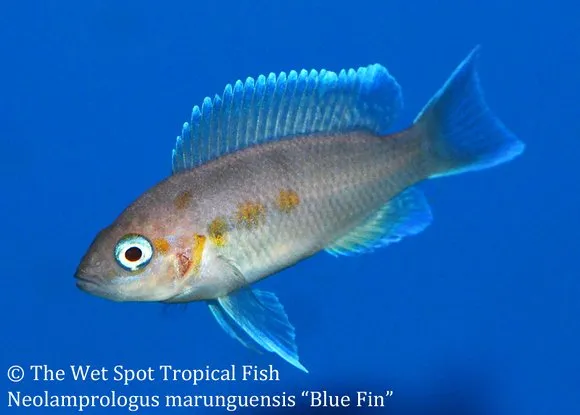
Marungu cichlid
Neolamprologus marunguensis
Freshwater2.8 in (7 cm) · 29 gal (110 L)75–81°F (24–27°C)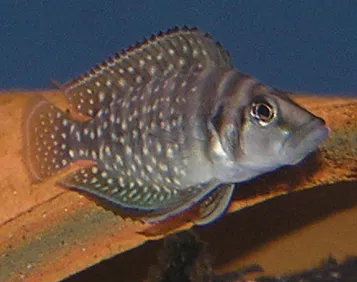
Black calvus
Altolamprologus calvus
Freshwater5.1 in (13 cm) · 53 gal (200 L)75–81°F (24–27°C)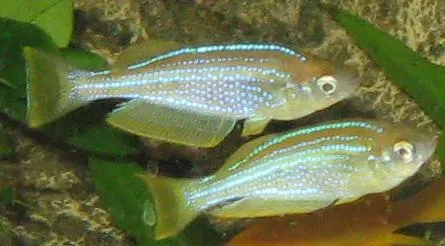
Tanganyika killifish
Lamprichthys tanganicanus
Freshwater5.5 in (14 cm) · 40 gal (150 L)73–77°F (23–25°C)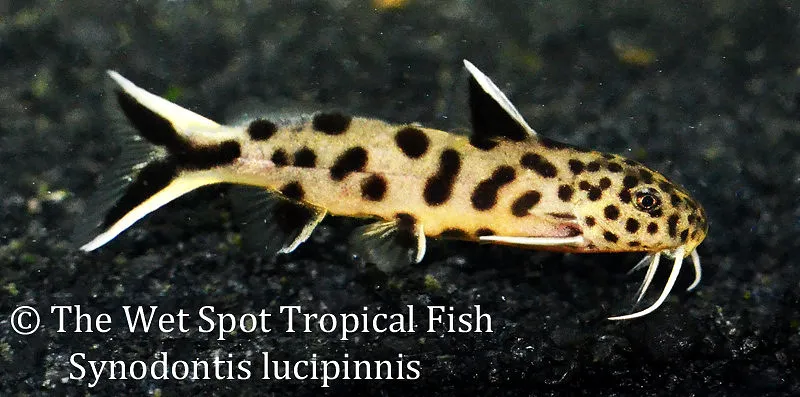
Dwarf petricola
Synodontis lucipinnis
Freshwater3.9 in (10 cm) · 30 gal (114 L)73–81°F (23–27°C)
Common questions
What size tank does a Gold ocellatus shell dweller need?
A Gold ocellatus shell dweller needs at least 11 gal (40 L). It spends most of its time in the bottom.
What temperature and pH does a Gold ocellatus shell dweller need?
A Gold ocellatus shell dweller is comfortable at 75–81°F (24–27°C) with a pH of 7.5–9.0.
How big does a Gold ocellatus shell dweller get?
An adult Gold ocellatus shell dweller reaches about 2.4 in (6 cm).
Related species
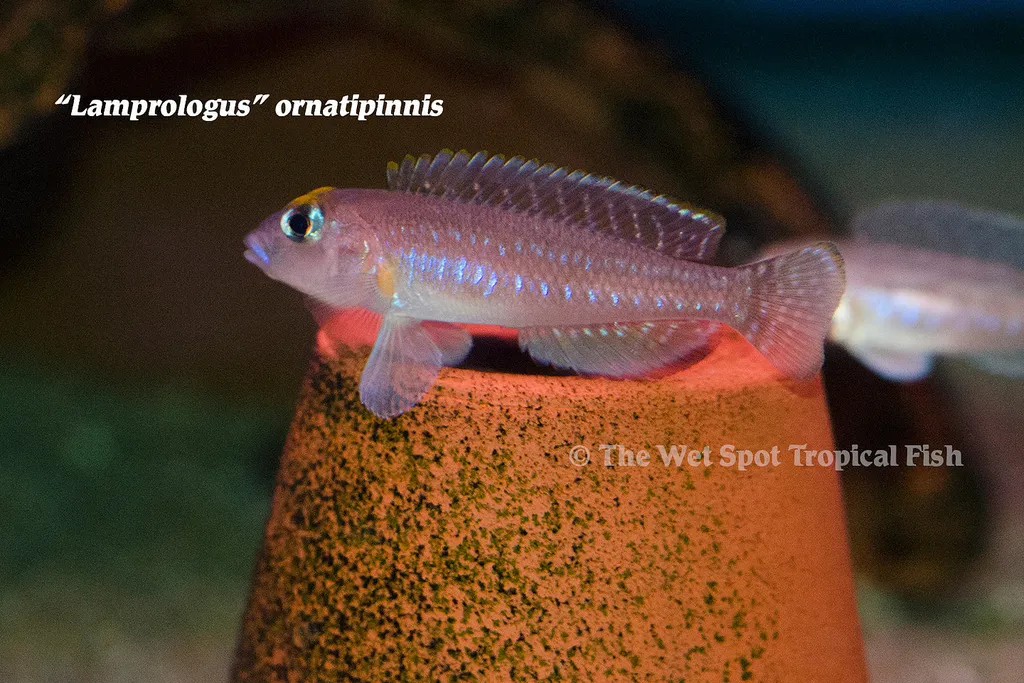 2.4 in (6 cm)16 gal (60 L)75–81°F (24–27°C)
Ornate shell dweller
Lamprologus ornatipinnis
2.4 in (6 cm) · 16 gal (60 L)
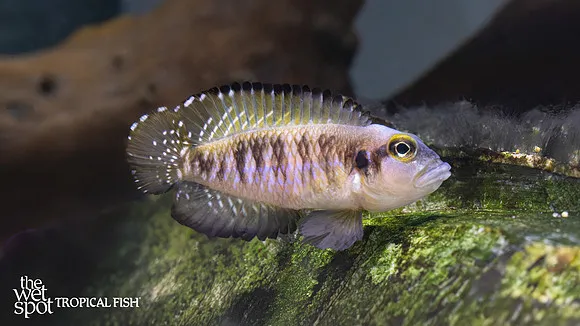 2.2 in (5.5 cm)11 gal (40 L)75–81°F (24–27°C)
Black ocellatus
Lamprologus speciosus
2.2 in (5.5 cm) · 11 gal (40 L)
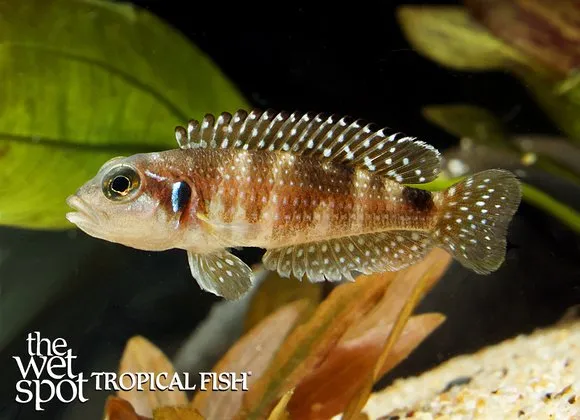 2.2 in (5.5 cm)11 gal (40 L)75–81°F (24–27°C)
Pearly ocellatus
Lamprologus stappersi
2.2 in (5.5 cm) · 11 gal (40 L)
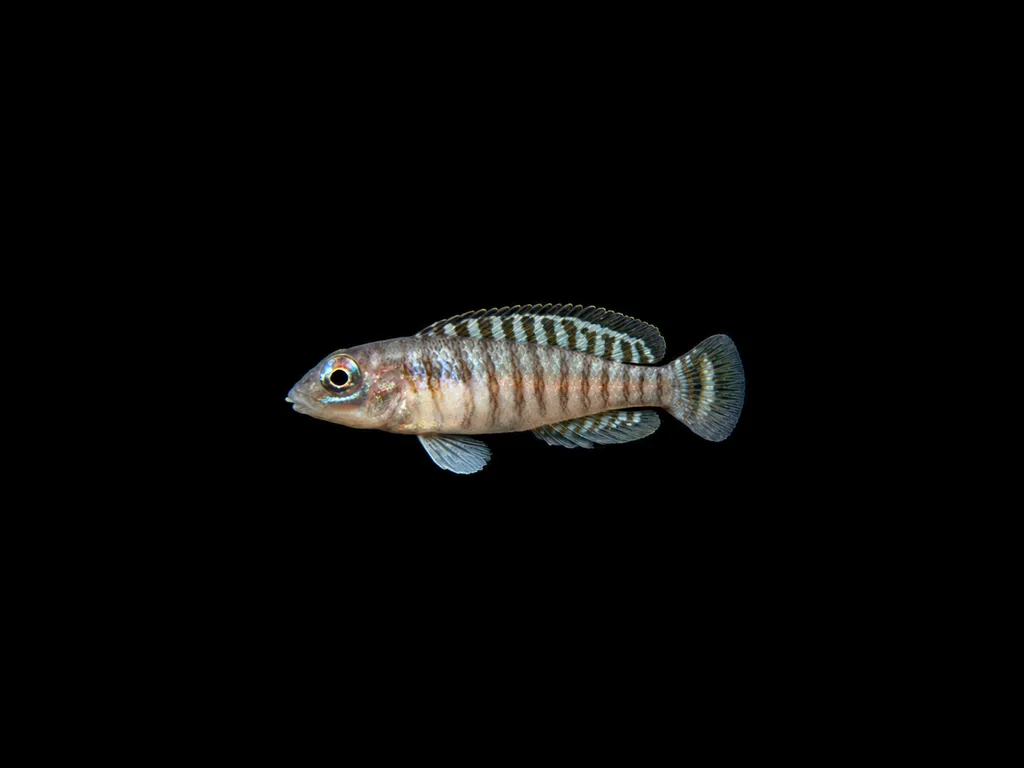 2.2 in (5.5 cm)11 gal (40 L)75–81°F (24–27°C)
Signatus shell dweller
Lamprologus signatus
2.2 in (5.5 cm) · 11 gal (40 L)
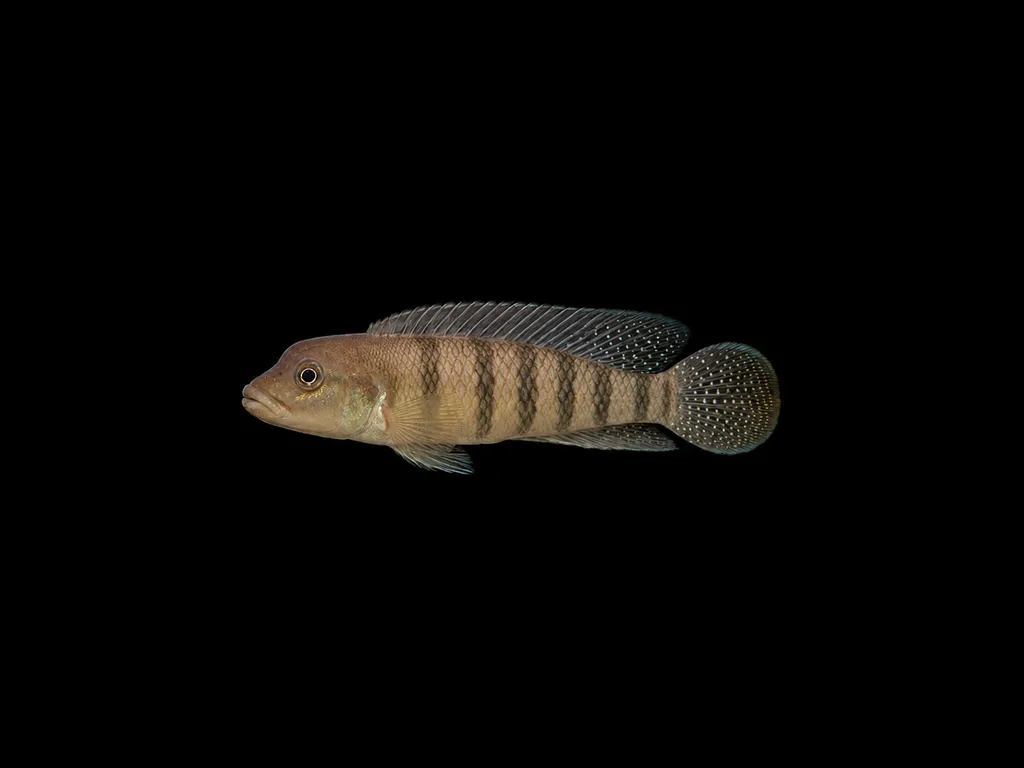 3.9 in (10 cm)42 gal (160 L)73–81°F (23–27°C)
Tiger lamprologus
Lamprologus tigripictilis
3.9 in (10 cm) · 42 gal (160 L)
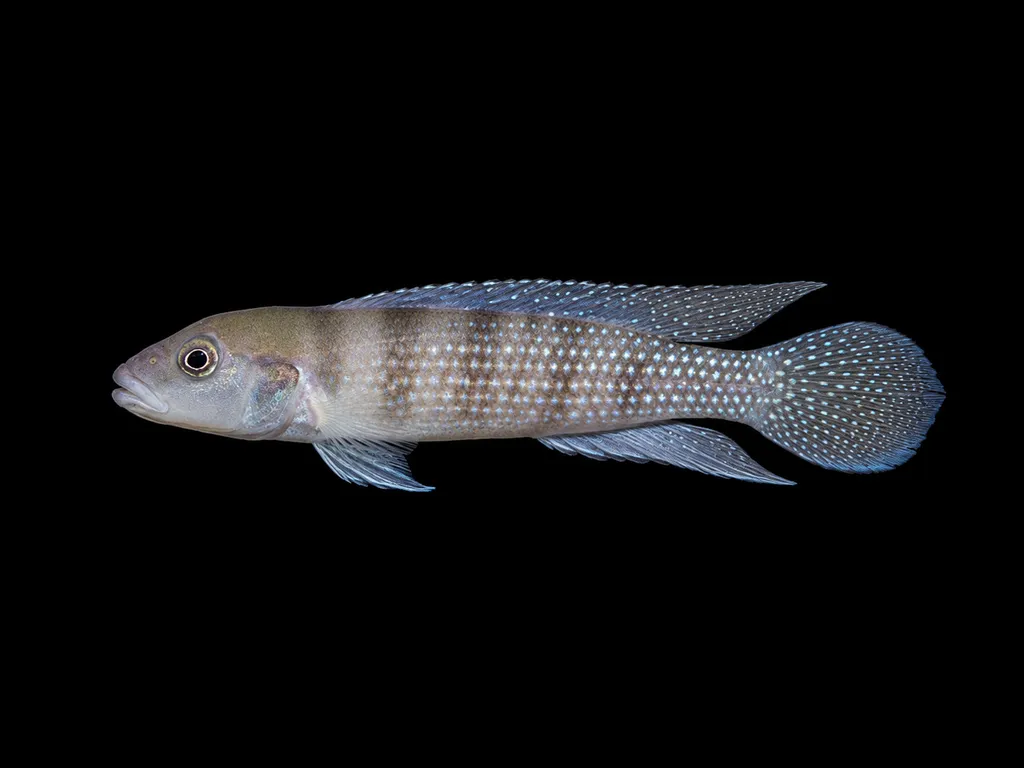 5.1 in (13 cm)53 gal (200 L)73–81°F (23–27°C)
Congo lamprologus
Lamprologus congoensis
5.1 in (13 cm) · 53 gal (200 L)