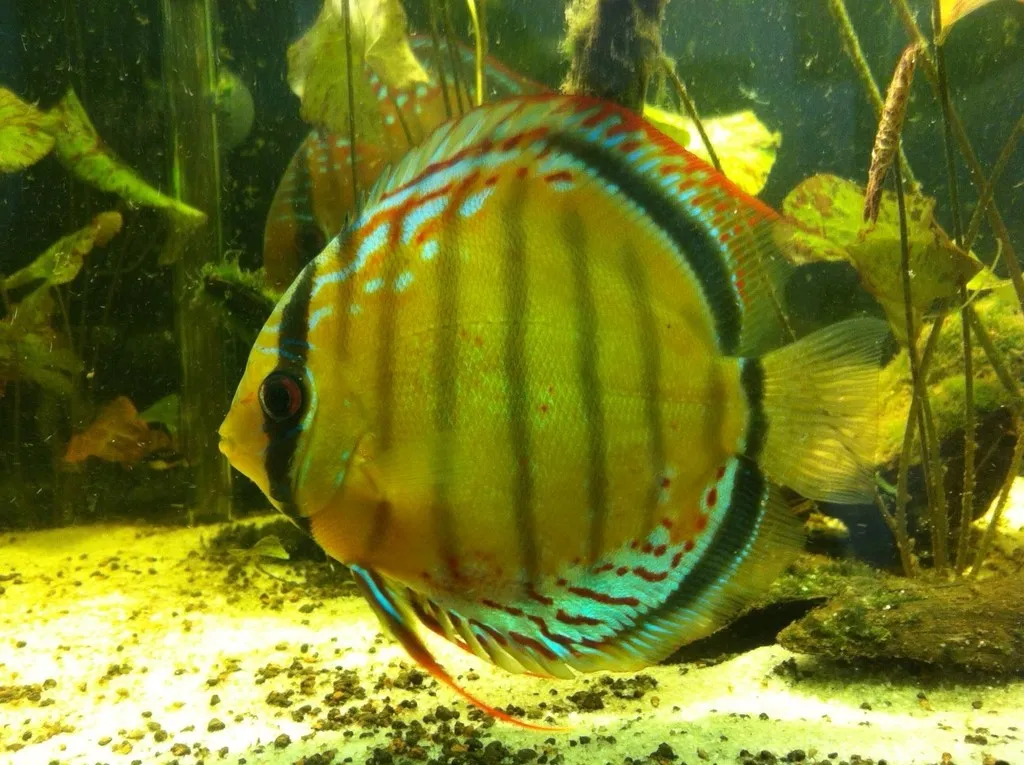
A cream to orange fish carrying fine black peppering, and one of the easiest strains to find. Peppering is the grading point: buyers want clean fish, and heavy pepper drops the price against a tidy sibling. Pepper rises when a fish is stressed or unwell, so one can look worse in a bare shop tank than it will at home. A pale bottom and background helps keep it down.
In the wild
The line came out of Thailand, credited to breeder Kitti Phanaitthi, who in 1989 crossed a striped turquoise male to a red turquoise female of Schmidt-Focke lineage. It reached the wider hobby in 1991, shown at the Aquarama trade show and taken into Jack Wattley's US hatchery the same year. No wild discus carries the pigeon pattern.
Good to know
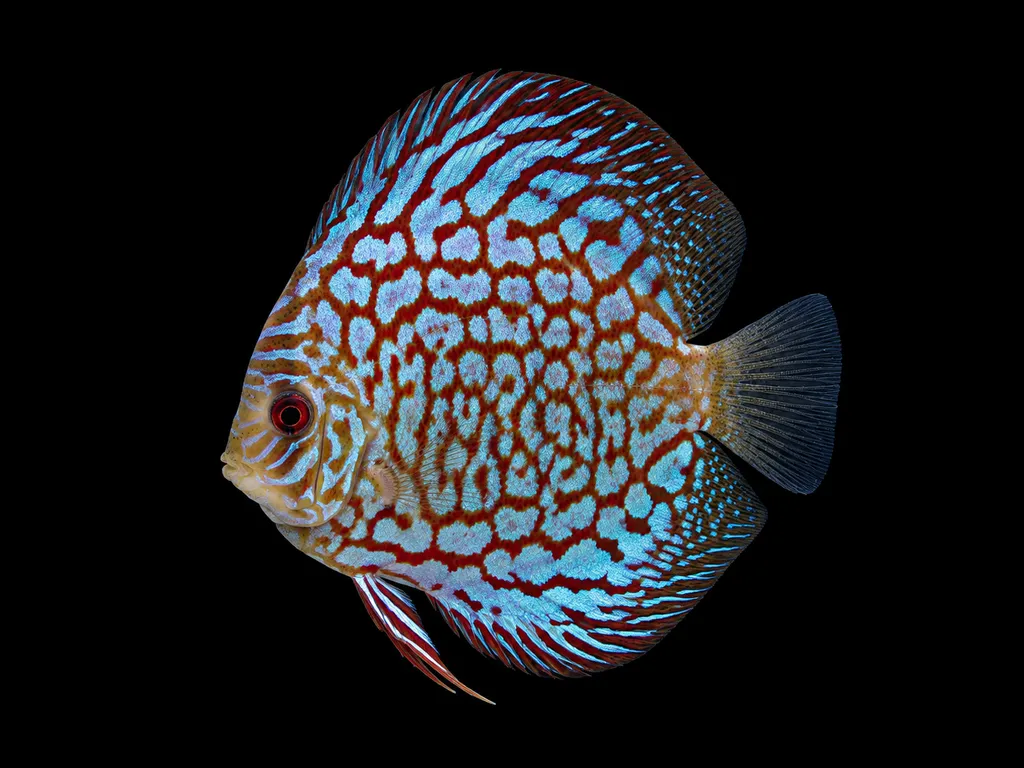
The pigeon trait suppresses normal melanin patterning, so the dark vertical bars and striations are largely erased and the warm base shows through. What survives of the black turns up as scattered specks, the pepper, most often on the face and gill plate. Breeders treat pepper as the tell, and a discus showing black freckles anywhere is usually of pigeon descent. The trait carries through crosses readily, which is how it spread so far.
Did you know
Pigeon blood is the building block behind most modern solid-colored discus. Red melon, marlboro red, checkerboard and the white strains all descend from it, which is why so many of them show pepper when stressed.
Weekly picks
Tank mates
Pigeon blood discus is a peaceful, shoaling species that keeps to the middle. These picks share a community profile with it, are safe together in both directions, and overlap on water type, temperature and pH.
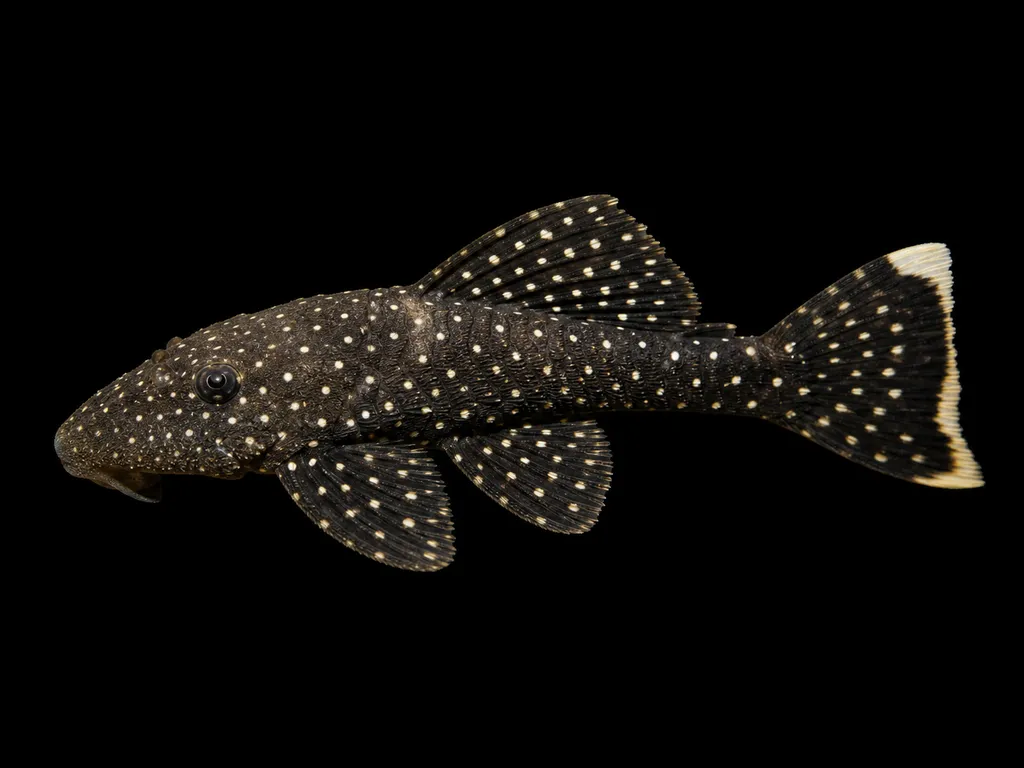
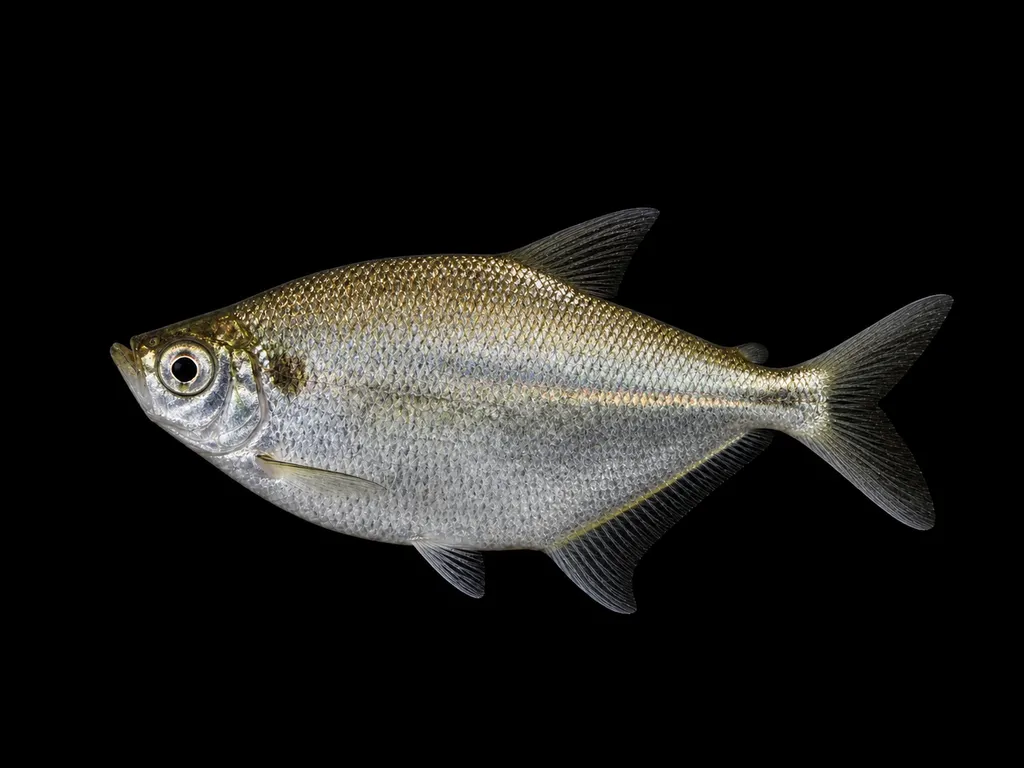
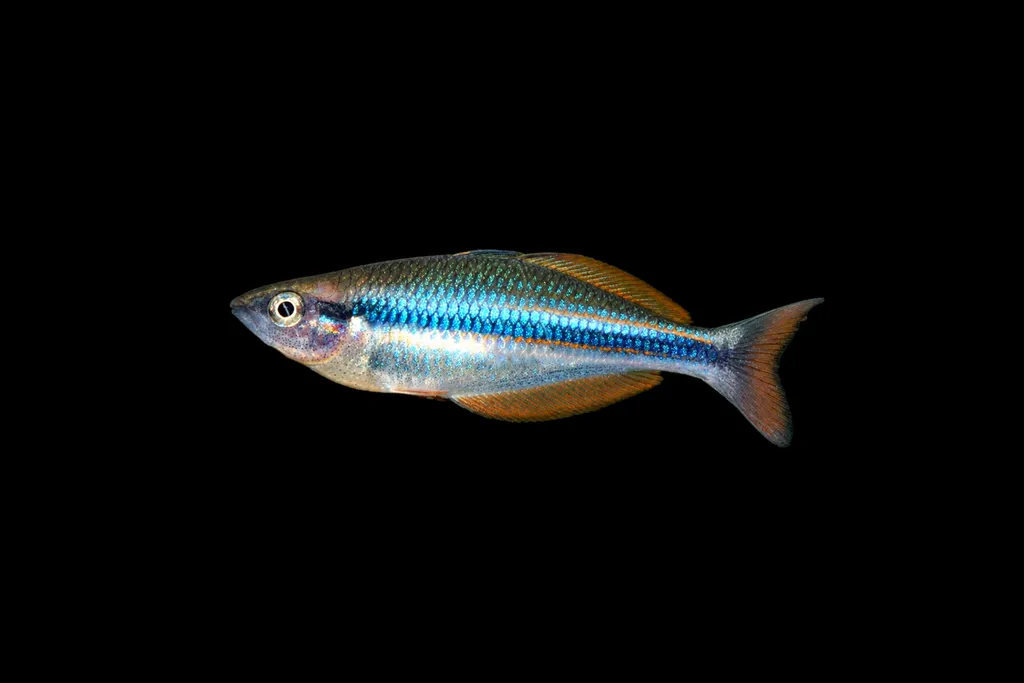
 7.9 in (20 cm)65 gal (245 L)81–88°F (27–31°C)
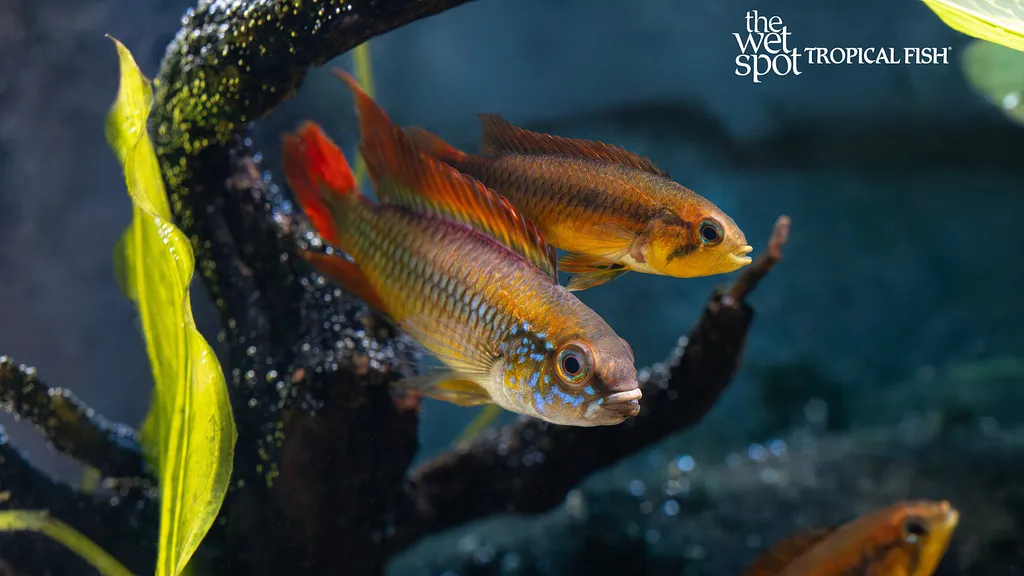 7.1 in (18 cm)75 gal (284 L)82–88°F (28–31°C)
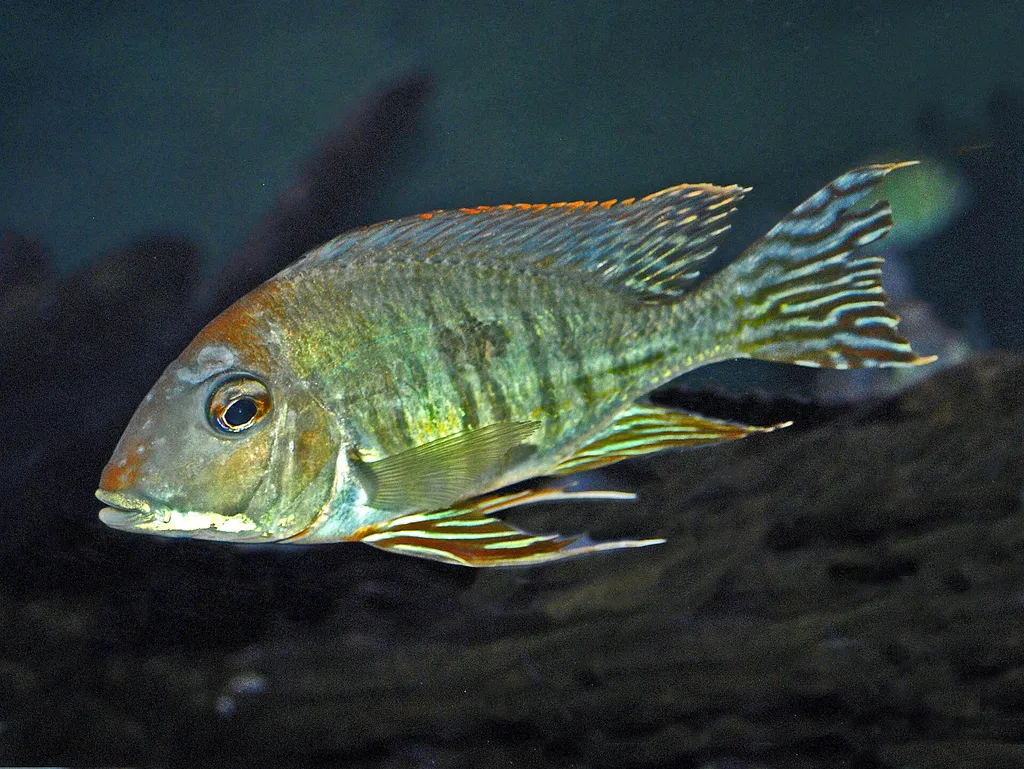 9.8 in (25 cm)115 gal (435 L)79–90°F (26–32°C)
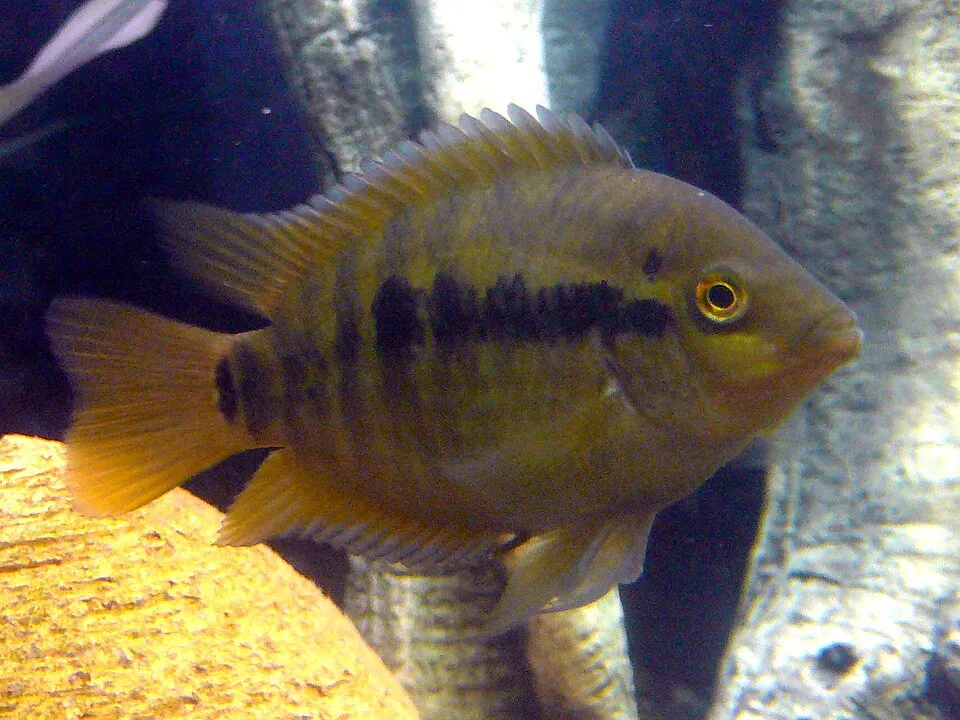 6.3 in (16 cm)26 gal (100 L)72–82°F (22–28°C)
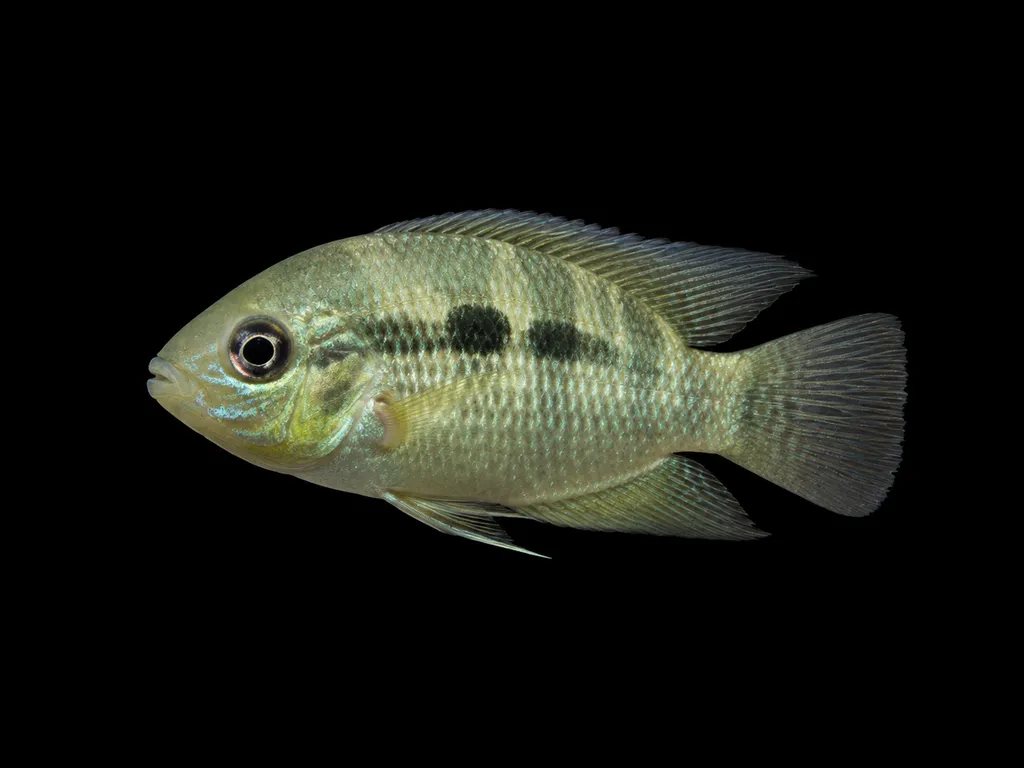 5.9 in (15 cm)79 gal (300 L)75–82°F (24–28°C)
 5.9 in (15 cm)37 gal (140 L)75–82°F (24–28°C)