Proximus eartheater
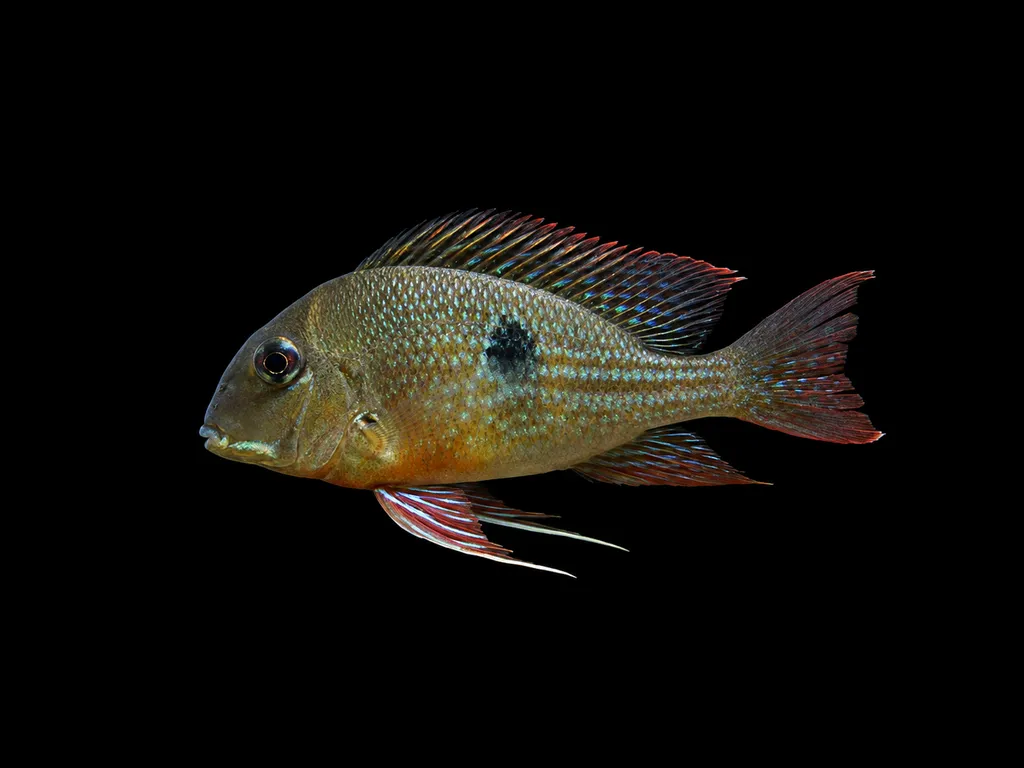
Geophagus proximus
Also known as Cichla-band eartheater
FreshwaterFish
Care at a glance
- Temperature
- 77–84°F
- 25–29°C
- pH
- 5.5–7.2
- Adult size
- 11.8 in
- 30 cm
- Minimum tank
- 159 gal
- 600 L
- Temperament
- Mostly peaceful
- Social behavior
- Social
- Swim level
- Bottom
- Difficulty
- Medium
- Breeding
- Mouthbrooder · Medium
- Rarity
- Rare
- Family
- Cichlidae
- Origin
- Upper Amazon basin
Overview
The Proximus eartheater is a large, peaceful sand-sifting cichlid from the upper Amazon. Keeping it well takes some experience.
Did you know
The Proximus eartheater's name records a case of mistaken twins. Proximus is Latin for nearest or next, and for years the fish stood right beside the very similar Geophagus surinamensis in identification keys. The two were easily confused.
Caring for the Proximus eartheater
A group of Proximus eartheaters needs at least 159 gal (600 L), with plenty of open floor and some driftwood. Use a deep bed of fine, soft sand rather than gravel, which can harm a sifting fish. Run strong filtration to handle the constant sifting.
Keep the water at 77 to 84°F (25 to 29°C), soft to neutral, with a pH of 5.5 to 7.2. Change water regularly to keep nitrate low. It takes mouthfuls of sand and sifts them through its gills for food. Offer sinking pellets and granules along with frozen foods, and make sure a fair share settles to the sand.
Keep one male with several females, which keeps its social life balanced and its color at its best. It is calm with other easygoing tank mates, but it grows big and needs floor space.
The Proximus eartheater is a mouthbrooder, and breeding it takes moderate effort. After spawning, it takes the eggs and young into its mouth for protection.
Good to know
Geophagus proximus is a cichlid of the family Cichlidae and one of the larger true eartheaters. It is marked with a dark bar on the flank and a red-striped tail. It also goes by the name Cichla-band eartheater.
In the wild
The Proximus eartheater sifts sandbars and channel margins in the upper Amazon basin. It ranges over open sand with scattered wood.
Weekly picks
Tank mates
The Proximus eartheater is a mostly peaceful, social species that keeps to the bottom. These picks share a community profile with it, are safe together in both directions, and overlap on water type, temperature and pH.
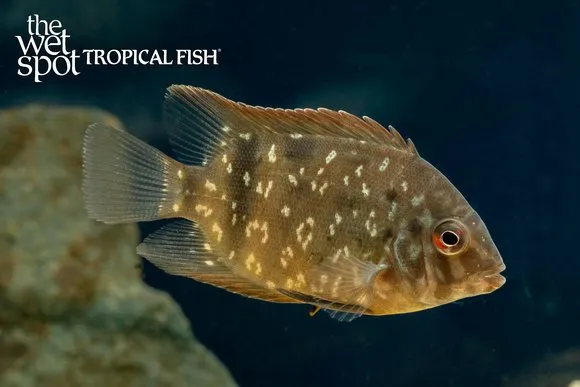
Panda uaru
Uaru fernandezyepezi
Freshwater9.1 in (23 cm) · 159 gal (600 L)75–82°F (24–28°C)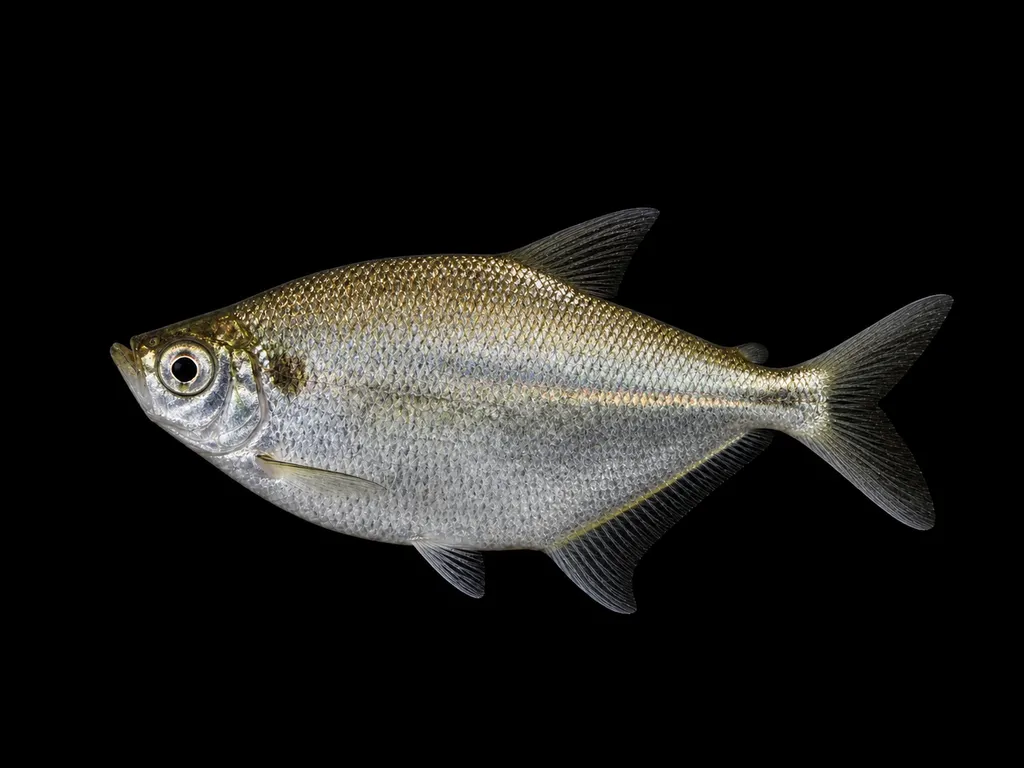
Giant river hatchetfish
Triportheus rotundatus
Freshwater9.8 in (25 cm) · 79 gal (300 L)73–82°F (23–28°C)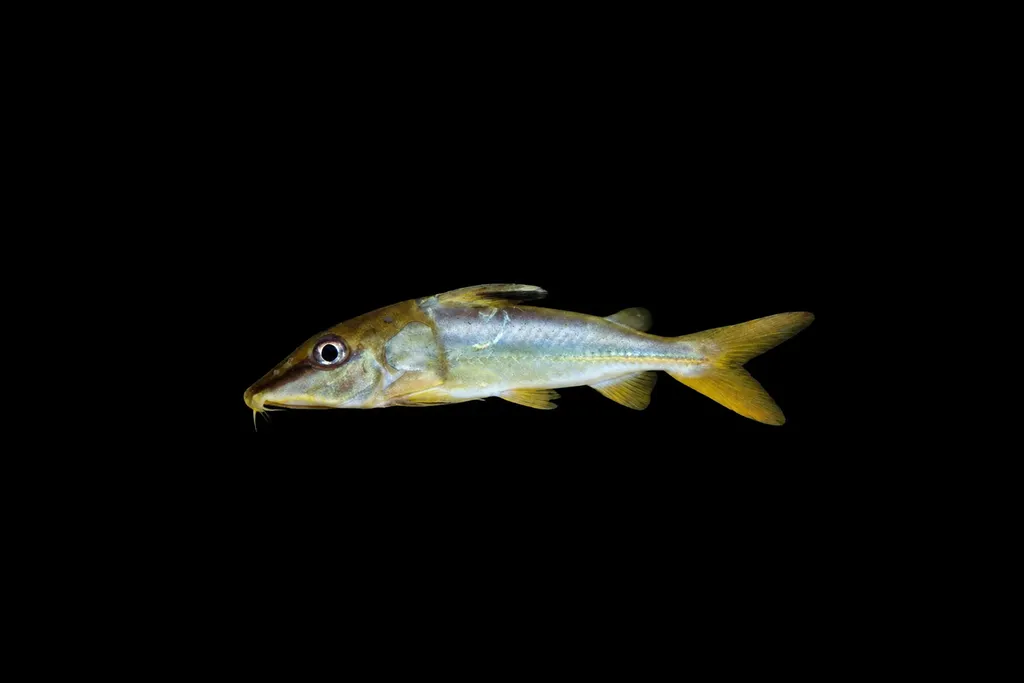
Wilder's mouse catfish
Hassar wilderi
Freshwater9.8 in (25 cm) · 106 gal (400 L)73–82°F (23–28°C)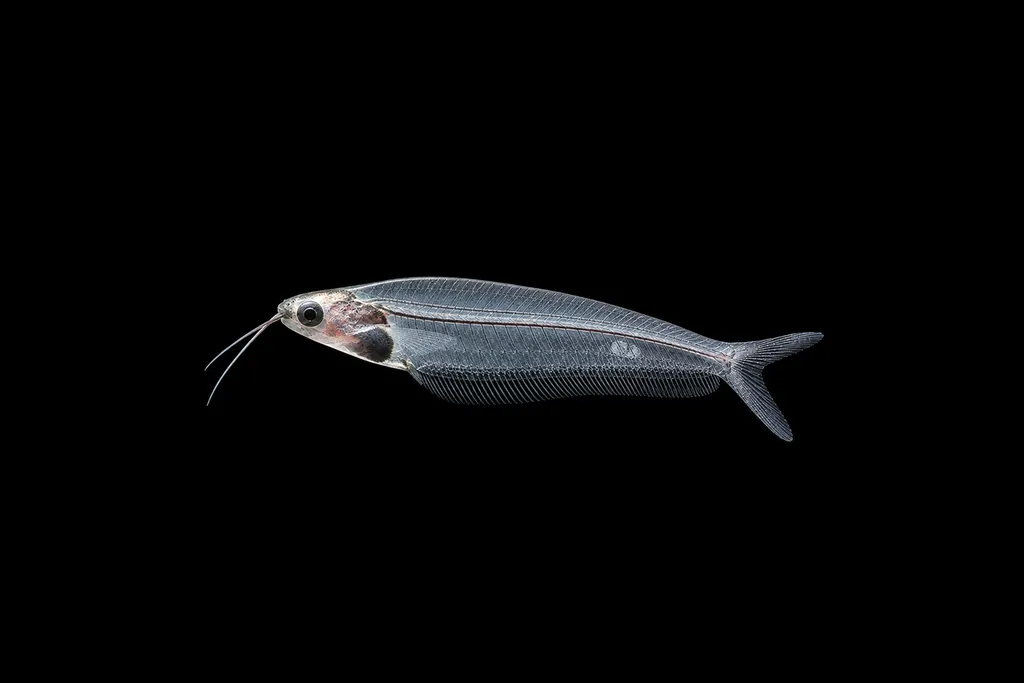
Mekong glass sheatfish
Kryptopterus limpok
Freshwater11.8 in (30 cm) · 119 gal (450 L)73–81°F (23–27°C)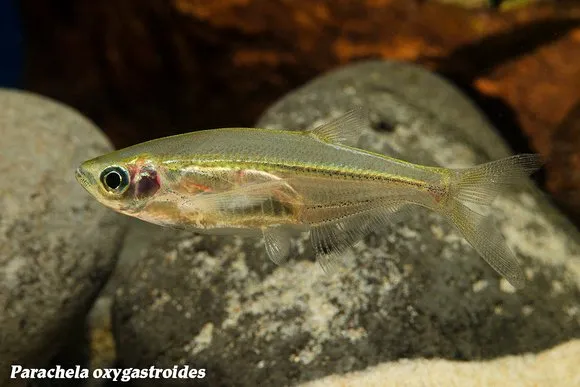
Asian glass hatchetfish
Parachela oxygastroides
Freshwater7.9 in (20 cm) · 79 gal (300 L)73–82°F (23–28°C)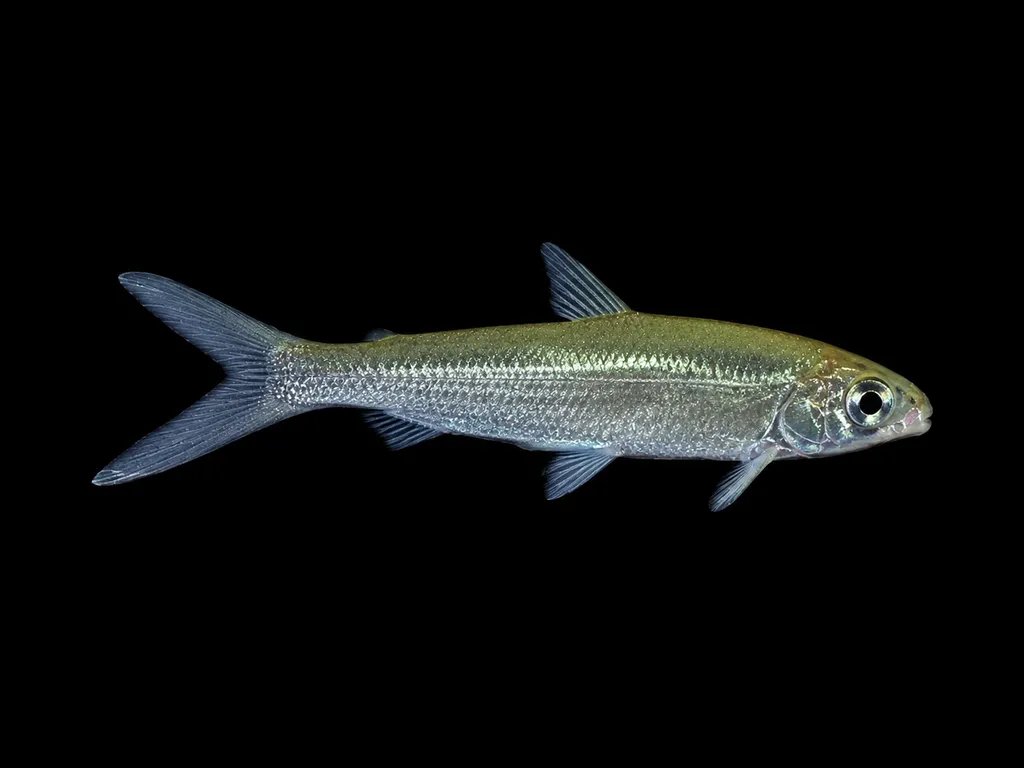
Fowler's hemiodus
Bivibranchia fowleri
Freshwater7.5 in (19 cm) · 106 gal (400 L)75–84°F (24–29°C)
Common questions
What size tank does a Proximus eartheater need?
A Proximus eartheater needs at least 159 gal (600 L). It spends most of its time in the bottom.
What temperature and pH does a Proximus eartheater need?
A Proximus eartheater is comfortable at 77–84°F (25–29°C) with a pH of 5.5–7.2.
What does a Proximus eartheater eat?
A Proximus eartheater eats sinking pellets and granules along with frozen foods. Make sure a fair share settles to the sand, where it sifts mouthfuls through its gills.
How big does a Proximus eartheater get?
An adult Proximus eartheater reaches about 11.8 in (30 cm).
How does a Proximus eartheater breed?
The Proximus eartheater is a mouthbrooder, and breeding it takes moderate effort. After spawning, it takes the eggs and young into its mouth for protection.
Related species
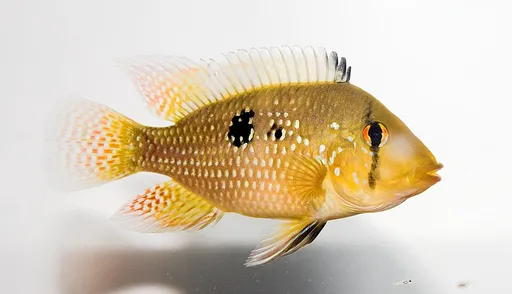 11 in (28 cm)75 gal (284 L)68–79°F (20–26°C)
Pearl eartheater
Geophagus brasiliensis
11 in (28 cm) · 75 gal (284 L)
 10.2 in (26 cm)172 gal (650 L)77–84°F (25–29°C)
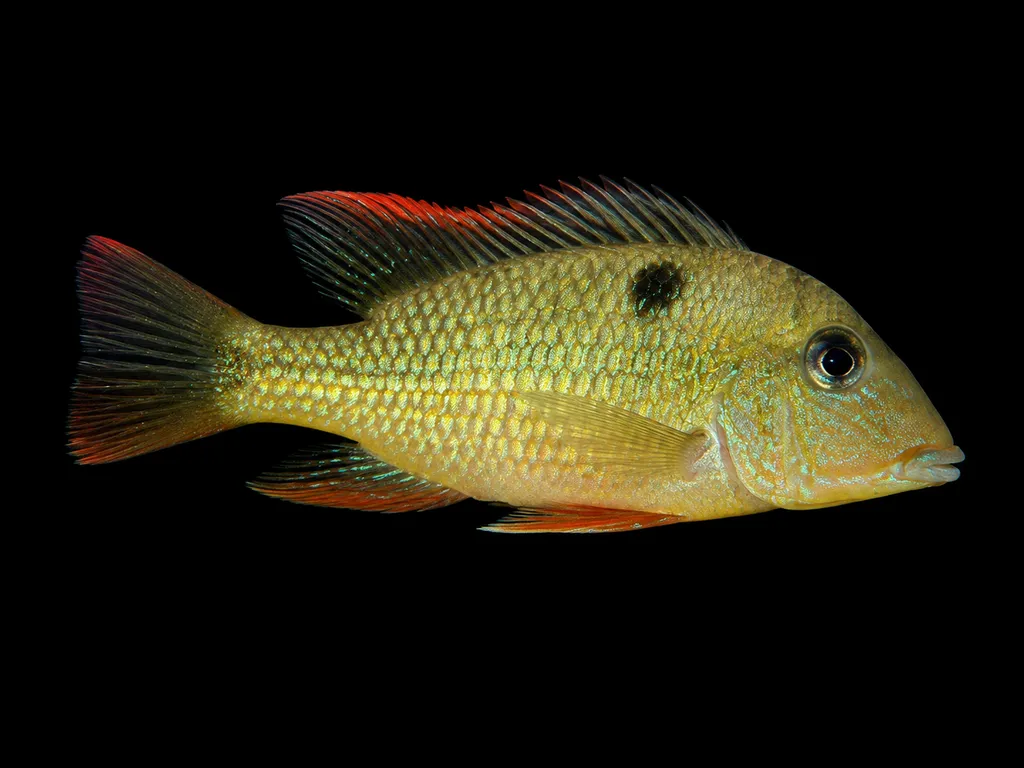
Panama eartheater
Geophagus crassilabris
10.2 in (26 cm) · 172 gal (650 L)
 9.8 in (25 cm)172 gal (650 L)77–84°F (25–29°C)
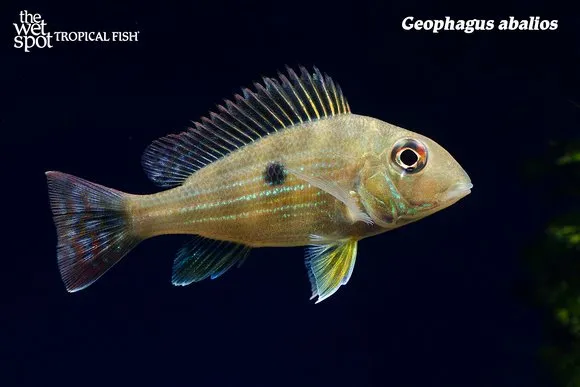
Abalios eartheater
Geophagus abalios
9.8 in (25 cm) · 172 gal (650 L)
 9.8 in (25 cm)172 gal (650 L)77–84°F (25–29°C)
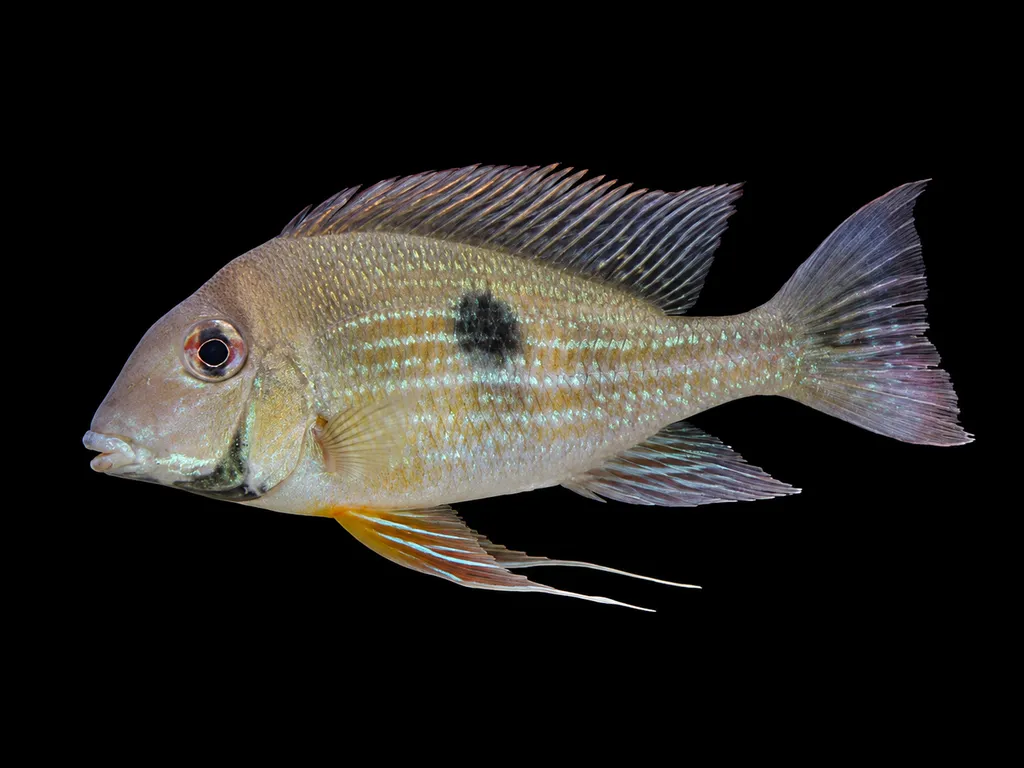
Dicrozoster eartheater
Geophagus dicrozoster
9.8 in (25 cm) · 172 gal (650 L)
 9.4 in (24 cm)172 gal (650 L)77–84°F (25–29°C)
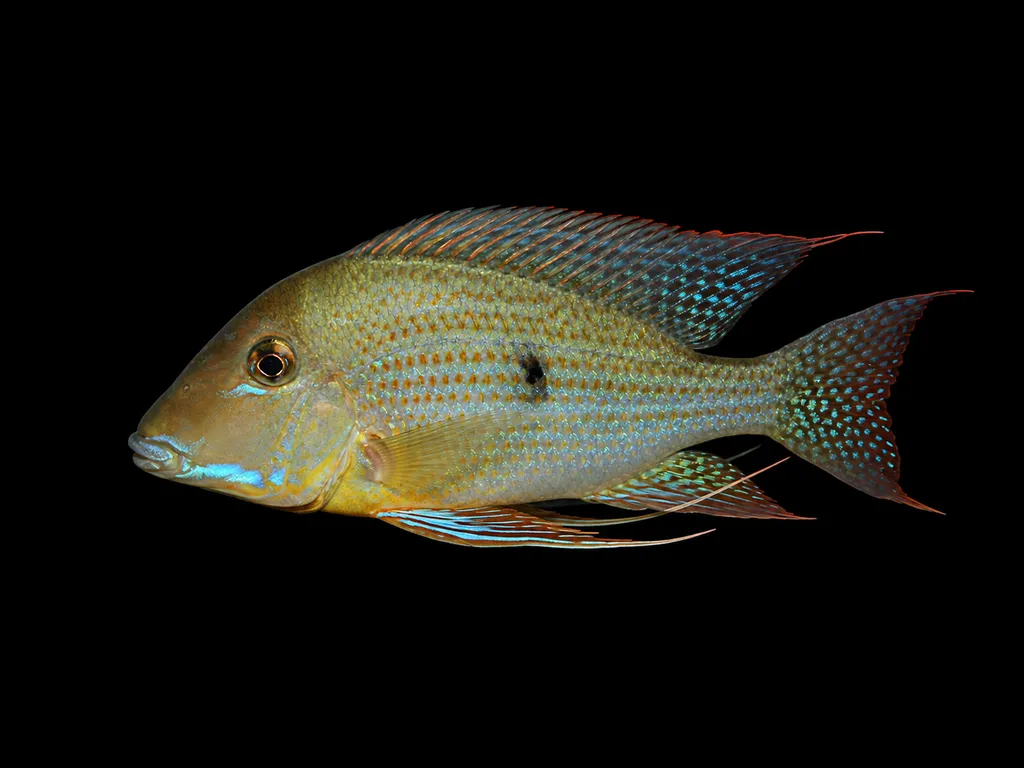
Neambi eartheater
Geophagus neambi
9.4 in (24 cm) · 172 gal (650 L)
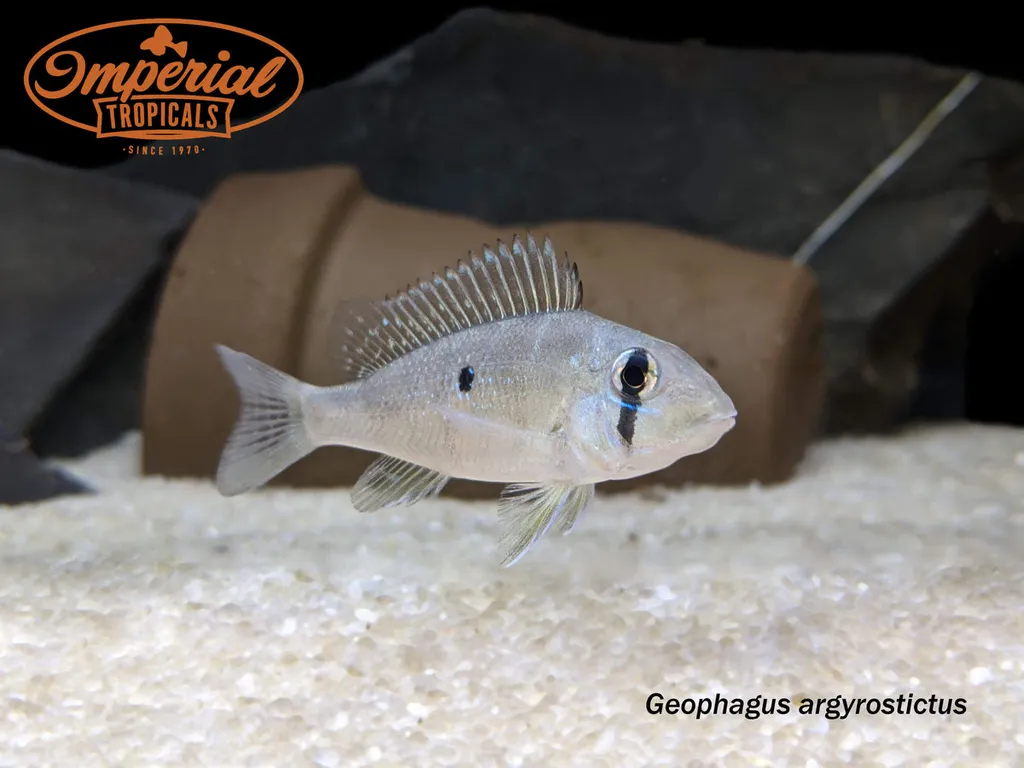 9.4 in (24 cm)119 gal (450 L)77–84°F (25–29°C)
Silverspot eartheater
Geophagus argyrostictus
9.4 in (24 cm) · 119 gal (450 L)