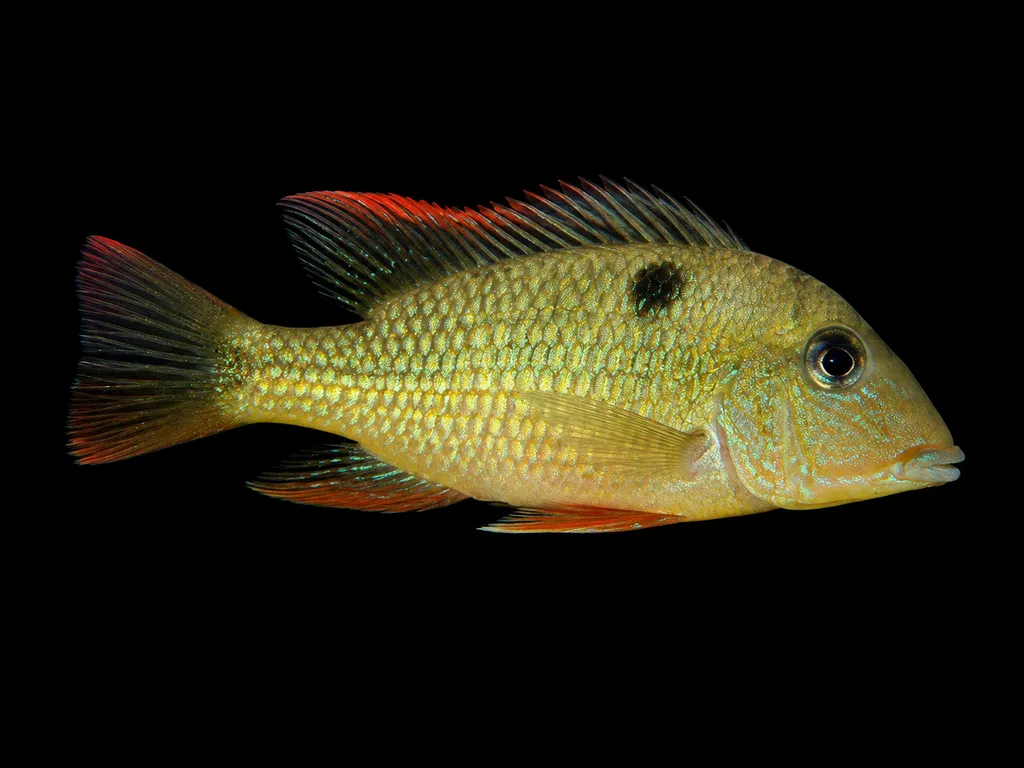
Panama eartheater
Geophagus crassilabris
Also known as Thicklip eartheater
FreshwaterFish
Care at a glance
- Temperature
- 77–84°F
- 25–29°C
- pH
- 6.5–7.8
- Adult size
- 10.2 in
- 26 cm
- Minimum tank
- 172 gal
- 650 L
- Temperament
- Mostly peaceful
- Social behavior
- Social
- Swim level
- Bottom
- Difficulty
- Medium
- Breeding
- Mouthbrooder · Medium
- Rarity
- Rare
- Family
- Cichlidae
- Origin
- Panama
Overview
The Panama eartheater is a peaceful, sociable cichlid that works the bottom of the tank. Keeping it well takes a little experience.
Did you know
The Panama eartheater is a geographic outlier. Nearly every Geophagus eartheater lives in South America. This one crossed into Central America and is the only one of its genus to make Panama home.
Caring for the Panama eartheater
Plan on at least 172 gal (650 L) with an open sand floor, since the Panama eartheater grows large and needs room. It takes mouthfuls of sand and sifts them through its gills for food. A deep, soft sand bed is essential, so avoid sharp gravel. Add some smooth wood as well.
Keep the water warm and close to neutral, at 77 to 84°F (25 to 29°C) and a pH of 6.5 to 7.8. It prefers clean, well-oxygenated conditions, so run strong filtration for a moderate current. Keep nitrate low with regular water changes.
Feed sinking pellets, granules and frozen foods such as bloodworm and brine shrimp, and make sure enough reaches the floor. It does best in a group, either one male with several females or a small mixed shoal. Lone fish can be shy, and a single pair leaves the female open to harassment. It is calm with other mild tank mates.
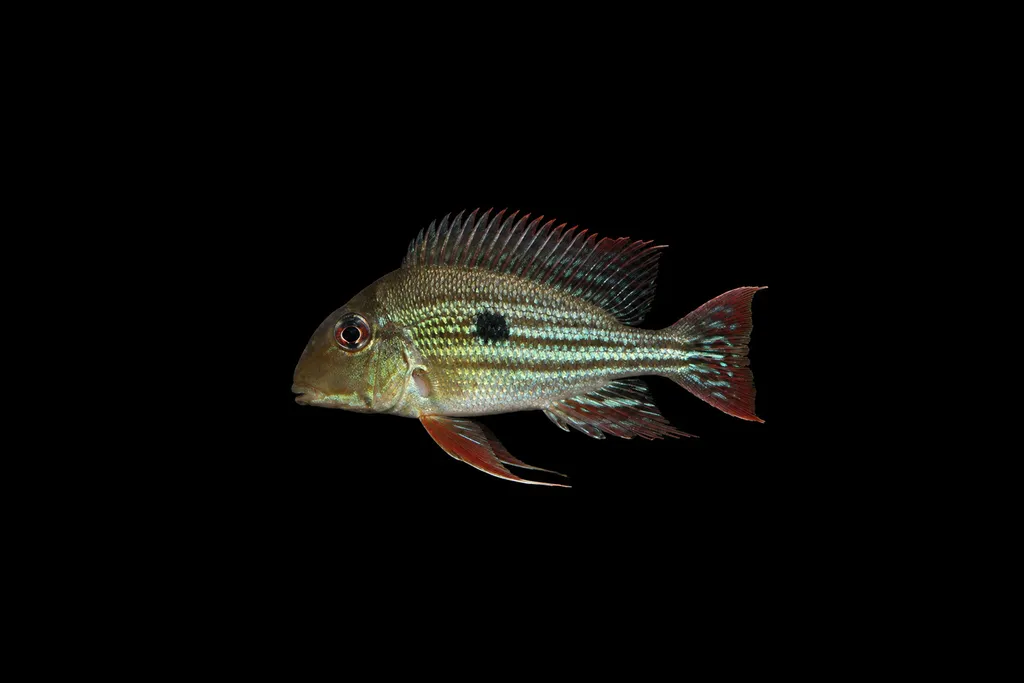
Males grow larger than females and carry thick lips and a fleshy forehead. It is a maternal mouthbrooder. After the pair spawns, the female takes the eggs into her mouth and holds the young there for safety. Breeding it is of medium difficulty.
Good to know
Geophagus crassilabris is a cichlid of the family Cichlidae. Most aquarium fish settle a good deal smaller than the largest recorded size.
In the wild
The Panama eartheater comes from clear streams and rivers on both slopes of central and eastern Panama. It lives over open beds of sand and fine gravel, with scattered driftwood and tree roots.
Weekly picks
Tank mates
The Panama eartheater is a mostly peaceful, social species that keeps to the bottom. These picks share a community profile with it, are safe together in both directions, and overlap on water type, temperature and pH.
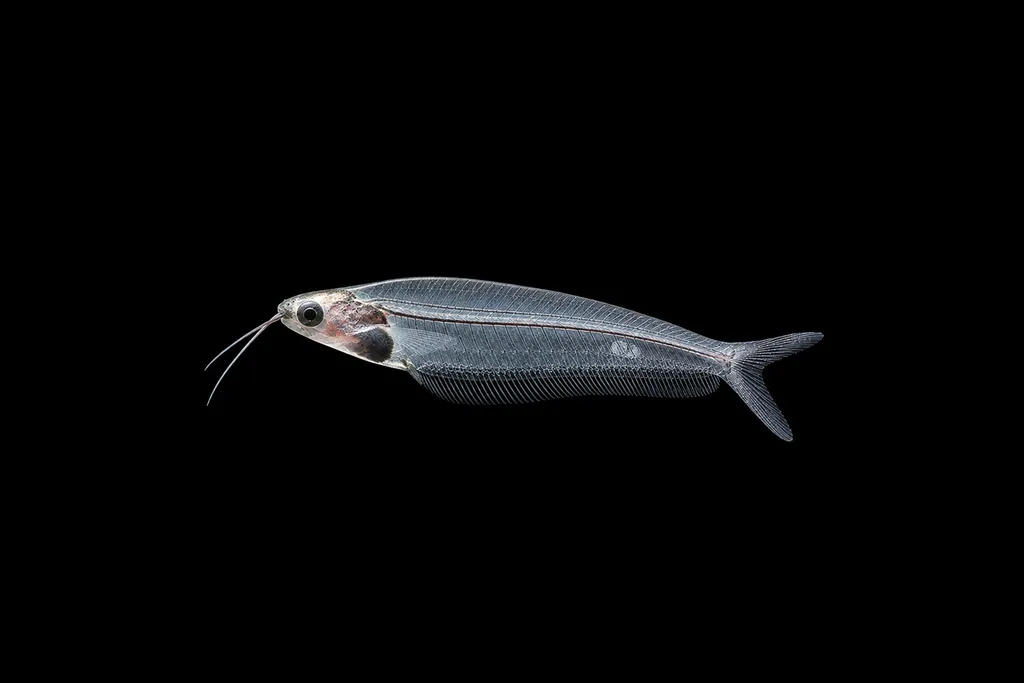
Mekong glass sheatfish
Kryptopterus limpok
Freshwater11.8 in (30 cm) · 119 gal (450 L)73–81°F (23–27°C)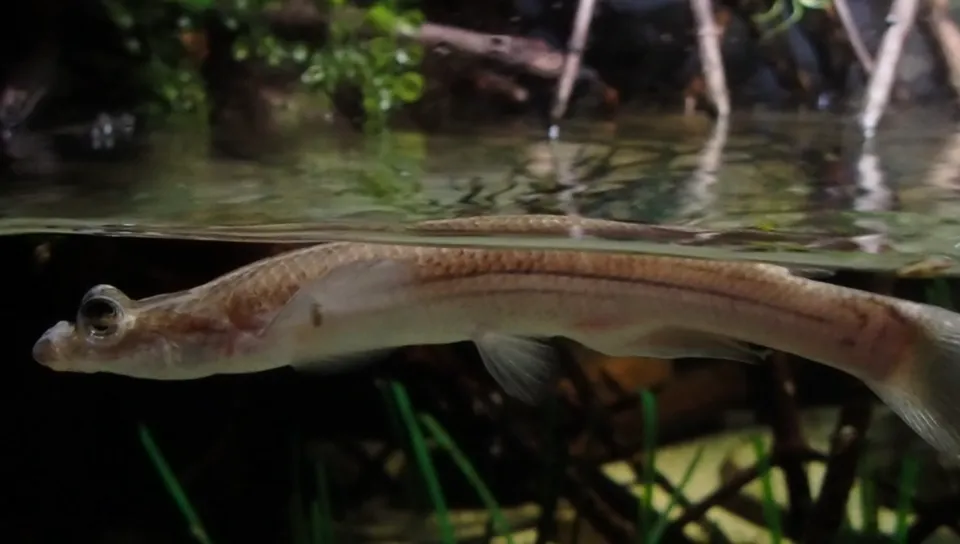
Largescale four-eyed fish
Anableps anableps
FreshwaterBrackish11.8 in (30 cm) · 70 gal (265 L)77–88°F (25–31°C)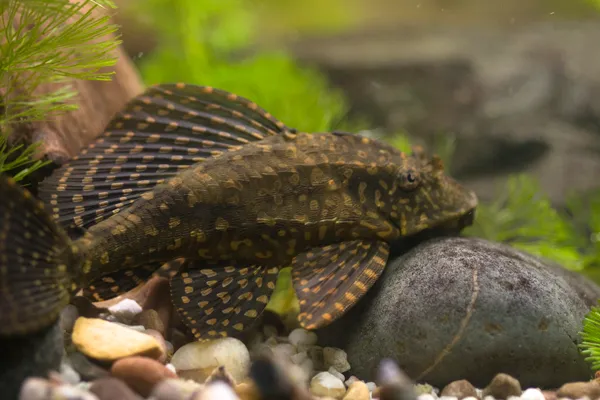
Gold spot sailfin pleco
Pterygoplichthys joselimaianus
Freshwater15.7 in (40 cm) · 119 gal (450 L)77–84°F (25–29°C)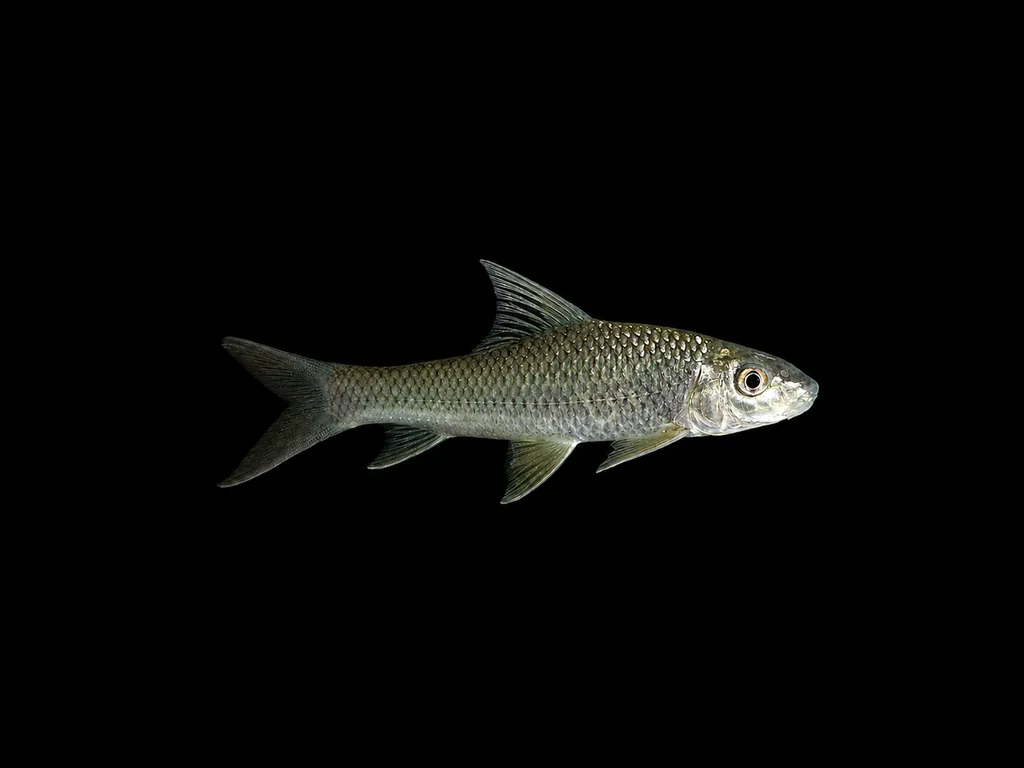
Sucker barb
Barbichthys laevis
Freshwater12.2 in (31 cm) · 159 gal (600 L)72–82°F (22–28°C)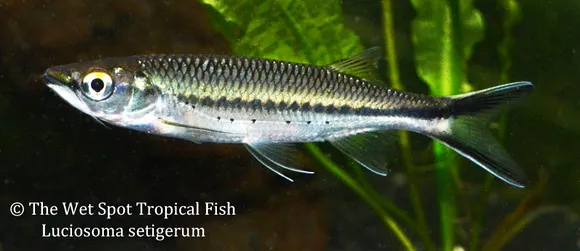
Apollo shark minnow
Luciosoma setigerum
Freshwater11.8 in (30 cm) · 106 gal (400 L)72–81°F (22–27°C)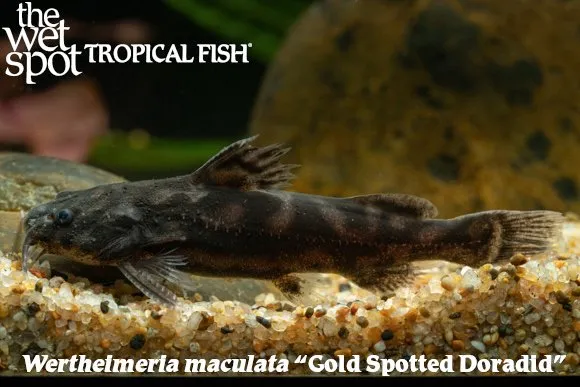
Gold-spotted doradid
Wertheimeria maculata
Freshwater11.8 in (30 cm) · 106 gal (400 L)68–79°F (20–26°C)
Common questions
What size tank does a Panama eartheater need?
A Panama eartheater needs at least 172 gal (650 L). It spends most of its time in the bottom.
What temperature and pH does a Panama eartheater need?
A Panama eartheater is comfortable at 77–84°F (25–29°C) with a pH of 6.5–7.8.
What does a Panama eartheater eat?
A Panama eartheater sifts mouthfuls of sand through its gills for food. Feed it sinking pellets, granules and frozen foods such as bloodworm and brine shrimp, and make sure enough reaches the floor.
How big does a Panama eartheater get?
An adult Panama eartheater reaches about 10.2 in (26 cm).
How can you tell a male Panama eartheater from a female?
Males grow larger than females, with thick lips and a fleshy forehead.
How does a Panama eartheater breed?
The Panama eartheater is a maternal mouthbrooder. After a pair spawns, the female carries the eggs in her mouth and keeps the young there for safety. Breeding it is a moderate challenge.
Related species
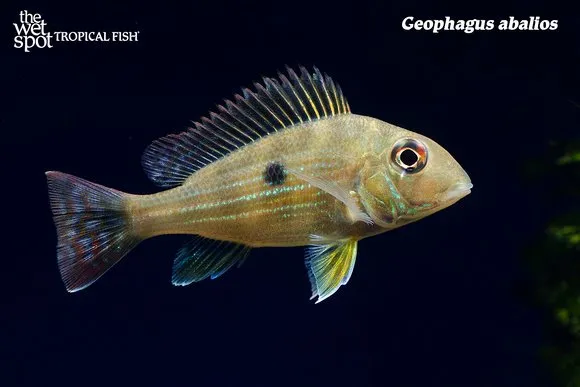 9.8 in (25 cm)172 gal (650 L)77–84°F (25–29°C)
Abalios eartheater
Geophagus abalios
9.8 in (25 cm) · 172 gal (650 L)
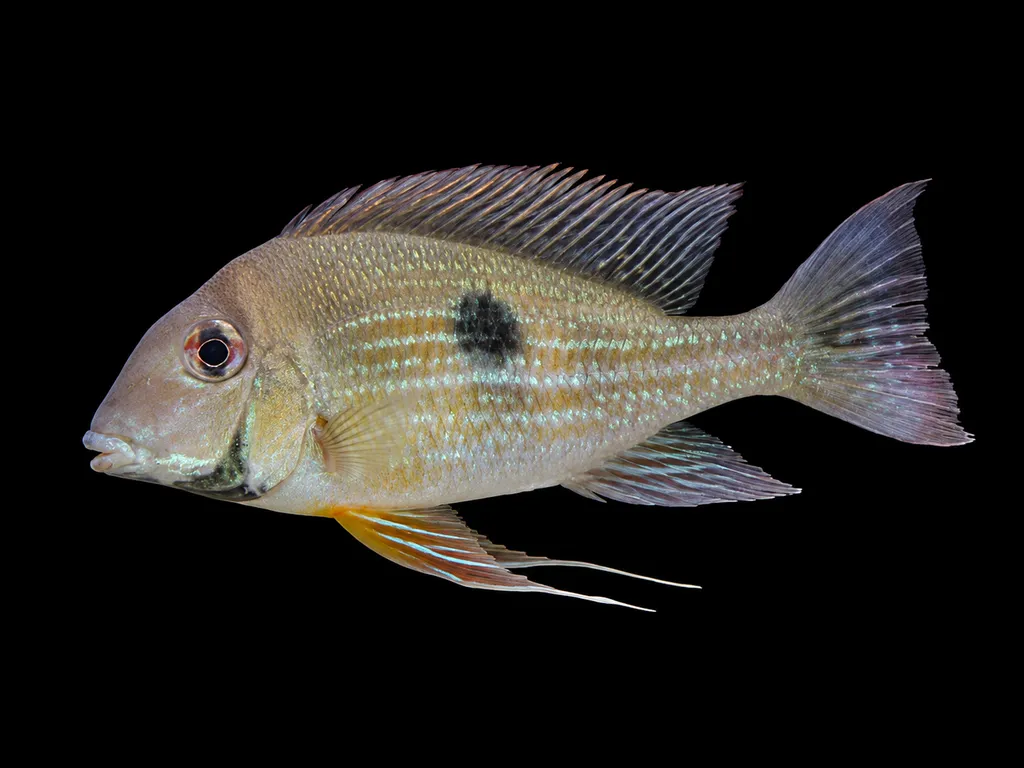 9.8 in (25 cm)172 gal (650 L)77–84°F (25–29°C)
Dicrozoster eartheater
Geophagus dicrozoster
9.8 in (25 cm) · 172 gal (650 L)
 11 in (28 cm)75 gal (284 L)68–79°F (20–26°C)
Pearl eartheater
Geophagus brasiliensis
11 in (28 cm) · 75 gal (284 L)
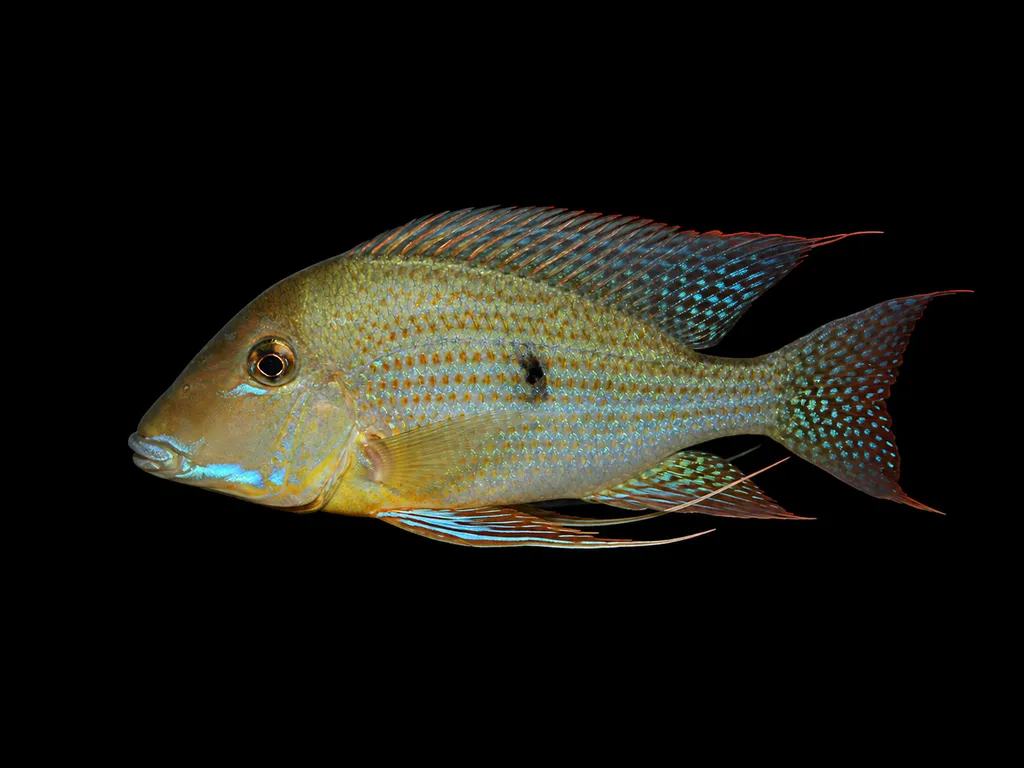 9.4 in (24 cm)172 gal (650 L)77–84°F (25–29°C)
Neambi eartheater
Geophagus neambi
9.4 in (24 cm) · 172 gal (650 L)
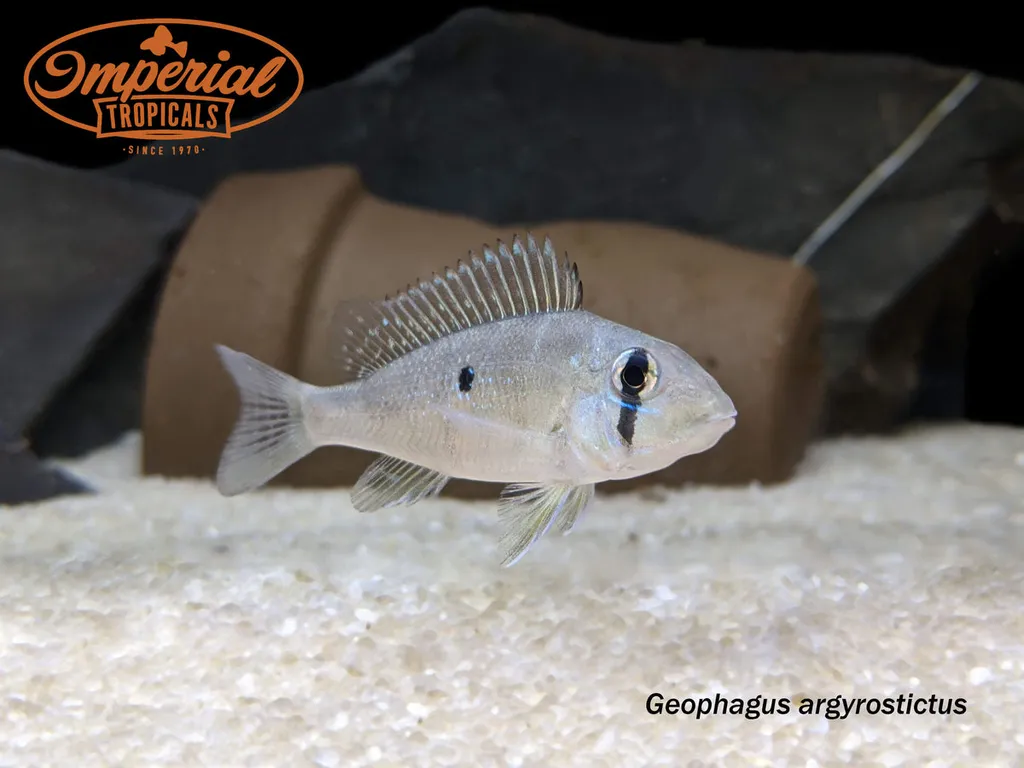 9.4 in (24 cm)119 gal (450 L)77–84°F (25–29°C)
Silverspot eartheater
Geophagus argyrostictus
9.4 in (24 cm) · 119 gal (450 L)
 9.4 in (24 cm)172 gal (650 L)77–84°F (25–29°C)
Winemiller's eartheater
Geophagus winemilleri
9.4 in (24 cm) · 172 gal (650 L)