Fourspot hemiodus
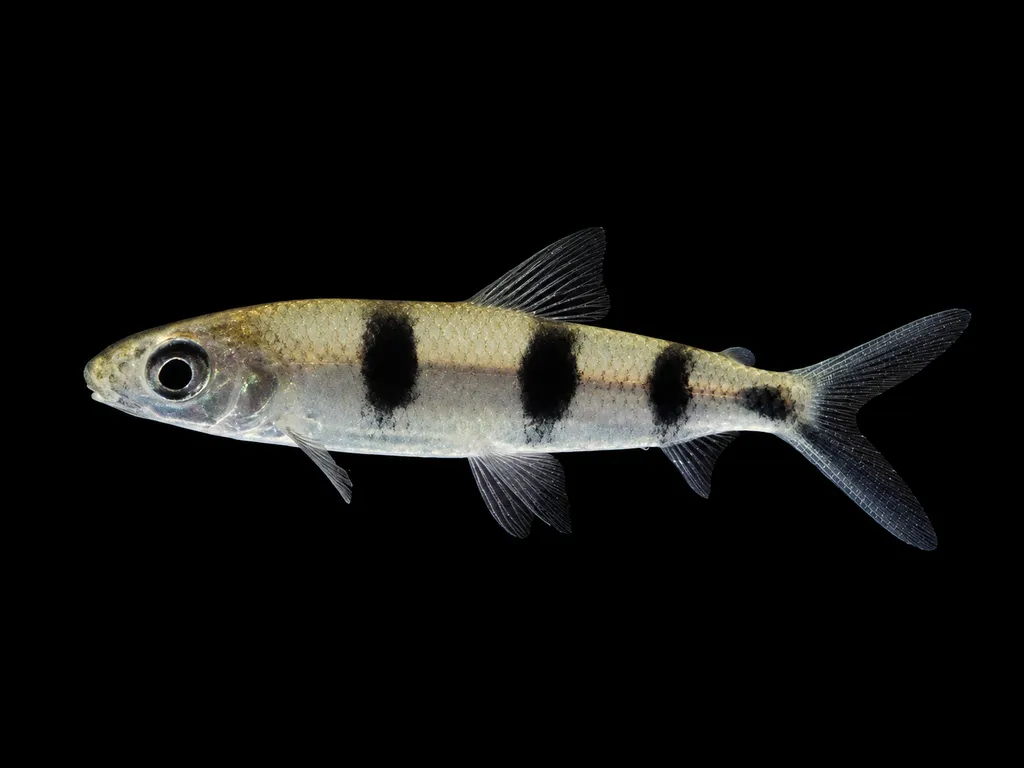
Hemiodus quadrimaculatus
Also known as Barred hemiodus
FreshwaterFish
Care at a glance
- Temperature
- 75–82°F
- 24–28°C
- pH
- 5.5–7.0
- Adult size
- 6.3 in
- 16 cm
- Minimum tank
- 106 gal
- 400 L
- Temperament
- Peaceful
- Social behavior
- Schooling
- Swim level
- Middle
- Diet
- Omnivore
- Difficulty
- Medium
- Breeding
- No record
- Rarity
- Rare
- Family
- Hemiodontidae
- Origin
- Guiana Shield rivers
Overview
The fourspot hemiodus is an active, open-water schooling characin for the middle of a long tank. It is best for a keeper past the beginner stage.
Did you know
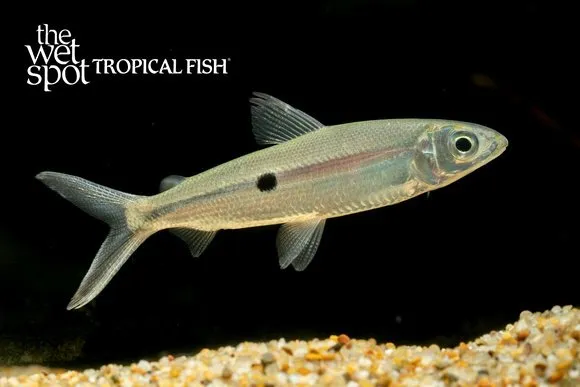
The species name of the fourspot hemiodus, quadrimaculatus, means four-spotted. It is a nod to the dark marks along its silver side.
Caring for the fourspot hemiodus
A group of fourspot hemiodus needs a long tank of around 106 gal (400 L) or more. Give it a sandy floor and open swimming lanes, which matter more than heavy planting for a fish built to cruise. It is a strong jumper that can leap clear of the water, so a tight, well-fitted lid is essential.
Keep the water soft and warm, at 75 to 82°F (24 to 28°C), with a pH of 5.5 to 7.0. Add some water movement and keep oxygen levels high.
Like others in its family, it is a daytime grazer and micro-feeder rather than a predator. It takes both greens and meaty foods. Offer sinking vegetable flake or blanched vegetables alongside frozen bloodworm and daphnia.
Keep it in a group of six or more, since single fish turn nervous and skittish. It is a peaceful, fast swimmer, so choose calm, similarly active companions rather than slow or tiny fish it might unsettle. Its breeding has not been recorded in aquaria.
Good to know
Hemiodus quadrimaculatus belongs to Hemiodontidae, the halftooths, a South American family of streamlined open-water characins. Imports are wild-caught adults.
In the wild
The fourspot hemiodus lives in clear, flowing rivers of the Guiana Shield. It moves in shoals over sand in open, well-oxygenated water.
Weekly picks
Tank mates
The fourspot hemiodus is a peaceful, schooling species that keeps to the middle. These picks share a community profile with it, are safe together in both directions, and overlap on water type, temperature and pH.
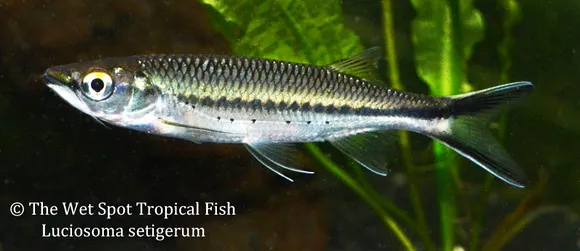
Apollo shark minnow
Luciosoma setigerum
Freshwater11.8 in (30 cm) · 106 gal (400 L)72–81°F (22–27°C)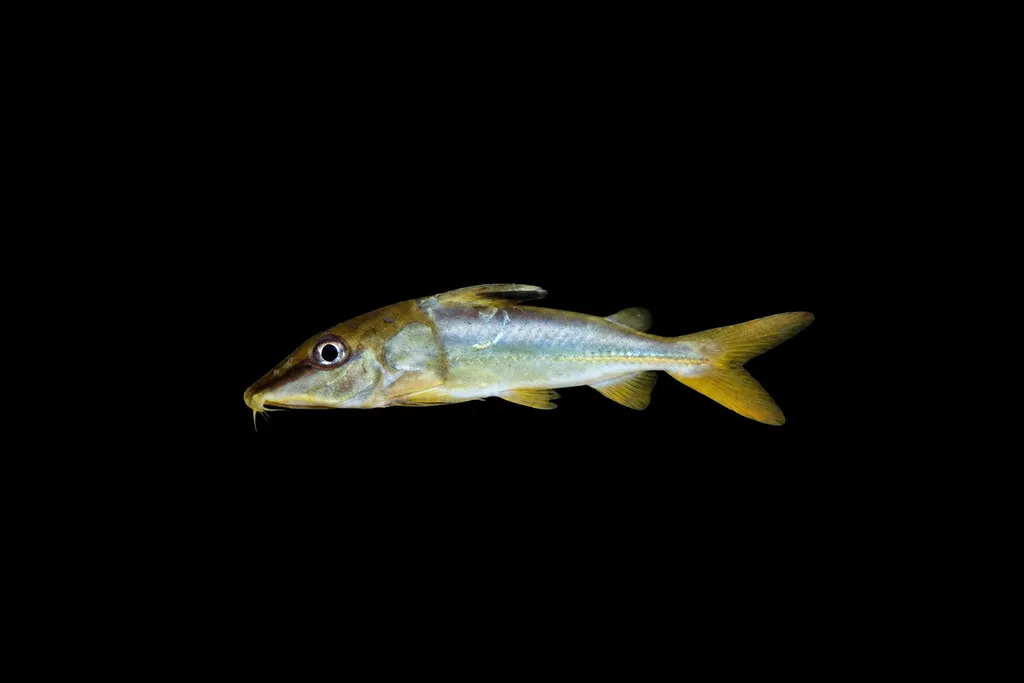
Wilder's mouse catfish
Hassar wilderi
Freshwater9.8 in (25 cm) · 106 gal (400 L)73–82°F (23–28°C)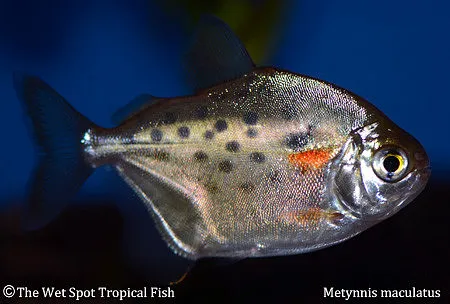
Spotted metynnis
Metynnis maculatus
Freshwater7.1 in (18 cm) · 92 gal (350 L)73–82°F (23–28°C)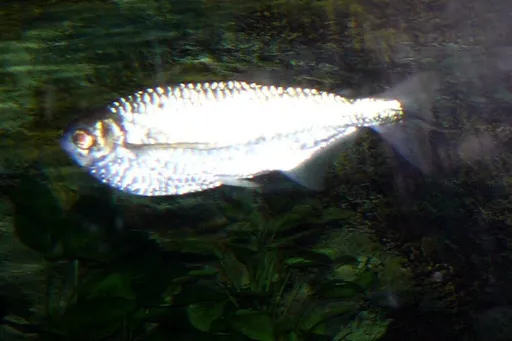
Narrow hatchetfish
Triportheus angulatus
Freshwater9.8 in (25 cm) · 79 gal (300 L)73–82°F (23–28°C)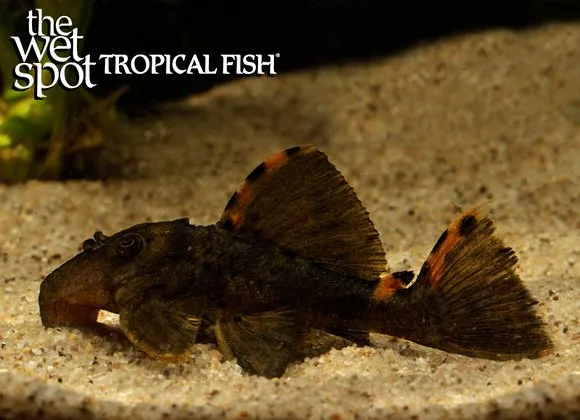
Three beacon pleco
Leporacanthicus triactis
Freshwater11 in (28 cm) · 106 gal (400 L)79–86°F (26–30°C)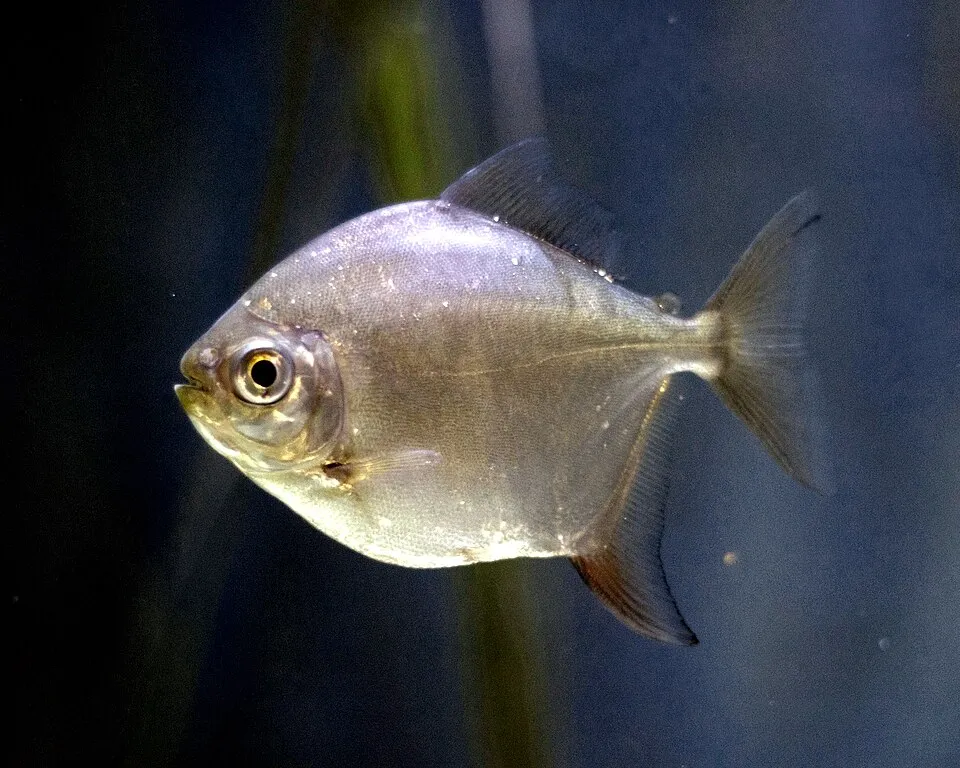
Silver dollar
Metynnis argenteus
Freshwater5.9 in (15 cm) · 70 gal (265 L)75–82°F (24–28°C)
Common questions
What size tank does a fourspot hemiodus need?
A fourspot hemiodus needs at least 106 gal (400 L). It spends most of its time in the middle.
What temperature and pH does a fourspot hemiodus need?
A fourspot hemiodus is comfortable at 75–82°F (24–28°C) with a pH of 5.5–7.0.
What does a fourspot hemiodus eat?
A fourspot hemiodus takes both greens and meaty foods. Offer sinking vegetable flake or blanched vegetables alongside frozen bloodworm and daphnia.
How big does a fourspot hemiodus get?
An adult fourspot hemiodus reaches about 6.3 in (16 cm).
Does a fourspot hemiodus need a group?
Yes. A fourspot hemiodus is a schooling species and should be kept in a group, not singly.
How does a fourspot hemiodus breed?
The fourspot hemiodus has no recorded breeding in aquaria.
Related species
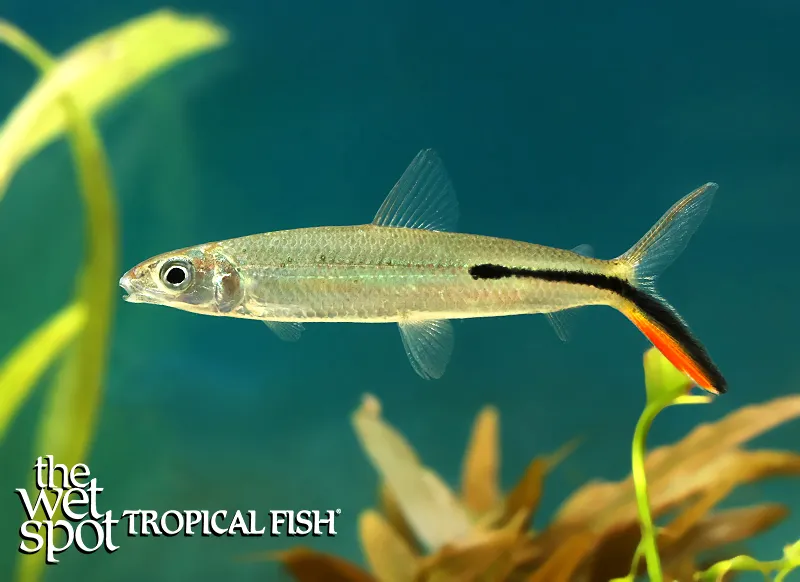 7.1 in (18 cm)66 gal (250 L)73–82°F (23–28°C)
Slender hemiodus
Hemiodus gracilis
7.1 in (18 cm) · 66 gal (250 L)
 11 in (28 cm)159 gal (600 L)75–84°F (24–29°C)
Smallscale hemiodus
Hemiodus microlepis
11 in (28 cm) · 159 gal (600 L)
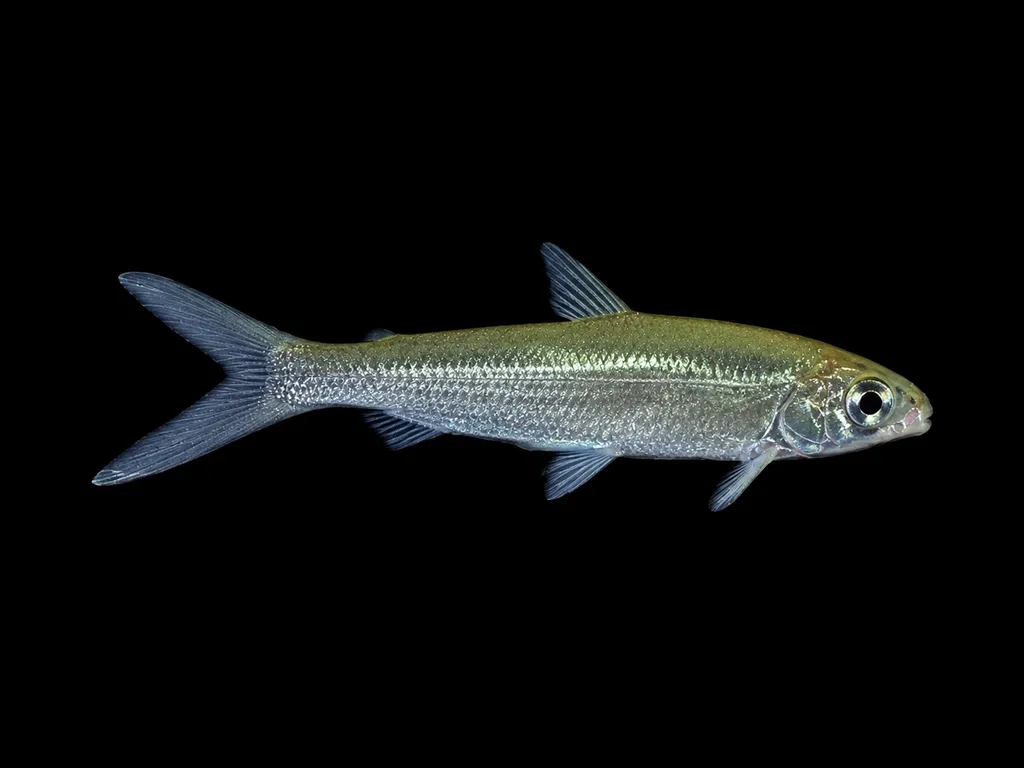
- 11.8 in (30 cm)159 gal (600 L)75–84°F (24–29°C)
False hemiodus
Argonectes longiceps
11.8 in (30 cm) · 159 gal (600 L)
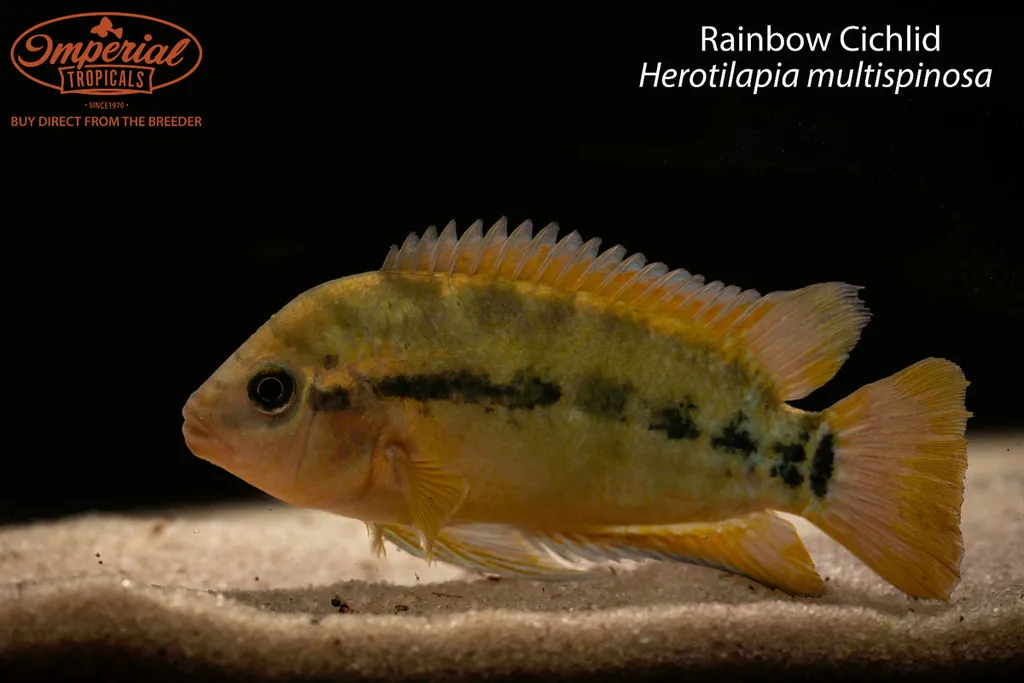
 7.5 in (19 cm)106 gal (400 L)75–84°F (24–29°C)
Fowler's hemiodus
Bivibranchia fowleri
7.5 in (19 cm) · 106 gal (400 L)
 6.3 in (16 cm)26 gal (100 L)72–82°F (22–28°C)
Rainbow cichlid
Herotilapia multispinosa
6.3 in (16 cm) · 26 gal (100 L)
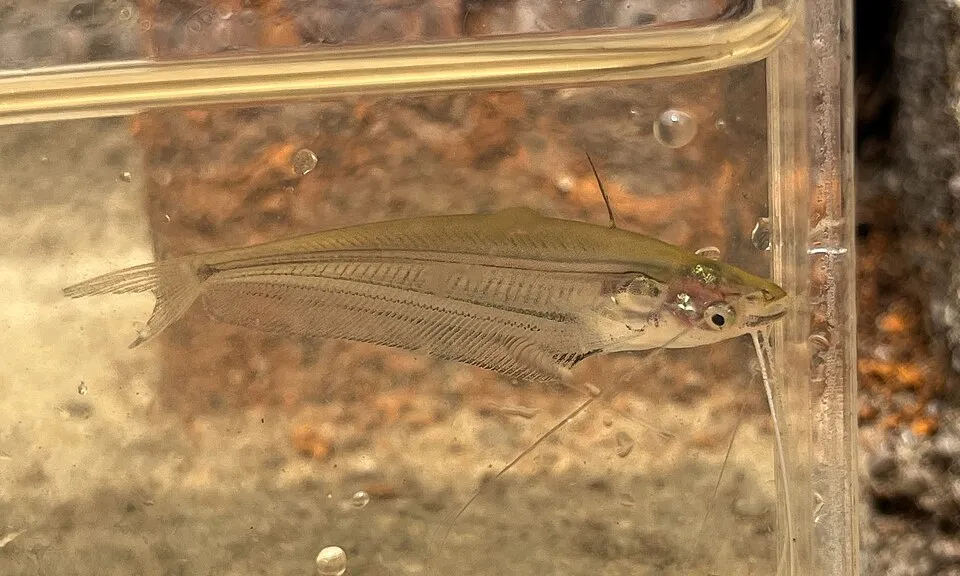 6.5 in (16.5 cm)45 gal (170 L)70–82°F (21–28°C)
Borneo glass catfish
Ompok eugeneiatus
6.5 in (16.5 cm) · 45 gal (170 L)