Ogilbie's osteobrama
Rohtee ogilbii
Also known as Vatani, Deccan osteobrama
FreshwaterFish
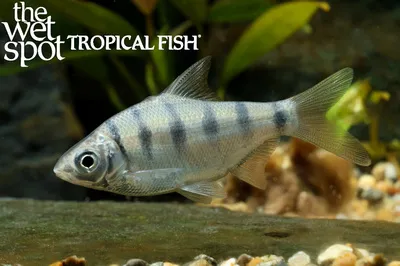
Care at a glance
- Temperature
- 68–81°F
- 20–27°C
- pH
- 6.5–7.8
- Adult size
- 7.9 in
- 20 cm
- Minimum tank
- 66 gal
- 250 L
- Temperament
- Peaceful
- Social behavior
- Schooling
- Swim level
- Middle
- Diet
- Omnivore
- Difficulty
- Medium
- Breeding
- No record
- Rarity
- Rare
- Family
- Cyprinidae
- Origin
- Krishna and Godavari basins, peninsular India
Overview
The Ogilbie's osteobrama is a peaceful, active schooling cyprinid that flashes bright on the turn. It swims in the middle water of a long river tank and suits a keeper past the beginner stage.
Did you know
The Ogilbie's osteobrama is the only species in its genus, a one-of-a-kind minnow from the rivers of the Deccan. Since its first description in 1839, it has been shuffled between several genera and never comfortably grouped with close relatives.
Caring for the Ogilbie's osteobrama
Keep the Ogilbie's osteobrama in a group of at least six, with no upper limit, since it feels safest in a shoal. Being a fast, larger fish, it needs a long tank of 66 gal (250 L) or more. Give it a river-style layout with open swimming space, sand or fine gravel, some water-worn rock, driftwood and steady flow.
It tolerates a fairly wide range, doing well at 68 to 81°F (20 to 27°C) with a pH of 6.5 to 7.8. Clean, oxygen-rich, moving water keeps this active fish in condition. It is an unfussy omnivore that takes flakes, sinking pellets, and frozen foods like bloodworm and brine shrimp.
The Ogilbie's osteobrama is peaceful and mixes easily with other calm river fish of similar size. Larger danios, rasboras, and peaceful barbs and loaches make good company. Its breeding habits in the wild are poorly documented, and it is not known to have been bred in aquariums.
Good to know
Rohtee ogilbii is a cyprinid in the family Cyprinidae. Its deep, flattened, bream-like body gives it its trade names. It is silver, with a sharp keel along the belly.
In the wild
The Ogilbie's osteobrama lives in rivers of peninsular India, in the Krishna and Godavari systems that drain the Western Ghats.
Weekly picks
Tank mates
The Ogilbie's osteobrama is a peaceful, schooling species that keeps to the middle. These picks share a community profile with it, are safe together in both directions, and overlap on water type, temperature and pH.
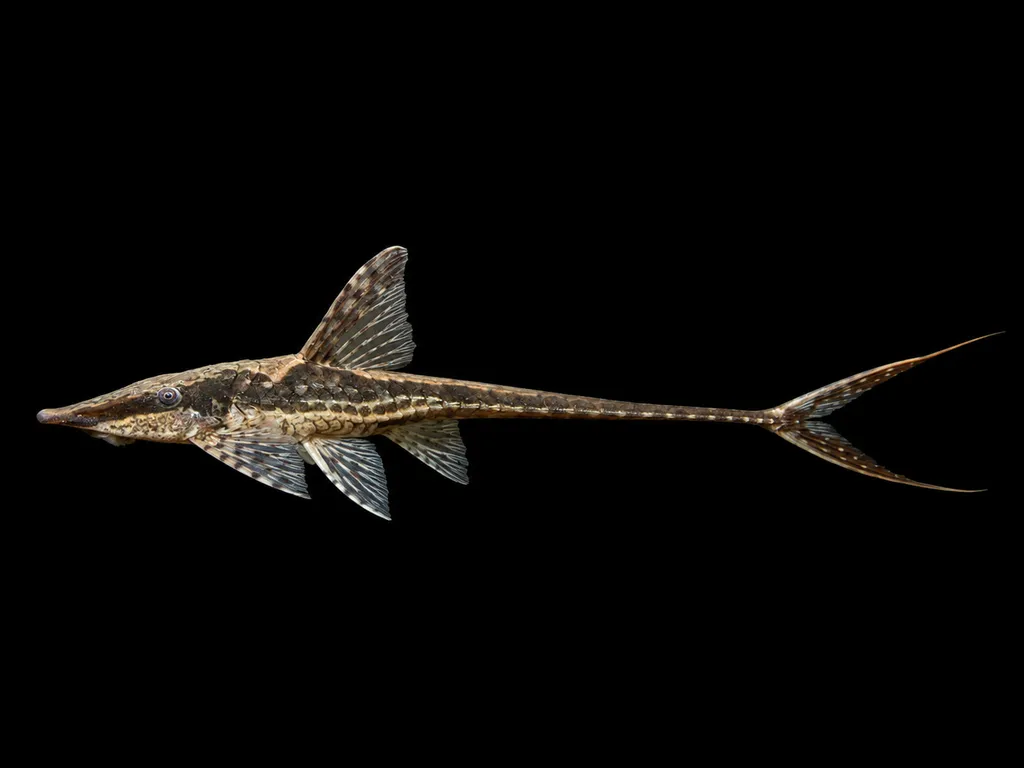
Peruvian royal whiptail
Sturisoma nigrirostrum
Freshwater8.7 in (22 cm) · 66 gal (250 L)75–82°F (24–28°C)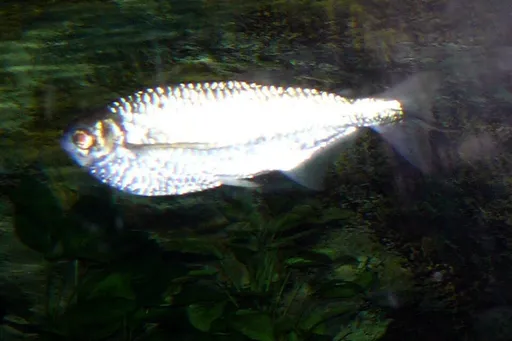
Narrow hatchetfish
Triportheus angulatus
Freshwater9.8 in (25 cm) · 79 gal (300 L)73–82°F (23–28°C)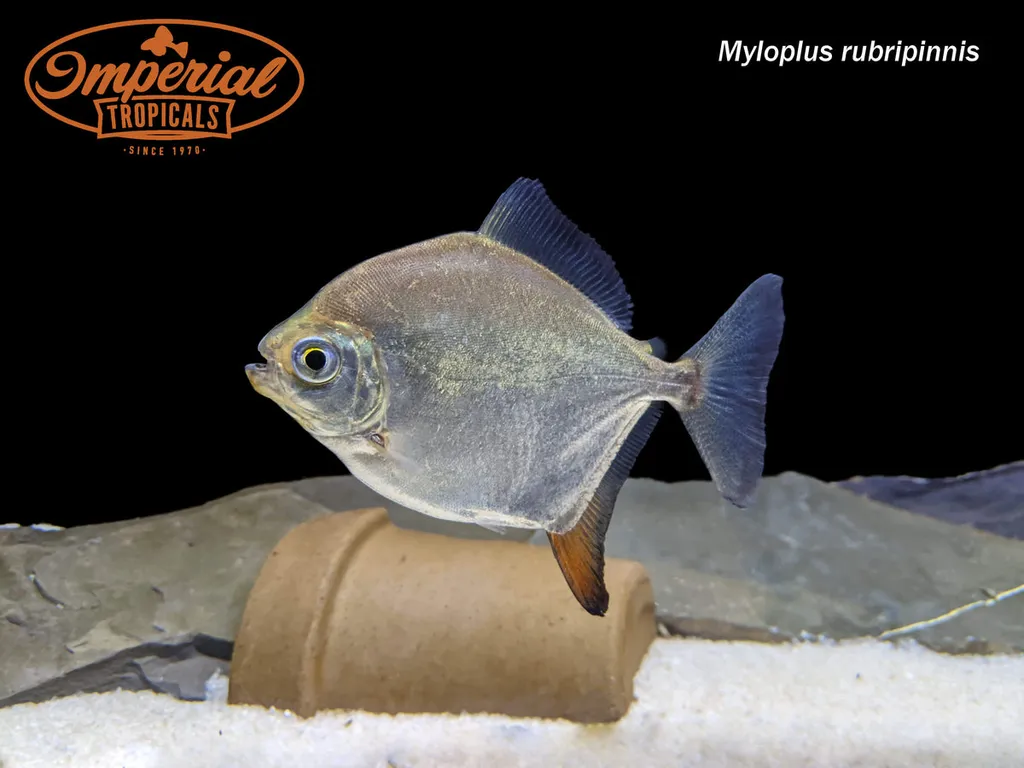
Redhook
Myloplus rubripinnis
Freshwater9.8 in (25 cm) · 70 gal (265 L)73–81°F (23–27°C)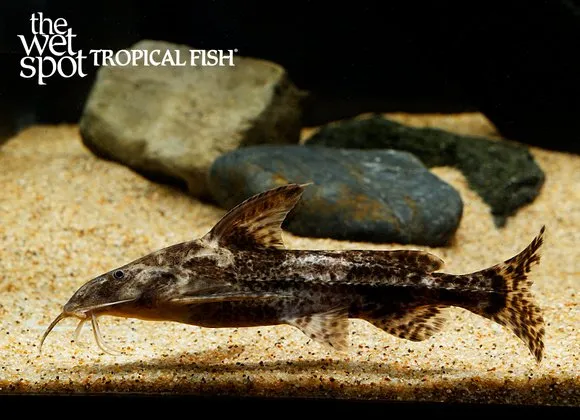
Gallagher's catfish
Rhinodoras gallagheri
Freshwater5.9 in (15 cm) · 70 gal (265 L)73–82°F (23–28°C)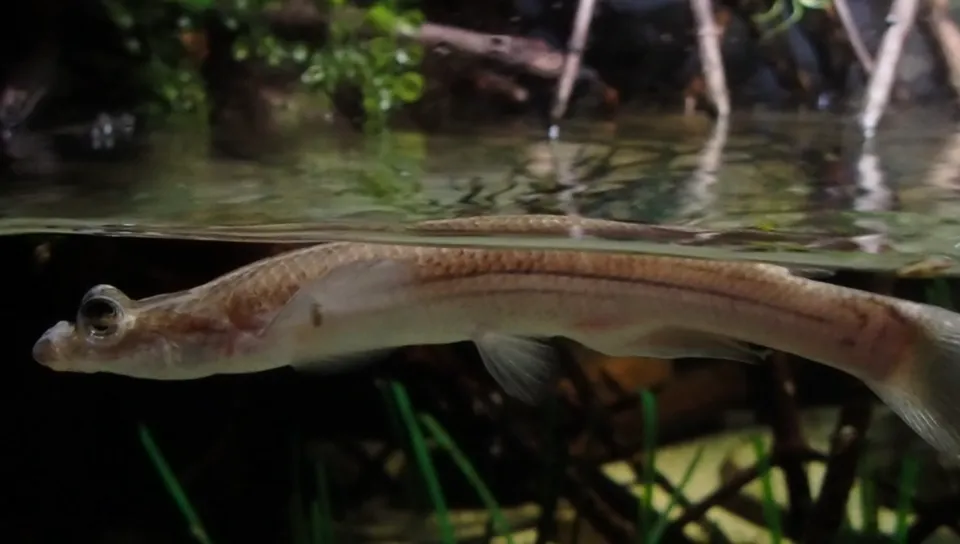
Largescale four-eyed fish
Anableps anableps
FreshwaterBrackish11.8 in (30 cm) · 70 gal (265 L)77–88°F (25–31°C)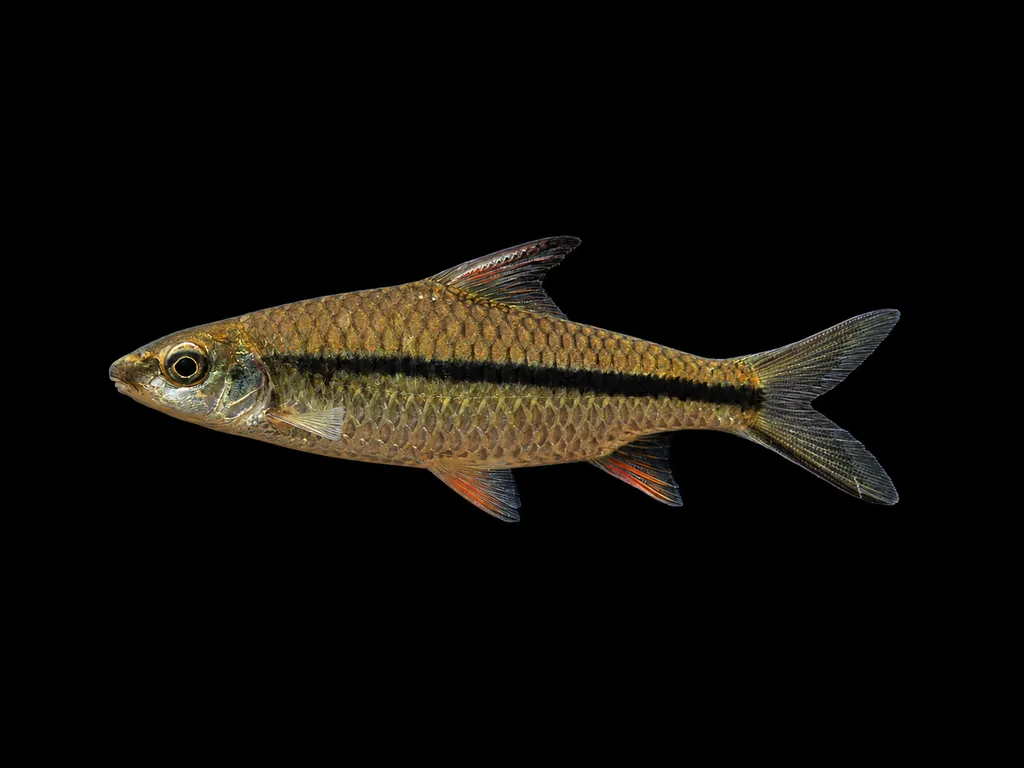
Blackline poropuntius barb
Poropuntius melanogrammus
Freshwater7.9 in (20 cm) · 66 gal (250 L)64–77°F (18–25°C)
Common questions
What size tank does an Ogilbie's osteobrama need?
An Ogilbie's osteobrama needs at least 66 gal (250 L). It spends most of its time in the middle.
What temperature and pH does an Ogilbie's osteobrama need?
An Ogilbie's osteobrama is comfortable at 68–81°F (20–27°C) with a pH of 6.5–7.8.
What does an Ogilbie's osteobrama eat?
An Ogilbie's osteobrama is an unfussy omnivore. It takes flakes, sinking pellets, and frozen foods like bloodworm and brine shrimp.
How big does an Ogilbie's osteobrama get?
An adult Ogilbie's osteobrama reaches about 7.9 in (20 cm).
Does an Ogilbie's osteobrama need a group?
Yes. An Ogilbie's osteobrama is a schooling species and should be kept in a group, not singly.
Related species
 7.9 in (20 cm)66 gal (250 L)72–82°F (22–28°C)
Beardless barb
Cyclocheilichthys apogon
7.9 in (20 cm) · 66 gal (250 L)
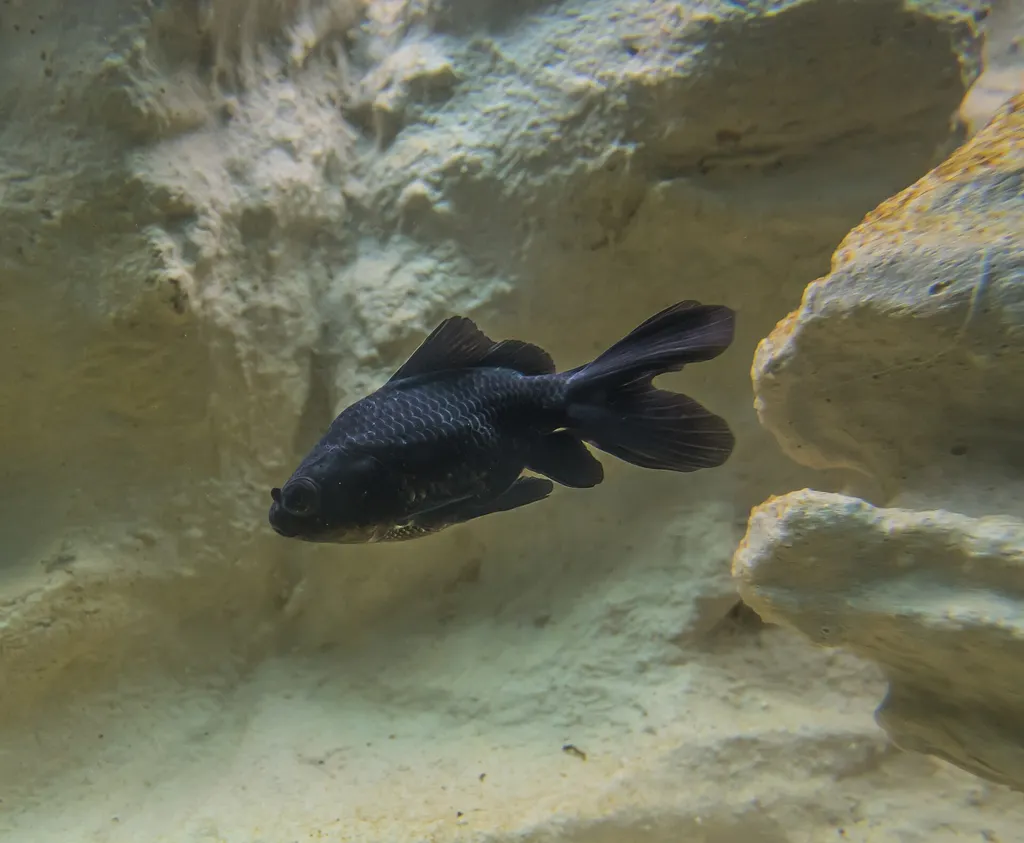 7.9 in (20 cm)25 gal (95 L)61–75°F (16–24°C)
Black moor
Carassius auratus
7.9 in (20 cm) · 25 gal (95 L)
- 7.9 in (20 cm)66 gal (250 L)64–77°F (18–25°C)
Blackline poropuntius barb
Poropuntius melanogrammus
7.9 in (20 cm) · 66 gal (250 L)
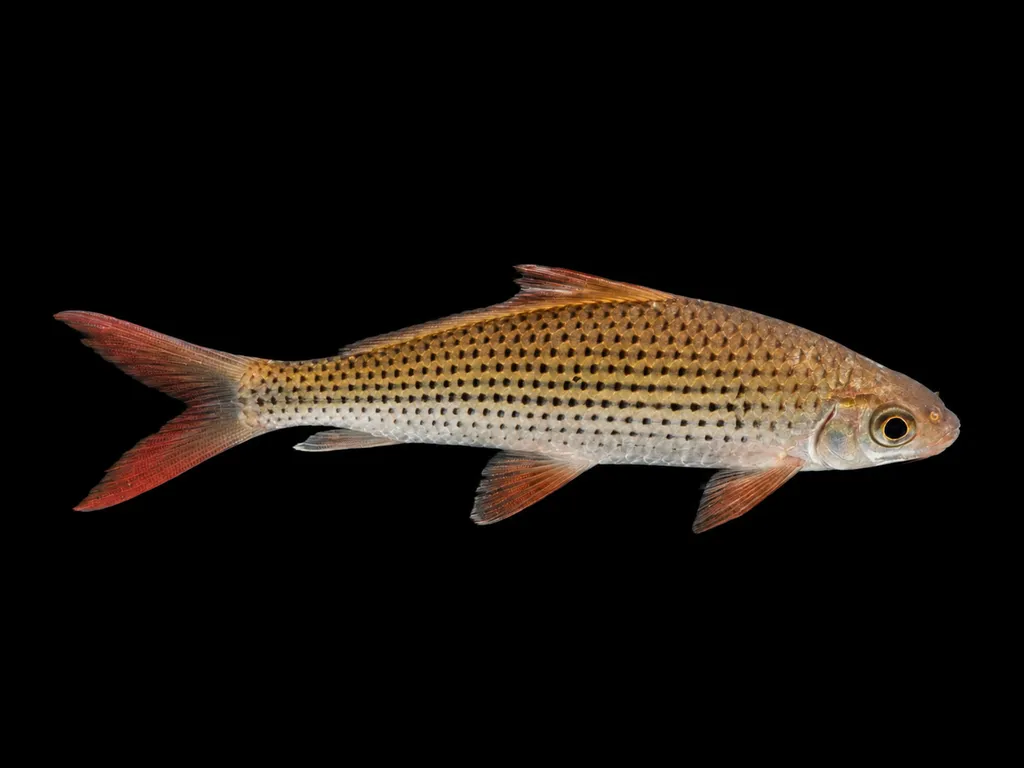 7.9 in (20 cm)66 gal (250 L)73–82°F (23–28°C)
Festive sharkminnow barb
Labiobarbus festivus
7.9 in (20 cm) · 66 gal (250 L)
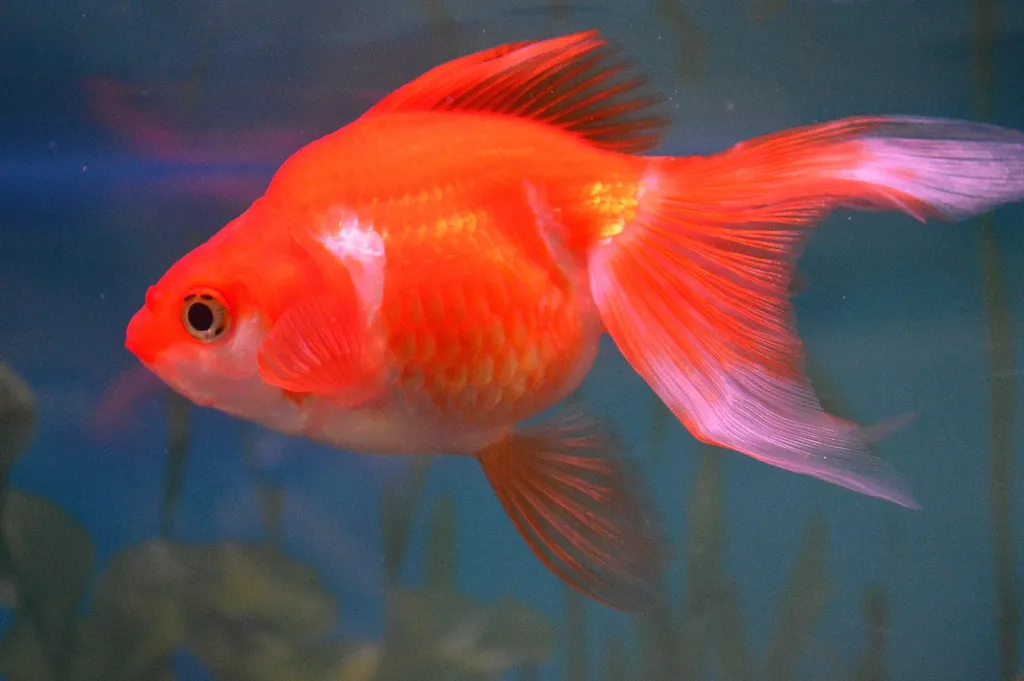 7.9 in (20 cm)25 gal (95 L)61–73°F (16–23°C)
Ryukin
Carassius auratus
7.9 in (20 cm) · 25 gal (95 L)
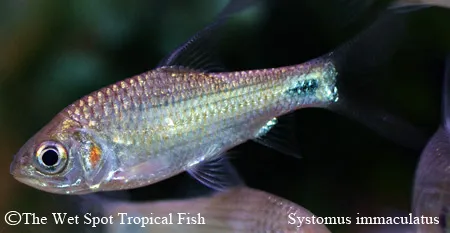 7.5 in (19 cm)66 gal (250 L)72–81°F (22–27°C)
Immaculate barb
Systomus immaculatus
7.5 in (19 cm) · 66 gal (250 L)