Variety of Goldfish
Shubunkin
Carassius auratus
One of 12 varieties of Carassius auratus · See all varieties →
Also known as Calico goldfish, London shubunkin, Bristol shubunkin, Harlequin goldfish
FreshwaterFish
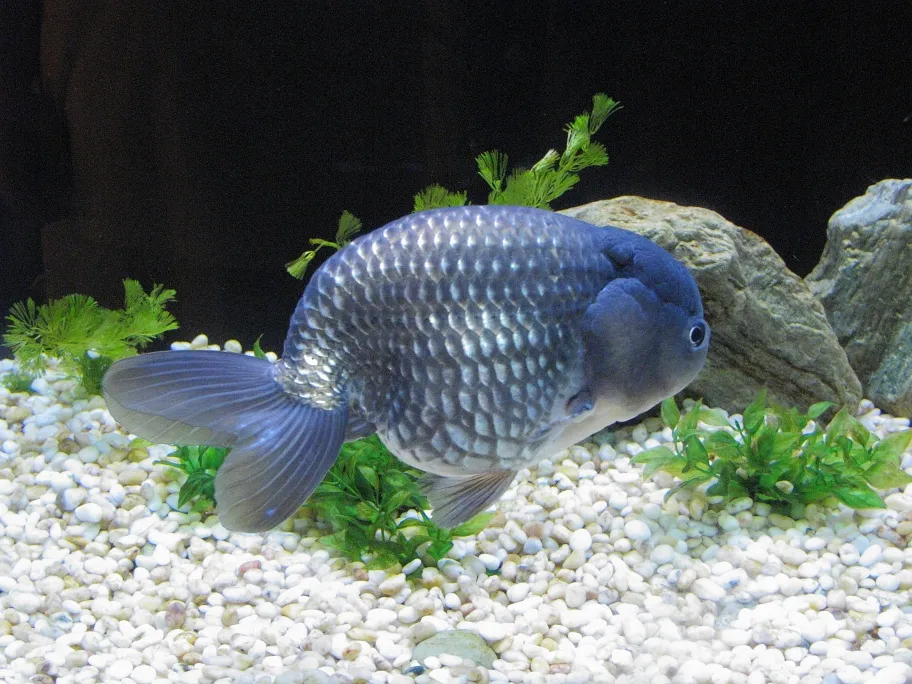
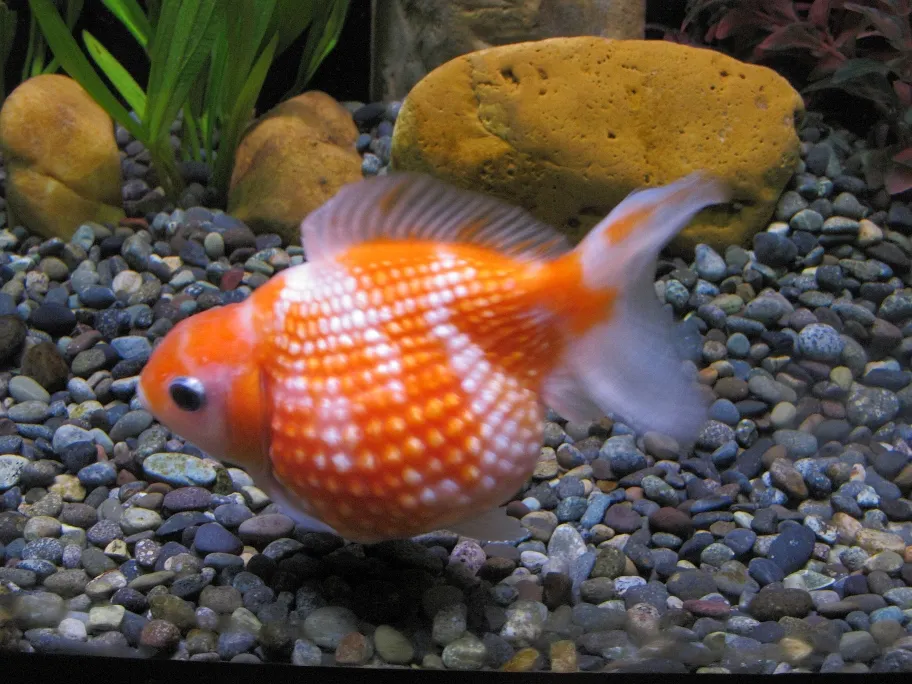
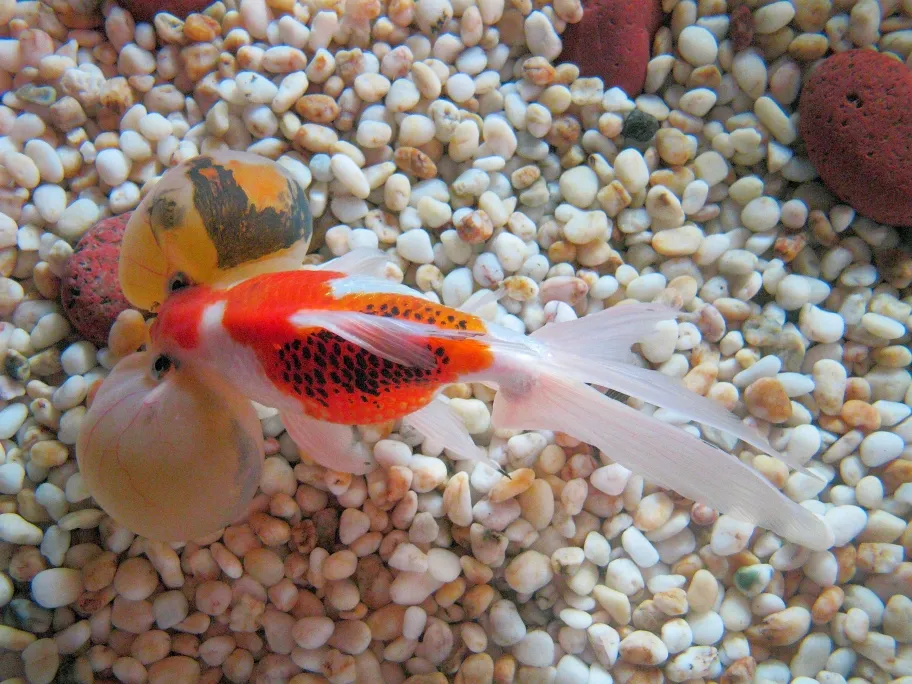
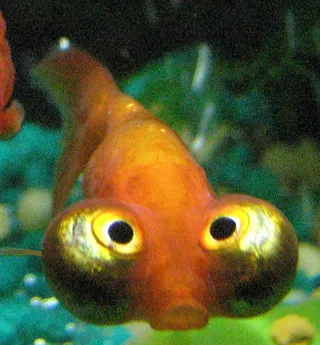
Varieties · Carassius auratus
See all 12 →
Care at a glance
- Temperature
- 39–75°F
- 4–24°C
- pH
- 6.5–8.0
- Adult size
- 11.8 in
- 30 cm
- Minimum tank
- 50 gal
- 190 L
- Temperament
- Peaceful
- Social behavior
- Social
- Tankmates
- With caution
- Swim level
- Middle
- Diet
- Omnivore
- Difficulty
- Easy
- Breeding
- Medium
- Rarity
- Very common
- Family
- Cyprinidae
- Origin
- A hardy single tailed pond goldfish developed in Japan from domesticated Carassius auratus, whose wild form lives in slow freshwater across East Asia.
Overview
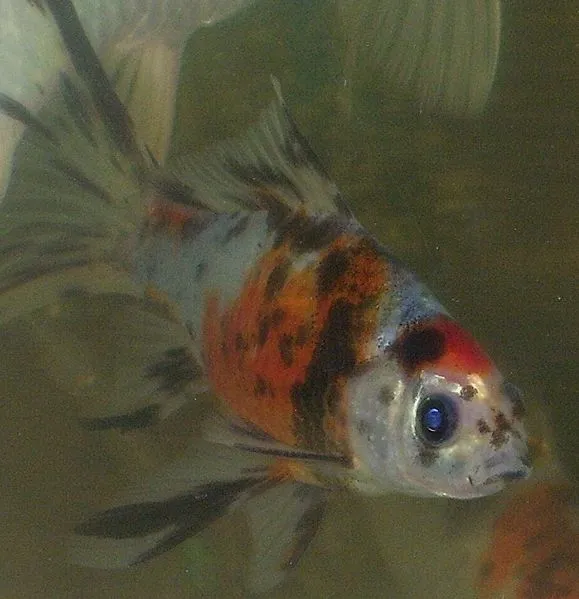
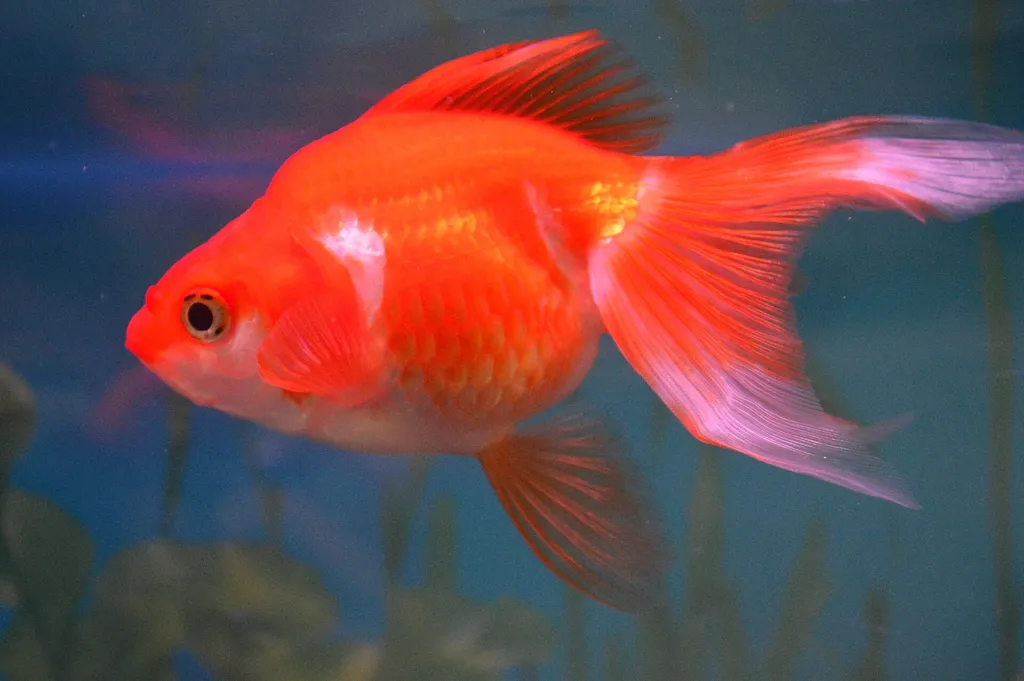
The shubunkin is a hardy, single-tailed goldfish with a slim, streamlined body and calico coloring. It is really a pond fish, and it is easy to keep given room to swim.
Did you know
A healthy shubunkin in a pond can live 15 to 20 years.
Caring for the shubunkin
Shubunkins grow large and are strong, fast swimmers, so they need a pond or a very large tank. Give them at least 50 gal (190 L), with much more for a group.
They handle 39 to 75°F (4 to 24°C) at a pH of 6.5 to 8.0, doing best in cool water. A shubunkin can overwinter outdoors where the ice does not freeze solid. It keeps its calico colors brightest in cooler, well lit water.
Feed a staple goldfish pellet with vegetables and occasional live or frozen foods. A goldfish has no stomach, so food passes through it quickly.
Shubunkins are peaceful and social, and they want the company of their own kind. Keep them with other single-tailed goldfish like comets, not with slow fancies they will outcompete. They are moderately hard to breed.
Good to know
The shubunkin comes in London and Bristol forms, which differ in tail shape. Its calico coloring is a mottled blend of blue, red, black and white over pearly scales. That pattern comes from a mix of metallic and transparent, nacreous scales. It is the same species as the common goldfish, Carassius auratus, and is just as cold tolerant.
In the wild
The shubunkin was developed in Japan from the domesticated goldfish. Its wild form lives in slow freshwater across East Asia.
From published sources
Tank mates
Each fish here is named as a tank mate for the shubunkin by at least two published care guides. Every partner here handles cool water. The tank needs about 20 gallons (75 liters) for the first fancy goldfish and 10 gallons (38 liters) for each extra one.
Sources: Practical Fishkeeping, Aquarium Co-Op, Fishkeeping World, Aquarium Source, Tropical Fish Hobbyist.
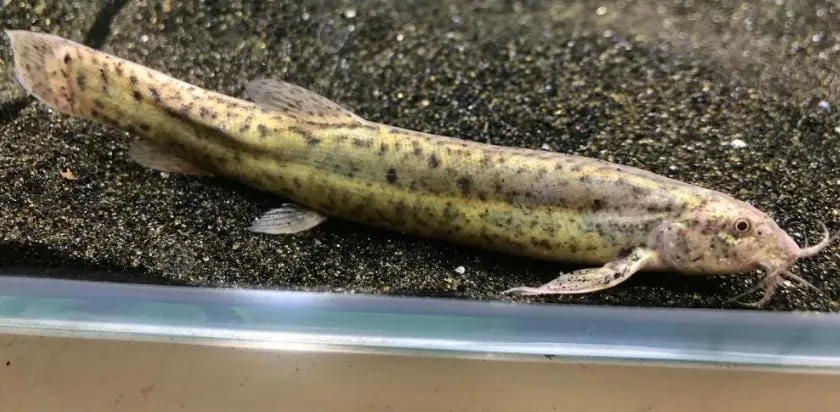
Weather loach
Misgurnus anguillicaudatus
Freshwater11 in (28 cm) · 55 gal (210 L)50–73°F (10–23°C)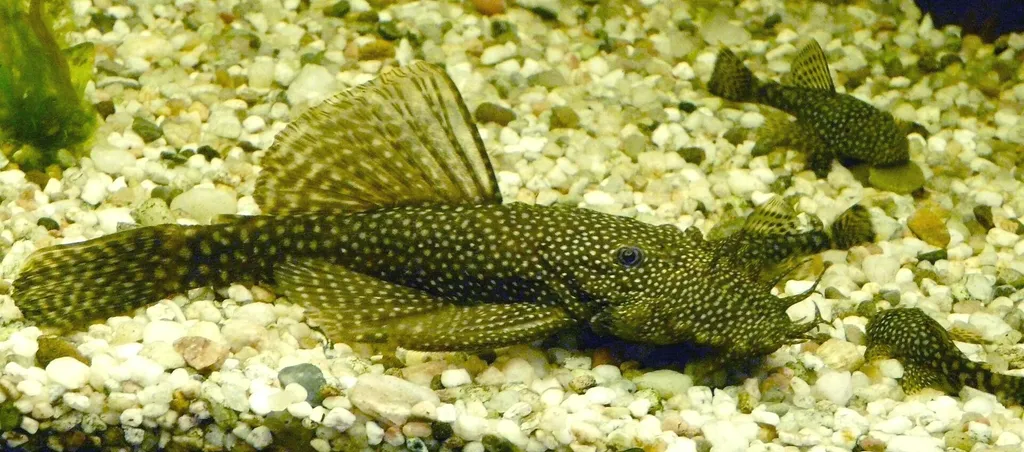
Bristlenose pleco
Ancistrus sp.
Freshwater4.9 in (12.5 cm) · 20 gal (75 L)70–79°F (21–26°C)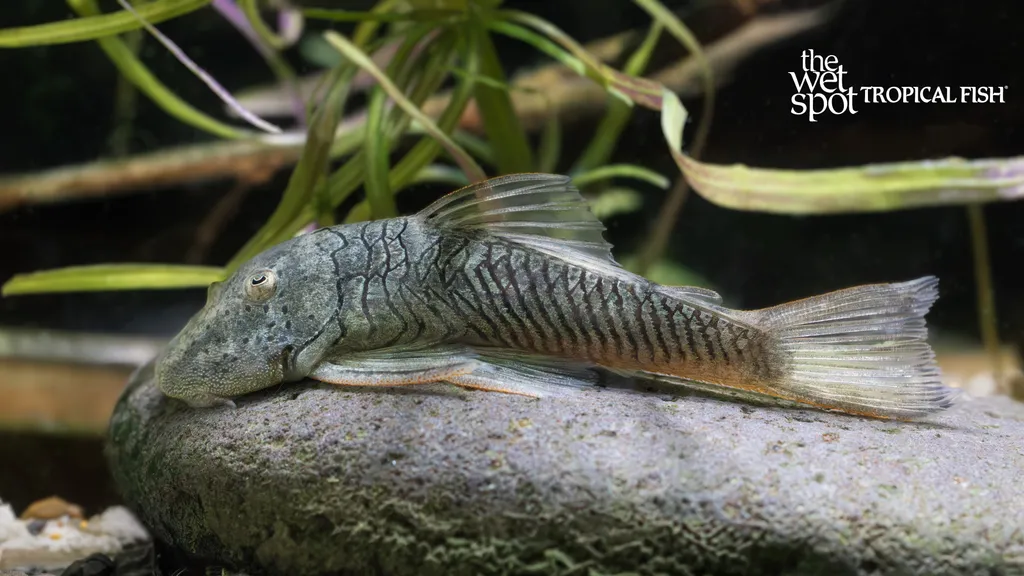
Bulldog pleco
Chaetostoma formosae
Freshwater4.3 in (11 cm) · 40 gal (150 L)68–77°F (20–25°C)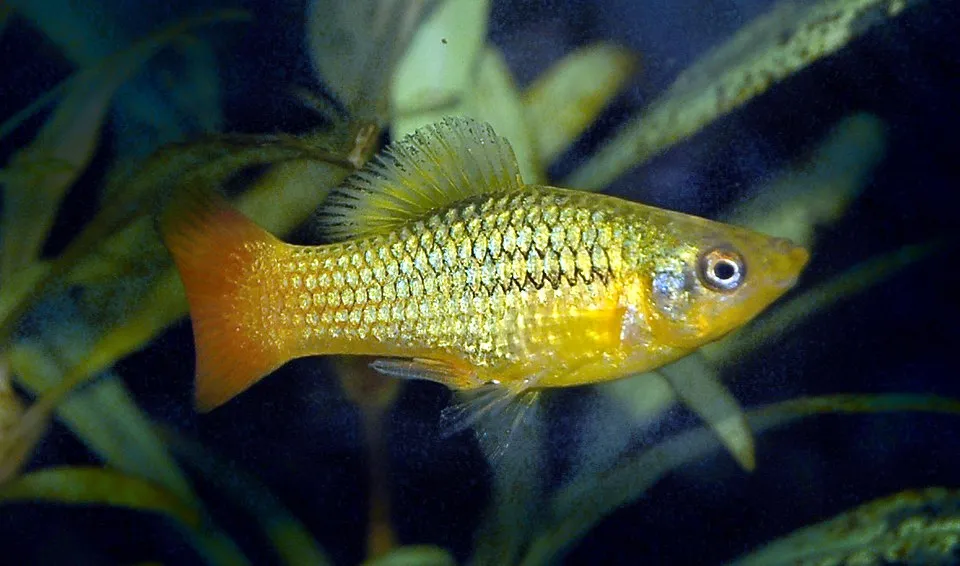
Variable platy
Xiphophorus variatus
Freshwater2.8 in (7 cm) · 15 gal (55 L)68–79°F (20–26°C)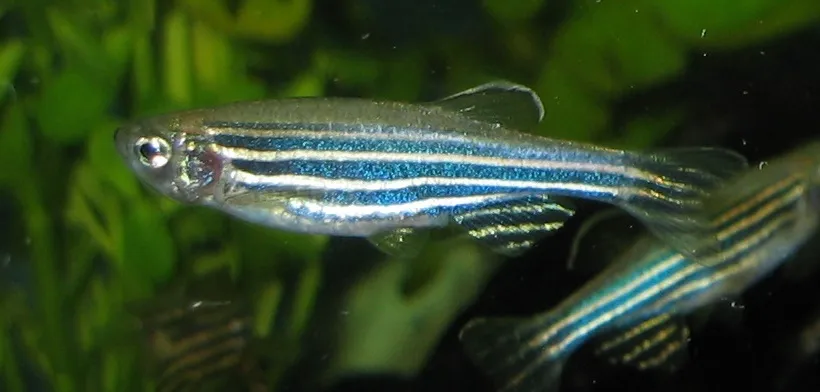
Zebra danio
Danio rerio
Freshwater2 in (5 cm) · 11 gal (41 L)64–75°F (18–24°C)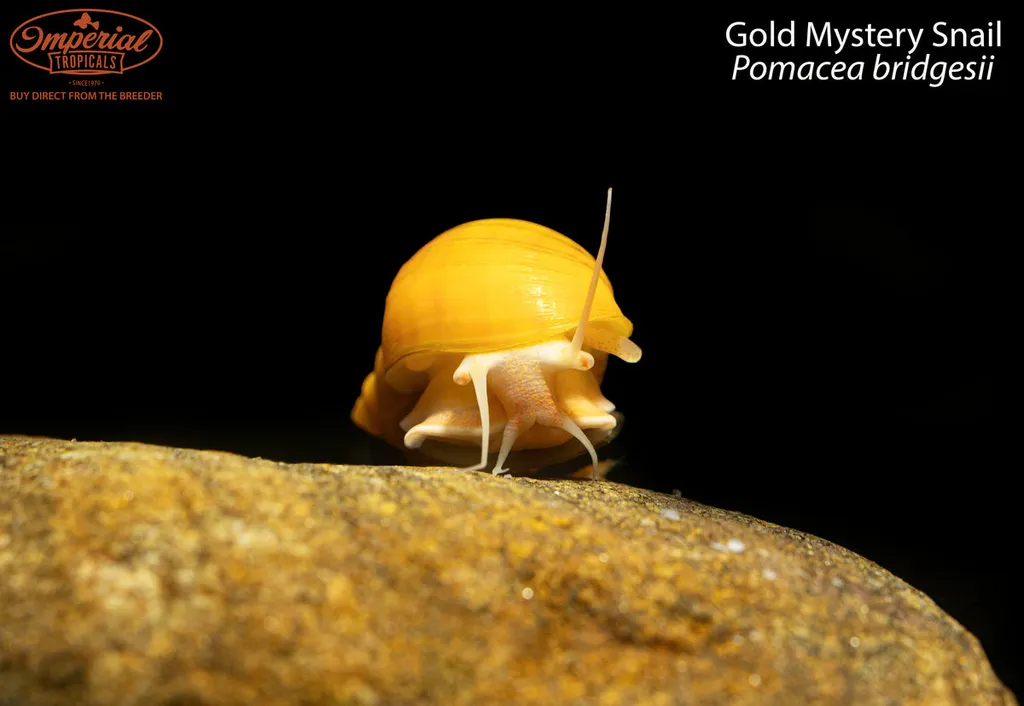
Mystery snail
Pomacea diffusa
Freshwater2 in (5 cm) · 5 gal (19 L)70–79°F (21–26°C)
Common questions
Is a shubunkin a different species from the goldfish?
No. A shubunkin is a variety of the goldfish, Carassius auratus. It is kept the same way apart from difficulty, adult size, tank size and temperature.
What size tank does a shubunkin need?
A shubunkin needs at least 50 gal (190 L). It spends most of its time in the middle.
What does a shubunkin eat?
A shubunkin eats a staple goldfish pellet, plus vegetables and occasional live or frozen foods.
How big does a shubunkin get?
An adult shubunkin reaches about 11.8 in (30 cm).
What fish can live with the shubunkin?
Published care guides name weather loach, bristlenose pleco, bulldog pleco and variable platy, among others. Every partner here handles cool water. The tank needs about 20 gallons (75 liters) for the first fancy goldfish and 10 gallons (38 liters) for each extra one.
Related species
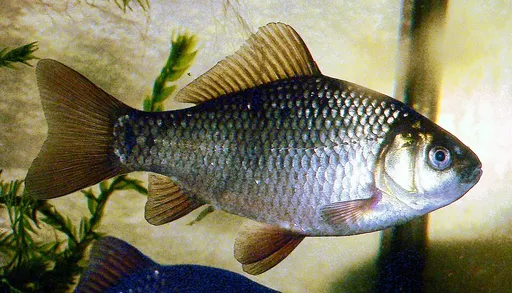 11.8 in (30 cm)119 gal (450 L)39–75°F (4–24°C)
Crucian carp
Carassius carassius
11.8 in (30 cm) · 119 gal (450 L)
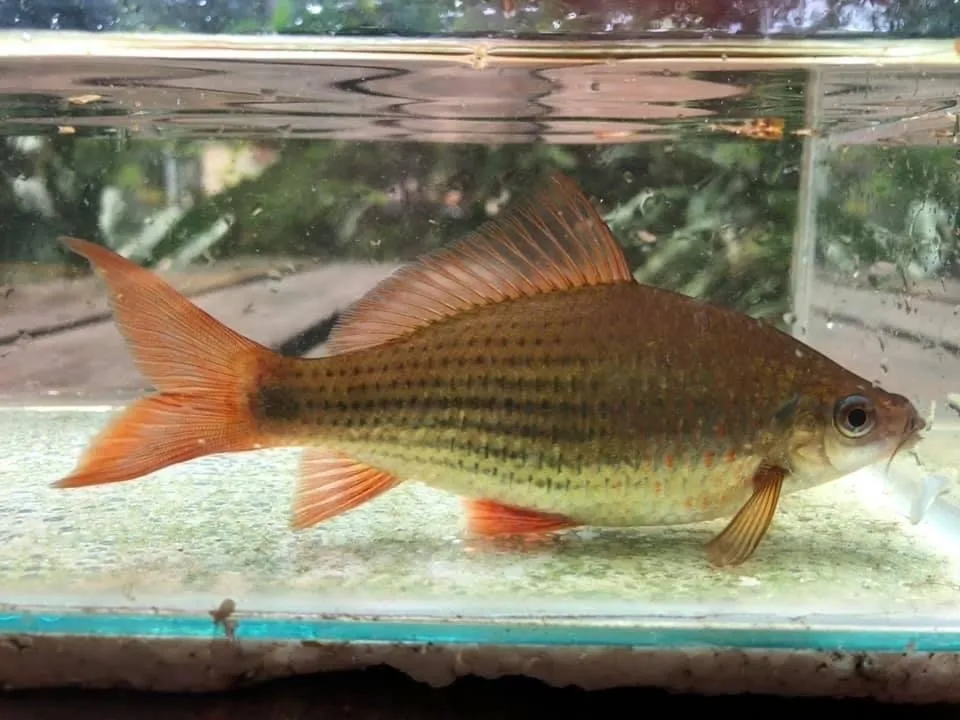 11.8 in (30 cm)106 gal (400 L)72–82°F (22–28°C)
Hard-lipped barb
Osteochilus vittatus
11.8 in (30 cm) · 106 gal (400 L)
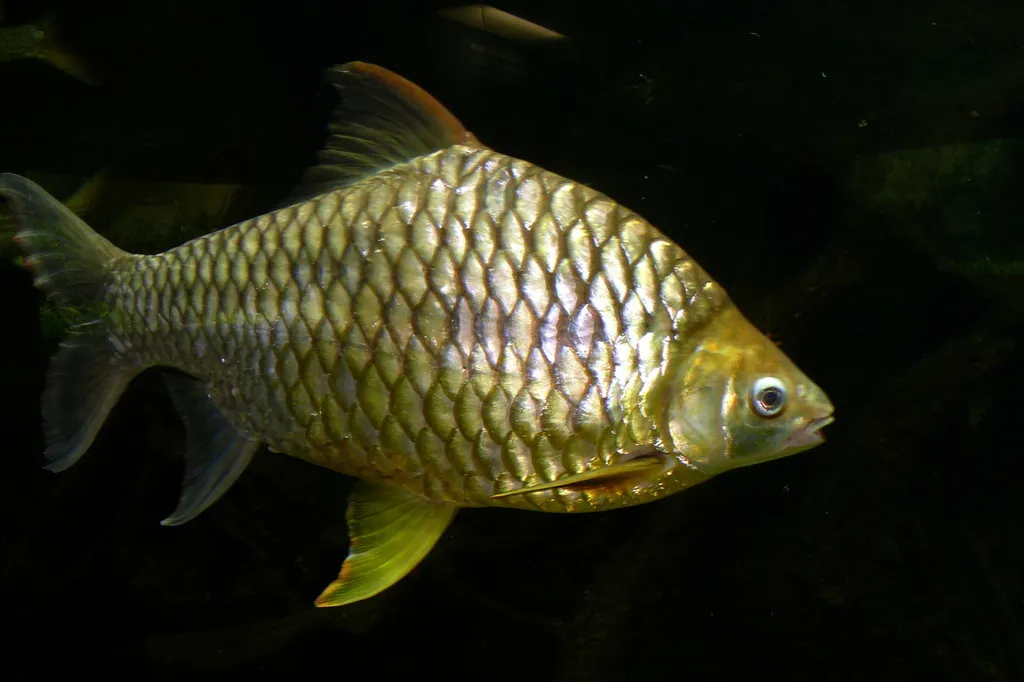 9.8 in (25 cm)106 gal (400 L)72–82°F (22–28°C)
Lemon-fin barb
Hypsibarbus wetmorei
9.8 in (25 cm) · 106 gal (400 L)
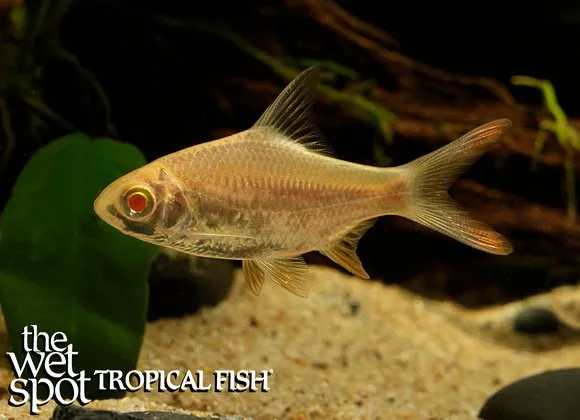 9.8 in (25 cm)106 gal (400 L)72–82°F (22–28°C)
Red-tailed tinfoil barb
Barbonymus altus
9.8 in (25 cm) · 106 gal (400 L)
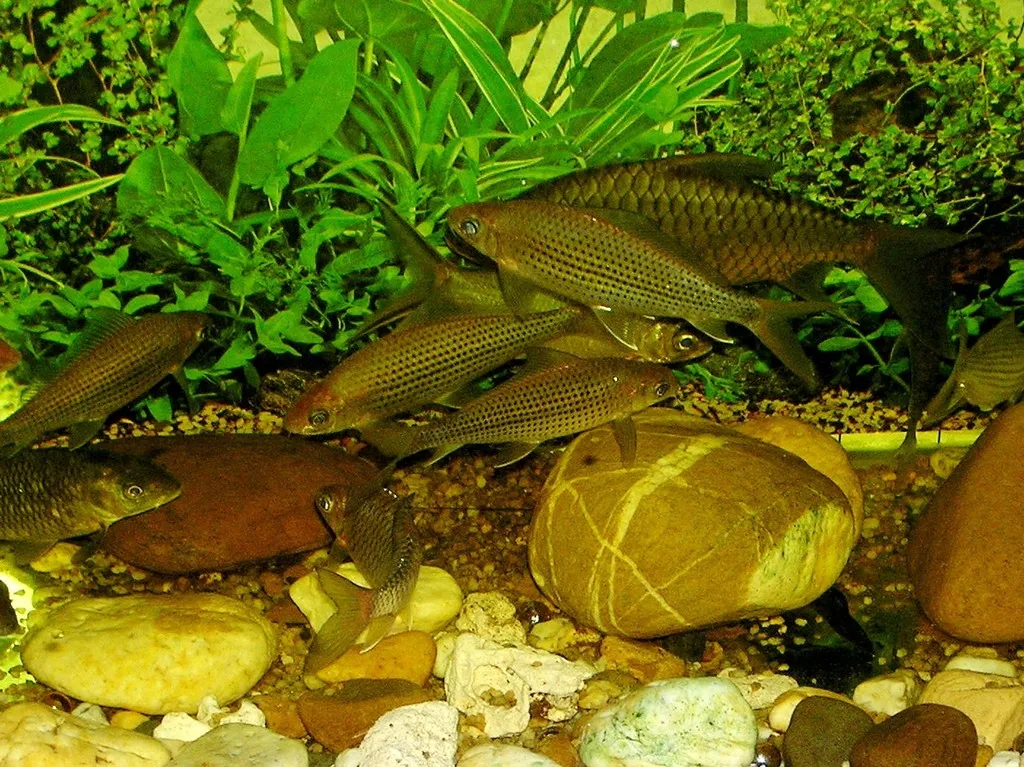 8.7 in (22 cm)66 gal (250 L)72–82°F (22–28°C)
Thinlip sharkminnow barb
Labiobarbus leptocheilus
8.7 in (22 cm) · 66 gal (250 L)
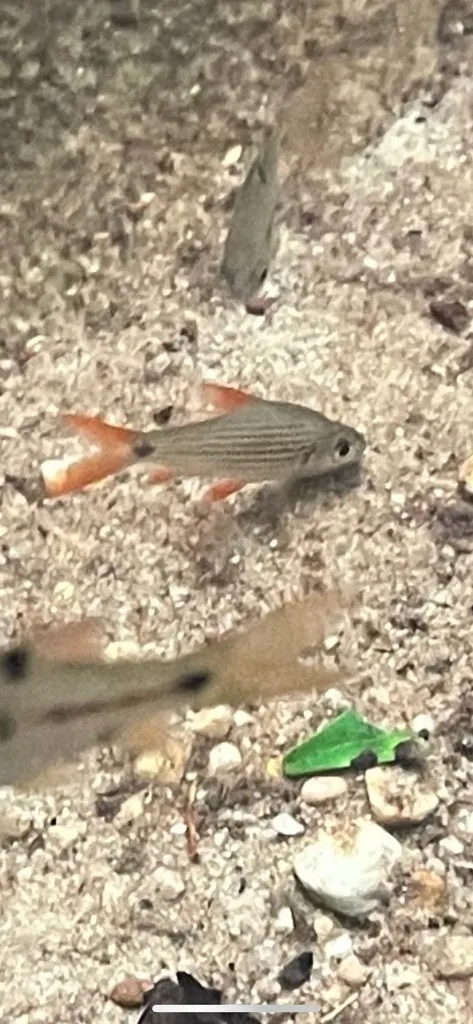 7.9 in (20 cm)66 gal (250 L)72–82°F (22–28°C)
Beardless barb
Cyclocheilichthys apogon
7.9 in (20 cm) · 66 gal (250 L)