One species · 2 varieties
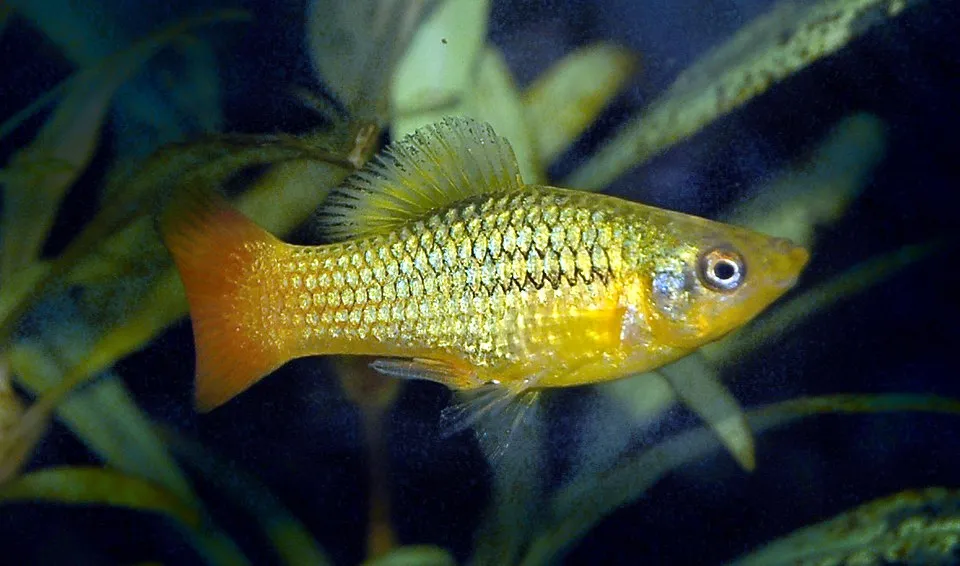
Variable platy
Xiphophorus variatus
Also known as Hawaii Variatus Platy
FreshwaterFish
Care at a glance
- Temperature
- 68–79°F
- 20–26°C
- pH
- 6.8–8.0
- Adult size
- 2.8 in
- 7 cm
- Minimum tank
- 15 gal
- 55 L
- Temperament
- Peaceful
- Social behavior
- Social
- Swim level
- Middle
- Difficulty
- Beginner
- Breeding
- Livebearer · Easy
- Rarity
- Very common
- Family
- Poeciliidae
- Origin
- Mexico
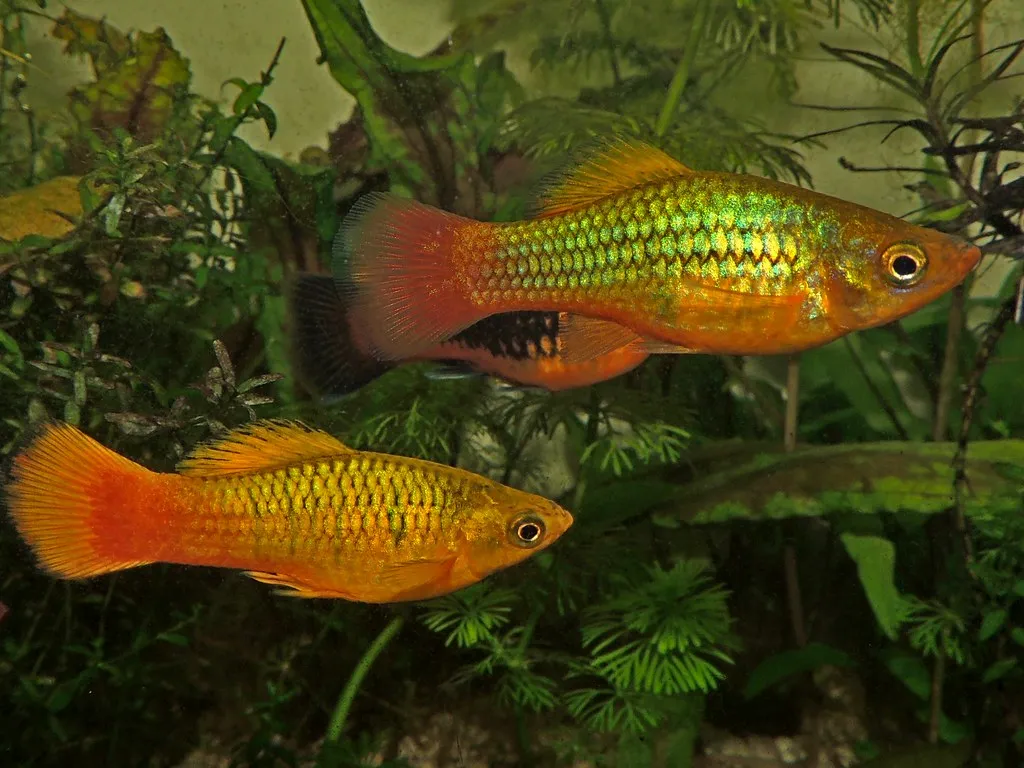
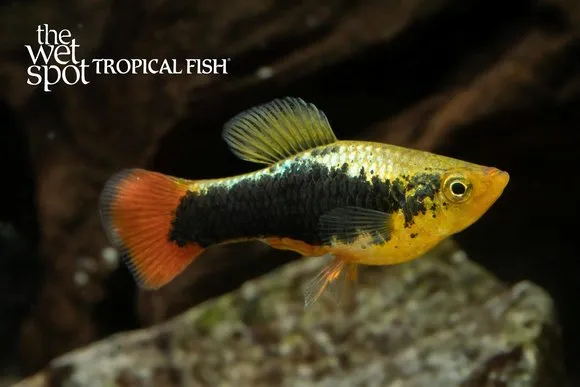
Pick a variety
One setup covers every line on this page: care is the species' care.
Overview
The variable platy is a small, peaceful livebearer for the middle of a community tank. It is easy to keep and a good first fish.
Did you know
Variable platies breed so readily that you often end up with fry without trying. A healthy female can drop a brood every month or so.
Caring for the variable platy
Keep variable platies in a group in a tank of at least 15 gal (55 L). A planted tank with open swimming room suits them, and they swim mostly in the middle of the tank.
They are easy to please as long as the water stays on the harder, more alkaline side. Keep it at 68 to 79°F (20 to 26°C) with a pH of 6.8 to 8.0.
Variable platies are not picky eaters. Feed a good flake with some vegetable matter, plus occasional frozen foods.
They are peaceful and easygoing with other community fish. Keep more females than males to spread out the males' attention. Females grow a bit larger and fuller than males.
Variable platies give birth to live young rather than scattering eggs, and breeding them is easy. Adults will eat their own young. If you want the babies to survive, plant the tank densely or move pregnant females to grow-out space before they give birth.
Good to know
The variable platy is a livebearer in the family Poeciliidae, the same group as guppies and mollies. It is also sold as the Hawaii variatus platy. Most variable platies in stores are tank-bred color forms, not wild types.
In the wild
Variable platies come from the warm, hard waters of eastern Mexico. They live in springs, ditches and slow streams with plenty of plants.
Other named lines
Variatus platies carry the same trade patterns as their southern cousins; these two are pattern names rather than separate fish.
- Rainbow
- multicolor flanks with dark fins
- Tiger
- dark marbling over gold
Weekly picks
Tank mates
Every variety on this page wants the same water, so one set of picks fits them all. These picks match on water type, temperature, pH, size and temperament.
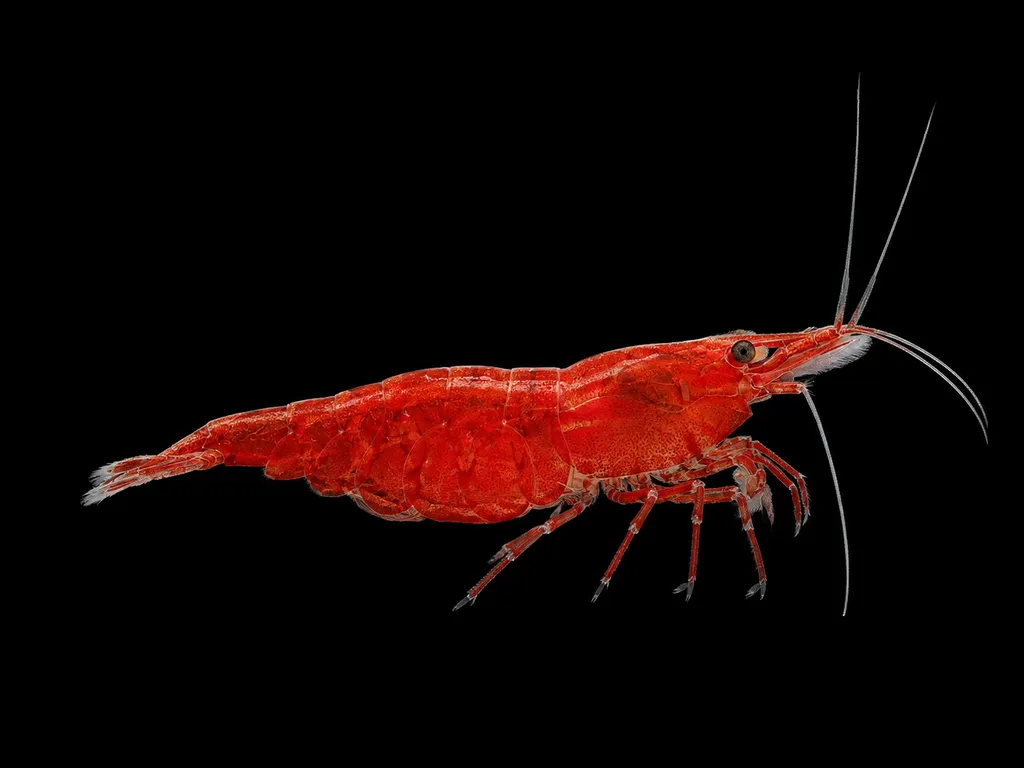
Neocaridina shrimp
Neocaridina davidi
Freshwater1.6 in (4 cm) · 5 gal (19 L)59–84°F (15–29°C)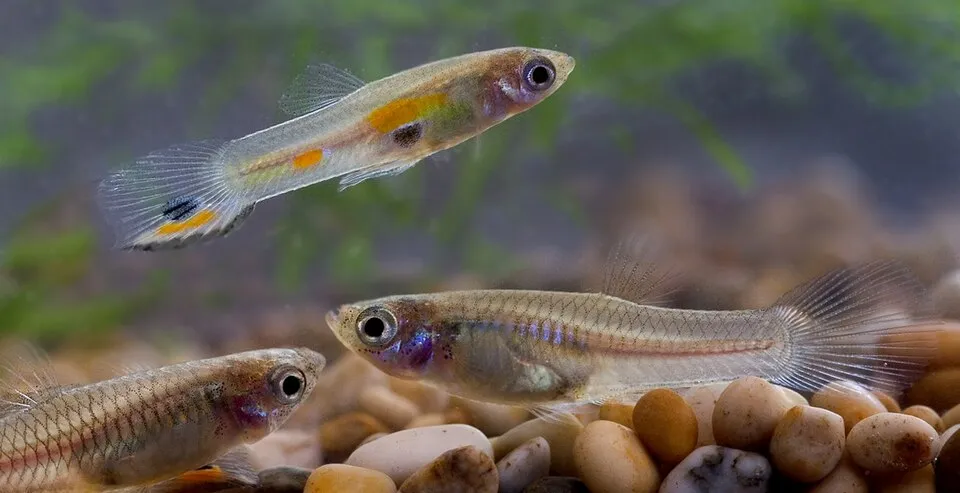
Guppy
Poecilia reticulata
FreshwaterBrackish2.4 in (6 cm) · 10 gal (38 L)64–82°F (18–28°C)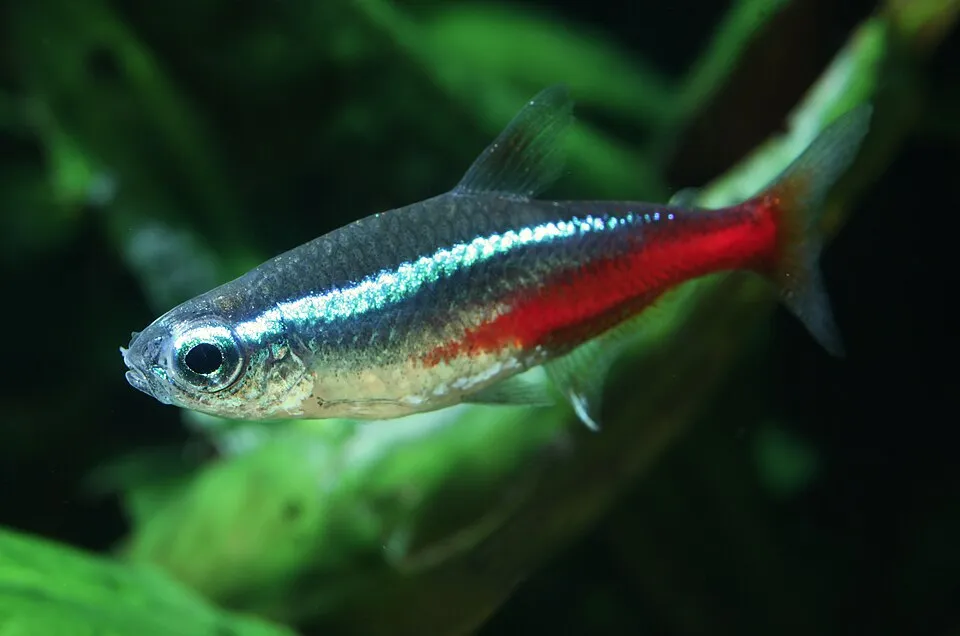
Neon tetra
Paracheirodon innesi
Freshwater1.5 in (3.8 cm) · 11 gal (40 L)70–77°F (21–25°C)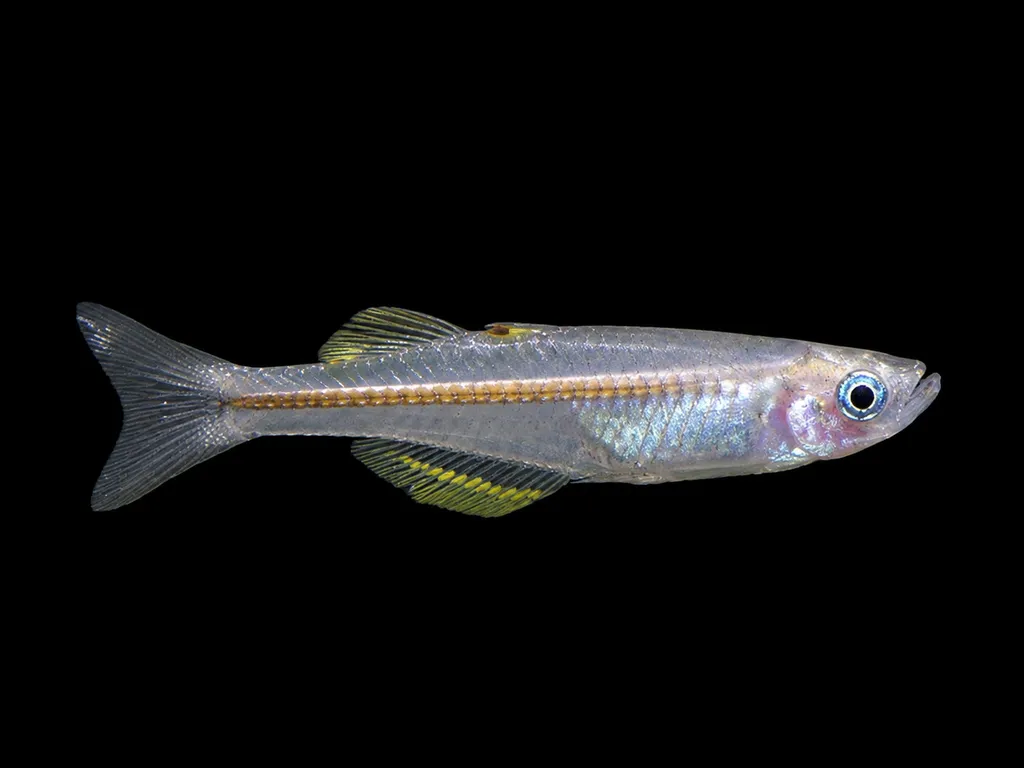
New Guinea blue-eye
Pseudomugil novaeguineae
Freshwater1.8 in (4.5 cm) · 15 gal (55 L)79–86°F (26–30°C)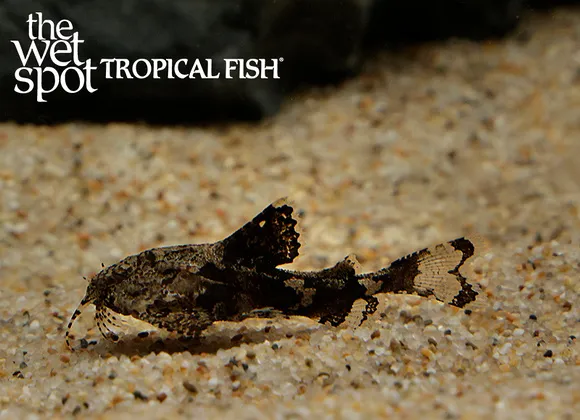
Butterfly hara catfish
Hara hara
Freshwater3.1 in (8 cm) · 14 gal (54 L)68–79°F (20–26°C)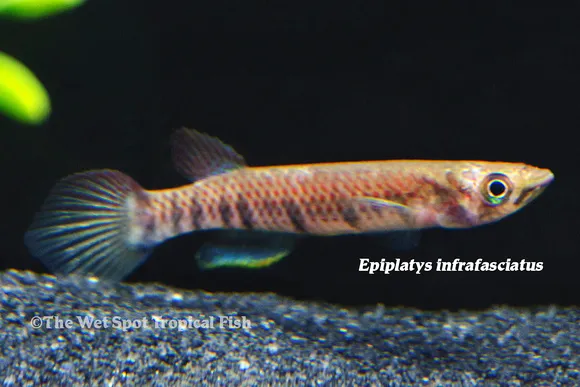
Infrafasciatus killifish
Epiplatys infrafasciatus
Freshwater2.4 in (6 cm) · 14 gal (54 L)68–77°F (20–25°C)
Common questions
What size tank does a variable platy need?
A variable platy needs at least 15 gal (55 L). It spends most of its time in the middle.
What temperature and pH does a variable platy need?
A variable platy is comfortable at 68–79°F (20–26°C) with a pH of 6.8–8.0.
What does a variable platy eat?
A variable platy is not a picky eater. Feed it a good flake with some vegetable matter and occasional frozen foods.
How big does a variable platy get?
An adult variable platy reaches about 2.8 in (7 cm).
How can you tell a male variable platy from a female?
Females grow a bit larger and fuller than males.
How does a variable platy breed?
A variable platy gives birth to live young and breeds easily. Adults eat their own young, so plant the tank densely or move pregnant females out before they give birth.
Related species
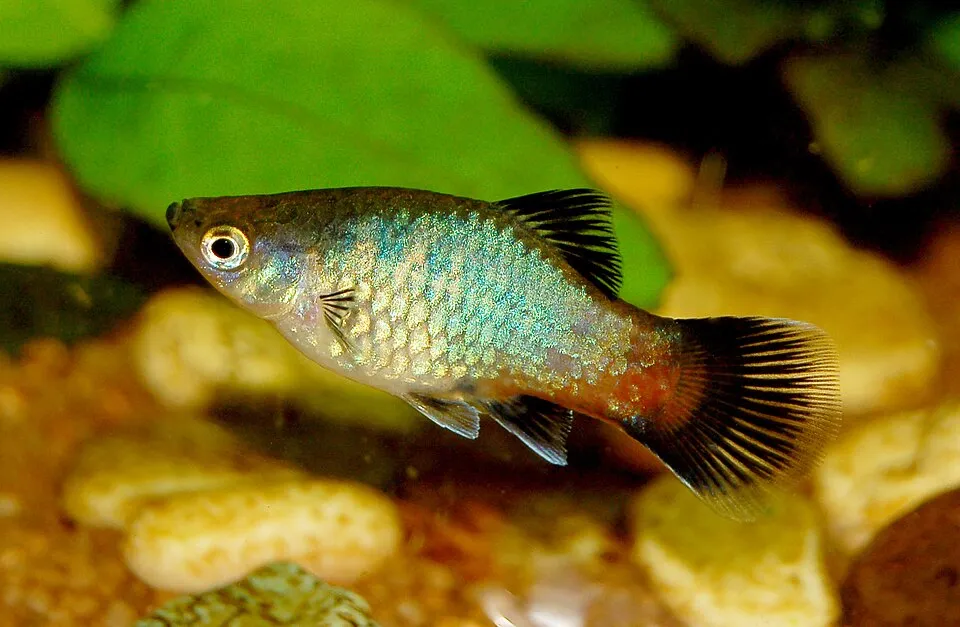 2.8 in (7 cm)10 gal (38 L)68–79°F (20–26°C)
Southern platy
Xiphophorus maculatus
2.8 in (7 cm) · 10 gal (38 L)
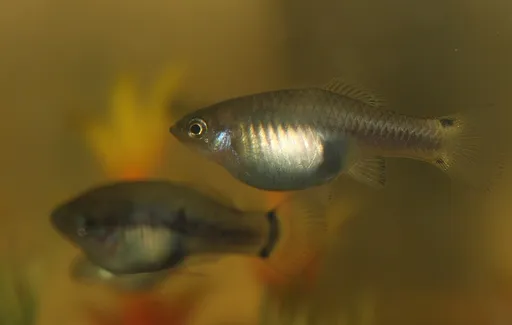 2 in (5 cm)16 gal (60 L)68–79°F (20–26°C)
Spiketail platy
Xiphophorus xiphidium
2 in (5 cm) · 16 gal (60 L)
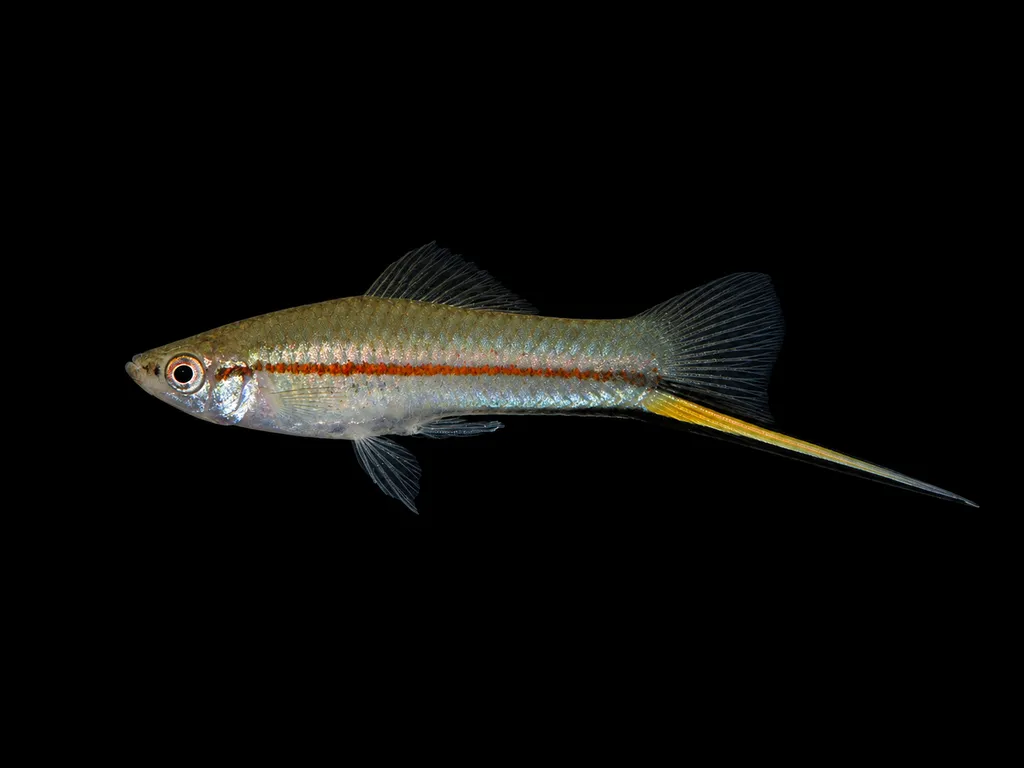 4.1 in (10.5 cm)29 gal (110 L)73–82°F (23–28°C)
Kallman's swordtail
Xiphophorus kallmani
4.1 in (10.5 cm) · 29 gal (110 L)
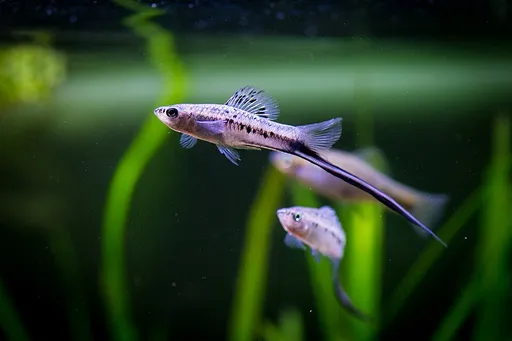 2.8 in (7 cm)24 gal (90 L)68–81°F (20–27°C)
Sheepshead swordtail
Xiphophorus birchmanni
2.8 in (7 cm) · 24 gal (90 L)
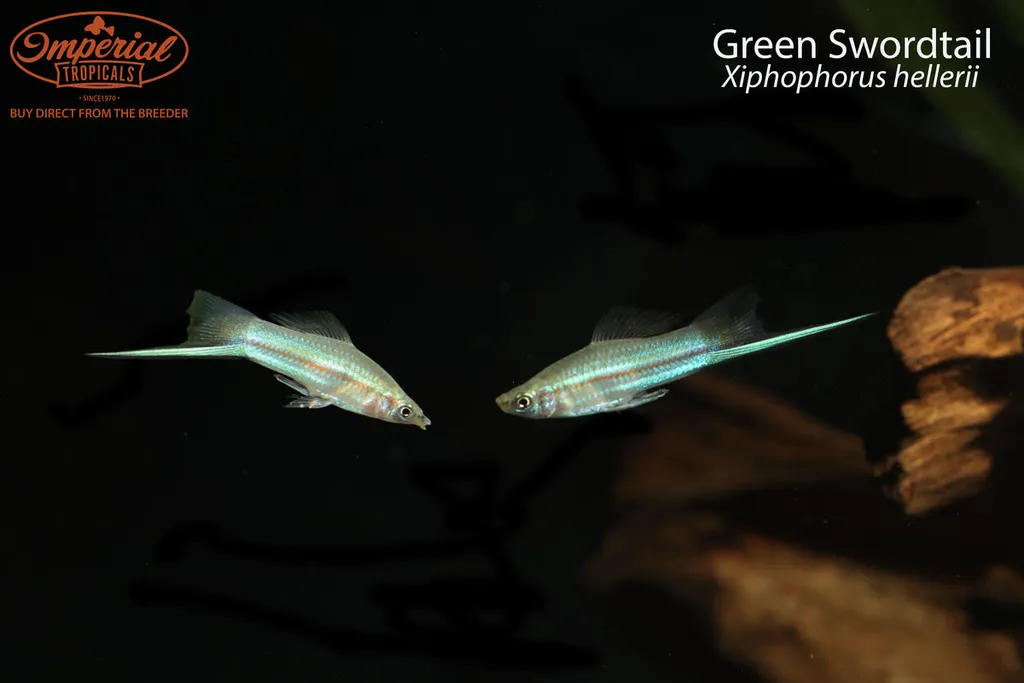 5.9 in (15 cm)20 gal (76 L)68–82°F (20–28°C)
Green swordtail
Xiphophorus hellerii
5.9 in (15 cm) · 20 gal (76 L)
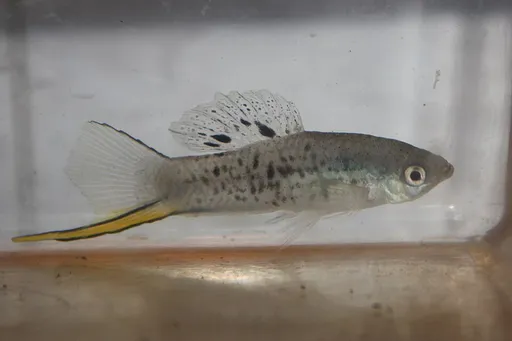 3.5 in (9 cm)29 gal (110 L)68–79°F (20–26°C)
Northern mountain swordtail
Xiphophorus nezahualcoyotl
3.5 in (9 cm) · 29 gal (110 L)